
Krug has operated from Reims since its first vintage in 1843, placing it among the oldest prestige Champagne houses on the Montagne de Reims. Under chef de cave Julie Cavil, the house pursues a multi-vintage blending philosophy that sets it apart from most of its Champenois peers.
Pearl is the En Primeur Club membership app — saves, bookings, and concierge access live there. Same editors, same standards.
- Address
- 5 Rue Coquebert, 51100 Reims
- Phone
- +33 3 26 84 44 20
- Website
- krug.com
- Directions
- Get directions
 Saves & bookings on Pearl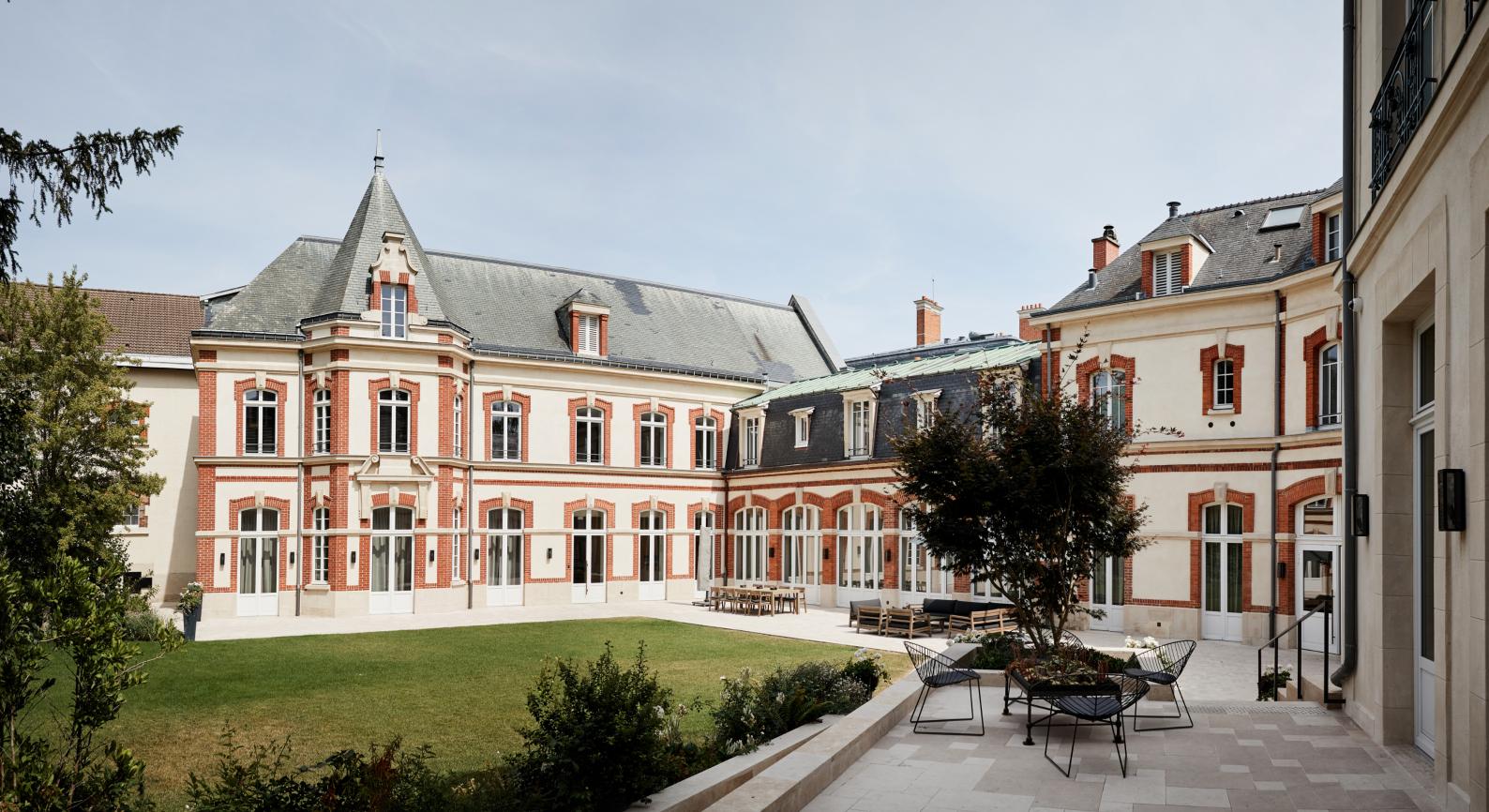
Where the Chalk Speaks First
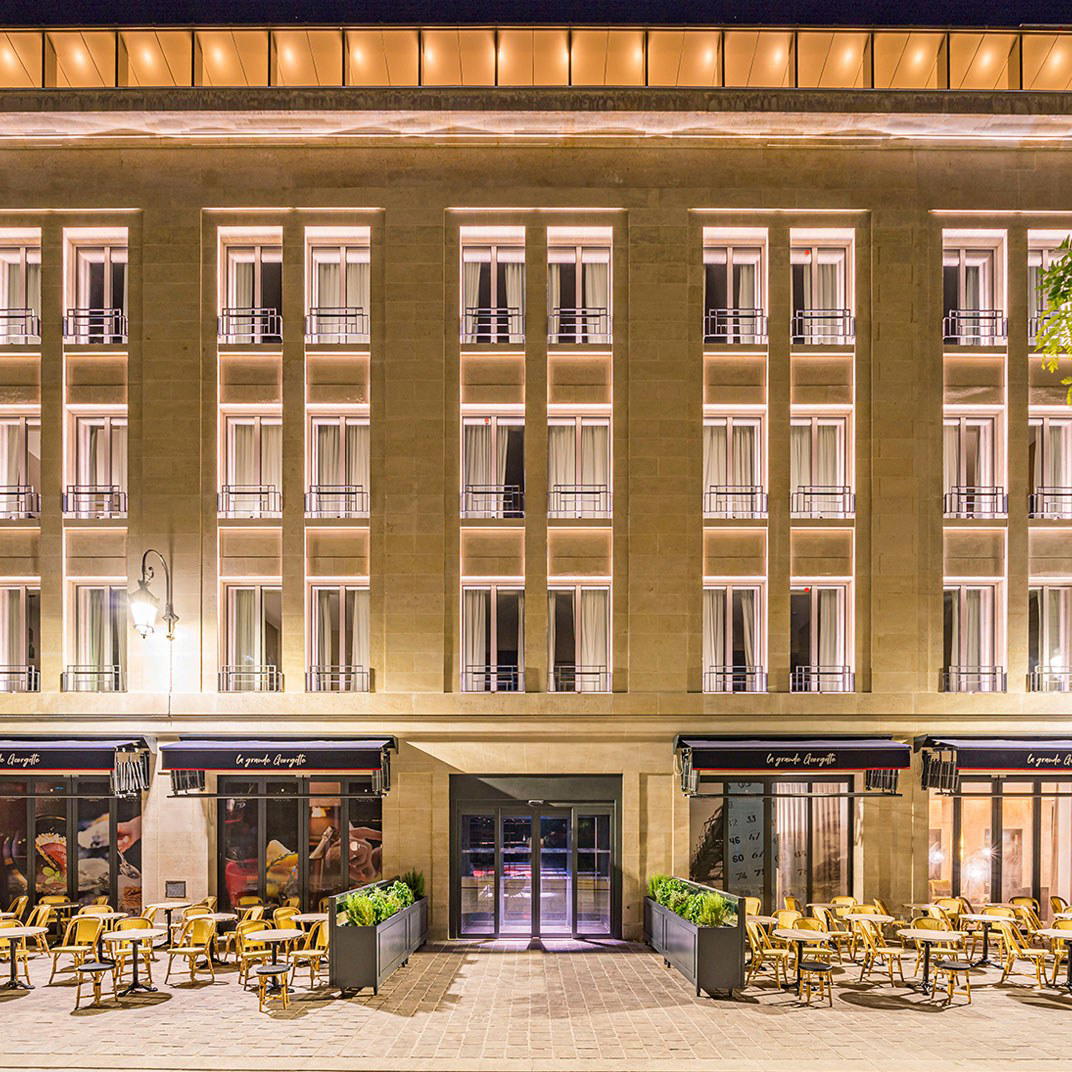
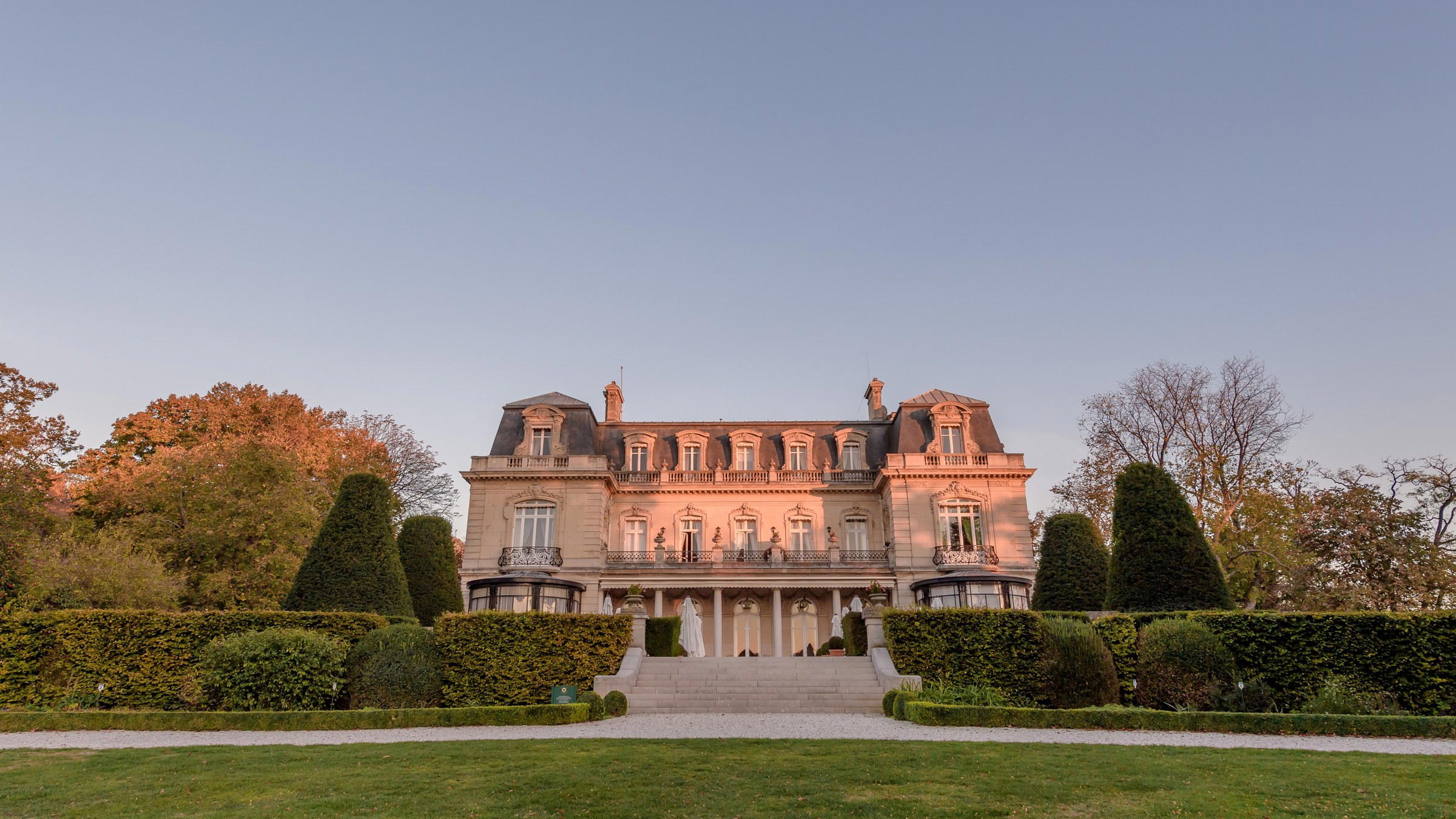
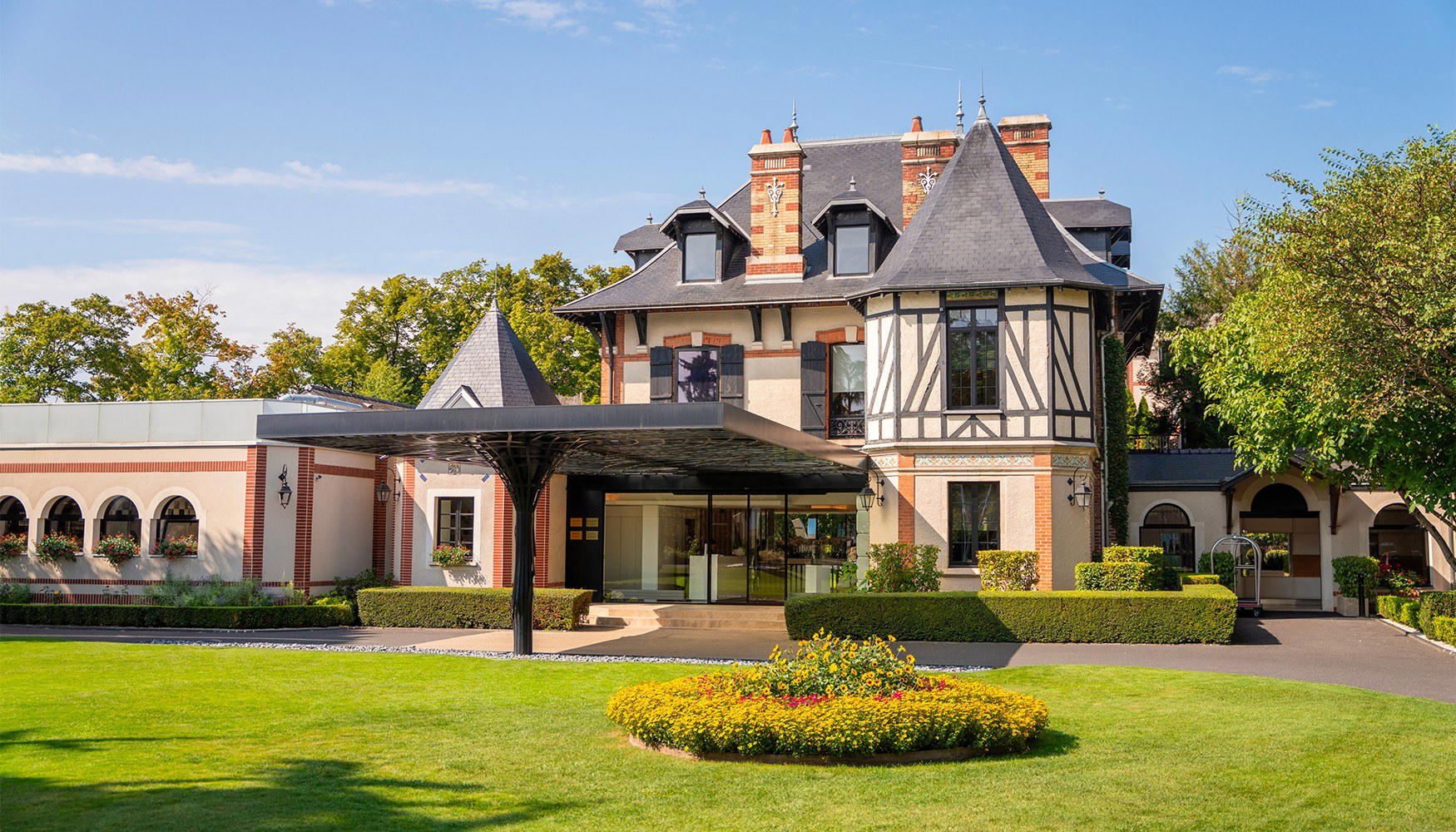
Arriving at 5 Rue Coquebert in Reims, the architecture does not announce itself with vineyard drama or grand gates. What the address offers instead is something more instructive: a working house on a quiet residential street, its modest facade giving little away about the depth of the cellars beneath. In Champagne, the real theatre has always been underground. The chalk geology that runs beneath Reims and Épernay, the same crayères that Roman quarrymen cut for building stone, became the accidental infrastructure of an entire industry, maintaining a near-constant 10°C that no modern refrigeration has improved upon. Krug's cellars sit within that tradition, and the physical environment of the house is inseparable from the wines produced there.
Reims positions itself differently from Épernay along the Champagne wine road. Where Épernay's Avenue de Champagne is a boulevard of grand facades built for visibility, Reims is a city that rewards closer attention. The cathedral city's prestige houses, among them Pommery, Veuve Clicquot Ponsardin, Charles Heidsieck, and Henriot, share a city that has been shaped by the trade for nearly two centuries, but each occupies a distinct position in the hierarchy of prestige production.
The Multi-Vintage Method and What It Signals
The dominant idiom of Champagne production is the non-vintage blend: a consistent house style assembled each year to meet a market that expects predictability. Most grandes marques operate within this logic. Krug's approach diverges in a specific and consequential way. The house builds its blends from a library of reserve wines drawn across multiple years, with the composition of each release reflecting decades of accumulated material rather than the arithmetic of a single harvest. This is not a philosophical statement so much as a structural commitment: maintaining a reserve wine library at the scale Krug requires is capital-intensive and space-intensive in ways that most houses have chosen not to sustain.
Within the broader Champagne comparable set, this positions Krug alongside a small group of houses where production philosophy aligns with allocation-model economics. Houses like Bruno Paillard have pursued analogous depth-over-volume strategies, though from different ownership structures and scale points. What unites this tier is that production decisions are made with the assumption that demand will exceed supply, which relieves the pressure to produce for volume and allows a more deliberate approach to blending.
Winemaker Olivier Krug oversees that process at Krug. Her role in a house of this age and market position carries particular weight: the chef de cave at a prestige Champagne house is responsible for the single most consequential set of decisions the house makes each year, working with a palette of base wines and reserves that has been assembled and catalogued over generations. The institutional knowledge embedded in that reserve library is as much a part of Krug's identity as any single vintage release.
Terroir in the Cellar, Not Just the Vineyard
The editorial angle on Champagne production has, for years, tracked toward single-vineyard and grower-producer narratives, a corrective to the dominance of the large blending houses and a way of connecting Champagne more closely to the Burgundian terroir conversation. That conversation has genuine merit, and it has surfaced producers and parcels that were genuinely overlooked. But it can understate what the blending houses at the summit of the prestige tier are actually doing.
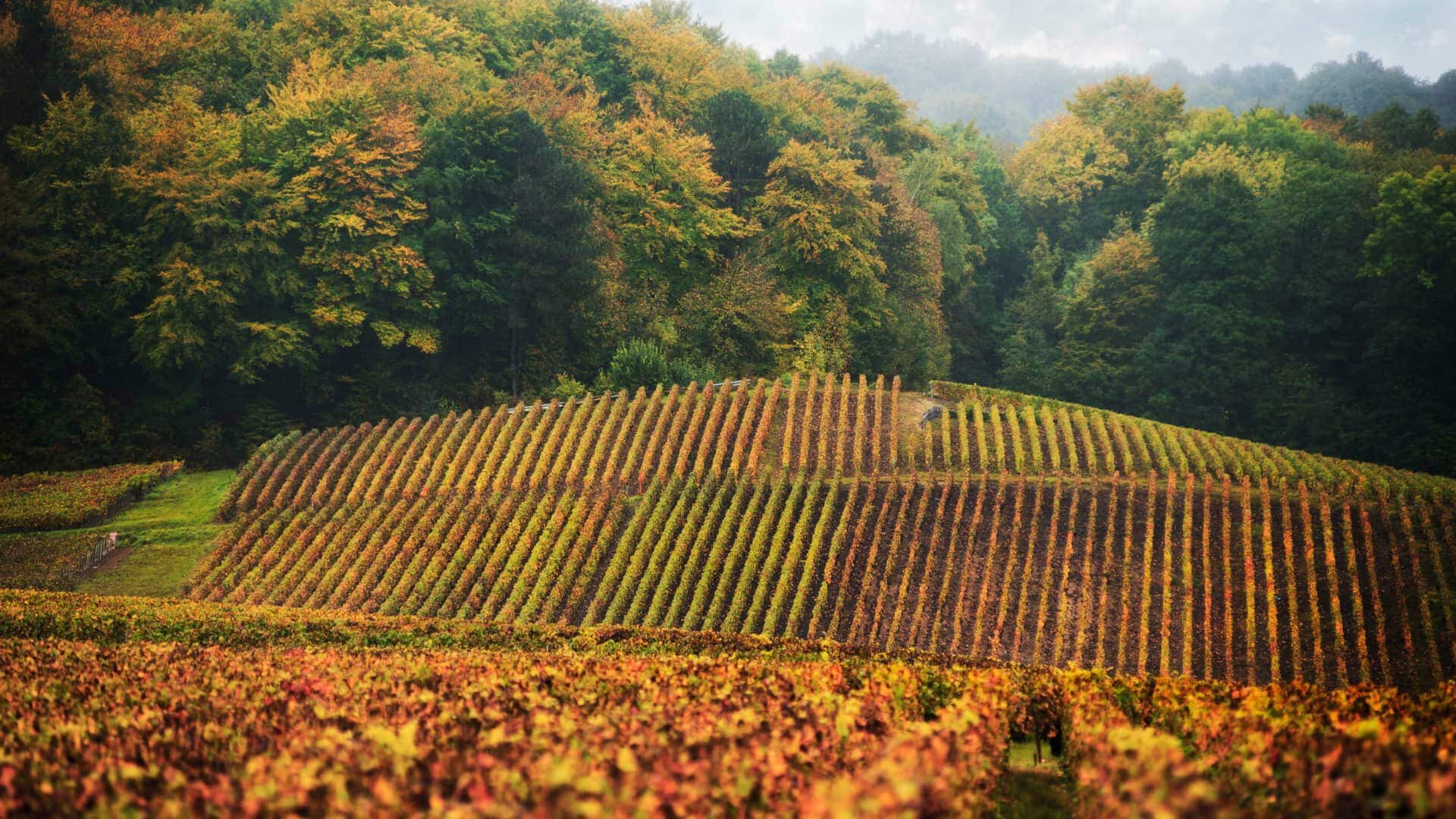
At Krug, the terroir argument runs through the cellar as much as the vineyard. The reserve wine library functions as a spatial and temporal record of Champagne's chalk-driven character: what a given cru expresses across a warm year versus a cool one, how Pinot Noir from the Montagne de Reims behaves against Chardonnay from the Côte des Blancs over time. The physical environment of the cellar, its temperature, its humidity, its darkness, is not background detail. It is the medium in which that record is kept and in which blending decisions are tested.
This is a point worth making in a broader context. Across France's most serious wine regions, the relationship between physical place and production philosophy runs deeper than vineyard maps suggest. Albert Boxler in Niedermorschwihr navigates Alsace's grand cru complexity through generational cellar knowledge as much as through viticultural practice. Château Bélair-Monange in Saint-Emilion draws on limestone and clay geology that only reveals itself over extended aging. Château Branaire Ducru in St-Julien and Château Batailley in Pauillac both demonstrate how Left Bank terroir expresses itself differently depending on the depth of gravel and the drainage patterns that centuries of observation have mapped. The cellar as landscape, as the place where terroir is interpreted and extended, is the through line.
Visiting Krug: What to Expect and When to Plan
Krug is not a walk-in wine tourism destination in the casual sense. At this tier of Champagne production, visits are typically arranged in advance, and availability reflects the house's scale and allocation model. The address at 5 Rue Coquebert places the house within Reims itself, accessible by train from Paris in under 50 minutes on the TGV, which makes it a realistic day trip for visitors based in the capital, though the city rewards an overnight stay given the cathedral, the other prestige houses in walking distance, and the quality of the broader food and wine scene.
Visitors planning a Champagne itinerary around this tier of house would do well to sequence visits over multiple days. The major Reims houses, Krug alongside Pommery, whose Art Nouveau cellars are among the more photographed in the region, and Veuve Clicquot, represent distinct approaches to cellar tourism, from architecturally theatrical to production-focused. Krug's draw is less the spectacle of the visit than the depth of the tasting: the point is to understand what multi-vintage blending produces in the glass, and that requires attention rather than atmosphere.
For context on how the prestige Champagne tier sits within the wider world of serious French and European wine, the comparison points extend well beyond the Marne. Château Bastor-Lamontagne in Preignac and Château Boyd-Cantenac in Cantenac occupy analogous positions in their respective appellations: houses with long institutional histories operating in categories where patience and reserve depth matter more than production volume. Even outside wine entirely, the logic of slow production and institutional knowledge applies: Chartreuse in Voiron and Aberlour in Aberlour represent the same underlying principle in spirits: that what a house accumulates over decades is not easily replicated by investment alone. Accendo Cellars in St. Helena makes a parallel case in Napa, where a small-production allocation model has positioned it within a comparable set defined by restraint and depth rather than volume.
The rating does not need further elaboration: at this level, credentials speak through the glass.
Just the Basics
Comparable venues nearby, for context on price, style, and recognition.
| Venue | Cuisine | Price | Notes |
|---|---|---|---|
| KrugThis venue — the venue you are viewing | Reims, Pinot Noir, Chardonnay | $$$$ | Not listed |
| Bruno Paillard | Not listed | $$$ | South of Reims city centre, Chardonnay, Pinot Noir |
| Henriot | Reims, Chardonnay, Pinot Noir | $$$ | Not listed |
| Charles Heidsieck | Not listed | $$$$ | Saint-Nicaise Hill, Chardonnay, Pinot Noir |
| Piper-Heidsieck | Reims, Pinot Noir, Chardonnay | $$$$ | Not listed |
| Veuve Clicquot Ponsardin | Reims, Pinot Noir | $$$$ | Not listed |
Recognition history
Dated appearances from independent guides and award organizations, with the underlying list record or original source where available.
Falstaff Winery - 5 Stars
Falstaff
Continue exploring
More in Reims
Wineries in Reims
Browse all →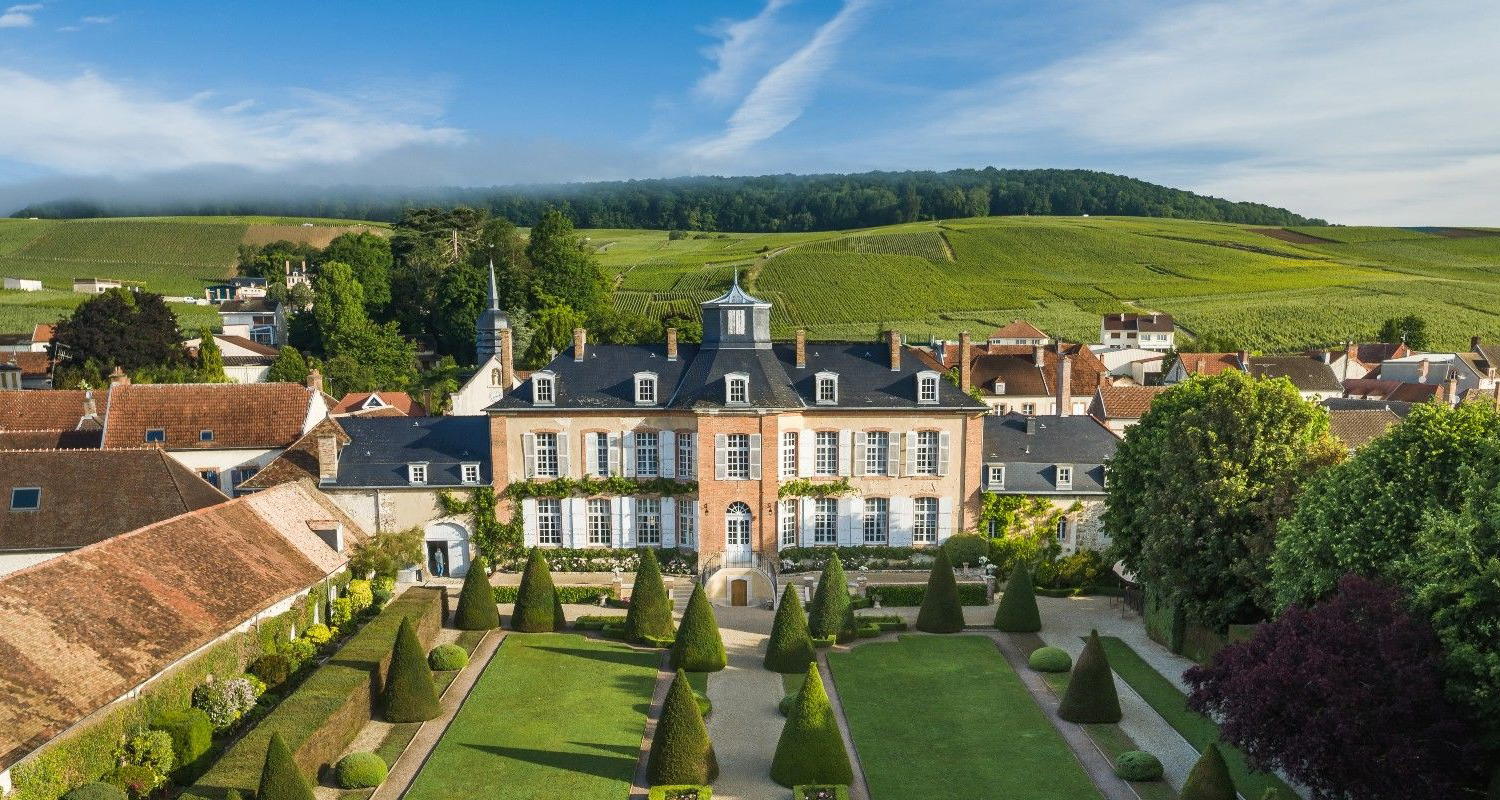
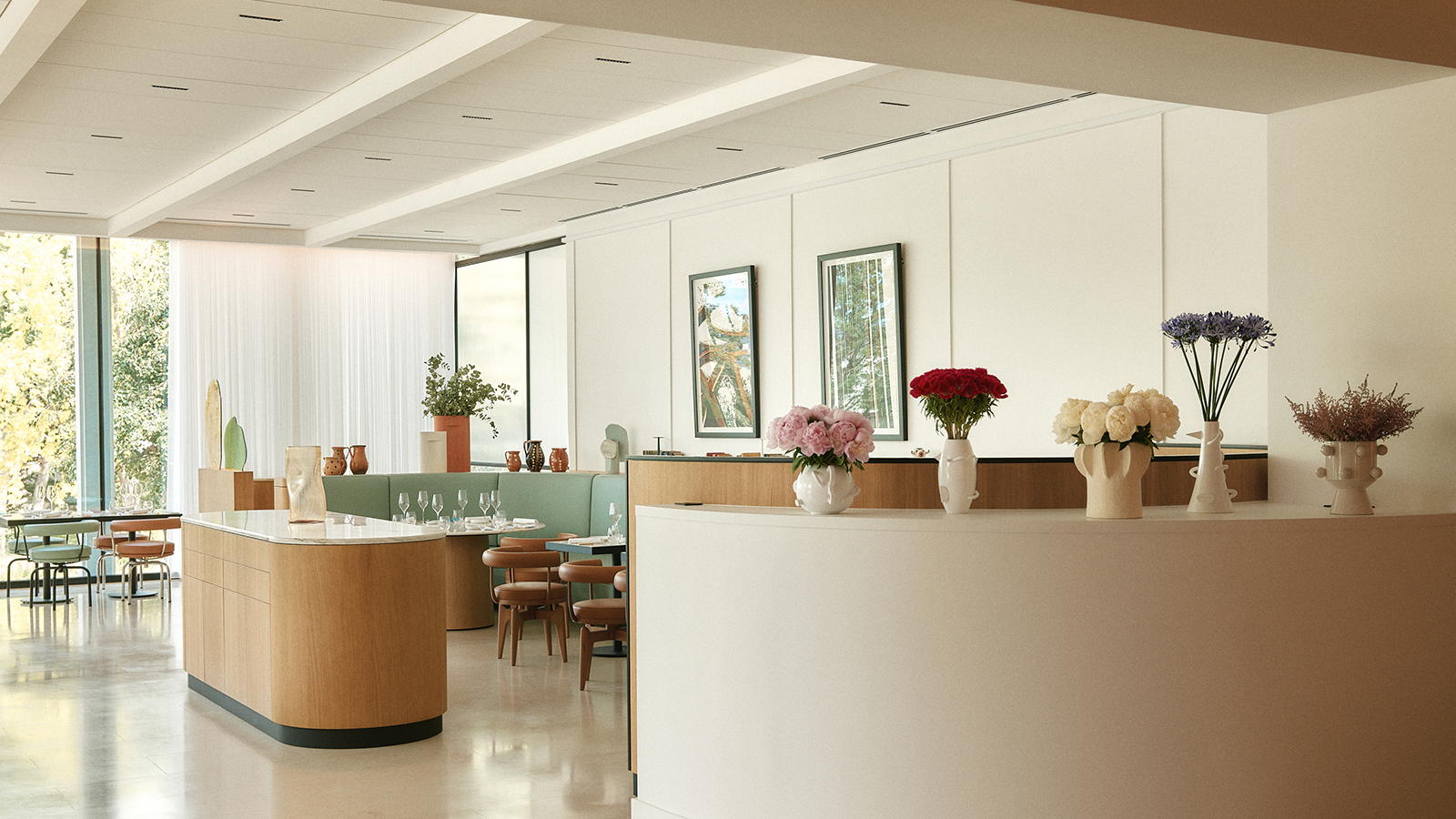
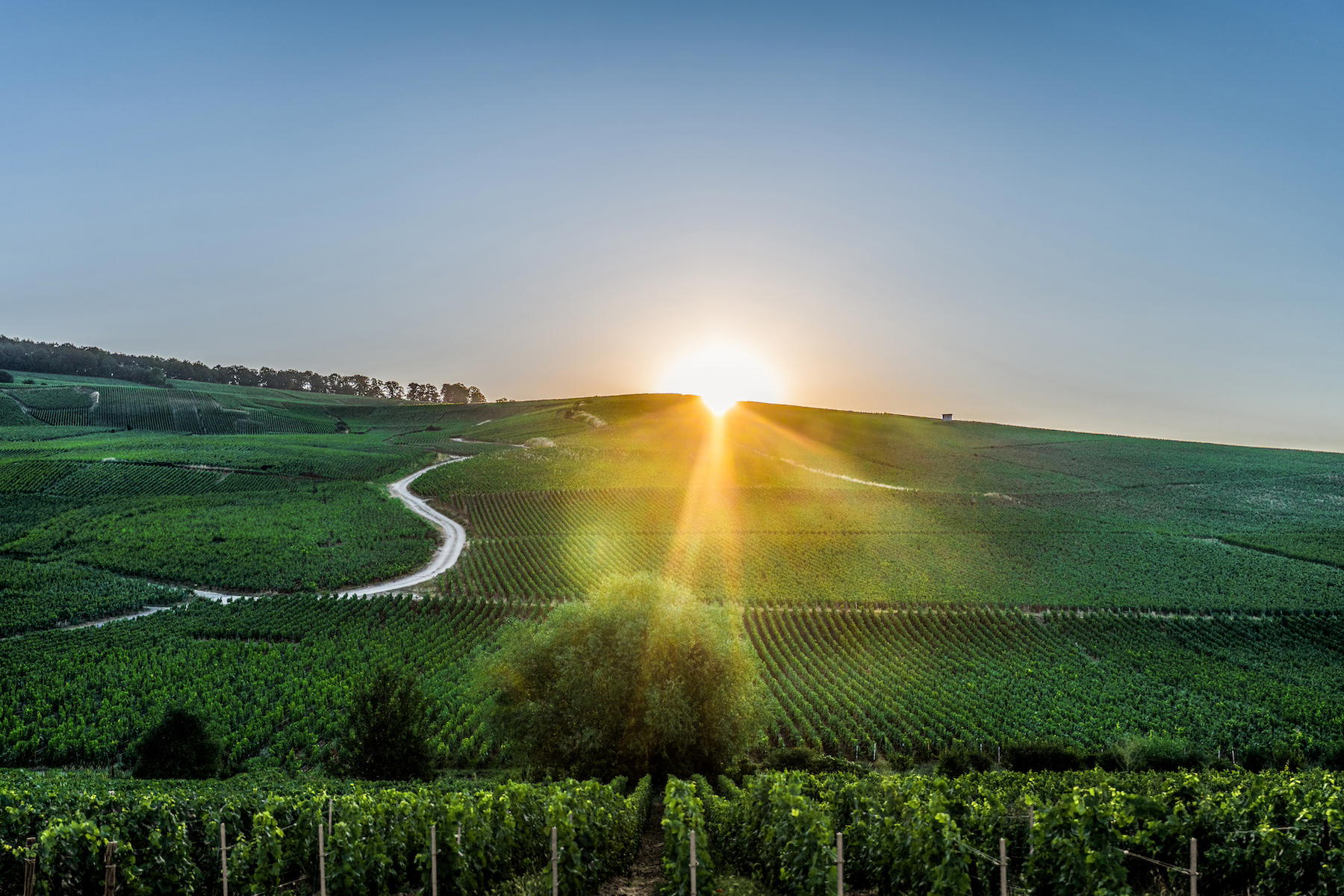
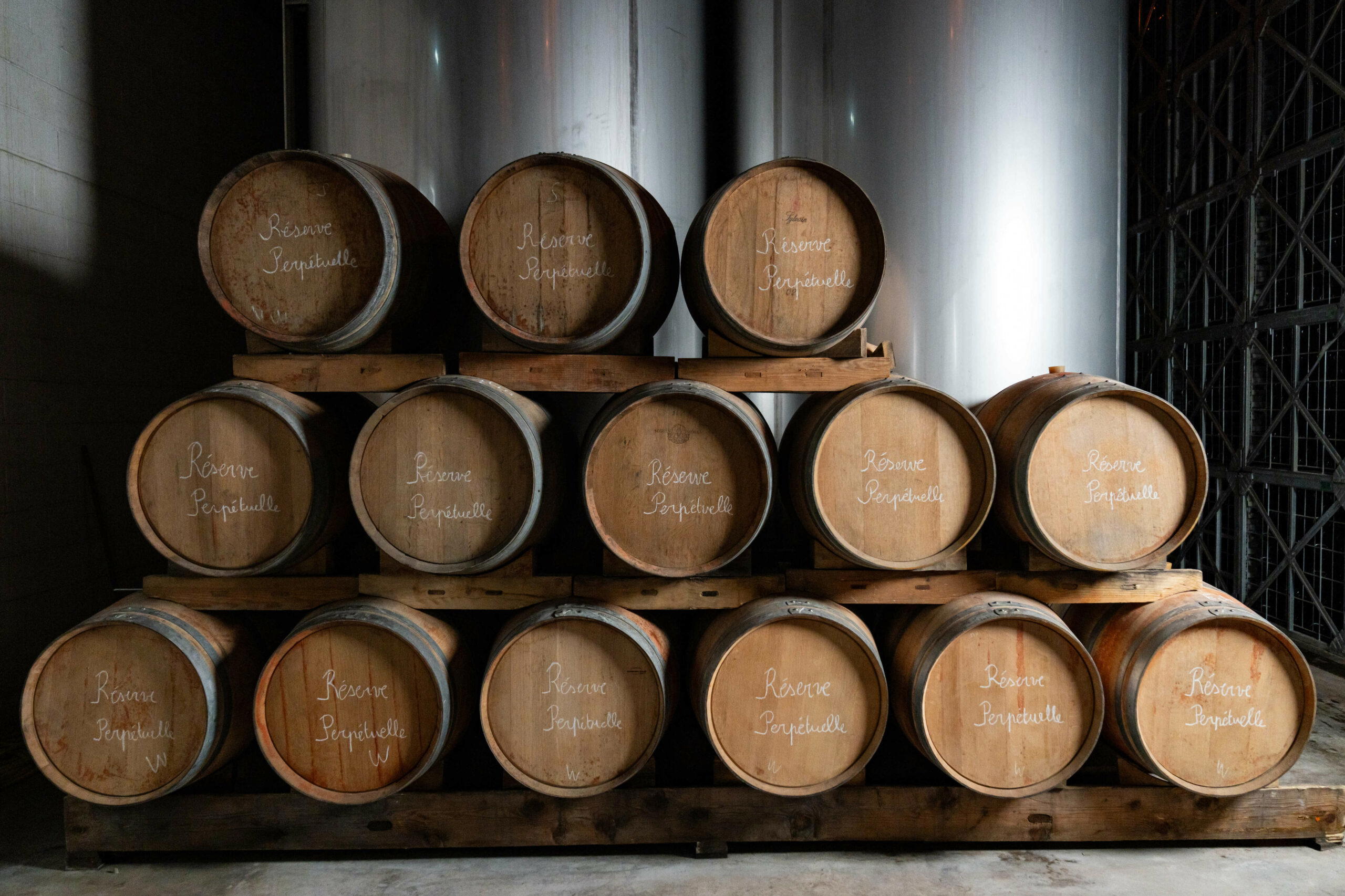
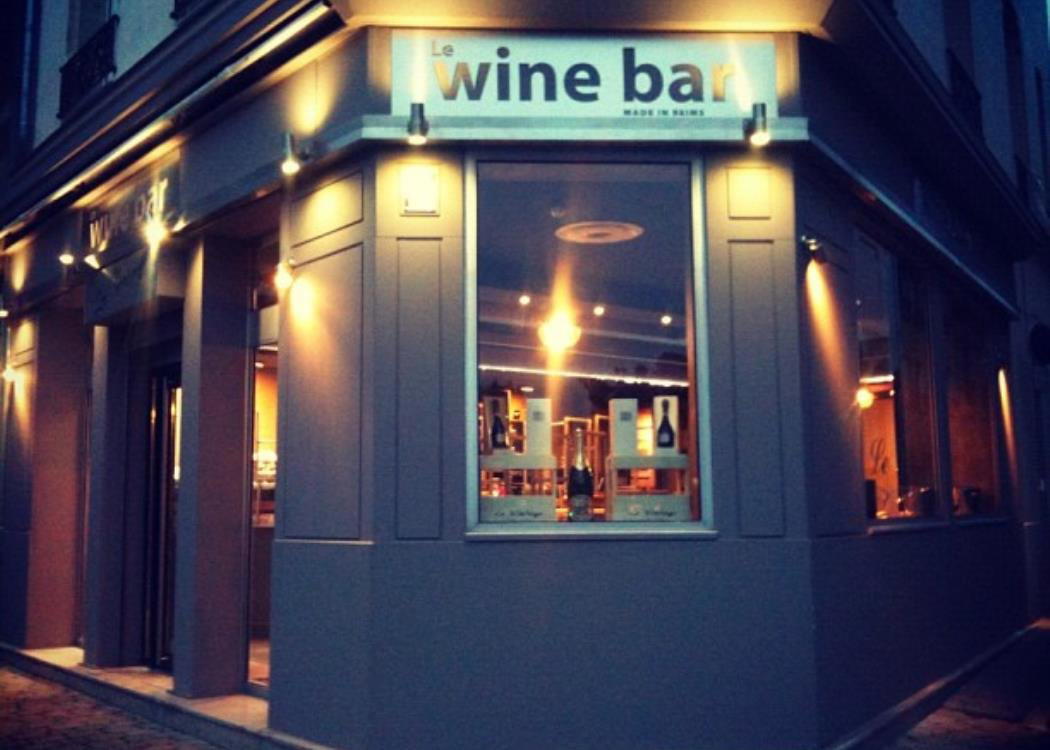
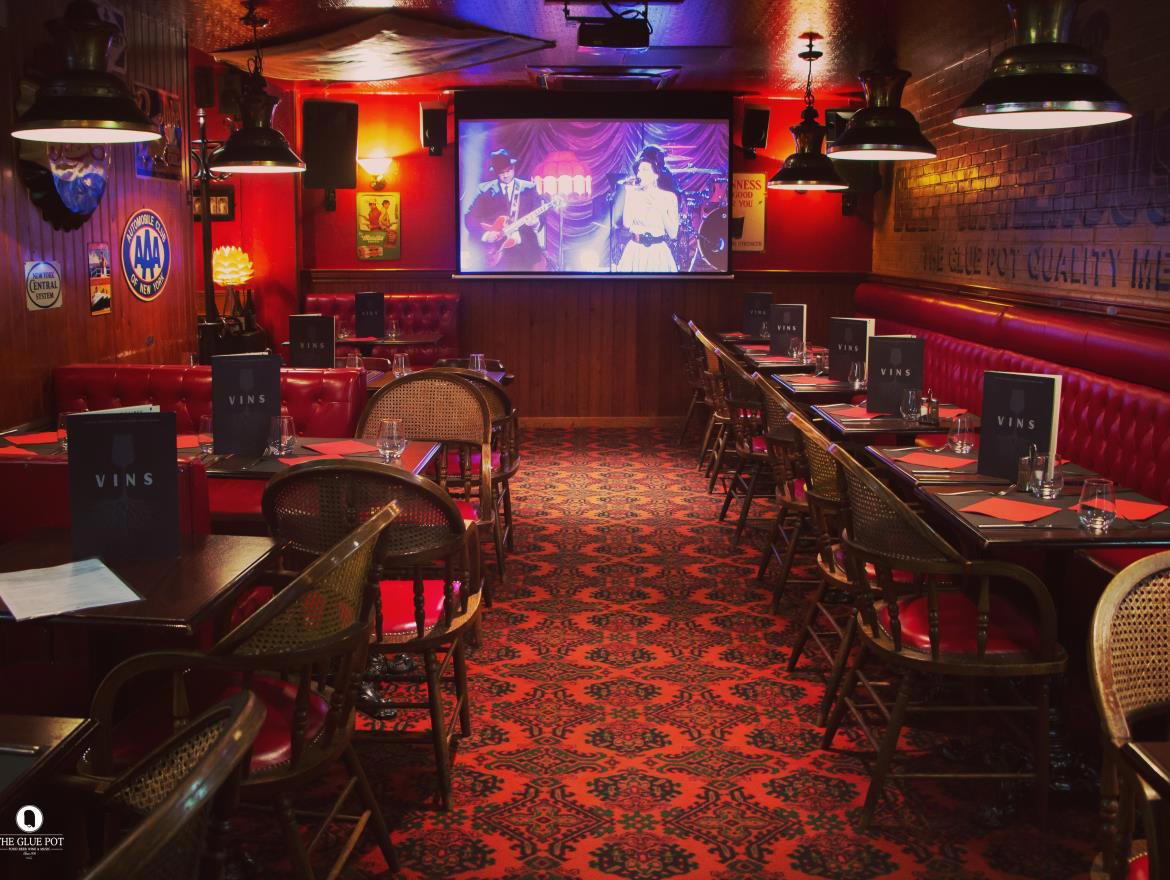
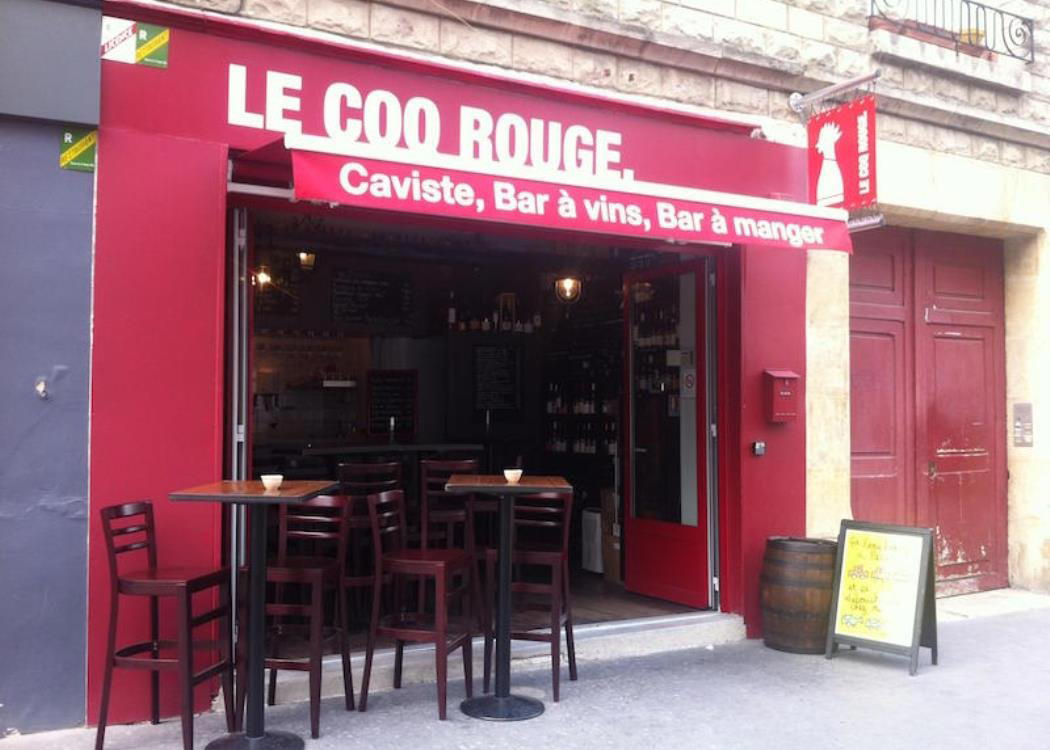
Bars in Reims
Browse all →
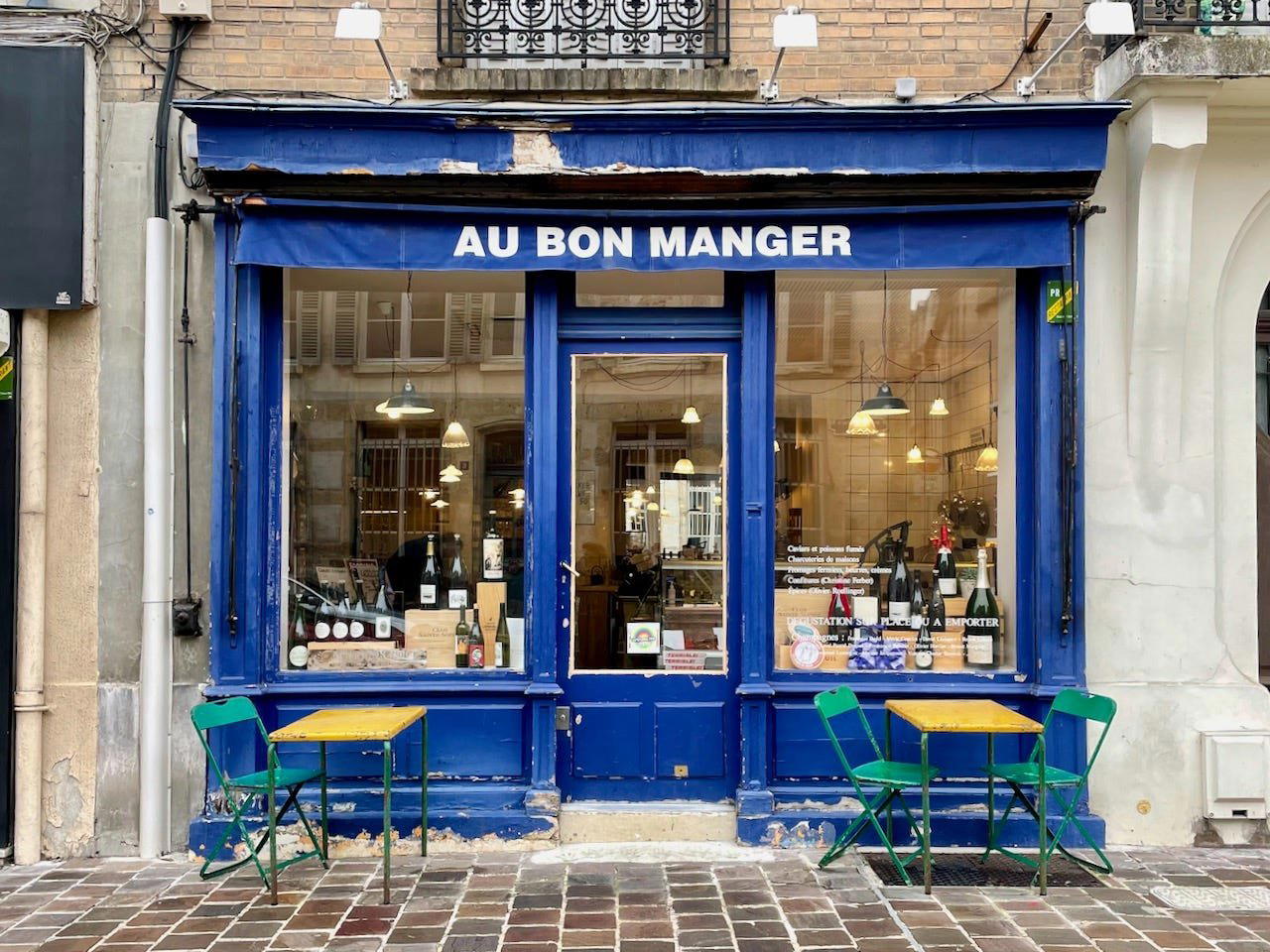
Restaurants in Reims
Browse all →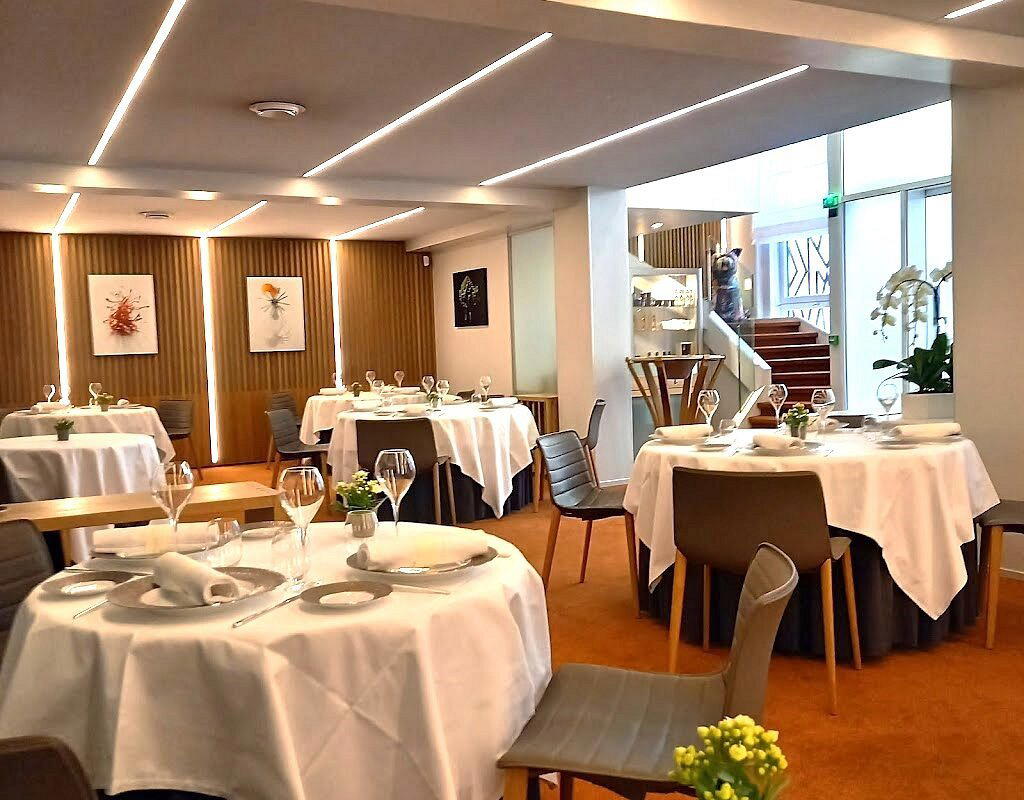
At a Glance
- Elegant
- Sophisticated
- Classic
- Well Known
- Special Occasion
- Wine Education
- Cave Tasting
- Historic Building
- Champagne AOC
- Pinot Noir
- Chardonnay
- Pinot Meunier
- Sparkling
- Single Vineyard
- Vintage
- Non Vintage Blend
- Rosé
Historic cellars with extended aging on lees, evoking timeless elegance and complexity.