

World's 50 Best #73 · Falstaff Winery - Listed
Quinta do Noval is a Douro reference point for travelers who care about vineyard origin rather than cellar theatrics. In Pinhão, its appeal lies in the relationship between steep terraced slopes, old vines, and Port culture, placing it in serious conversation with the area’s other historic quintas.

Pearl is the En Primeur Club membership app — saves, bookings, and concierge access live there. Same editors, same standards.
- Address
- R. da Praia 15, 5085-042 Pinhão
- Phone
- +351 259 104 194
- Website
- quintadonoval.com
- Directions
- Get directions
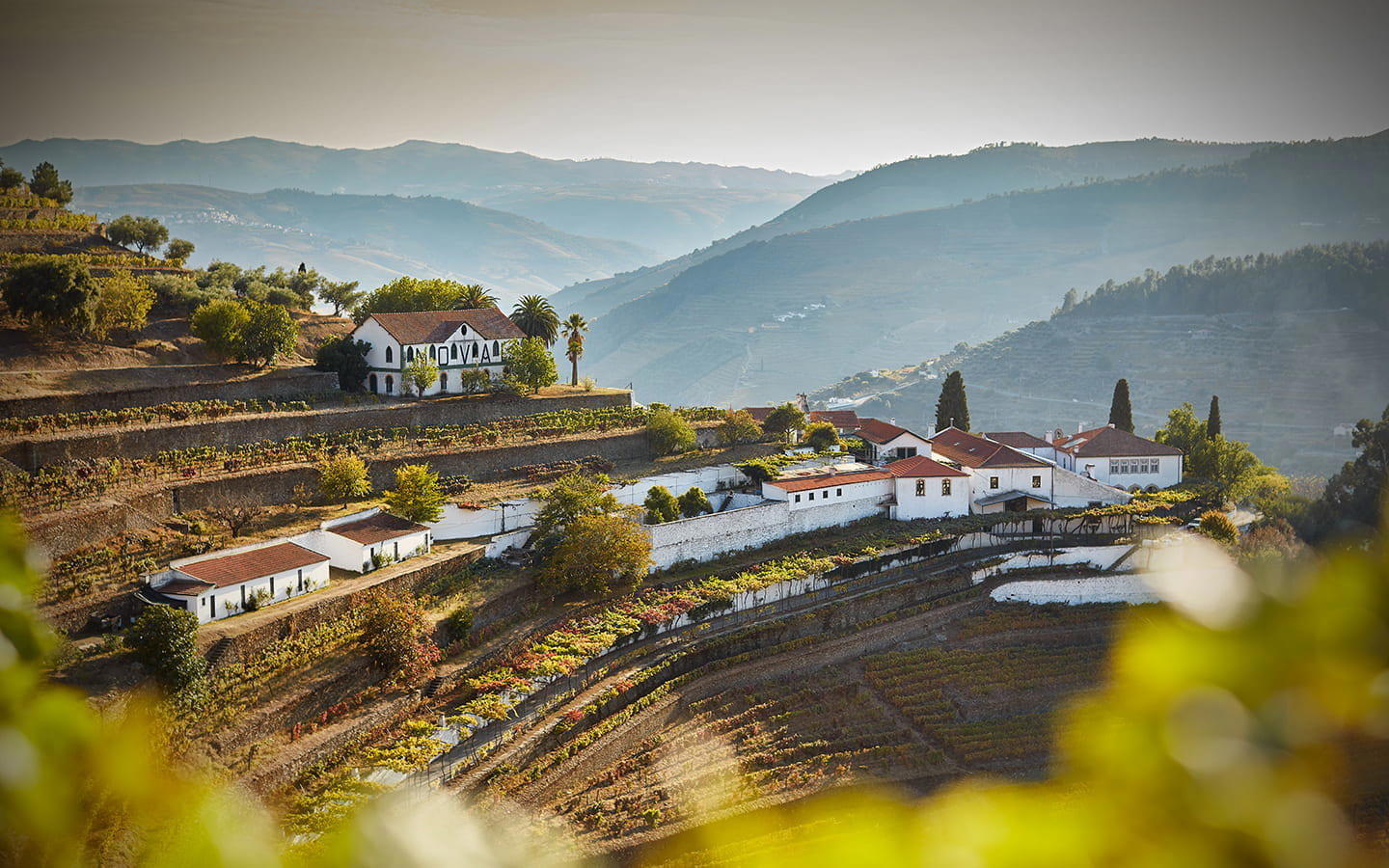
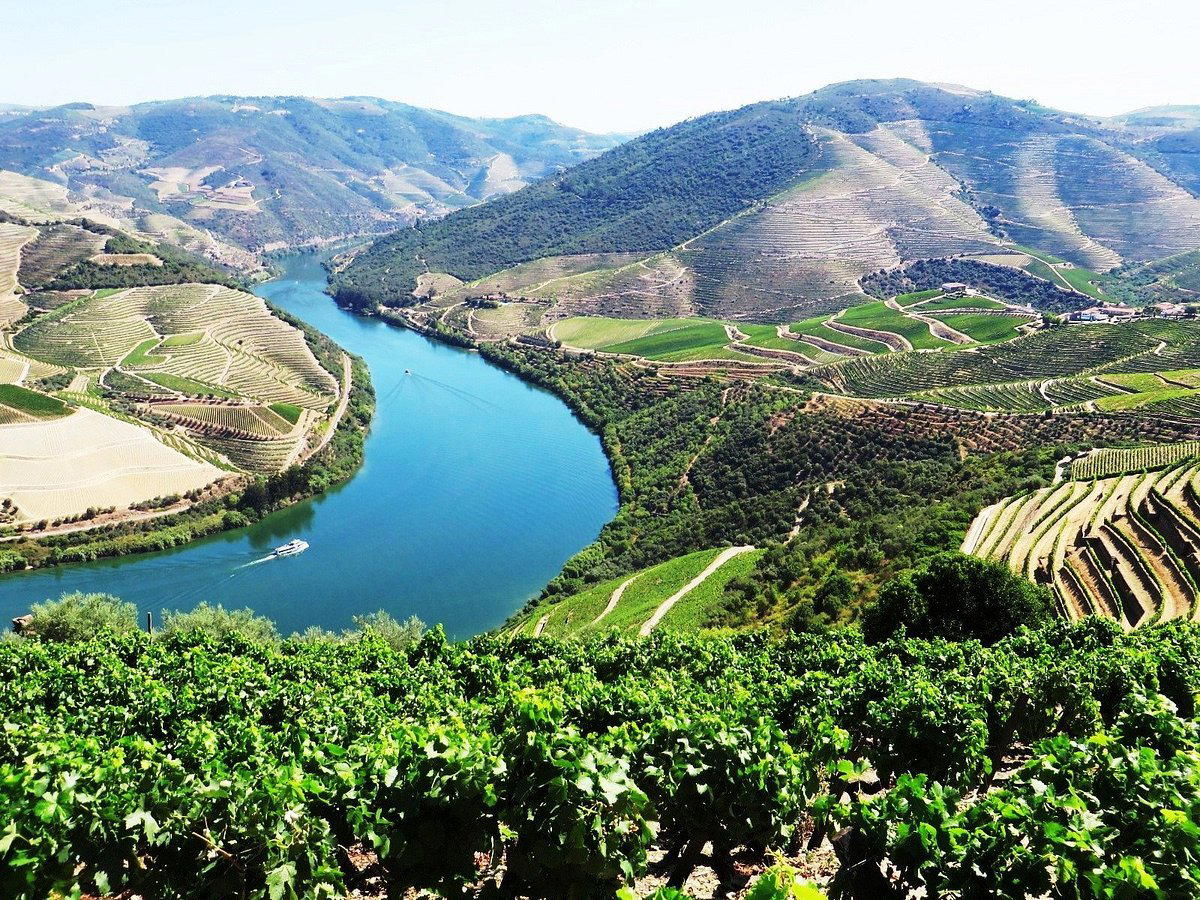
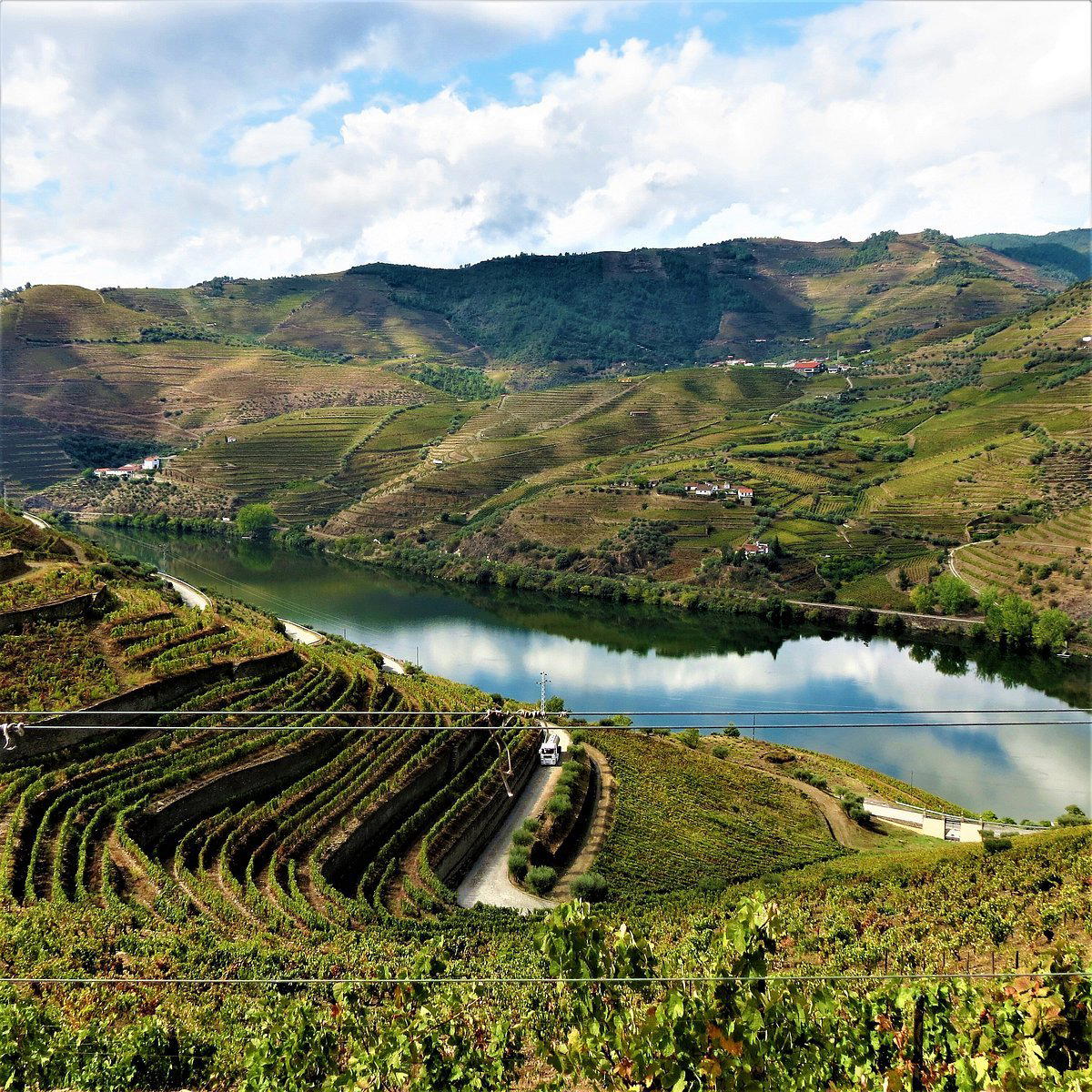
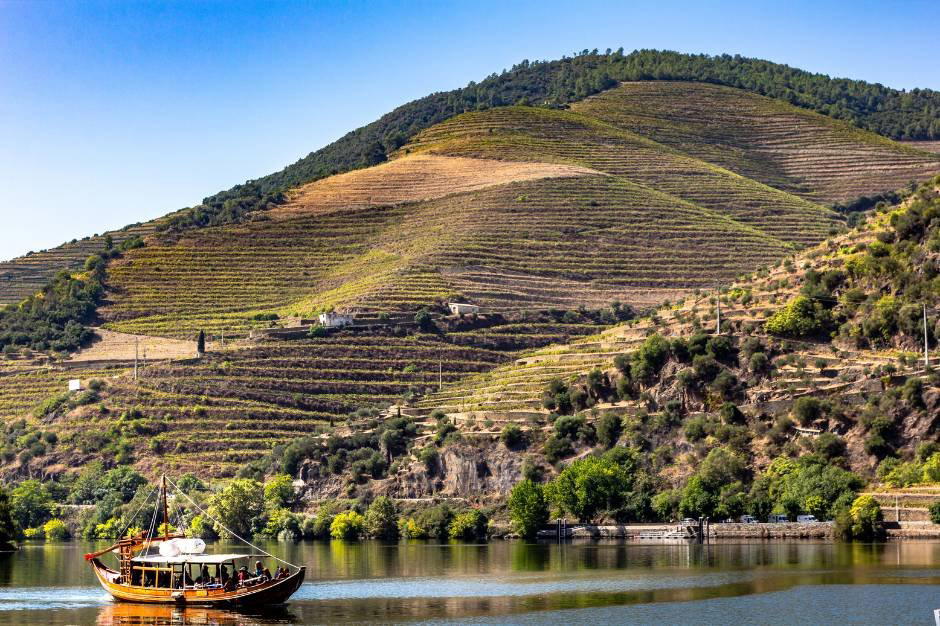
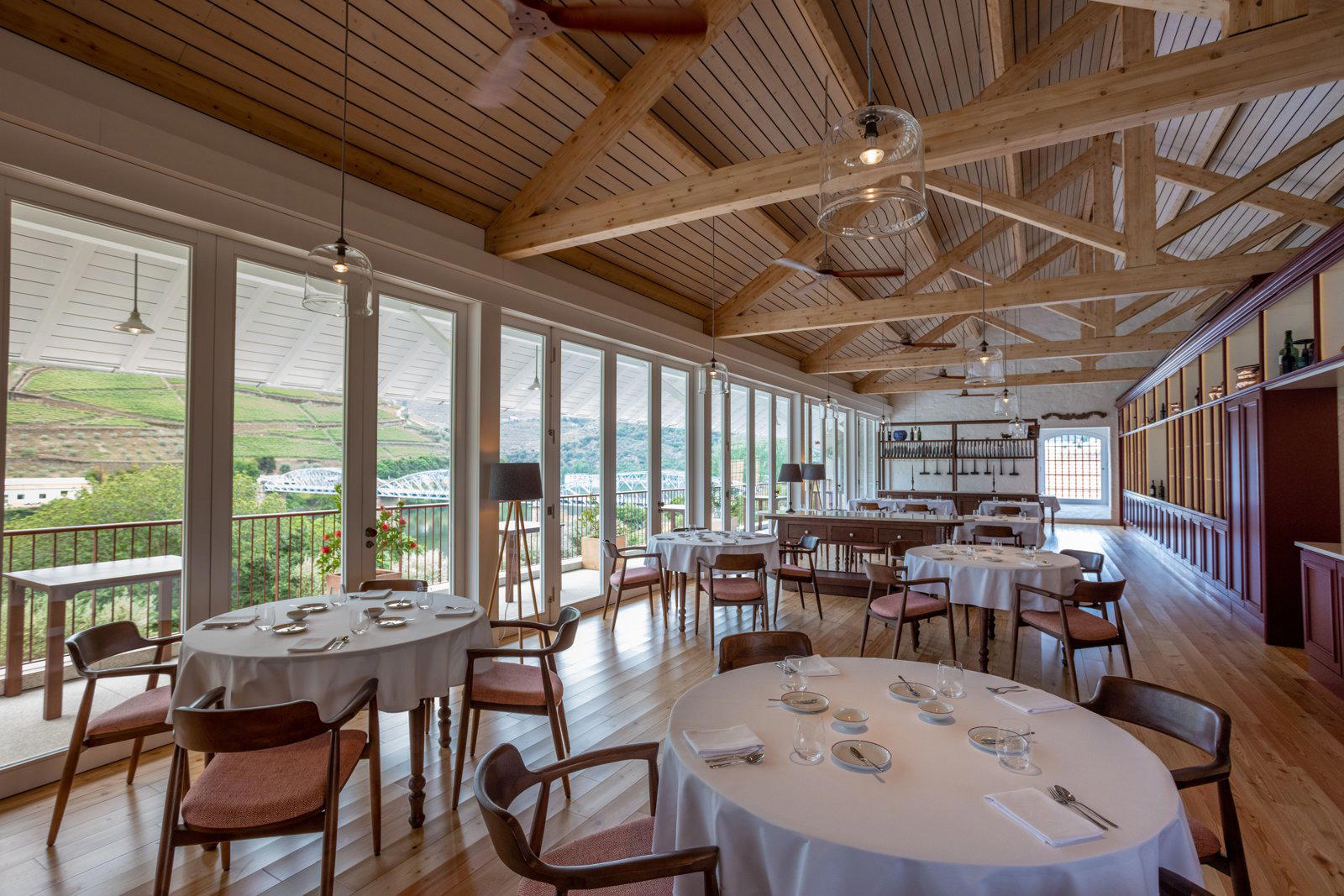
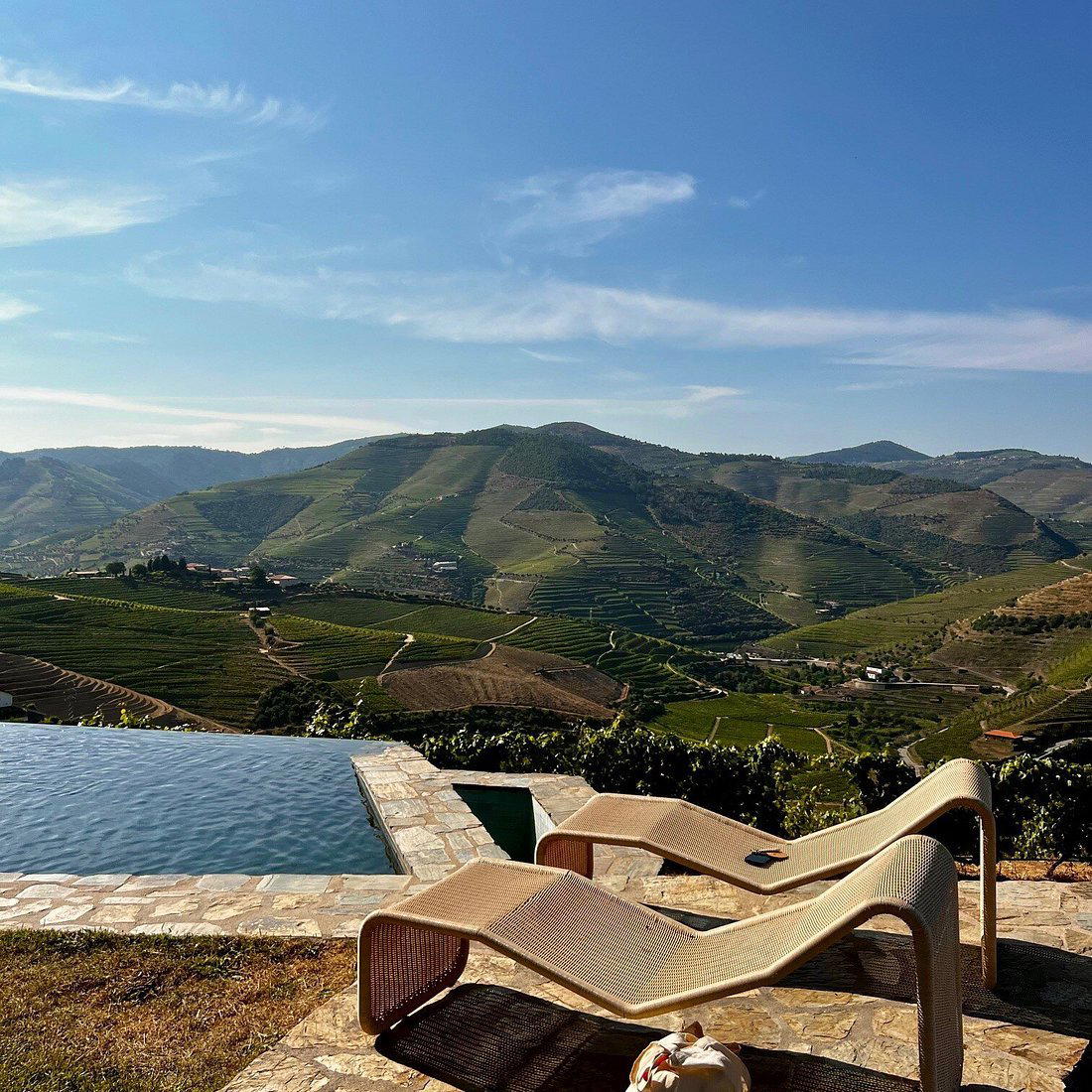
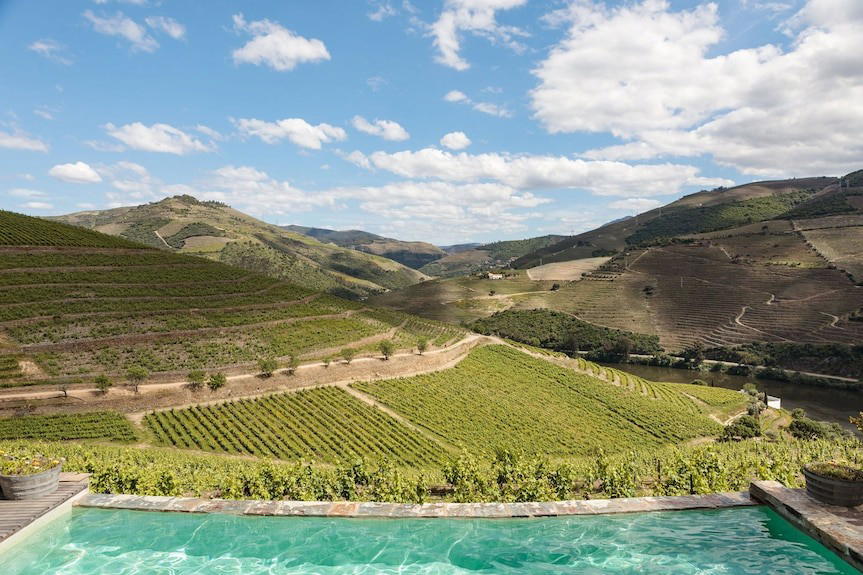
Approaching Pinhão, the Douro is defined by steep slopes, terraced vineyards, and the water below. Quinta do Noval belongs to that physical grammar of the valley: a Port producer whose identity is tied to its place among the Douro’s vineyard estates.
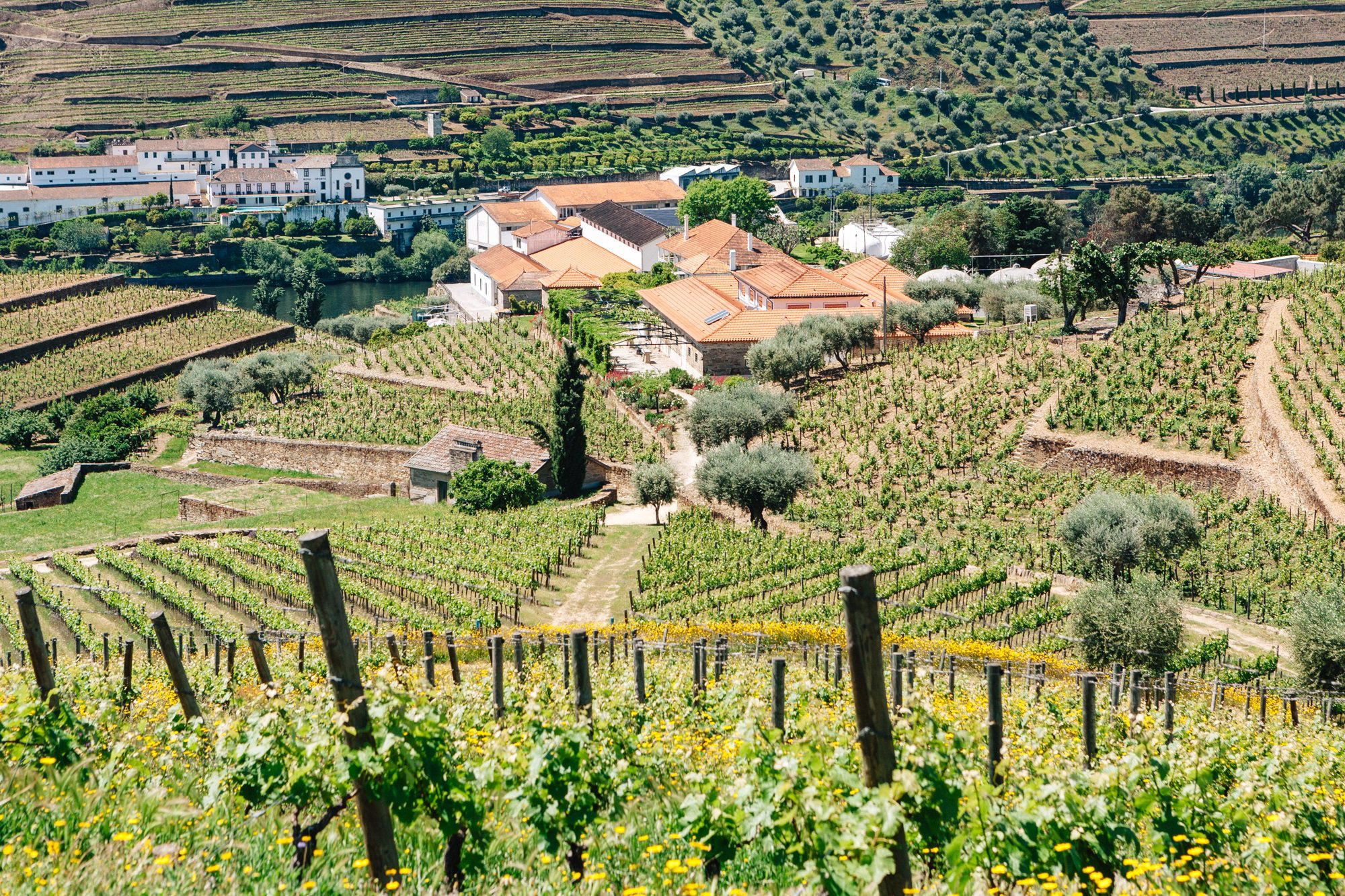
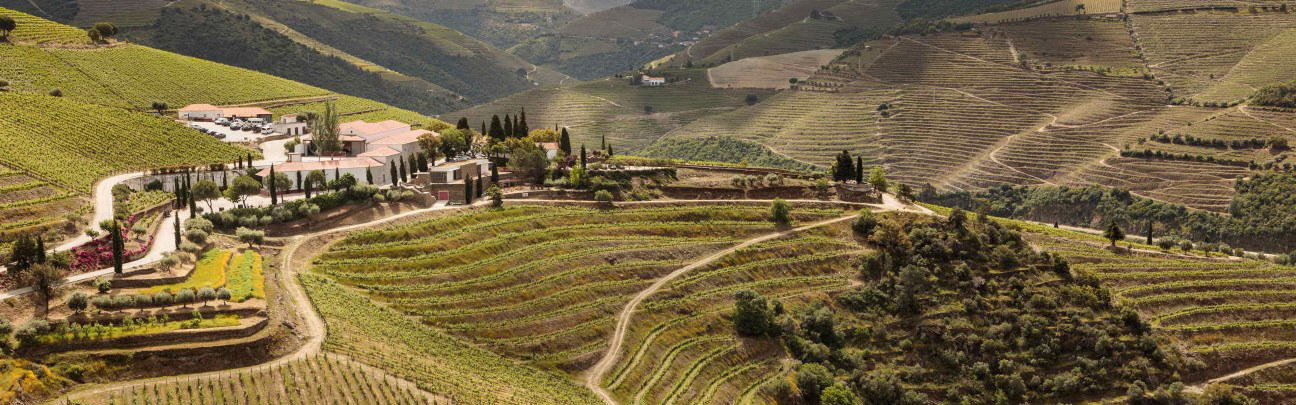
The Douro’s serious estates reward travelers who look past the surface. This is a region where the vineyard is the argument. Producers in and around Pinhão often share the same broad vocabulary: Port, steep parcels, river-facing slopes, and a landscape shaped by terraces. In that context, Quinta do Noval carries weight because its terraced vineyards are described among the oldest in the Douro Valley.
Old terraces make the case for Douro terroir
The Douro is often discussed through Port houses, but the valley’s deeper story is also about vineyard landscape. Terracing is not just scenery; it is part of how the region is understood. At an estate such as Quinta do Noval, that terrain gives the setting its substance. The draw is not simply Port in Pinhão, but seeing how the region’s fortified-wine identity is tied to vineyard architecture.
That distinction matters because Pinhão has a cluster of names with different visitor rhythms. Quinta das Carvalhas, Quinta do Bomfim, and Quinta da Roêda (Croft) all sit inside the same broader Douro conversation, giving travelers a useful way to compare how Port culture is presented across estates. The better itinerary does not treat them as interchangeable stops. It asks which stop gives the clearest read on slope, vineyard age, and house identity.
Quinta do Noval’s position in that conversation is rooted in its terraced vineyards rather than spectacle. The valley’s older parcels bring a different kind of authority: less about novelty, more about continuity. In a wine region where the past can be packaged too neatly, old terraced vineyards provide a more concrete point of reference.
Pinhão is a compact base for serious Douro tasting
Pinhão works because the geography is legible. The water and vineyard slopes bring the region’s identity into focus, making it easier to understand why Port developed here rather than in a flatter, easier landscape. For travelers building a wine-focused stay, the town functions as a practical anchor for estate-focused planning and other Pinhão dining.
The surrounding network also helps clarify the range within the Douro. Quinta do Noval can be considered alongside Quinta do Bomfim, Quinta das Carvalhas, Quinta da Roêda (Croft), Quinta do Infantado, and Quinta do Seixo (Sandeman), Douro Valley. Seen against those comparisons, the Douro’s steep vineyard slopes feel less like a postcard and more like a specific viticultural argument.
Broader comparisons can be useful, but only if they sharpen the point. The Douro’s strength is not that it mirrors other wine regions. It is that its wines emerge from a terraced vineyard landscape with a strong identity of its own.
How to fold it into a Pinhão itinerary
A strong Pinhão itinerary should avoid racing through estates as if collecting labels. The better plan leaves time to read the slopes from several angles, compare estate identities, and keep meals close enough to the day’s wine planning that the rhythm stays coherent. For broader planning, use the Pinhão wineries guide as the spine, then layer in other Pinhão dining and travel options according to pace.
Quinta do Noval is better suited to travelers who want context over volume: the appeal is the estate’s place in Douro Port culture, the age of its terraced vineyards, and the way Pinhão makes that landscape easy to grasp in person. Dress is smart casual. The estate is also listed with 4 Star Prestige recognition for 2025, but the Douro portion of any itinerary should still remain slow. This is a region where the evidence is on the hillside, and rushing it weakens the point.
Fast Comparison
Comparable venues by cuisine and price in the same metro.
| Venue | Cuisine | Price | Awards |
|---|---|---|---|
| Quinta do NovalThis venue — the venue you are viewing | This venue | $50–100 | World's 50 Best #73 · Falstaff Winery - Listed |
| Quinta do Bomfim | Not listed | Not listed | World's 50 Best #66 |
| Quinta da Roêda (Croft) | Not listed | $20–30 | Not listed |
Recognition history
Dated appearances from independent guides and award organizations, with the underlying list record or original source where available.
World's 50 Best Vineyards #73
World's 50 Best
Falstaff Winery - Listed
Falstaff
Full recognition history (7 entries)
World's 50 Best Vineyards #36
World's 50 Best
World's 50 Best Vineyards #16
World's 50 Best
World's 50 Best Vineyards #48
World's 50 Best
World's 50 Best Vineyards #29
World's 50 Best
World's 50 Best Vineyards #49
World's 50 Best
Details
- Well Known
- Scenic
- Quiet
- Classic
- Sophisticated
- Special Occasion
- Wine Education
- Romantic Getaway
- Group Outing
- Vineyard Tour
- Historic Building
- Design Destination
- Private Tasting
- Panoramic View
- Sustainable
- Vineyard
- Mountain
- Touriga Nacional
- Touriga Franca
- Tinta Roriz
- Tinto Cão
- Sousão
- Fortified
- Still Red
- Still White
- Private Tasting
- Guided Tasting
- Vertical Tasting
- Portuguese
- English
- French
- Spanish
Historic and well-known vineyard estate with a scenic, terraced Douro Valley setting.