
Tenuta San Guido is a wine estate in Bolgheri, Tuscany, associated with the Bolgheri Sassicaia appellation.
Pearl is the En Primeur Club membership app — saves, bookings, and concierge access live there. Same editors, same standards.
- Address
- Località Capanne, 27, 57022 Bolgheri LI
- Phone
- +39 0565 762003
- Website
- tenutasanguido.com
- Directions
- Get directions
 Saves & bookings on Pearl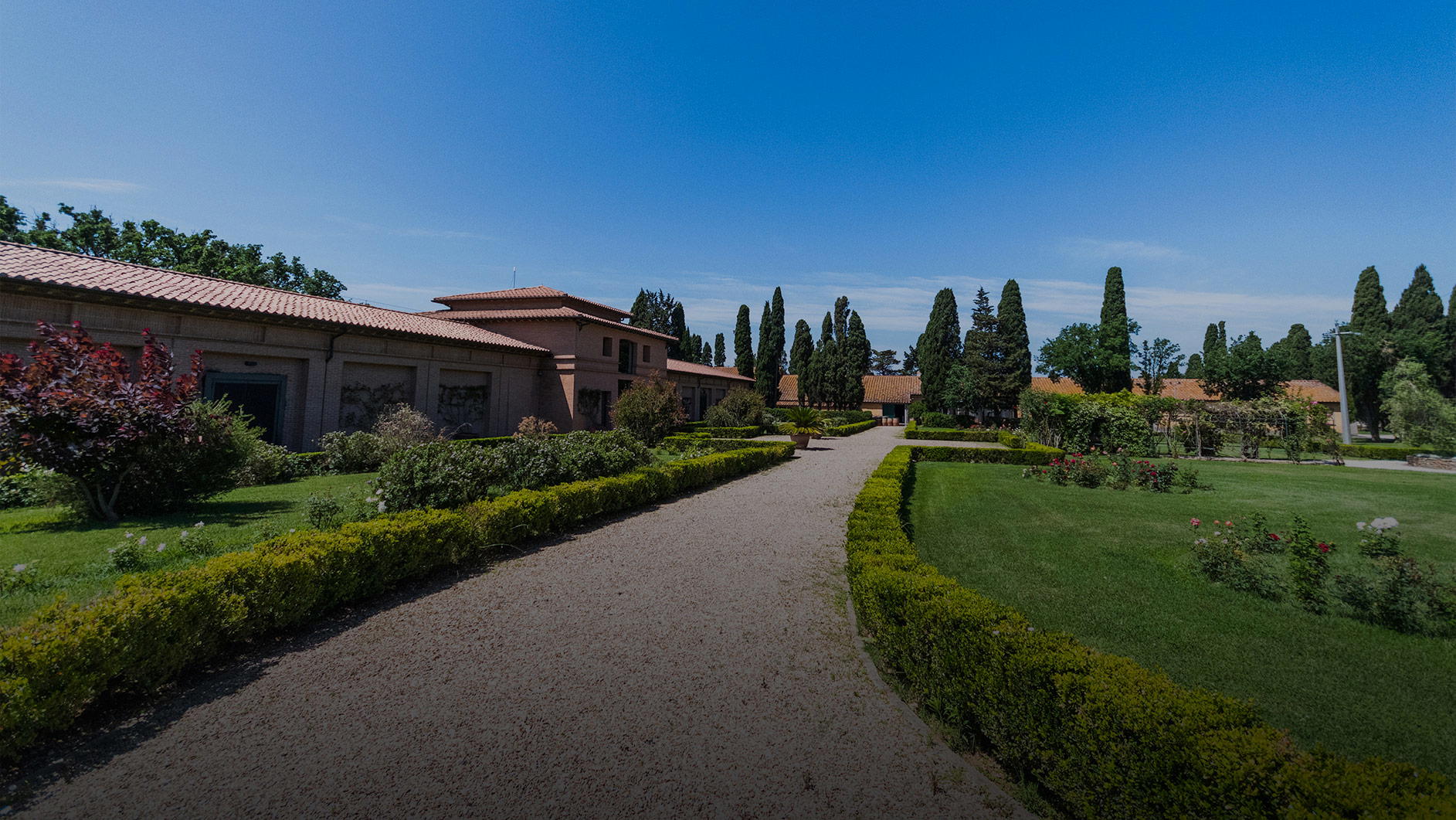
Where the Cypress Road Meets the Vine
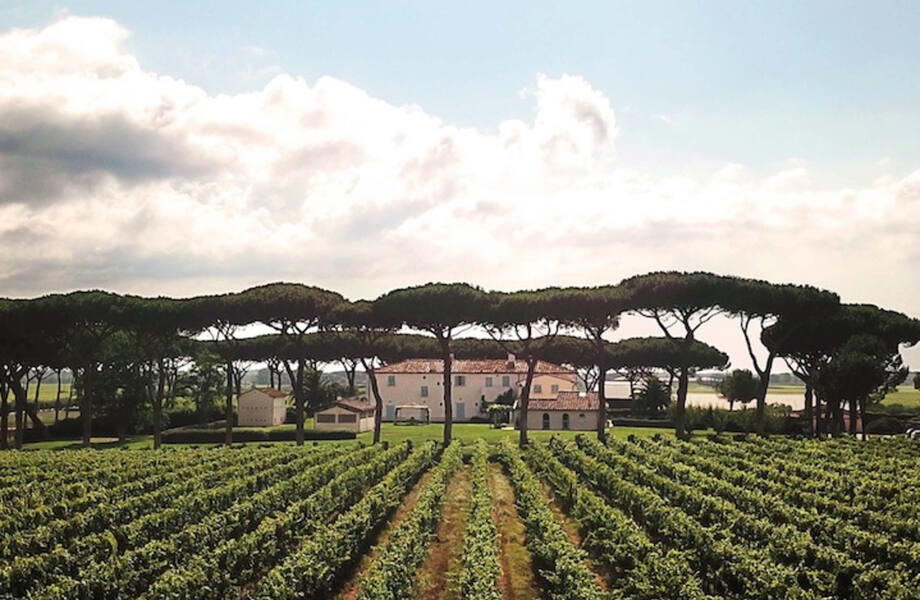
The approach to Bolgheri along the Viale dei Cipressi, the long cypress-lined avenue that cuts through the coastal Maremma flatlands, sets the register before you arrive anywhere. The Tyrrhenian light here is different from Chianti or Montalcino: broader, more horizontal, arriving across open agricultural land rather than bouncing off terrace walls and hilltop stone. This coastal strip, once considered too warm and poorly drained for serious viticulture, became the unlikely origin point of one of Italian wine's most consequential experiments. Tenuta San Guido, with its address at Località Capanne on the edge of Bolgheri, sits at the centre of that story.
The estate's vineyard blocks occupy terrain where maritime influence moderates what would otherwise be punishing summer heat. The proximity to the sea keeps diurnal ranges in check, and the soils, a mix of clay, limestone, and alluvial deposits, drain differently across the property in ways that create meaningful variation between parcels. Understanding that physical reality is the starting point for understanding why Bolgheri produces what it does, and why Tenuta San Guido's output reads as it does in the glass.
The Founding Logic of Sassicaia Country
Bolgheri's ascent in the Italian fine wine hierarchy is among the better-documented episodes in the country's modern wine history. For much of the twentieth century, the Tuscan coast was considered secondary to the established appellations of central Tuscany. The introduction of Cabernet Sauvignon into serious Italian production, without the DOC framework that then governed Chianti and Brunello, initially placed Bolgheri's key wines outside the official classification system entirely. They were sold as humble table wine, vino da tavola, despite fetching prices that no table wine was supposed to command.
The first vintage at Tenuta San Guido dates to 1968, placing the estate at the beginning of this reordering rather than as a later entrant capitalising on it. That founding position is not a marketing claim; it is a material fact that shapes how the estate is read relative to peers. Bolgheri later received DOC recognition, and a Sassicaia-specific DOC sub-zone was eventually established, which remains one of the only single-estate DOCs in Italian wine law. That legal architecture reflects how thoroughly the estate's identity became inseparable from the appellation's definition.
Compared to properties like Le Macchiole or Tenuta di Biserno, which entered the appellation later and built their identities partly in response to what Tenuta San Guido had already established, the estate occupies a different generational position. And Tenuta Guado al Tasso, the Antinori property that expanded Bolgheri's premium tier, represents the appellation's subsequent commercial scaling rather than its founding logic.
Graziana Grassini and the Current Winemaking Position
Winemaker Nicolò Incisa della Rocchetta's tenure at Tenuta San Guido places the estate within a broader shift in Italian fine wine production toward greater precision in vineyard management and reduced reliance on corrective cellar work. Grassini's profile in Italian winemaking circles extends beyond Bolgheri; she is among a group of consultants and staff winemakers who moved between prestige estates in Tuscany during a period when the technical conversation was changing rapidly. Her presence here is a credential that signals continuity of seriousness rather than a course correction.
The technical questions at an estate of this profile centre on how to maintain consistency across vintages while allowing the property's specific terroir to remain legible. The coastal Maremma delivers growing seasons that vary considerably year on year, and the challenge of working with Cabernet Sauvignon at this latitude is managing ripening without pushing into overripe territory. The estate's track record across decades of vintage variation is, by most critical assessments, the reliable evidence of how those challenges have been handled.
Place as the Primary Argument
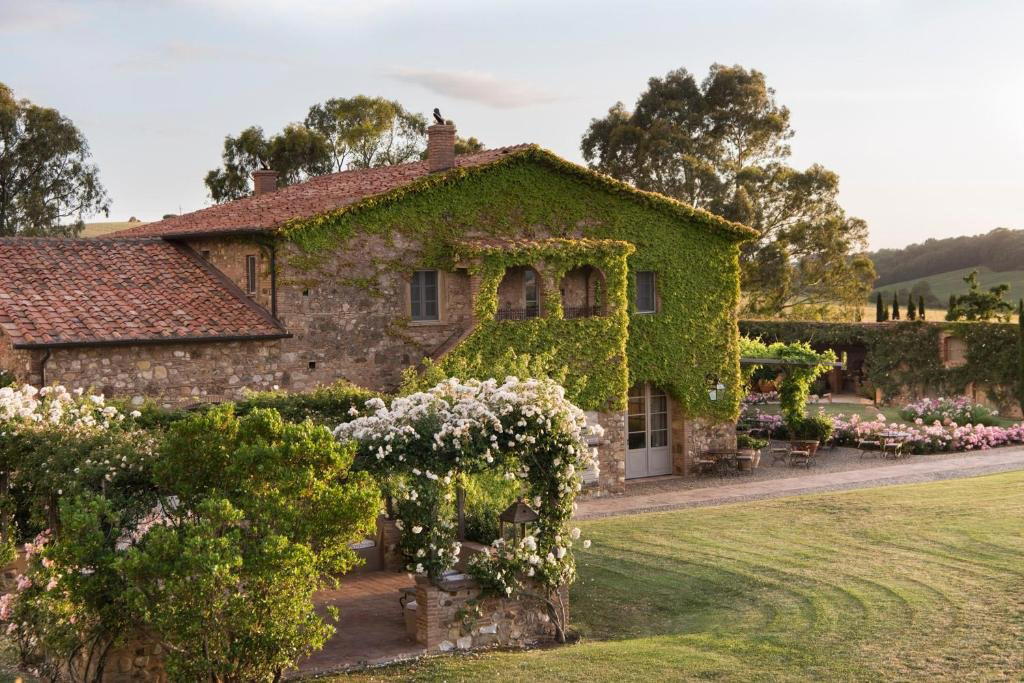
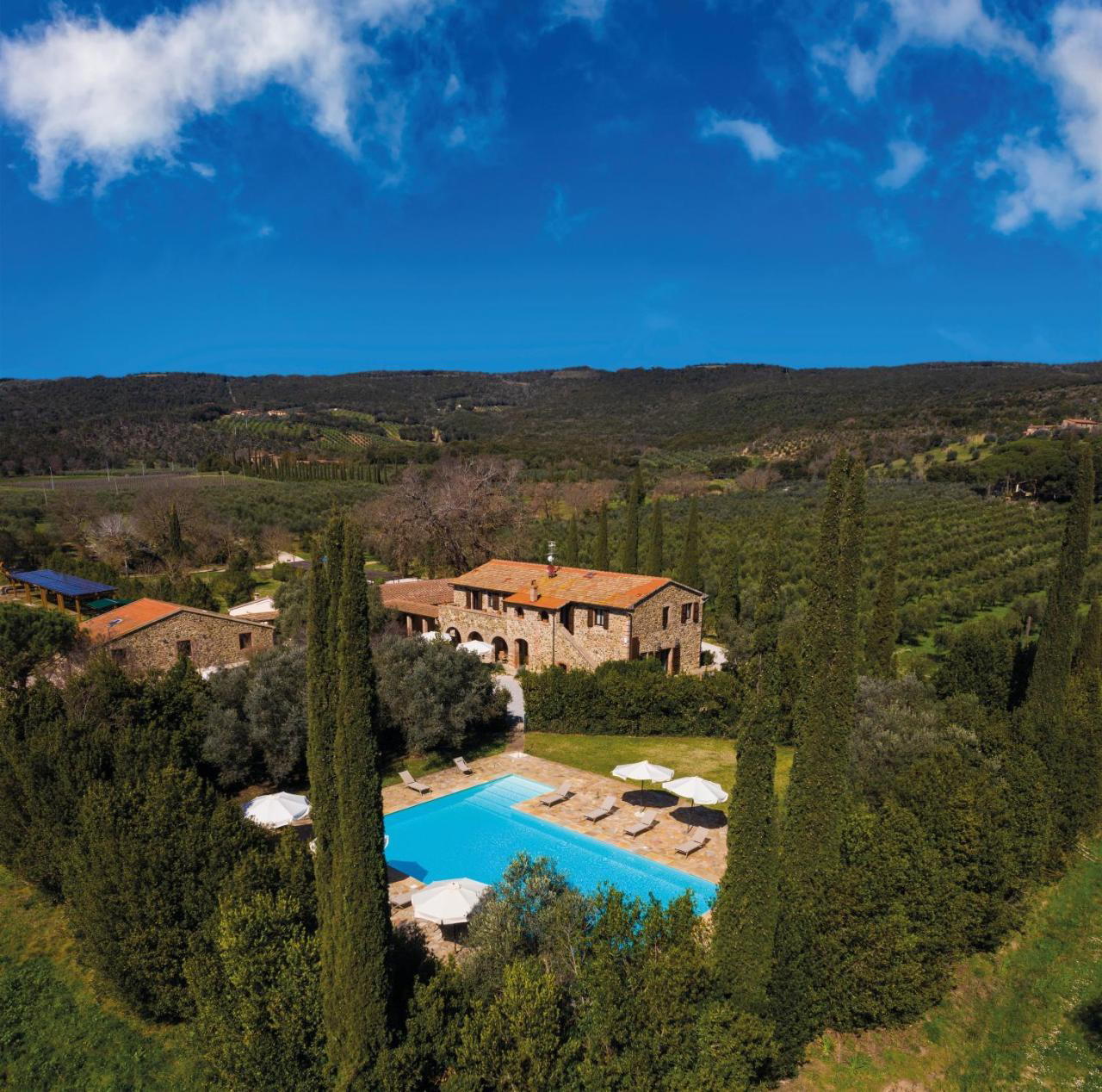
The physical character of the winery property is not incidental to the wines; it is the primary argument for why they taste as they do. The estate's position between the Apennine foothills to the east and the Tyrrhenian coast to the west creates a microclimate that is specific enough to justify the single-estate DOC status. The views from within the property extend across agricultural land toward the sea, with the island of Elba visible on clear days from higher points in the vineyard.
This sense of place has become one of Bolgheri's marketing assets more broadly, but at the winery it predates the region's tourism infrastructure by decades. The cypress avenue, the stone architecture, the flat coastal geometry: these are the conditions that existed before the appellation was famous, and they are the conditions that made it possible. For visitors approaching the estate, the experience of the landscape is inseparable from the context needed to understand what is in the bottle.
Across Italian wine's critical hierarchy, from domestic publications to international trade press, the winery's Sassicaia occupies a consistent band: the reference point against which other Bolgheri Cabernet-dominant blends are assessed. That comparative function, being the baseline for a category's quality expectations, is a role that properties like Aldo Conterno in Monforte d'Alba or Ca' del Bosco in Erbusco play within their own regional categories.
Visiting Bolgheri and Accessing the Estate
Bolgheri sits in the Livorno province of coastal Tuscany, south of Livorno and north of Grosseto, accessible from the Via Aurelia (SS1) that runs along the Tyrrhenian coast. The nearest substantial rail connection is Cecina to the north, with road access to the town of Bolgheri and the surrounding estates. The Bolgheri DOC zone is compact enough that several key producers, including Le Macchiole and Tenuta Guado al Tasso, sit within a short drive of each other, making the area workable as a focused wine itinerary rather than a single-stop destination.
Estate visits and tastings at the winery require advance arrangement; the property is appointment only.
For comparative reference across Italy's premium wine regions, estates including Castello di Volpaia in Radda in Chianti, L'Enoteca Banfi in Montalcino, and Lungarotti in Torgiano, each of which occupies a comparable prestige position within its own appellation hierarchy. Nonino Distillery in Pavia di Udine, Distilleria Marzadro in Nogaredo, and Distilleria Romano Levi in Neive represent the same tier of production seriousness in their respective categories. Accendo Cellars in St. Helena provides a Napa counterpoint to Bolgheri's Cabernet-dominant model, and Campari in Milan anchors the Italian drinks industry's commercial tier for broader context.
A Lean Comparison
Comparable venues nearby, for context on price, style, and recognition.
| Venue | Cuisine | Price |
|---|---|---|
| Tenuta San GuidoThis venue — the venue you are viewing | Not listed | $$$$ |
| Tenuta di Biserno | Bolgheri, Cabernet Franc, Merlot | $$$$ |
| Le Macchiole | Bolgheri, Merlot, Cabernet Franc | $$$$ |
| Tenuta Guado al Tasso | Bolgheri, Cabernet Sauvignon, Merlot | $$$$ |
| Tenuta di Trinoro | Val d'Orcia, Cabernet Franc, Merlot | $$$$ |
| Tua Rita Winery | Suvereto, Merlot, Cabernet Sauvignon | $$$$ |
Recognition history
Dated appearances from independent guides and award organizations, with the underlying list record or original source where available.
Falstaff Winery - 5 Stars
Falstaff
Continue exploring
More in Bolgheri
Wineries in Bolgheri
Browse all →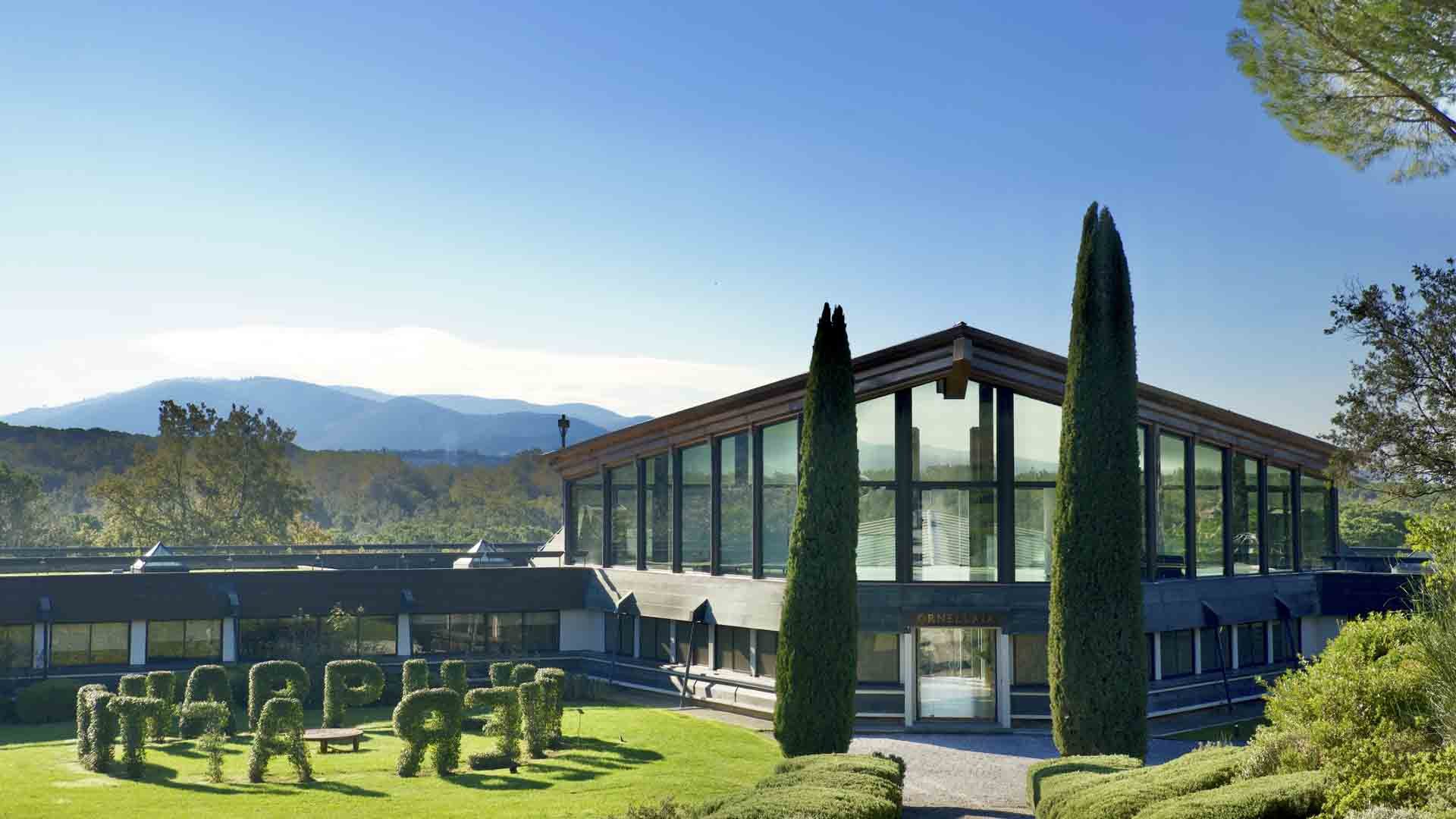
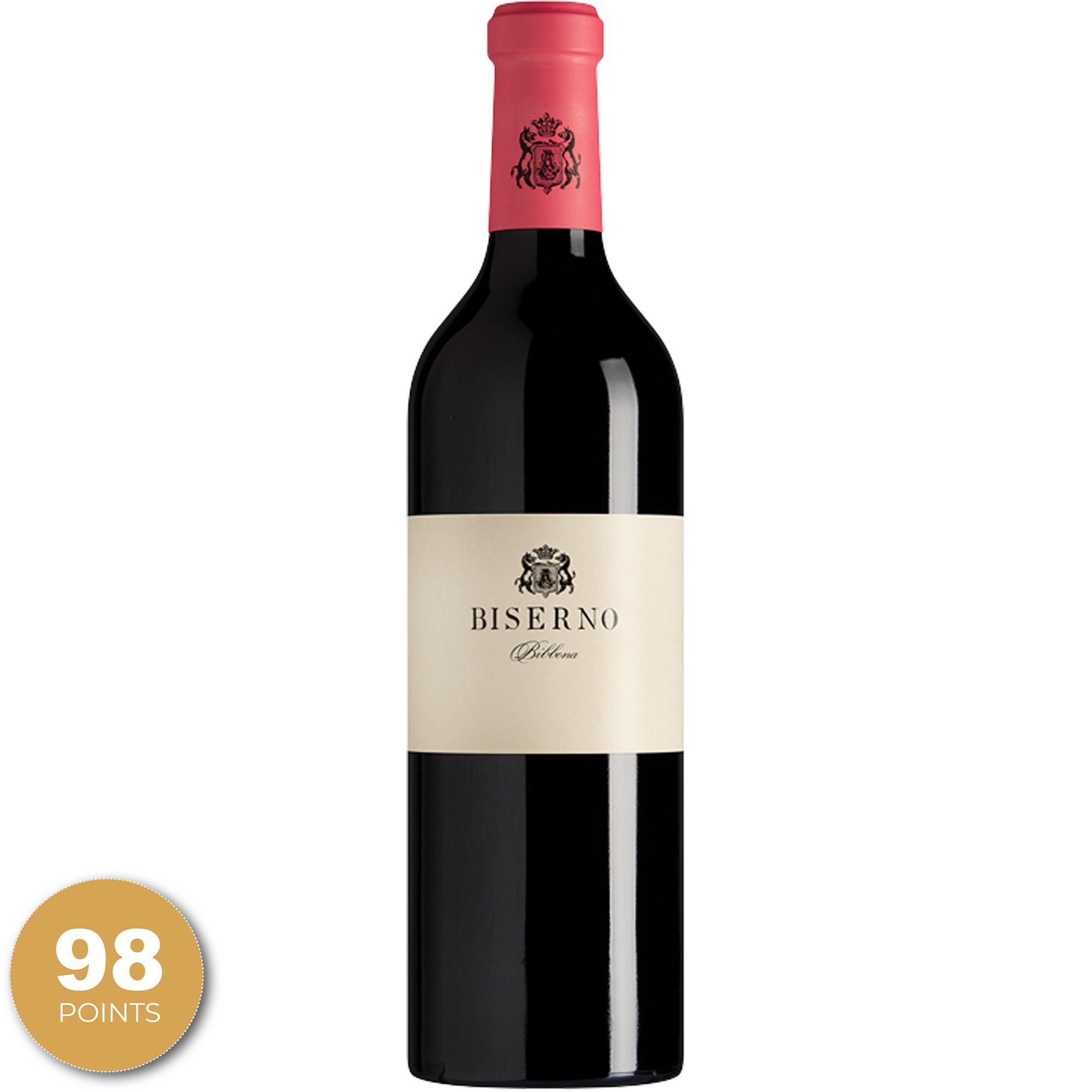
Bars in Bolgheri
Browse all →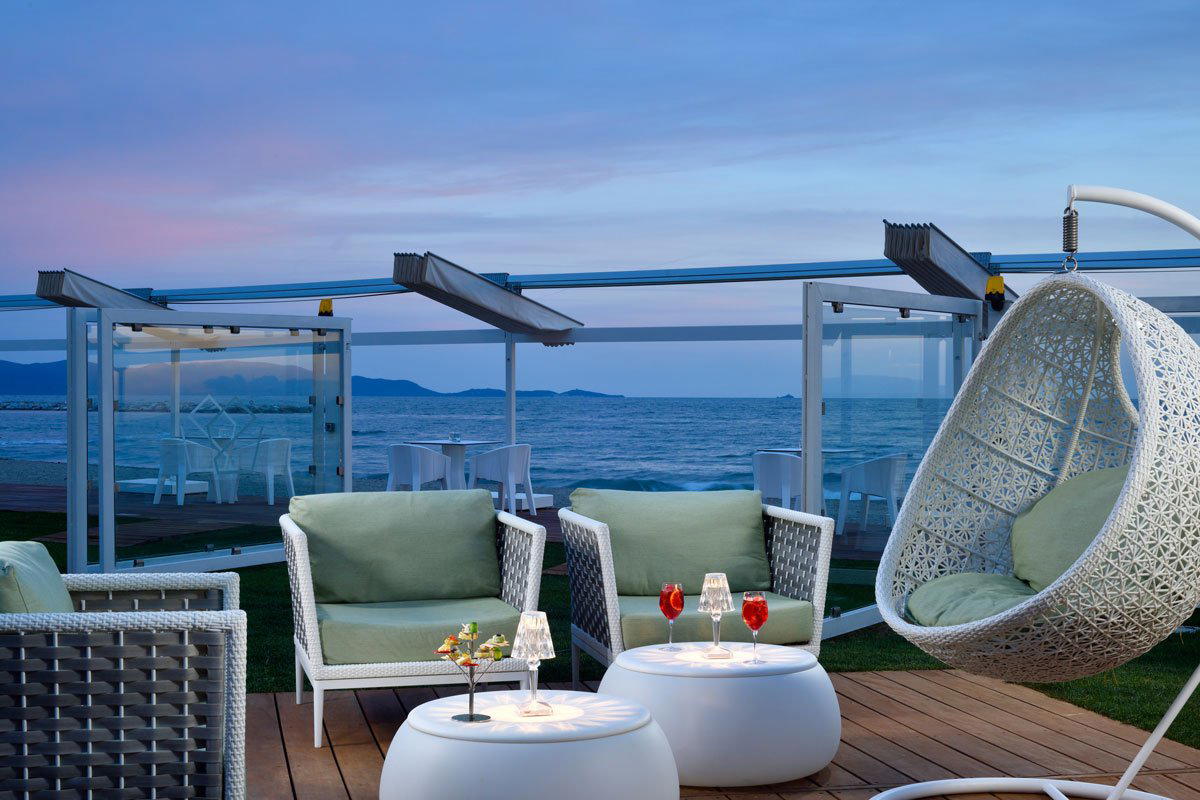
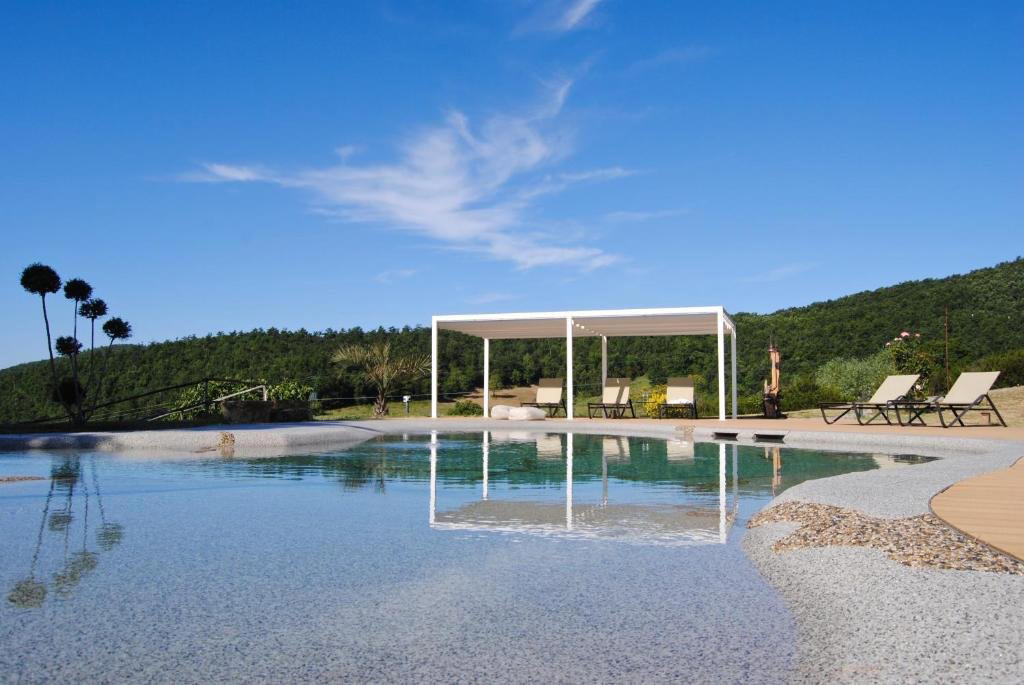
Restaurants in Bolgheri
Browse all →
At a Glance
- Well Known
- Elegant
- Rustic
- Sophisticated
- Wine Education
- Special Occasion
- Romantic Getaway
- Vineyard Tour
- Estate Grounds
- Barrel Room
- Historic Building
- Vineyard
- Bolgheri Sassicaia DOC
- Cabernet Sauvignon
- Cabernet Franc
- Merlot
- Sangiovese
- Still Red
- Estate Tasting
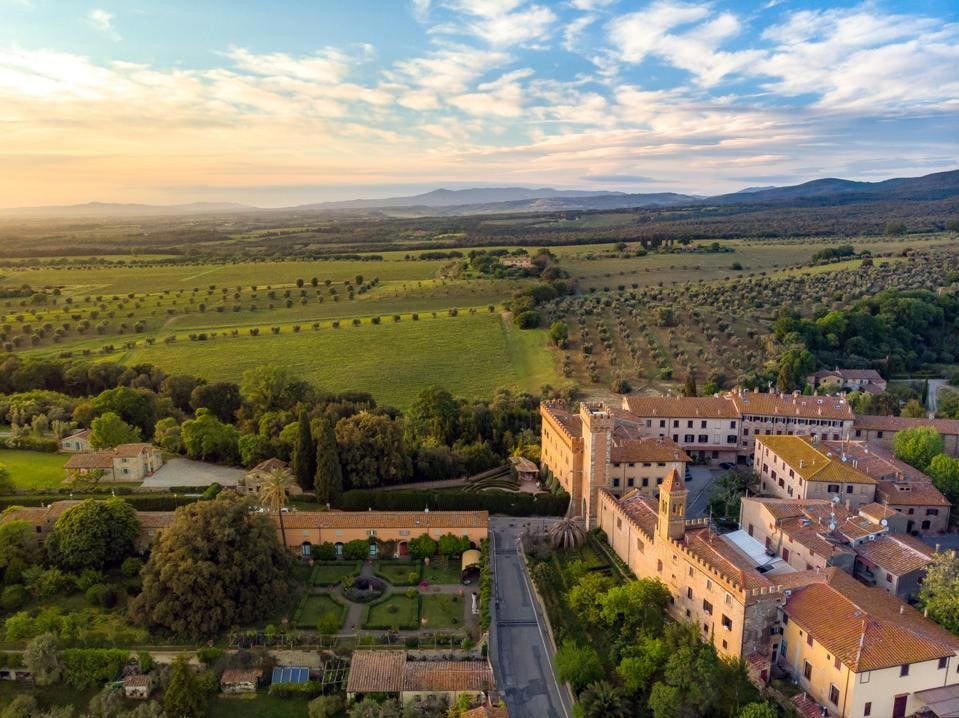
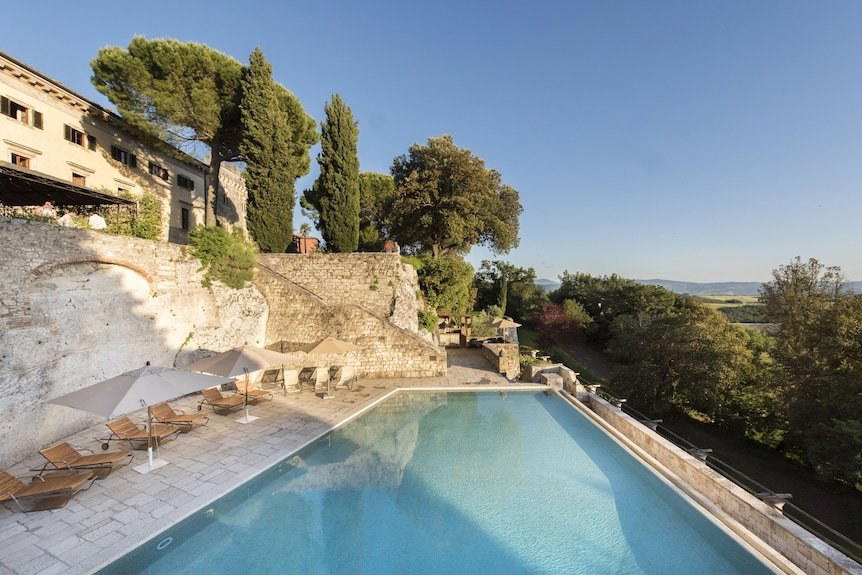
Historic and refined, set within a 2,500-hectare private estate with medieval fortress origins, surrounded by vineyards, woodlands, and olive groves with a contemplative, heritage-focused atmosphere.