Schloss Johannisberg

World's 50 Best #2
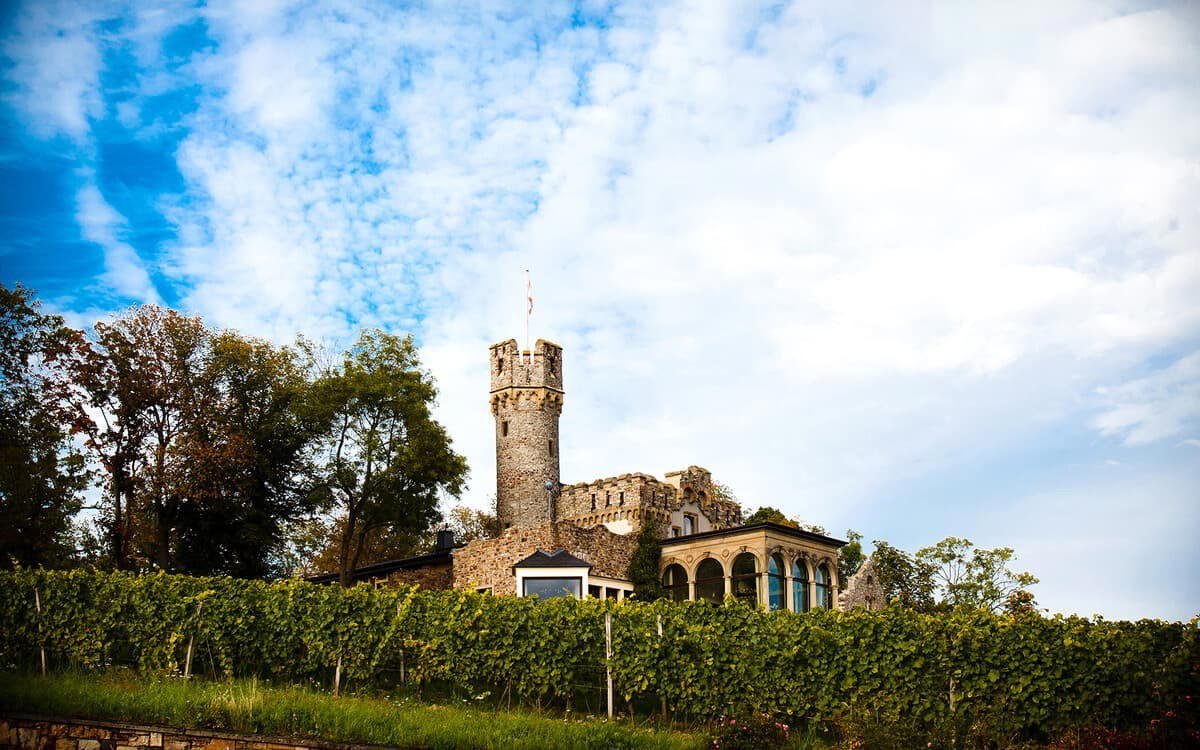
Schloss Johannisberg is a Riesling reference point in Geisenheim-Johannisberg, set around a Neoclassical palace on a hill first planted with vines in 817.

Pearl is the En Primeur Club membership app — saves, bookings, and concierge access live there. Same editors, same standards.
- Address
- Schloss Johannisberg, 65366 Geisenheim
- Phone
- +49 6722 70090
- Website
- schloss-johannisberg.de
- Directions
- Get directions
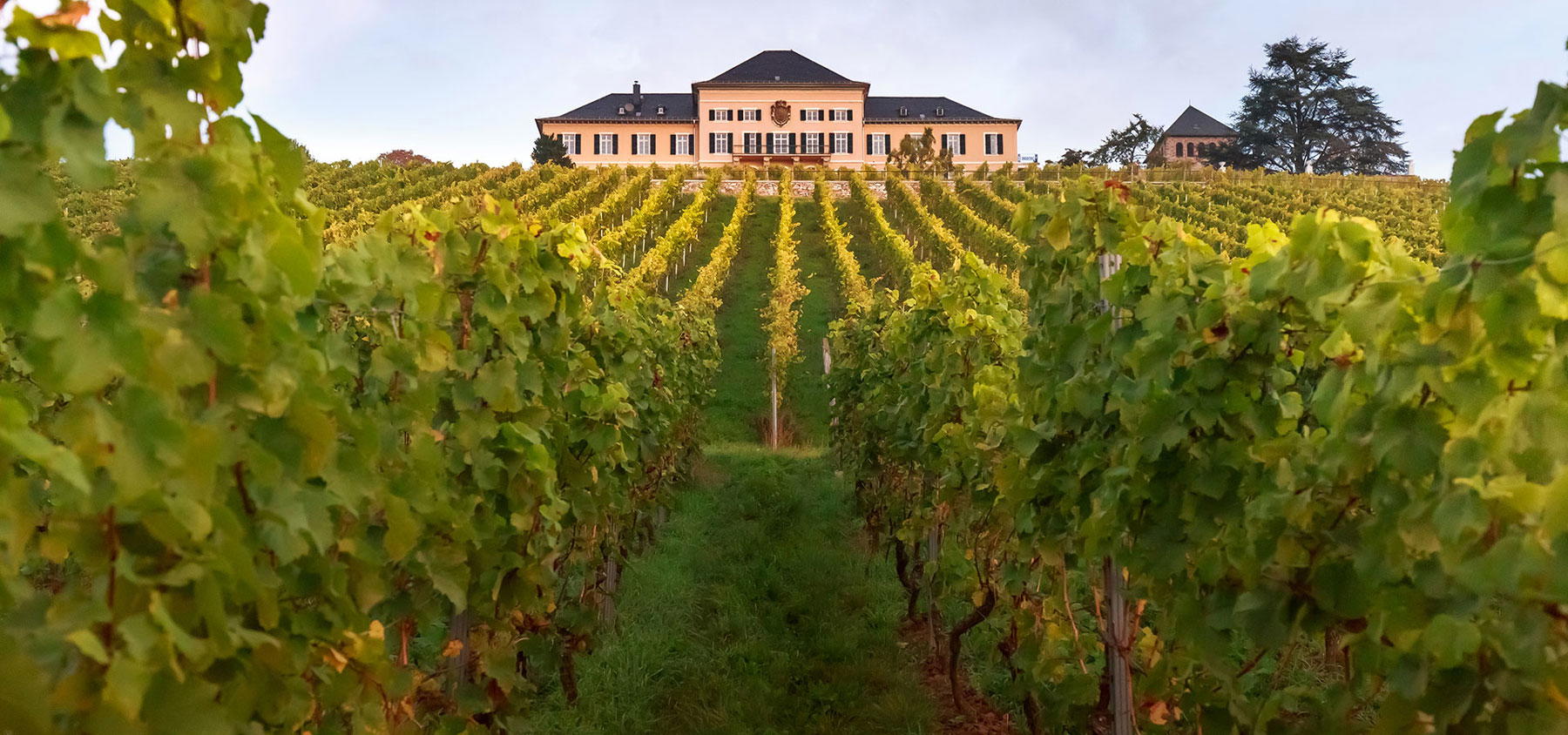
The hill that made Riesling legible
Approaching Schloss Johannisberg means reading the Rheingau in vertical form: a palace above vines, a hill above the river corridor, and Riesling treated not as a grape option but as the governing language of the place. The setting matters because this part of Germany has always made wine through exposure, slope, river reflection, and patience. In Geisenheim-Johannisberg, the estate’s physical position is not decorative scenery. It is the argument. A Neoclassical palace crowns a hill first planted with vines in 817, and that long continuity gives the site a different kind of authority from estates whose reputation rests mainly on recent cellar technique or export demand.
The modern luxury wine world often rewards scarcity, architecture, and appointment-only theatre. The Rheingau’s deeper advantage is older and less theatrical: it can show how Riesling changes when a slope, a river bend, and centuries of local classification turn into a single cultural vocabulary. Schloss Johannisberg. It helps explain why German Riesling became a benchmark for acid, sweetness, ripeness, and ageability, and why the Rheingau still sits apart from the Mosel, Pfalz, Rheinhessen, and Nahe in tone.
Terroir before spectacle
The most useful way to understand the estate is through land expression rather than brand history. The Rheingau is not a uniform wine region. It is a narrow, disciplined stretch of vineyard country where the Rhine’s east-west flow creates south-facing slopes and a distinctive concentration of Riesling culture. That geographic alignment matters: ripening can be measured against acidity, fruit weight can be held in check by structure, and late-season decisions carry consequences that are legible in the glass. When a property has been associated with vines since 817, the site becomes a long experiment in what that slope can sustain.
Schloss Johannisberg’s 1720 milestone as the world’s first dedicated Riesling winery is not merely an archive note. It marks the moment when Riesling moved from being one component of mixed viticulture into a focused estate identity. That distinction separates the property from many European estates that became famous through château architecture, noble ownership, or blended regional styles. Here, the historical claim is varietal and site-specific. The hill is the stage, Riesling is the instrument, and the Rheingau provides the grammar.
Riesling’s range is often misunderstood by travellers who know it only through residual sugar. In the German tradition, sweetness is one variable among several: acidity, extract, botrytis, harvest timing, and site exposure shape the final impression. The Rheingau has long been associated with Riesling that can carry volume without losing line. That does not require inventing tasting notes for a specific bottle. It is enough to say that this is a region where the conversation around Riesling has historically included ripeness categories, late harvest, and the tension between generosity and precision. The estate’s significance lies in making those categories feel rooted in a hill rather than floating as textbook terms.
How it fits the German Riesling map
Germany’s serious Riesling culture is not one thing. The Mosel often speaks through extreme slopes, slate, and delicacy; the Pfalz has a warmer, broader register; Rheinhessen’s leading estates have pushed dry Riesling into a powerful contemporary idiom; the Nahe can shift rapidly across soil types and exposures. The Rheingau, by comparison, has a courtly gravity: historic estates, classified sites, river-facing slopes, and a long association with Riesling as a noble European wine rather than a local specialty.
That comparison is useful for readers planning a wider German wine itinerary. Weingut Willi Schaefer in Graach an der Mosel belongs to a different Riesling register, where Mosel delicacy and steep-slope tradition frame the conversation. Weingut Van Volxem in Wiltingen offers another Saar-Mosel reference point, useful for understanding how site and acidity behave in cooler northern vineyards. In the Pfalz, Weingut Müller-Catoir in Neustadt an der Weinstraße and Weingut Von Winning in Deidesheim sit in a warmer regional frame, where Riesling and other varieties often show different weight and texture. Weingut Wittmann in Westhofen brings Rheinhessen’s limestone conversation into view, while Weingut Clemens Busch in Pünderich and Weingut Jakob Schneider in Niederhausen widen the map across Mosel and Nahe reference points.
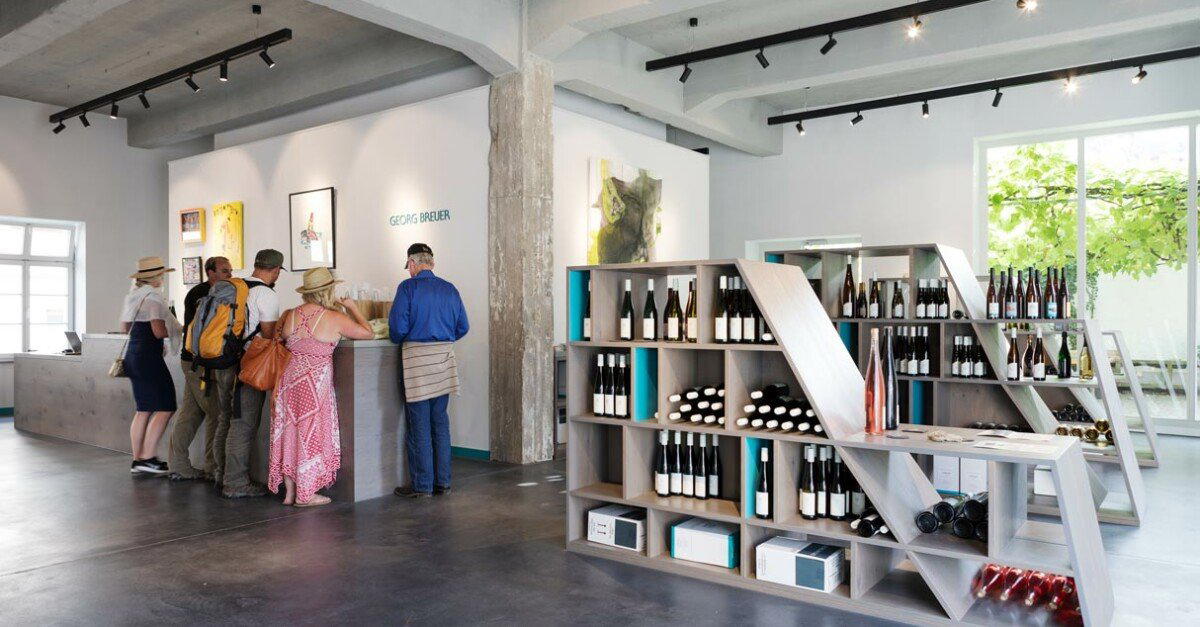
Within the Rheingau itself, the useful nearby comparison is Weingut Georg Breuer in Rüdesheim am Rhein. Rüdesheim and Johannisberg sit close enough to be part of the same regional conversation, yet their identities are not interchangeable. This is why serious wine travel in the Rheingau rewards short distances and slow attention. The difference between one slope and another can be more instructive than a long drive between famous names.
History as a working credential
Wine estates often lean on age as a substitute for relevance. Here, the dates have stronger editorial weight because they connect directly to Riesling’s evolution. Vines recorded on the hill in 817 establish agricultural continuity; the 1720 dedication to Riesling marks a structural decision that helped define the estate’s later role. Those facts give the property a place in the history of varietal specialisation, a subject that matters far beyond the Rheingau.
The broader European context is important. Burgundy built its authority through climats and monastic-cadastral memory. Bordeaux built much of its commercial identity through classification, trade, and château hierarchy. Rioja’s modern image often includes architecture and barrel-age categories, a thread visible at Bodegas Ysios in Laguardia. Napa’s luxury grammar, represented in another idiom by Cakebread Cellars in Rutherford, tends to place hospitality, Cabernet culture, and brand clarity at the centre. The Rheingau’s claim is different. Its prestige grows from the meeting of river slope, Riesling, and a European habit of reading small differences in place.
That makes Schloss Johannisberg less useful as a quick stop for travellers looking only to tick off a famous name, and more useful as a lens. It explains why Riesling can be discussed with the seriousness usually reserved for Pinot Noir or Cabernet Sauvignon, and why sweetness, dryness, botrytis, and harvest timing are not simple preference categories. They are tools for expressing a site in different years.
The experience in Geisenheim-Johannisberg
The estate sits at Schloss Johannisberg, 65366 Geisenheim, in the village context of Geisenheim-Johannisberg rather than a dense urban dining district. That changes the rhythm of a visit. Travellers should treat planning as part of the experience: confirm current access, tasting arrangements, and seasonal availability directly through official channels before building a day around the hill.
The absence of published practical details in the record should not be read as a lack of seriousness. In European wine country, especially at historically significant estates, public access can vary by season, event calendar, private groups, and cellar programming. The editorial point is simple: this kind of visit works better with intention than improvisation. Geisenheim-Johannisberg is close enough to other Rheingau addresses to form a focused wine day, but the value comes from comparing sites rather than chasing volume.
For travellers building a fuller stay, the estate belongs inside a broader Geisenheim-Johannisberg plan rather than in isolation. The regional guides can help sort the supporting cast: Our full Geisenheim-Johannisberg wineries guide for nearby producers, Our full Geisenheim-Johannisberg restaurants guide for meal planning, Our full Geisenheim-Johannisberg hotels guide for overnight context, Our full Geisenheim-Johannisberg bars guide for drinking after cellar hours, and Our full Geisenheim-Johannisberg experiences guide for cultural and countryside planning beyond the tasting room.
Awards can be blunt instruments when they flatten radically different venues into a single hierarchy. Here, the value of the rating is that it aligns with an estate whose importance is already grounded in verifiable dates and regional influence. The award does not create the reputation; it confirms that the property remains relevant for contemporary luxury travel readers who care about wine culture, not only wine consumption.
That distinction matters in a market crowded with polished tasting rooms. Some wineries are compelling because the cellar program is experimental. Others are compelling because hospitality has been designed with architectural precision. Schloss Johannisberg belongs to a smaller category: estates that anchor a region’s intellectual history. A visit should be judged less by spectacle and more by whether it sharpens the traveller’s understanding of Riesling’s relationship with slope, ripeness, and time.
Who should prioritise it
The estate is suited to travellers who want wine context, not just a pleasant glass in a pretty setting. It has particular value for those comparing German regions, collectors trying to understand why Riesling ages with such authority, and culturally minded visitors who prefer a site with documented historical weight. The hill first planted in 817 and the 1720 Riesling dedication give the visit a clear frame: this is a place to study continuity, not to chase novelty.
It is also a strong anchor for travellers who have experienced wine regions elsewhere and want to understand how Germany differs. The contrast with Napa, Rioja, Burgundy, and the Mosel is not abstract. It sits in the way the Rheingau compresses river, slope, palace, and Riesling into a single visual and agricultural system. In that sense, the estate rewards people who are willing to slow down and read the setting before asking what to taste.
Planning notes
Address: Schloss Johannisberg, 65366 Geisenheim, Germany.
Confirm practical arrangements through current official sources before travel.
How to frame the visit: Treat it as a Rheingau terroir lesson first and a hospitality stop second. The site makes greater sense when paired with another regional producer for comparison.
Quick Comparison
| Venue | Price | Awards |
|---|---|---|
| Schloss JohannisbergThis venue — the venue you are viewing | Not listed | World's 50 Best #2 |
| Lingua Franca | $50–100 | Not listed |
| Kloster Eberbach | $20–30 | Not listed |
| Weingut A. Christmann | Not listed | Falstaff Winery - 5 Stars |
| Weingut Allendorf | $20–30 | Falstaff Winery - 3 Stars |
Recognition history
Dated appearances from independent guides and award organizations, with the underlying list record or original source where available.
World's 50 Best Vineyards #2
World's 50 Best
Full recognition history (6 entries)
World's 50 Best Vineyards #5
World's 50 Best
World's 50 Best Vineyards #8
World's 50 Best
World's 50 Best Vineyards #5
World's 50 Best
World's 50 Best Vineyards #34
World's 50 Best
World's 50 Best Vineyards #21
World's 50 Best
Continue exploring
More in Geisenheim-Johannisberg
Wineries in Geisenheim-Johannisberg
Browse all →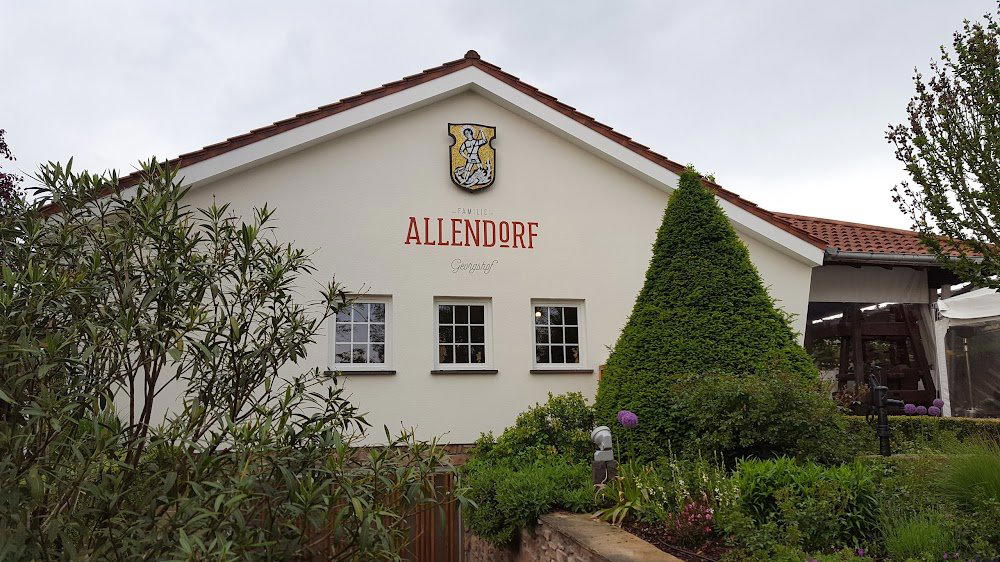
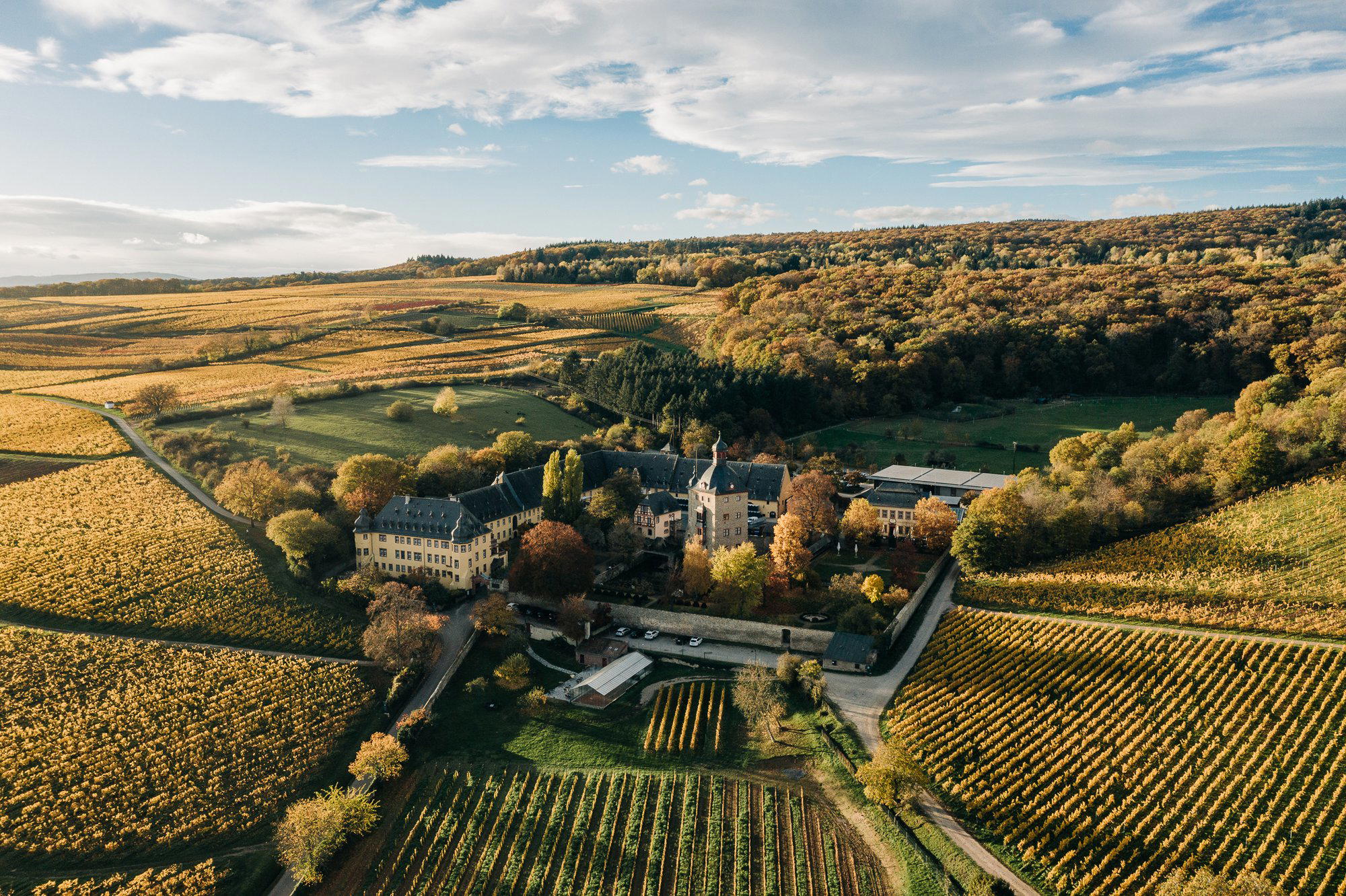
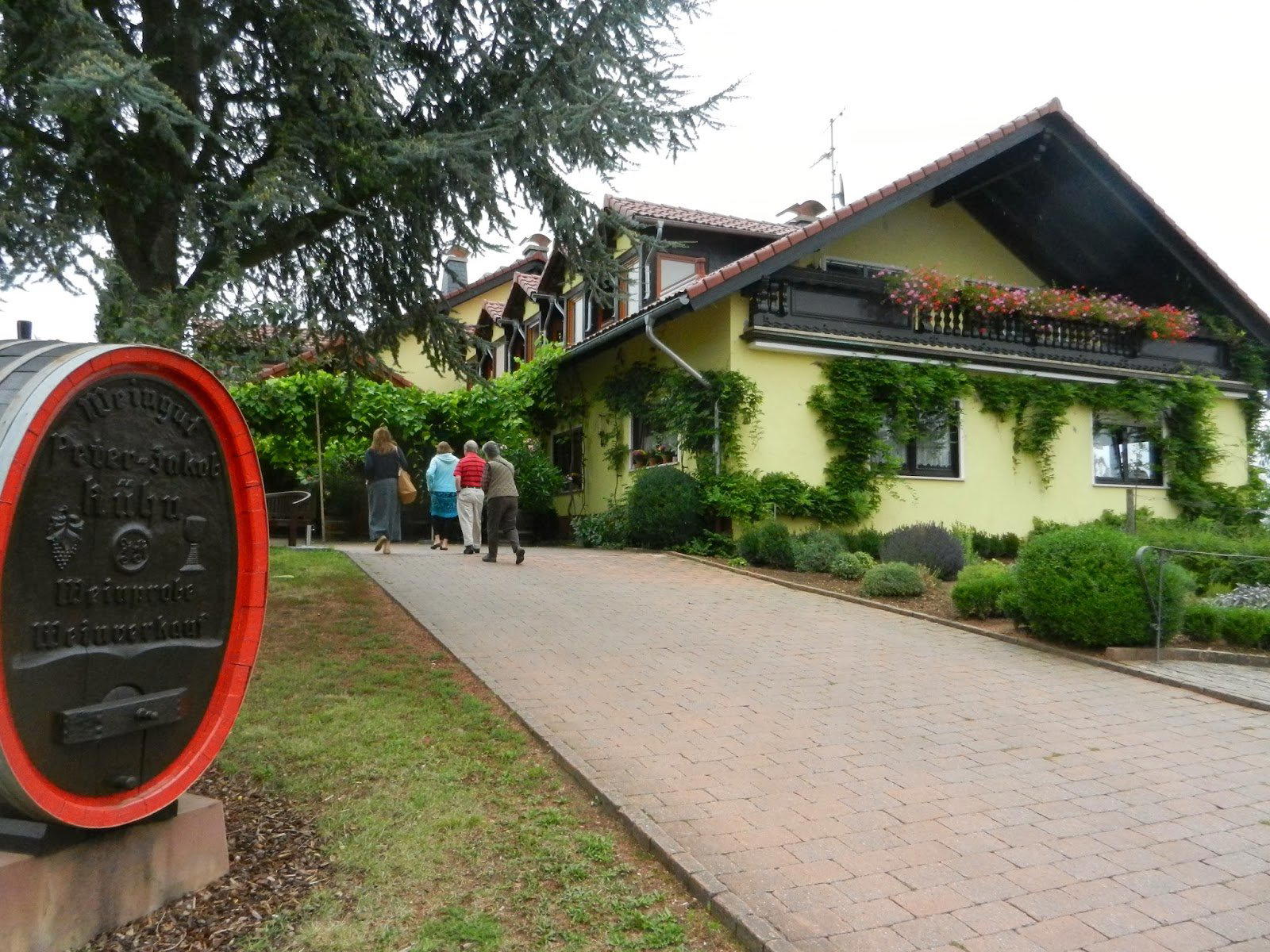
Bars in Geisenheim-Johannisberg
Browse all →

Restaurants in Geisenheim-Johannisberg
Browse all →
Details
- Classic
- Elegant
- Well Known
- Scenic
- Sophisticated
- Wine Education
- Special Occasion
- Vineyard Tour
- Historic Building
- Panoramic View
- Sustainable
- Vineyard
- Mountain
- Riesling
- Still White
- Dessert
- Cave Tasting
- Private Tasting
- German
- English
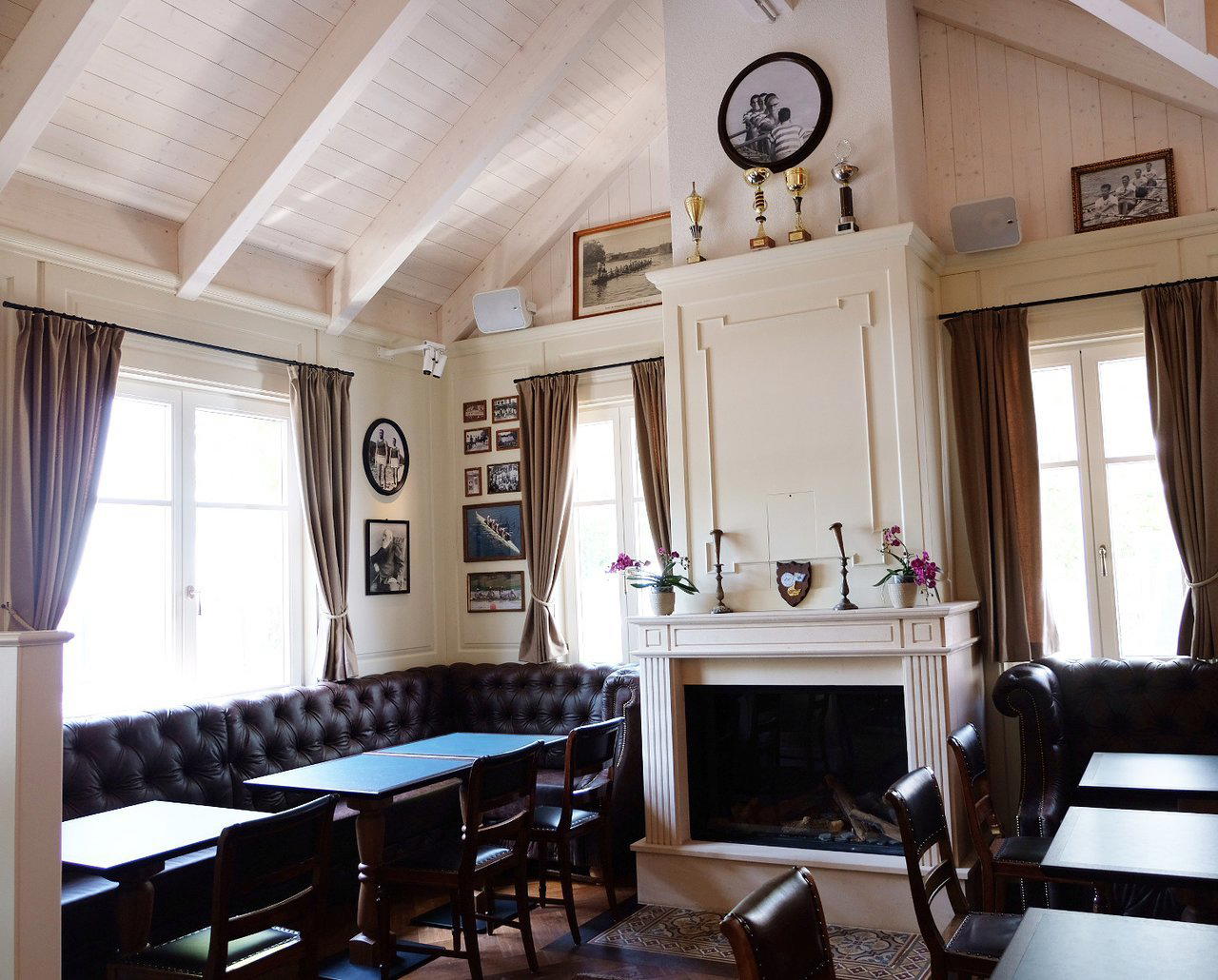
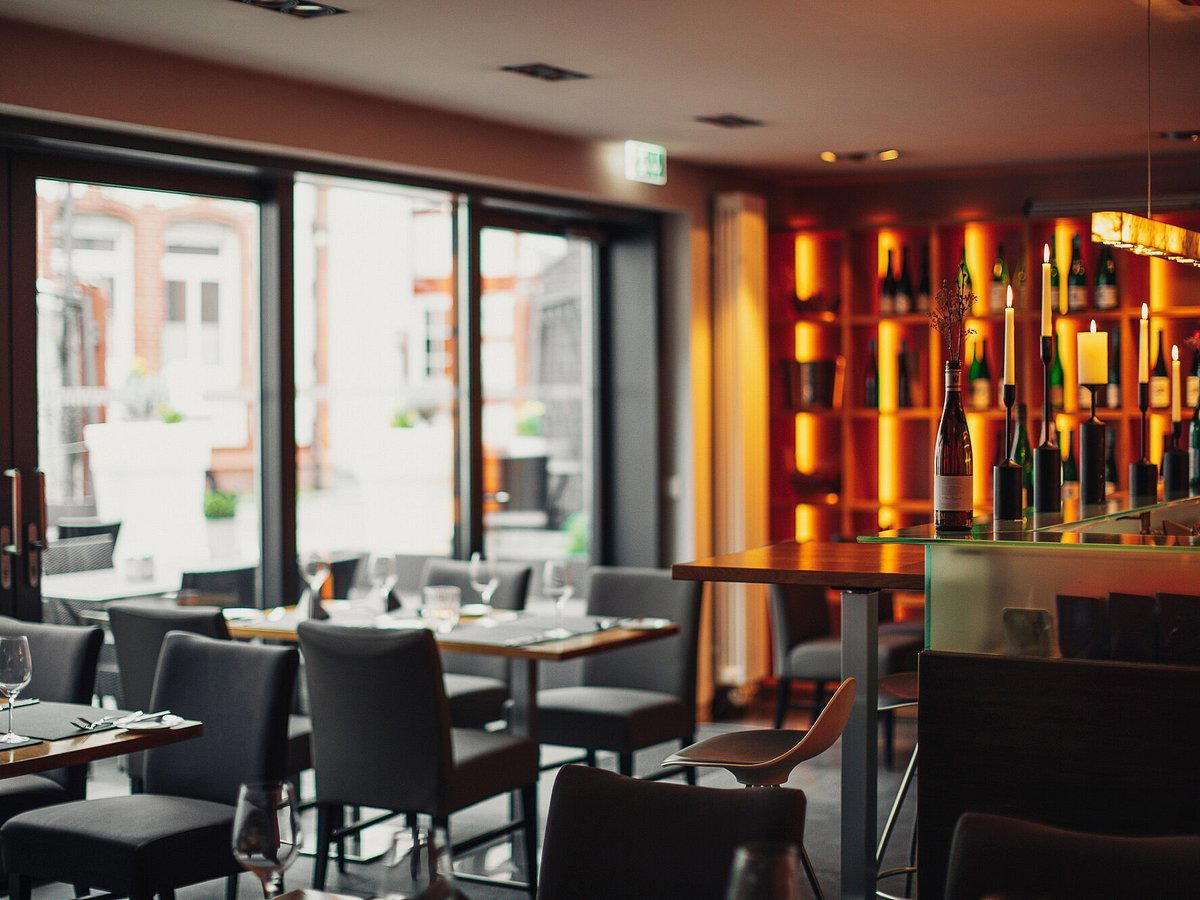
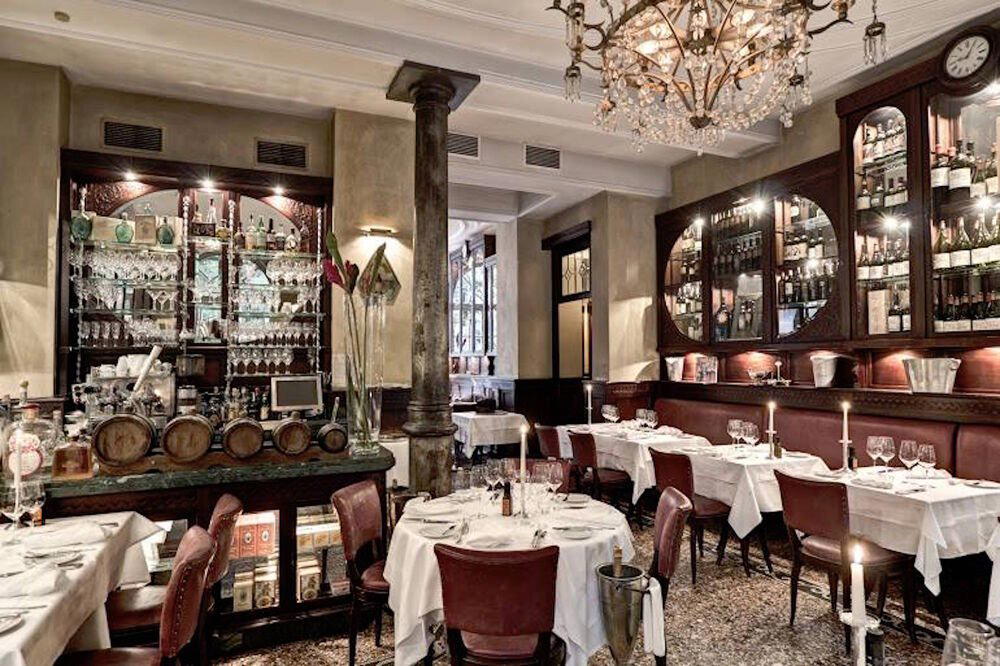
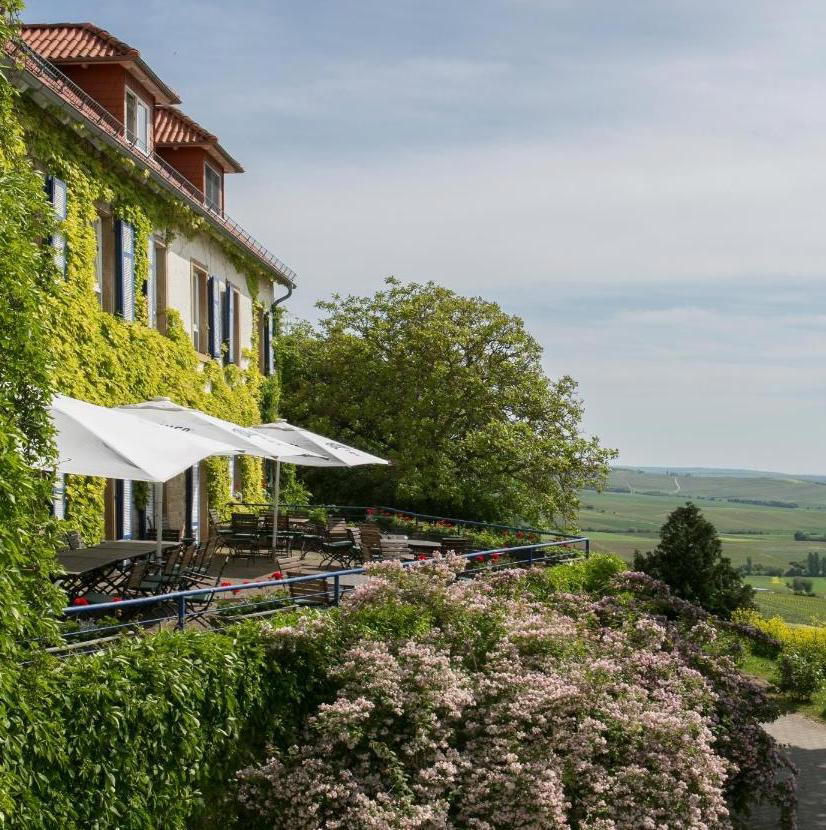
Historic Baroque palace amid steep south-facing vineyards, evoking timeless elegance and serene wine culture.