
Falstaff Winery - Listed
Weingut Egon Müller belongs to the Saar's restrained, terroir-led Riesling tradition, where acidity, slate, slope exposure, and residual sugar matter more than cellar theatre. In Wiltingen, it sits inside a small but serious wine circuit, with Weingut Van Volxem offering the useful local counterpoint for readers mapping the village through Riesling rather than restaurant-style hospitality.

Pearl is the En Primeur Club membership app, where members save venues, book tables and use the concierge.
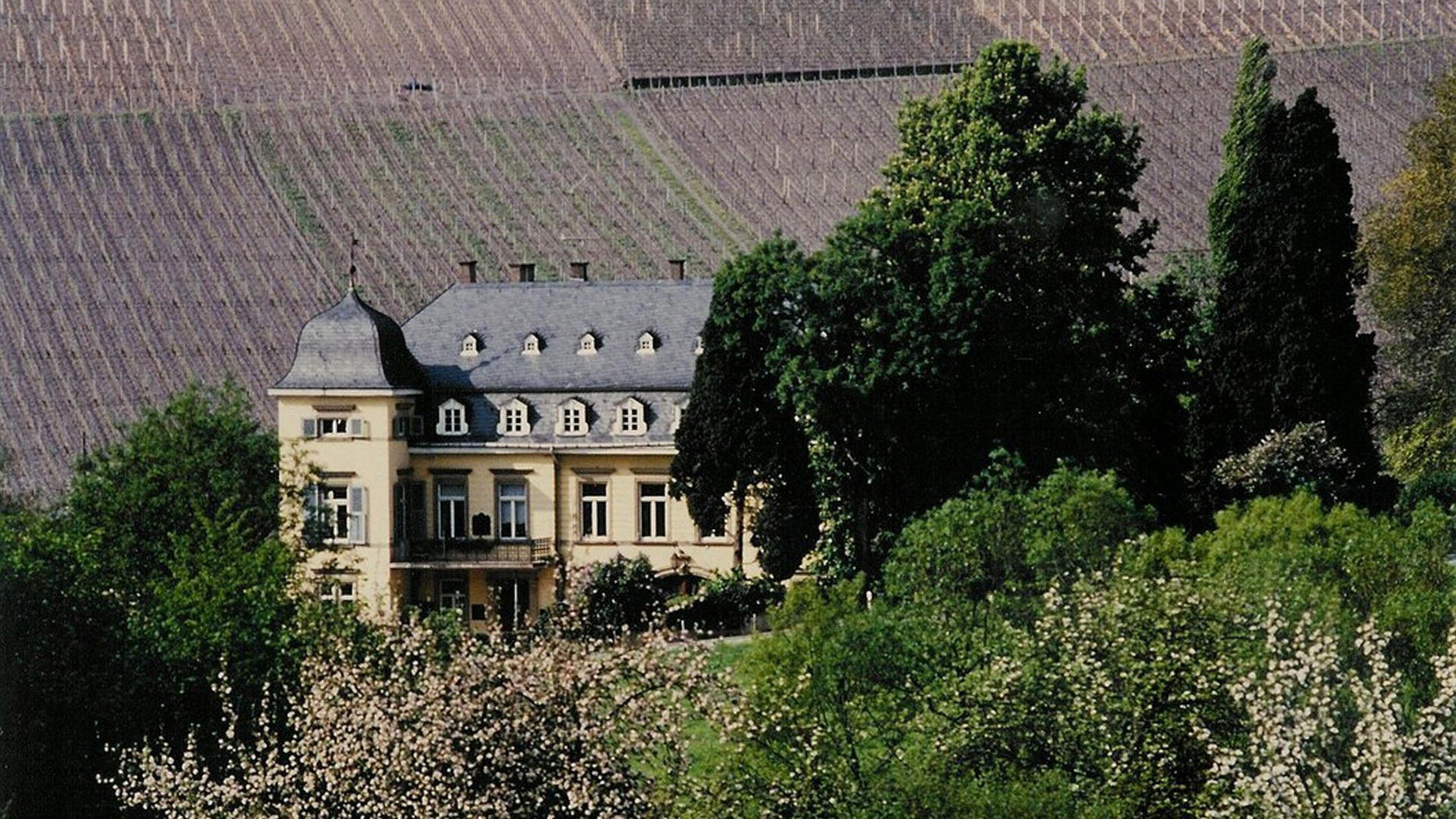
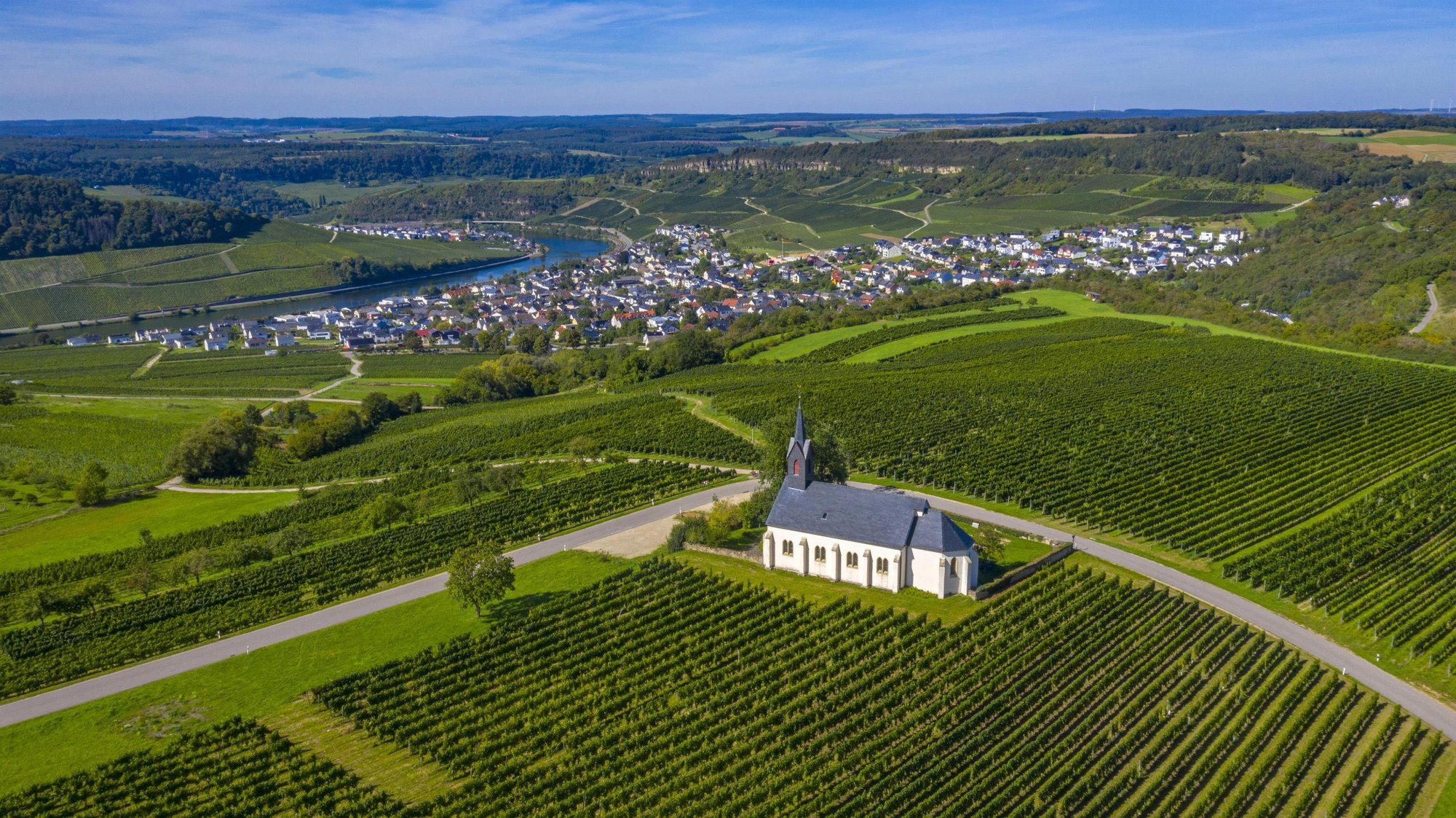
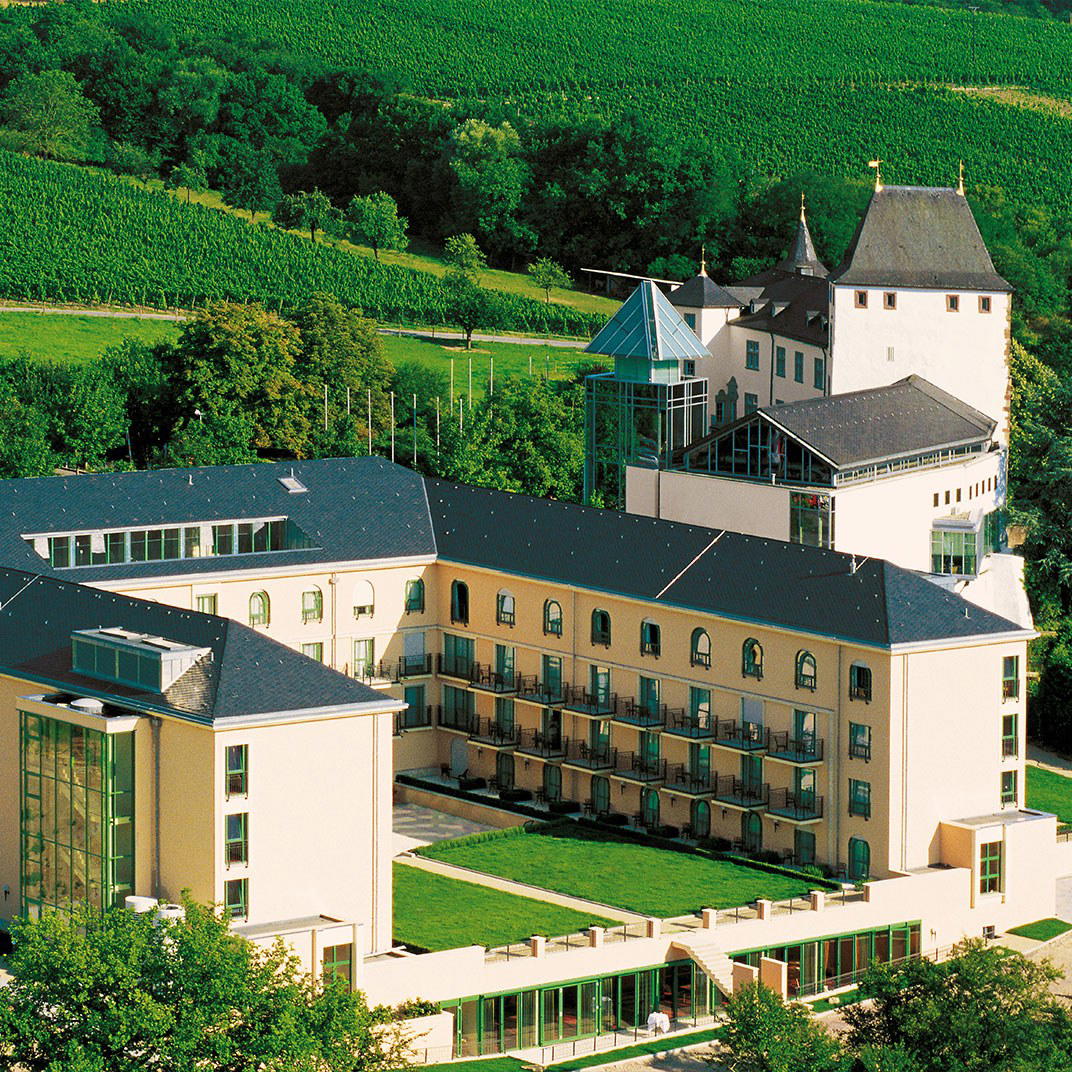
The approach to Wiltingen is not a grand wine-country spectacle. The Saar is narrower, cooler, and more reserved than many first-time visitors expect, with steep vineyard land doing the talking before any tasting room can. That restraint is the point. This is Riesling country shaped by slate, incline, and marginal ripening, where acidity carries as much meaning as fruit and where sweetness, when present, is a structural decision rather than decoration.
Weingut Egon Müller sits inside that tradition with unusual weight. The estate is closely associated with Scharzhofberg, one of Germany's benchmark Riesling sites, and its reputation rests on the way Saar fruit can hold tension: low alcohol, piercing acidity, and a long register of ripeness levels from dry-leaning expressions to botrytised rarities.
Saar Riesling here is about tension, not volume
The Saar's identity is cooler and sharper than the broader shorthand of “German Riesling” often suggests. Compared with warmer wine regions, ripeness arrives more slowly, and the wines can carry a fine line between delicacy and concentration. That is why Wiltingen matters. The village gives context to bottles that can seem austere if treated like generic aromatic whites; they are better understood as wines of slope, slate, and delayed harvest decisions.
In that setting, Weingut Egon Müller represents the high-discipline end of the spectrum. The attraction is not a broad portfolio designed to satisfy casual tasting traffic. It is the study of a narrow range of possibilities within Riesling: acidity against residual sugar, botrytis against clarity, ageability against immediate charm. For collectors, this places the estate in a different category from wineries built around walk-in hospitality. For travelers, it changes the expectation entirely: the point is understanding Wiltingen's place in the Saar, not treating the visit as a standard winery stop.
The useful local comparison is Weingut Van Volxem, another Wiltingen reference point with a different public profile and a broader contemporary lens on Saar Riesling. Outside the village, names such as Weingut Von Hövel, Weingut Reichsgraf von Kesselstatt, Weingut Maximin Grünhaus, and Weingut Nik Weis – St. Urbans-Hof help frame the regional field. The shared subject is not style sameness; it is how Saar and Mosel producers translate steep, cool sites into wines where balance is measured in grams, acidity, and time.
Wiltingen rewards context before itinerary
Travel planning in Wiltingen works better when wine comes first and amenities second. This is not a city dining circuit where reservations, bars, and hotels cluster around a single evening plan. The village is better read as part of a Saar wine route, with winery visits, nearby villages, and regional meals arranged around producer access rather than spontaneous foot traffic. Readers building a wider stay should use Our full Wiltingen wineries guide as the anchor, then fill in meals through Our full Wiltingen restaurants guide, lodging through Our full Wiltingen hotels guide, drinks through Our full Wiltingen bars guide, and cultural time through Our full Wiltingen experiences guide.
The broader value of this estate is educational. It sharpens the reader's palate for a category that is often simplified into sweet versus dry, when the better question is how land and climate shape the line of the wine. Saar Riesling can feel quiet at first, then become more insistent with air, age, and food. That is the reason serious drinkers make room for Wiltingen: not for volume or show, but for precision.
For readers comparing wine regions beyond the Saar, the contrast is useful. Oregon Chardonnay and Pinot Noir at Bethel Heights Vineyard in Salem speak through a different cool-climate grammar. Rheingau Riesling at Domdechant Werner'sches Weingut in Hochheim am Main and Fürst von Metternich-Winneburg'sche Domäne Schloss Johannisberg in Rheingau offers a broader, more river-facing counterpoint. German spirits and distillation culture appear in a separate register at Grassl's Gentian Schnaps Distillery in Berchtesgaden and Kemper Grain Distillery in Olpe, while Nahe Riesling at Gut Hermannsberg in Niederhausen gives another German reference for stony, acid-driven whites. Further afield, Jacquart in Grafschaft, 00 Wines in Carlton, and 1310 Spirit of the Country Distillery in Sierning show how sharply place changes the terms of comparison.
In Context: Similar Options
Comparable venues by cuisine and price in the same metro.
| Venue | Cuisine | Price | Awards |
|---|---|---|---|
| Weingut Egon MüllerThis venue (the venue you are viewing) | This venue | Not listed | Falstaff Winery - Listed |
| Weingut Von Hövel | Not listed | Not listed | Falstaff Winery - 4 Stars |
| Weingut Van Volxem | Not listed | $50–100 | Falstaff Winery - 5 Stars |
| Weingut Reichsgraf von Kesselstatt | Not listed | Not listed | Falstaff Winery - 3 Stars |
| Weingut Nik Weis – St. Urbans-Hof | Not listed | Not listed | Falstaff Winery - 4 Stars |
Recognition history
Dated appearances from independent guides and award organizations, with the underlying list record or original source where available.
Falstaff Winery - Listed
Falstaff
Continue exploring
More in Wiltingen
Wineries in Wiltingen
All wineries in Wiltingen →

Bars in Wiltingen
Browse all →
Details
- Elegant
- Classic
- Scenic
- Sophisticated
- Well Known
- Wine Education
- Special Occasion
- Solo Exploration
- Vineyard Tour
- Estate Grounds
- Historic Building
- Vineyard
- Mountain
- Riesling
- Still White
- Dessert
- Cave Tasting
- Private Tasting
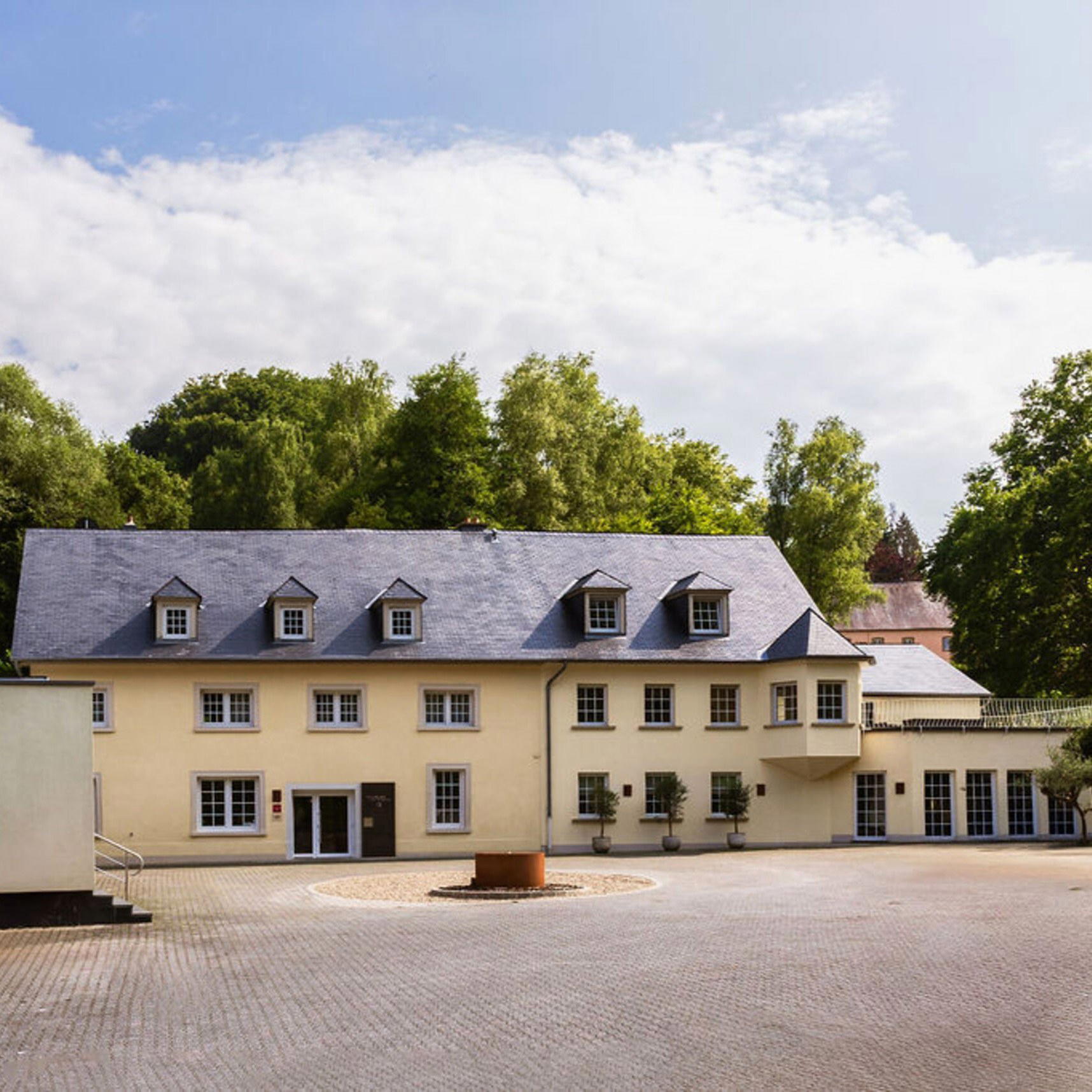
Elegant and refined with a focus on terroir-driven minerality and balance of acidity and sweetness in a historic setting.