Château Cos d'Estournel



Château Cos d'Estournel has produced Saint-Estèphe Cabernet since 1811, operating at the upper tier of the Médoc's Second Growth classification.
Pearl is the En Primeur Club membership app — saves, bookings, and concierge access live there. Same editors, same standards.
- Address
- Cos S, 33180 Saint-Estèphe
- Phone
- +33 5 56 73 15 50
- Website
- estournel.com
- Directions
- Get directions
 Saves & bookings on Pearl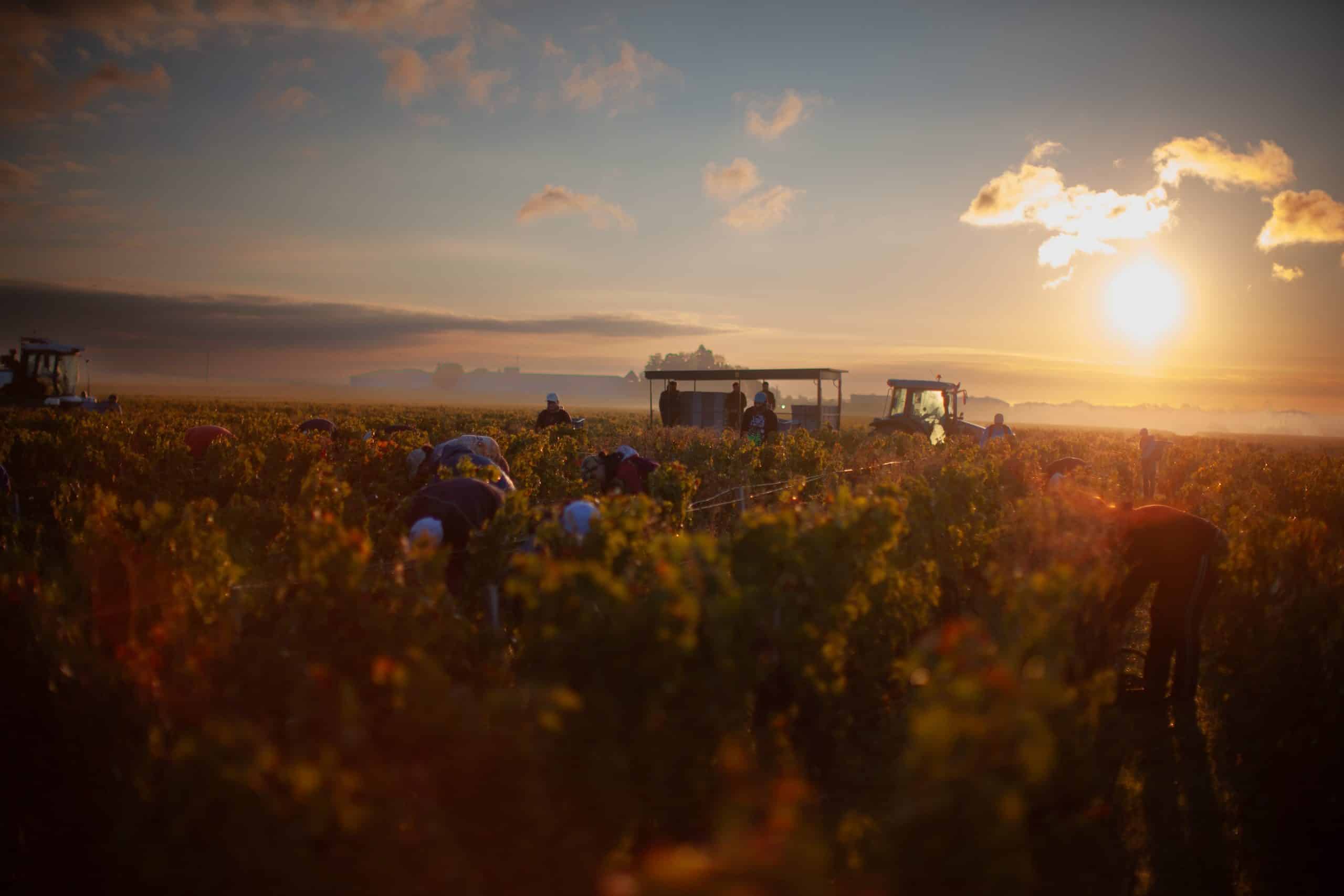
Architecture as Signal, Cellar as Proof
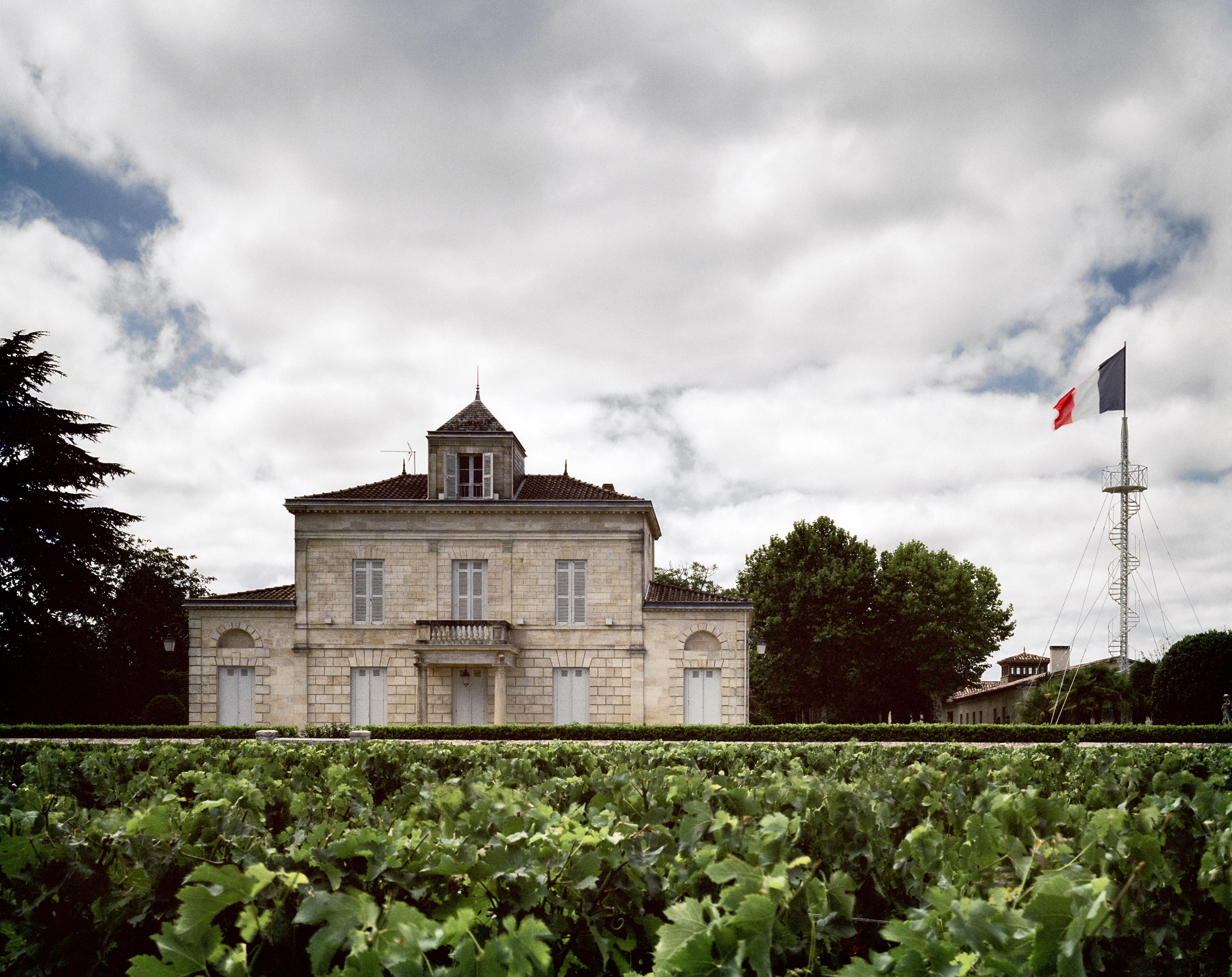
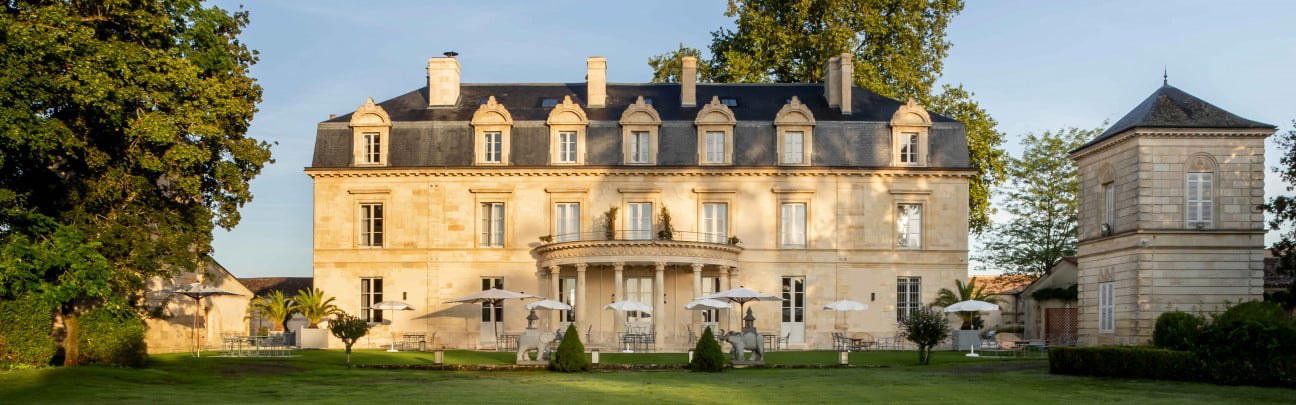
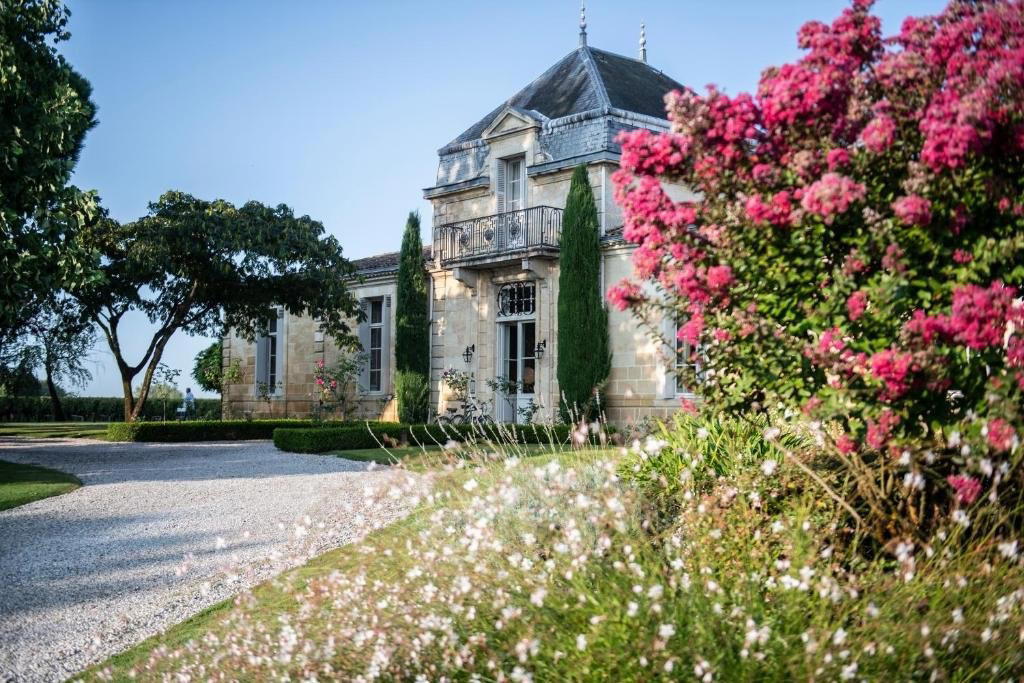
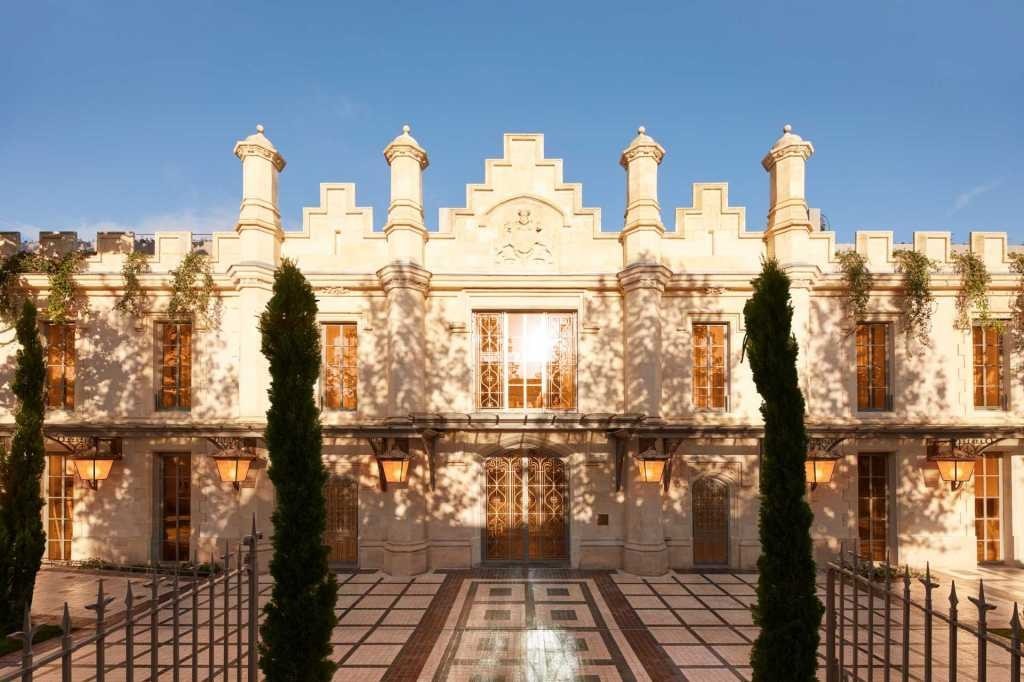
Approaching Cos d'Estournel from the D2, the Médoc's principal wine road, you encounter something that doesn't fit the region's standard register of symmetrical châteaux and formal allées. Pagodas rise above the vine line. An elephant-carved gate faces the Gironde direction. Before a single bottle is opened, the estate declares its aesthetic terms. That visual distinctiveness is not incidental: it traces to the original proprietor's commercial obsession with Asian trade routes, and it has made the property one of Bordeaux's most recognisable physical addresses across nearly two centuries of continuous production dating to 1811.
The architecture, however, is not the reason serious collectors follow this estate. The reason sits below ground. Saint-Estèphe's position at the northern end of the Haut-Médoc gives its leading estates a slightly different clay-heavy soil profile compared to the gravel-dominant terroir of Pauillac to the south, and Cos d'Estournel's vineyards, positioned on a gravel mound that interrupts the commune's heavier soils, benefit from drainage that the appellation doesn't universally provide. What emerges from those vineyards, and what happens to it in the chai, is where the estate's Second Growth classification gets tested and, vintage by vintage, justified.
The Cellar Programme: What Happens After Harvest
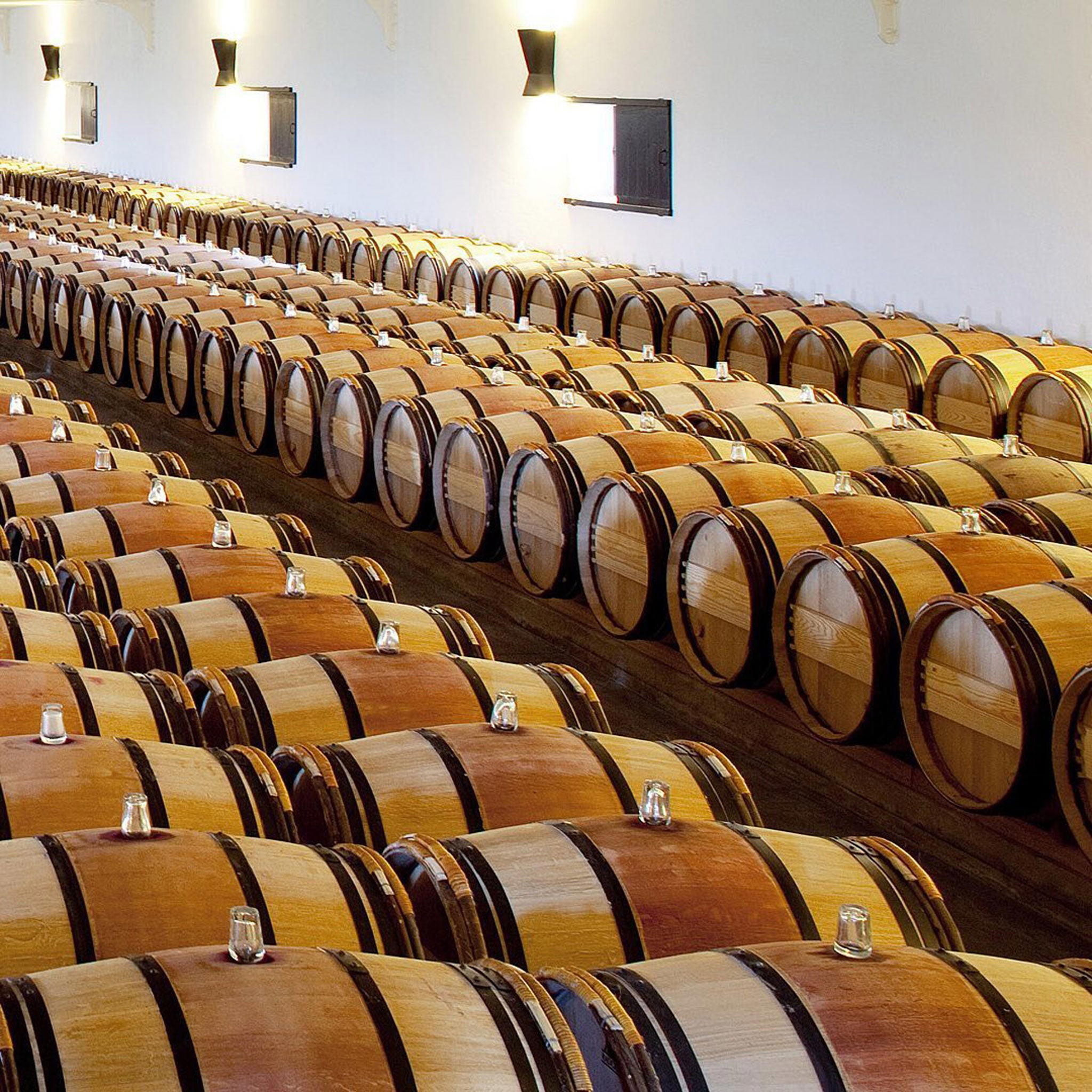
In a region where the harvest press release has become its own media category, the more instructive story at any serious Médoc estate is the eighteen months or more that follow picking. At Cos d'Estournel, winemaker Dominique Arangoïts oversees a barrel programme that sits within the Médoc's broader tradition of new-oak aging, a tradition that has been in gradual, contested revision since the early 2000s, as producers across the classification weighed the case for lower new-oak percentages and longer élevage against the consumer expectations built up during the Parker era.
The choice of barrel type, cooperage, and toast level at this tier of Bordeaux production shapes the wine. It directly determines whether the Cabernet Sauvignon, which typically dominates the Cos blend alongside smaller proportions of Merlot and Cabernet Franc, arrives at bottling with tannins that need a decade to resolve, or whether the wine is structured for earlier accessibility without sacrificing the cellar curve that Second Growth buyers expect.
The blending stage, usually completed in spring following the harvest, is where the appellation character becomes decisive. Saint-Estèphe's leading producers, including Château Montrose, the appellation's other Second Growth, and Château Calon Ségur with its recent ownership-driven quality push, each read that terroir differently at the assemblage table. Cos d'Estournel has historically blended toward aromatic precision and mid-palate richness rather than the austere, slow-opening style that Montrose has traditionally favoured. That distinction is not absolute in every vintage, but it is consistent enough to explain why the two estates attract slightly different collector profiles despite sharing an appellation and a classification tier.
Positioning Within the Saint-Estèphe Hierarchy
Saint-Estèphe has no First Growth, which has historically positioned it as the Médoc appellation that rewards specialist knowledge. The négociant market and en primeur system treat its leading estates as value alternatives to Pauillac and Saint-Julien, a framing that has both served and slightly undersold properties like Cos d'Estournel, which at its leading produces wine that ages on a trajectory competitive with the classified estates of any Médoc commune.
Below Cos and Montrose in the formal classification sits a second tier of Cru Bourgeois and unclassified estates that has produced genuinely strong work in recent vintages. Château Haut-Marbuzet, known for a heavily-oaked, plush style that diverges from the classicist approach, and Château Phélan Ségur, which has tightened its quality consistency over the past decade, represent the appellation's depth beneath the two Second Growths. Château Lafon-Rochet, a Fourth Growth that has traded on value positioning, completes the formal classification tier within the commune. Cos d'Estournel sits above all of them in classification rank and market price, and the cellar investment visible in the current programme reinforces that gap rather than narrowing it.
The Second Label and the En Primeur Question
The estate produces a second wine, Les Pagodes de Cos, that draws from younger vines and declassified lots, and which functions as the conventional entry point for buyers who want appellation typicity without the aging commitment the grand vin demands. In the en primeur system, where futures are sold before bottling, the pricing relationship between the two wines is a reliable indicator of how the estate reads its own vintage quality: a wide price gap signals confidence in the grand vin's peak potential; a narrower spread suggests the estate is directing buyers toward the more accessible tier.
For buyers approaching Cos d'Estournel through en primeur, the practical intelligence is vintage-specific and leading approached with current campaign data rather than generalisations.
Visiting and Planning
Saint-Estèphe sits at the northern end of the Médoc wine route, north of Bordeaux via the D2. The village itself is small, and most visits to the appellation's estates require advance arrangements made directly with each property. The estate's address, Cos S, 33180 Saint-Estèphe, places it on the southern edge of the commune, within easy reach of both Pauillac to the south and the small Saint-Estèphe village centre. Visits during the spring post-harvest period, when barrel samples from the current vintage are being assessed and blending decisions are recent, offer the closest view of the cellar programme in active operation. The autumn harvest window, typically late September into October in the Médoc, draws the largest volume of trade visitors. For a broader orientation to the appellation and its full range of estates, our full Saint-Estèphe guide maps the commune's key addresses and seasonal access patterns.
Context Beyond the Médoc
Cos d'Estournel's place in Bordeaux's classification system makes it a natural reference point when comparing structured red wine production across regions. The question of how long to age in barrel, what proportion of new oak to use, and when blending decisions optimise terroir expression over winemaker preference applies equally to estates like Château Batailley in Pauillac and Château Branaire Ducru in St-Julien, both of which operate at adjacent price and quality tiers within the Médoc. Further afield, the philosophy of site-specific restraint in barrel programming finds parallels in estates as different as Château Bélair-Monange in Saint-Emilion and, in a different register entirely, Albert Boxler in Niedermorschwihr, where élevage decisions are equally deliberate but applied to Alsatian white varieties. The common thread is that the cellar choices made in the months after harvest, not the harvest itself, are where a wine's comprehensive character is either confirmed or undermined. At Cos d'Estournel, that case has been made consistently since 1811.
Nearby-ish Comparables
Comparable venues nearby, for context on price, style, and recognition.
| Venue | Cuisine | Price | Notes |
|---|---|---|---|
| Château Cos d'EstournelThis venue — the venue you are viewing | Cabernet Sauvignon, Merlot | $$$$ | Not listed |
| Château Phélan Ségur | Cabernet Sauvignon, Merlot | $$$$ | Saint-Estèphe |
| Château Montrose | Cabernet Sauvignon, Merlot | $$$$ | Saint-Estèphe |
| Château Calon Ségur | Cabernet Sauvignon, Merlot | $$$$ | Saint-Estèphe |
| Château Haut-Marbuzet | Cabernet Sauvignon, Merlot | $$$$ | Saint-Estèphe |
| Château Lafon-Rochet | Cabernet Sauvignon, Merlot | $$$$ | Saint-Estèphe |
Recognition history
Dated appearances from independent guides and award organizations, with the underlying list record or original source where available.
Falstaff Winery - 4 Stars
Falstaff
Michelin 1 Grape
Michelin
World's 50 Best Best Vineyards #97
World's 50 Best
Continue exploring
More in Saint-Estèphe
Wineries in Saint-Estèphe
Browse all →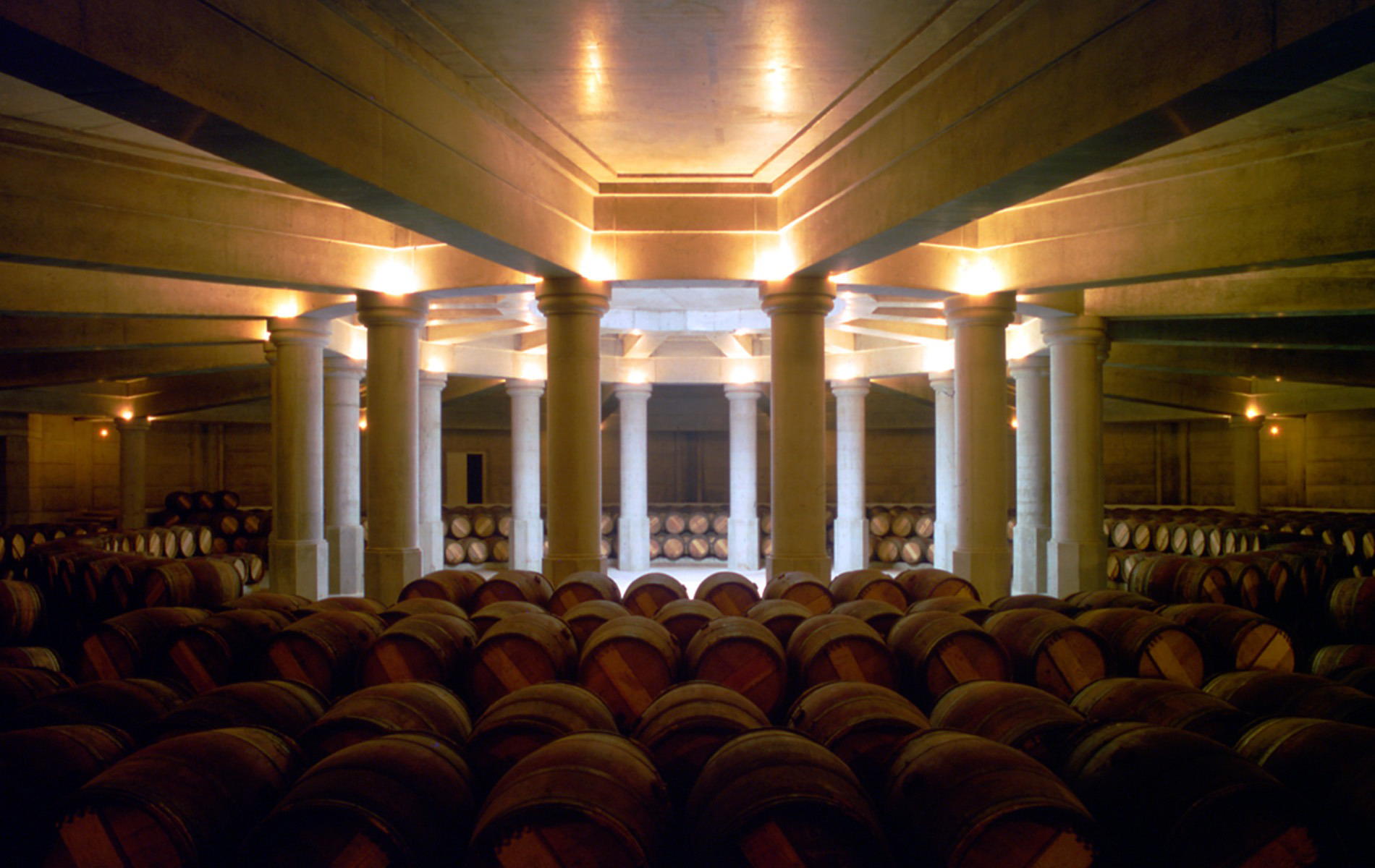
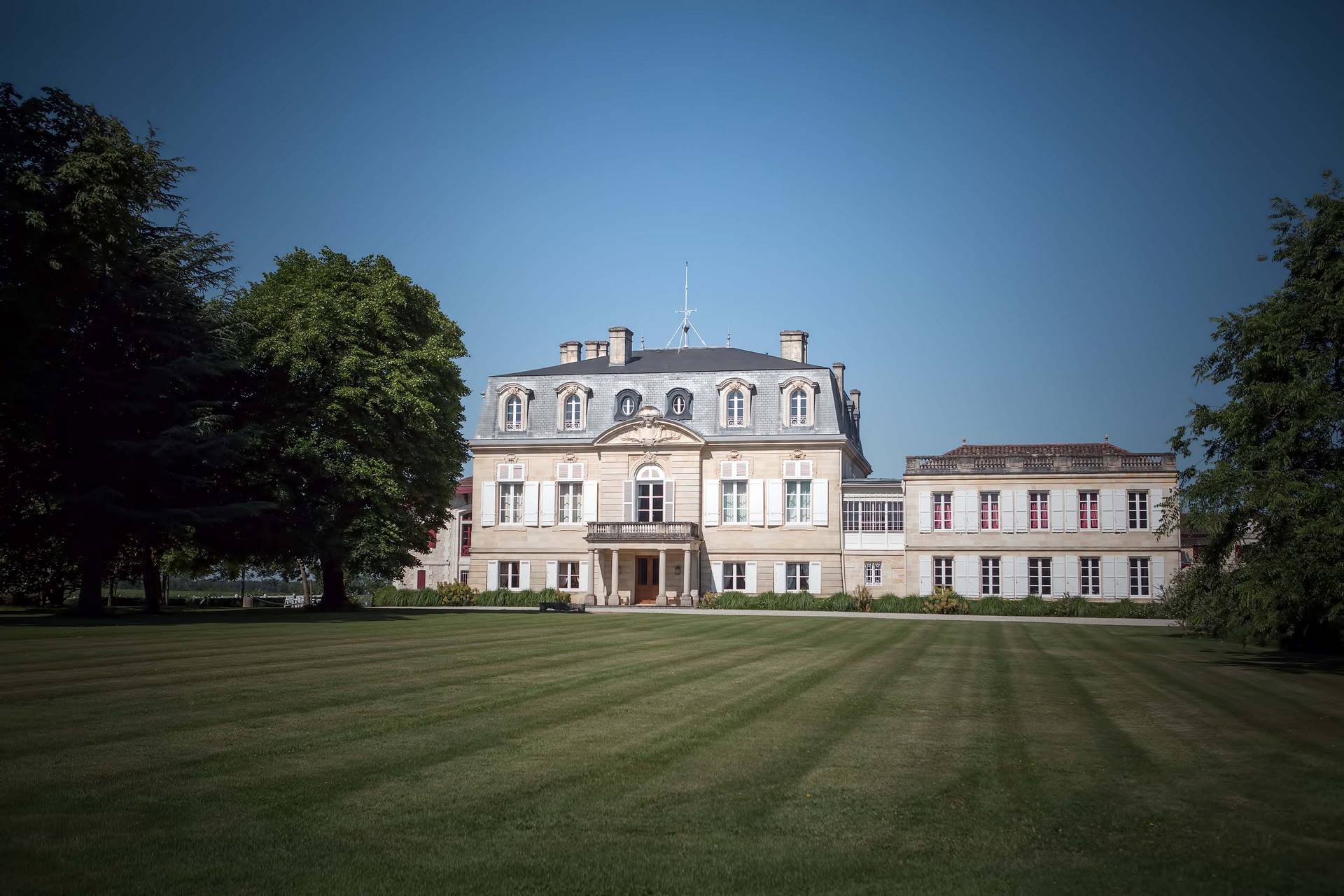
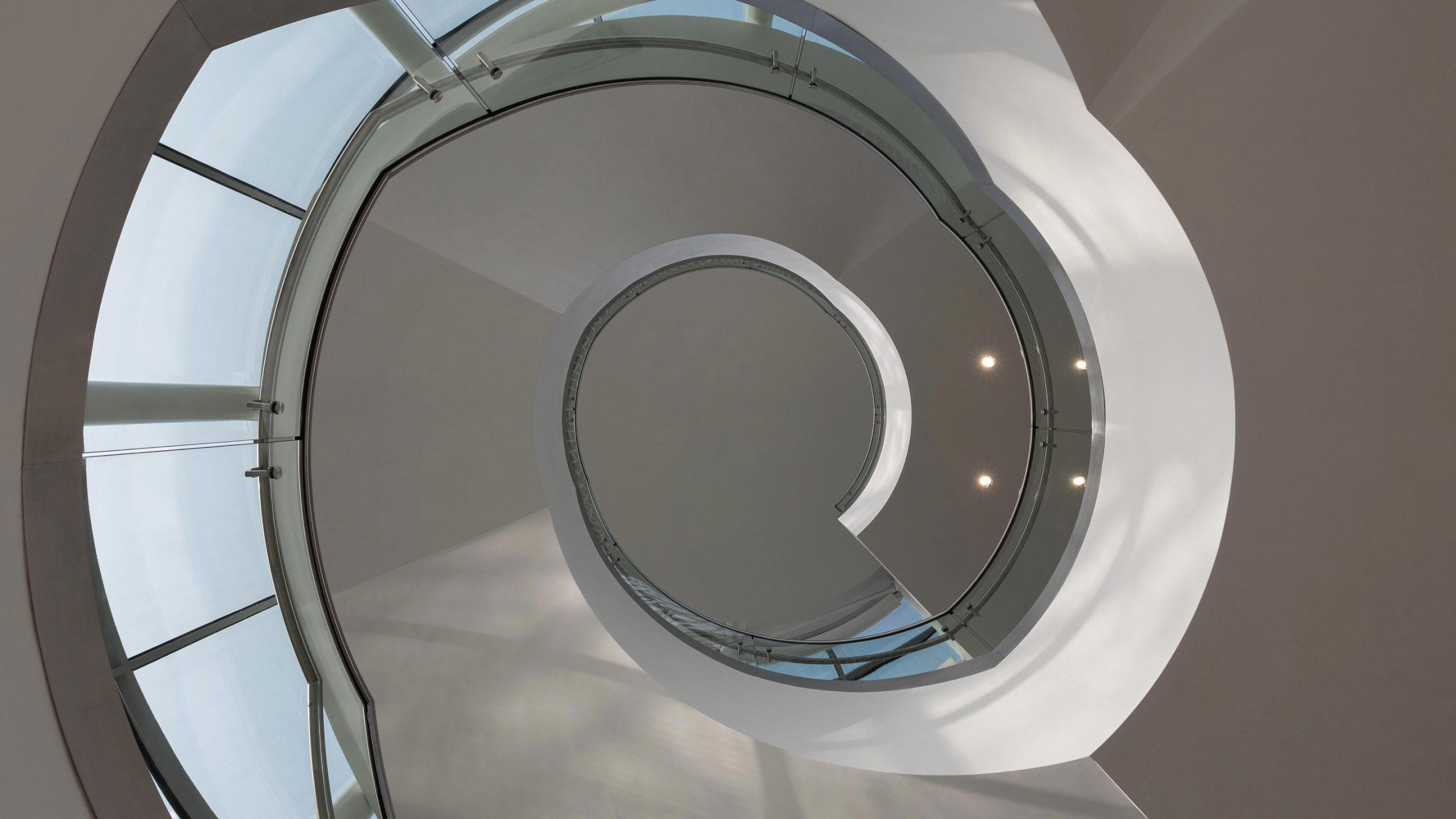
Bars in Saint-Estèphe
Browse all →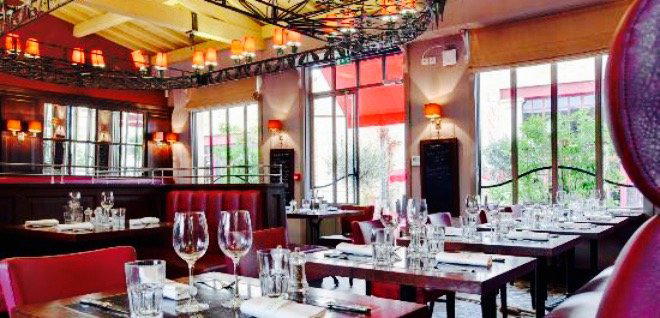
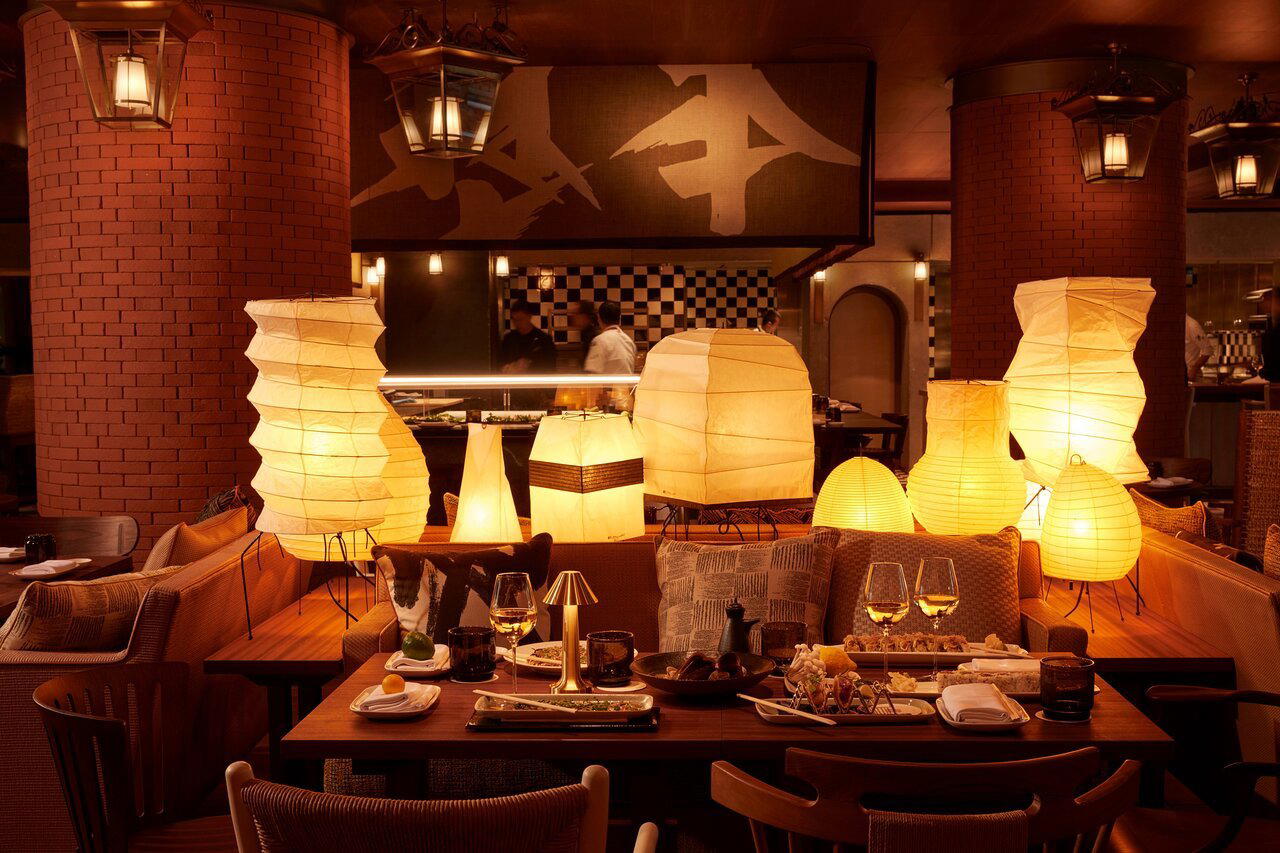

Restaurants in Saint-Estèphe
Browse all →
At a Glance
- Elegant
- Historic
- Scenic
- Sophisticated
- Wine Education
- Special Occasion
- Cave Tasting
- Barrel Room
- Vineyard Tour
- Historic Building
- Organic
- Vineyard
- Saint Estèphe
- Cabernet Sauvignon
- Merlot
- Cabernet Franc
- Petit Verdot
- Still Red
- Private Tasting
Elegant and historic with an ornate, sophisticated atmosphere blending classic Bordeaux heritage and modern winemaking precision.