

World's 50 Best #83 · Falstaff Winery - Listed
The estate sits within the Classico zone where Corvina, Rondinella, and Molinara define the regional canon, and where the appassimento technique gives Amarone its structural weight and cellar longevity.

Pearl is the En Primeur Club membership app — saves, bookings, and concierge access live there. Same editors, same standards.
- Address
- Via Monteleone, 26, 37015 Gargagnago di Valpolicella, 37015 Verona VR
- Phone
- +39 045 683 2511
- Website
- masi.it
- Directions
- Get directions
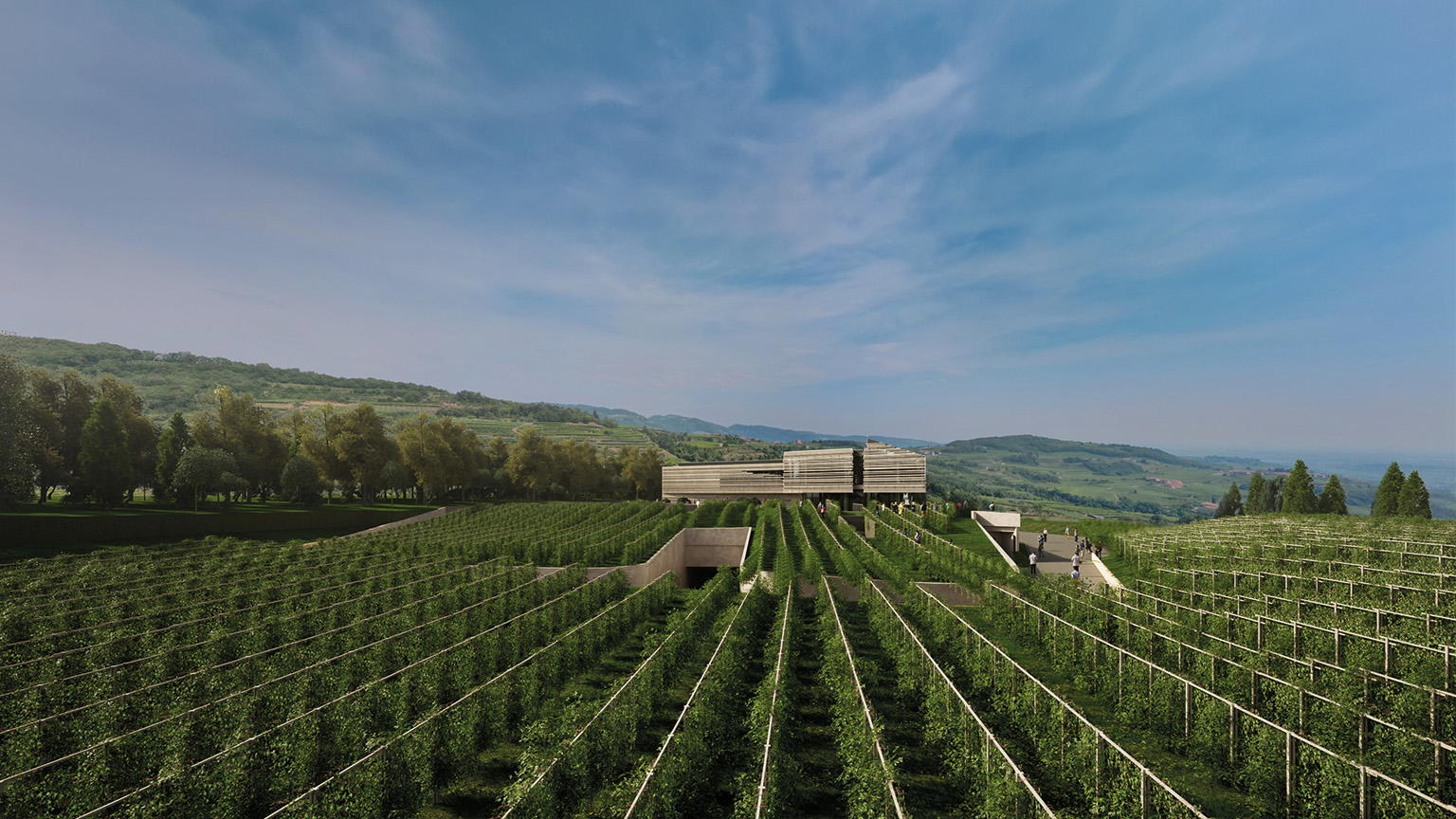
Valpolicella's Volcanic Substrate and the Wines It Produces
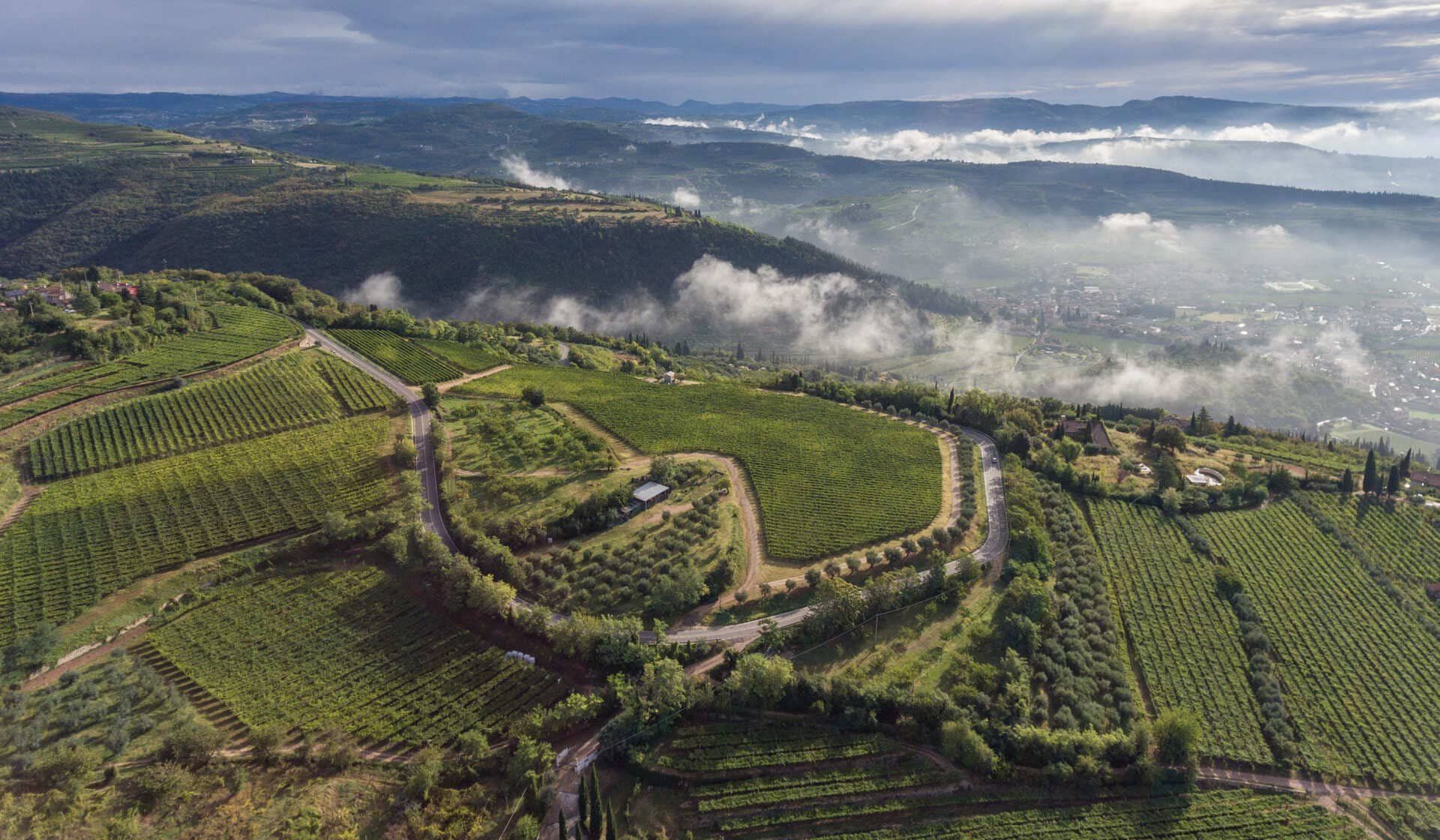
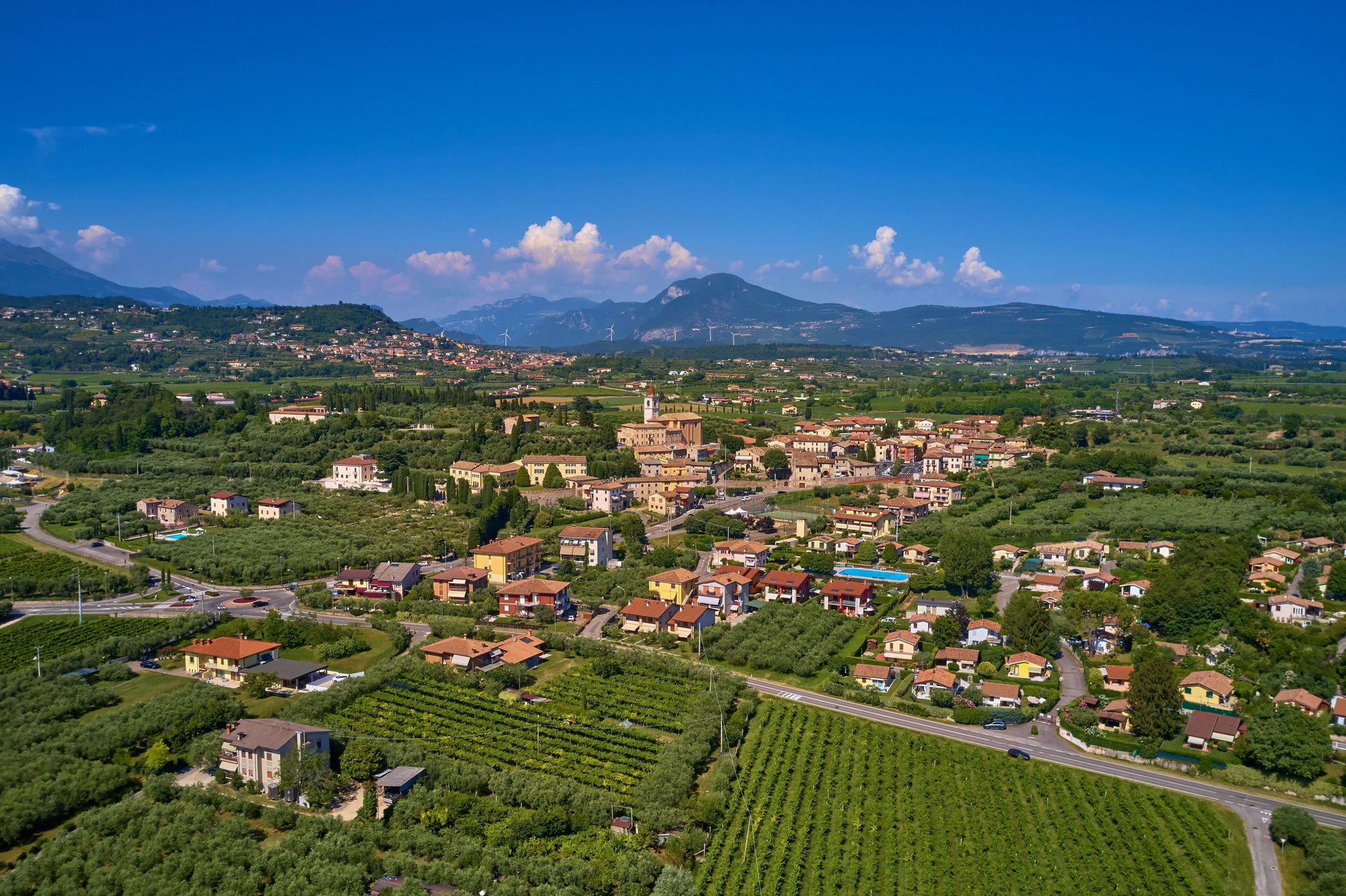
The Valpolicella Classico zone occupies a tight band of hillside territory northwest of Verona, where the soils shift between limestone, clay, and the chalky alluvial deposits left by centuries of glacial retreat. This geology does not make for immediately expressive, fruit-forward wine. What it produces instead is structure: angular, mineral, capable of holding significant alcohol without losing definition. Masi, whose holdings at Via Monteleone in Gargagnago di Valpolicella sit in the heart of this zone, draws on that substrate across a range that spans entry-level Valpolicella through to Amarone. Understanding what this appellation asks of its grapes is the prerequisite for understanding what the estate does with them.
The Classico sub-zone, which encompasses communes including Fumane, Marano, Negrar, Sant'Ambrogio, and San Pietro in Cariano, is where Valpolicella's historical identity was established. Corvina Veronese is the dominant grape: thick-skinned, late-ripening, and resistant to the desiccation required for appassimento. Rondinella and Molinara fill supporting roles, adding aromatics and acid structure respectively. This is a grape blend assembled for a specific purpose over several centuries, and the wines it produces — when made from Classico territory rather than the broader DOC flatlands — carry a material difference in density and aging potential.
The Appassimento Method: What the Land Demands
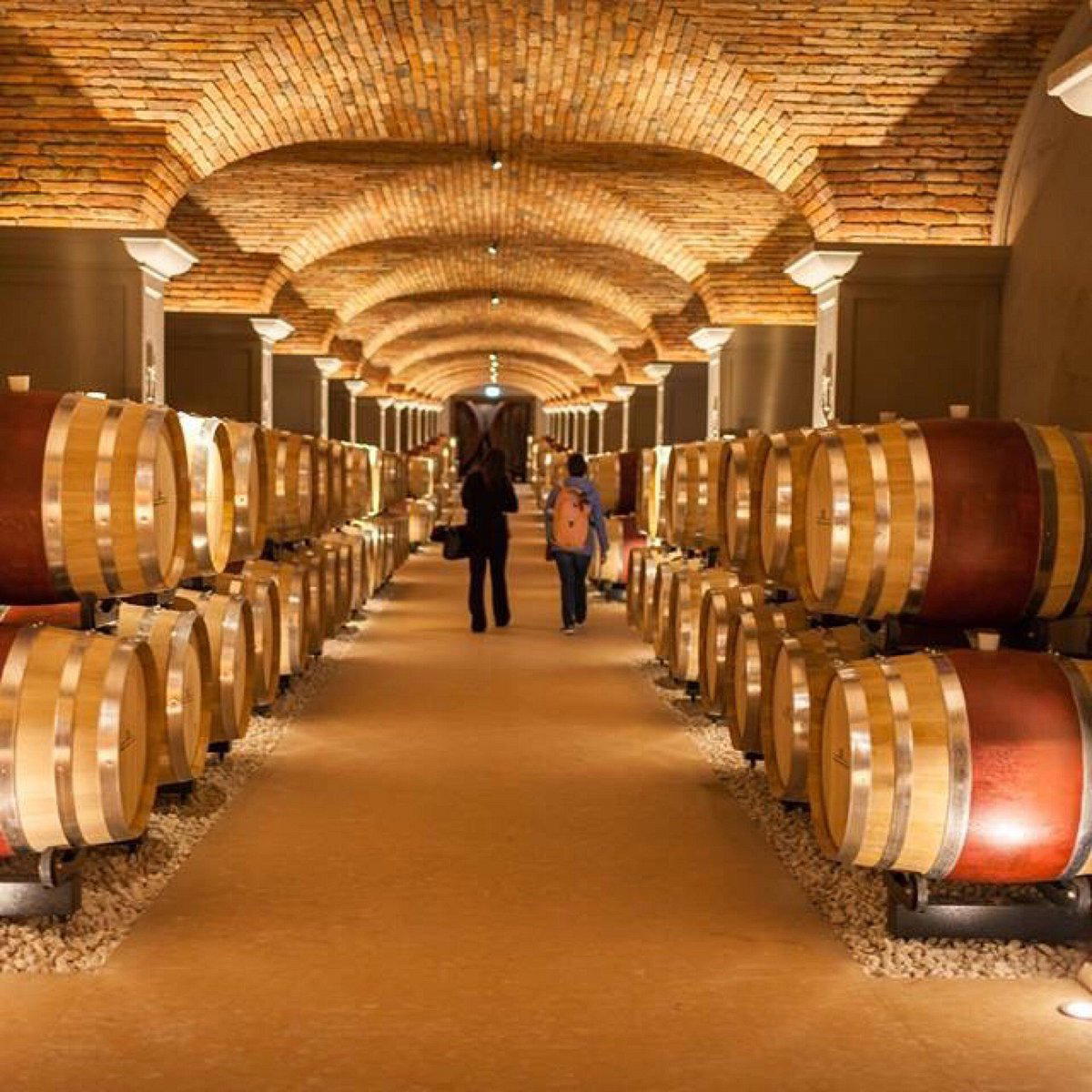
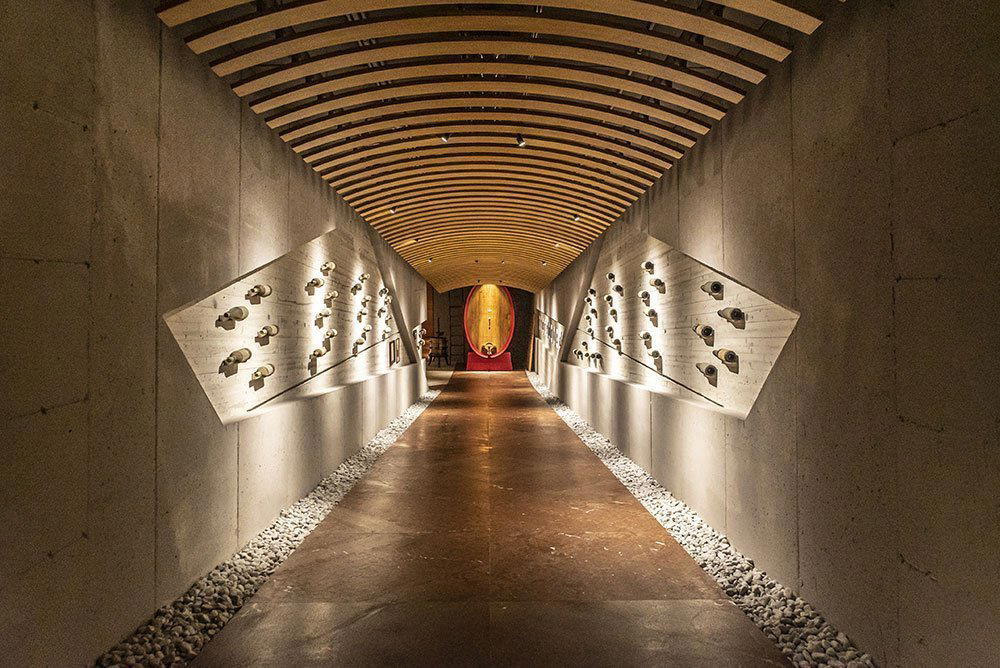
Amarone di Valpolicella cannot be understood without its production method, and the method cannot be understood without its geography. The drying of harvested grapes, appassimento, takes place in fruttai, ventilated lofts where bunches are spread on bamboo racks or crates for a minimum of 90 days, typically from October through January. During this period, the grapes lose between 30 and 40 percent of their water weight, concentrating sugars, tannins, and extractable compounds to levels that produce wines regularly reaching 15 to 17 percent alcohol, with dry extract figures that sit well above regional norms for still wine.
The meteorological conditions that make this possible in the Classico hills, cool alpine air drawn down from the Lessini Mountains overnight, warm valley temperatures during the day, are not reliably replicated across the broader DOC. This is why the Classico denomination carries weight, and why producers with long-established hillside holdings occupy a distinct competitive position relative to newer entrants based in the plains. Masi's location in Gargagnago, at the Sant'Ambrogio end of the Classico zone, places it within the area where this thermal dynamic operates most consistently.
For context across the Italian premium landscape, the structural logic of appassimento shares territory with other high-intervention, terroir-specific methods: the extended lees contact of Ca' del Bosco in Erbusco's Franciacorta programs, or the barrel-aging regimes that define Barolo producers such as Aldo Conterno in Monforte d'Alba. Each method is a response to what the land and climate make possible, not an imposition on neutral raw material.
This rating positions the estate alongside a cohort of producers for whom consistency across a portfolio, rather than a single flagship release, is the operative measure. In Valpolicella, that consistency is harder to achieve than it might appear: appassimento results vary with vintage humidity, the drying period introduces botrytis risk, and the long oak maturation required for Amarone DOCG (a minimum of two years for standard releases, three for Riserva) means that production decisions made half a decade ago determine what is currently in bottle.
The 4 Star Prestige classification situates Masi in the company of recognized estates from other Italian regions whose ratings reflect accumulated credibility: Lungarotti in Torgiano, Castello di Volpaia in Radda in Chianti, and Planeta in Menfi each represent regional authority built over decades rather than a single celebrated harvest. Italian wine at this level functions through institutional reputation as much as through any single bottling.
Placing Masi Within the Valpolicella and Broader Veneto Context
The Valpolicella Classico zone operates within a broader Veneto wine economy that includes Soave, Bardolino, and Prosecco. Of these, Amarone occupies the highest price tier and commands the longest cellar life. Within Amarone itself, the market stratifies between large-volume producers with broad DOC sourcing and smaller, Classico-focused estates whose allocation model resembles Burgundy more than Bordeaux: limited quantities, hillside-specific sourcing, and secondary market premiums for aged bottles. Masi operates at significant scale relative to many Classico estates, which means its wines are more accessible at retail than allocation-only producers, but its Classico holdings and methodological commitment to traditional appassimento techniques place it closer to the quality tier than to the volume-commodity segment.
Comparison with estates such as L'Enoteca Banfi in Montalcino or Poggio Antico in Monte San Vito is instructive: these are estates that built reputations on a single dominant variety (Sangiovese, specifically Brunello) with tight geographic identity, and whose credibility rests on the relationship between terroir and that grape. Masi's equivalent anchor is the relationship between Corvina and the Classico hills, expressed through appassimento at the Amarone level.
Visiting the Estate and Planning Your Trip
The address at Via Monteleone, 26, Gargagnago di Valpolicella places the estate roughly 20 kilometres northwest of Verona's historic centre, in a section of the Classico zone that is accessible by car but not practically reachable by public transport. The Valpolicella Classico hills are most logistically approached from Verona, and the surrounding area warrants time beyond a single estate visit: the hamlet of Sant'Ambrogio di Valpolicella itself, the church of San Giorgio at Valpolicella, and the broader network of hillside producers make this a half-day or full-day excursion rather than a quick stop. Visitors planning a wine-focused itinerary through the northeast of Italy may find logical sequencing with the Soave Classico zone to the east or with Bardolino on the shores of Lake Garda to the west.
For those building a broader appreciation of Italian spirits and distillation traditions alongside wine, the northeast has depth: Nonino Distillery in Pavia di Udine, Distilleria Marzadro in Nogaredo, and Distilleria Romano Levi in Neive each sit within a day's drive and represent different expressions of grappa's regional identity. For further context on the Italian and international premium drinks landscape, Campari in Milan and Aberlour in Aberlour sit at separate points on the spectrum of production scale and heritage. For readers planning a visit and wanting broader orientation, our full Sant'Ambrogio di Valpolicella guide covers the surrounding area in detail.
New World comparisons have their place: Accendo Cellars in St. Helena represents the kind of Napa producer for whom site specificity and restrained intervention are the operative values, a comparable orientation to what the Classico producers practise, though in a dramatically different geological and climatic register.
In Context: Similar Options
Comparable venues nearby, for context on price, style, and recognition.
| Venue | Cuisine | Price | Awards | Notes |
|---|---|---|---|---|
| Masi Agricola S.p.A.This venue — the venue you are viewing | Corvina, Rondinella | Not listed | World's 50 Best #83 · Falstaff Winery - Listed | Not listed |
| Masi | Corvina, Rondinella | Not listed | World's 50 Best #83 · Falstaff Winery - Listed | Sant'Ambrogio di Valpolicella |
| Foradori | Teroldego, Nosiola | Not listed | Falstaff Winery - Listed | Mezzolombardo |
| Giuseppe Quintarelli | Corvina, Corvinone | $50–100 | Falstaff Winery - Listed | Cerè di Negrar |
| Distillerie Buton (Vecchia Romagna) | Trebbiano | Not listed | Not listed | Bologna |
| Negroni Antica Distilleria | Glera, Corvina | Not listed | Not listed | Marca Trevigiana |
Recognition history
Dated appearances from independent guides and award organizations, with the underlying list record or original source where available.
World's 50 Best Vineyards #83
World's 50 Best
Falstaff Winery - Listed
Falstaff
Full recognition history (3 entries)
Falstaff Winery - 5 Stars
Falstaff
Continue exploring
More in Sant'Ambrogio di Valpolicella
Wineries in Sant'Ambrogio di Valpolicella
Browse all →
Bars in Sant'Ambrogio di Valpolicella
Browse all →
Restaurants in Sant'Ambrogio di Valpolicella
Browse all →
Details
- Classic
- Rustic
- Elegant
- Scenic
- Well Known
- Wine Education
- Special Occasion
- Vineyard Tour
- Historic Building
- Panoramic View
- Vineyard
- Mountain
- Corvina
- Rondinella
- Molinara
- Oseleta
- Still Red
- Fortified
- Dessert
- Cave Tasting
- Private Tasting
- English
- Italian
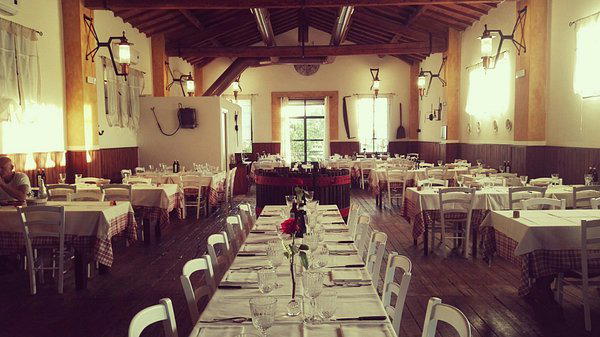
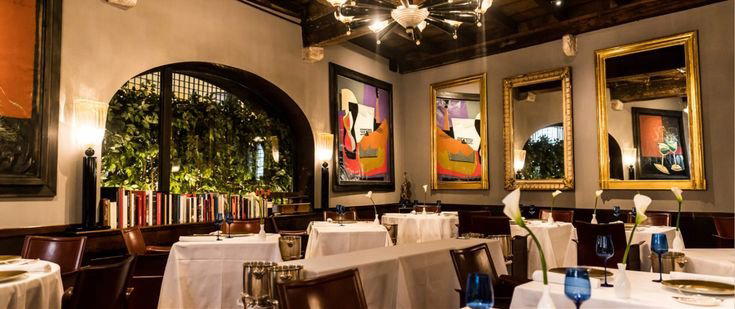
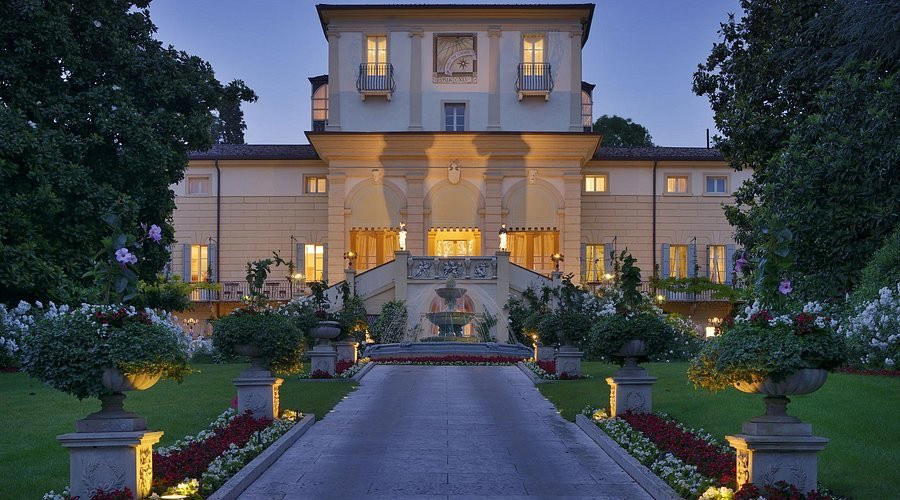
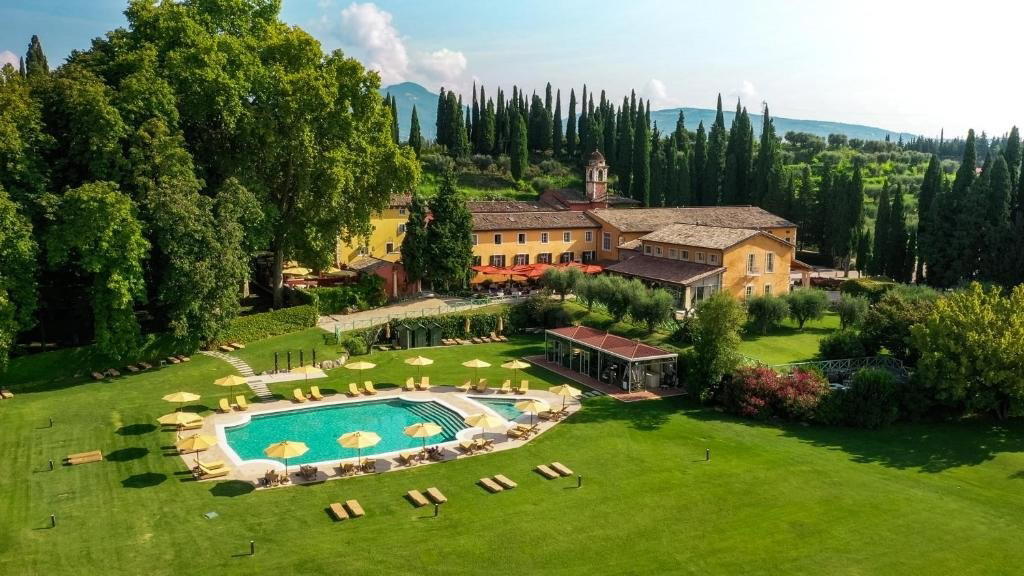
Historic and elegant atmosphere steeped in family tradition and Venetian winemaking heritage.