Skip to Main Content
← Collection
Chablis, France

Domaine Francois Raveneau

WinemakerJean-Marie and Bernard Raveneau (now succeeded by Isabelle Raveneau)
RegionChablis, France
First Vintage1948
Pearl

Domaine François Raveneau has been producing Chablis from the same address on rue Chichée since 1948, with the estate now guided by Isabelle Raveneau following the tenures of Jean-Marie and Bernard. A Pearl 5 Star Prestige rating in 2025 places it firmly within the appellation's uppermost tier. Allocations are small, demand is sustained, and the wines remain a reference point for what Chablis can do at its most serious.

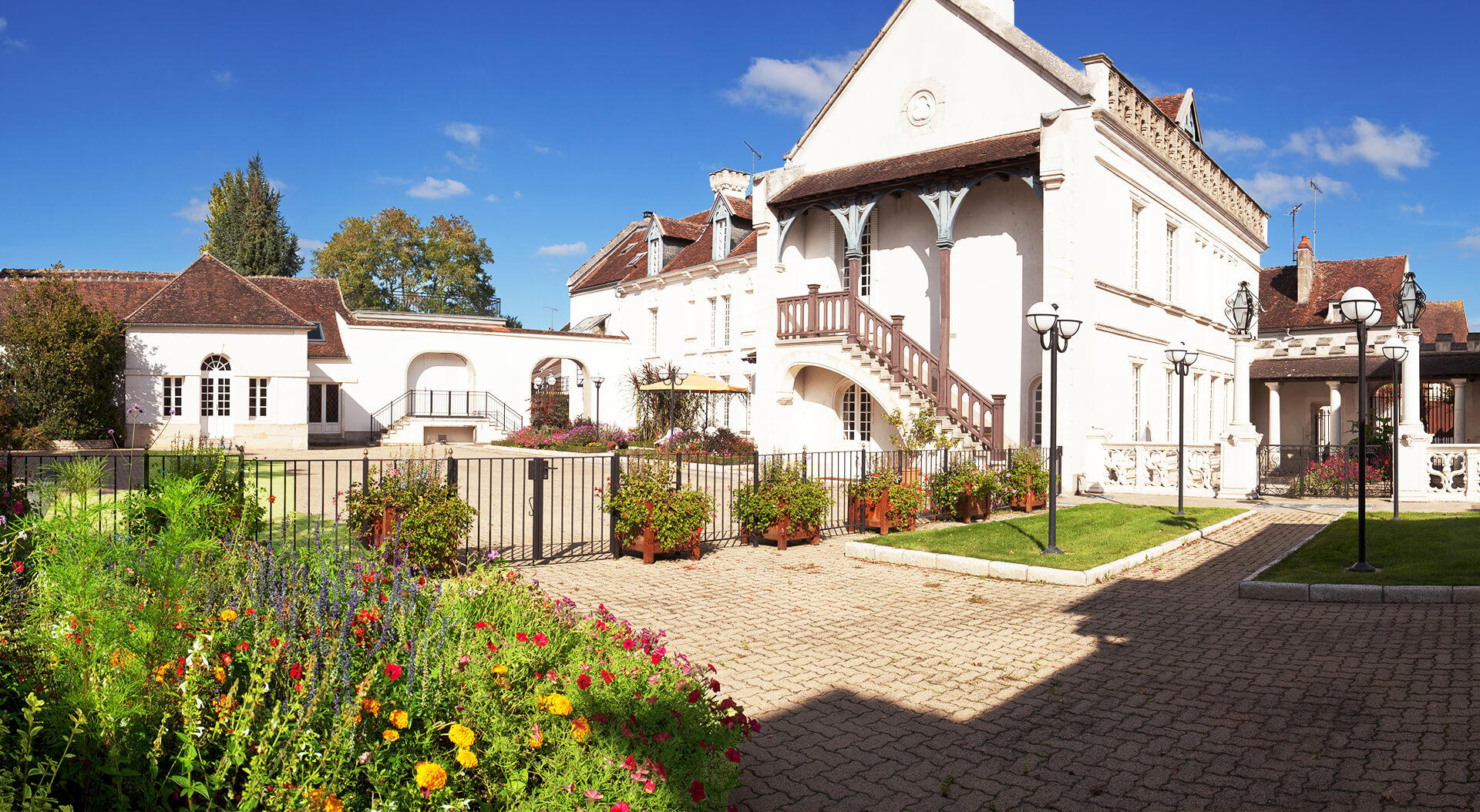
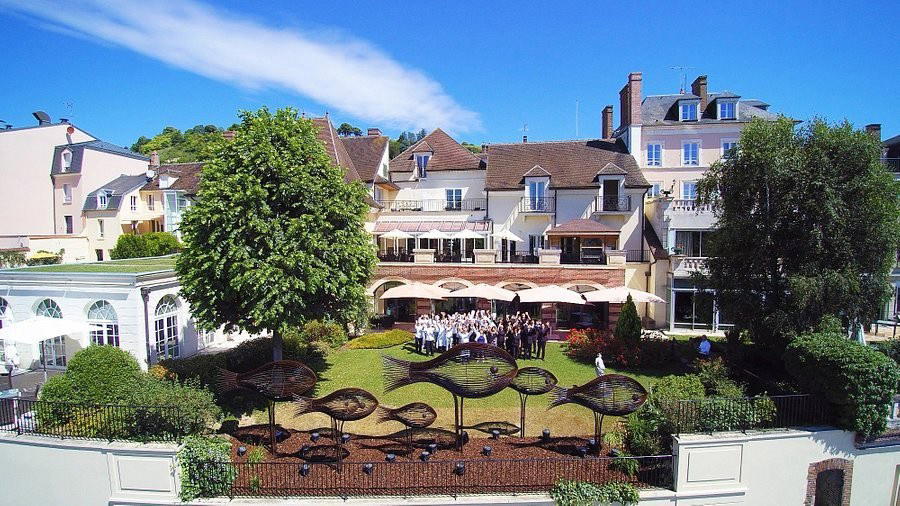
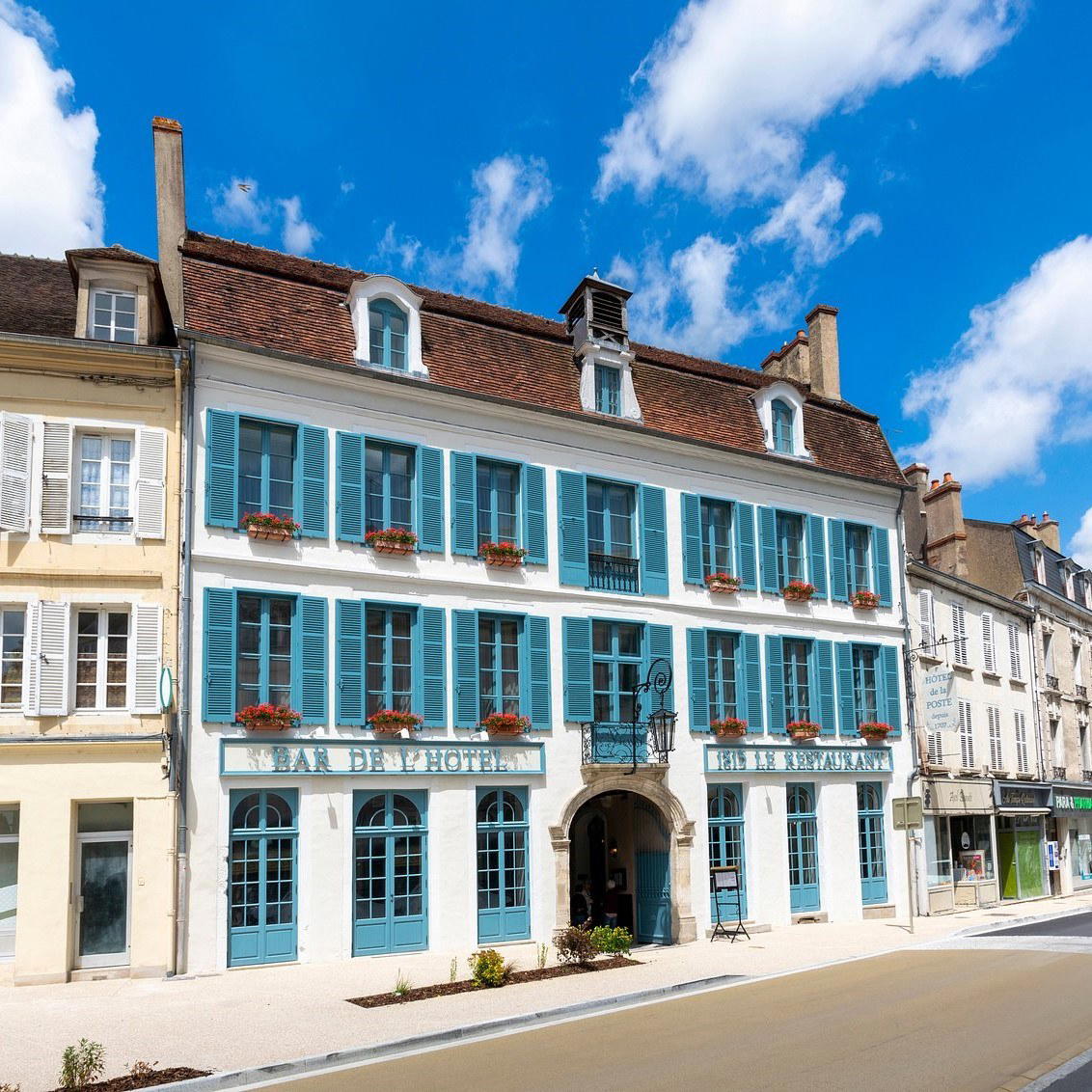
Domaine Francois Raveneau winery in Chablis, France
About

A Quiet Address With a Long Shadow

The village of Chablis does not announce itself dramatically. The Serein river cuts a modest path through limestone plateau country, the church tower is modest, and the signage on the walled lanes near the centre gives little away. Number 9, rue Chichée, is no exception. There is no tasting pavilion, no visitor centre, no architectural statement. What exists instead is a working domaine with a production record stretching back to 1948 and a reputation that has compelled serious wine buyers to make the journey north from Paris — roughly two hours by road — for generations. The restraint of the place is itself a kind of argument: the wines do not require the venue to perform.

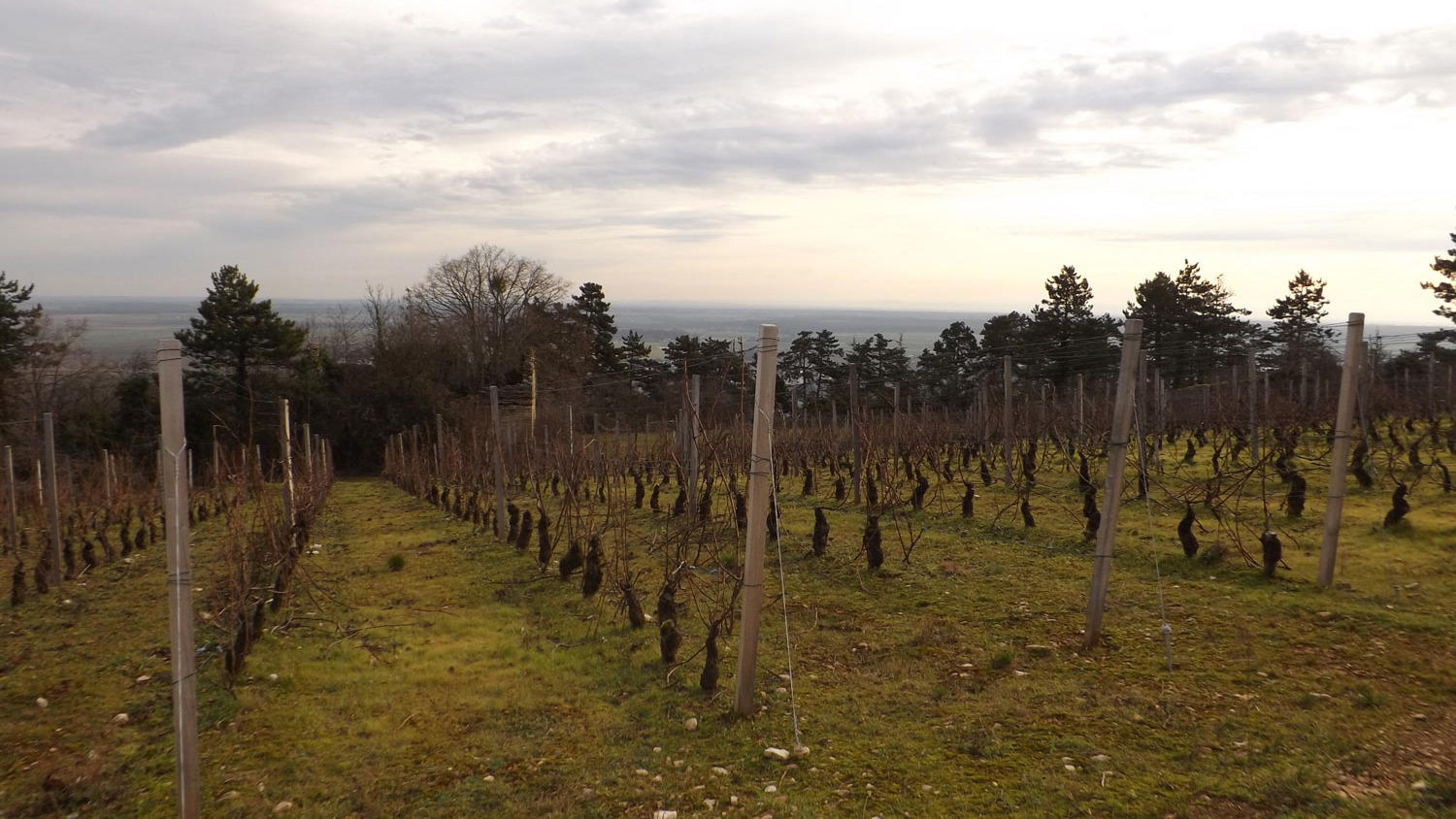
In Chablis, where the appellation's identity rests on a singular combination of Kimmeridgian limestone, cool climate, and Chardonnay grown without interference, the most respected producers have tended to be those who let the geology speak. Raveneau sits at the far end of that tradition. The estate's 8.5 hectares cover several of the appellation's most storied Grand Cru and Premier Cru parcels, and the approach to viticulture and winemaking has remained consistent across the decades in ways that allow the wines to serve as a longitudinal study in what this particular stretch of northern Burgundy is capable of.

Members Only

The shortlist, unlocked.

Hard-to-book tables, cellar releases, and concierge-planned trips.

Get Exclusive Access →

Succession and Continuity

The modern story of the domaine runs across three generations. Jean-Marie Raveneau built much of the estate's reputation during the latter decades of the twentieth century, with his son Bernard playing an increasingly central role before Isabelle Raveneau assumed stewardship. What matters editorially is not the personal narrative of that transition but what it signals about the estate's position within the appellation: unlike many small French domaines where succession triggers stylistic reinvention, Raveneau has maintained a recognisable character across vintages and winemakers. That consistency is one of the reasons the estate functions as a calibration point for collectors assessing older Chablis. When buyers at auction want to understand what Montée de Tonnerre or Blanchot look like with age, Raveneau bottles frequently serve as the reference.

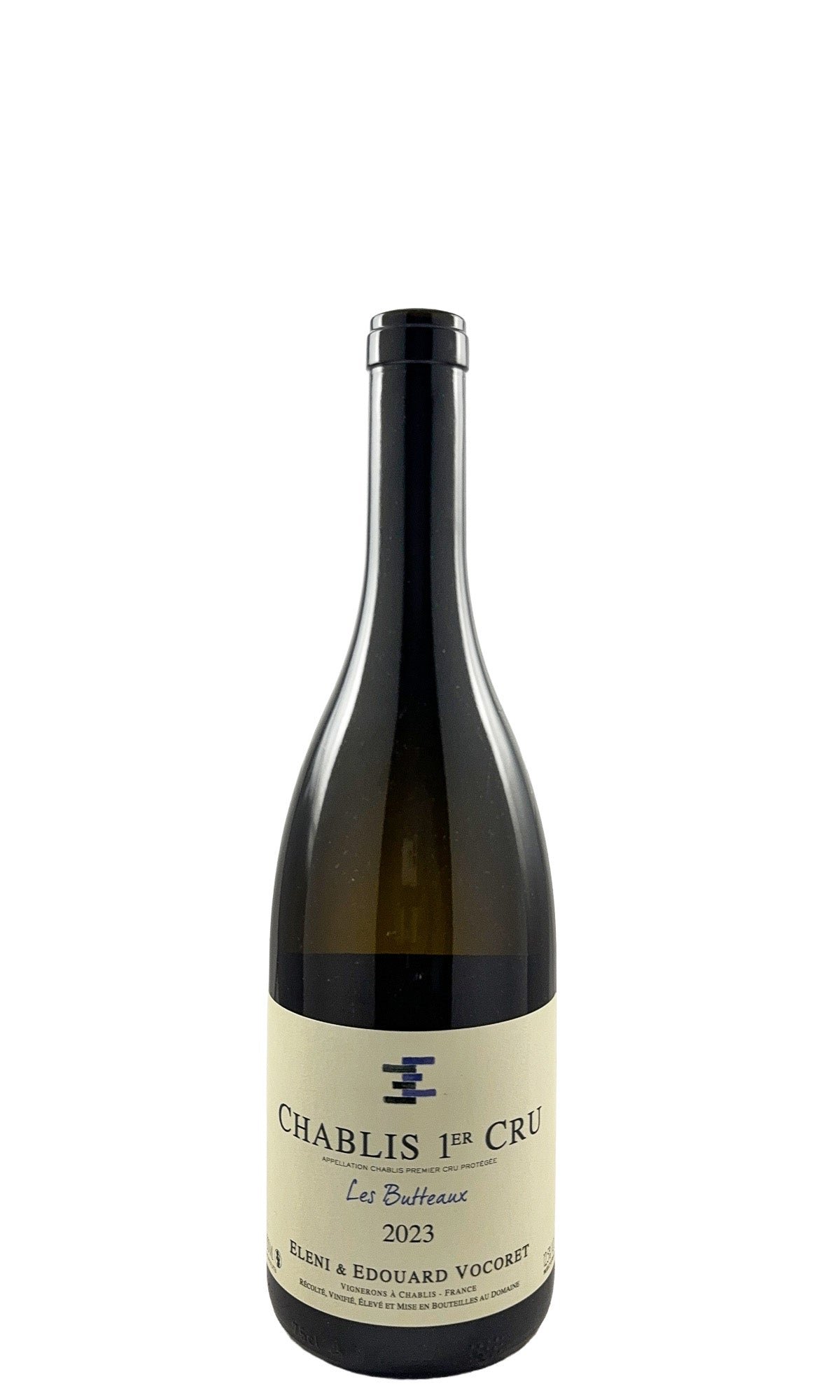
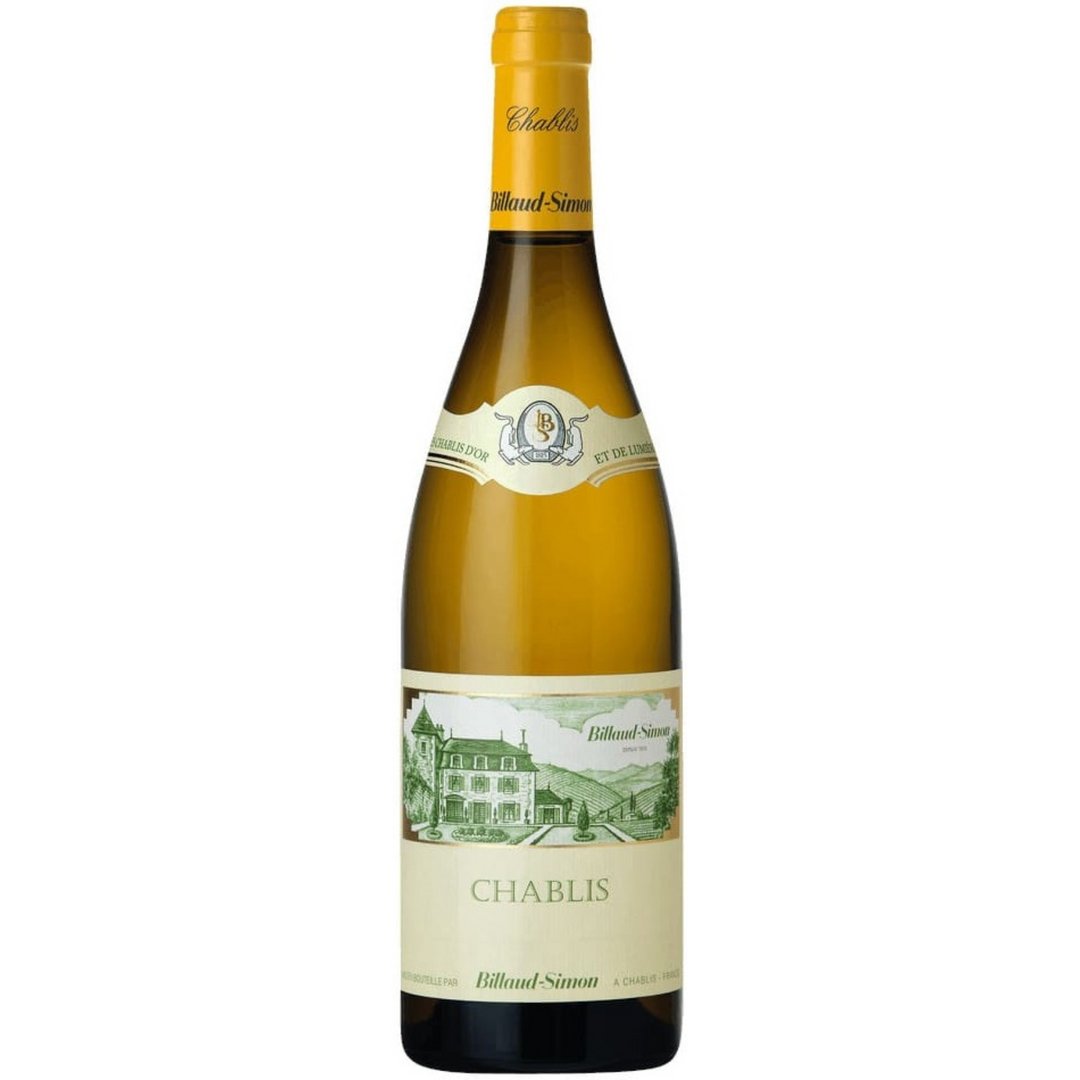
Among Chablis producers of comparable scale, the estate sits in a small peer group. Domaine William Fevre operates across a larger footprint with wider international distribution. La Chablisienne functions as a cooperative with broad volume. Domaine Billaud-Simon and Domaine Eleni and Edouard Vocoret occupy the serious independent tier as well, but neither commands the same secondary market depth as Raveneau. The estate's closest comparison in terms of collector attention and allocation scarcity is Domaine Dauvissat, and conversations about one routinely invoke the other. Both produce from Grand Cru and Premier Cru parcels at low yields; both age in a mixture of old oak and large-format vessels that avoids the vanilla weight of new barrique; and both reward patience in the cellar in ways that most Chablis, even serious Chablis, does not.

What a Visit Involves

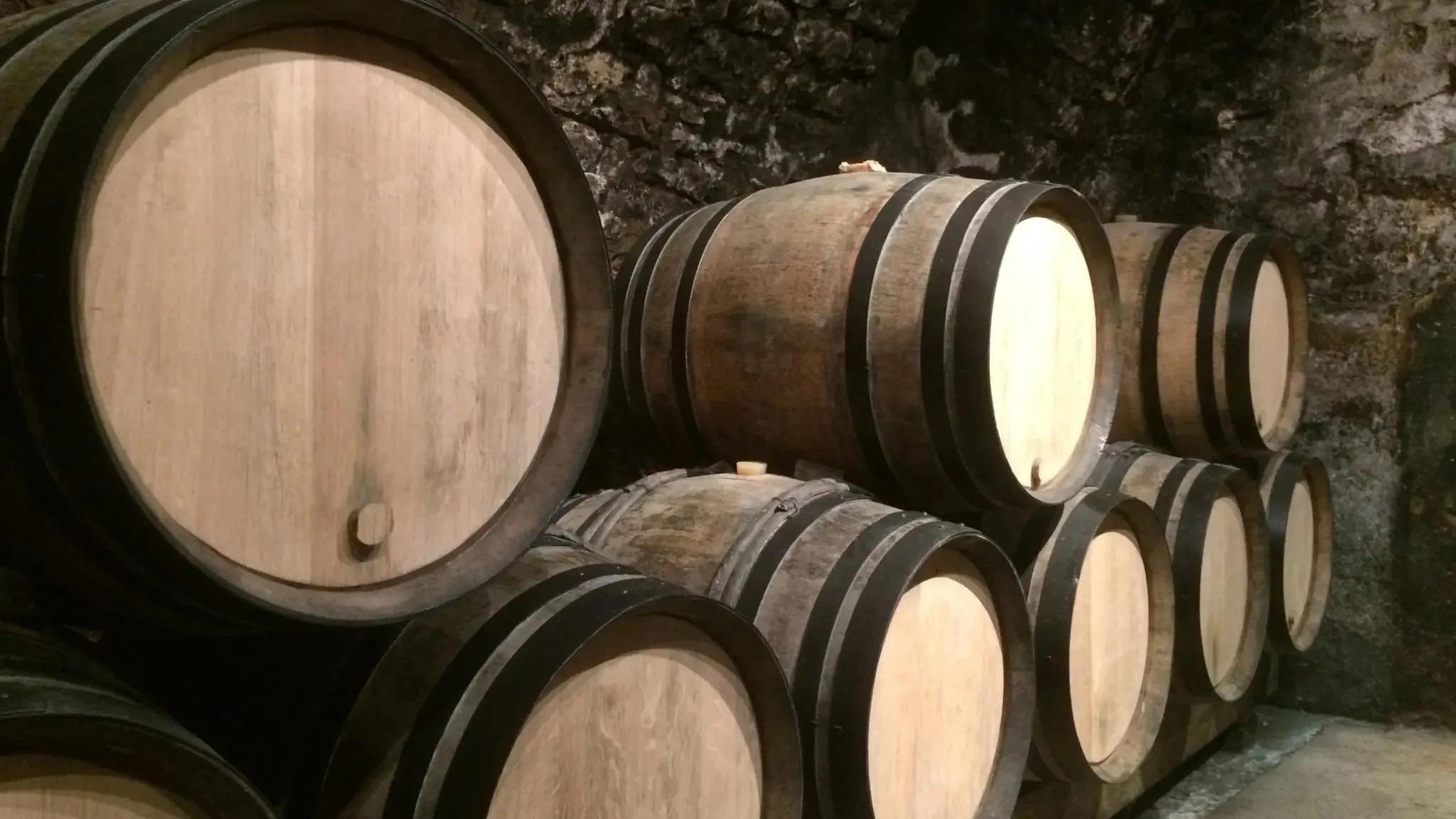
Visiting Domaine François Raveneau is not a retail experience in any conventional sense. The domaine does not operate a walk-in tasting room, and appointments are not offered on the same terms as estates in, say, the Médoc or Napa that have built hospitality infrastructure around tourism. For those who do manage to arrange a visit, the format is agricultural and direct: a conversation in a working cellar, among barrels, with the wines in the context of their making rather than their presentation. This kind of encounter, common among the most respected small domaines in Burgundy and its satellite appellations, places the emphasis on the wine itself rather than on a curated experience.

That emphasis shapes what the visit communicates. Chablis at this level , Grand Cru parcels like Valmur, Blanchot, and Les Clos, Premier Crus like Montée de Tonnerre and Butteaux , reads differently in a cellar setting than it does across a restaurant table or at an importer tasting. The wines are leaner, more mineral, and slower to open than their Côte de Beaune counterparts at equivalent quality levels, and encountering them in the cold, stone-walled environment of the Chablis countryside reinforces rather than contradicts their character.

Because no official booking infrastructure exists through a public-facing website or published phone line, access is almost entirely through the trade: importers, négociants, and long-standing accounts. For independent visitors, the practical reality is that a visit requires either a prior professional relationship or a letter of introduction through an importer. This is not unusual at Raveneau's tier; similar conditions apply at comparable small domaines across Burgundy. It does, however, mean that Chablis as a wine region repays planning. Combining a Raveneau visit with appointments at William Fevre or Billaud-Simon, which maintain more open visitor structures, allows a more complete view of the appellation. Our full Chablis guide maps the region's producers across different access models and price points.

The 2025 Pearl 5 Star Prestige Rating

EP Club's Pearl 5 Star Prestige rating, awarded in 2025, places Raveneau in the leading classification tier across the platform's French wine coverage. The designation reflects consistent excellence across multiple vintages and parcels rather than a single outstanding release, and it aligns with how the domaine has been treated by specialist press and auction records over several decades. For a buyer using the rating to benchmark regional comparisons, it positions Raveneau alongside producers in other French appellations that have achieved sustained critical recognition at allocation-only volumes. Comparable prestige ratings within the EP Club coverage extend to estates like Domaine François Lamarche in Vosne-Romanée and, beyond Burgundy, to estates including Château Bélair-Monange in Saint-Emilion and Château Branaire-Ducru in Saint-Julien.

Placing Raveneau in a Wider French Context

The estate's standing within Chablis reflects something broader about how small-production, appellation-focused French wine houses have come to occupy a specific position in the international collector market. Allocation lists, rather than shelf availability, define access to the top tier. Prices on the secondary market exceed those on release by multiples in strong vintages. And the reputation of the producer becomes inseparable from the reputation of the appellation itself, in the same way that a handful of names in Barolo, Rioja, or Alsace , estates like Albert Boxler in Niedermorschwihr , anchor the critical identity of their regions.

For buyers building a Chablis-focused cellar, Raveneau functions less as a single purchase decision and more as a benchmark against which other bottles in the appellation are assessed. The estate's 1948 first vintage is not merely a founding date; it is a data point confirming that these are wines with a documented track record across market cycles, stylistic fashion changes, and climatic variation. That track record matters when the question is not which bottle to open this weekend but which appellation deserves serious long-term attention.

Planning Practical Access

The domaine's address at 9 rue Chichée, Chablis, places it within the village itself, accessible from Paris via the A6 motorway with an exit toward Auxerre and then southeast on smaller roads, or by regional train to Auxerre followed by a short drive. Chablis sits roughly equidistant between Dijon and Paris, making it viable as a day trip from either city, though the wine region rewards an overnight stay. The village has limited accommodation, and planning around visits to multiple producers , including the cooperative La Chablisienne, which offers more open access , typically requires an early start. For those with broader French itineraries, Chablis connects logically to the wider Burgundy circuit, though it sits some distance north of the Côte d'Or and should be treated as a distinct destination rather than an add-on.

Frequently Asked Questions

What wines is Domaine François Raveneau known for?
Raveneau's reputation rests on its Grand Cru and Premier Cru Chablis, drawn from parcels including Les Clos, Valmur, Blanchot, Montée de Tonnerre, and Butteaux. The wines are made from Chardonnay grown on Kimmeridgian limestone soils and are aged in old oak vessels that add texture without new-wood character. The estate's Pearl 5 Star Prestige rating from EP Club in 2025 reflects sustained performance across the leading of the Chablis appellation, with Jean-Marie and Bernard Raveneau's work now continued by Isabelle Raveneau.
What makes Domaine François Raveneau worth visiting?
The domaine's combination of a 1948 founding vintage, a Pearl 5 Star Prestige rating, and a cellar-based visit format that is unmediated by hospitality infrastructure makes it a reference-point destination in the Chablis appellation. The visit is less about a curated tasting experience and more about direct engagement with one of the region's most closely tracked production records. Access requires prior arrangement through the trade, which adds logistical weight but also ensures the visit carries genuine context. Chablis as a town is compact enough that combining a Raveneau appointment with other producer visits is direct.
Should I book Domaine François Raveneau in advance?
Yes, and the lead time is longer than at most Chablis producers. The domaine does not maintain a public website or published phone number, and visits are arranged through importer relationships or professional introductions rather than through a general booking system. Planning six months or more ahead is realistic for those without existing trade connections. Given the allocation-based model, securing access to the wines themselves through a retail or restaurant channel may require a parallel effort through a specialist importer rather than direct purchase.
How does Raveneau's first vintage year affect the value of its older bottles?
The 1948 first vintage establishes a documented production history that now spans more than seven decades, which is relevant to auction buyers and collectors assessing how the estate's wines develop over time. Bottles from strong Chablis vintages carrying the Raveneau label have consistent secondary market demand precisely because the estate's track record provides a reference framework for ageing potential. The Pearl 5 Star Prestige rating awarded by EP Club in 2025 reinforces that the estate's current output continues to merit collection-level attention.

Cuisine and Recognition

A short peer set to help you calibrate price, style, and recognition.

Collector Access

Access the Cellar?

Our members enjoy exclusive access to private tastings and priority allocations from the world's most sought-after producers.

Get Exclusive Access
Members Only

The shortlist, unlocked.

Hard-to-book tables, cellar releases, and concierge-planned trips.

Get Exclusive Access →