Château Rayas
Chateau Rayas is among Châteauneuf-du-Pape's most scrutinised addresses, held up across the wine world as a reference point for what pure, old-vine Grenache can achieve in this southern Rhône appellation. Allocation is tight, critical attention is intense, and its wines consistently anchor debates about terroir expression in the region.

Pearl is the En Primeur Club membership app — saves, bookings, and concierge access live there. Same editors, same standards.
- Address
- 84350 Châteauneuf-du-Pape, France
- Phone
- +33 4 90 83 73 09
- Website
- chateaurayas.fr
- Directions
- Get directions
What the Soil Says: Rayas and the Argument for Sand
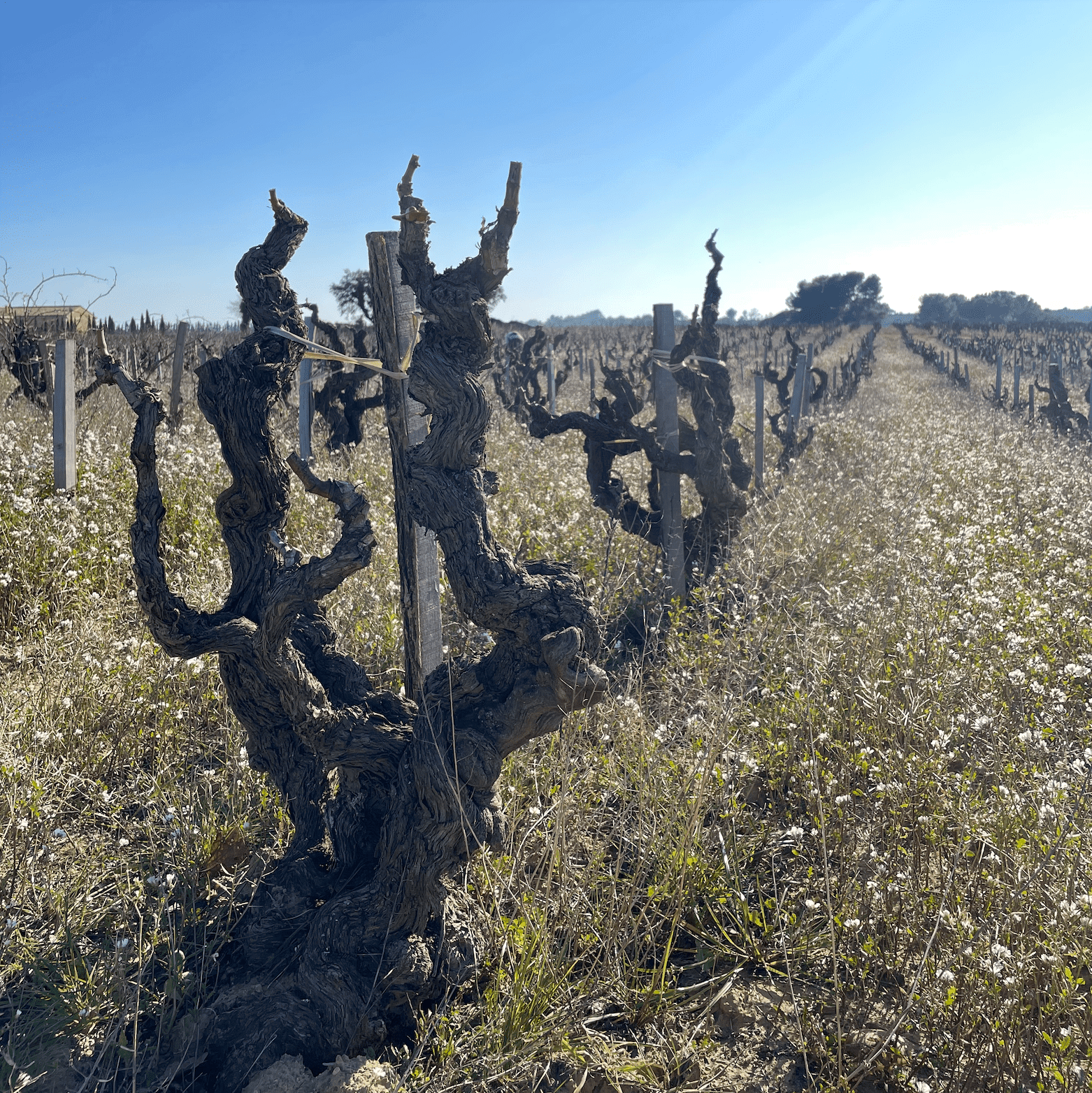
Châteauneuf-du-Pape built its reputation on the galets roulés — those smooth, heat-retaining stones that photographers love and that many producers treat as the appellation's defining visual signature. Chateau Rayas sits apart from that picture, almost literally. Its vineyards occupy sandy, iron-rich soils in a cooler, more sheltered part of the appellation, shaded by trees in a way that runs counter to the conventional wisdom about maximising ripeness under the Provençal sun. That divergence from the appellation norm is not incidental to the wines; it is the wines. The relative coolness of the site and the low-fertility sand force the vines to work at low yields, concentrating character rather than volume, and producing Grenache that skews toward precision and lift rather than the plush, high-alcohol weight that defines much of the appellation.
This is, in appellation terms, a counter-argument expressed in vine rows. Where the majority of Châteauneuf producers manage a blend of permitted varieties across multiple soil types — and the appellation allows up to 18, Rayas leans almost entirely on old-vine Grenache Noir for its red and old-vine Grenache Blanc for its white. The decision to work essentially as a single-variety producer inside a multi-variety appellation is a statement about the particular terroir of this site: the conviction that the soil, the elevation and the shade tell a more specific story when unaccompanied.
Emmanuel Reynaud and the Continuity of Restraint
Winemakers across the southern Rhône tend to frame their choices in terms of fruit expression, but the more interesting frame at Rayas is what gets withheld. Under Emmanuel Reynaud, who has managed the estate since the early 1990s following his uncle Jacques Reynaud, the approach holds to a philosophy of non-intervention that is unusual even by natural-leaning Châteauneuf standards. The style that emerged under Jacques, structured, slow-developing, sometimes austere in youth, has been maintained under Emmanuel, which matters because continuity of approach across decades is what makes a terroir argument legible. You cannot read what a piece of land is saying if the winemaker's hand changes every few years.
For context on the broader Châteauneuf reference landscape, estates like Clos Des Papes and Domaine du Pegau represent the appellation's upper tier across different stylistic registers, and both reward comparison with Rayas precisely because the differences illuminate what each terroir is doing.
The Rayas Red: Reading a Difficult Wine
Grenache planted in sandy, cool-tending soils with very low yields tends to produce wine that is harder to assess young than Grenache from warmer, stonier sites. The high-galets wines of Châteauneuf, generous, dark-fruited, accessible at three to five years, benchmark what most buyers expect from the appellation. Rayas offers something structurally different: more restrained colour, higher acidity for the appellation, more herbal and floral inflection alongside the fruit, and a tannic frame that often needs a decade to fully integrate. That developmental arc frustrates buyers looking for early-window drinking, but it is also what makes the wine interesting to cellars that think in terms of 15 to 25-year trajectories.
It is worth placing this against comparable decisions being made in other French appellations. In Alsace, Albert Boxler in Niedermorschwihr makes a similarly producer-specific argument about site over varietal expectation. In Bordeaux, estates like Château Bélair-Monange in Saint-Emilion and Château Branaire Ducru in St-Julien hold to house styles across ownership changes and vintage variation, that same commitment to a defined voice over time. The comparison is useful because it situates Rayas not as an eccentric anomaly but as part of a pattern: estates whose authority derives from stylistic consistency over decades rather than from critical scores on any single vintage.
Rayas Blanc and the Less-Discussed Side of the Estate
Most of the critical attention falls on the red, which is natural given the prices and the mythology. But the white Rayas, old-vine Grenache Blanc from the same sandy, sheltered soils, belongs to a small subset of southern Rhône whites that age seriously and reward the same patience expected of the red. White Châteauneuf is a category where domaines like Domaine du Clos Saint Jean and Domaine de la Solitude demonstrate the range possible across the appellation. Within that range, the Rayas Blanc occupies a specific register: textural richness from the variety, but disciplined by the site's cooler temperatures into something with more freshness and less tropical weight than white Châteauneuf from hotter parcels.
The secondary label, Château de Fonsalette, draws from different holdings and offers a more accessible entry into the Reynaud style. It functions, in practical terms, as the allocation that actually reaches the secondary market with some regularity, since Rayas itself is produced in volumes that make it genuinely scarce rather than artificially so.
Allocation, Access, and the Patience Required
Rayas does not maintain a consumer-facing website or a standard booking and tasting infrastructure. Access to the wine goes through allocation relationships with importers and merchants who have maintained long-standing ties with the estate. This is not unusual among the appellation's more reclusive estates, but it is more pronounced here than at properties like Domaine Charvin, where direct engagement is somewhat easier. For buyers without established importer relationships, the auction market and specialist négociants are the practical routes to older vintages. Current releases, when they appear at retail, sell quickly and often above list through secondary channels.
Visiting the estate itself is a more closed proposition than most Châteauneuf addresses. The village of Châteauneuf-du-Pape sits between Orange and Avignon in the southern Rhône corridor, making the area direct to reach from either city. The broader appellation, which spans around 3,200 hectares across multiple communes, offers no shortage of producers with public-facing tasting rooms, see our full Châteauneuf-du-Pape guide for a wider view of what the area offers. Rayas operates differently, and arriving without an appointment or a prior relationship is unlikely to yield access. That exclusivity is a condition of how the estate manages its small production, not a marketing posture.
Where Rayas Sits in the Appellation Argument
Châteauneuf-du-Pape is an appellation that has, over the past two decades, attracted significant investment and critical attention. That attention has raised the overall quality floor while simultaneously producing a set of estates whose wines are technically accomplished but stylistically convergent: dark, concentrated, high-alcohol Grenache-dominant blends built for high scores at three to five years. The Rayas position is, in this context, structural dissent. It is not the only counter-argument in the appellation, properties making fragrant, precision-led Châteauneuf exist across a range of scales, but it is the one with the longest documented track record of winning that argument in the cellar.
For comparison across other French wine regions exploring similar questions of terroir fidelity over commercial convenience, Chartreuse in Voiron represents a different kind of French production philosophy rooted in consistency of method over time. Within Bordeaux, the contrast between allocation-driven prestige estates like Château Batailley in Pauillac, Château Boyd-Cantenac in Cantenac, and Château Bastor-Lamontagne in Preignac illustrates how differently estates can configure their production and access models even within prestige appellations. In Napa, Accendo Cellars in St. Helena and Aberlour in Aberlour each sit within their own regional prestige narratives, but the Rayas model, small production, limited access, slow developmental curve, strong critical consensus, maps most cleanly onto estates where the wine's authority is entirely vineyard-derived rather than infrastructure-led.
Practical Notes
Chateau Rayas is based in the commune of Châteauneuf-du-Pape, accessible from Avignon (approximately 20 kilometres) and Orange. There is no public tasting facility or listed booking contact. Allocation of current vintages passes through approved importer and merchant networks; older vintages are most reliably sourced at specialist auction. Visitors to the broader appellation will find a well-developed wine tourism infrastructure across the village and surrounding domaines, with Rayas itself operating outside that public-facing circuit.
Comparison Snapshot
Comparable venues nearby, for context on price, style, and recognition.
| Venue | Cuisine | Price | Awards | Notes |
|---|---|---|---|---|
| Chateau RayasThis venue — the venue you are viewing | Grenache Noir, Grenache Blanc | Not listed | Not listed | Not listed |
| Clos Des Papes | Grenache, Mourvèdre | Not listed | Falstaff Winery - Listed | Châteauneuf-du-Pape |
| Domaine du Pegau | Grenache, Syrah | Not listed | Not listed | Châteauneuf-du-Pape |
| Domaine Pierre Usseglio | Grenache, Syrah | $30–50 | Not listed | Châteauneuf-du-Pape |
| Domaine Charvin | Grenache, Syrah | Not listed | Not listed | Châteauneuf-du-Pape |
| Domaine La Barroche | Grenache, Mourvèdre | Not listed | Not listed | Châteauneuf-du-Pape |
Continue exploring
More in Châteauneuf-du-Pape
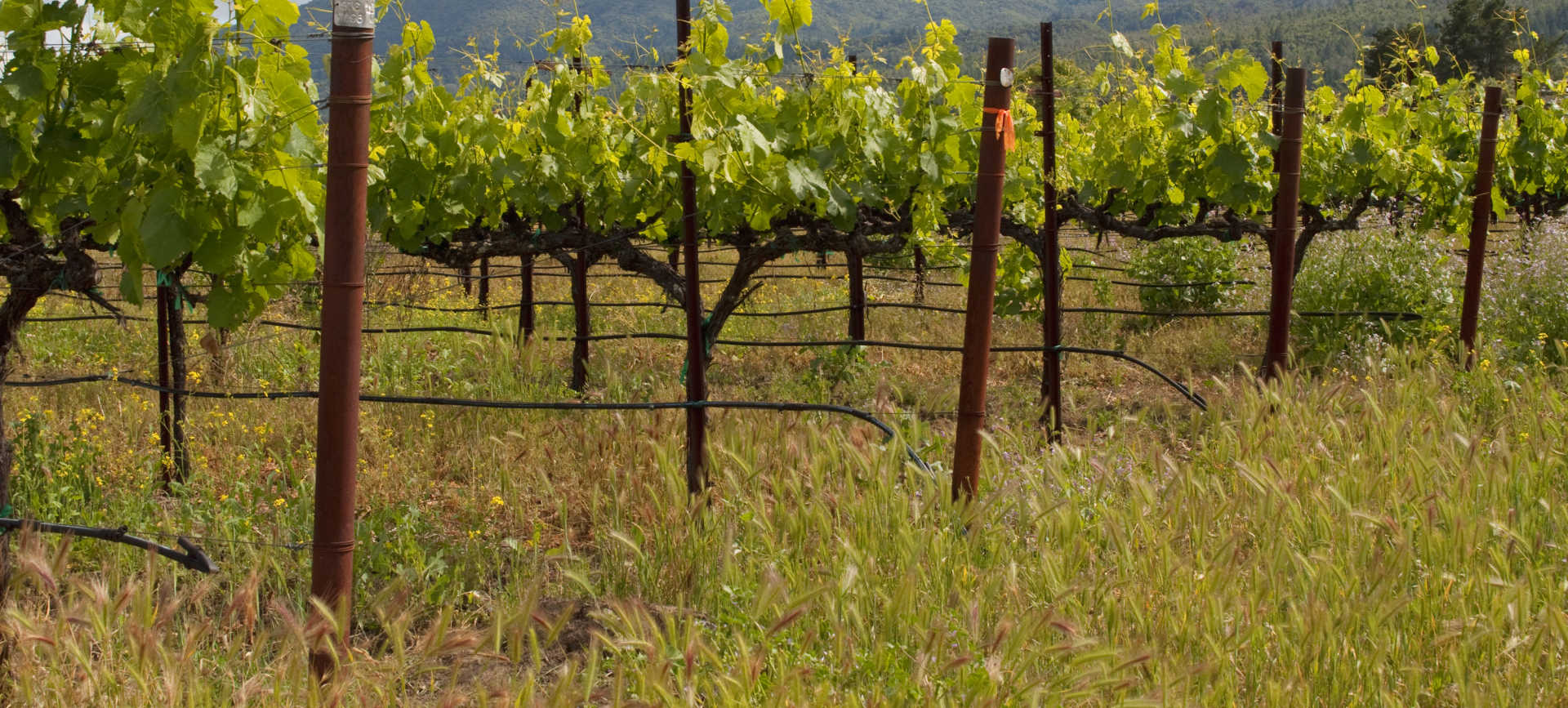
Wineries in Châteauneuf-du-Pape
Browse all →
Bars in Châteauneuf-du-Pape
Browse all →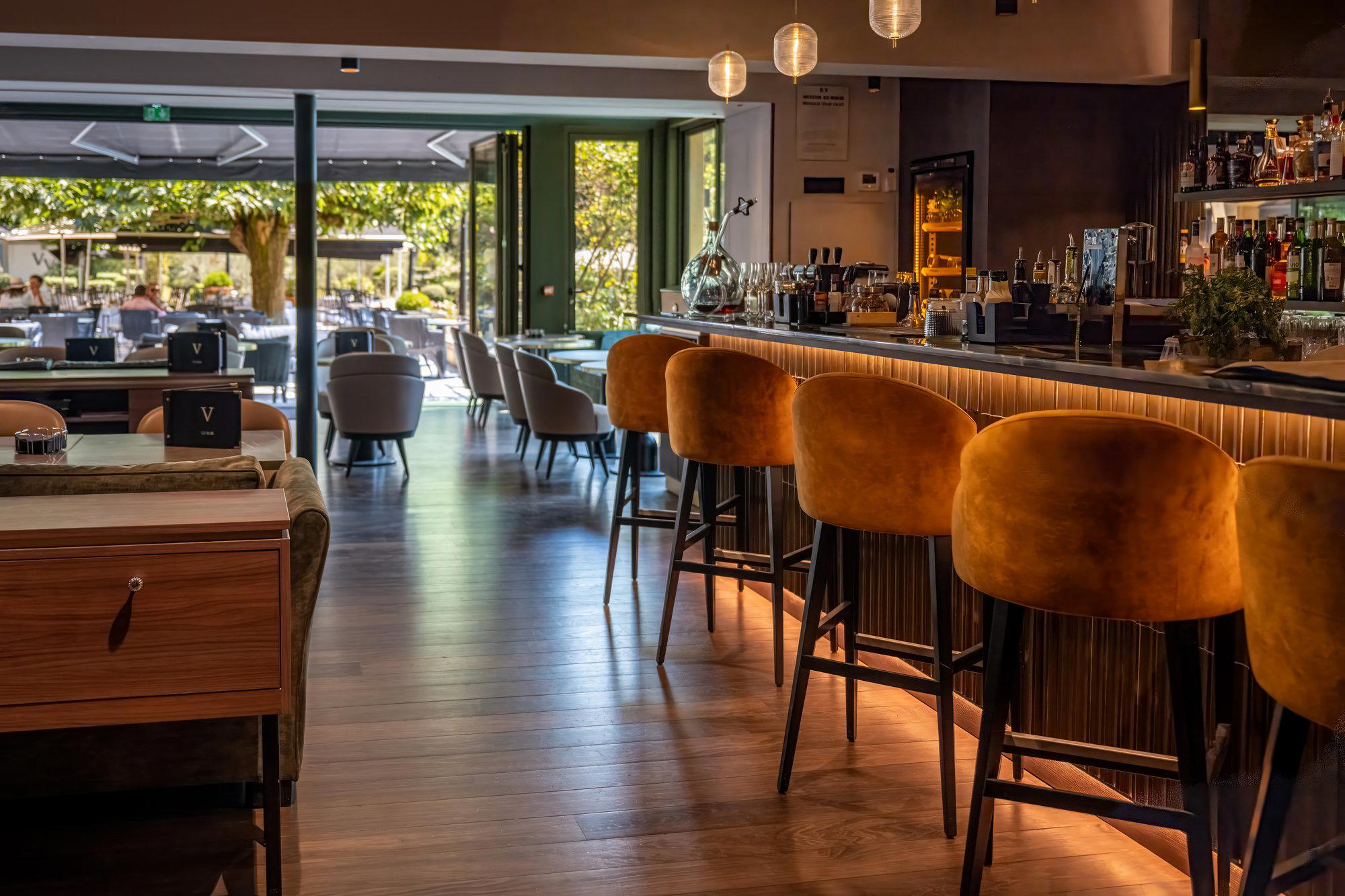
Restaurants in Châteauneuf-du-Pape
Browse all →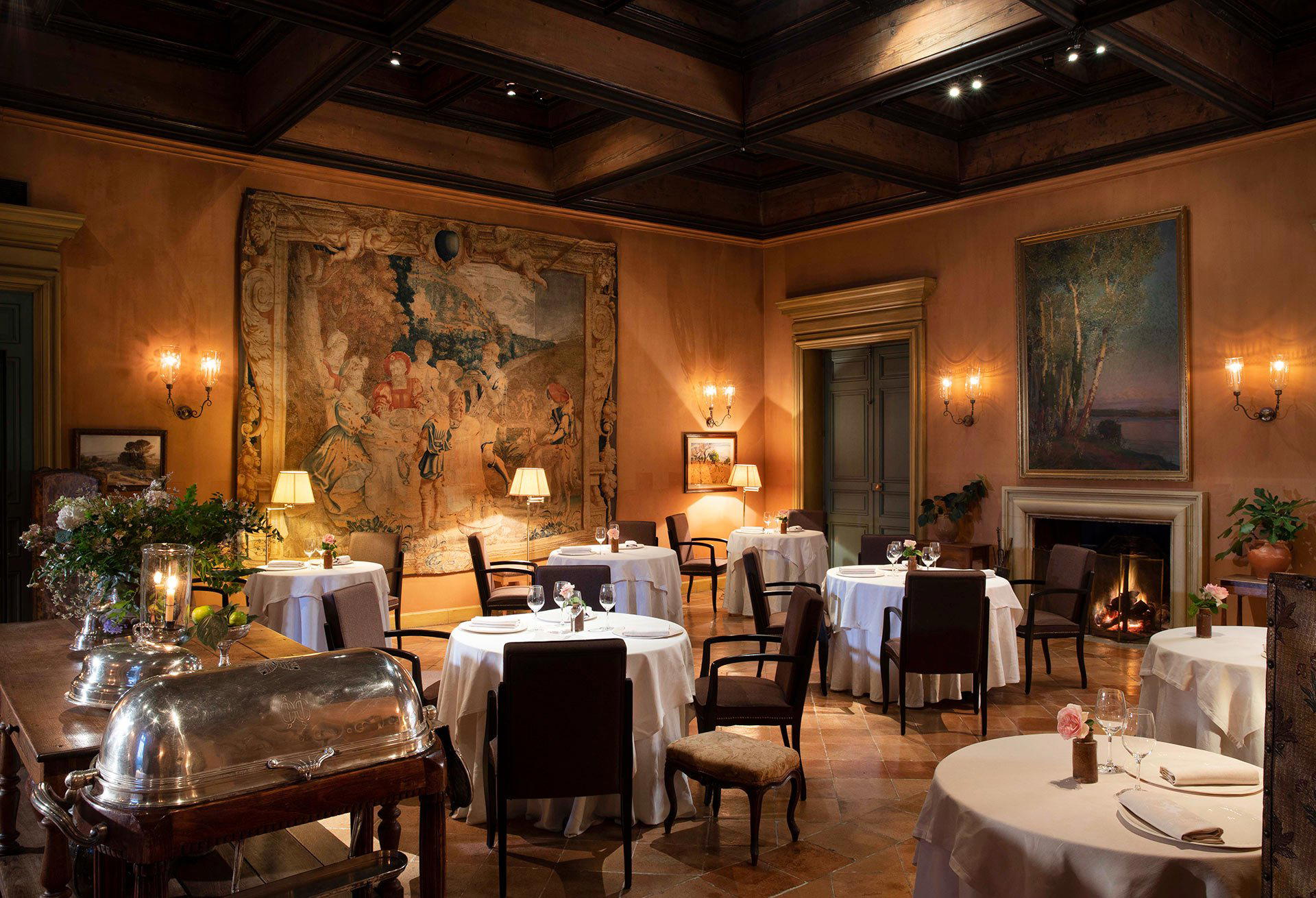
Details
- Elegant
- Classic
- Well Known
- Sophisticated
- Quiet
- Wine Education
- Special Occasion
- Solo Exploration
- Cave Tasting
- Barrel Room
- Estate Grounds
- Historic Building
- Dry Farmed
- Sustainable
- Vineyard
- Grenache Noir
- Grenache Blanc
- Clairette
- Still Red
- Still White
- Cave Tasting
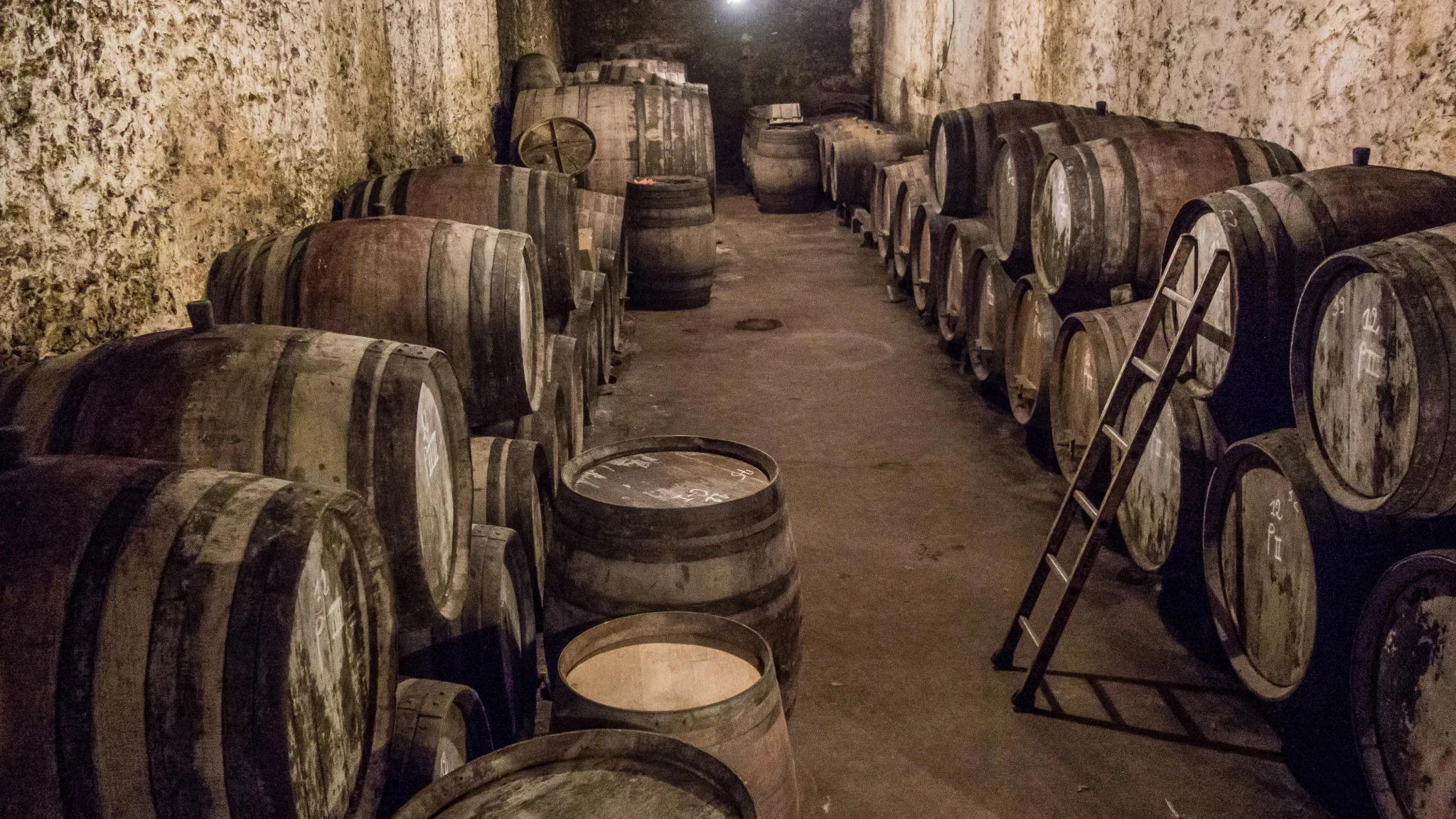
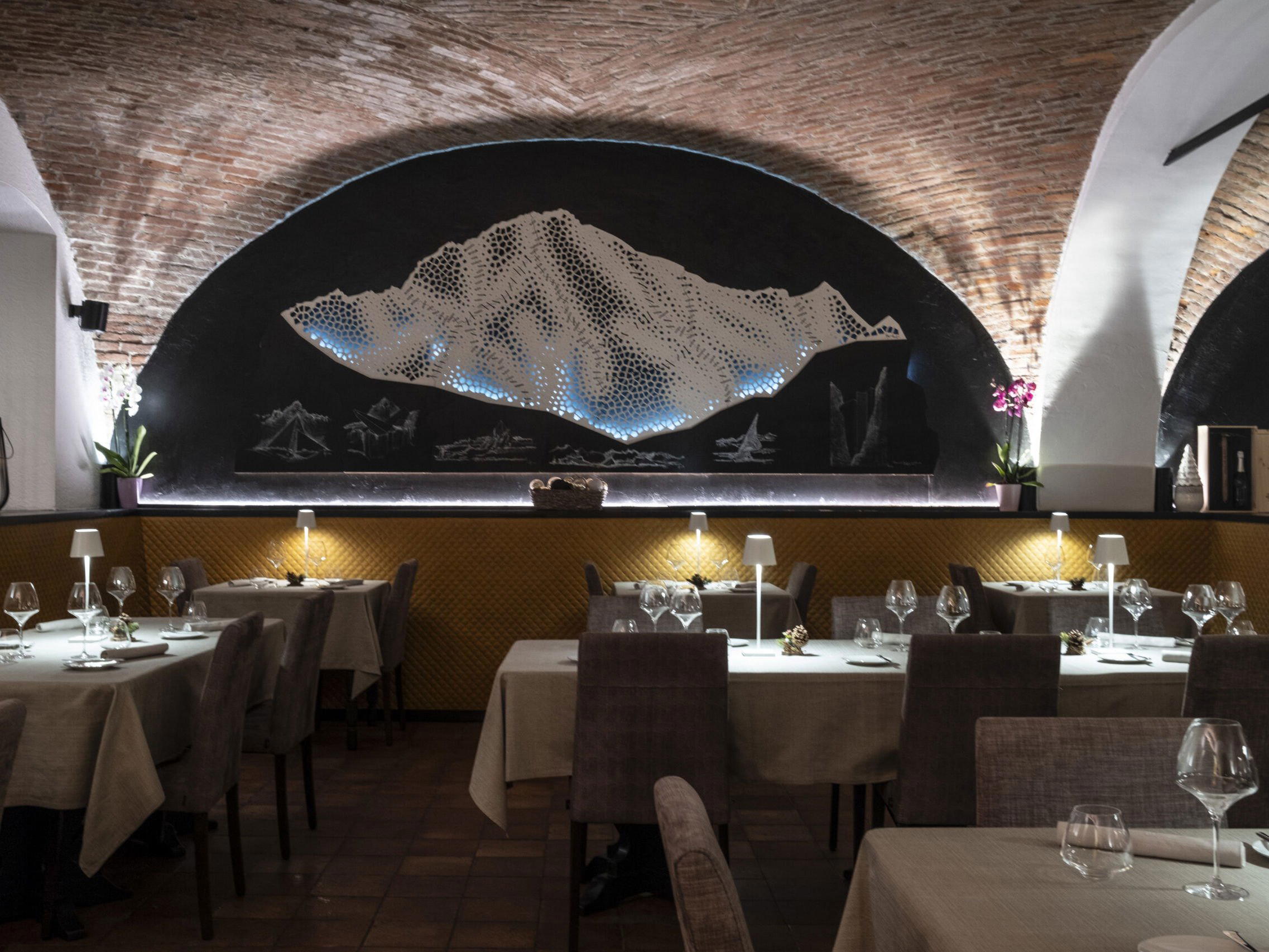
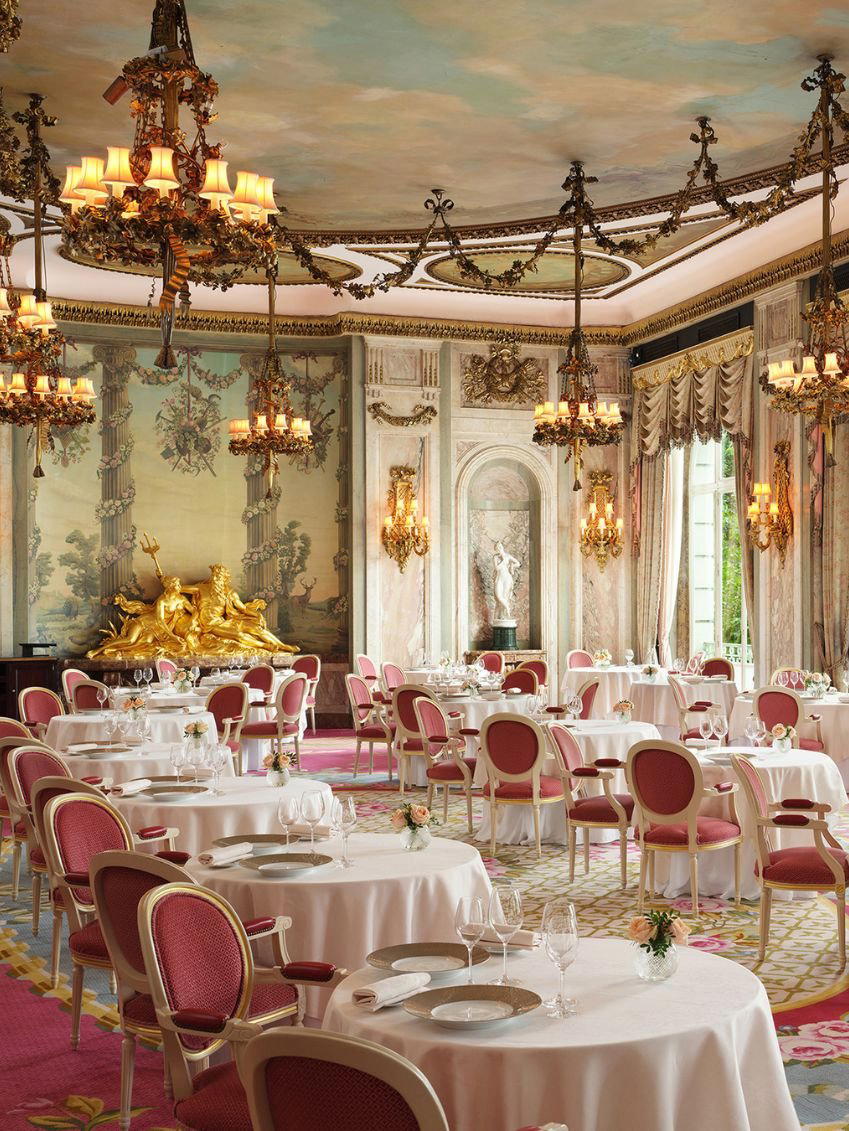
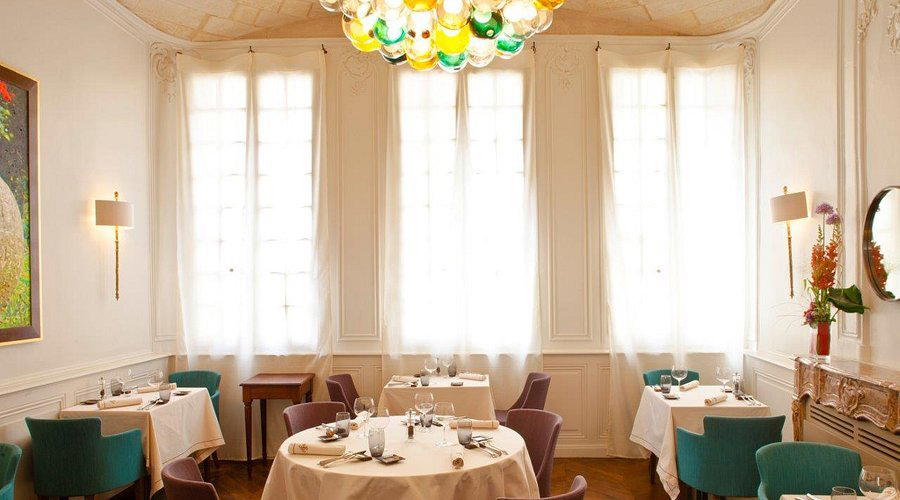
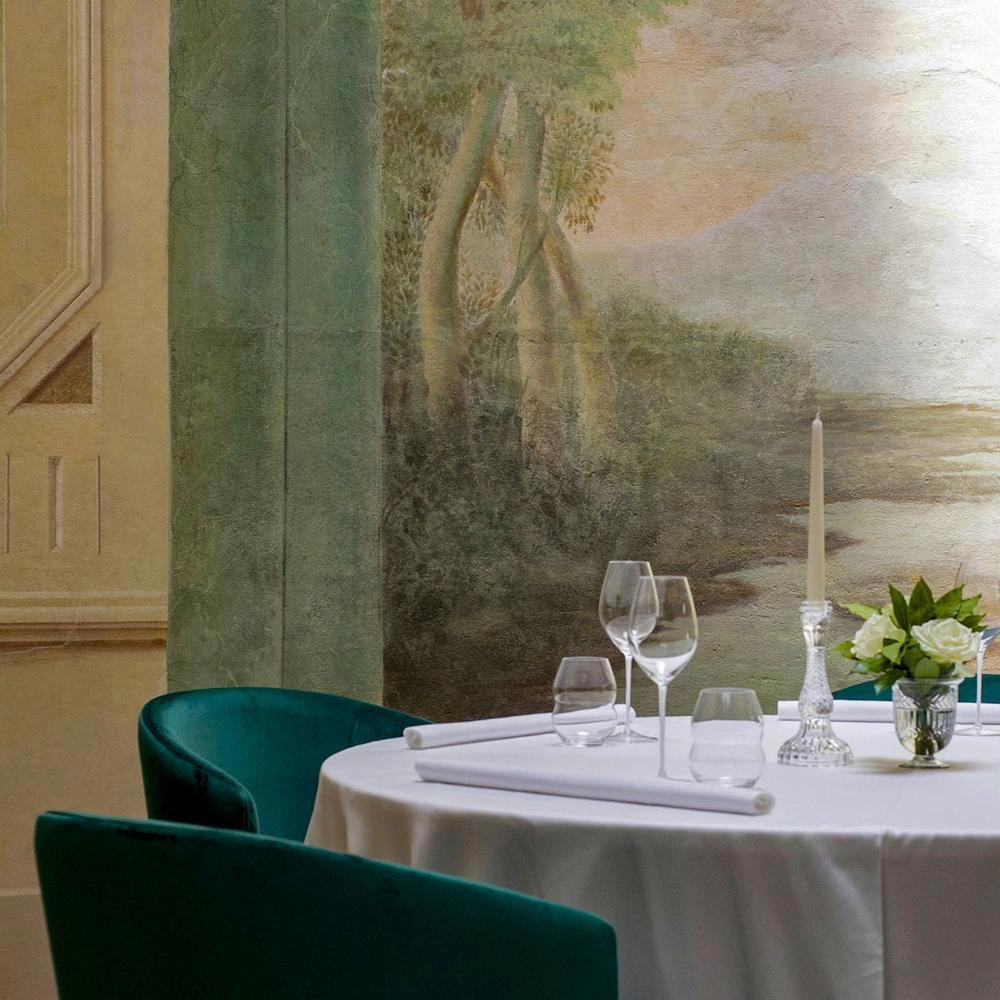
Dim, dusty cellars with primitive stone floors and ancient wooden barrels; austere and minimalist with no modern interventions, creating a mystical and reclusive atmosphere.