Screaming Eagle

Screaming Eagle, addressed along Silverado Trail in Napa, is among the most allocation-restricted Cabernet Sauvignon producers in the United States, with a first vintage dating to 1992. Access is limited to a closely managed mailing list, making it a reference point for how scarcity and critical standing interact in Napa's collector tier.
Pearl is the En Primeur Club membership app — saves, bookings, and concierge access live there. Same editors, same standards.
- Address
- 7557 Silverado Trail, Napa, CA 94558
- Website
- screamingeagle.com
- Directions
- Get directions
 Saves & bookings on Pearl
Where Silverado Trail Meets Napa's Collector Tier
The stretch of Silverado Trail running through Oakville carries a particular kind of weight in American wine. This is the corridor where Cabernet Sauvignon achieved a reputation for age-worthiness and price premiums that redefined what domestic wine could command on the global stage. Within that corridor, a small number of estates operate at a remove from conventional winery tourism: no tasting room walk-ins, no public hours, no casual visit. Screaming Eagle, at 7557 Silverado Trail, belongs firmly to that group. The estate's profile is defined less by architecture or hospitality format and more by allocation scarcity and collector demand that have accumulated since its first vintage in 1992.
For readers accustomed to booking a table at a Michelin-starred restaurant or reserving a suite at a design-led hotel, the access model here is analogous but more restrictive. The wine does not reach you through a tasting room; it reaches you, if it reaches you at all, through a mailing list with years-long waiting periods. That model shapes every aspect of how the estate is encountered and discussed.
Oakville Cabernet and the Estates That Define It
Napa Valley's identity in the global wine market rests heavily on Cabernet Sauvignon, and Oakville is the sub-appellation that concentrates that identity most intensely. The area's soils, a well-drained combination of gravel and loam across the valley floor, produce Cabernet with a structural density that distinguishes it from cooler Carneros or the mountain-grown fruit of Howell Mountain and Spring Mountain. Estates in this zone tend to price against each other and against a handful of international benchmarks, not against the broader Napa market.
Screaming Eagle sits at the narrowest end of that pricing tier. Since the mid-1990s, it has operated as a reference point for how auction results and collector appetite interact with production volume. Annual output has historically remained small enough that secondary market prices track well above release. That dynamic places the estate in a peer group that includes properties like Accendo Cellars in St. Helena and Alpha Omega Winery in Rutherford, though each occupies a distinct position within Napa's premium spectrum. For a wider read on how that spectrum is organized geographically and by style, the full Napa guide provides useful orientation.
Within Napa's collector tier, the contrast with design-forward or visitor-oriented estates is instructive. Properties like Artesa Vineyards and Winery and Ashes and Diamonds Winery have built identities around architectural engagement and tasting room programming. Screaming Eagle's model is the inverse: the physical estate recedes, and the wine's market standing does the communicative work.
Winemaker and Craft in Context
Nick Gislason holds the winemaking role at Screaming Eagle. In Napa's tightly credentialed winemaking community, individual winemakers at allocation-tier estates carry significant institutional authority. Changes in the cellar at properties of this standing are tracked closely by collectors, because the continuity or evolution of style affects how existing library wines are read against future releases.
In a market where critical standing and allocation access are intertwined, awards of this caliber matter less as marketing signals and more as calibration tools: they confirm that the estate's current output remains consistent with the reputation built across three decades of releases since 1992.
How Screaming Eagle Compares Across California's Premium Producers
California's premium wine map extends well beyond Napa, and the range of approaches across the state underscores what makes the Oakville allocation model distinctive. Adelaida Vineyards in Paso Robles operates in a different climatic and stylistic register, producing Rhône-leaning wines in a region where the premium identity is still being consolidated. Alban Vineyards in Arroyo Grande similarly occupies a specialist niche built around Rhône varieties rather than Bordeaux-derived Cabernet. Andrew Murray Vineyards in Los Olivos and Alexander Valley Vineyards in Geyserville reflect how Sonoma County and the Central Coast have developed distinct premium identities that compete on quality without replicating Napa's scarcity-driven pricing model.
What Screaming Eagle represents, in this broader California context, is a specific convergence: Oakville terroir, restricted production, mailing-list access, and sustained critical attention over more than thirty years. That combination does not occur by accident. It reflects deliberate choices about volume, distribution, and market positioning that have proven durable across ownership transitions and winemaking changes. Comparison estates like Blackbird Vineyards and Darioush Winery illustrate how differently Napa producers can approach the question of access and identity even within the same valley.
For perspective on how Napa's model compares internationally, Clos Selene Winery offers an example of a property with a different heritage approach, while producers outside the American premium tier entirely, such as Achaia Clauss in Patras and Aberlour in Aberlour, operate within entirely different market logics shaped by tradition, volume, and category rather than collector scarcity.
Planning a Visit: What Access Actually Looks Like
Screaming Eagle does not operate a public tasting room and does not accept walk-in visitors. Access to the wine is through the estate's mailing list, which has historically maintained a waiting period measured in years rather than months. Phone and website details are not publicly listed in ways that support conventional reservation requests. For travelers to Napa whose primary interest is tasting exceptional Cabernet in a structured setting, the practical path runs through the mailing list or, for immediate access, through reputable auction houses and secondary market retailers where the estate's wines appear regularly, typically at substantial premiums above release price.
The Silverado Trail address places the estate within easy driving range of St. Helena and Yountville, two of the valley's most concentrated dining and accommodation zones. Visitors to the region who hold mailing list allocations should plan around the estate's own communication calendar for pickup or delivery windows, as these are managed directly rather than through a public booking interface. Estates with more accessible tasting programs, such as Adelsheim Vineyard in Newberg in Oregon's Willamette Valley, offer a useful comparative point for what a structured appointment-based visit looks like at the premium end of the spectrum.
Recognition history
Dated appearances from independent guides and award organizations, with the underlying list record or original source where available.
Falstaff Winery - Listed
Falstaff
Continue exploring
More in Napa
Wineries in Napa
Browse all →
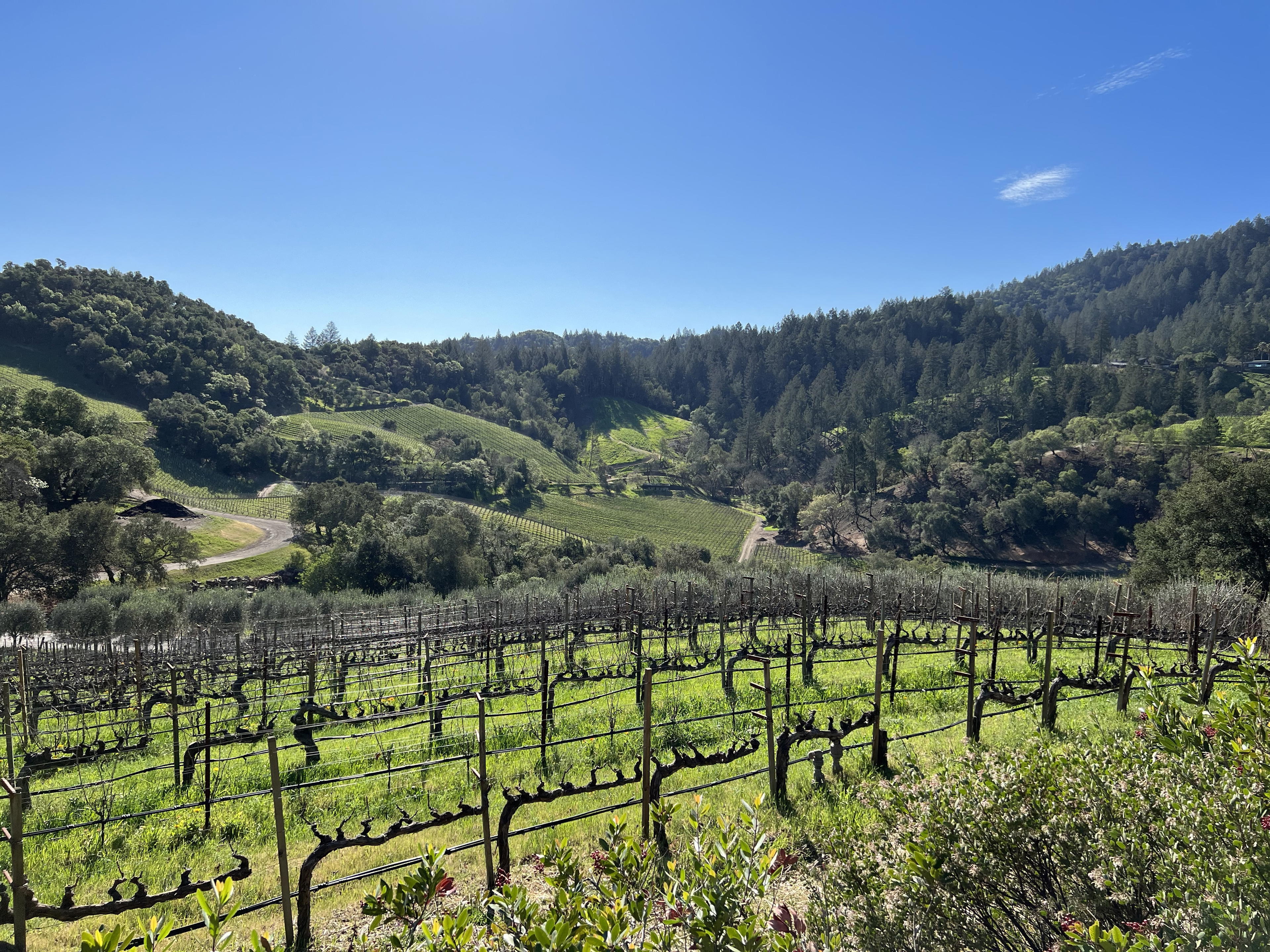
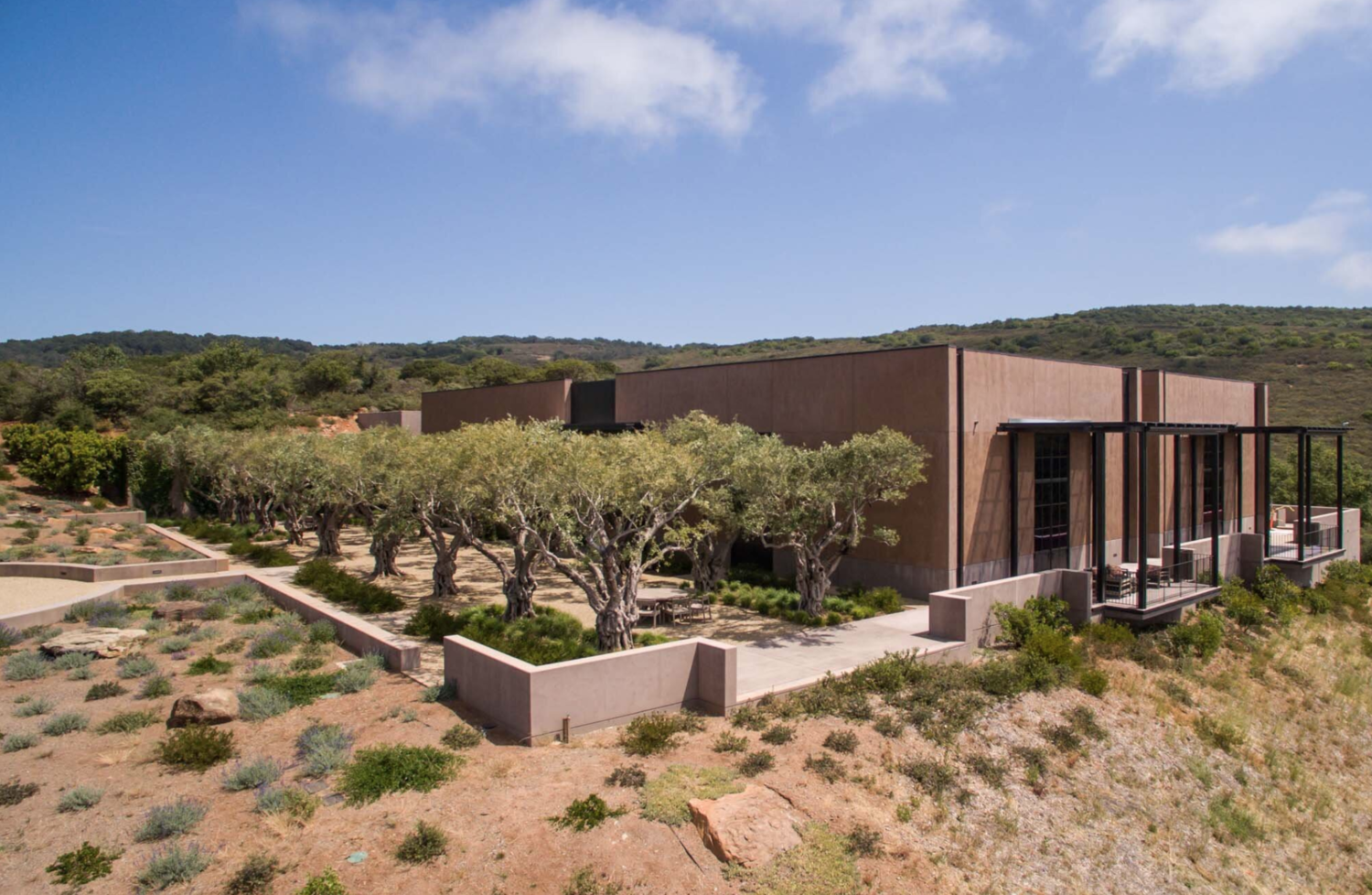
Bars in Napa
Browse all →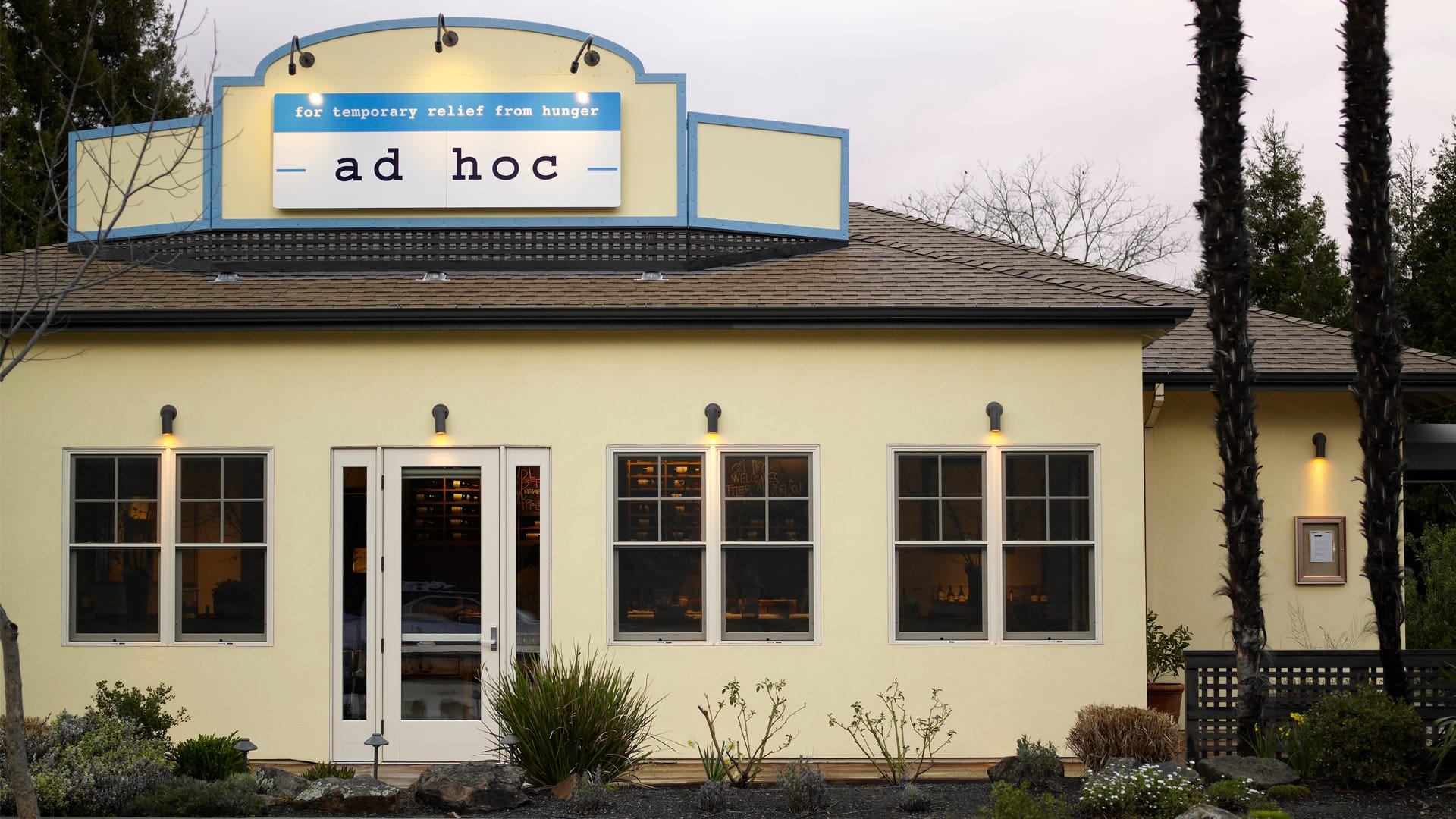
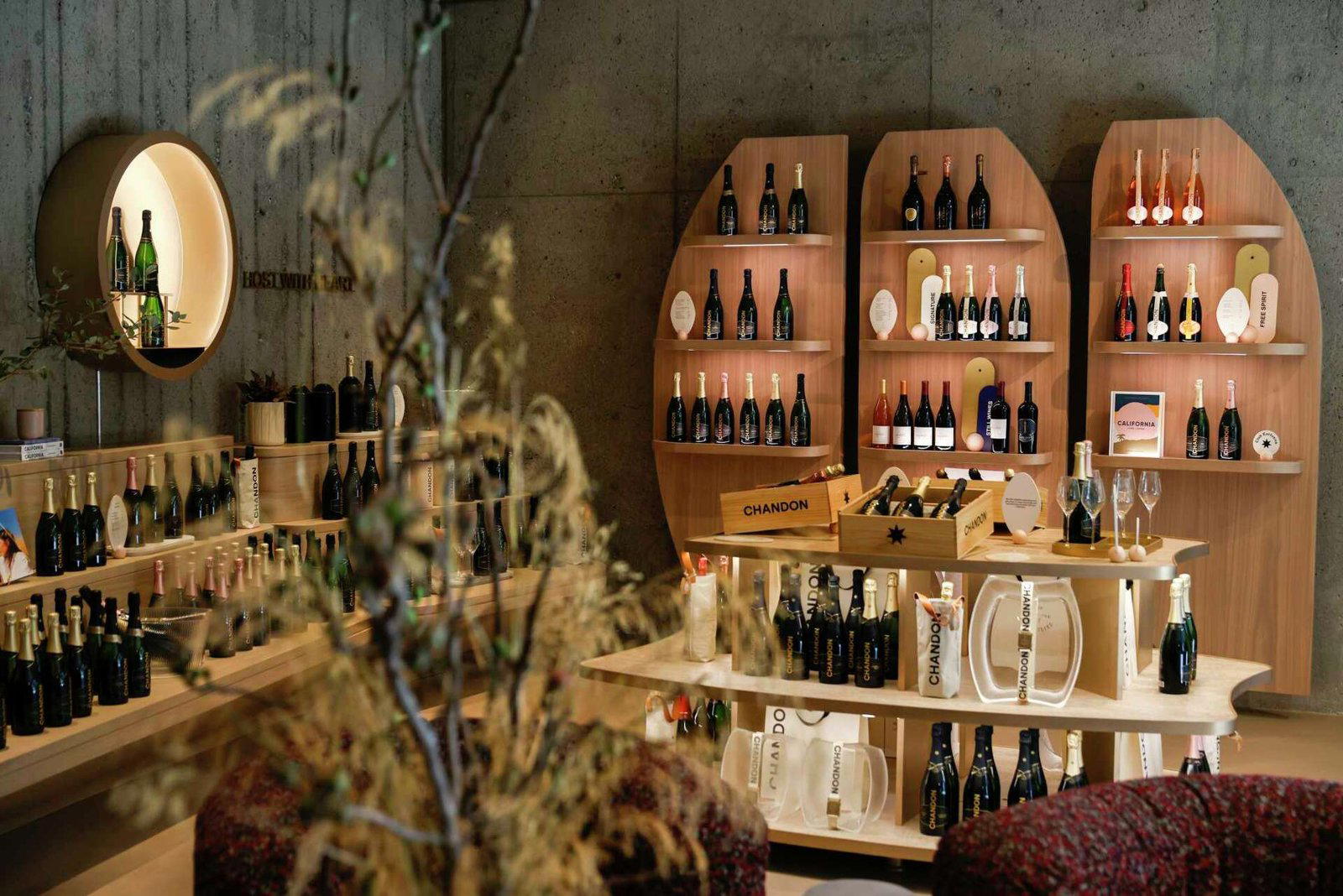
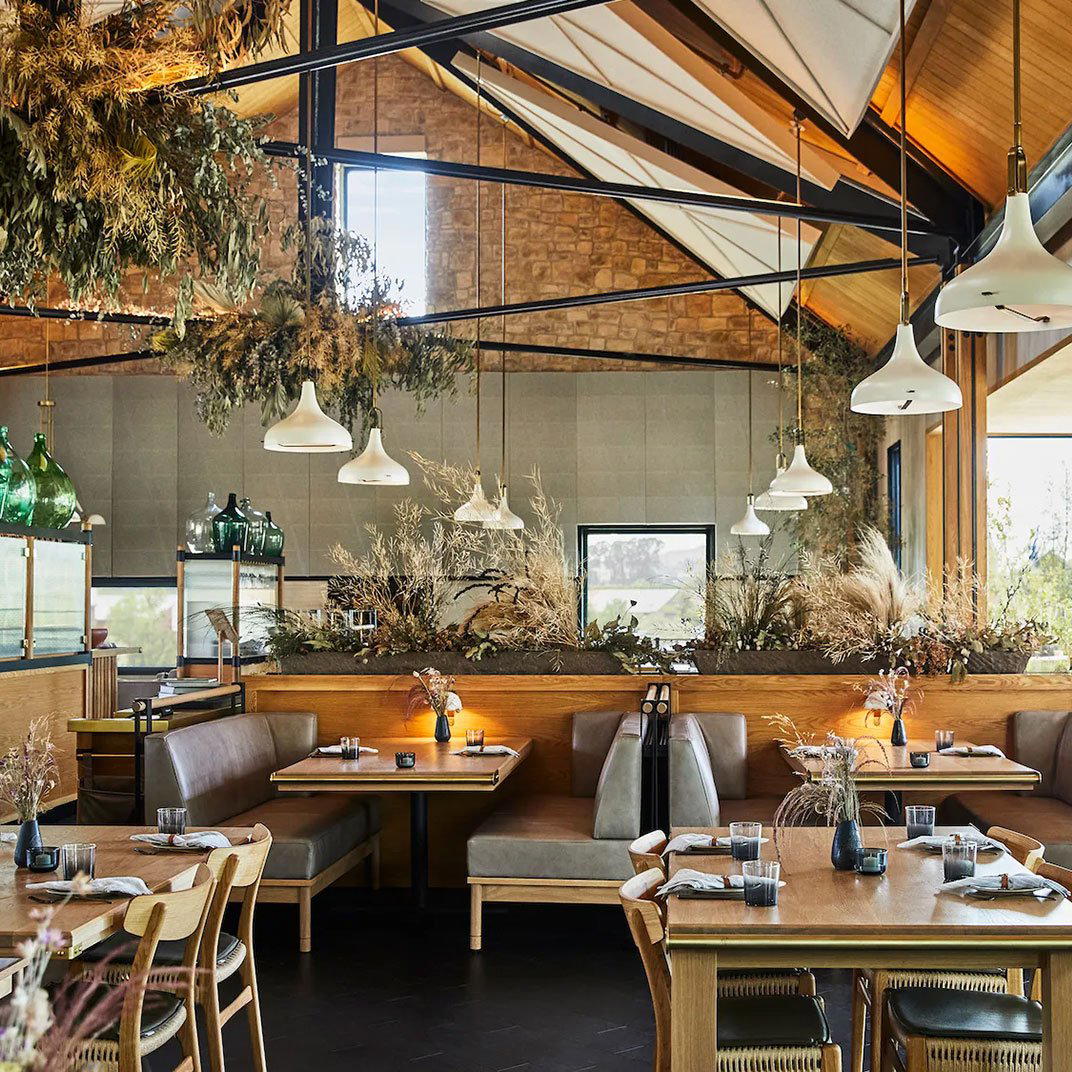
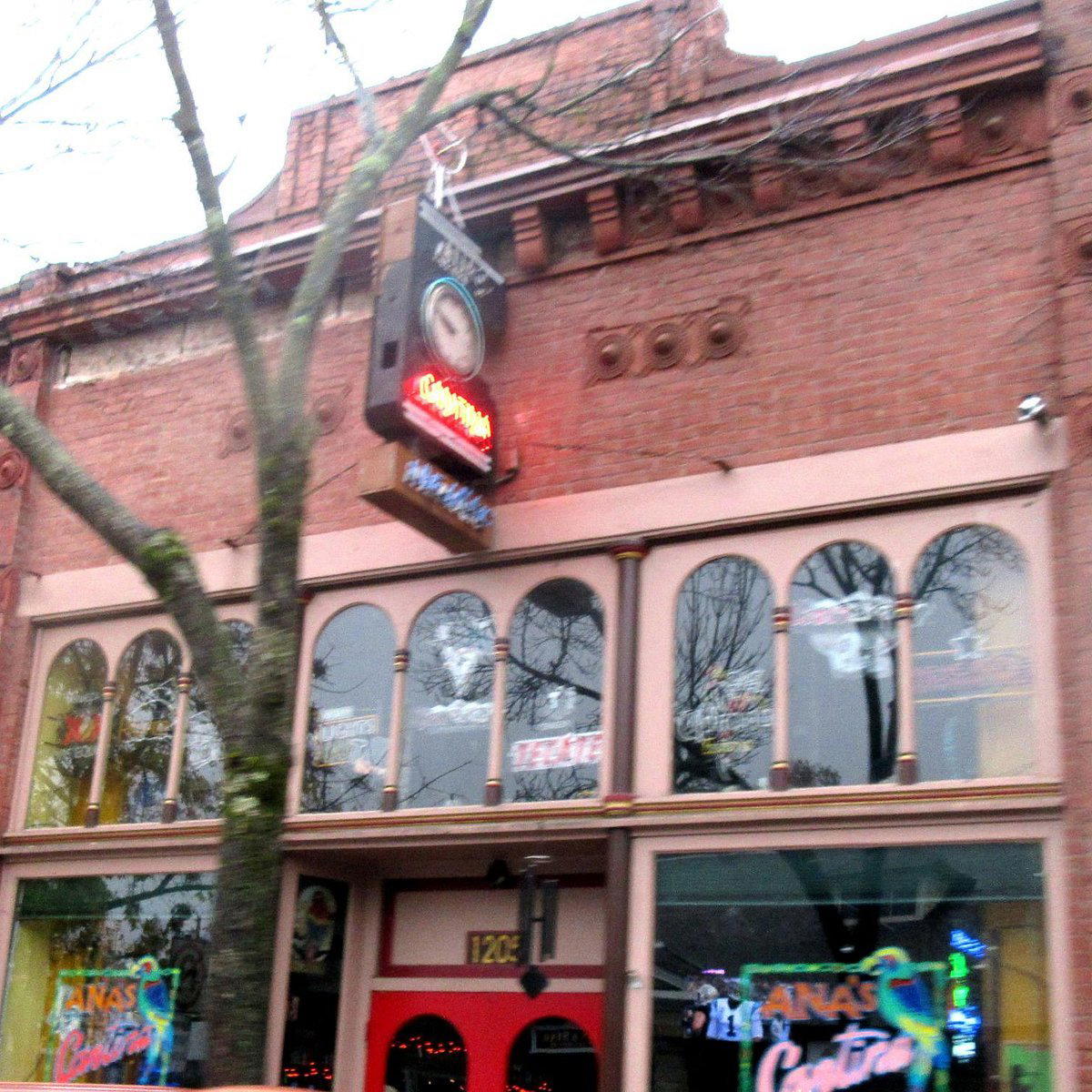
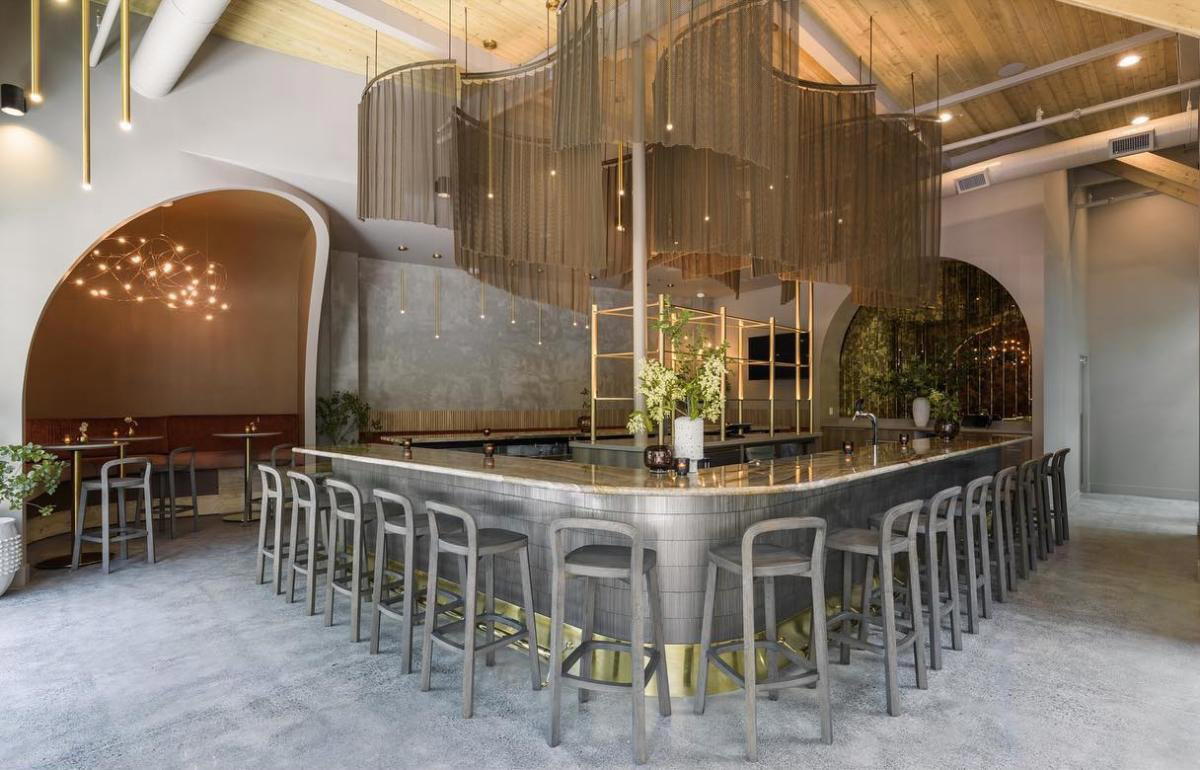
Restaurants in Napa
Browse all →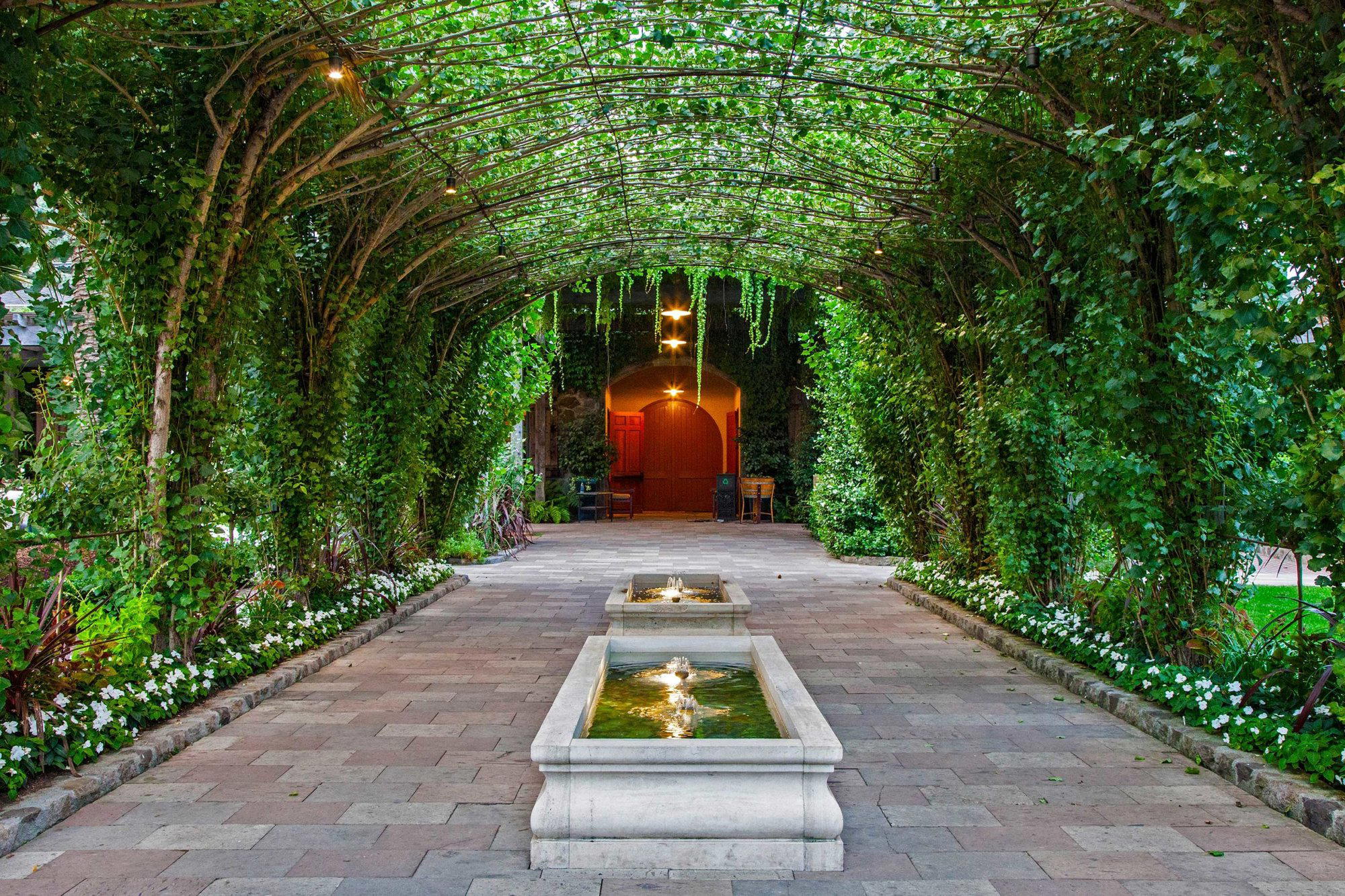
At a Glance
- Elegant
- Sophisticated
- Well Known
- Intimate
- Special Occasion
- Wine Education
- Vineyard Tour
- Estate Grounds
- Vineyard
- Napa Valley AVA
- Cabernet Sauvignon
- Merlot
- Cabernet Franc
- Sauvignon Blanc
- Still Red
- Private Tasting
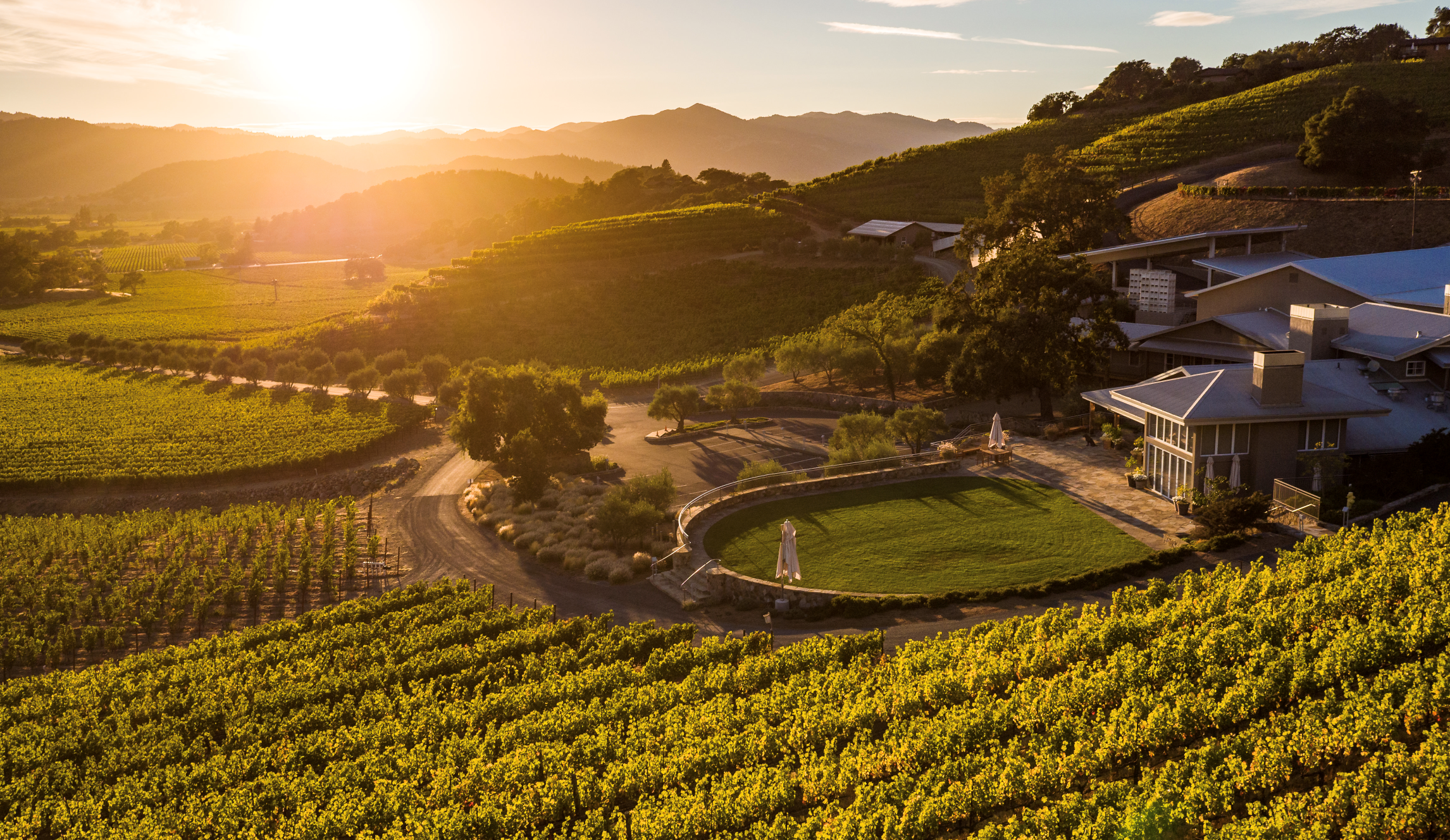
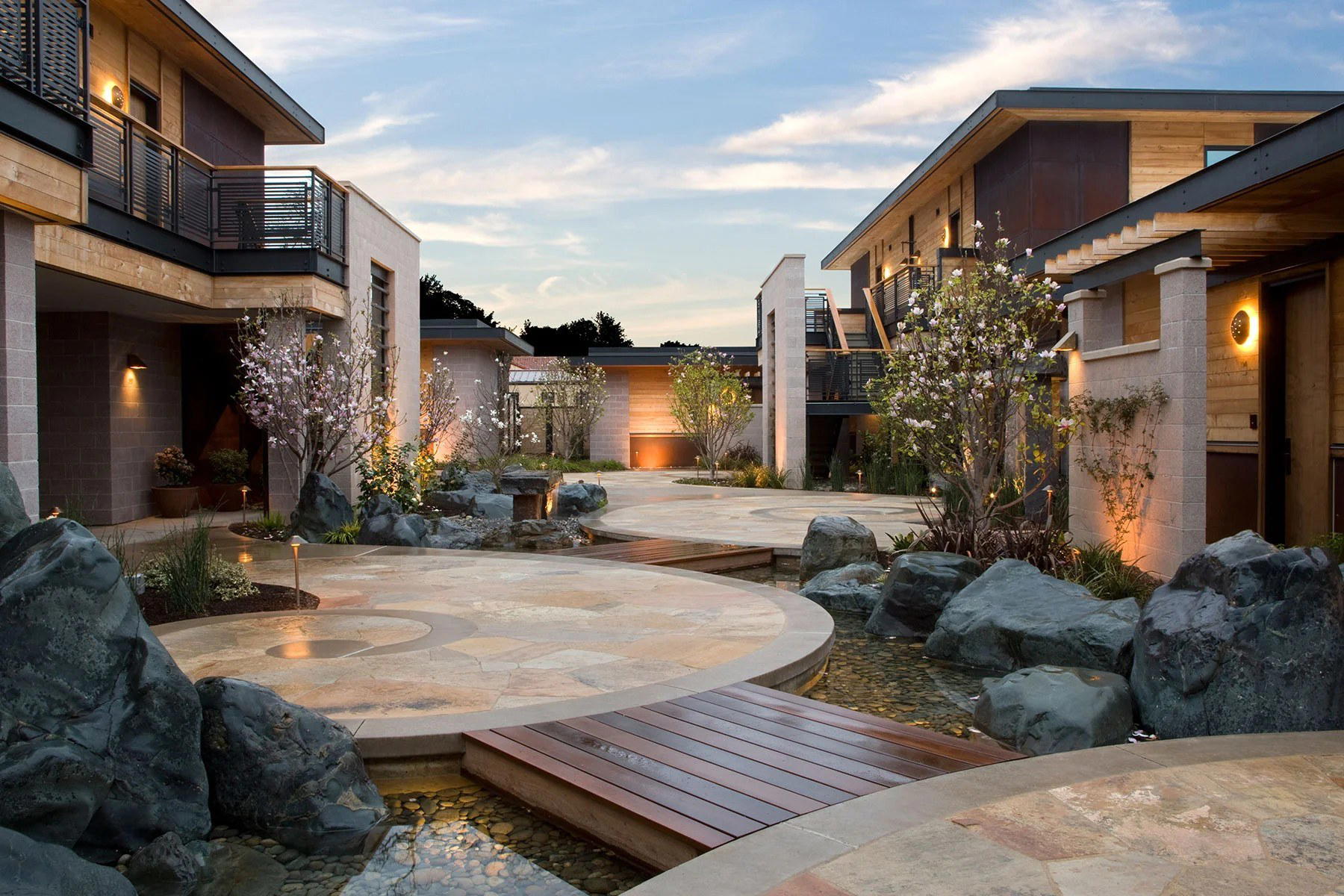
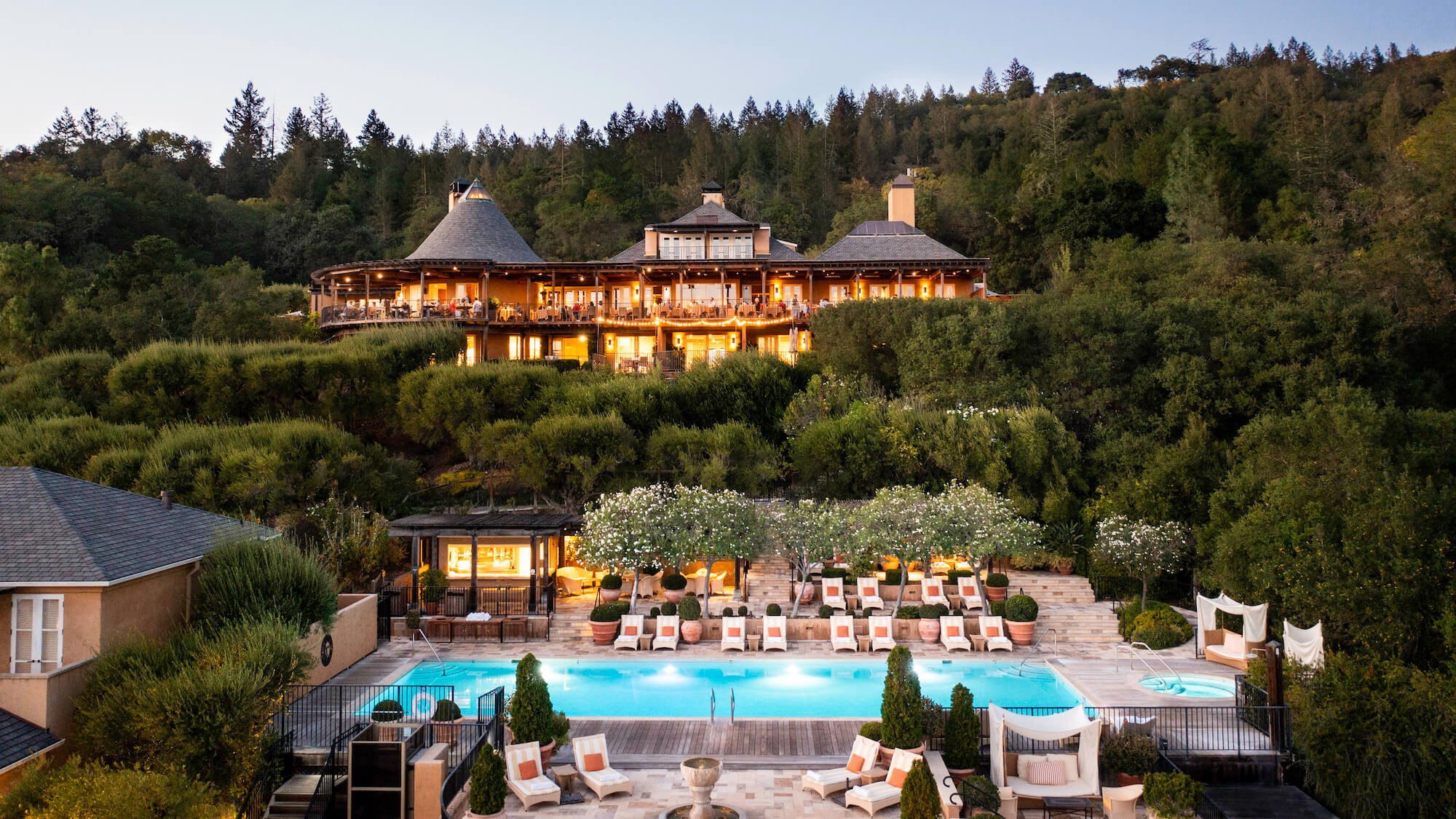
Refined and elegant atmosphere focused on exclusivity and quality in a low-production vineyard setting.
Know Before You Go
- Getting there
- 7557 Silverado Trail, Napa, CA 94558