Suntory's original distillery at Shimamoto, Osaka, sits at the confluence of the Katsura and Uji rivers, where the misty valley climate shaped what became Japan's most decorated whisky address.

Pearl is the En Primeur Club membership app, where members save venues, book tables and use the concierge.

Where the River Mist Does the Work
The Shimamoto valley, where the Katsura and Uji rivers converge south of Kyoto, produces the kind of damp, shifting air that Scotch distillers spend centuries searching for on Atlantic coastlines. It is not a romantic coincidence that Japan's first malt whisky distillery was placed here in 1923. The decision was deliberate, based on climate logic: high humidity, significant temperature variation across seasons, and fog that settles across the cedar slopes for much of the year. That atmospheric pressure on the maturing casks is the central argument Yamazaki makes for its position at the head of Japanese whisky.
Single malt production in Japan carries a different structural logic than in Scotland. Where Scottish distilleries trade casks between houses to blend, Japanese producers have historically worked within single-site ecosystems, which places enormous pressure on the range and depth of what one distillery can produce. Yamazaki's answer has been warehouses filled with an unusual variety of cask types, mizunara oak, ex-bourbon, ex-sherry, Bordeaux wine casks, that allow the blending team to work with genuinely divergent flavour libraries without sourcing externally. The result is an age-statement range with a wider internal stylistic arc than most comparable single-site operations globally.
The Terroir Case for Mizunara
Among the cask types at play across the Japanese whisky category, mizunara oak has attracted the most attention from international collectors and critics. The timber, from a slow-growing Japanese oak species, is porous and difficult to work with in cooperage terms, but it imparts a distinctive sandalwood and incense character that has no direct equivalent in European or American oak maturation. Yamazaki has been working with mizunara longer than any other distillery, and the oldest expressions in the range carry that character in concentrated form.
The broader terroir argument extends to water. The Shimamoto site draws from underground sources fed by the surrounding mountains, and the softness of that water profile shapes the new-make spirit before it ever reaches wood. Soft water in whisky production tends to produce a lighter, more delicate spirit base, one that benefits from long maturation rather than extracting quickly from aggressive oak. That is partly why the distillery's older releases carry a finesse that distinguishes them from the richer, more assertive profiles emerging from heavily charred American barrel programs elsewhere in the category.
For context on how geography structures Japanese whisky character across the country, the contrast with Yoichi (Nikka), operating on Hokkaido's colder, wind-exposed coast, is instructive. Where Yoichi produces a heavier, peatier character shaped by maritime cold, Yamazaki's valley position generates a more layered, florally complex profile. Miyagikyo (Nikka) in Sendai sits between those two registers, demonstrating how deliberately Japanese producers have used geography to create differentiated house styles within a relatively compact island chain. Mars Shinshu Distillery in the high-altitude Miyada valley adds another data point: elevation produces slower maturation and a cooler, more mineral-edged result that differs again from the Shimamoto profile.
Age Statements and Allocation Logic
The whisky market's relationship with Yamazaki shifted materially after the 12 Year expressions gained sustained international recognition through the mid-2010s. Demand outpaced the maturing stock that had been laid down in earlier decades, leading to a period in which core age-statement expressions became genuinely difficult to source at retail. That supply constraint has eased partially, but the distillery's rarer releases, particularly the 18 Year and 25 Year, along with the single cask and limited annual bottlings, remain allocated through specialist retailers and auction channels rather than open retail.
That award sits alongside a record of international spirits competition results that few single-site distilleries anywhere in the world have matched across consecutive years.
Peer comparison within the Japanese category reinforces the point about hierarchy. Fuji Gotemba Distillery, operated by Kirin beneath Mount Fuji, and Eigashima (White Oak) in Akashi represent the diversity of production approaches across the domestic scene, but neither carries the same auction-tier valuation or collector depth as Yamazaki's older expressions. Chichibu in Saitama has attracted significant critical attention for its independent craft model, but operates at a fraction of the production scale and with a shorter maturation library to draw from. Kanosuke in Kagoshima represents a newer generation of regional Japanese distilling, ambitious and worth tracking, but without the age-statement depth that defines the upper allocation tier.
Visiting Yamazaki: What the Distillery Experience Looks Like
The distillery at 5-chōme-2-1 Yamazaki, Shimamoto, Mishima District is accessible from both Osaka and Kyoto via the JR Kyoto Line, with Yamazaki Station a short walk from the site. That transport convenience is part of why the distillery draws considerable visitor numbers despite sitting outside any major urban centre, and it is a practical consideration worth factoring into timing. Weekday visits, particularly during the shoulder periods outside autumn foliage season and Golden Week, produce a materially different experience than weekend or peak-season visits.
The distillery museum and tasting programs are structured to accommodate different levels of engagement, from self-guided passage through the production areas to guided experiences and private tastings of rarer expressions. For visitors with specific interest in older or allocated releases, the on-site library offers access to expressions that are difficult or expensive to locate through retail channels. Advance booking for the more structured programs is advisable rather than optional; availability compresses quickly, particularly for experiences involving premium or limited expressions.
For those building a broader Japan whisky itinerary, Hakushu (Suntory) in the Hokuto mountains of Yamanashi represents the logical counterpart within Suntory's own estate, a high-altitude, heavily forested site that produces an entirely different register from Shimamoto. Placing both visits in sequence illustrates how one producer has used geography to build a house portfolio with genuine internal contrast. For those extending beyond whisky into Japan's wine production, Château Mercian Mariko Winery in Nagano and 98Wines in Yamanashi show how Japanese producers have applied similar terroir logic to viticulture. Shizuoka distillery in Shizuoka Prefecture adds another regional whisky data point for those tracking the wider Japanese craft distilling wave. See our full Shimamoto restaurants guide for further context on what the surrounding area offers.
How Yamazaki Sits Globally
Japanese single malt entered international conversation as a curiosity in the early 2000s and spent the following two decades forcing a reassessment of where meaningful whisky could be made. Yamazaki's role in that shift was not incidental. The distillery's age-statement expressions, particularly as they gained awards recognition in blind international tastings that had previously been dominated by Scottish and Irish producers, repositioned Japan from a producer of creditable imitations to a category with its own internal logic and geographic identity.
That shift has consequences for how collectors and serious drinkers now approach Japanese whisky as a category. The Aberlour comparison from the Speyside tradition, or the structural contrast with a Napa-focused producer like Accendo Cellars, illustrates a broader truth about prestige spirits and wine: place-specificity, when it is credibly argued and consistently executed, creates its own collector logic. Yamazaki's mizunara-aged expressions make a case for Japanese oak that no Scotch distillery can replicate, and the valley climate at Shimamoto produces a maturation environment that is genuinely site-specific rather than approximated.
Quick Comparison
Comparable venues nearby, for context on price, style, and recognition.
| Venue | Cuisine | Price | Notes |
|---|---|---|---|
| Yamazaki (Suntory)This venue (the venue you are viewing) | Yamazaki | $20–30 | Not listed |
| Eigashima (White Oak) | malted barley | Not listed | Akashi |
| Kanosuke | Kagoshima | $10–20 | Hioki-shi |
| Mars Shinshu Distillery | Yama Sauvignon | Not listed | Miyada Village, Kamiina District |
| Fuji Gotemba Distillery | Winery | Not listed | Gotemba |
| Chichibu | Merlot, Muscat Bailey A | Not listed | Yoshida district, Chichibu City |
Continue exploring
More in Shimamoto
Bars in Shimamoto
All bars in Shimamoto →
Restaurants in Shimamoto
All restaurants in Shimamoto →

Details
- Scenic
- Historic
- Elegant
- Well Known
- Wine Education
- Solo Exploration
- Special Occasion
- Historic Building
- Barrel Room
- Mountain
- Garden
- Single Malt Tasting
- Japanese
- English
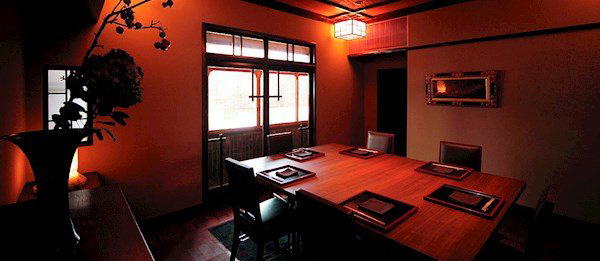
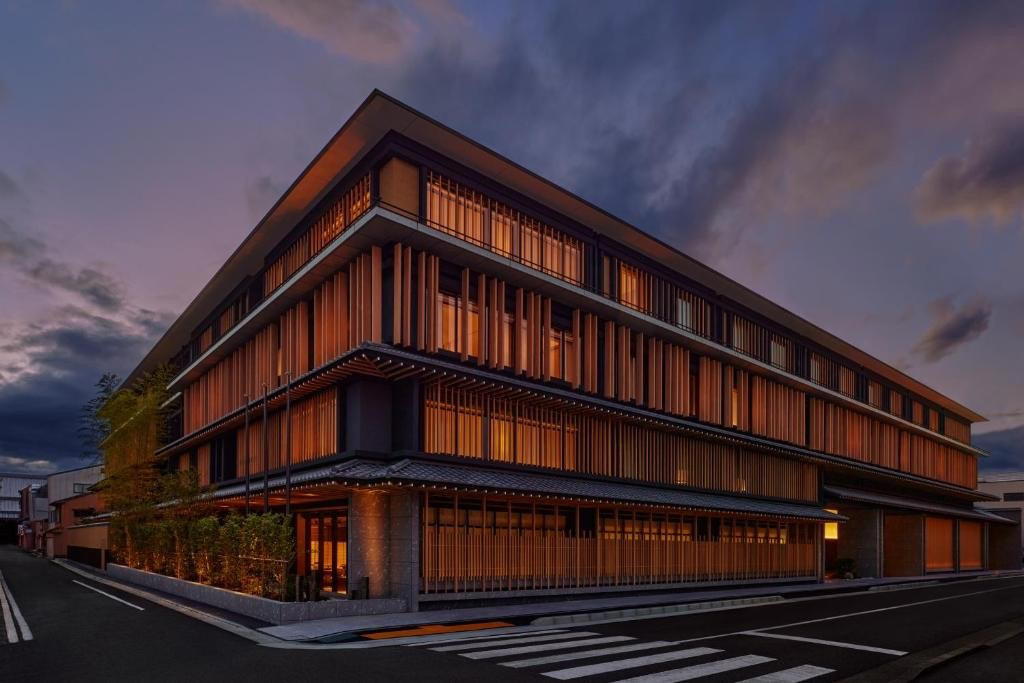
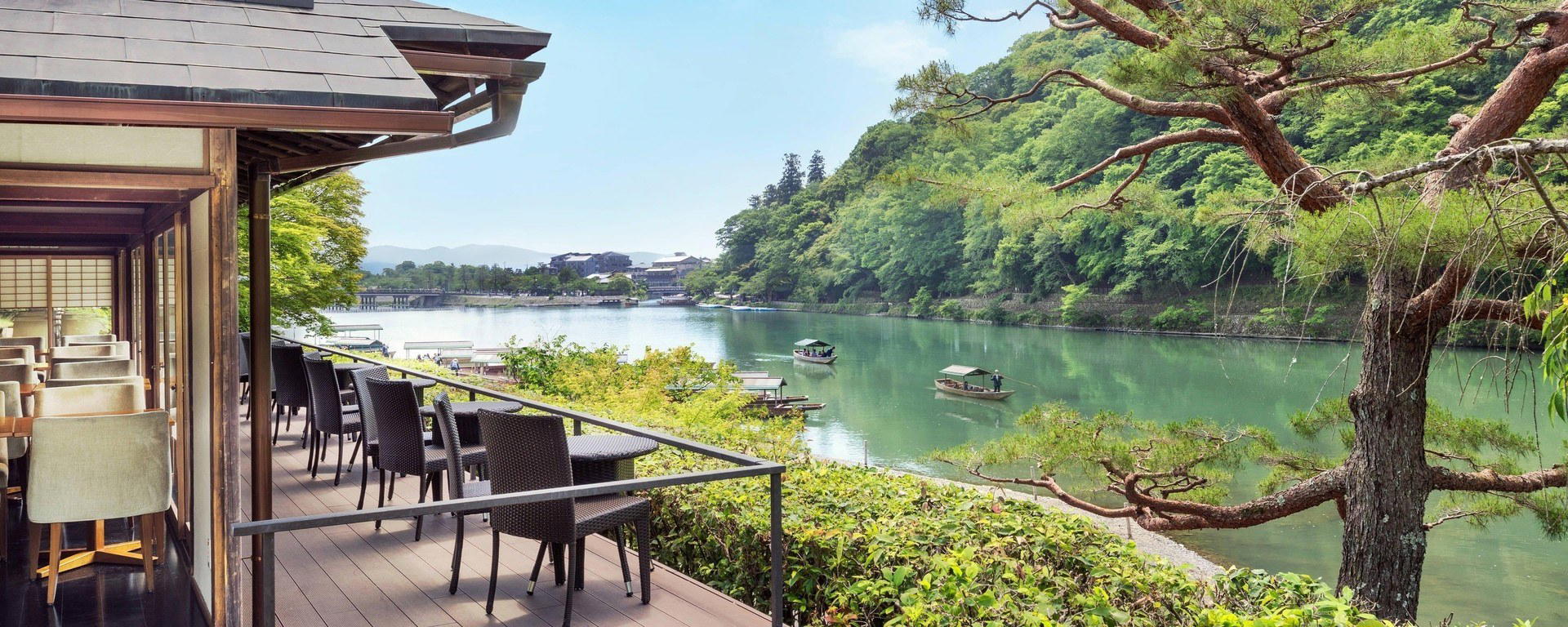
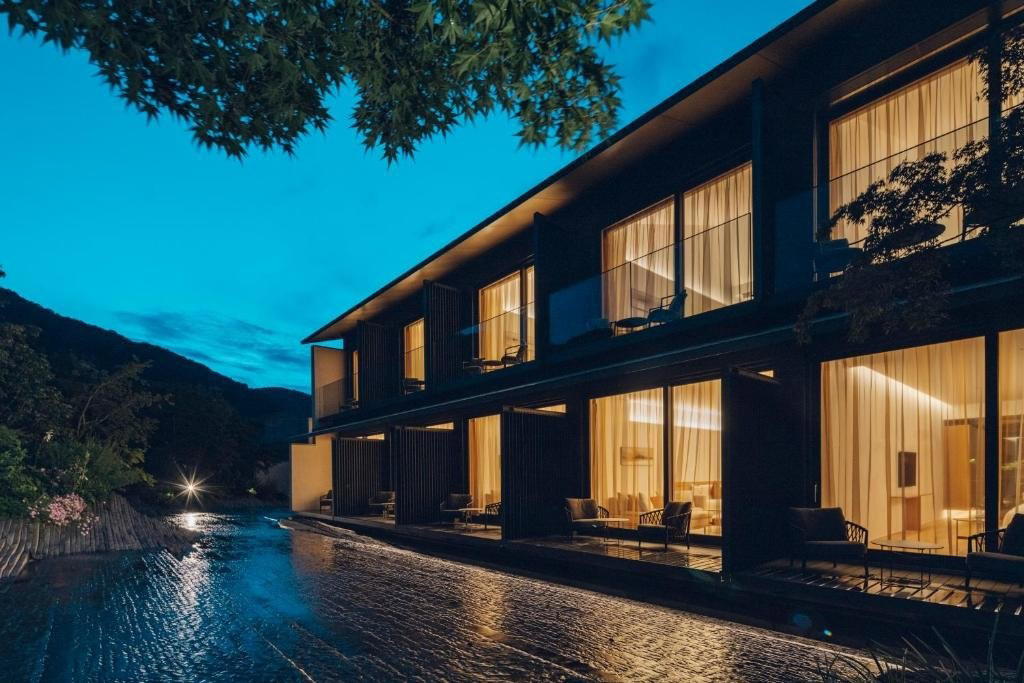
Serene and misty valley setting set between mountains with an atmospheric underground cellar featuring strong whisky aromas and elegant tasting rooms.