Klein Constantia


World's 50 Best #6 · Falstaff Winery - Listed
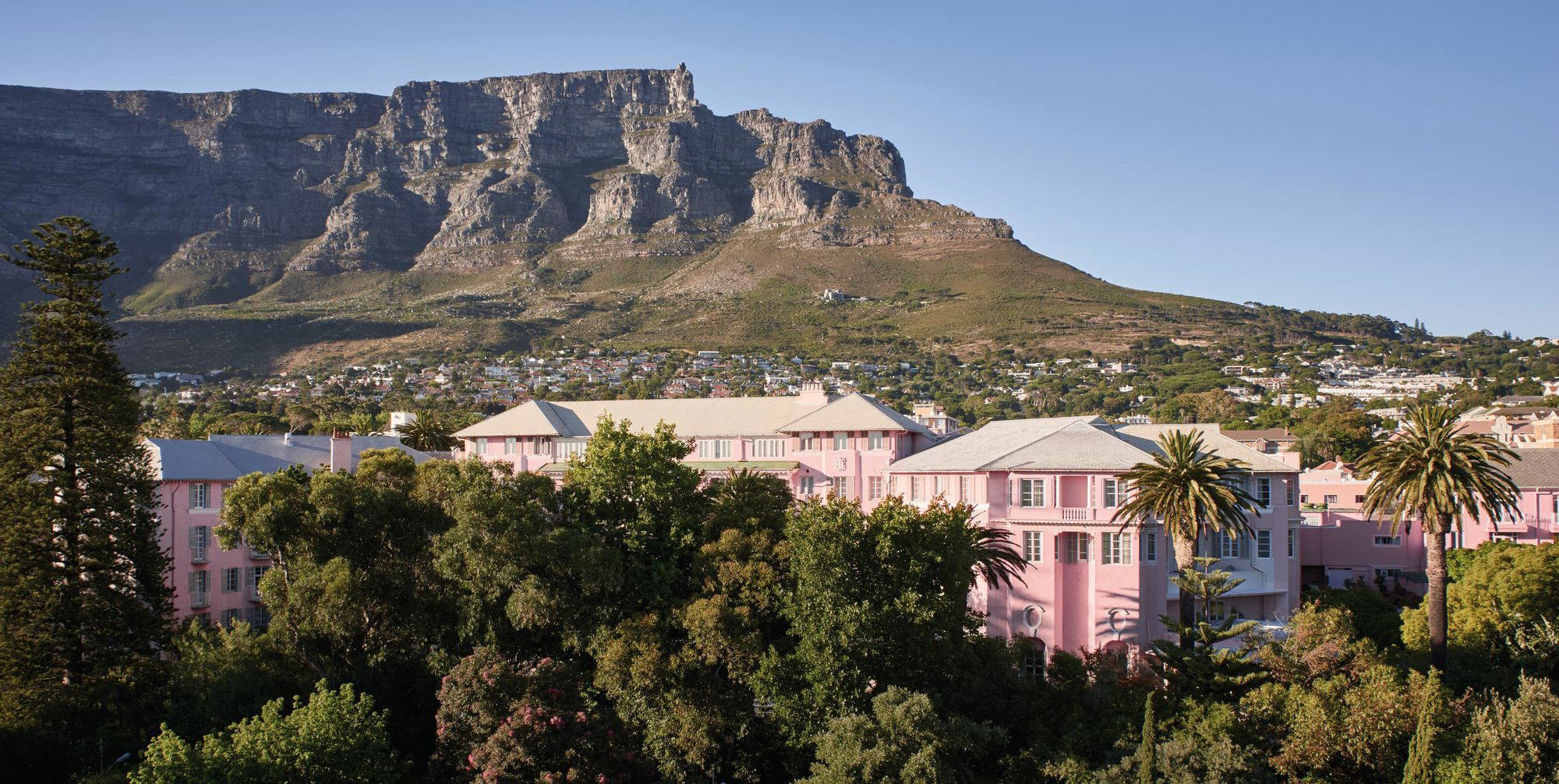
Klein Constantia sits at the historic heart of Cape Town's Constantia Valley, carrying a winemaking lineage that reaches back centuries. The Constantia hills, framed by Table Mountain and distant ocean views, provide the geographical and cultural context that makes this address distinct among South African wine destinations.

Pearl is the En Primeur Club membership app — saves, bookings, and concierge access live there. Same editors, same standards.
- Address
- End of, Klein Constantia Rd, Constantia, Cape Town, 7806
- Phone
- +27 21 794 5188
- Website
- kleinconstantia.com
- Directions
- Get directions
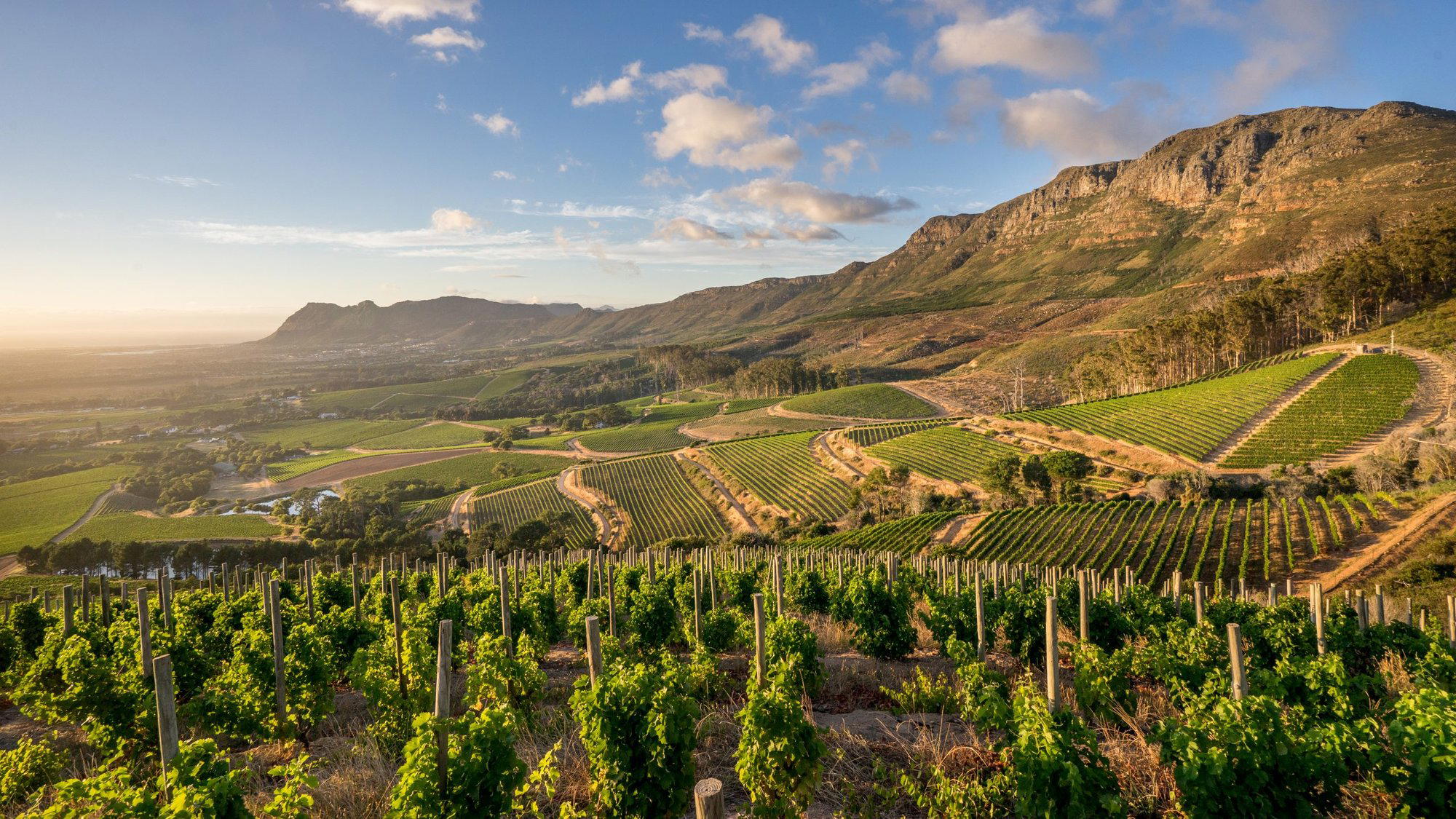
The Valley That Shaped a Wine's Mythology
The Constantia Valley sits at the southern edge of Cape Town's urban sprawl, where the Cape Peninsula narrows and Table Mountain's lower slopes fold into a series of sheltered kloofs. The air here carries a different quality from the winelands further north in Stellenbosch or Paarl: cooler, closer to the ocean, and softened by the afternoon southeaster that rolls in off False Bay. This geography has always been the argument for Constantia wine, and it remains the most persuasive one. Klein Constantia's address at the end of Klein Constantia Road places it at the quieter, deeper end of a valley that holds several significant estates within close reach, including Constantia Glen, Groot Constantia, Beau Constantia, and Buitenverwachting. The density of serious producers along this single corridor is unusual even by Cape standards, and Klein Constantia occupies its furthest, most enclosed point.
Approaching the Estate: Space as Context
The drive in matters. Klein Constantia Road climbs gradually, shedding the suburban character of the broader Constantia neighbourhood as vineyards replace garden walls on either side. By the time the estate entrance appears, the proportions have shifted: the working farmland scale takes over, framed above by the rocky southern face of Table Mountain and, when the atmosphere is clear, by ocean light on the southern horizon. This is not a grand arrival in the manner of some Stellenbosch estates built around theatrical Cape Dutch facades. The physical container here is quieter and more functional, with vineyards pressing close to the production buildings and the sense that the land is the primary architect of the experience.
That spatial modesty is a useful signal about what Klein Constantia prioritises. Constantia's premium wine estates, as a group, occupy a different architectural register from the more visitor-infrastructure-heavy operations at, say, Babylonstoren in Franschhoek or Val de Vie Estate in Paarl. The emphasis here runs toward the wine itself rather than the hospitality apparatus built around it, and the estate's physical layout reflects that orientation honestly.
The Wine at the Centre: Vin de Constance
Any serious engagement with Klein Constantia begins with one wine, and that wine carries more historical freight than almost anything else produced in the Southern Hemisphere. The sweet wine of Constantia was reportedly the final request of Napoleon Bonaparte as he died in exile on Saint Helena in 1821, having refused other food and drink in his final days. That story, documented in period accounts and repeated in wine literature since, is less a marketing footnote than an index of the wine's standing in eighteenth and nineteenth-century Europe, when Constantia was exported to courts and cellars across the continent and priced against the great sweet wines of France and Germany.
The revival of the original Muscat de Frontignan-based style at Klein Constantia in the 1980s re-established a direct lineage to that historical production. Vin de Constance, as the revived wine is named, now sits at the centre of the estate's identity and at the top of Constantia's quality pyramid for sweet wine. This is a different competitive context from the dry-wine focus that defines most of the Cape's premium tier; Klein Constantia operates within a niche where historical provenance and the specificity of the valley's cool-climate Muscat carry more weight than varietal fashion or Parker-era scoring patterns.
The award system used by Pearl places the estate in a peer bracket that includes other Constantia producers and extends across the wider Cape wine map. In the valley itself, that means comparison with Groot Constantia, which carries the historical weight of the original Simon van der Stel estate, and with Beau Constantia, which operates at the top of the ridge with a different stylistic emphasis. Further afield, the relevant comparison points for Klein Constantia's dry range include Vergelegen Wine Estate in Somerset West and Neethlingshof Estate in Stellenbosch, two estates that similarly anchor their identity in a combination of historical significance and consistent award recognition.
The Constantia appellation as a whole occupies an interesting structural position within South African wine. It is geographically the closest major wine region to Cape Town's urban centre, which gives it an accessibility advantage over Franschhoek or Robertson. Graham Beck Wines in Robertson or Creation Wines in Hermanus require more committed travel. Constantia, by contrast, sits within thirty minutes of the city bowl, making it a realistic half-day itinerary rather than a full regional excursion.
The Physical Space of the Tasting Room
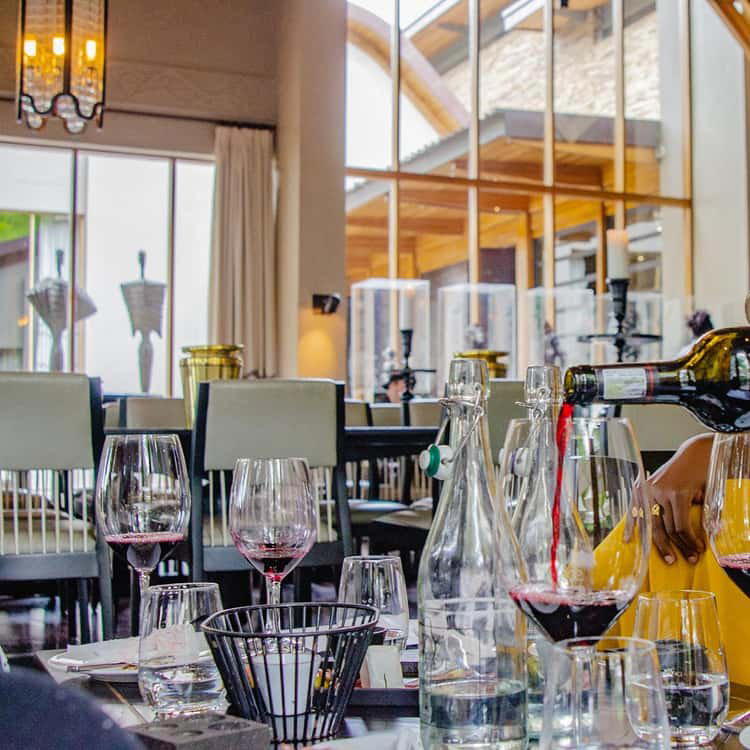
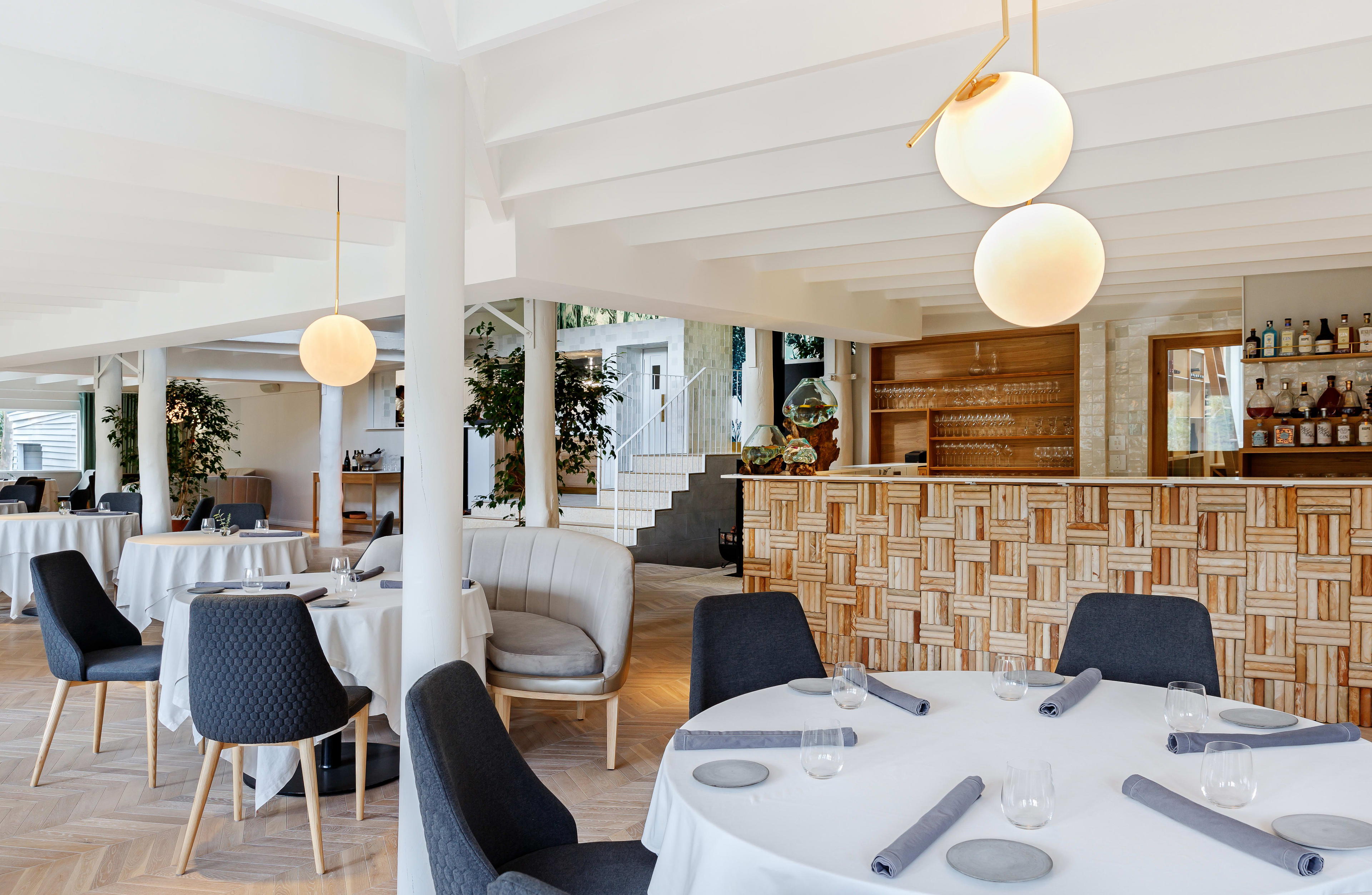
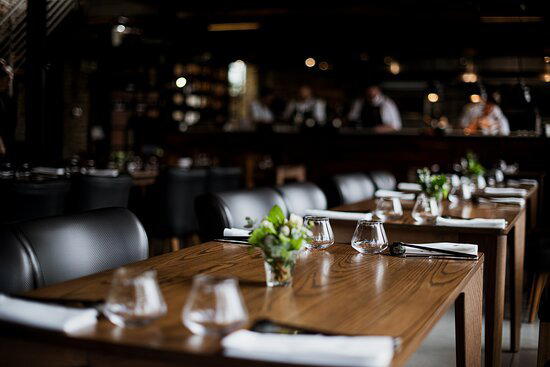
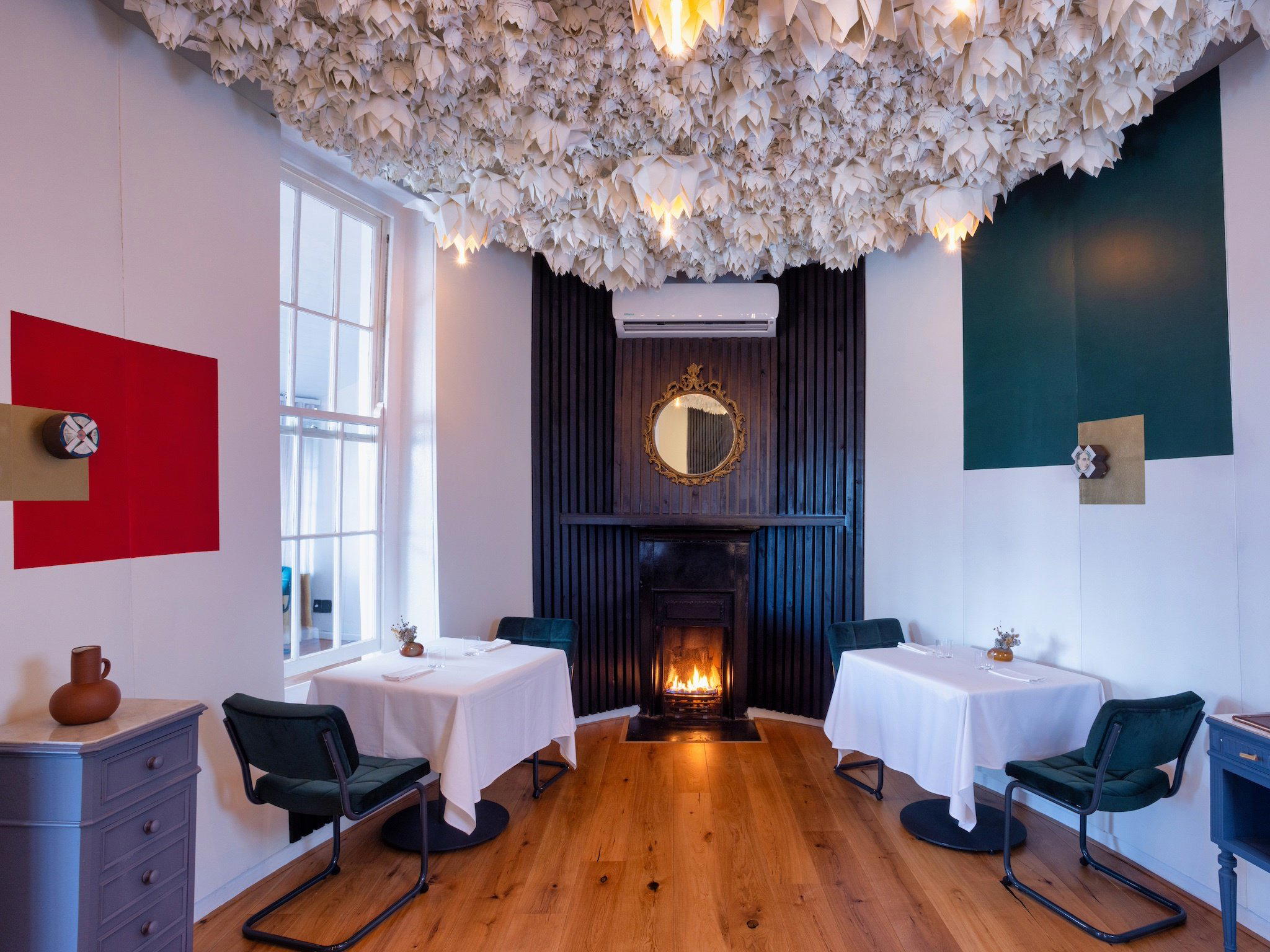
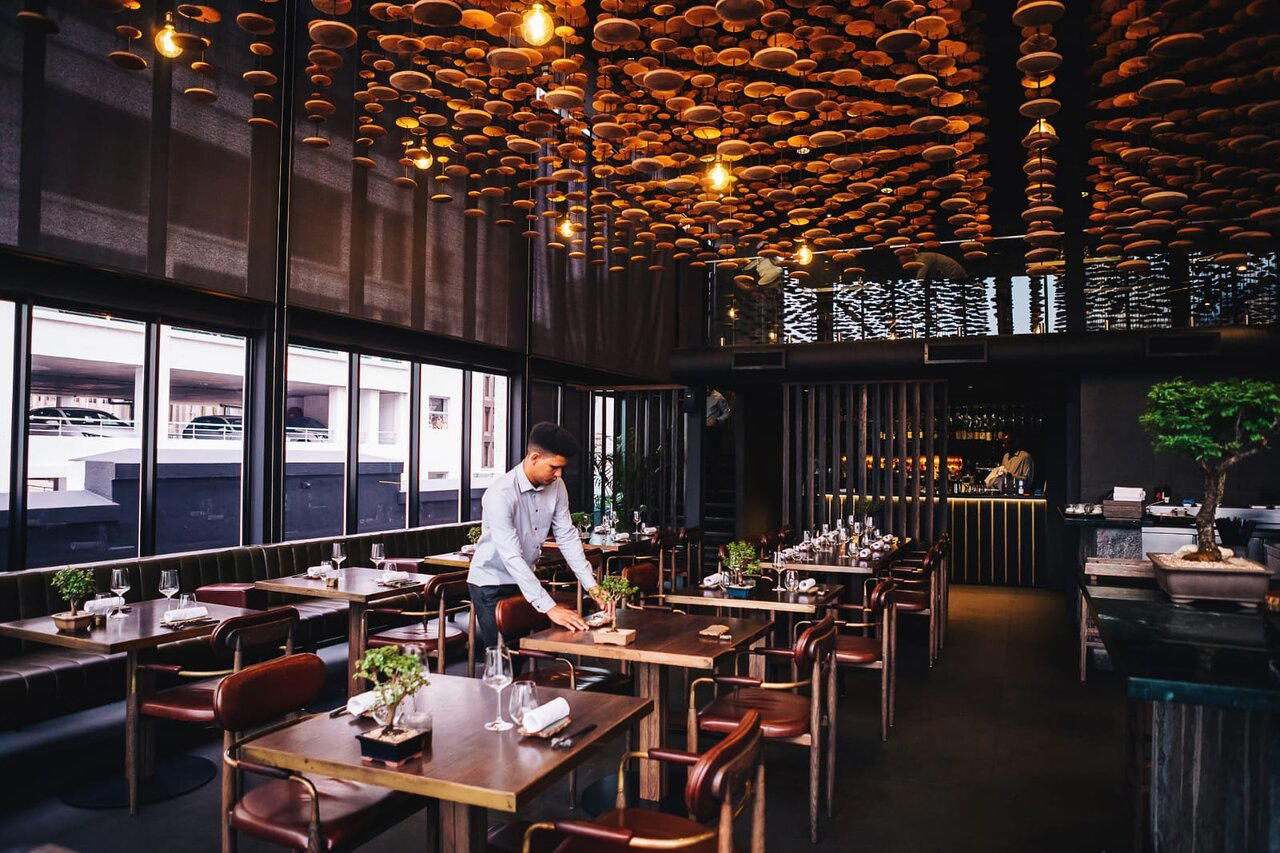
The editorial angle of design and space applies to Klein Constantia less through architectural spectacle and more through what the spatial arrangement communicates about priority. The tasting room environment, consistent with the estate's overall character, keeps the focus on the wine in front of the visitor rather than on any surrounding theatrical apparatus. In a regional market where some competitors have invested heavily in restaurant programmes, art installations, or spa facilities, the relative restraint at Klein Constantia's physical premises argues that the wine itself is sufficient reason for the visit. This is a coherent position for an estate whose central product carries documented royal and imperial endorsement from two centuries ago.
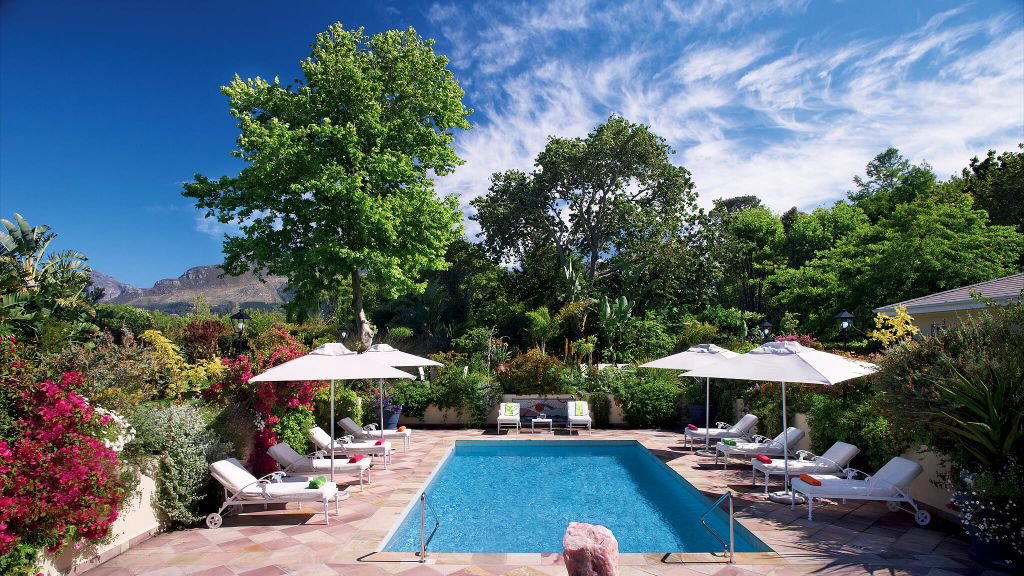
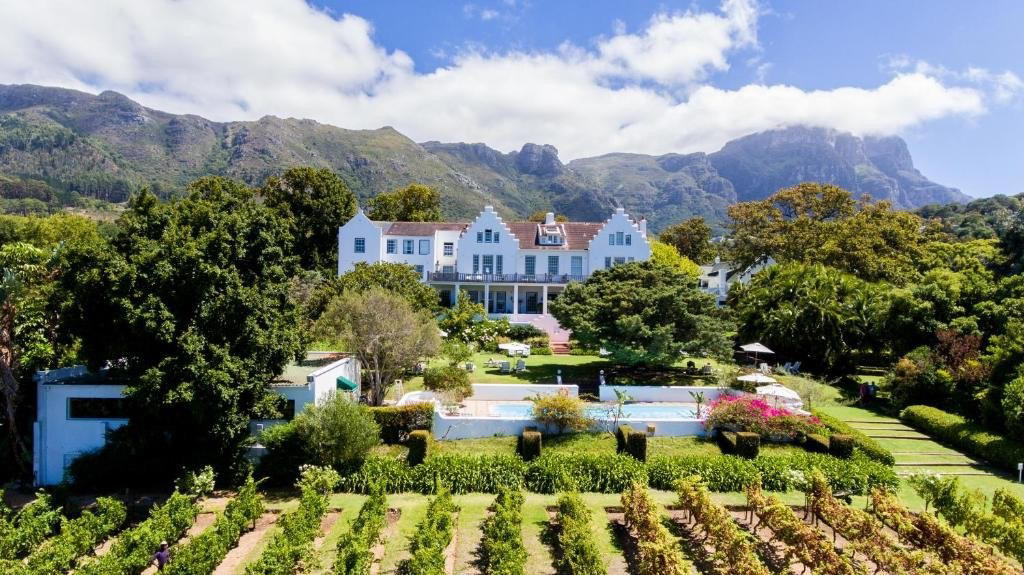
View from the estate over the valley, with Table Mountain as the northern anchor and the ocean occasionally visible through the southern gap, provides a geographical orientation that ties the wine to its physical origin more directly than any designed interior element could. For visitors arriving from the Cape Town side, the visual connection between mountain, valley floor, and the cool-air corridor that shapes the Muscat's character is immediate and legible. That connection is, in a sense, Klein Constantia's most powerful spatial argument.
Planning a Visit: Practical Notes
Klein Constantia sits at the end of Klein Constantia Road in Constantia, Cape Town, postcode 7806. Given the estate's position at the deep end of the valley, visitors combining multiple Constantia properties in a single day will logically start or end here, rather than interrupting the route. Constantia Glen and Buitenverwachting make natural companion stops on the same road. Phone and website contact details, along with current opening hours and tasting fees, should be confirmed directly with the estate before travel, as these change seasonally. For visitors with broader Cape Town wine interests, the full Cape Town guide on EP Club maps the wider scene, including ventures outside the valley such as Cape of Storms Distilling Co. and the more geographically distant Oude Molen Distillery in Grabouw.
For international visitors building a Southern Hemisphere wine itinerary beyond South Africa, Klein Constantia's historical positioning around sweet Muscat provides a comparative reference point that extends to producers in entirely different geographies, from Aberlour in Aberlour to Accendo Cellars in St. Helena. The sweet wine tradition that Klein Constantia carries is one of the older documented fine wine lineages in the Southern Hemisphere, which gives the estate a historically grounded frame of reference that most New World producers cannot match.
Comparison Snapshot
Comparable venues nearby, for context on price, style, and recognition.
| Venue | Cuisine | Price | Awards | Notes |
|---|---|---|---|---|
| Klein ConstantiaThis venue — the venue you are viewing | Sauvignon_Blanc, Muscat_de_Frontignan | $20–30 | World's 50 Best #6 · Falstaff Winery - Listed | Not listed |
| Cape Point Vineyards | Sauvignon Blanc, Semillon | $20–30 | Falstaff Winery - Listed | Noordhoek |
| Nitida Wine Farm | Sauvignon Blanc, Semillon | Not listed | Not listed | Durbanville |
| Buitenverwachting | Sauvignon Blanc, Chardonnay | Not listed | Falstaff Winery - Listed | Constantia |
Recognition history
Dated appearances from independent guides and award organizations, with the underlying list record or original source where available.
World's 50 Best Vineyards #6
World's 50 Best
Falstaff Winery - Listed
Falstaff
Full recognition history (6 entries)
World's 50 Best Vineyards #41
World's 50 Best
World's 50 Best Vineyards #32
World's 50 Best
World's 50 Best Vineyards #39
World's 50 Best
World's 50 Best Vineyards #44
World's 50 Best
Continue exploring
More in Cape Town
Wineries in Cape Town
Browse all →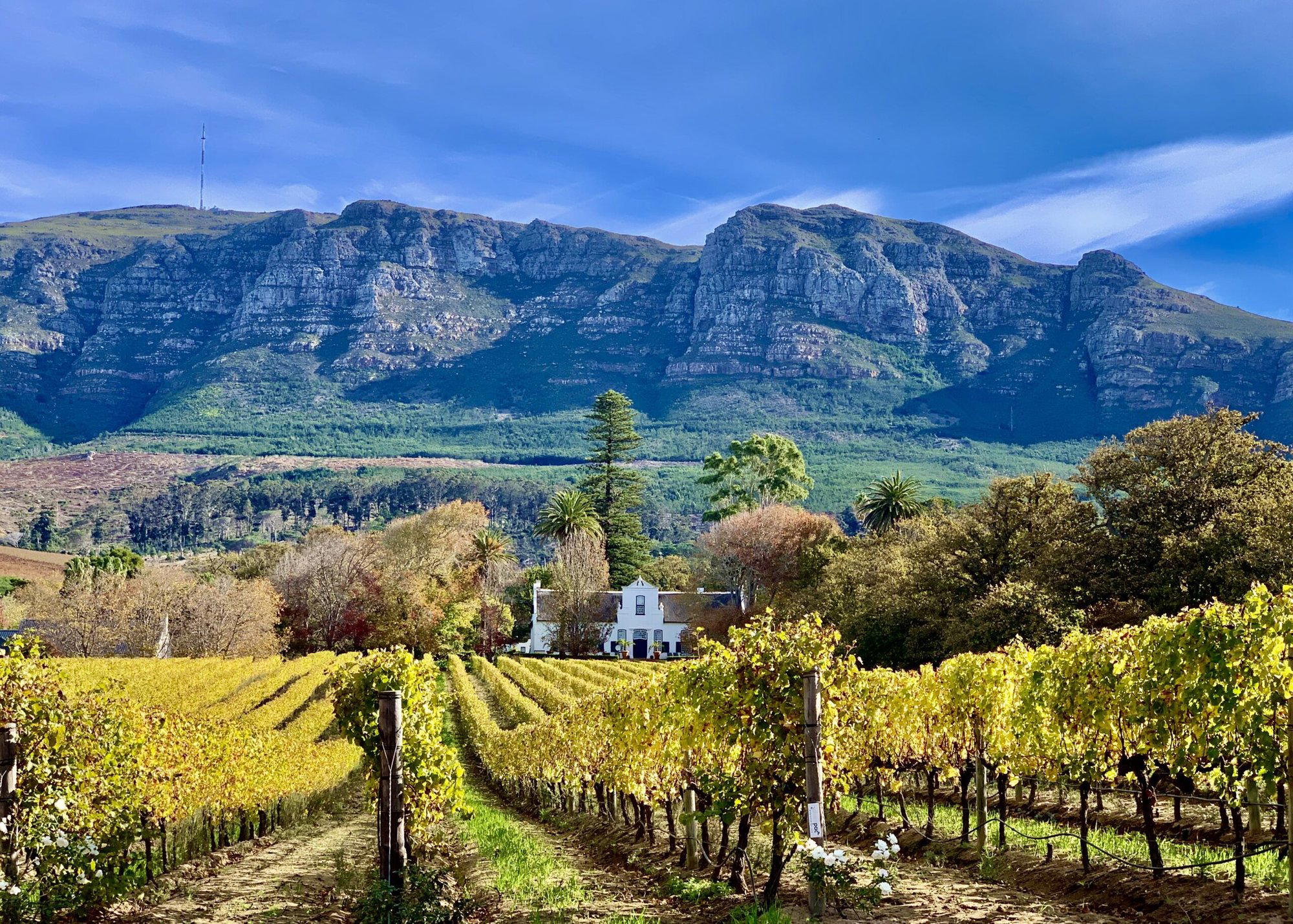
Bars in Cape Town
Browse all →
Restaurants in Cape Town
Browse all →
Details
- Historic
- Well Known
- Elegant
- Scenic
- Sophisticated
- Wine Education
- Special Occasion
- Vineyard Tour
- Estate Grounds
- Historic Building
- Panoramic View
- Sustainable
- Mountain
- Vineyard
- Sauvignon Blanc
- Muscat De Frontignan
- Semillon
- Riesling
- Chardonnay
- Cabernet Sauvignon
- Still White
- Dessert
- Estate Tasting
- Private Tasting
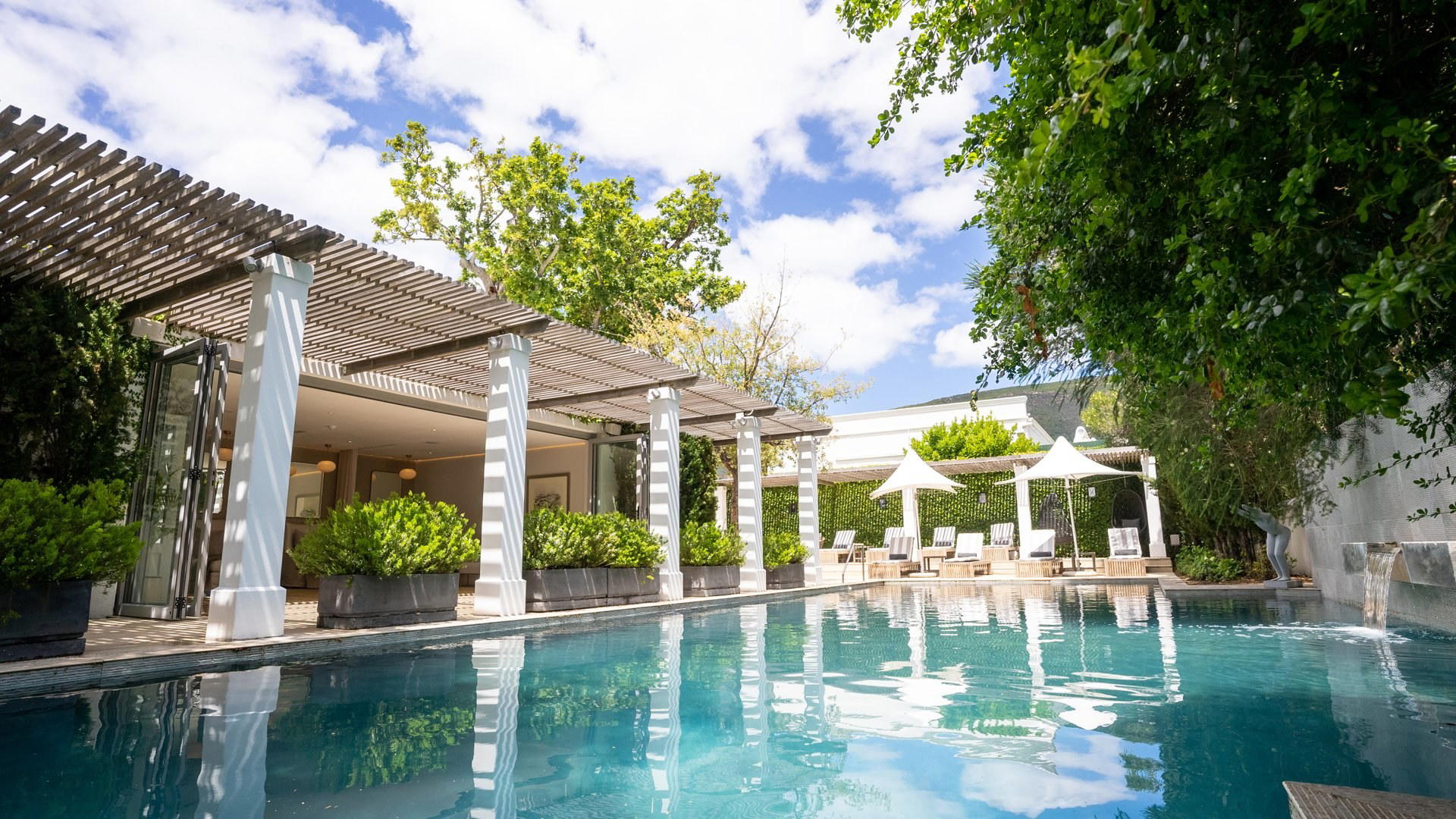
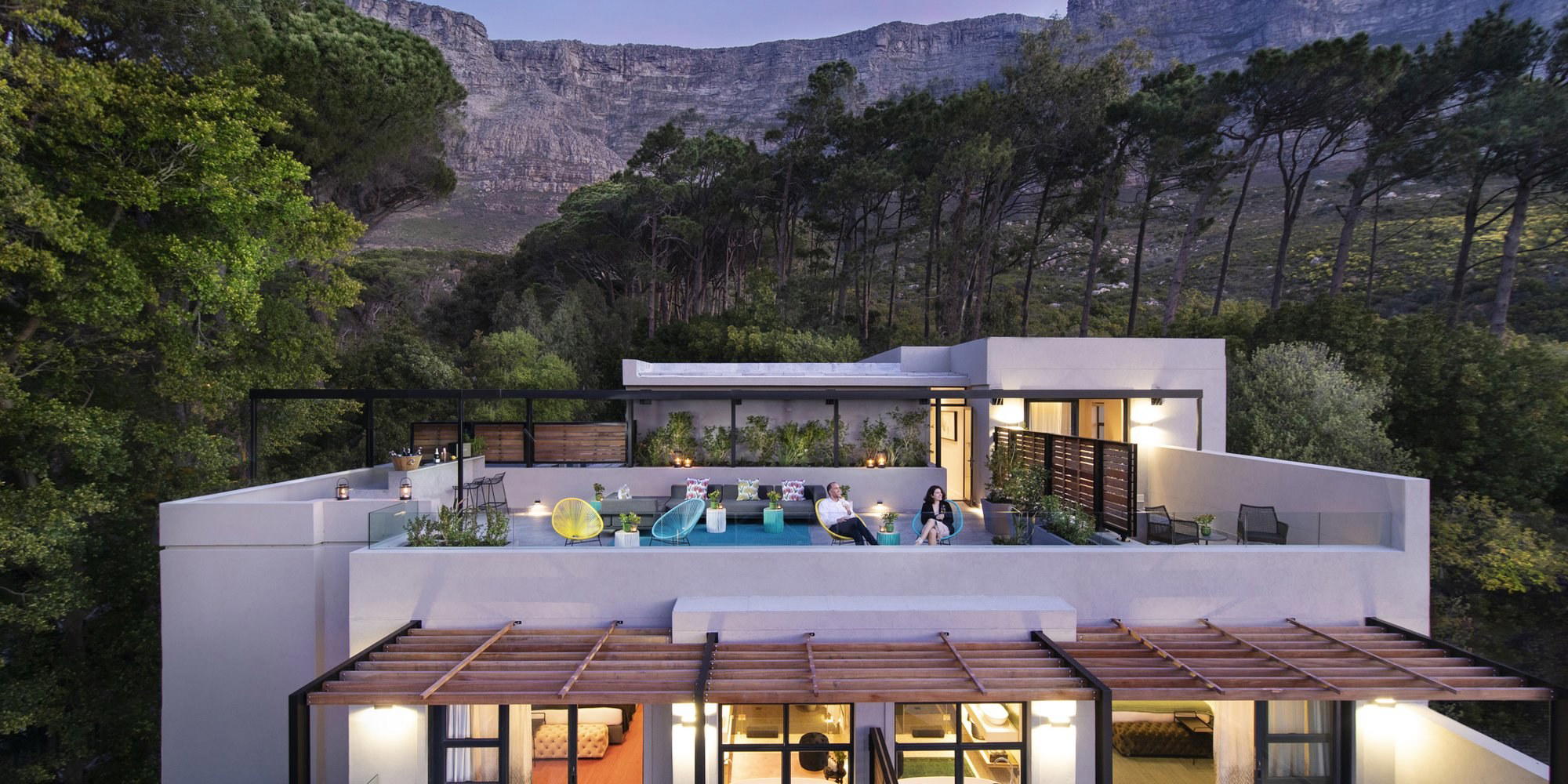
Light-filled contemporary tasting studio and restaurant amid leafy hills with majestic Table Mountain views and elegant Cape Dutch homestead.