

Michelin 2 Grapes · World's 50 Best #35 · Falstaff Winery - 5 Stars
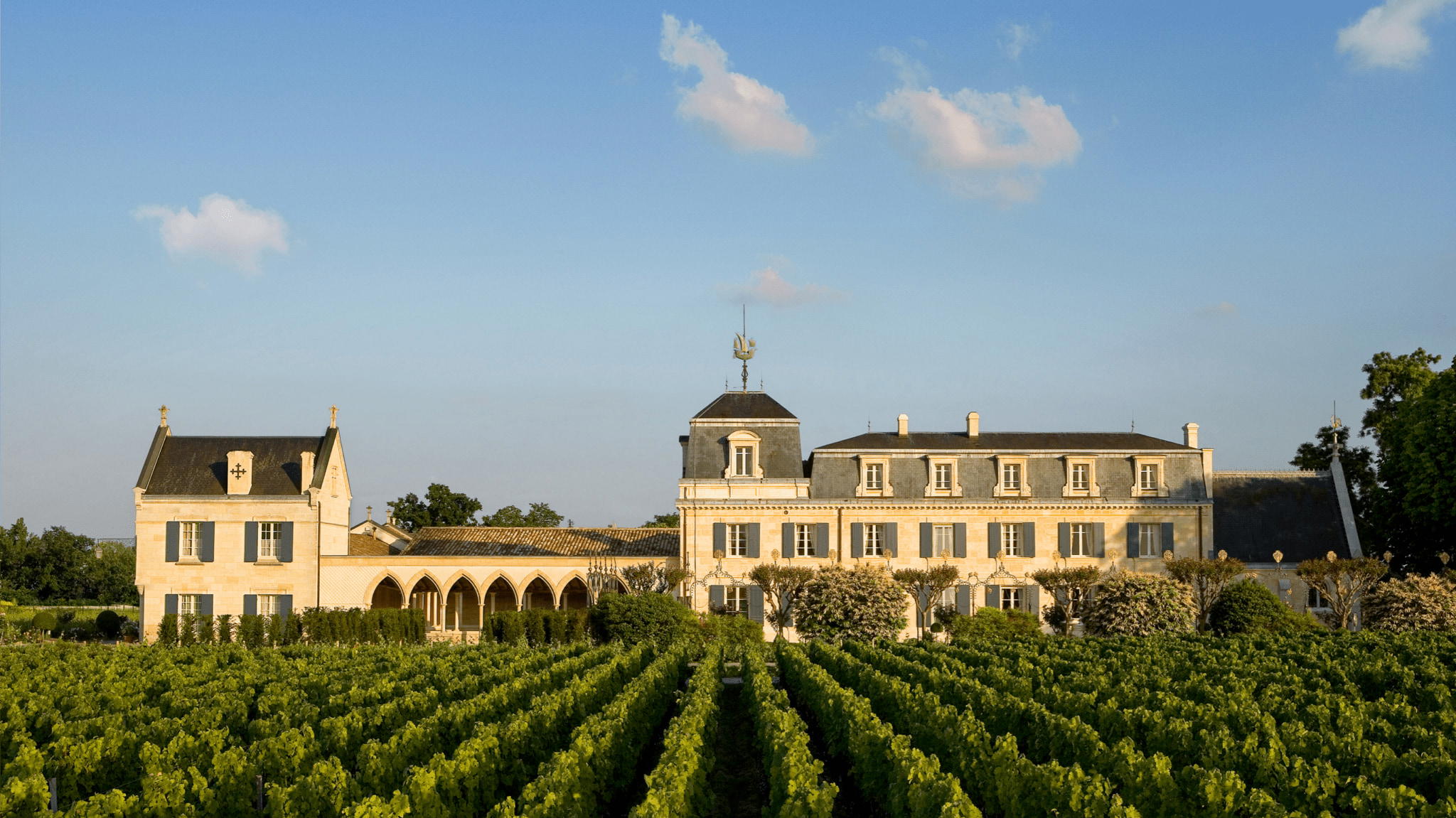
One of Bordeaux's most historically significant properties, Château Haut-Brion sits within the Pessac commune just south of the city, producing Graves wines that predate the 1855 Classification by centuries.

Pearl is the En Primeur Club membership app, where members save venues, book tables and use the concierge.
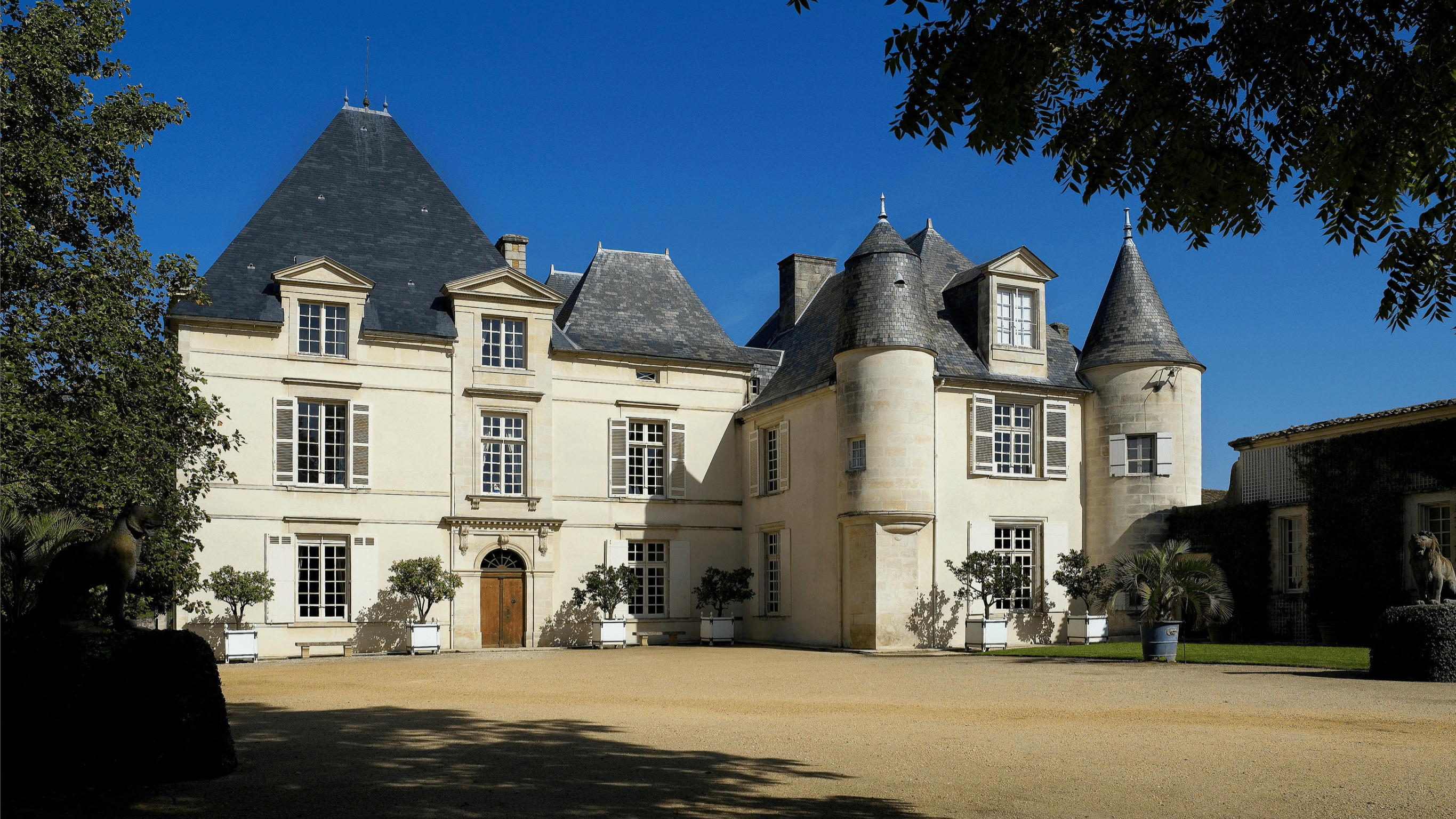
A Property That Predates the Modern Classification System
The approach to Château Haut-Brion is one of the more disorienting experiences in French wine country. The estate sits at 135 Avenue Jean Jaurès in Pessac, a commune that the southern sprawl of Bordeaux has long since enveloped. Where most of the Médoc's classified châteaux sit within stretches of uninterrupted vineyard, Haut-Brion is surrounded by suburb: pavements, residential streets, and the ordinary infrastructure of a mid-sized French city pressing right up to the property walls. Inside those walls, the vineyards feel almost defiant in their precision. The contrast is not incidental. It is part of what makes this address unusual within Bordeaux's broader geography, and it partly explains why Pessac-Léognan, the appellation that formalised the Graves communes closest to the city, carries a different identity to the Médoc châteaux further north.
The history behind the property is significant enough to anchor any discussion of Bordeaux's premium tier. Haut-Brion is the only non-Médoc estate to have been included in the 1855 Classification, a distinction that reflects how its reputation was already established before that system was drawn up. That pre-existing stature gives the estate a different kind of authority than properties whose standing was effectively conferred by classification. Château Pape Clement, another significant Pessac property, shares that long-standing presence in the commune, though the two operate in distinct competitive tiers.
Graves as a Production Context
Pessac-Léognan wines occupy a specific position within Bordeaux that neither the Médoc nor Saint-Émilion can replicate. The gravelly soils that give the broader Graves region its name produce reds with a more mineral, sometimes smoky quality than the richer, fruit-forward profiles associated with Pomerol or the structured tannic architecture of Pauillac. Haut-Brion's vineyard sits on some of the region's deepest gravel beds, and the drainage properties of those soils directly shape how the vines behave across vintages. Understanding Pessac-Léognan wines generally requires accounting for this soil character before arriving at any producer-specific discussion.
The appellation also produces white wines of serious standing, a fact that the Médoc classification system, focused entirely on red Bordeaux, simply cannot accommodate. Haut-Brion Blanc is among the most allocated white Bordeaux wines produced anywhere in the region, a small-production release that sits in a separate competitive space from the red grand vin. Properties like Château Branaire Ducru in St-Julien or Château Batailley in Pauillac operate within a Médoc framework that has no direct equivalent for white production at this price tier. The capacity to produce a sought-after white alongside a first-growth-classified red gives Pessac-Léognan estates a structural advantage in portfolio depth that the Médoc, by geography and tradition, cannot match.
Jean-Philippe Masclef and the Winemaking Approach
Winemaker Jean-Philippe Masclef holds the technical direction of one of Bordeaux's most scrutinised wine programs. At an estate with this level of established reputation, the winemaker's role is less about defining an identity from scratch and more about stewarding a style that the market has already priced and positioned over decades. The decisions that matter most at this level involve precision in extraction, barrel selection, and assemblage rather than stylistic pivots. Graves winemaking at the top tier has historically favoured integration over power: wines that reward cellaring and where the tannin structure is designed for longevity rather than immediate approachability.
The relationship between Haut-Brion and its sister estate is worth noting for context. Domaine Clarence Dillon, the ownership group behind Haut-Brion, also manages La Mission Haut-Brion directly across the road. The proximity of two estates of this calibre within a single appellation, under shared ownership, creates one of the more unusual competitive dynamics in Bordeaux. Collectors regularly compare the two, and secondary market data treats them as a reference pair for Pessac-Léognan pricing. Masclef's position within this structure involves maintaining a distinct stylistic identity for each property, a task that requires genuine technical discipline given how similar the vineyard conditions are.
For context on how restrained, precision-led winemaking operates at the top of other French appellations, the contrast with a producer like Albert Boxler in Niedermorschwihr is instructive. Alsace and Bordeaux operate in entirely different frameworks, but the shared emphasis on site expression over winemaker intervention connects estates across both regions that have built their reputations on consistency over decades rather than varietal novelty.
Visiting Haut-Brion and the Pessac Context
Access to Château Haut-Brion is by appointment. The estate does not operate as an open visitor destination, and booking processes for tastings at properties at this level typically require contact well in advance, with availability often tied to trade and allocated collector relationships. Specific booking details and current contact information are best confirmed directly through the estate. For visitors building a broader Pessac itinerary, our full Pessac restaurants and venue guide maps the wider options across the commune.
Pessac itself is reachable from central Bordeaux by tram, a logistical convenience that surprises visitors expecting more of a rural approach. The Line B tram from central Bordeaux reaches the Pessac area in under twenty minutes, making day visits from the city entirely practical. That accessibility is part of what makes the commune a different kind of wine tourism destination than the more remote Médoc châteaux, which require a car or organised tour. Producers like Château Cantemerle in Haut-Médoc or Château Clinet in Pomerol sit within different geographic and logistical frameworks, and Pessac's urban accessibility is a genuine distinguishing factor for those structuring a multi-property visit around Bordeaux.
For those expanding beyond Bordeaux on the same trip, the broader Southwest France wine geography offers context. Château Bastor-Lamontagne in Preignac and Château d'Arche in Sauternes sit within the sweet wine appellations south of Bordeaux, and pairing a Graves visit with a Sauternes stop is a standard format for visitors wanting to cover the full range of the region's classified production within a single trip. Château Bélair-Monange in Saint-Émilion and Château Boyd-Cantenac in Cantenac round out the Bordeaux classified estate picture for those interested in benchmarking across the appellations.
Outside Bordeaux entirely, the format of a historic estate with a long-standing winemaking identity and an international collector following has parallels in very different categories. Chartreuse in Voiron operates within a completely different product category but shares the combination of restricted production, a long institutional history, and a following that operates on allocation rather than retail availability. Aberlour in Aberlour and Accendo Cellars in St. Helena sit in scotch whisky and Napa Valley respectively, but collectors who follow allocated Bordeaux frequently track the same dynamics of scarcity, vintage variation, and secondary market pricing across all three categories.
Practical Planning
Château Haut-Brion is located at 135 Avenue Jean Jaurès, 33608 Pessac. Visits are by appointment only, with scheduling managed through the estate. Given the property's standing and the allocation-based nature of its wine releases, visitors are advised to arrange contact well ahead of any planned Bordeaux trip. The estate falls under the Pessac-Léognan appellation and sits within the broader Graves wine region.
Cost Snapshot
Comparable venues nearby, for context on price, style, and recognition.
| Venue | Cuisine | Price | Awards |
|---|---|---|---|
| Chateau Haut-BrionThis venue (the venue you are viewing) | Pessac, Cabernet Sauvignon, Merlot | Not listed | Michelin 2 Grapes · World's 50 Best #35 |
| Château Pape Clement | Pessac, Cabernet Sauvignon, Merlot | Not listed | World's 50 Best #27 · Falstaff Winery - 4 Stars |
| Domaine Clarence Dillon | Pessac, Merlot, Cabernet Sauvignon | Not listed | Not listed |
| Chateau Mouton Rothschild | Pauillac, Cabernet Sauvignon, Merlot | $50–100 | Michelin 2 Grapes · World's 50 Best #22 |
| Château d'Yquem | Sauternes, Semillon, Sauvignon Blanc | $100–150 | Michelin 3 Grapes · World's 50 Best #9 |
| Château Margaux | Margaux, Cabernet Sauvignon, Merlot | Not listed | Michelin 2 Grapes · World's 50 Best #3 |
Recognition history
Dated appearances from independent guides and award organizations, with the underlying list record or original source where available.
Michelin 2 Grapes
Michelin
World's 50 Best Vineyards #35
World's 50 Best
Falstaff Winery - 5 Stars
Falstaff
Chateau Haut-Brion
Featured Guides
Continue exploring
More in Pessac
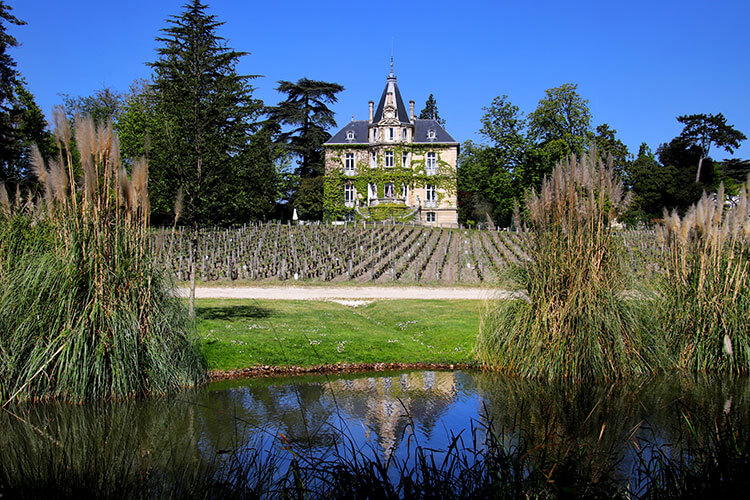
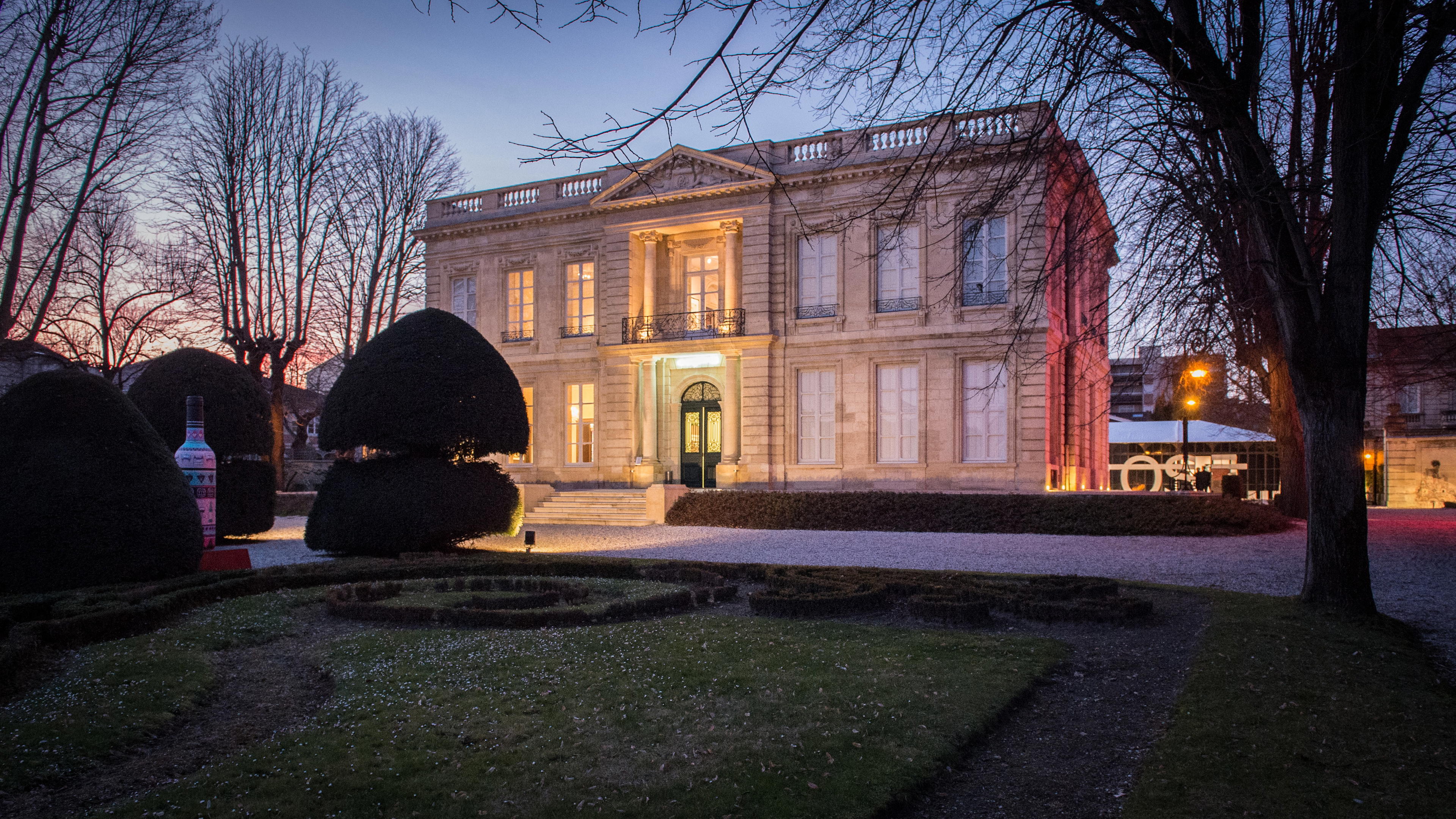
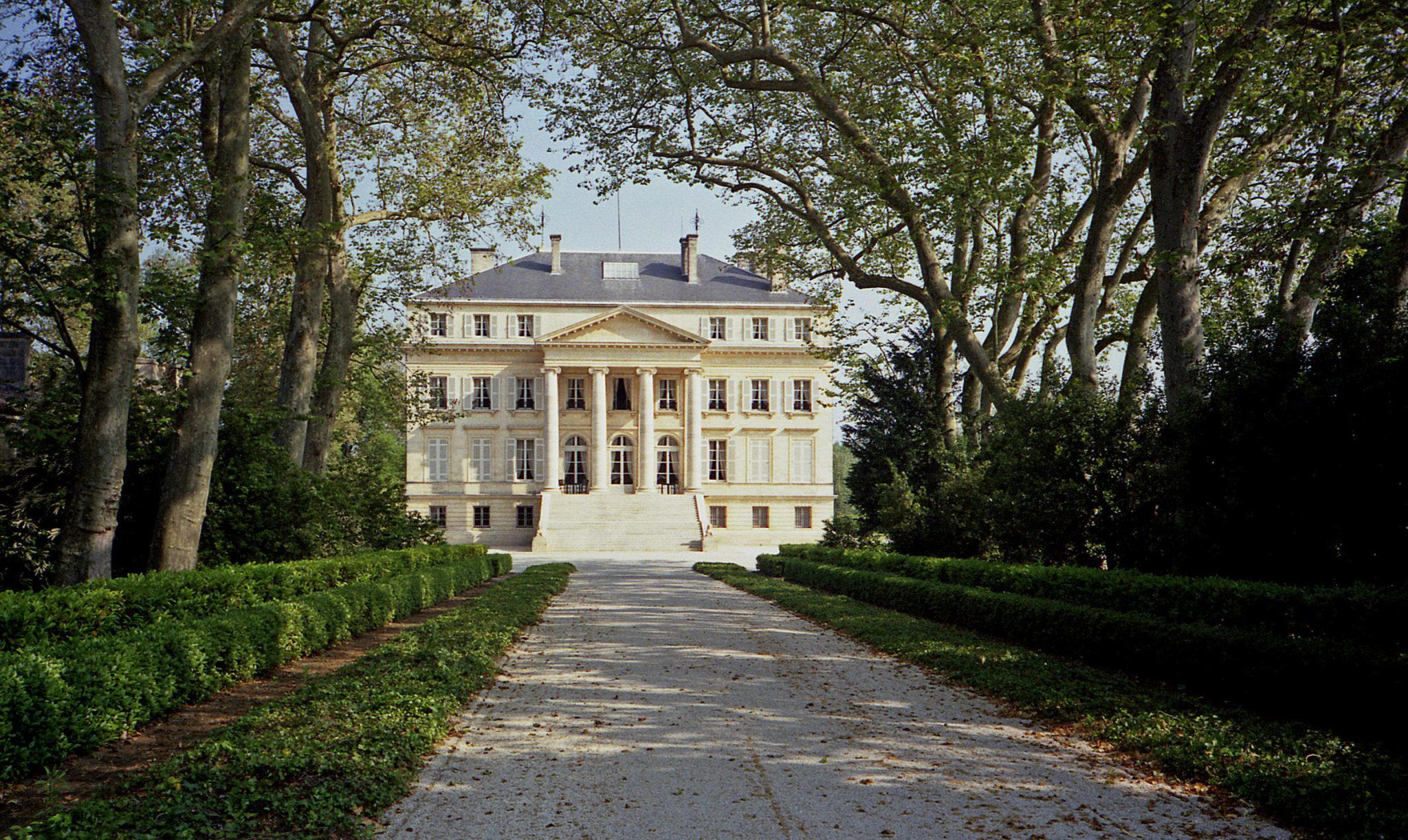
Wineries in Pessac
All wineries in Pessac →
Bars in Pessac
Browse all →
Restaurants in Pessac
Browse all →
Details
- Classic
- Elegant
- Sophisticated
- Well Known
- Wine Education
- Special Occasion
- Vineyard Tour
- Historic Building
- Estate Grounds
- Vineyard
- Garden
- Cabernet Sauvignon
- Merlot
- Cabernet Franc
- Petit Verdot
- Semillon
- Sauvignon Blanc
- Still Red
- Still White
- Cave Tasting
- Private Tasting
- English
- French
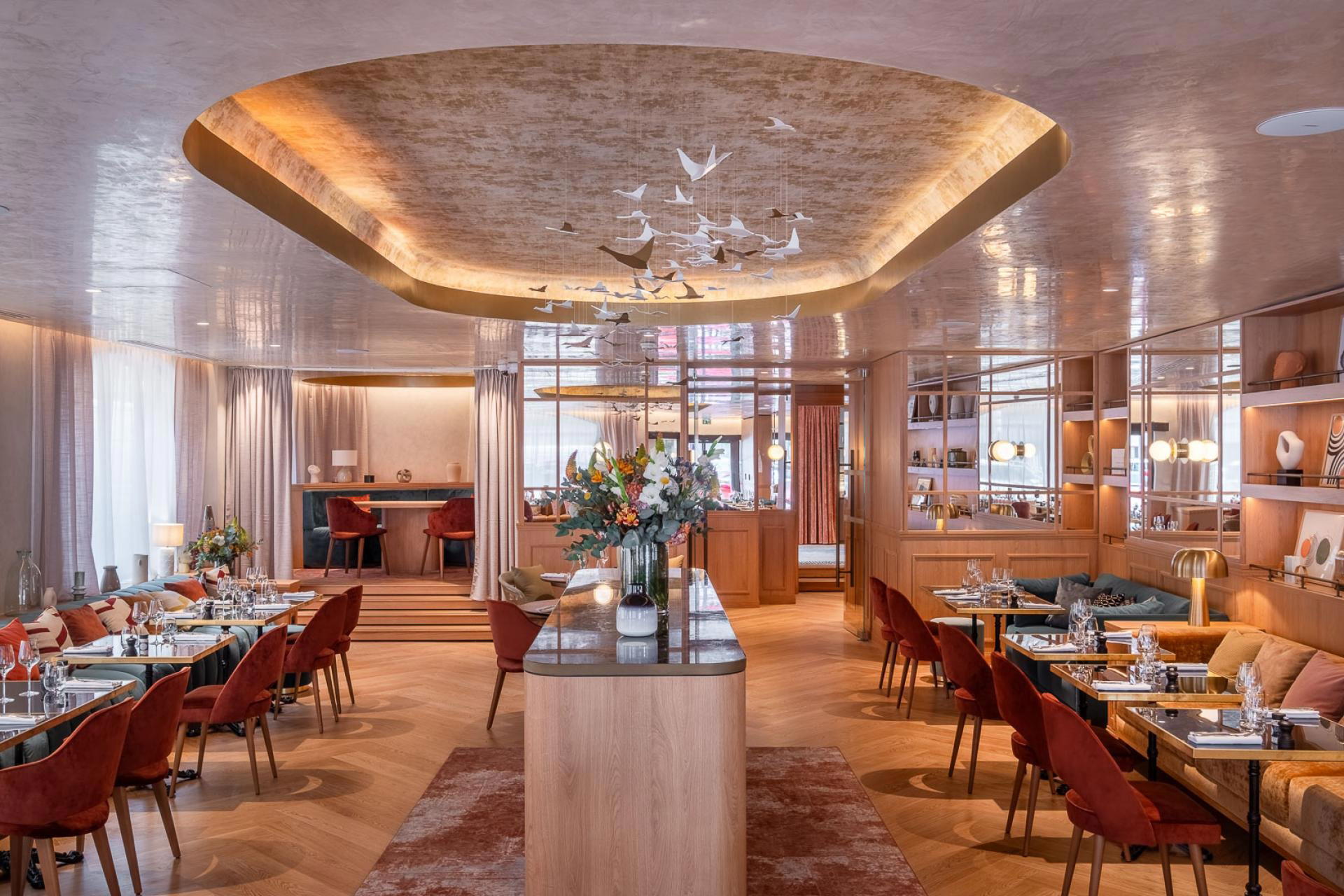
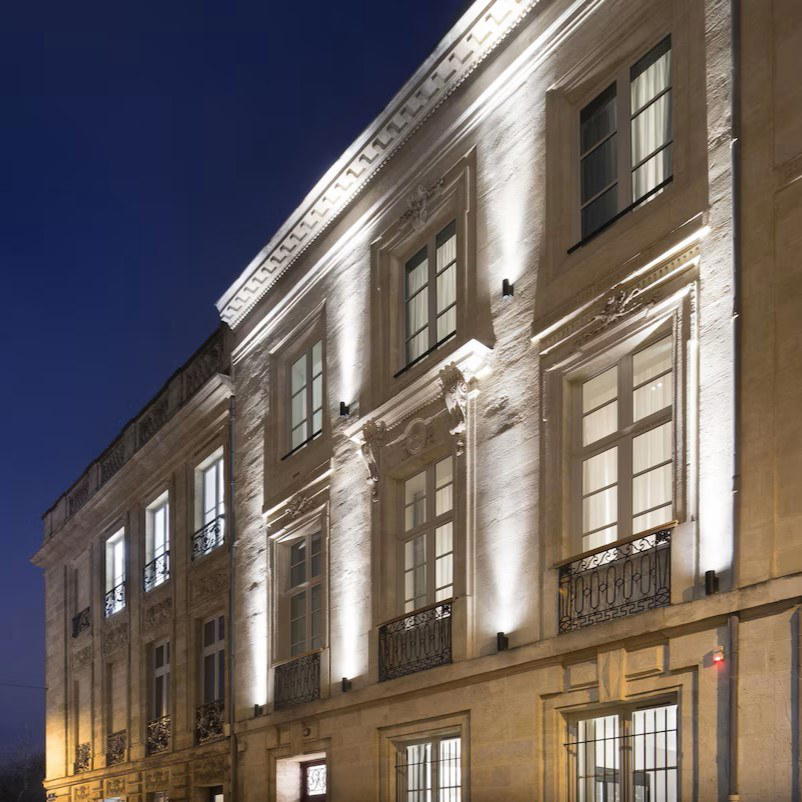
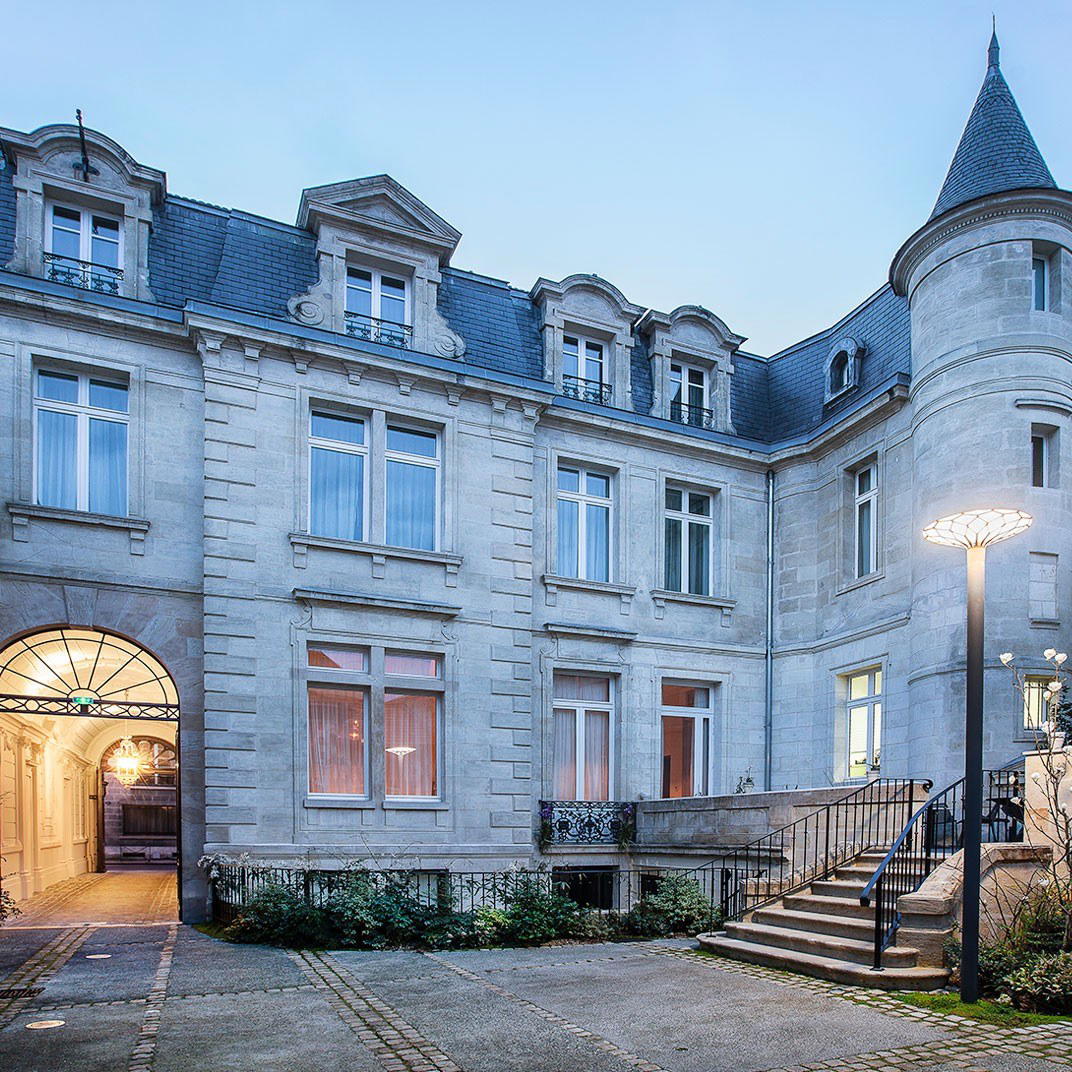
Historic and elegant atmosphere in a renovated chateau surrounded by ancient vineyards.