

World's 50 Best #27 · Falstaff Winery - 4 Stars
A Pessac estate with roots stretching to the eighth century, Château Pape Clement draws its name from Pope Clement V, one of its former owners.. Consultant winemaker Jean-Philippe Fort oversees the cellar programme.

Pearl is the En Primeur Club membership app — saves, bookings, and concierge access live there. Same editors, same standards.
- Address
- 216 Av. Dr Nancel Penard, 33600 Pessac
- Phone
- +33 5 57 26 38 38
- Website
- chateau-pape-clement.fr
- Directions
- Get directions
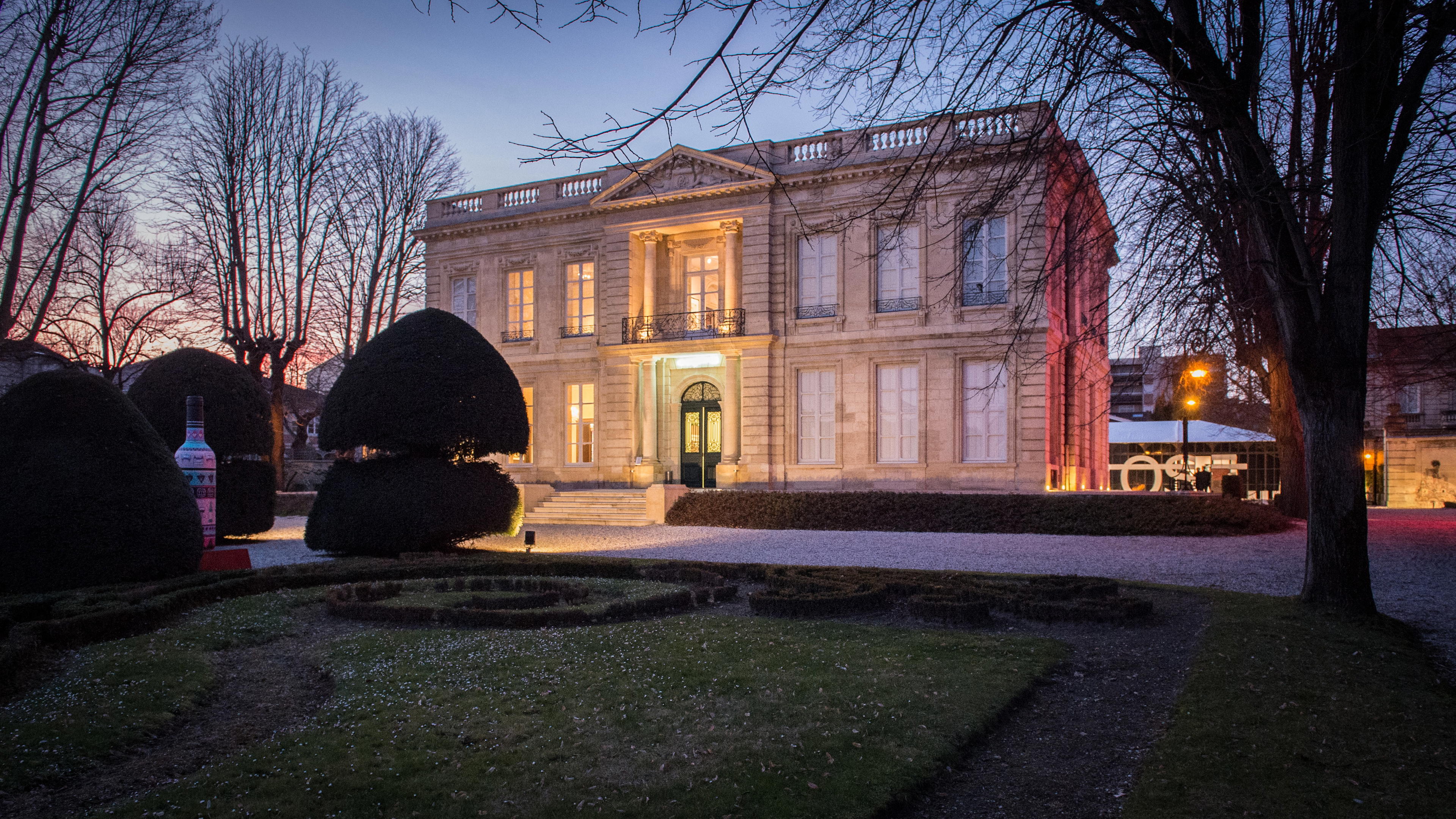
Eight Centuries of Vines in the Suburbs of Bordeaux
The approach to Château Pape Clément along the Avenue du Docteur Nancel Penard in Pessac puts the age of this estate in immediate physical perspective. Millennial olive trees line the grounds, their gnarled trunks marking centuries of continuous cultivation in what is now effectively the southern edge of the Bordeaux urban agglomeration. This is not a rural estate reached by country roads; it sits within a city, which makes the density of living history here all the more striking. For a wine region where provenance is currency, few properties can match the documentary record that attaches to this one.
The estate takes its name from Bertrand de Got, Archbishop of Bordeaux, who became Pope Clement V in 1305 and is recorded among the property's former owners. That papal lineage places Château Pape Clément within a very small group of Bordeaux estates whose history predates the 1855 Classification entirely, a fact that shapes how the property positions itself relative to peers. While appellations such as Pauillac and Saint-Julien anchor much of Bordeaux's critical prestige, the Pessac-Léognan appellation — and Graves more broadly — carries a different kind of authority: older vines, gravel-dominant soils, and a track record that runs centuries ahead of any modern classification system. Neighbours such as Chateau Haut-Brion and Domaine Clarence Dillon occupy the same terroir, and the competitive set here is genuinely historic.
The Tasting Experience: Format, Range, and the Logic Behind It
What distinguishes a visit to Château Pape Clément from a standard cellar door drop-in is the structure of its experience programme. Tastings here take several forms, each calibrated to a different level of engagement: from introductory sessions that walk visitors through the fundamentals of tasting and service, to more involved formats covering blending technique and food pairing. The property leans into education without making it didactic, which is a balance that better Bordeaux estates have learned to strike after years of watching visitors leave more confused than when they arrived.
The technology layer is a notable feature of the garden component. Tablet and smartphone-guided tours allow visitors to move through the estate at their own pace while receiving contextual information tied to specific points in the landscape. This is not a gimmick bolted onto a traditional format; it reflects a broader shift among premium wine estates toward visitor experiences that can accommodate different learning styles and languages without requiring a dedicated guide for every group. For a property of this scale and age, it is a practical solution that extends access without diluting the material.
The grounds themselves reward unhurried attention. The olive trees that appear in the estate's own descriptions are among the most visually arresting elements of the visit, offering a Mediterranean counterpoint to what most visitors expect from a Bordeaux winery. Walking the gardens before a tasting sets a particular kind of attention, slower, more observational, that tends to carry over usefully into the glass.
Consultant Winemaking and the Graves Tradition
Jean-Philippe Fort serves as consulting winemaker at Château Pape Clément, a role that places him within a well-established Bordeaux tradition of high-profile oenological consultancy. The use of a consultant at this level is standard practice among classified and prestige-tier Bordeaux estates; it does not indicate absence of in-house expertise but rather a particular model of oversight that separates day-to-day vineyard and cellar management from top-level stylistic direction. The wines produced under this model at Pessac-Léognan properties tend to track closely with the appellation's characteristic expression: structured reds built primarily on Cabernet Sauvignon and Merlot, and whites of considerable ageing potential from Sauvignon Blanc and Sémillon blends.
Within the broader Bordeaux right and left bank comparison that preoccupies many collectors, Pessac-Léognan sits on the left bank geographically but operates with a distinct identity. The gravel and clay soils here differ from the Médoc's more uniform gravel ridges, and the appellation produces serious white Bordeaux alongside its reds, a category that estates such as Château Batailley in Pauillac and Château Branaire Ducru in St-Julien do not produce at comparable scale. That dual-register output, reds and whites of equal ambition, is part of what makes Graves and Pessac-Léognan a more complex proposition for visitors than single-varietal or single-colour appellations.
Recognition and Where It Places the Estate
For travellers comparing options across Bordeaux's many appellations and estates, that kind of external benchmark provides useful orientation.
Across Bordeaux and the broader French wine regions, estates at this recognition level tend to offer structured programmes rather than ad hoc tastings, invest in their physical environments, and position the visit as a half-day commitment rather than a quick pour-and-go. Comparable estates elsewhere in France, such as Albert Boxler in Niedermorschwihr in Alsace or Château Bastor-Lamontagne in Preignac in Sauternes, operate within different appellation contexts but share the same orientation toward considered visitor engagement over volume throughput.
Pessac, the Appellation, and How to Approach a Visit
Pessac is a commune that most Bordeaux visitors pass through rather than stay in, its wine-producing identity somewhat obscured by its status as a southern suburb of the city. That suburban setting, counterintuitively, makes Château Pape Clément one of the more accessible major estates in the region. Visitors based in central Bordeaux can reach it without a hire car if necessary, and its proximity to the city means that a morning tasting can slot naturally into a broader Bordeaux day rather than requiring a dedicated excursion. For travellers who want to build a regional picture, pairing a visit here with time at Château Bélair-Monange in Saint-Emilion or Château Clinet in Pomerol covers both major left and right bank expressions in a single day from the city. See our full Pessac restaurants guide for further planning context in the area.
Beyond Bordeaux, visitors who approach wine travel thematically rather than geographically might also consider how Château Pape Clément fits into a longer itinerary of historically significant European producers. The estate's papal provenance and estate-age place it in a category of properties, alongside sites like Chartreuse in Voiron, where the documentary history of the place is as much the visit as the product itself. For producers with a different kind of heritage anchor, Aberlour in Aberlour or Accendo Cellars in St. Helena offer useful contrasts in how heritage is framed and communicated to visitors.
On the practical side, the estate is located at 216 Avenue du Docteur Nancel Penard, Pessac. Contact and booking information is best confirmed directly through current estate channels, as hours and programme availability vary seasonally. Given the range of tasting formats on offer, it is worth arriving with a clear sense of which type of experience you want, the difference between a standard tasting and a blending session is significant in both time commitment and what you take away from it. The garden tours, given their technology-assisted format, can run concurrently with or separately from the tasting programme depending on the visit structure chosen. For context on comparable estates across the Médoc, Château Boyd-Cantenac in Cantenac, Château Cantemerle in Haut-Médoc, and Château d'Arche in Sauternes represent the range of formats and price tiers available across a serious Bordeaux visit programme.
Category Peers
Comparable venues nearby, for context on price, style, and recognition.
| Venue | Cuisine | Price | Awards | Notes |
|---|---|---|---|---|
| Château Pape ClementThis venue — the venue you are viewing | Cabernet Sauvignon, Merlot | Not listed | World's 50 Best #27 · Falstaff Winery - 4 Stars | Not listed |
| Chateau Haut-Brion | Cabernet Sauvignon, Merlot | Not listed | Michelin 2 Grapes · World's 50 Best #35 | Pessac |
| Domaine Clarence Dillon | Merlot, Cabernet Sauvignon | Not listed | Not listed | Pessac |
| Chateau Mouton Rothschild | Cabernet Sauvignon, Merlot | $50–100 | Michelin 2 Grapes · World's 50 Best #22 | Pauillac |
| Château Margaux | Cabernet Sauvignon, Merlot | Not listed | Michelin 2 Grapes · World's 50 Best #3 | Margaux |
| Château Pichon-Longueville-Baron-de-Pichon | Cabernet Sauvignon, Merlot | Not listed | Michelin 2 Grapes · World's 50 Best #60 | Pauillac |
Recognition history
Dated appearances from independent guides and award organizations, with the underlying list record or original source where available.
World's 50 Best Vineyards #27
World's 50 Best
Falstaff Winery - 4 Stars
Falstaff
Full recognition history (5 entries)
World's 50 Best Vineyards #21
World's 50 Best
World's 50 Best Vineyards #19
World's 50 Best
World's 50 Best Vineyards #26
World's 50 Best
Continue exploring
More in Pessac
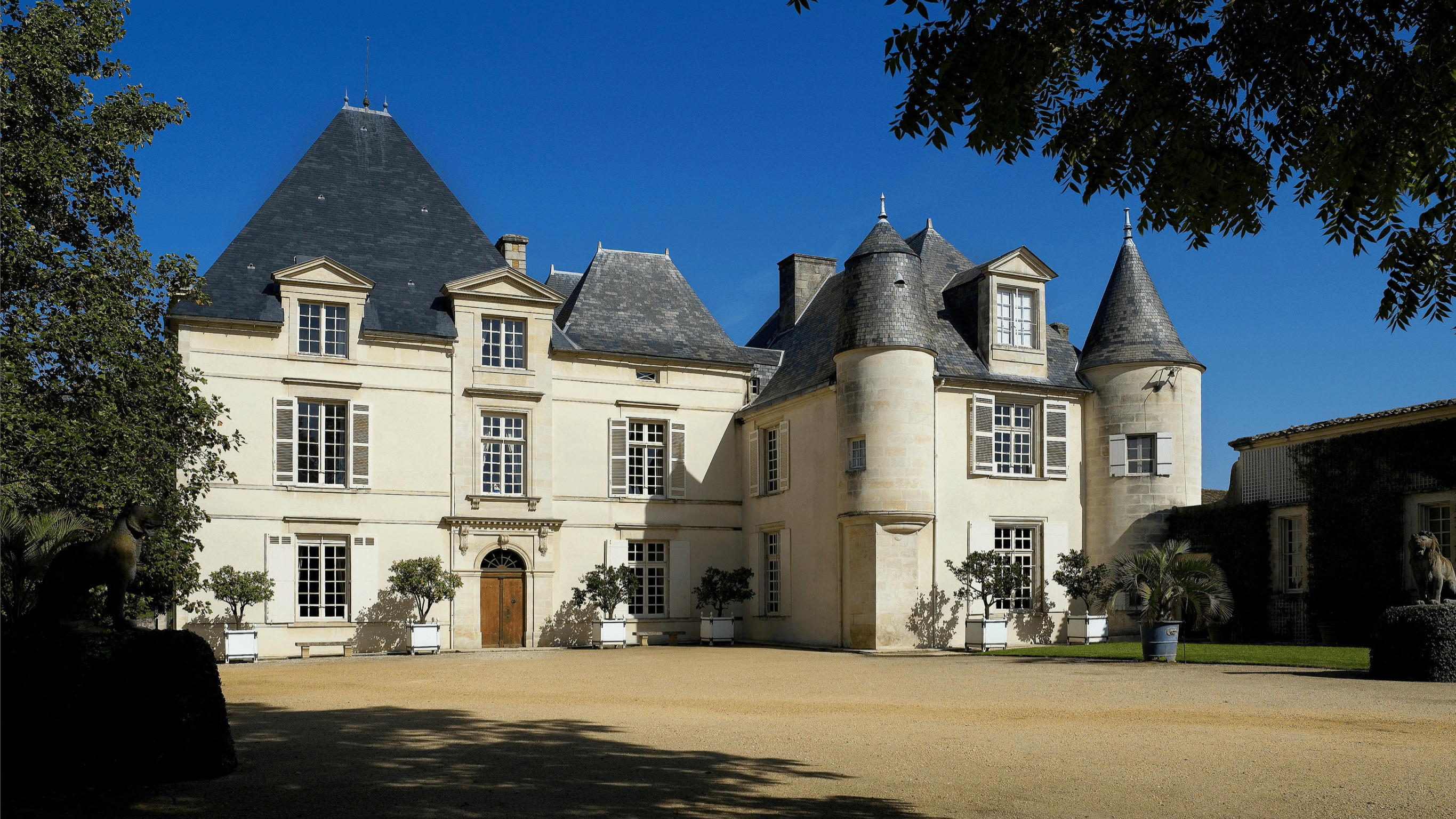
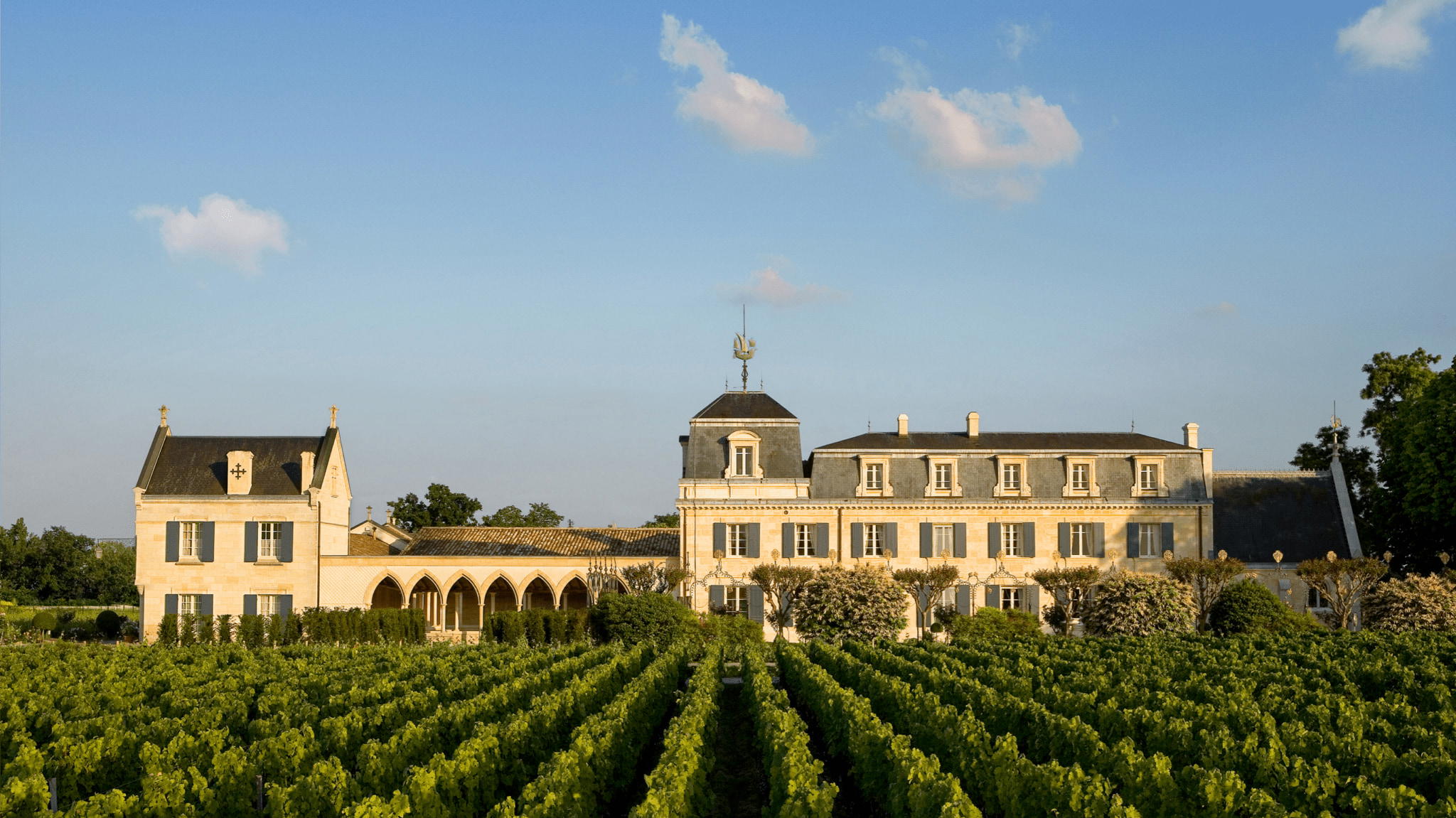
Wineries in Pessac
Browse all →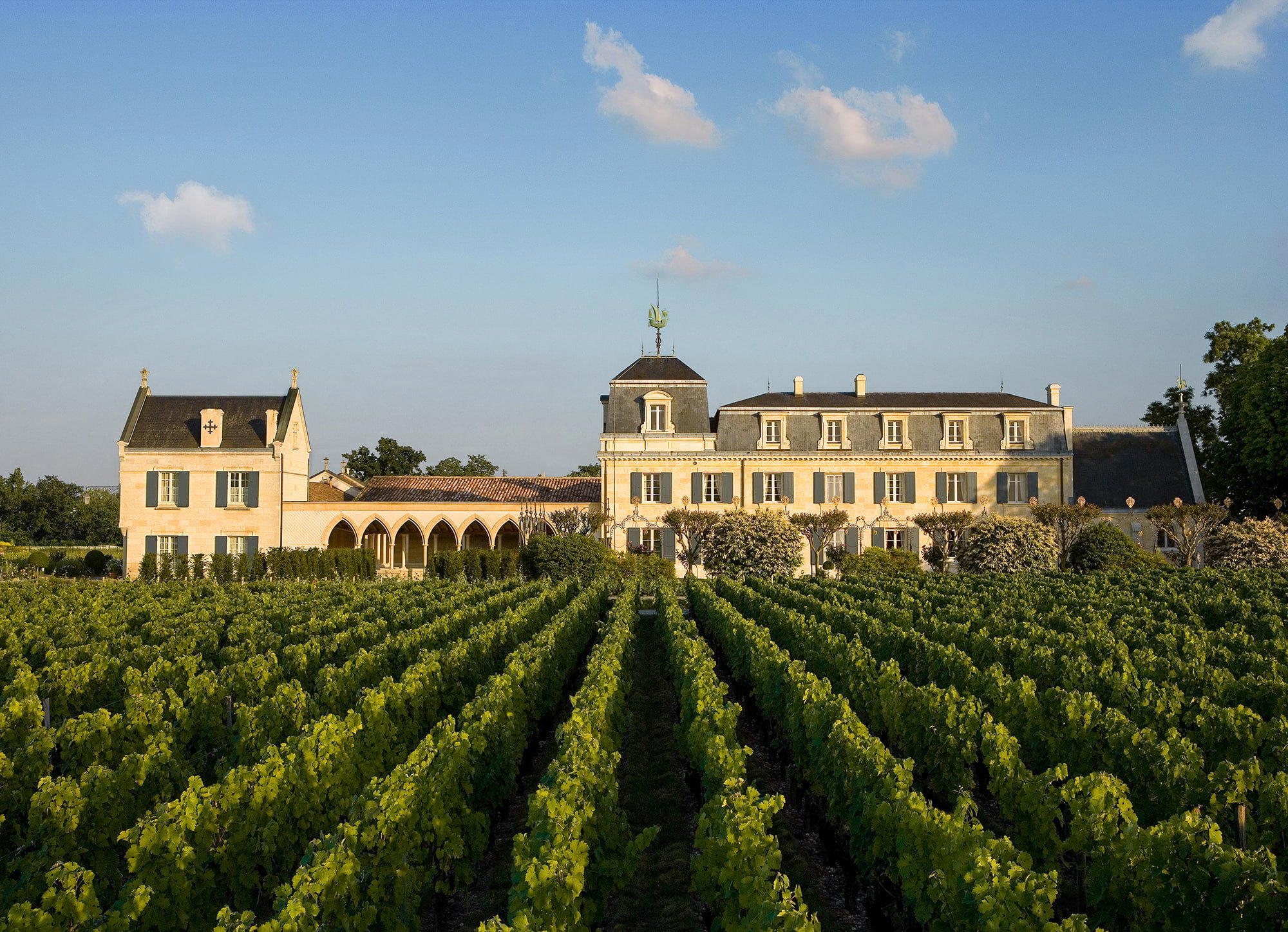
Bars in Pessac
Browse all →
Restaurants in Pessac
Browse all →
Details
- Classic
- Elegant
- Sophisticated
- Historic
- Well Known
- Wine Education
- Special Occasion
- Vineyard Tour
- Barrel Room
- Historic Building
- Estate Grounds
- Vineyard
- Garden
- Cabernet Sauvignon
- Merlot
- Petit Verdot
- Cabernet Franc
- Sauvignon Blanc
- Sémillon
- Muscadelle
- Still Red
- Still White
- Cave Tasting
- Barrel Room
- English
- French
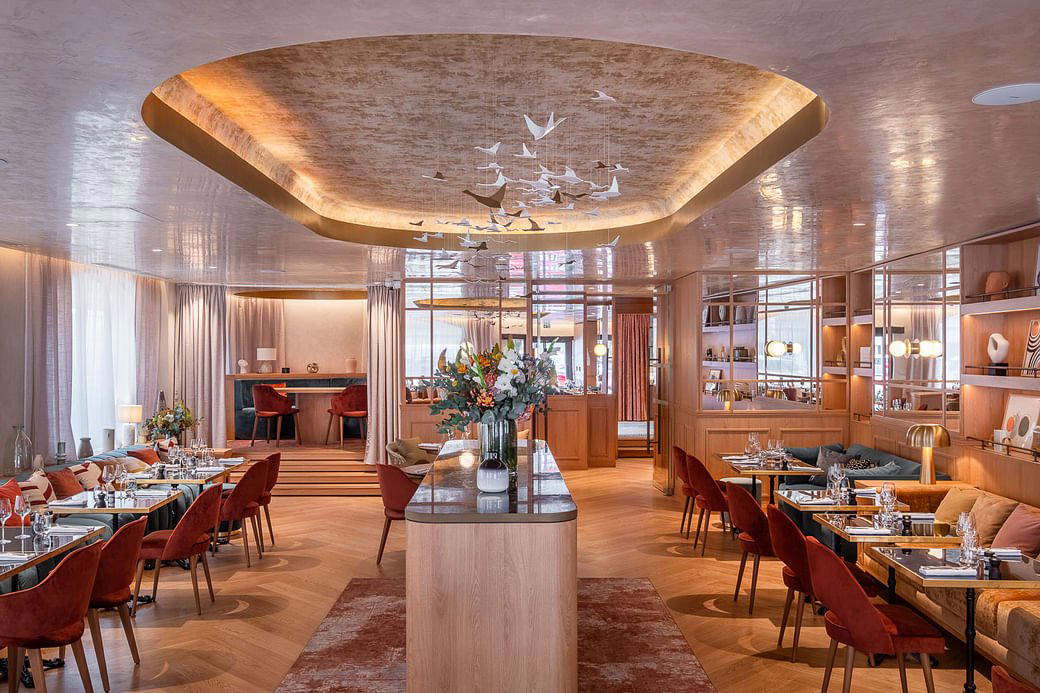
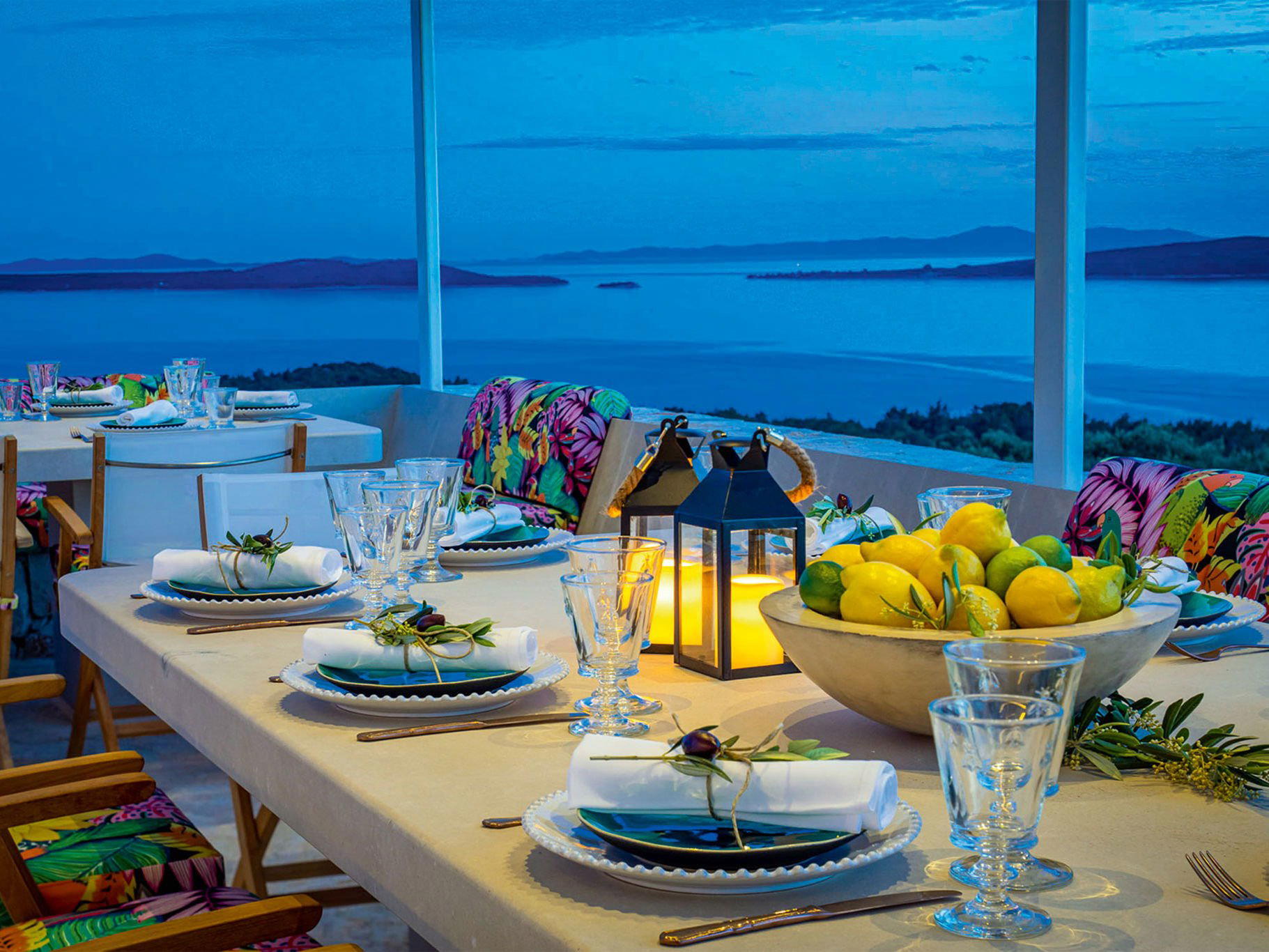
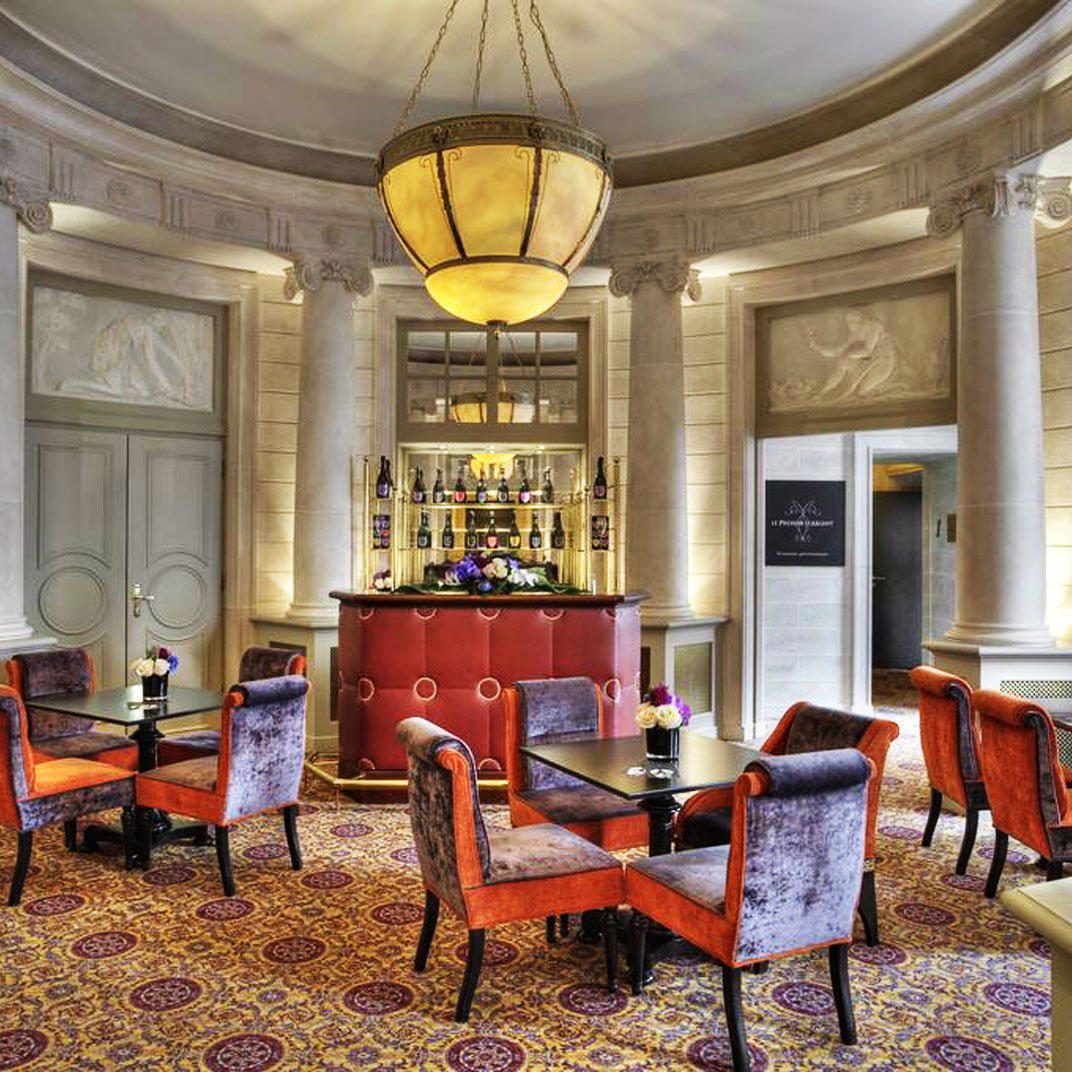
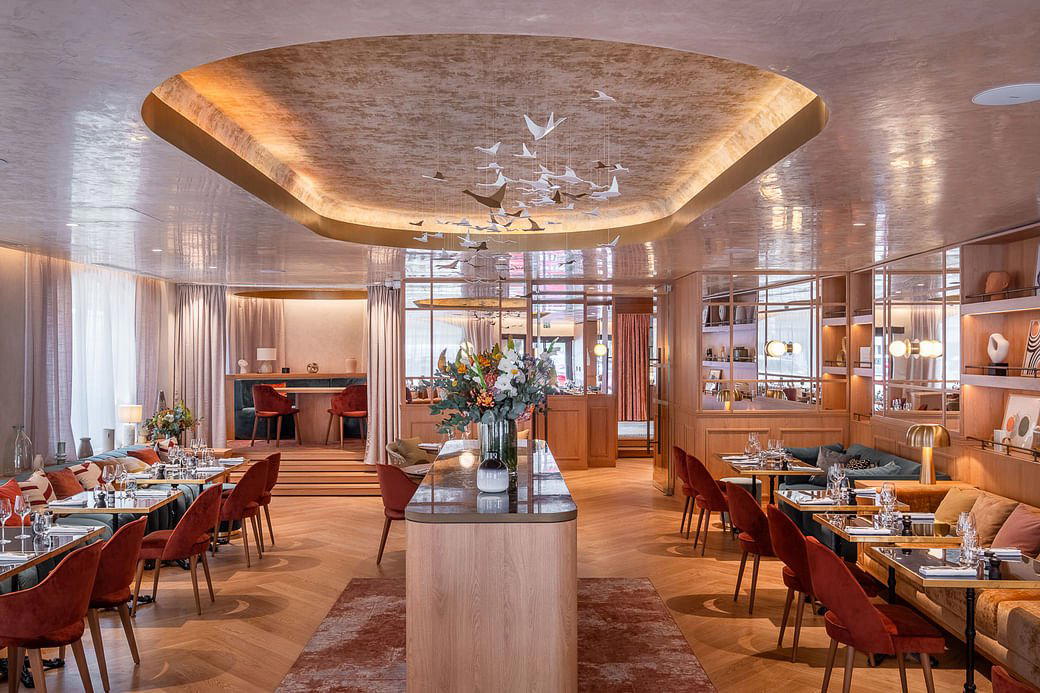
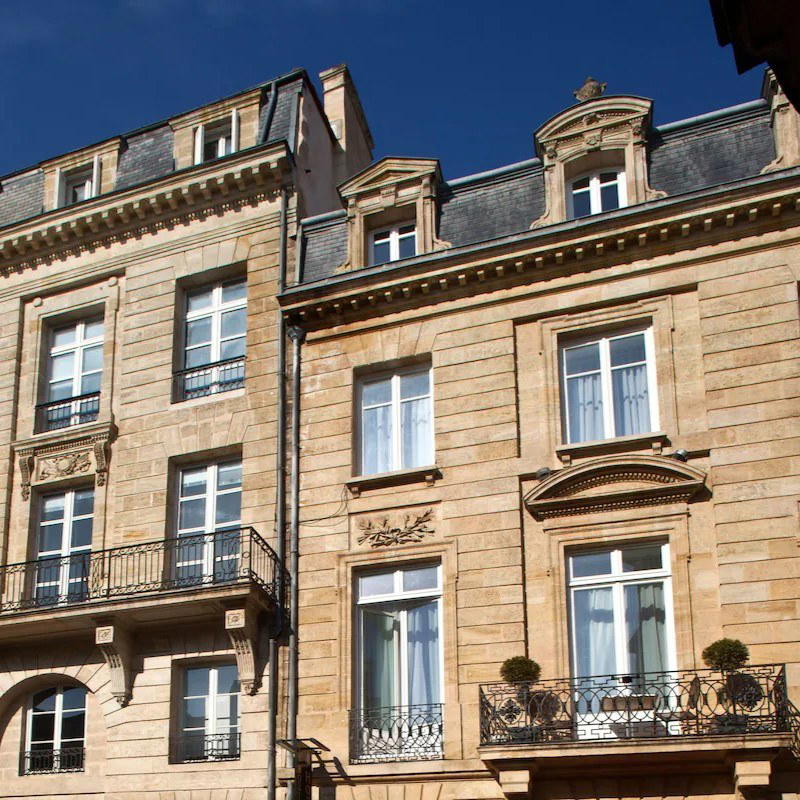
Elegant historic estate with beautiful park-like grounds, architecturally significant chateau, and refined tasting rooms evoking centuries of winemaking heritage.