1
Sapporo, Japan

〇鮨
〇鮨 runs Hokkaido Sushi Omakase at a chefs counter with a sake program and quiet, leisurely dinner pacing; Tabelog 100 #20 in 2025 adds context.
Results
Sapporo, Japan
〇鮨 runs Hokkaido Sushi Omakase at a chefs counter with a sake program and quiet, leisurely dinner pacing; Tabelog 100 #20 in 2025 adds context.

Tokyo, Japan
à nu Shohei Shimano places French cooking inside Ginza’s exacting dining culture, where classical technique is judged by restraint rather than ceremony. Chef Shohei Shimono’s restaurant appears on Opinionated About Dining’s 2026 Japan Recommended list, a useful signal for diners tracking Tokyo’s smaller, technique-led French rooms beyond hotel dining and grand tasting-menu theater.

Tokyo, Japan
A Hiroo address on Tokyo's French dining circuit, Shohei Shimano has tracked steadily upward on Opinionated About Dining's Japan rankings — from Highly Recommended in 2023 to #355 in 2024 and #437 in 2025. Chef Shohei Shimono runs a French kitchen in a residential pocket of Shibuya, operating at a remove from the Marunouchi and Ginza concentration of the city's top Western tables.

Toyama, Japan
Zenyuutei occupies a quiet address in Toyama's Shiroganecho district, where the meal follows a considered, unhurried pace rooted in regional Japanese dining tradition. The kitchen draws on Toyama's notable seafood and mountain produce, placing it within the city's small tier of formal dining rooms. Visitors seeking an alternative to Toyama's izakaya circuit will find a more structured, ritual-led format here.
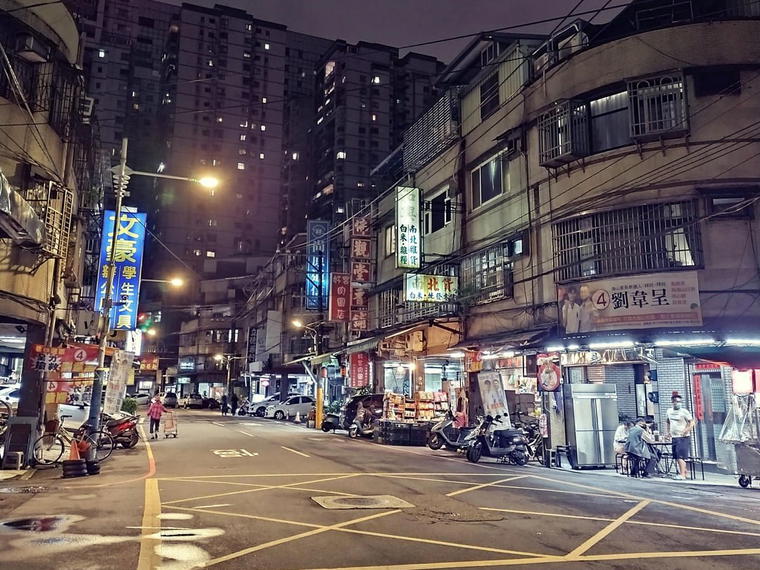
Banqiao District, Taiwan
大碗公園歸雁餐 sits along Siwei Road in Banqiao District, representing the kind of neighbourhood dining that anchors New Taipei City's less-documented food corridors. With no awards data on file and limited digital presence, it operates outside the formal review circuit — the sort of place that sustains a local following through consistency rather than visibility. Travellers exploring beyond central Taipei will find this district rewards patience.

Osaka, Japan
ç §å± serves luxury Japanese à la carte in Osaka Shi, with a chef’s counter, a sake program, and a quiet, leisurely pace that suits dinner plans.

Tokyo, Japan
In a third-floor Nishihara space that merges tearoom and Western salon, çayca pairs a live matcha ceremony with French-trained dessert plating. A tea practitioner and a patissière jointly run each sitting, assembling layered composed desserts — fruit, citrus, vinegar, contrasting textures — directly in front of guests. The format sits at a niche intersection of Japanese tea culture and French confectionery discipline that has almost no direct peers in Tokyo.

Tainan, Taiwan
Located in Rende District on the southern edge of Tainan, this venue sits within a part of the city where community ritual and the pace of a meal still carry social weight. The address on Kunlun Road places it outside the historic core, in a register of Tainan dining that rewards the effort of getting there. For context on the wider Tainan scene, see our full restaurant coverage.

Okayama, Japan
A counter-format sushi establishment in the residential Heiwacho district of Okayama's Kita Ward, 鮨 粋 operates within the specialist omakase tier that defines serious regional sushi culture in Japan. Its location at a remove from tourist circuits, close to the Seto Inland Sea's notable seafood supply chain, positions it for guests who approach counter dining as a structured ritual rather than a casual meal.

Tokyo, Japan
A Yoyogi-based sushi counter operating under Chef Kazunori Maeiwa, élan vital has climbed from OAD-recommended status in 2023 to a ranked position in the 2025 Opinionated About Dining Top Restaurants in Japan list. The counter holds a 4..
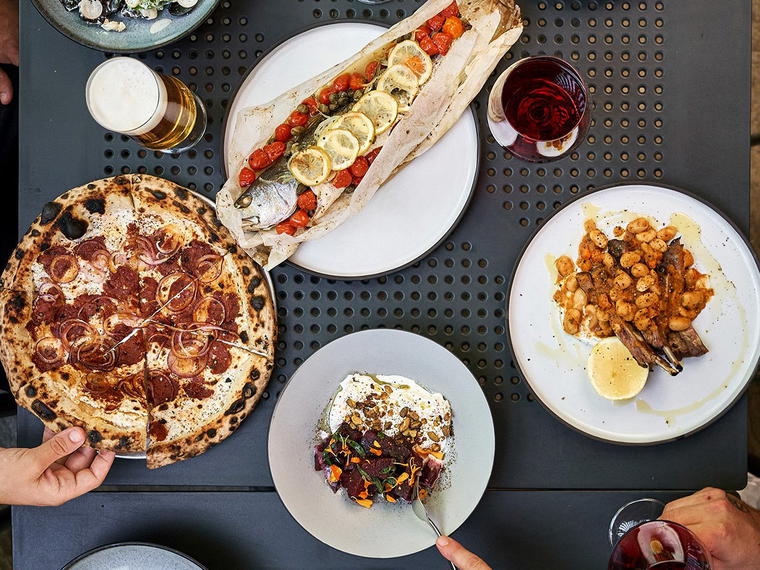
Cape Town, South Africa
ëlgr pairs Nordic-inspired global small plates with a sommelier-led wine list and craft cocktails at 75 Kloof St, with courtyard and garden seating for leisurely dinner.

Madrid, Spain
On the 33rd floor of Torre Emperador Castellana, Élkar occupies one of Madrid's more deliberately positioned dining addresses, placing guests above the Paseo de la Castellana with the city grid spread below. The format sits within Madrid's growing tier of destination restaurants where altitude and atmosphere are as much part of the proposition as the plate. A reservation here requires advance planning — walk-in access is limited at this level of the market.

Vienna, Austria
On Schottenring, one of Vienna's grand Ringstrasse-adjacent boulevards, Émile occupies a position that rewards those who take the time to look beyond the city's more loudly celebrated dining rooms. The address places it inside the first district, where the ritual of the meal still carries weight and the room tends to set the tempo before the food arrives.

Osaka, Japan
Épais Coup puts Osaka tonkatsu into a tighter, more specialist register: six counter seats, Tabelog 100 Tonkatsu selections in 2022, 2024, and 2026, and a price band that sits above everyday cutlet shops without drifting into formal dining. The wine attention is the useful signal here, placing pork cutlet in conversation with shochu, cocktails, and a more considered drinking culture.

Trois Rivieres, Canada
Épi, Buvette de Quartier holds a 2025 Michelin Plate at a mid-range price point on Rue Radisson, placing it among the more credentialed neighbourhood tables in Trois-Rivières. The modern cuisine format reads as a serious kitchen operating with neighbourhood bistro scale — precisely the combination Michelin's Plate category is designed to recognise. A 4., not a single strong season.

Besançon, France
Épicéa holds a Michelin Plate (2025) and a 4., positioning it among Besançon's more credentialed modern cuisine addresses. Located on Rue Claude Pouillet in the city centre, it operates at the €€€ price point — a tier that in this city signals serious kitchen ambition rather than casual neighbourhood dining. For visitors tracking France's regional fine dining circuit, it warrants attention.

Shanghai, China
A Michelin Plate-recognised French Contemporary address in Shanghai's Huangpu district, Épices & Foie Gras holds a 4.. The name signals its register plainly: spice-forward saucing and foie gras as a recurring structural element, pitched at the ¥¥¥ tier where Shanghai's mid-to-upper French market is most competitive.

Miyakojima, Japan
État d'esprit treats French technique as a frame for Miyakojima’s island pantry rather than as imported ceremony. The draw is modern Okinawan cooking rooted in local foods and flavors, useful for travelers who want the region read through produce, seafood, and restraint rather than resort-dining gloss.
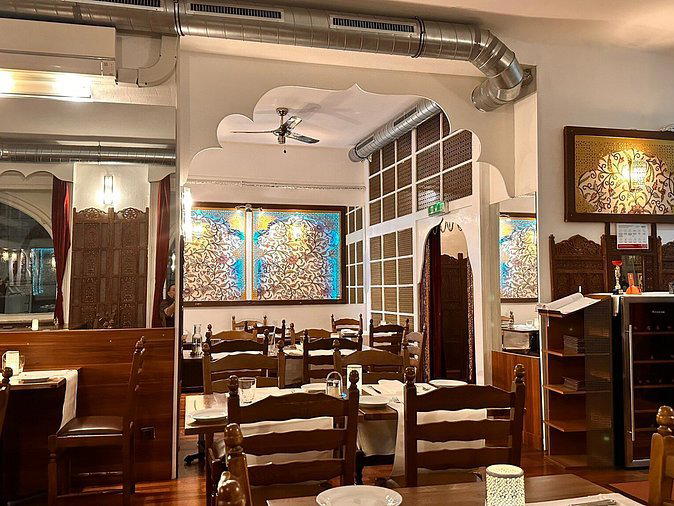
Osaka, Japan
A Michelin Plate-recognised French table in Osaka's Uemachi district, Être à l'aise operates as a husband-and-wife venture where classic French technique — duck, lamb, patiently built consommé — meets a dedicated wine programme shaped by the sommelier at front of house. The format is intimate, the cooking rooted in rich sauce work, and the overall register closer to a serious neighbourhood bistro than to Osaka's trophy-dining tier.

Paris, France
Few restaurants in the 18th arrondissement capture the spirit of Greek taverna culture as directly as étsi - l'ouzeri, the second address from French-Greek chef Mikaela Liaroutsos. Built around shared mezes, traditional music, and the kind of ouzo-forward hospitality that feels borrowed from an Aegean port, it occupies a neighbourhood niche that the grand brasseries of central Paris cannot fill.

Montréal, Canada
Île Flottante holds a Michelin Plate (2025) and a 4., positioning it among the more critically regarded modern cuisine addresses in the Mile-End. Sitting on Saint-Viateur West, it operates at the upper end of the neighbourhood's dining tier, offering a format that rewards patience and attention rather than casual drop-ins.

Bangkok, Thailand
ÎNT is a Thai contemporary restaurant on Sukhumvit Soi 20, Bangkok, awarded a Michelin Plate in 2025. Priced at ฿฿฿, it sits in a competitive mid-tier bracket beneath the city's starred contemporary Thai houses, offering a considered approach to the cuisine at a lower entry point. Rated 4.6 on Google across 78 reviews.

Izmir, Turkey
On a working Sauvignon Blanc estate in the Menderes district south of İzmir, İsabey Bağevi pairs Mediterranean cooking with estate-grown wine beneath a plane tree that has stood for more than 350 years. The kitchen's lamb-forward dishes and squid preparations earned a Michelin Plate in 2024, placing it inside a small cohort of Aegean estate restaurants where the provenance of ingredients is inseparable from the menu. The ₺₺ pricing sits a tier below starred neighbours, making it one of the more accessible entry points into Aegean wine-estate dining.

Warsaw, Poland
Warsaw's contemporary bistro where maple-glazed oyster mushrooms meet labneh and dill on a concise menu that draws from Mediterranean and Levantine traditions while nodding to Polish elements. The minimalist interior and colourful, texture-driven plates reflect the globetrotting ethos of modern Warsaw dining—fresh contrasts on every plate.

Amsterdam, Netherlands
ô Bistro sits on Lindengracht in Amsterdam's Jordaan neighbourhood, recognised by Star Wine List with a White Star for the quality of its wine program. The address places it inside one of the city's most food-serious residential streets, where the dining register tends toward considered neighbourhood cooking rather than destination spectacle.

Paris, France
Ô Château occupies a handsome address in Paris's 1st arrondissement, earning a White Star recognition from Star Wine List in December 2021. The address on Rue Jean-Jacques Rousseau places it within one of central Paris's most historically layered neighbourhoods, making it a considered choice for occasion dining where wine is as central to the experience as the food.
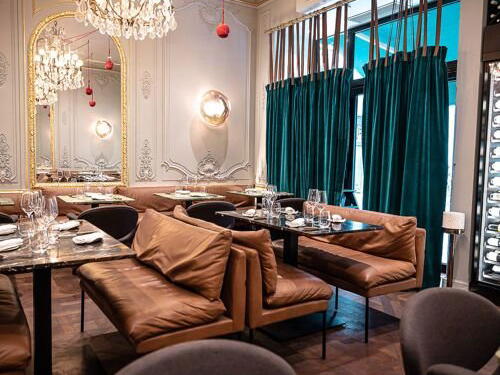
Dissay, France
Ô Dissay holds a Michelin Plate for 2024 and 2025, placing it among the recognized modern cuisine addresses in the Vienne department, north of Poitiers. The kitchen works in a register where ingredient provenance tends to drive the menu architecture. At €€€ pricing on the N10 corridor, it represents the serious end of the local dining scene without the formality of a starred house.

Saint-Brieuc, France
Ô Saveurs holds a Michelin Plate (2025) and a 4., placing it among the more credentialled modern cuisine addresses in Saint-Brieuc's mid-range bracket. Located on Rue Jules Ferry, it offers a level of kitchen precision that its €€ pricing rarely signals in advance. For travellers working through Brittany's interior, it earns serious attention.

Copenhagen, Denmark
Øens Have occupies Refshalevej's repurposed industrial fringe, growing much of its produce in an attached kitchen garden and building its menu around open-fire vegetables with minimal intervention. The kitchen leans heavily on butter and dairy, which rewards vegetarians but leaves vegans with limited options.

Kristinehamn, Sweden
Set within a historic Swedish country parsonage in Värmland, Ölme Prästgård Gästgiveri occupies the older tradition of Swedish gästgiveri — inn-keeping with roots in the land. The surrounding countryside shapes what reaches the table, and the setting positions it within a small but serious tier of rural Swedish hospitality that prizes provenance over spectacle. For travellers moving through the Kristinehamn region, it offers a grounded alternative to urban fine dining.

Osaka, Japan
A Spanish-inflected restaurant in Osaka's Fukushima district, Óptimo works across tapas, à la carte, and prix fixe formats to suit different moods and group sizes. Crab gratin, slow-simmered tripe and bean callos, and the rice dishes arroz meloso and arroz caldoso draw returning guests. The name translates as 'best' or 'ideal', and the format is designed to make that case on every visit.

Halkidiki, Greece
Ór.os Restaurant Menu in Pallini, Halkidiki earns recognition for creative cooking within the Greek seafood tradition, with a 4.. The kitchen works within a coastal idiom where raw preparation and fish-forward technique carry the menu. For visitors exploring the peninsula's dining scene, it represents a serious local option beyond the resort circuit.

Mór, Hungary
In the small wine town of Mór, Öreg Prés earns a 2024 Michelin Plate for traditional Hungarian cooking that takes the region's agricultural identity seriously. A practical anchor for anyone visiting Mór's wine cellars or the surrounding Transdanubian countryside.

es Secar de la Real, Spain
In a quiet residential square north of Palma's centre, Óseo earns its 2025 Michelin Plate with a concise, seasonal menu rooted in Mediterranean-Mallorcan produce. The kitchen's approach to olive oil, smoked vegetables, and local lamb places it firmly in the tradition of ingredient-led Balearic cooking, while a repeat-visitor policy — request a new menu in advance and the kitchen obliges — points to something more considered than a standard neighbourhood restaurant.
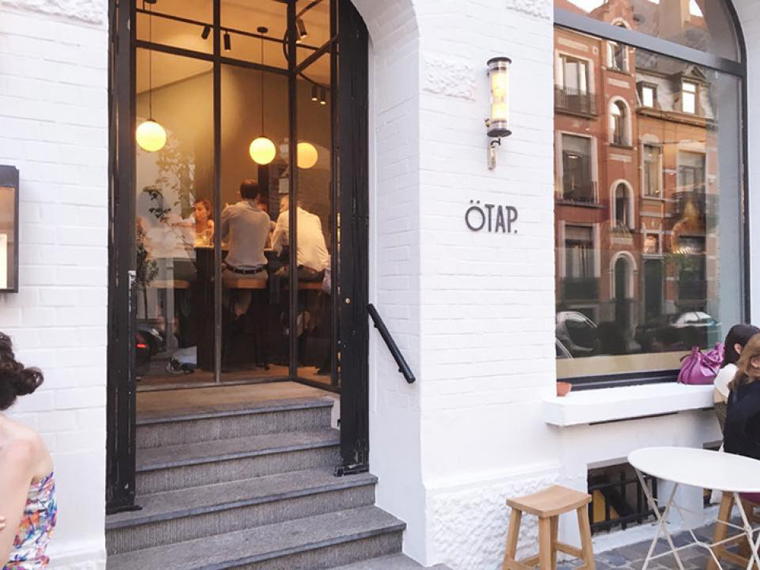
Brussels, Belgium
Status-check profile: Ötap at Place Albert Leemans 10, 1050 Brussels, Belgium has unresolved or unverified current status after a June 21, 2026 audit. Verify directly before planning a visit.

Katowice, Poland
Śląska Prohibicja on Krawczyka 1 brings traditional Silesian cooking into a setting that reflects the industrial architectural character of Katowice. The kitchen draws from the region's deep culinary traditions, serving dishes rooted in the coal-mining communities that shaped Upper Silesia's identity. For visitors wanting to understand what this city actually eats, it sits in a different register from Poland's modernist dining wave.

Poznań, Poland
ŻUK Restauracja on Warmińska in Poznań holds a White Star recognition from Star Wine List, placing it among the city's restaurants with a serious commitment to wine. The address puts it just south of the city centre, in a quieter residential stretch that filters out casual foot traffic and rewards deliberate diners. Expect a setting where the wine list does real editorial work alongside the kitchen.

Kyiv, Ukraine
Біголі sits on Klovskyi Descent in Kyiv's hilly government quarter, a neighbourhood where the city's institutional weight meets a growing dining scene. The restaurant draws from the pasta-forward tradition its name references, operating in a district that rewards those willing to step off the main tourist circuit. A reliable address for Kyiv diners who know the area.

Moscow, Russia
Krasota occupies a rarefied position among Moscow's modern Russian restaurants, earning 75 points in the La Liste Top Restaurants ranking for 2025. Situated in Romanov Pereulok, just off the historic centre, it represents the direction Moscow's most ambitious kitchens have taken: rooted in Russian produce and tradition, expressed through a contemporary lens.

Moscow, Russia
Probka na Cvetnom sits on Tsvetnoy Boulevard in central Moscow, operating at the intersection of Russian and European cooking traditions.

Sankt-Peterburg, Russia
Сад (Sad) earned a place on the 2025 La Liste Top Restaurants ranking with 75 points, signalling serious critical standing within St. Petersburg's Russian-European dining tier. Situated on Morskaya Naberezhnaya on Vasilyevsky Island, the restaurant occupies a quieter stretch of the city away from the historic centre's tourist density. It holds a 4..

Saraphi, Thailand
Located in Pa Bong, Saraphi District on the southern edge of Chiang Mai, กูกั๊บ แบคร้อย sits within a part of northern Thailand where village-scale food culture and agricultural proximity shape what ends up on the table. With limited data available, the editorial case for this address rests on its district context: Saraphi's food scene rewards those who look beyond the city's tourist corridor. See our full Saraphi guide for broader context.

Hatsukaichi, Japan
Situated at the Miyajimaguchi gateway in Hatsukaichi, アカイ occupies a position that few dining addresses in the Hiroshima prefecture can claim: immediate proximity to the ferry terminal that connects the mainland to Miyajima Island. The restaurant draws from a local dining culture shaped by oysters, anago, and the rhythms of pilgrimage tourism, placing it within a compact but competitive cluster of independent restaurants serving the island corridor.

Sapporo, Japan
アグリスケープ sits in Nishi Ward on Sapporo's western edge, positioning itself within Hokkaido's farm-to-table dining tradition at a remove from the city centre. The address — 177 Kobetsusawa — places it outside the dense restaurant corridors of Susukino and Odori, signalling a deliberate occasion-dining format that asks guests to make the journey. Detailed booking and menu information should be confirmed directly with the venue.

Wajima, Japan
In a city still rebuilding its identity after the 2024 Noto Peninsula earthquake, アユート occupies an address in Kawaimachi that speaks to Wajima's quiet culinary ambition. The restaurant sits within one of Japan's most ingredient-rich coastal zones, where Noto seafood, mountain vegetables, and artisanal producers have long supplied serious kitchens across the country. For the region's dining scene, it represents a local expression worth tracking.

Nagoya, Japan
アリーニュ occupies a precise address in Nagoya's Shinsakae district, where the city's appetite for technique-driven cooking meets a strong regional produce tradition. The restaurant positions itself within a tier of Nagoya dining that prizes imported culinary methods applied to local ingredients — a format increasingly common among the city's serious Western-influenced tables. Reserve well in advance; this is not a walk-in destination.
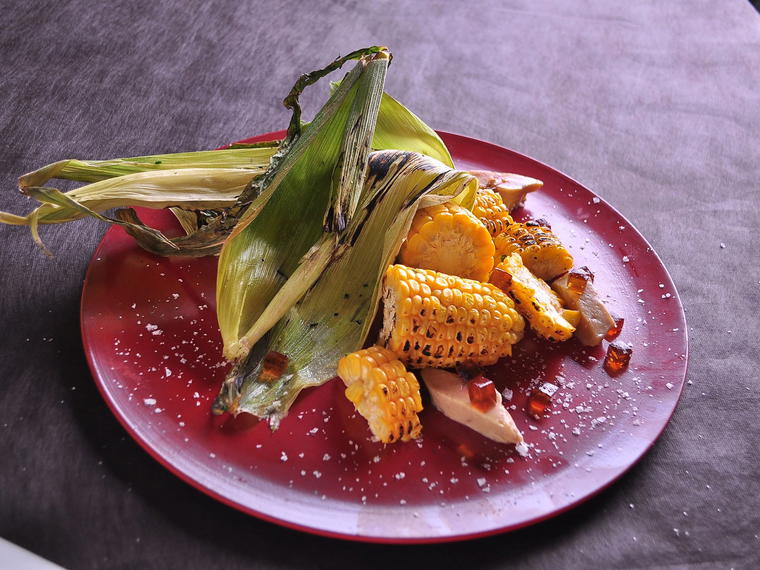
Tsuruoka, Japan
アル・ケッチァーノ pairs hyper-local Italian cooking with local sourcing, an extensive wine list, and a quiet, leisurely room overlooking a garden.

Aomori, Japan
アルチェントロ sits in Aomori's Nagashima district, where Italian cuisine meets the distinctive produce traditions of Japan's northern Tohoku coast. The address places it among a small cluster of European-influenced dining rooms that have taken root in this city better known for its apples and seafood than its continental table. For visitors piecing together Aomori's dining scene, it occupies a recognisable niche in a city still building its fine-dining vocabulary.
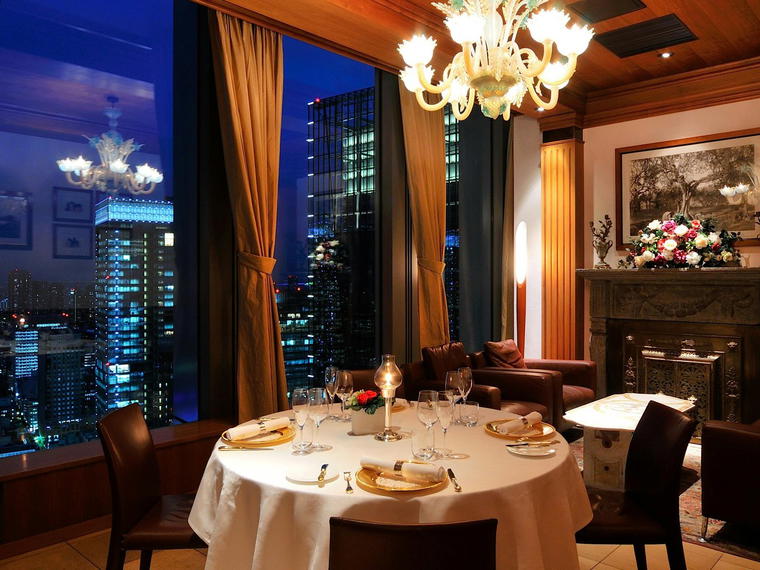
Tokyo, Japan
Antica Osteria del Ponte brings a storied Milanese lineage to the 36th floor of the Marunouchi Building in central Tokyo. The restaurant represents one of the more considered transplants of northern Italian fine dining in Japan, positioned at the upper tier of the city's European restaurant scene alongside peers such as L'Effervescence and Sézanne. For those tracking where serious Italian cooking has taken root in Tokyo, this address warrants attention.

Kobe, Japan
Located on the second floor of a building in Kobe's Nakayamatedori district, アントル ヌー (Entre Nous) operates within a dining tier where French-inflected intimacy and precision define the offer. The address places it squarely in Chuo Ward, close to the cafes and European-influenced architecture that give this part of Kobe its particular character. Booking ahead is advisable given the scale and format typical of restaurants at this level.

Kochi, Japan
アンナータ occupies a second-floor address in Kochi's Minamiharimayacho district, placing it within the quiet upper tier of the city's dining scene. Visitors to Kochi seeking something beyond the izakaya circuit will find it worth investigating.

Kamakura, Japan
On the second floor of a building in Onarimachi, イザ occupies a quiet remove from Kamakura's busier dining corridors. The premise is focused: grilled meat and Japanese sake, two traditions that have long found common ground in informal izakaya culture. It is the kind of address that rewards those who arrive knowing what they are looking for.

Tokorozawa, Japan
An Italian restaurant on the second floor of a building in Hiyoshicho, Tokorozawa, イタリアンオット sits at the quieter end of Saitama's dining scene, where suburban Italian kitchens tend to operate with a focus on sourced ingredients and neighbourhood regulars rather than destination crowds. The venue draws from a wider Japanese tradition of Italian cooking that prizes seasonal produce and imported pantry staples in equal measure.

Yamagata, Japan
イル・コテキーノ sits in Yamagata's Akoyacho district, bringing Italian cooking to a city better known for its mountain vegetables and cold-weather ramen culture. The name references cotechino, the cured pork sausage central to northern Italian tradition, signalling where the kitchen's reference points lie. For Yamagata, that specificity of European culinary heritage is itself a statement worth paying attention to.
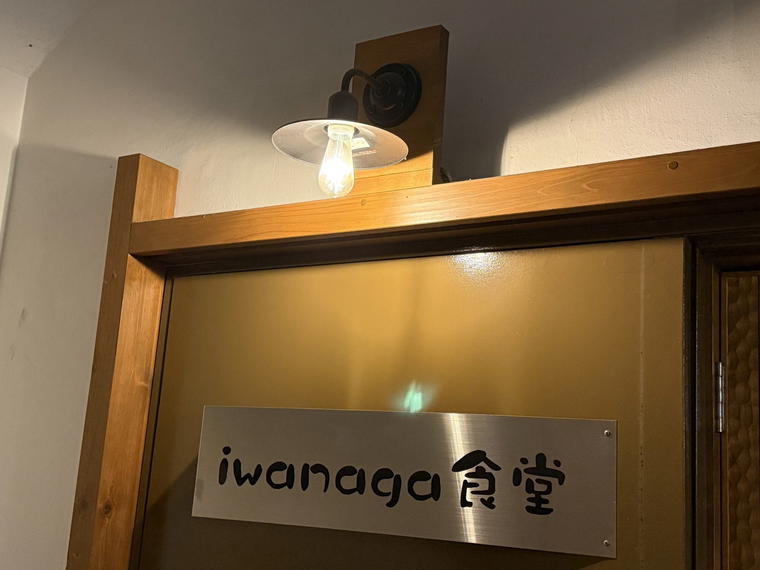
Miyazaki, Japan
イワナガ食堂 occupies a ground-floor unit in the Fukuda Building on Tachibanadorihigashi in central Miyazaki, placing it within the dense dining corridor that defines the city's everyday eating culture. In a prefectural capital where shokudo-style restaurants serve as the practical backbone of neighbourhood life, this address sits at the intersection of local habit and accessible dining. What it offers reads clearly through the context of Miyazaki's food scene: direct, unfussy, and rooted in place.

Kagoshima, Japan
Situated on Sennichicho in central Kagoshima, エ ヌゥ occupies a quieter register within the city's dining scene — a neighbourhood address that rewards those who seek out the less-publicised tier of Japanese regional dining. Kagoshima's culinary identity runs deep on Kurobuta pork, Satsuma tradition, and black vinegar, and エ ヌゥ positions itself within that local fabric rather than against it.
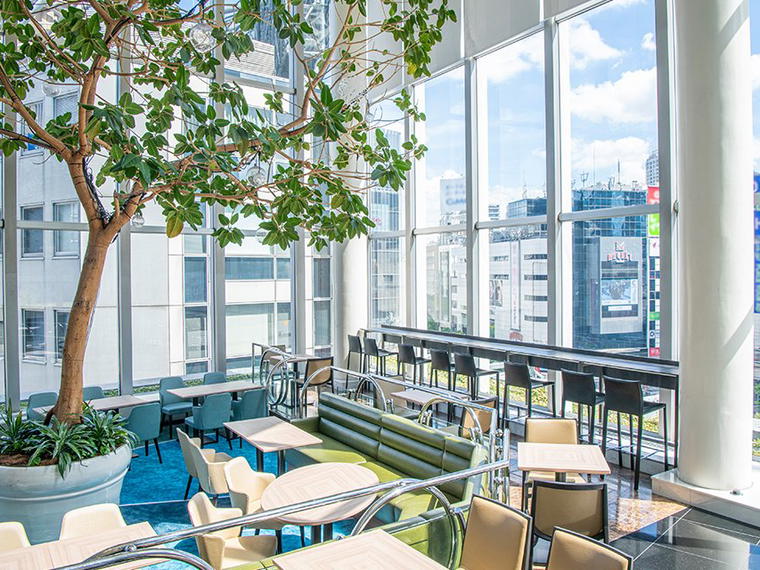
Tokyo, Japan
エスタシオン occupies a quiet address in Kagurazaka, the Shinjuku district neighbourhood that has long been Tokyo's most convincing argument for Franco-Japanese dining culture. Verified data on format and pricing is limited, which itself shapes the booking calculus. What the address signals — and what the neighbourhood context demands — is covered here for anyone planning a visit.

Tokyo, Japan
エリオ・ロカンダ・イタリアーナ occupies the ground floor of Hanzo-mon House in Kojimachi, Chiyoda, placing it among Tokyo's established Italian addresses in a neighbourhood better known for government offices than restaurant culture. The room draws a loyal following for its Italian kitchen in a city where European dining has grown into a serious, highly competitive category.

Niigata, Japan
Osteria Bacco occupies an address in Niigata's Chuo Ward that feels deliberately removed from the city's better-known dining circuits. The setting — a house known as Ijinike House on Nishiohatacho — frames an Italian-inflected experience in a neighbourhood where Western-style dining carries a particular historical weight. It sits in a category of Niigata restaurants that rewards knowing where to look.

Nagoya, Japan
オステリア リュウ is a Northern Italian osteria in Nagoya with an open kitchen, sommelier-led extensive wine list, and a leisurely pace suited to dinner.

Tokyo, Japan
Tokyo’s serious dining culture rewards rooms where kitchen rhythm, drinks service, and front-of-house pacing work as one system. おにく 花柳 belongs in that conversation through its Black Pearl Restaurant Guide 2026 one-diamond recognition, a signal that the experience is being judged beyond décor or reputation alone.

Osaka, Japan
Situated in the basement of a Chuo Ward address in Osaka's Itoyamachi district, オノウエ occupies a format common to the city's more serious dining rooms: below street level, deliberately low-profile, and reached by those who already know where to look. With almost no public-facing data, it operates on the terms favoured by Osaka's most self-possessed restaurants — reputation over visibility.

Tono, Japan
In Tono, the town in Iwate Prefecture known more for folklore than fine dining, おのひづめ operates from a specific address in Shinkokucho that places it well outside the circuits serving Japan's major culinary cities. The restaurant draws attention precisely because of its distance from those circuits, rooting its cooking in the agricultural and foraging traditions of the Tohoku region.

Shizuoka, Japan
カワサキ occupies a second-floor address in Shizuoka's Aoi Ward, positioning itself within a city that takes its dining traditions seriously. The venue sits in a local scene shaped by unagi, kaiseki, and tempura lineages that have defined Shizuoka's table for generations. Precise venue details remain limited in public records, making it a reference point worth investigating directly.
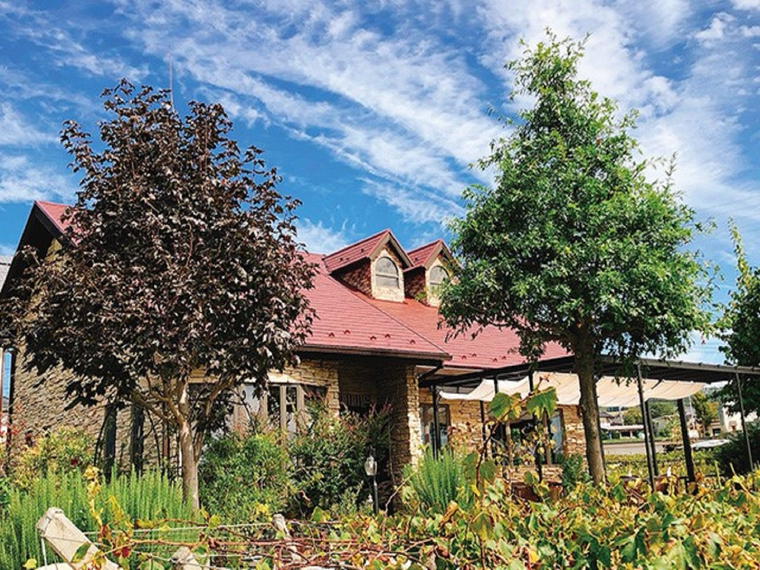
Nirasaki, Japan
キュイエット sits in Nirasaki's agricultural heartland in Yamanashi Prefecture, a region whose orchards and market gardens supply some of Japan's most closely tracked produce. The restaurant's address in Hosakamachi places it within the fruit-growing belt that defines the area's culinary identity. For travellers moving between the Japanese Alps and greater Tokyo, it represents a deliberate detour into ingredient-led dining in rural Yamanashi.
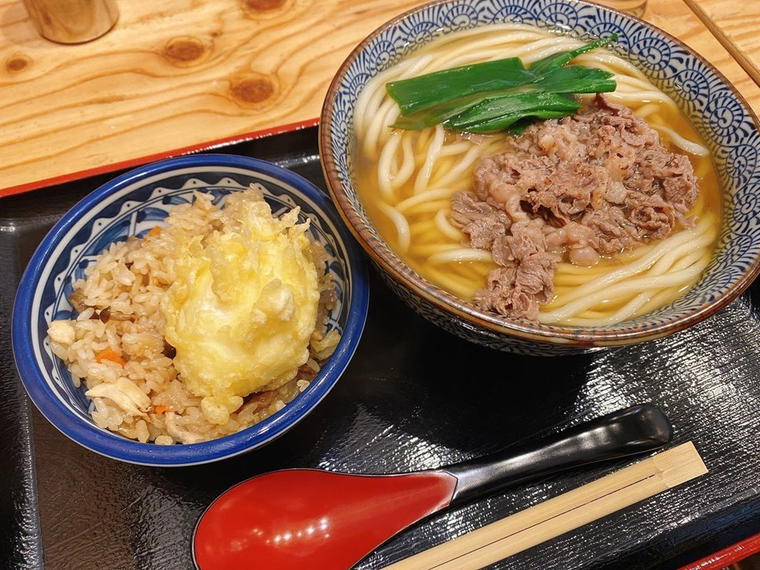
Osaka, Japan
き田たけ うどん sits in Naniwa Ward, a part of Osaka that takes udon seriously at street level rather than in formal dining rooms. The kitchen operates within a broader Osaka tradition that prizes dashi clarity and noodle texture over spectacle. For travellers mapping the city's noodle culture, it belongs on the same circuit as the neighbourhood's everyday institutions.

Yamagata, Japan
クレド occupies a residential address in Yamagata's Iida district, placing it within a city that has developed a quiet but consequential dining culture anchored in local Shonai and Yamagata produce. The restaurant draws visitors who treat the meal itself as the destination, arriving with time to spare and leaving with the kind of satisfaction that comes from unhurried, considered cooking in an unfussy setting.

Yokohama, Japan
クローチフィッソ occupies the seventh floor of the DELLIS Yokohama building in Kanagawa Ward, positioning itself within a tier of Yokohama dining that prizes room-level collaboration over any single star performance. The address — Tsuruyacho, 1-7-1 — places it a short walk from Yokohama Station, inside a neighbourhood where Italian and European formats have quietly taken root alongside the city's longer-standing Chinese and Japanese dining traditions.

Sapporo, Japan
ゴーシェ operates within Sapporo's Chuo Ward dining scene, where Hokkaido's agricultural and marine abundance sets the terms for what a serious kitchen can put on a plate. The restaurant sits in a city where proximity to source — dairy farms, seafood ports, vegetable fields — shapes menus more directly than in Japan's southern capitals. Expect cooking anchored to that northern geography, placed in a neighbourhood dense with high-calibre options.
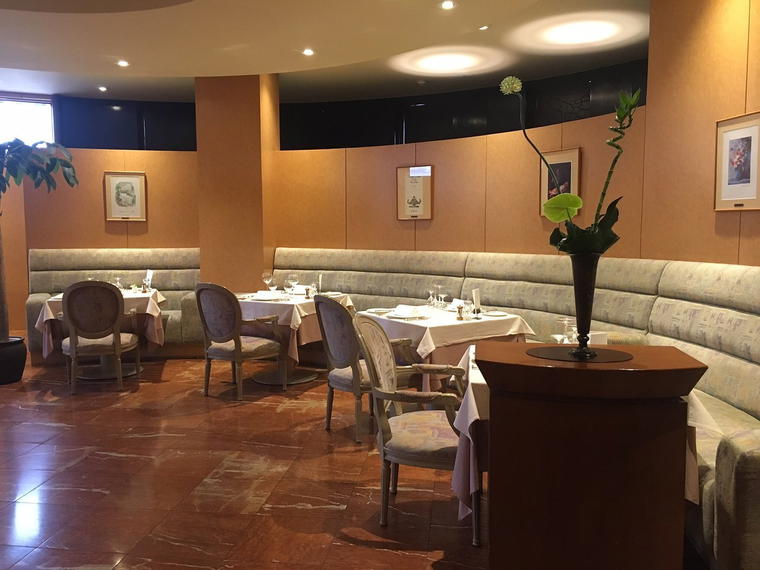
Sapporo, Japan
コートドール sits in Sapporo's Miyagaoka neighbourhood, representing the city's quiet but serious commitment to French culinary tradition transplanted into Hokkaido's ingredient-rich context. In a city where ramen and kaiseki command greater attention, this address occupies a different register entirely — one where classical European technique meets the produce cycles of Japan's northernmost island.

Kikugawa, Japan
サヴァカ sits in Kikugawa, a quiet Shizuoka city where the Kakegawa foothills meet tea-field country, placing it within a regional dining tradition shaped by proximity to some of Japan's most carefully tended agricultural land. With limited information publicly available, the restaurant invites discovery on its own terms, operating at a remove from the urban fine-dining circuit that defines venues like Harutaka in Tokyo or Gion Sasaki in Kyoto.

Tokyo, Japan
サローネ トウキョウ serves Contemporary Italian Ristorante at Tokyo Midtown Hibiya, with a formal, sommelier-led wine program, extended pacing, and Tabelog 100 #67: 3.8pts in 2025.

Nara, Japan
じびえ井田 occupies a quiet address in Takabatakecho, one of Nara's most historically layered neighbourhoods, and serves wild game (jibiei) in a format that draws a loyal local following rather than passing tourist traffic. The kitchen works with ingredients that define a distinct regional cooking tradition — one that few restaurants in the Kansai corridor take seriously at this level.

Nagano, Japan
すし崇 serves Edomae Sushi as an omakase bar in a historic building in Nagano, with quiet pacing and a sake program that suits a composed lunch or dinner.

Sakai, Japan
そば処盛安 occupies a quiet address in Sakai, Fukui, where the local soba tradition runs deeper than most visitors expect. Set in Mikunicho Kitahonmachi, the restaurant represents the kind of neighbourhood soba shop that sustains provincial Japanese dining culture without seeking outside attention. For travellers connecting Fukui's culinary circuit, it offers a grounded alternative to the region's more celebrated tables.

Gifu, Japan
たか田 八祥 occupies a quiet address in Sugiyamacho, one of Gifu's more considered dining pockets, where the kitchen draws on the prefecture's agricultural and riverine larder rather than chasing metropolitan trends. The cooking here is rooted in place in ways that distinguish it from Gifu's broader restaurant scene. For travellers willing to approach the city on its own terms, this is a serious table.

Fukuoka, Japan
なかがわ occupies a basement dining room in Fukuoka's Watanabedori district, placing it within a neighbourhood that has quietly accumulated some of the city's most serious kitchen work. The address alone signals intent: basement counters and sub-street dining rooms in Fukuoka tend to operate at the precise, reservation-only end of the spectrum. Plan well ahead and arrive with context.

Kyoto, Japan
なる屋 sits in Nakagyo Ward, a district that quietly concentrates some of Kyoto's most considered small-format dining. With an address in Kikuyacho and no public-facing booking channel, the restaurant operates within the city's older tradition of rooms that function on introduction and reputation rather than visibility. For travellers already tracking Kyoto's mid-tier and specialist dining circuits, it belongs on the research list.

Nagoya, Japan
In Nagoya's Higashi Ward, ふじ原 occupies a position in the city's quieter, residential dining tier — a counterpoint to the louder tonkatsu and hitsumabushi circuit that defines the city's culinary identity to outsiders.

Kumamoto, Japan
むら上 occupies the second floor of Sakura Terrace in Kumamoto's Sakuramachi district, placing it within the city's concentrated belt of serious dining. With virtually no public profile to guide expectations, it operates in the register of counter restaurants that rely on word-of-mouth and repeat clientele rather than digital visibility. For the curious visitor, that opacity is itself useful information.