
Tabelog 100 #58
Our verdict
アル・ケッチァーノ pairs hyper-local Italian cooking with local sourcing, an extensive wine list, and a quiet, leisurely room overlooking a garden.

Pearl is the En Primeur Club membership app, where members save venues, book tables and use the concierge.
Where Shonai's Fields Meet the Table
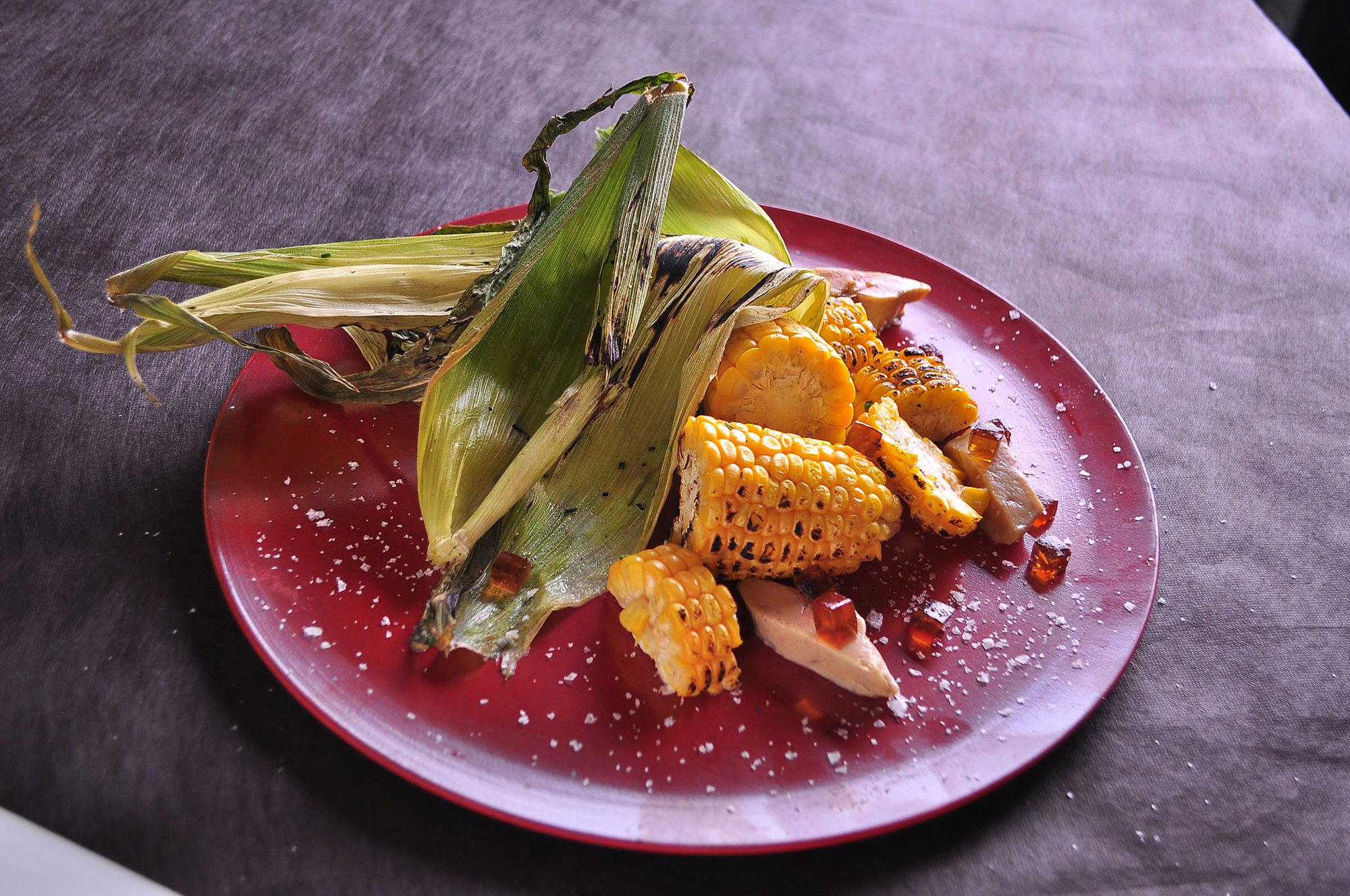
The Shonai Plain, spread across Yamagata Prefecture's coastal interior, is one of Japan's most quietly serious agricultural zones. Its rice paddies, mountain vegetables, and coastal fisheries have fed the region for centuries with little fanfare directed outward. Al Ché-cciano, located in Tsuruoka's Ogawara district, sits inside this agricultural reality rather than at a remove from it. The restaurant's address places it among rice fields rather than in a city centre, and that positioning is not incidental. The cooking here draws directly from the Shonai ecosystem, treating the plain's produce as primary material rather than local colour.
Tsuruoka itself holds a designation that few Japanese cities share: in 2014, it became the first city in Asia to receive the UNESCO Creative City of Gastronomy designation. That recognition was built on the region's documented biodiversity, including over 50 traditional vegetable varieties that survive in the Shonai area when equivalent cultivars have disappeared elsewhere in Japan. Al Ché-cciano operates within that larger context, a restaurant whose sourcing practices contributed to the argument that won Tsuruoka its designation. For visitors approaching from Tokyo or Osaka, the journey to Tsuruoka, roughly three hours by Shinkansen to Tsuruoka Station, functions as a kind of decompression. The pace of arrival matches the pace of the cooking.
An Italian Lens on Japanese Terroir
The restaurant applies an Italian structural sensibility to Shonai ingredients, a pairing that sounds counterintuitive until you consider how Italian regional cooking operates at its core. Northern Italian cucina povera, particularly from Piedmont and the Po Valley, is built on the principle that hyper-local ingredients, prepared with restraint, produce food of greater specificity than imported luxury goods dressed with technique. That philosophy translates cleanly to Shonai, where the ingredients already carry the argument.
This is the same logic that has shaped some of Japan's most discussed restaurants working at the intersection of European method and Japanese produce. HAJIME in Osaka applies French innovation to Japanese ecosystem thinking. akordu in Nara brings a Spanish structural framework to Yamato vegetables. Al Ché-cciano occupies a regional counterpart to that conversation, doing so not from a metropolitan platform but from within the producing region itself. The distinction matters: the chef sources directly from farmers and fishers he knows by name, a level of supply-chain proximity that restaurants in Tokyo or Osaka can approximate but rarely replicate at the same depth.
Japan's broader dining circuit, from Harutaka in Tokyo to Gion Sasaki in Kyoto to Goh in Fukuoka, tends to concentrate high-investment dining in urban cores. Al Ché-cciano represents a different model: a destination restaurant that generates its own gravitational pull by making the source region itself the subject of the meal.
The Ingredients as Editorial
Shonai's agricultural biodiversity is not decorative. The region's traditional vegetables, many of them cultivated in small volumes by individual farming families, represent a kind of living archive. Varieties such as Dewa Mitsuba and Shonai Kokabu have distinct flavour profiles shaped by the plain's soil composition and climate, a brackish coastal influence meeting cold mountain water. These are not interchangeable with commercial equivalents, and a kitchen that builds menus around them is making a commitment that extends beyond sourcing into preservation.
The restaurant's Italian framework gives the kitchen a set of tools that work particularly well with this material. Pasta, risotto, and antipasti formats can absorb vegetable-forward thinking more naturally than kaiseki's more fixed seasonal logic, while still allowing the ingredients to remain the primary statement. The result is cooking where European structure serves Japanese terroir rather than imposing over it. Visitors from outside Japan who have spent time at destination restaurants such as Le Bernardin in New York City or Atomix in New York City will find a different register here: less urban precision, more agricultural directness.
The Shonai coastline adds a second dimension. The Sea of Japan off Tsuruoka yields fish under different conditions than the Pacific, including species less common in Tokyo-facing supply chains. Incorporating that coastal catch alongside the plain's vegetables gives the kitchen a local palette that no imported ingredient can replicate.
Getting There and Planning Your Visit
Al Ché-cciano draws visitors who build their Tohoku itinerary around it, often combining the restaurant with Tsuruoka's other cultural assets, including Dewa Sanzan, the sacred mountain complex that sits above the city. From Tokyo, the Tsuruoka route runs via the Joetsu Shinkansen to Niigata, then limited express to Tsuruoka, totalling around three hours. The restaurant's Ogawara address is most easily reached by car from the city centre, roughly a short drive across the plain. Booking well ahead is advisable; the restaurant serves a small dining room, and its reputation draws visitors from across Japan and internationally. Our full Tsuruoka restaurants guide covers other options in the city for visitors planning multi-day itineraries.
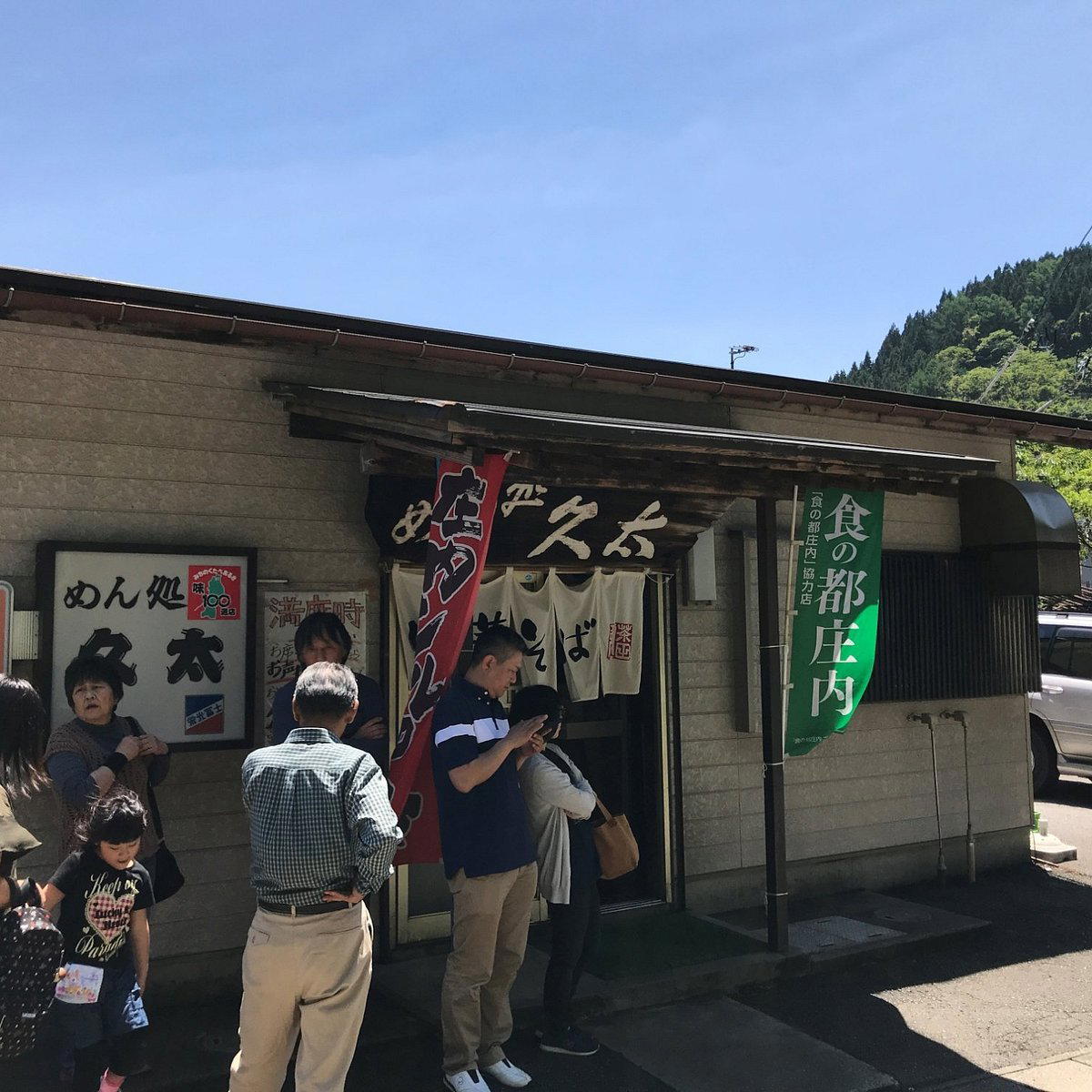
For ramen between other meals, Mendokoro Kyuta represents the city's more casual end of the dining range. Regional visitors exploring Japan's less-trafficked dining circuits might also consider Nanao's dining scene, Nishikawa Machi, or Takashima as part of a broader Tohoku and Sea of Japan itinerary. Sapporo's dining options offer a further northern reference point for those extending the trip.
Frequently asked questions
Is アル・ケッチァーノ good for families?
Al Ché-cciano draws visitors who travel specifically to Tsuruoka for its cooking, which sets a certain expectation at the table. The restaurant's focus on Shonai terroir and Italian structural technique makes it a destination for adults engaged with ingredient-driven cuisine. Families with older children who appreciate that format would find it worthwhile; it is less suited to young children who need a casual or flexible dining pace.
What kind of setting is アル・ケッチァーノ?
The restaurant sits in Ogawara, a rural pocket of Tsuruoka in Yamagata Prefecture, surrounded by the Shonai Plain's agricultural zone. The setting reinforces the kitchen's premise: the ingredients come from the fields and farms immediately around it. This is a destination restaurant in the geographic sense, not a city-centre address, and guests typically plan a visit around it rather than stumbling upon it.
Why do visitors travel to Tsuruoka specifically to eat at アル・ケッチァーノ?
Al Ché-cciano occupies a rare position in Japanese regional dining: it has placed the Shonai Plain's agricultural biodiversity at the centre of an Italian-informed menu, making the restaurant inseparable from its geography. Tsuruoka itself holds UNESCO Creative City of Gastronomy designation, and Al Ché-cciano is one of the restaurants credited with building the city's culinary reputation over decades. For visitors tracing Japan's regional food identity, this Yamagata address is a primary reference point.
What do regulars order at アル・ケッチァーノ?
Al Ché-cciano's menu shifts with what Shonai's small-scale farmers and foragers bring in, so regulars orient around the seasonal produce rather than fixed signatures. The kitchen's approach applies Italian frameworks, pasta, antipasti structures, sauce-making logic, to traditional Shonai vegetables, many cultivated in limited quantities by individual producers. What returns visit after visit is the format, not a static dish list.
Where is アル・ケッチァーノ in Tsuruoka?
アル・ケッチァーノ is located at Japan, 〒997-0806 Yamagata, Tsuruoka, Ogawara, 稲荷43, Tsuruoka.
A Quick Peer Check
Comparable venues nearby, for context on price, style, and recognition.
| Venue | Cuisine | Price | Awards | Notes |
|---|---|---|---|---|
| アル・ケッチァーノThis venue (the venue you are viewing) | Hyper-local Italian | $50–100 | Tabelog 100 #58 | Not listed |
| Chuka Soba Dokoro Konpiraso | Traditional Japanese ramen (chuka soba) | $1–10 | Tabelog 100 #12 | Sanze |
| Fruit Shop Aomoriya | Fruit Parlor / Cafe | $10–20 | Tabelog 100 #91 | Suehiromachi |
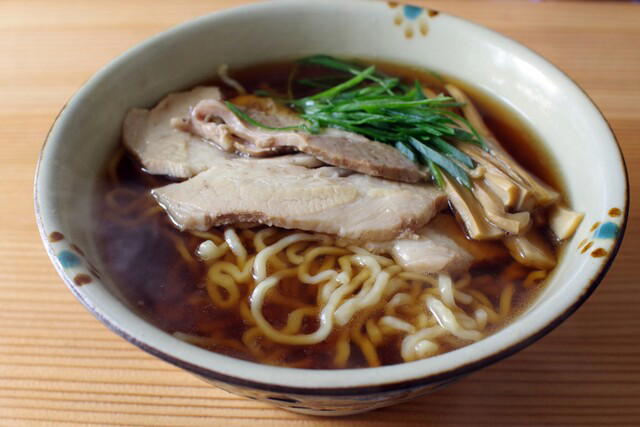
| Mendokoro Kyuta | Traditional Ramen & Tsukemen | $1–10 | Not listed | Atsumi Onsen |
| 中華そば処琴平荘 | Traditional Japanese ramen (chuka soba) | $1–10 | Tabelog 100 #12 | 三瀬 |
| En Boca (エンボカ 京都) | Italian-Japanese wood-fired pizza & vegetables | $50–100 | Tabelog 100 #53 | Nakagyo-ku |
Recognition history
Dated appearances from independent guides and award organizations, with the underlying list record or original source where available.
Tabelog 100 #58 · No. 58
Tabelog · Tabelog 100 - Italian - EAST - 2025
Continue exploring
More in Tsuruoka
Restaurants in Tsuruoka
All restaurants in Tsuruoka →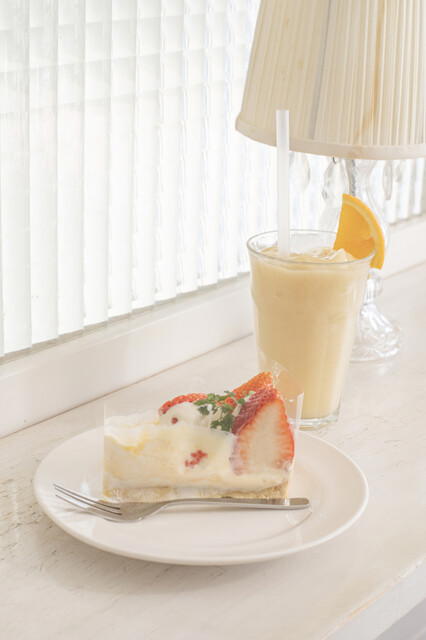
Hotels in Tsuruoka
All hotels in Tsuruoka →
Details
- Rustic
- Elegant
- Cozy
- Sophisticated
- Special Occasion
- Date Night
- Open Kitchen
- Extensive Wine List
- Local Sourcing
- Garden
- Wine
Current opening hours
- Monday
- 11:30 AM–3 PM, 6–10 PM
- Tuesday
- 11:30 AM–3 PM, 6–10 PM
- Wednesday
- Closed
- Thursday
- 11:30 AM–3 PM, 6–10 PM
- Friday
- 11:30 AM–3 PM, 6–10 PM
- Saturday
- 11:30 AM–3 PM, 6–10 PM
- Sunday
- 11:30 AM–3 PM, 6–10 PM
Hours can change for holidays and private events. Hours as of .
Relaxing stylish space emphasizing natural, simple cuisine in a vast rural setting.