
We're Smart World 2 Radishes
Our verdict
Status-check profile: Ötap at Place Albert Leemans 10, 1050 Brussels, Belgium has unresolved or unverified current status after a June 21, 2026 audit. Verify directly before planning a visit.

Pearl is the En Primeur Club membership app, where members save venues, book tables and use the concierge.
The menu
What to order
- Beef tataki with herb mayonnaise and yuzu
- Mushroom and asparagus
- Chocolate cake
- Langoustine with jerusalem artichokes and grilled ginger
Status-check profile: Ötap at Place Albert Leemans 10, 1050 Brussels, Belgium has unresolved or unverified current status after a June 21, 2026 audit. Verify directly before planning a visit.
Frequently asked questions
Is Ötap okay with children?
Ötap is a restaurant in Ixelles with a smart-casual dress code and reservations recommended. The colourful, plant-forward approach to vegetables, fruits, herbs and flowers translates well to younger diners less accustomed to heavy or rich menus. Specific children's menu details are not confirmed, so it's worth contacting the venue directly before visiting with young children.
What should I expect atmosphere-wise at Ötap?
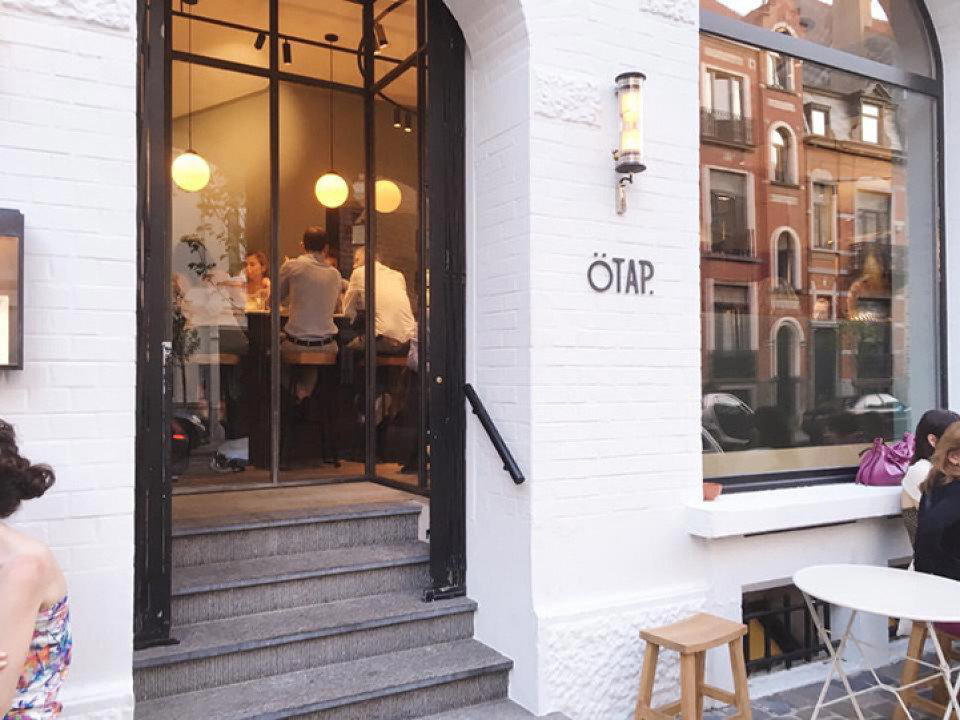
Ötap sits on Place Albert Leemans in Ixelles, a residential square within one of Brussels' most architecturally textured communes. It sits on Place Albert Leemans in Ixelles and has a casual, neighbourhood feel. Expect a tone built around simplicity and colour, consistent with the produce-led cooking style.
Has Ötap won any awards?
Ötap has one recorded award. The documented recognition is: Playful cuisine in which vegetables, fruit, herbs, flowers and cereals are given a prominent place. Colourful too, and brought to you with great taste. And in all simplicity.
What do regulars order at Ötap?
The kitchen places vegetables, fruit, herbs, flowers and cereals at the front of the plate rather than as accompaniments, so returning guests tend to orient around those courses. The kitchen focuses on vegetables, fruit, herbs, flowers and cereals, with seasonal plates changing according to produce.
Where exactly is Ötap?
Ötap is located at Place Albert Leemans 10, 1050 Brussels, Belgium.
What's a useful way to book Ötap?
Ötap is located at Place Albert Leemans 10 in the 1050 postal district of Ixelles. Reservations are recommended.
What do critics highlight about Ötap?
The defining point of recognition for Ötap is its handling of vegetables, fruit, herbs, flowers and cereals as the primary architecture of the meal rather than supporting elements, described as playful, colourful and delivered with restraint. The venue's positioning as a neighbourhood constant, rather than a destination-dining occasion, is itself noted as part of its appeal. It has one recorded award, and no Michelin stars or 50 Best listing is recorded.
Comparable Venues
Comparable venues nearby, for context on price, style, and recognition.
| Venue | Cuisine | Price | Awards | Notes |
|---|---|---|---|---|
| ÖtapThis venue (the venue you are viewing) | Modern European Small Plates | $50–100 | We're Smart World 2 Radishes | Not listed |
| Gramm | Modern French-Japanese Fusion | $50–100 | Not listed | Pl. de Brouckere |
| Under The Stairs | Cocktail Bar | $20–30 | Not listed | near Royal Palace |
| Brighton Restaurant | Classic French Mediterranean | $50–100 | We're Smart World 2 Radishes | European District |
| Kitsune Burgers | Asian Fusion Vegan Burgers | $10–20 | Not listed | Pl. de Brouckere |
| Yi Chan | Sino-Vietnamese Dim Sum & Pho | $30–50 | Not listed | Grand' Place |
Recognition history
Dated appearances from independent guides and award organizations, with the underlying list record or original source where available.
We're Smart World 2 Radishes
We're Smart World
Continue exploring
More in Brussels
Restaurants in Brussels
All restaurants in Brussels →
Bars in Brussels
All bars in Brussels →
Hotels in Brussels
All hotels in Brussels →
Wineries in Brussels
Browse all →
Ötap
The wine
- Wine program
- Deep wine list
- Sommelier-led
- Natural wine
- Craft cocktails
Details
- Trendy
- Elegant
- Modern
- Intimate
- Date Night
- Group Dining
- Casual Hangout
- Open Kitchen
- Standalone
- Design Destination
- Natural Wine
- Craft Cocktails
- Sommelier Led
- Natural Wine
- Local Sourcing
- Street Scene
- Small Plates
- Family Style
- Natural Wine
- Craft Cocktails
- Vegetarian Friendly
Smart, stylish setting with grey-blue walls, opalin light globes, and dark green couches; elegant yet approachable with both intimate front bar and cozy back room.