
Tabelog 100 #62
Our verdict
アルチェントロ sits in Aomori's Nagashima district, where Italian cuisine meets the distinctive produce traditions of Japan's northern Tohoku coast. The address places it among a small cluster of European-influenced dining rooms that have taken root in this city better known for its apples and seafood than its continental table. For visitors piecing together Aomori's dining scene, it occupies a recognisable niche in a city still building its fine-dining vocabulary.

Pearl is the En Primeur Club membership app, where members save venues, book tables and use the concierge.
The menu
What to order
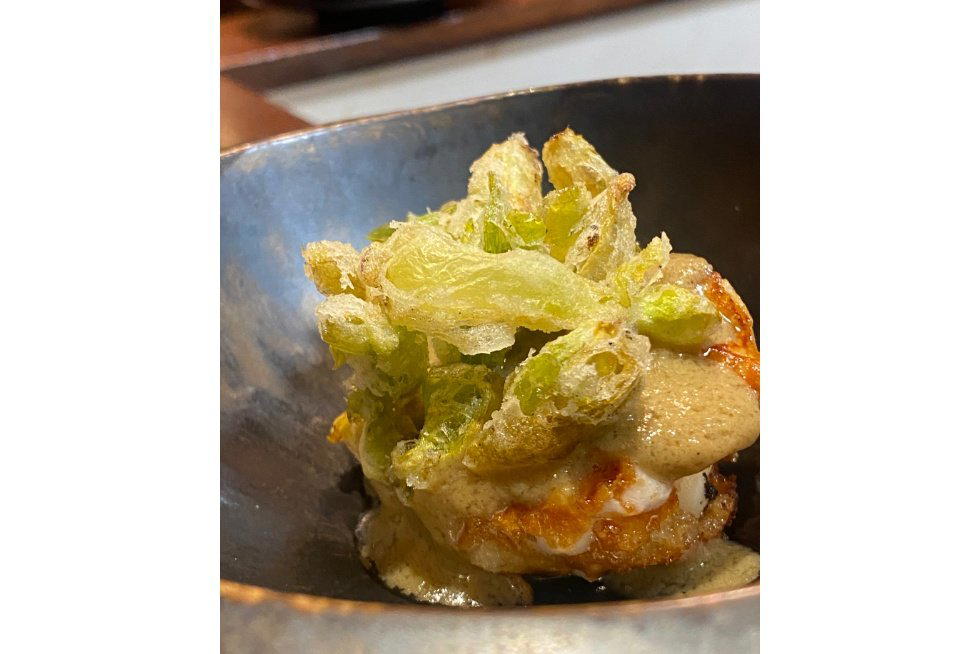
- Quattro Formaggi
- Caneloni with Sendai Duck
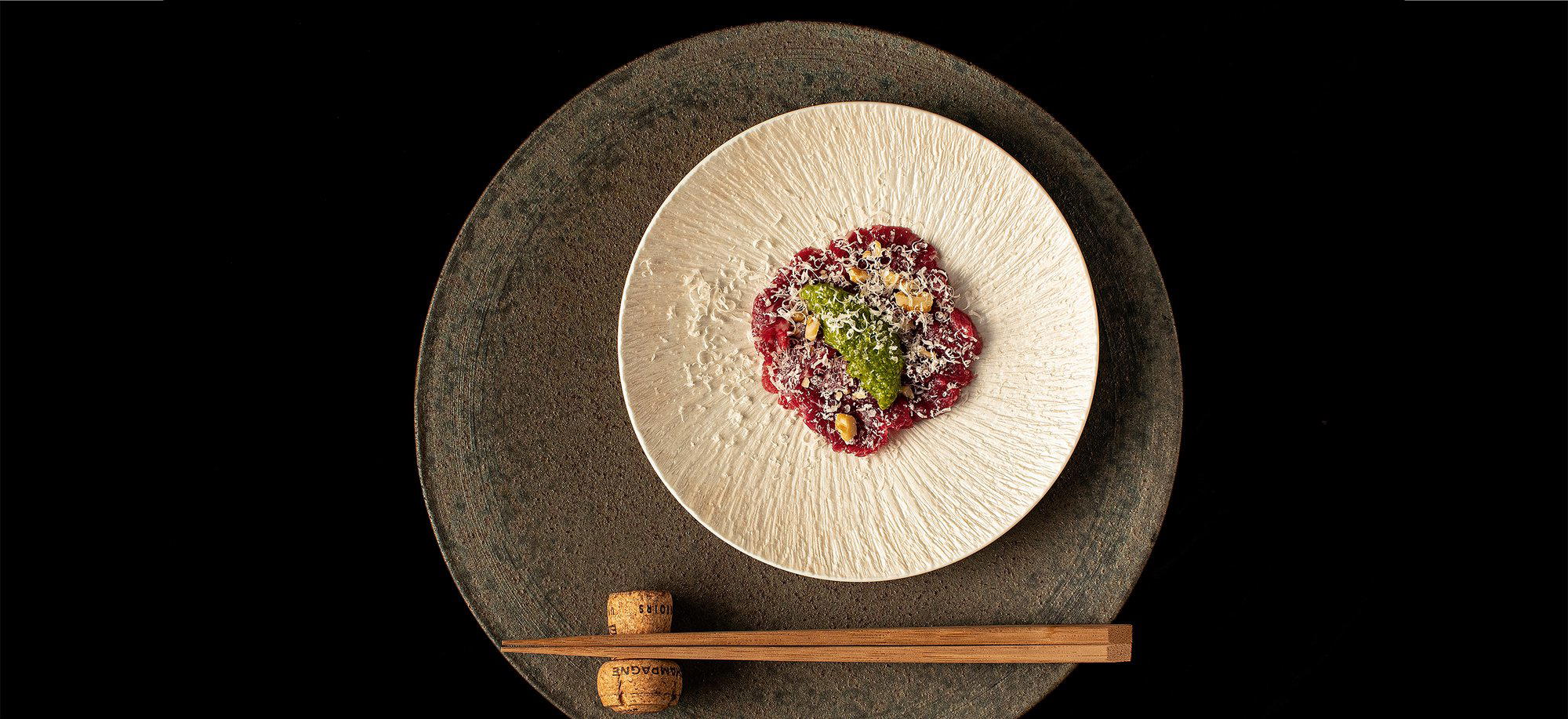
- Kumamoto Red Beef
Italian Dining in Tohoku: The Harder Context
Western cuisines have long occupied an interesting position in provincial Japanese cities. Unlike Tokyo or Osaka, where French and Italian restaurants compete inside dense, credentialled ecosystems, cities like Aomori absorb European dining traditions on different terms. The local ingredient story is strong, Aomori's apples, Tsugaru Strait seafood, and mountain vegetables give any kitchen working here access to raw material that chefs in metropolitan centres would structure entire tasting menus around, but the audience and the competitive pressure operate at a different register. That context matters when placing アルチェントロ, which occupies an address at 2 Chome-15-2 Nagashima in a part of the city where European restaurant formats have taken root quietly, without the awards machinery or international review coverage that tracks similar venues in Kyoto or Fukuoka.
Italian food in Japan has its own evolution, distinct from its European source. The country's absorption of pasta, risotto, and antipasto formats began in earnest in the 1980s and has since fractured into a wide range of expressions: rigidly classical trattorias, highly localised fusion formats, and a growing tier of restaurants that use Italian structure as a framework for Japanese seasonal produce. The question for any Italian address in Aomori is where it sits on that spectrum, and what the local ingredient environment does to the cuisine's familiar logic. Aomori's position at the northern edge of Honshu gives it seasonal produce rhythms closer to Hokkaido than to Tokyo, and a seafood identity shaped by cold-water species that don't appear on most Italian menus even in Italy.
The European restaurant tier in Aomori is small but present. Casa del cibo and OSTERIA ENOTECA DA SASINO represent two other Italian addresses in the city, each drawing on the same general tradition while presumably arriving at different interpretations given Aomori's produce context. Petit Restaurant Bouquet de France, operating in the French register with dinner pricing in the JPY 15,000 to JPY 19,999 range, gives a sense of where fine-dining ambitions sit locally and what the market will support at the upper end. Kashu and Akai Ringo round out the broader dining conversation in a city that positions itself more through its ingredient heritage than through any particular restaurant prestige.
That is not a lesser context. Some of the most interesting Italian-influenced cooking in Japan has emerged precisely in places where the kitchen isn't performing for international guides but is instead cooking with and for a local ingredient logic.
What the Tohoku Ingredient Environment Means for a Kitchen
Aomori's culinary identity is built around a handful of hard-to-replicate ingredients. The prefecture produces roughly half of Japan's apple harvest, giving local kitchens access to multiple varieties across a long autumn season. The Tsugaru Strait, separating Honshu from Hokkaido, provides sea urchin, scallops, and flat fish that operate in a different flavour register from warmer-water equivalents further south. Marugo daikon and other Tohoku vegetables carry a depth of flavour shaped by cold winters and volcanic soils. An Italian kitchen working in this environment has the option to anchor its menus in these specifics, and the leading examples of Italian cooking in regional Japan have done exactly that, producing dishes that make no direct claim to authenticity but develop a coherent local logic.
For comparison, consider how Italian-influenced addresses in other mid-sized Japanese cities have handled the same tension. In Nara, akordu has built a specific identity around regional Japanese produce filtered through a European lens. In Fukuoka, Goh demonstrates how a city with strong local ingredient identity can support serious European-influenced ambition. Aomori's ingredient story is comparable in depth; the question is whether its restaurant tier has reached the same level of coherence and ambition. The broader geography of Japan's regional fine dining, from Gion Sasaki in Kyoto to venues in less-covered prefectures, suggests that the gap between metropolitan and regional dining continues to narrow as ingredient-led restaurants gain confidence outside the traditional awards cities.
Planning a Visit to アルチェントロ
アルチェントロ is located at 2 Chome-15-2 Nagashima, Aomori, 030-0861, the Nagashima district sitting within accessible distance of central Aomori, which is served by the Tohoku Shinkansen at Shin-Aomori Station and by direct rail links from Hokkaido via the Seikan Tunnel. The city is reachable from Tokyo in around three hours by bullet train, making it a feasible day-trip destination for dedicated diners, though an overnight stay gives access to Aomori's broader food scene, including the Auga fish market and the apple orchards of the Tsugaru region in autumn. For context on where アルチェントロ sits within Aomori's full dining picture, the EP Club Aomori restaurants guide covers the city's options across cuisines and price tiers.
Travellers building a broader Japan itinerary around serious dining in less-covered cities may also want to reference EP Club coverage of venues in comparable regional settings: 一本木ながた川製 in Nanao, 夕円山乃 in Sapporo, 湖畔荘 in Takashima, 羽根屋 in Nishikawa Machi, and Birdland in Sakai. For those approaching Japan's dining scene from a global perspective, the contrast between provincial Italian addresses and metropolitan anchor points like Le Bernardin in New York City or Atomix in New York City illustrates how far the conversation about ingredient-driven European cuisine has travelled from its original institutional centres.
Frequently asked questions
Does アルチェントロ work for a family meal?
アルチェントロ is an Italian restaurant in Aomori's Nagashima district, a neighbourhood setting that tends to support relaxed dining rather than high-ceremony formats.
Is アルチェントロ formal or casual?
Italian dining in Aomori sits closer to neighbourhood trattoria conventions than white-tablecloth formality. When in doubt, tidy casual is a reasonable baseline for mid-range Italian in a regional Japanese city.
How does アルチェントロ fit into Aomori's Italian dining scene compared to other options in Tohoku?
Aomori has a small but active European restaurant tier, and アルチェントロ is one of only a handful of Italian addresses in the prefecture. Tohoku as a whole has fewer Italian restaurants per capita than Japan's Pacific coast urban centres, which means dedicated Italian kitchens in cities like Aomori carry more weight for locals and visitors without easy access to Tokyo or Sendai's denser dining options. The Nagashima address places it within reach of central Aomori, making it accessible from the main transit hub.
What's the signature dish at アルチェントロ?
What can be said is that Italian kitchens in Aomori operate inside one of Japan's most distinctive ingredient environments: the prefecture accounts for roughly half of Japan's domestic apple production and has strong cold-water seafood access, both of which tend to shape what serious kitchens in the region put on a plate.
Where is アルチェントロ located?
アルチェントロ is located at 2 Chome-15-2 Nagashima, Aomori, 030-0861, Japan, Aomori.
Is アルチェントロ reservation-only?
Italian restaurants operating at the quieter end of Aomori's dining scene can fill quickly on weekends given the limited number of comparable European addresses in the city. Contacting the restaurant directly before visiting is the practical course.
What's アルチェントロ best at?
Within Aomori's small European dining tier, which includes addresses like Casa del cibo and OSTERIA ENOTECA DA SASINO, アルチェントロ occupies the Italian segment of a market that remains undercrowded relative to Tokyo.
A Pricing-First Comparison
Comparable venues nearby, for context on price, style, and recognition.
| Venue | Cuisine | Price | Awards | Notes |
|---|---|---|---|---|
| アルチェントロThis venue (the venue you are viewing) | Locally-Sourced Italian with Tohoku Ingredients | $50–100 | Tabelog 100 #62 | Not listed |
| Hata Zen | Aomori seafood-focused Japanese izakaya | $50–100 | Tabelog 100 #37 | Yasukata, Aomori seafood-focused Japanese izakaya |
| Casa del cibo | Italian with Aomori Local Ingredients | $100–150 | Tabelog Bronze #42 | Minatotakadai, Italian with Aomori Local Ingredients |
| Kashu | Modern French Omakase with Aomori Ingredients | $200–300 | Tabelog Bronze #169 | Shimmachi, Modern French Omakase with Aomori Ingredients |
| gelato natura due | Yanakawa, Japanese Gelato & Sherbet | $1–10 | Tabelog 100 #74 | Not listed |
| Ikeda Farm | Takko wagyu yakiniku restaurant & butcher | $20–30 | Tabelog 100 #65 | Takko, Takko wagyu yakiniku restaurant & butcher |
Recognition history
Dated appearances from independent guides and award organizations, with the underlying list record or original source where available.
Tabelog 100 #62 · No. 62
Tabelog · Tabelog 100 - Italian - EAST - 2025
Continue exploring
More in Aomori
Restaurants in Aomori
All restaurants in Aomori →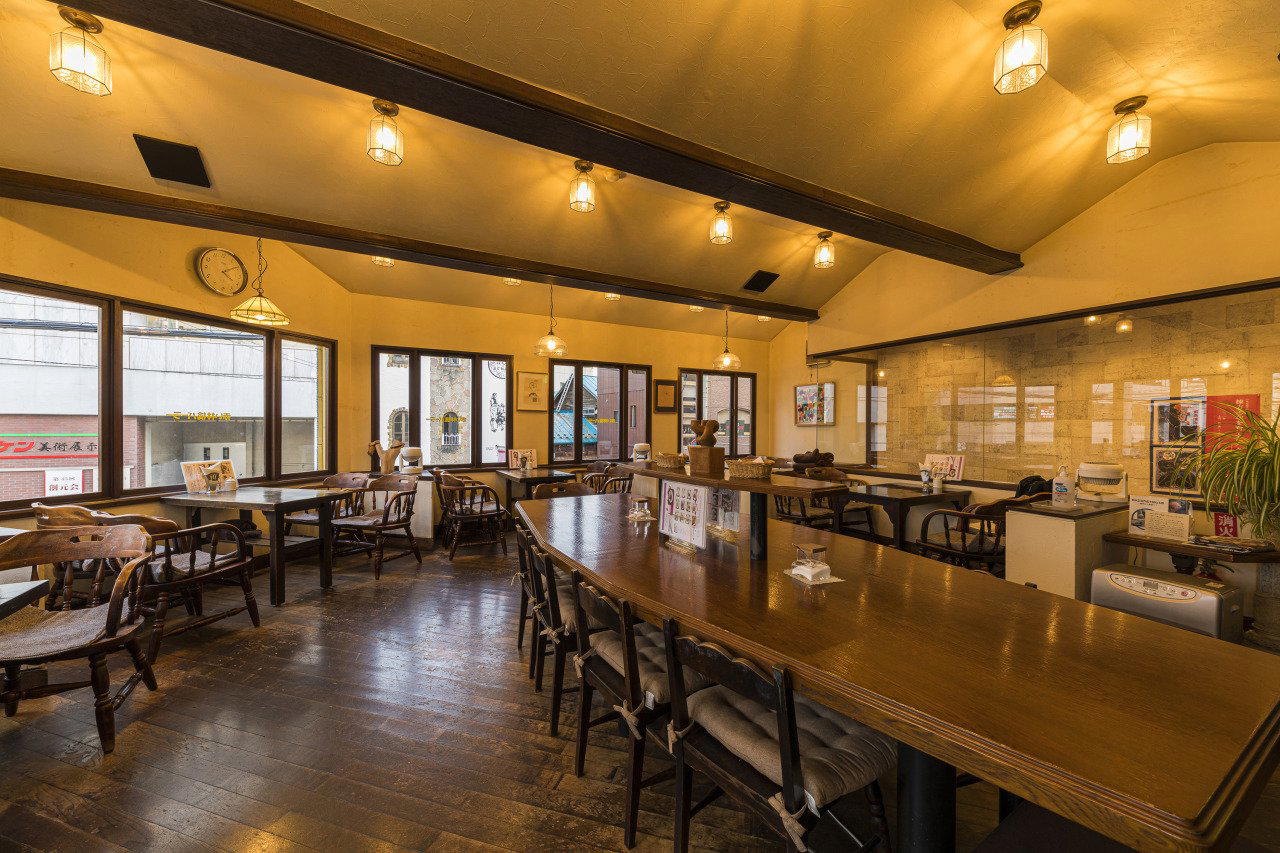
Bars in Aomori
Browse all →
Details
- Elegant
- Intimate
- Sophisticated
- Date Night
- Special Occasion
- Business Dinner
- Open Kitchen
- Standalone
- Natural Wine
- Sommelier Led
- Local Sourcing
- Natural Wine
- Farm To Table
- Tasting Menu
- Prix Fixe
- Natural Wine
- Vegetarian Friendly
- Allergy Accommodating
Current opening hours
- Monday
- 11:30 AM–2 PM, 6–11 PM
- Tuesday
- 11:30 AM–2 PM, 6–11 PM
- Wednesday
- 11:30 AM–2 PM, 6–11 PM
- Thursday
- 11:30 AM–2 PM, 6–11 PM
- Friday
- 11:30 AM–2 PM, 6–11 PM
- Saturday
- 11:30 AM–2 PM, 6–11 PM
- Sunday
- Closed
Hours can change for holidays and private events. Last verified .
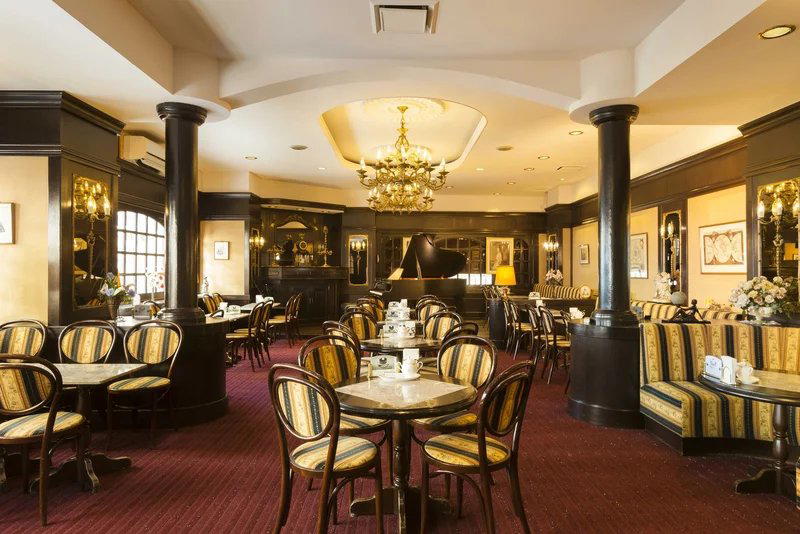
Calm and refined atmosphere with a quiet, composed setting that emphasizes the dining experience.