
Michelin Plate
Our verdict
Located in Pa Bong, Saraphi District on the southern edge of Chiang Mai, กูกั๊บ แบคร้อย sits within a part of northern Thailand where village-scale food culture and agricultural proximity shape what ends up on the table. With limited data available, the editorial case for this address rests on its district context: Saraphi's food scene rewards those who look beyond the city's tourist corridor. See our full Saraphi guide for broader context.

Pearl is the En Primeur Club membership app, where members save venues, book tables and use the concierge.

The menu
What to order
- หมูฮัองปูนแดง
- แกงรัญจวน
- ปังปูนแดง
- ตำส้มโอปลาทอด
Saraphi and the Sourcing Advantage
South of Chiang Mai's old city moat, the Saraphi District occupies a stretch of the Ping River valley where market gardens, rice paddies, and small-hold farms press up against the urban fringe. This proximity to agricultural land is not incidental to how food tastes here. In Thailand's north, the distance between harvest and kitchen has always been shorter than in Bangkok, and that compression shows in the character of the cooking. Dishes built on morning-market produce, foraged herbs from the hills above the valley, and proteins raised within a short radius carry a different register than the same recipes executed with supply-chain ingredients. It is that sourcing reality, not any single restaurant's branding, that gives Saraphi addresses a structural advantage over their city-centre counterparts.
กูกั๊บ แบคร้อย sits in Tambon Pa Bong, a sub-district within Saraphi, at an address that places it squarely inside this agricultural belt. The venue's location at 24 หมู่ที่ 2 puts it in a part of the district that remains closer in character to village-scale northern Thai food culture than to the curated restaurant row of Nimman or the Night Bazaar. For visitors accustomed to reading a restaurant's identity through its neighbourhood, that positioning matters before a single dish arrives.
Northern Thai Food Culture and What Defines It
To understand what a Saraphi-district address can offer, it helps to understand how northern Thai cuisine differs from the national template most international visitors bring with them. Lanna food, the culinary tradition of Chiang Mai and the surrounding highlands, is less dependent on coconut milk than central Thai cooking, more reliant on fermented pastes, dried chilies, and slow-cooked proteins. The herb palette leans toward dill, long pepper, and wild ginger rather than the galangal-lemongrass axis that dominates Bangkok menus. Pork is central; freshwater fish from the Ping and its tributaries appears regularly; glutinous rice, not jasmine, is the staple starch.
This is a cuisine built on fermentation, fire, and patience. The famous sai ua sausage, coarsely ground pork mixed with lemongrass, kaffir lime, turmeric, and dried red chilies, is as much a vehicle for herb and spice sourcing as it is a protein. Where those herbs come from, and how recently they were cut, determines the aromatic intensity of the result. The same logic applies to nam prik noom, the roasted green chili paste that anchors northern meals, and to the various kaeng dishes whose depth depends on fermented shrimp paste quality and the freshness of the aromatics pounded into them. In a district like Saraphi, sourcing those ingredients locally is less a philosophical choice and more a practical default.
For comparative context across Thailand's premium sourcing-led restaurant tier, venues like PRU in Phuket and Sorn in Bangkok have built international recognition specifically by foregrounding ingredient provenance, Sorn at the ฿฿฿฿ level with southern Thai produce networks, PRU with its own farm in Phuket. The northern Thai equivalent of that sourcing philosophy operates at a more distributed, less institutionalised level, spread across village kitchens and district-level restaurants rather than concentrated in a few high-profile addresses.
The Saraphi District as a Food Address
Saraphi is not a dining destination in the way that Nimman Road or the Tha Phae area function for visitors to Chiang Mai. It does not have a walkable restaurant strip or a dense cluster of reviewed addresses. What it has is the kind of food infrastructure that feeds a working district: fresh markets, made-to-order shophouses, and the occasional restaurant that has built a following among locals rather than tourists. That structure tends to produce cooking that is calibrated to regulars rather than to first impressions, which is a meaningful distinction in Thai food culture. Restaurants that depend on repeat business from a local clientele have less incentive to simplify flavour profiles for unfamiliar palates.
Getting to Pa Bong from central Chiang Mai involves a drive south along the Chiang Mai-Lamphun Road, a route that takes roughly twenty to thirty minutes depending on traffic. The area is not served by the songthaew routes that loop around the old city, so private transport or a rideshare app is the practical approach. That friction filters the audience, which tends to reinforce rather than dilute the local character of what you find once you arrive. For a broader map of the district's dining options, our full Saraphi restaurants guide covers the range of addresses worth considering.
Within Chiang Mai's wider food geography, venues that operate outside the tourist corridor tend to cluster around specific culinary traditions rather than around price points. Loet Rot in Mueang Chiang Mai and Cherng Doi Roast Chicken represent the kind of specialist, tradition-focused cooking that the northern region does particularly well at accessible price points. Saraphi addresses like กูกั๊บ แบคร้อย operate within that same broader pattern, where the story is about a culinary tradition and its local ingredient supply chain rather than about chef credentials or tasting-menu architecture.
For those tracking ingredient-led cooking across Thailand more broadly, the comparison points extend beyond the north. AKKEE in Pak Kret demonstrates how district-level Thai cooking can carry serious depth outside the obvious metropolitan centres, while Benz Restaurant at Soneva Kiri in Koh Kood shows what happens when resort infrastructure meets genuine sourcing discipline. The northern model is less formalised than either of those examples, but the underlying logic, that proximity to the source produces qualitatively different food, holds across all of them.
Planning a Visit
Visiting during daylight hours on a weekday, when fresh-market produce has been incorporated into the day's cooking, is a reasonable approach for this category of northern Thai restaurant. Arriving without a reservation and assessing availability on the ground is standard practice at addresses of this type, though confirming ahead via a Thai-language call or the Google Maps listing is advisable if travelling specifically for the restaurant.
The address, 24 หมู่ที่ 2 Tambon Pa Bong, Saraphi District, Chiang Mai 50140, is findable on mapping apps, which is the most reliable navigation method for a rural sub-district location.
Frequently asked questions
Is กูกั๊บ แบคร้อย child-friendly?
That said, neighbourhood-level restaurants in the Ping River valley around Pa Bong, Tambon generally operate in relaxed, informal settings where children are a routine part of the dining room. check the venue's official channels before visiting with young children to confirm current arrangements.
Where is à¸à¸¹à¸à¹à¸à¸ à¹à¸à¸à¸£à¹à¸à¸ located?
à¸à¸¹à¸à¹à¸à¸ à¹à¸à¸à¸£à¹à¸à¸ is located at î24 หมูà¹à¸à¸µà¹ 2 Tambon Pa Bong, Saraphi District, Chiang Mai 50140, Thailand, Saraphi.
What's the best way to book à¸à¸¹à¸à¹à¸à¸ à¹à¸à¸à¸£à¹à¸à¸?
Reservations are recommended for à¸à¸¹à¸à¹à¸à¸ à¹à¸à¸à¸£à¹à¸à¸ in Saraphi. Confirm current policy via the venue's official channels.
What is the atmosphere like at กูกั๊บ แบคร้อย?
กูกั๊บ แบคร้อย sits at 24 หมู่ที่ 2, Pa Bong, in the Saraphi District south of Chiang Mai's old city moat, a working agricultural corridor, not a visitor strip. Expect the character of a local, district-level spot rather than the curated dining room ambience of Nimman Road or the Tha Phae area.
How It Stacks Up
| Venue | Cuisine | Price | Awards | Notes |
|---|---|---|---|---|
| à¸à¸¹à¸à¹à¸à¸ à¹à¸à¸à¸£à¹à¸à¸This venue (the venue you are viewing) | Thai Cuisine | Not listed | Michelin Plate | Not listed |
| Sorn | Fine Southern Thai | $200–300 | 3 Michelin Stars · World's 50 Best #12 | Southern Thai, ฿฿฿฿ |
| Baan Tepa | Creative Thai Fine Dining | $150–200 | 2 Michelin Stars · World's 50 Best #53 | Thai contemporary, ฿฿฿฿ |
| Côte by Mauro Colagreco | Riviera Mediterranean Fine Dining | $200–300 | 2 Michelin Stars · World's 50 Best #91 | Mediterranean, Modern Cuisine, ฿฿฿฿ |
| Gaa | Modern Indian Fine Dining with Thai Influences | $150–200 | 2 Michelin Stars · World's 50 Best #95 | Modern Indian, Indian, ฿฿฿฿ |
| Sühring | Modern German Fine Dining | $200–300 | 3 Michelin Stars · World's 50 Best #18 | German, ฿฿฿฿ |
Recognition history
Dated appearances from independent guides and award organizations, with the underlying list record or original source where available.
Michelin Plate
Michelin
Continue exploring
More in Saraphi
Restaurants in Saraphi
All restaurants in Saraphi →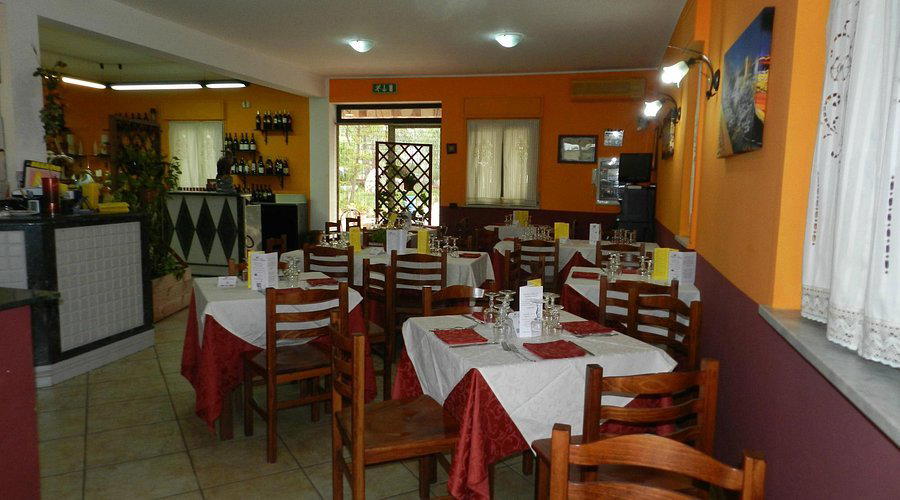
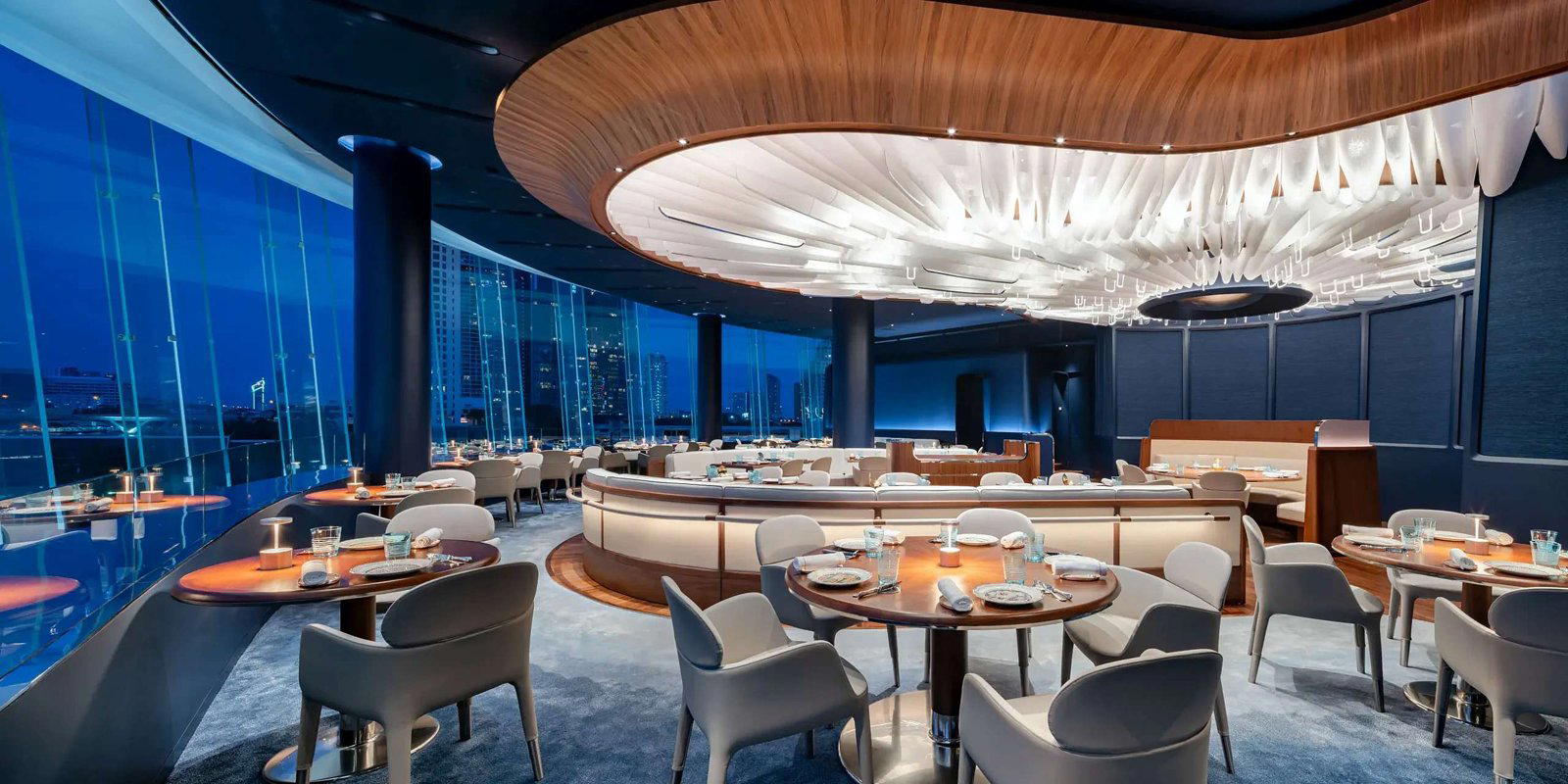
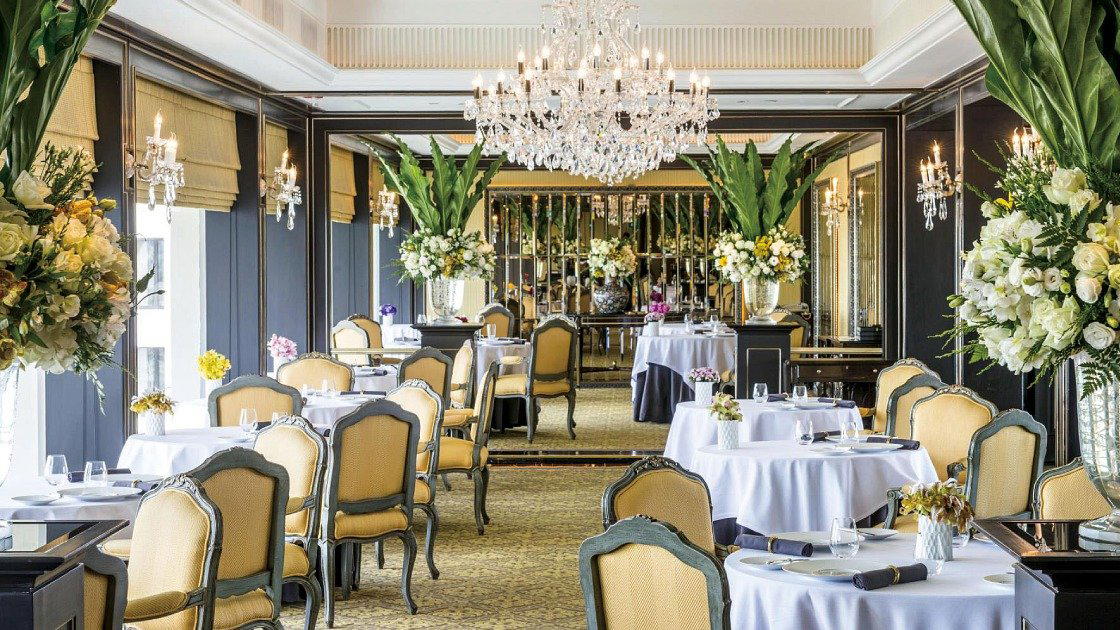
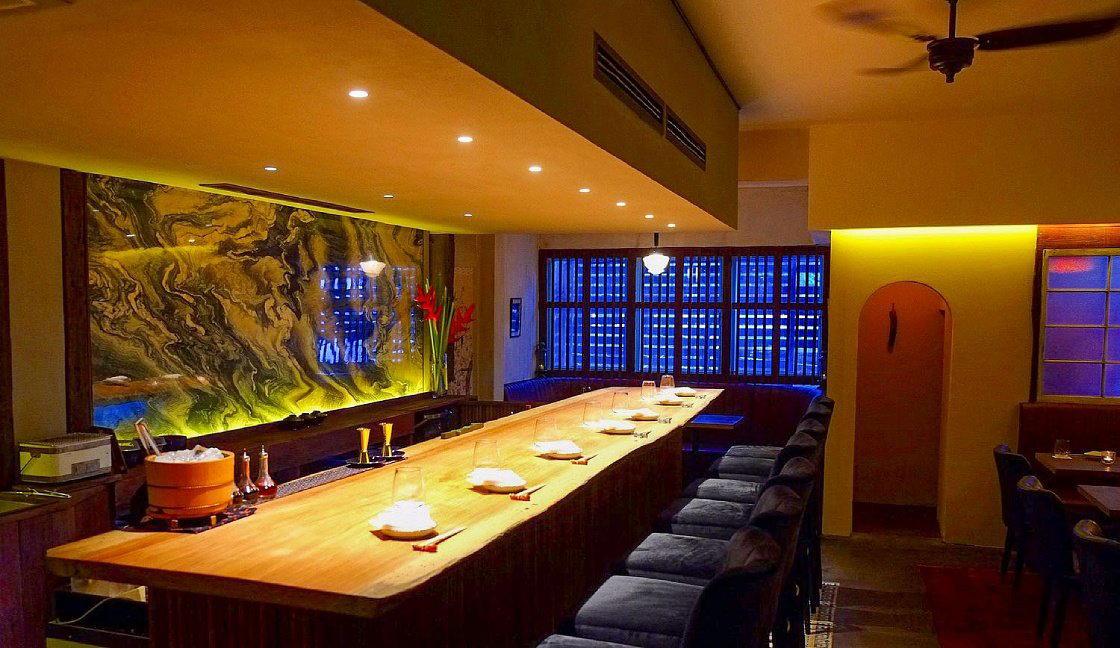
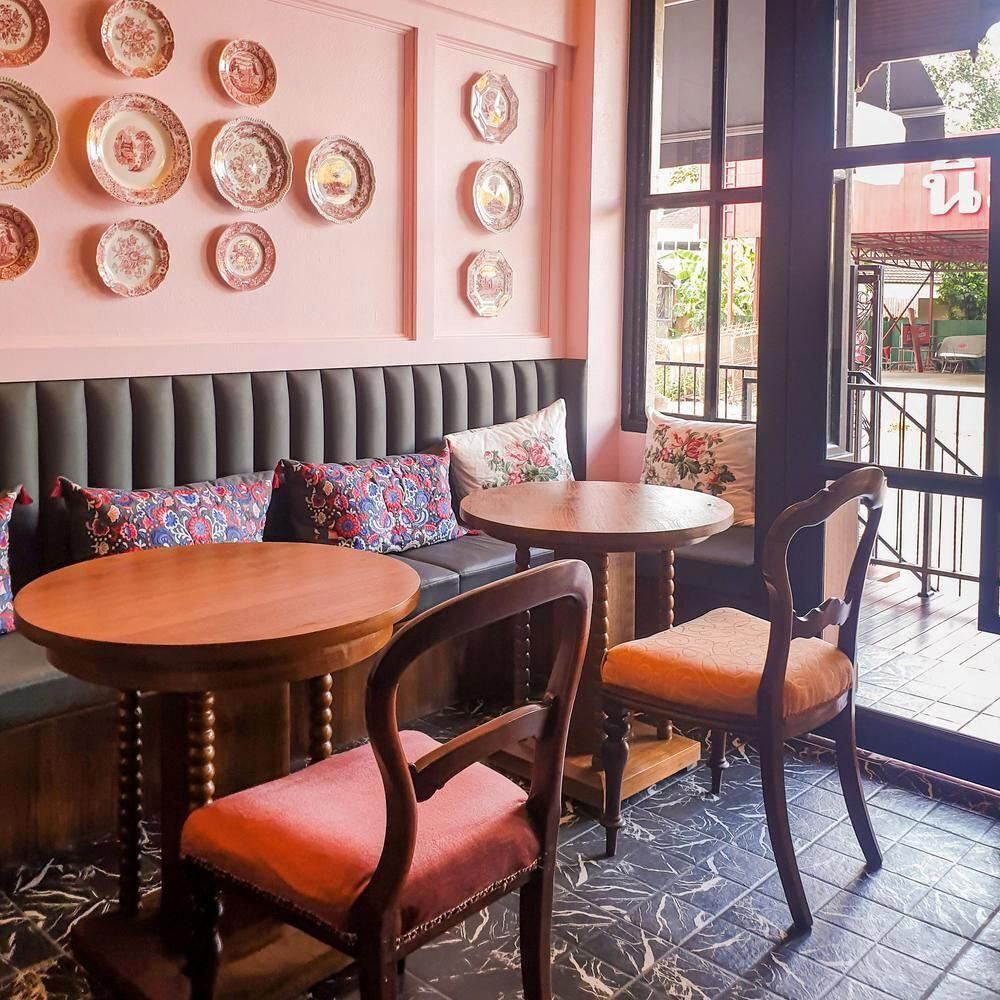
Bars in Saraphi
Browse all →
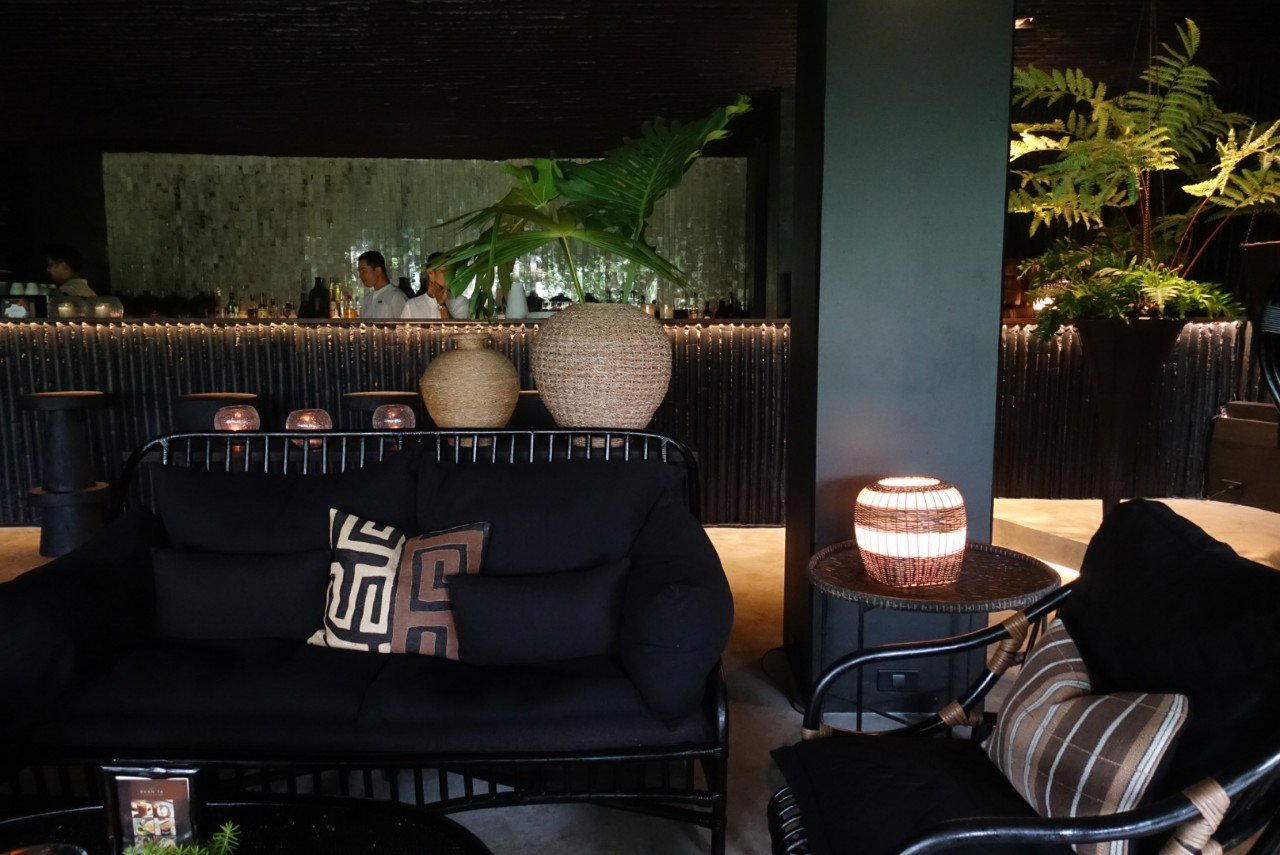
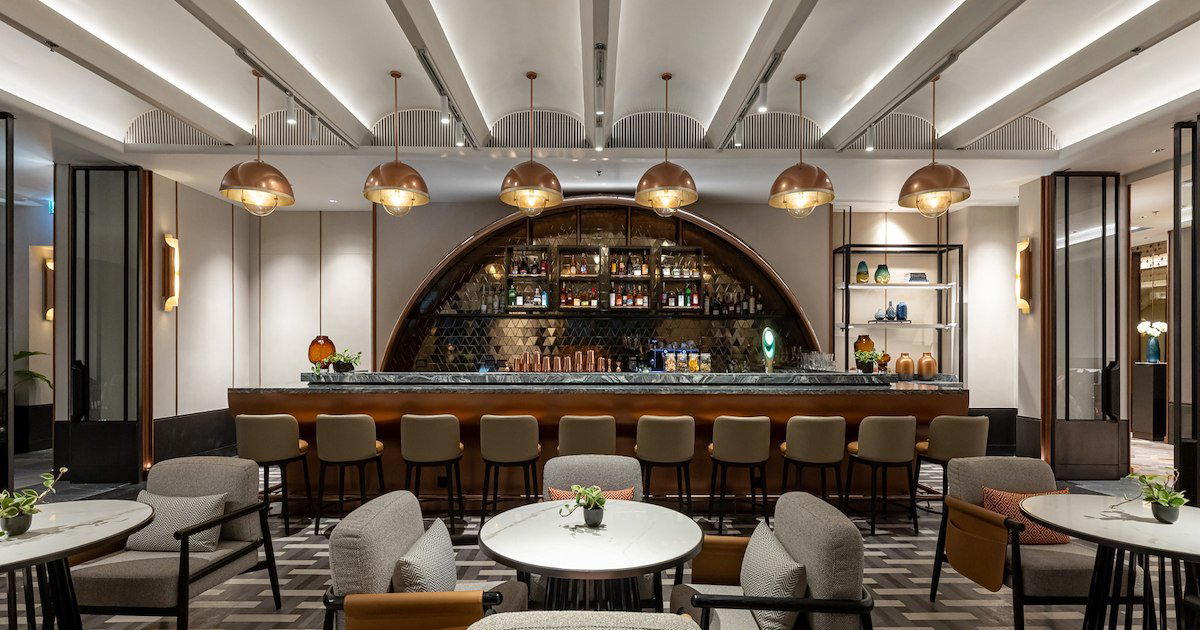
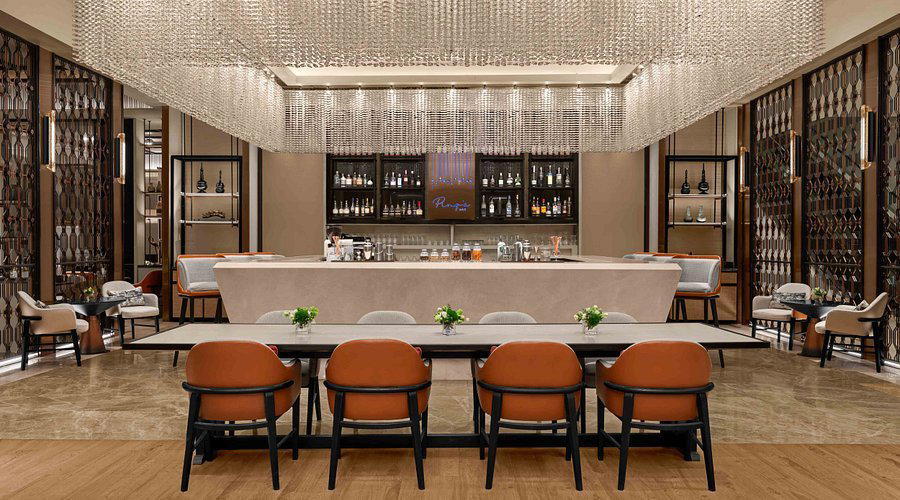
Details
- Cozy
- Classic
- Family
- Casual Hangout
- Group Dining
- Standalone
- Beer Program
- Local Sourcing
- A La Carte
- Beer
- Vegetarian Friendly
Current opening hours
- Monday
- 10:30 AM–10:30 PM
- Tuesday
- 10:30 AM–10:30 PM
- Wednesday
- 10:30 AM–10:30 PM
- Thursday
- 10:30 AM–10:30 PM
- Friday
- 10:30 AM–10:30 PM
- Saturday
- 10:30 AM–10:30 PM
- Sunday
- 10:30 AM–10:30 PM
Hours can change for holidays and private events. Hours as of .
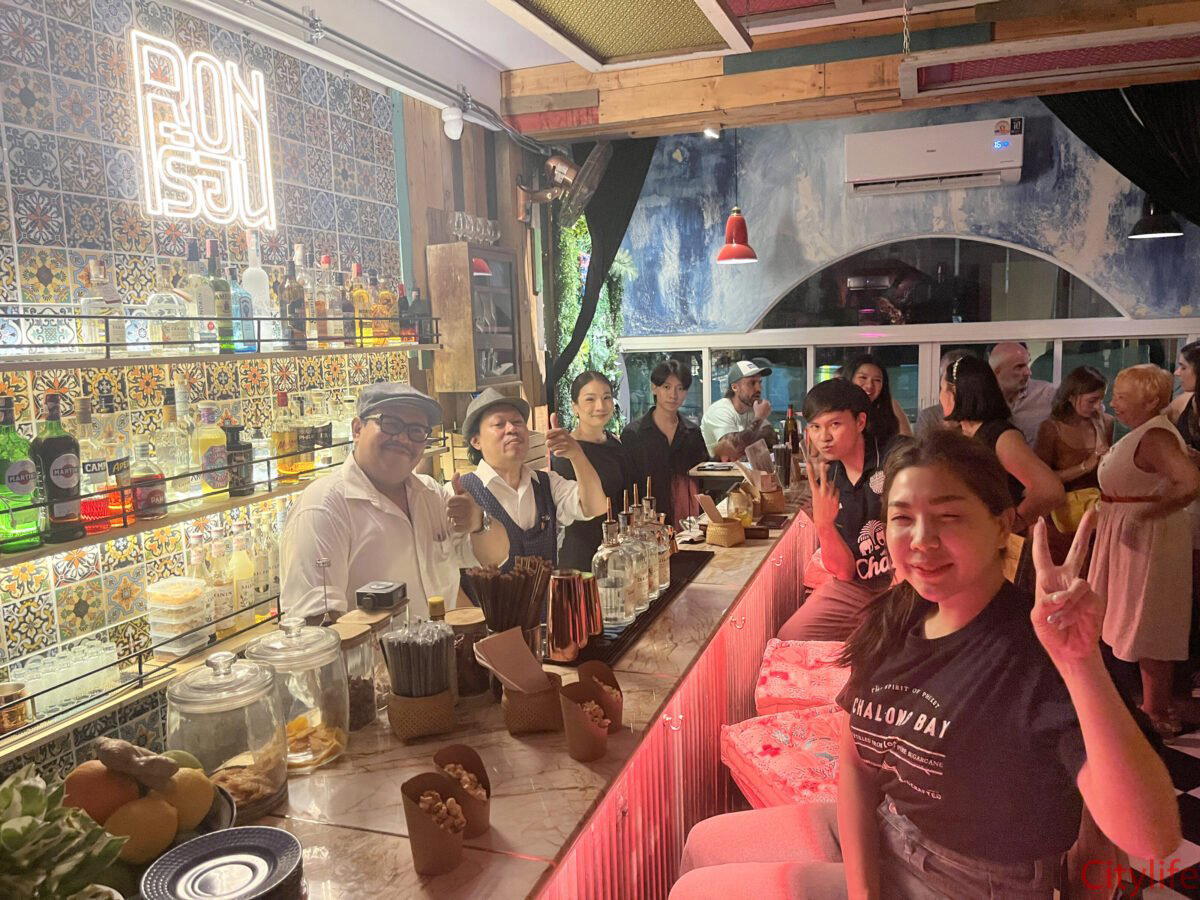
Warm, classic, and homey, with a charming wooden-house feel and air-conditioned indoor dining that is also photogenic.