
Tabelog 100 #3
Our verdict
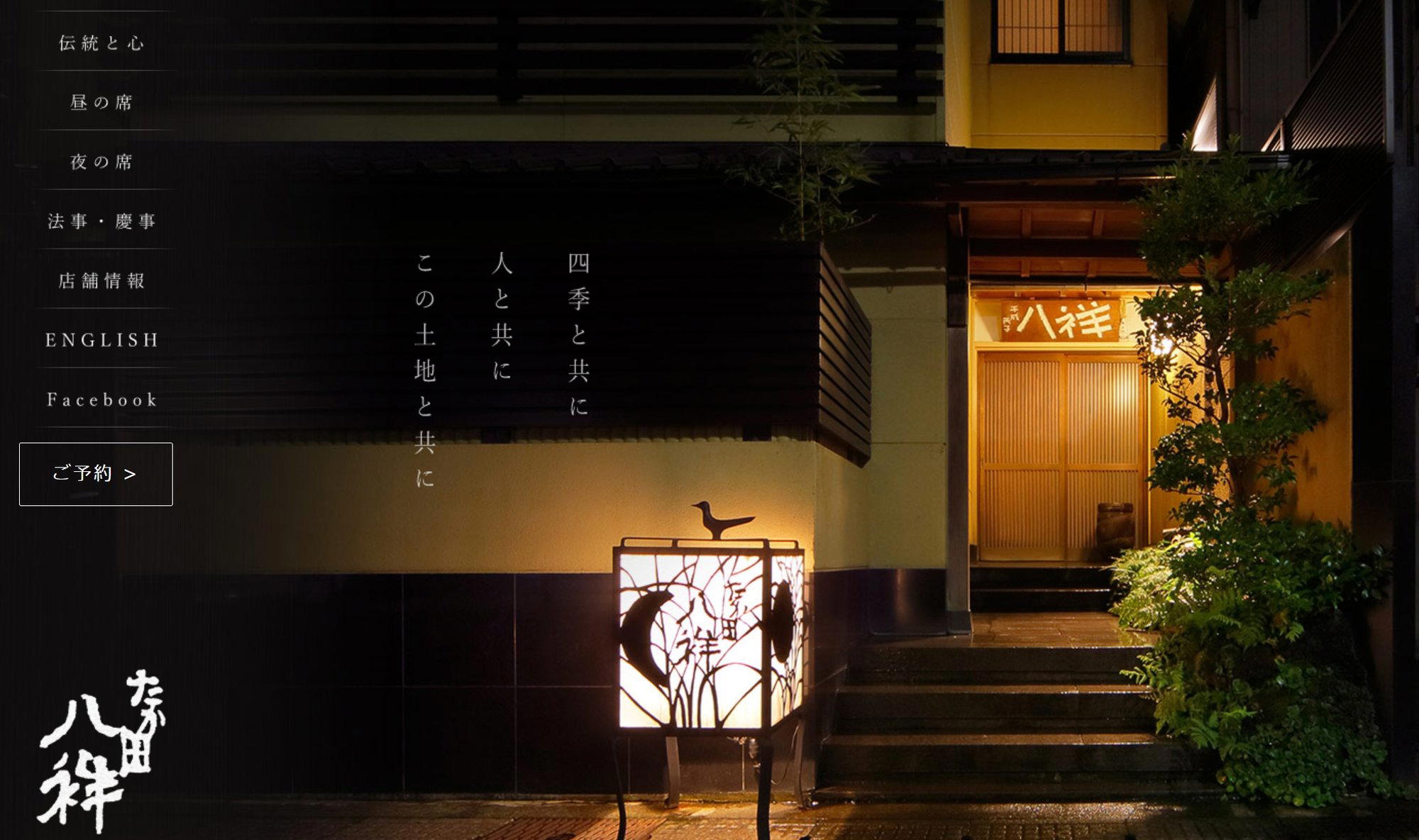
たか田 八祥 occupies a quiet address in Sugiyamacho, one of Gifu's more considered dining pockets, where the kitchen draws on the prefecture's agricultural and riverine larder rather than chasing metropolitan trends. The cooking here is rooted in place in ways that distinguish it from Gifu's broader restaurant scene. For travellers willing to approach the city on its own terms, this is a serious table.

Pearl is the En Primeur Club membership app, where members save venues, book tables and use the concierge.
The menu
What to order
- Hari hari (shredded potato with tobiko)
- Raw nori seaweed chazuke
Gifu's Larder and the Restaurants That Take It Seriously
Japan's mid-sized cities have always supported a particular kind of restaurant that the international press underserves: the table that sources from its immediate geography rather than from the prestige supply chains that feed Tokyo's dining district. Gifu sits in one of Japan's more productive inland corridors, where the Nagara River, the Hida highlands, and a long tradition of regional agriculture converge. That geography produces ingredients, river fish, mountain vegetables, local rice, highland-raised proteins, that rarely travel far, which means the restaurants closest to the source have access to material that counters in Tokyo and Osaka simply cannot replicate. たか田 八祥, at 17-2 Sugiyamacho, operates in that specific context.
Sugiyamacho is not the kind of address that announces itself. The street sits within Gifu's older residential and commercial fabric, the sort of neighbourhood where longevity signals something. A restaurant that persists in a quiet mid-city block in a Japanese provincial capital is not surviving on tourist footfall or on the reflexive loyalty of a passing lunch crowd. It is being chosen, repeatedly, by people who know the difference between kitchens that use what is convenient and kitchens that use what is right. That distinction matters more in a city like Gifu than in a destination where every table can lean on the same imported prestige products.
Where the Ingredients Come From and Why That Matters
The case for ingredient-led cooking in Gifu rests on specifics. The Nagara River, one of Japan's three clearest rivers under the designation of national reference waterways, produces ayu (sweetfish) that chefs across central Japan have acknowledged as benchmark material. Gifu's ayu season, concentrated in the warmer months, is not a metaphor for freshness, it is a specific, calendrically defined window during which a particular fish, raised in a particular cold, clean current, tastes like it does nowhere else. Restaurants positioned close to that source, in a city where the fishery is a civic institution (the cormorant fishing on the Nagara, practiced for over a thousand years, remains a working tradition), have an argument that no importing kitchen can match.
Beyond the river, Gifu's mountain zone, the Hida and Mino regions that bracket the city, supplies vegetables, fungi, and proteins that carry genuine terroir. Japanese cuisine at the serious end of the domestic market has always understood that regional specificity in ingredients is not a secondary concern but the primary one. The counters and kaiseki rooms that draw attention in Kyoto and Tokyo are, in many cases, sourcing from the same regional producers that Gifu restaurants can access directly, without the logistics premium or the time loss that distance introduces. A kitchen in Sugiyamacho is not working at a disadvantage relative to metropolitan peers; in ingredient proximity, it is working at an advantage.
This is the frame through which たか田 八祥 is leading understood: not as a Gifu alternative to something else, but as a restaurant whose sourcing logic is native to where it sits. Comparable arguments apply to serious regional tables elsewhere in Japan, from 三本木 有川製 in Nanao drawing on Noto Peninsula seafood to 湖都廃墟 in Takashima using Lake Biwa's immediate larder. The pattern is consistent: proximity to a defined regional larder is the ingredient-focused restaurant's core credential.
Gifu's Dining Scene in Wider Perspective
Gifu does not sit on the standard international dining circuit, which is partly why its better restaurants have developed without the external pressure to perform for foreign critics or to calibrate menus toward the expectations of visitors from larger cities. That insulation has costs, less critical attention, fewer awarded tables, but it also produces a dining culture that is genuinely local in its reference points. The comparison set for a serious Gifu restaurant is not Kyoto kaiseki or Tokyo omakase. It is the other committed regional tables in central Japan, a competitive environment defined by ingredient access, technical command, and the loyalty of a knowledgeable local clientele.
Within Gifu, the dining offer spans a range of formats and price points. Belle Equipe represents the French-trained end of the spectrum, operating in the JPY 10,000–14,999 dinner bracket that signals a deliberate fine-dining positioning. Kobanzushi, Mizuki, hiro, and Katatsumuri fill out a scene that rewards genuine exploration. See the full Gifu restaurants guide for a mapped overview of where each sits in the city's dining fabric.
Against that local context, たか田 八祥's Sugiyamacho address places it in the more considered, less commercially obvious part of the city, consistent with the kind of restaurant that builds reputation through the quality of its cooking rather than through location visibility. The dynamic is one Japan's serious regional dining culture produces consistently: the tables that matter are rarely on the main arterials.
Planning a Visit
Direct contact details and booking information for たか田 八祥 are not published through the standard international channels at time of writing, which is itself a signal about the restaurant's operating model. Tables at serious regional Japanese restaurants operating outside metropolitan booking infrastructure are typically secured through the hotel concierge services of Gifu's better properties, through Japanese-language reservation platforms such as Tableall or Omakase, or through a direct approach by phone or in person during service hours. Visitors arriving from Nagoya (approximately 30 minutes by limited express on the Meitetsu Nagoya line) will find that advance planning materially increases the odds of securing a seat, particularly during the ayu season from June through August when demand from domestic diners intensifies.
The wider region rewards the traveller who treats Gifu as a base rather than a transit stop. Serious tables elsewhere in Japan's less-visited cities demonstrate that the country's real depth of regional cooking sits outside the metropolitan spotlight. HAJIME in Osaka, Gion Sasaki in Kyoto, and Harutaka in Tokyo represent the awarded metropolitan tier; akordu in Nara and Goh in Fukuoka suggest how smaller cities sustain serious cooking. たか田 八祥 belongs to the same broader argument, made from a city that has not yet been discovered by the international dining press and is likely better for it.
Frequently asked questions
Is たか田 八祥 good for families?
たか田 八祥 is located at 17-2 Sugiyamacho in central Gifu, a setting that suggests a considered dining environment rather than a casual family venue. Restaurants of this type in Japan's regional cities typically prioritise a quieter, unhurried pace that suits adults more than young children. Families with older children who are comfortable in formal Japanese dining settings would find it more appropriate than those travelling with toddlers or younger kids.
How would you describe the vibe at たか田 八祥?
たか田 八祥 occupies the quieter end of Gifu's dining scene, a city that sits off the international press circuit and has developed its restaurant culture on its own terms. The address in Sugiyamacho points to a neighbourhood setting rather than a high-traffic commercial strip, which tends to produce a more deliberate, local atmosphere. Expect something closer to a private room than a scene.
Does たか田 八祥 reflect a distinctly Gifu cooking tradition rather than a broader Japanese style?
Gifu's culinary identity is rooted in specific regional sources: the Nagara River's ayu sweetfish, mountain vegetables from the surrounding highlands, and a food culture shaped more by local producers than by Kyoto or Tokyo trends. Restaurants in Sugiyamacho, where たか田 八祥 is based, operate within that regional frame, which makes the food here a product of Gifu's own larder rather than a transplanted urban style. That regional specificity is precisely what draws serious diners to mid-sized Japanese cities that the international circuit largely overlooks.
What should I order at たか田 八祥?
Specific menu details for たか田 八祥 are not published through standard international channels at time of writing. Given Gifu's position between the Nagara River, one of Japan's three clearest rivers, and mountain-sourced produce, the kitchen's strongest arguments are likely built around seasonal, locally sourced ingredients. Visiting without a fixed agenda and letting the kitchen lead is the standard approach at tables of this type in Japan's regional cities.
At-a-Glance Comparison
Comparable venues nearby, for context on price, style, and recognition.
| Venue | Cuisine | Price | Awards | Notes |
|---|---|---|---|---|
| たか田 八祥This venue (the venue you are viewing) | Michelin-Starred Kaiseki Japanese | $150–200 | Tabelog 100 #3 | Not listed |
| Takumi Hirano | Traditional Japanese Kaiseki | $100–150 | Tabelog 100 #99 | Yanagase / Onamicho |
| Akane Ya | Yakiniku & Chinese Grill | $50–100 | Tabelog 100 #5 | Mitonocho |
| Yakiniku Shun Yasai Fanbogi | Aged Wagyu Yakiniku | $50–100 | Tabelog 100 #6 | Sumidamachi, Gifu City |
| Chaya Akawani | Japanese shaved ice & sweets cafe | $1–10 | Tabelog 100 #30 | Hachimancho |
| åç §åºµ | Traditional Kaiseki Kappo | $200–300 | Not listed | Kanayama-machi |
Recognition history
Dated appearances from independent guides and award organizations, with the underlying list record or original source where available.
Tabelog 100 #3 · No. 3
Tabelog · Tabelog 100 - Japanese cuisine - EAST - 2025
Continue exploring
More in Gifu
Restaurants in Gifu
All restaurants in Gifu →

Details
- Elegant
- Sophisticated
- Intimate
- Classic
- Special Occasion
- Business Dinner
- Historic Building
- Sake Program
- Tasting Menu
- Sake
Current opening hours
- Monday
- 11:30 AM–2 PM, 5–8 PM
- Tuesday
- 11:30 AM–2 PM, 5–8 PM
- Wednesday
- 11:30 AM–2 PM, 5–8 PM
- Thursday
- 11:30 AM–2 PM, 5–8 PM
- Friday
- 11:30 AM–2 PM, 5–8 PM
- Saturday
- 11:30 AM–2 PM, 5–8 PM
- Sunday
- 11:30 AM–2 PM, 5–8 PM
Hours can change for holidays and private events. Hours as of .
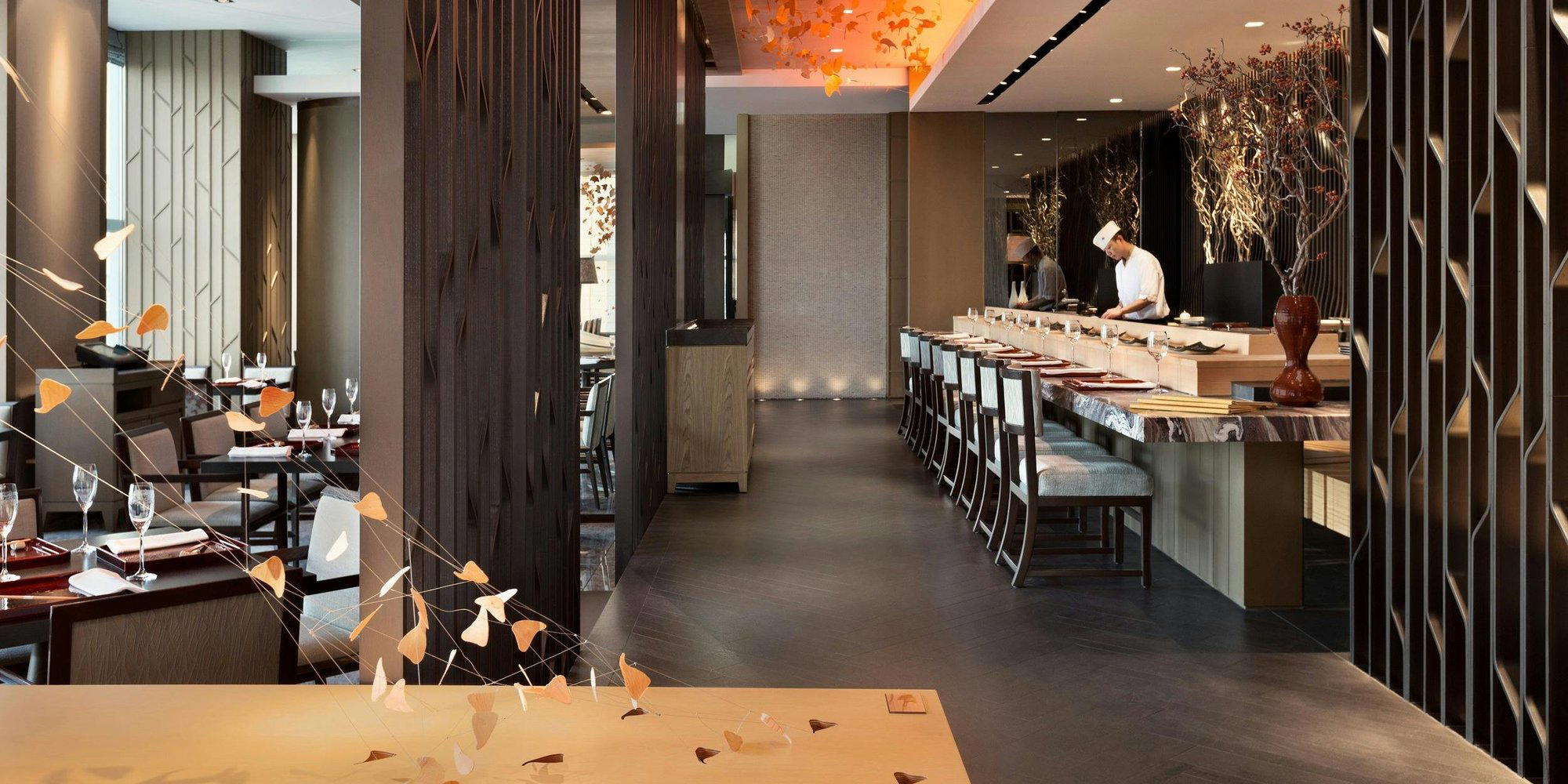
Traditional Japanese atmosphere with relaxing tatami rooms and sunken seating, emphasizing omotenashi hospitality and seasonal elegance.