
Tabelog 100 #20
Our verdict
〇鮨 runs Hokkaido Sushi Omakase at a chefs counter with a sake program and quiet, leisurely dinner pacing; Tabelog 100 #20 in 2025 adds context.

Pearl is the En Primeur Club membership app, where members save venues, book tables and use the concierge.
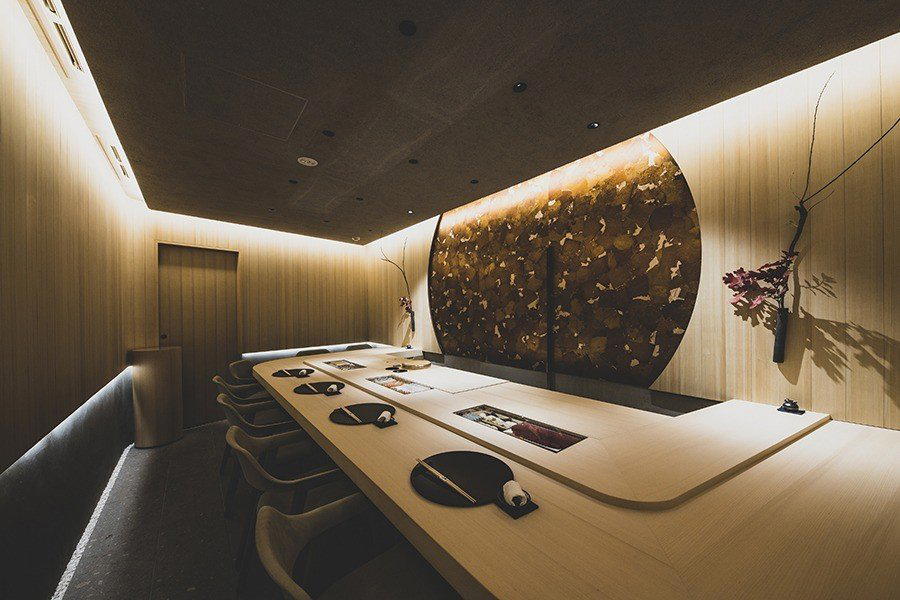
Minami 6-jo and the Quiet Register of Hokkaido Sushi
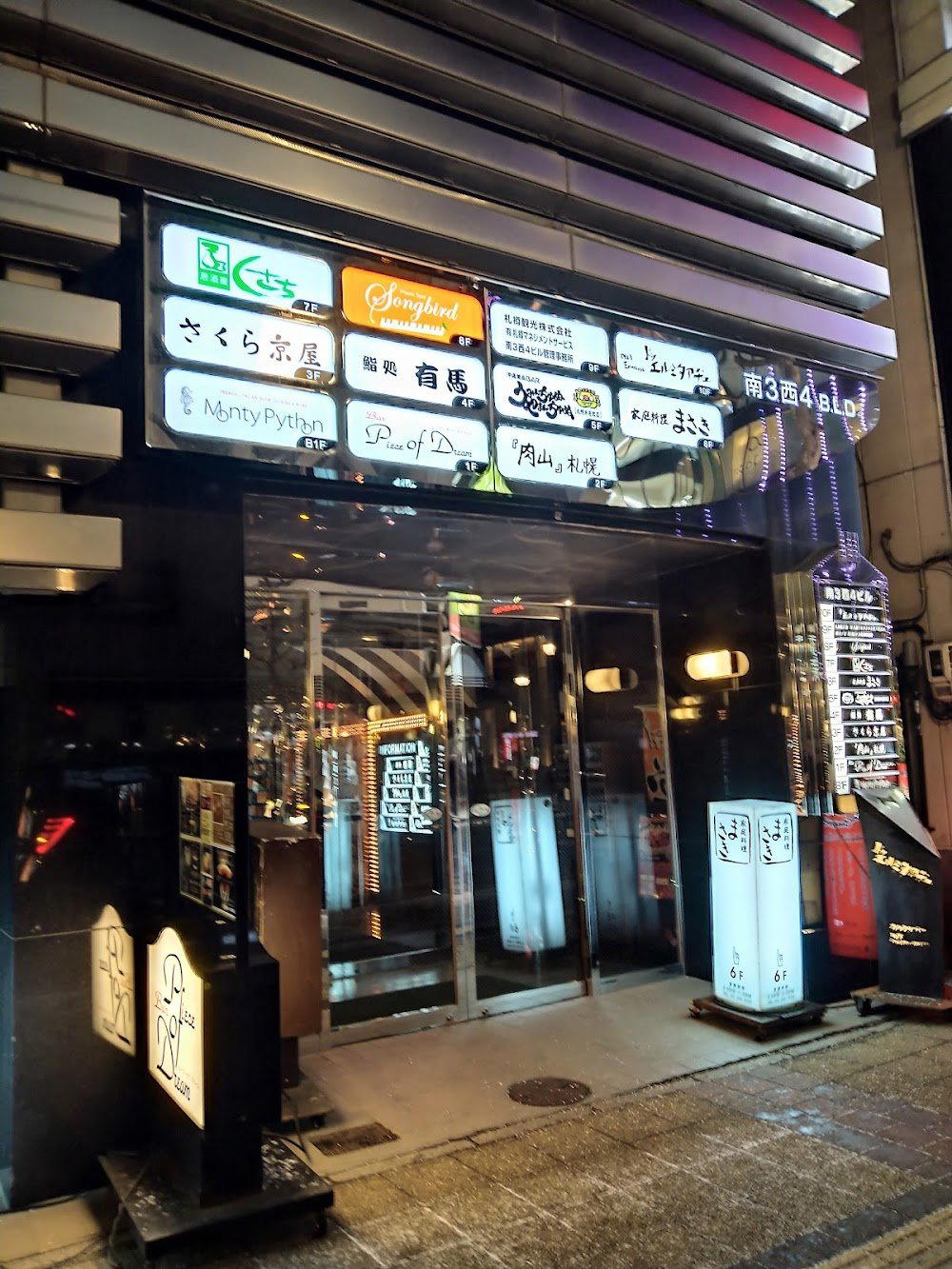
South of Sapporo's central grid, where the numbered streets push past the tourist circuits and into residential Chuo Ward, the city's sushi culture operates at a different register. The counters here are smaller, the signage is minimal, and the dining rooms are shaped by the logic of the craft rather than the imperatives of visibility. 〇鮨, in a ground-floor unit of a low-rise building on Minami 6-jo Nishi 4-chome, belongs to that quieter bracket of the city's raw-fish tradition. It is not a destination that announces itself. The address is a fact you look up rather than a frontage you stumble upon.
That restraint is consistent with one of the more interesting developments in Hokkaido's sushi scene over the past decade. As Sapporo's reputation for seafood has grown internationally, partly on the strength of its proximity to the fishing grounds of the Sea of Okhotsk and the Tsugaru Strait, the upper tier of its sushi counters has quietly diverged from the accessible izakaya-and-kaiten-zushi circuit that dominates the city by volume. The counters that sit above that baseline tend to operate with fewer seats, less visible marketing, and a reliance on word-of-mouth and reservation networks that reward prior knowledge.
What the Setting Communicates
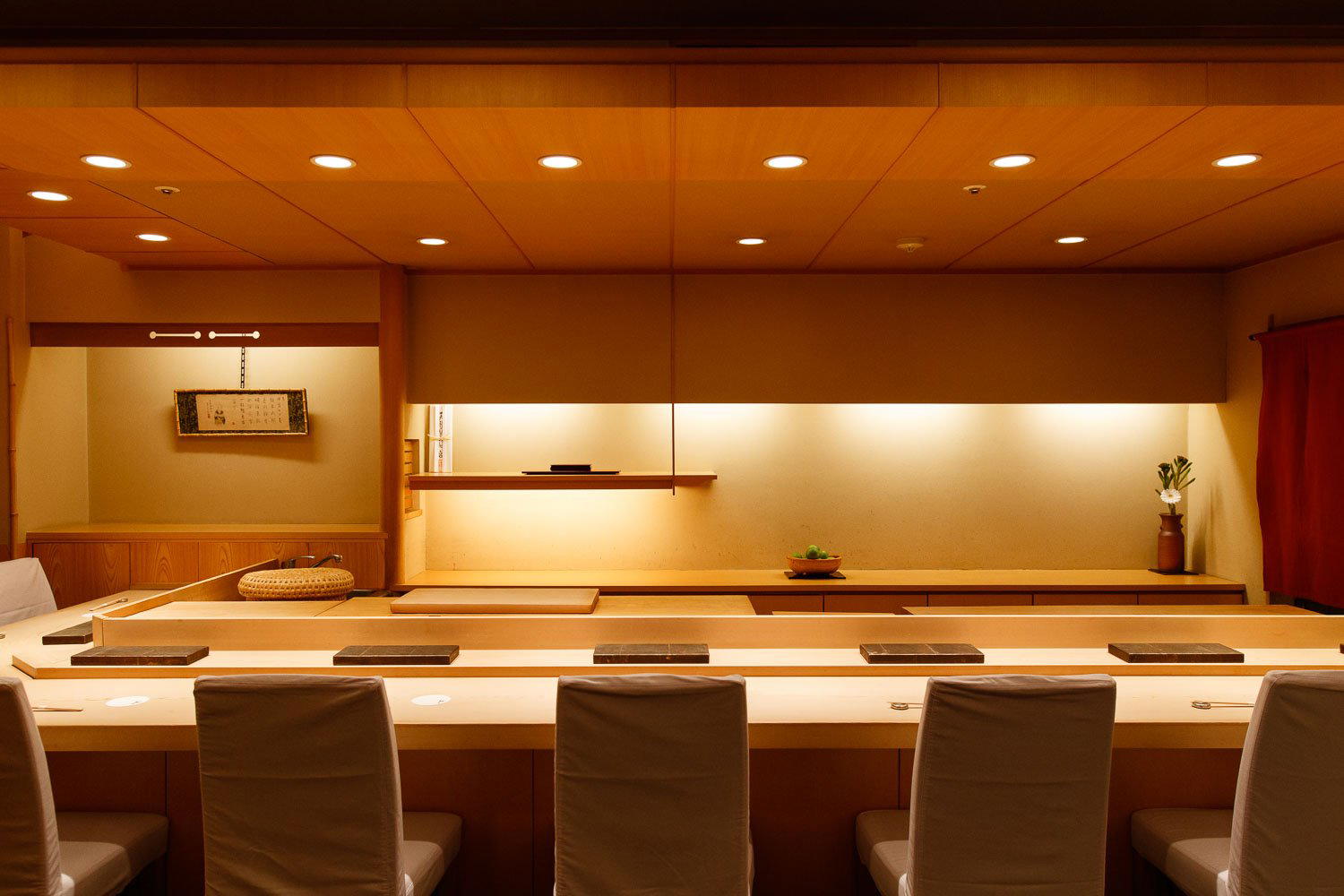
Counter sushi in Japan encodes information through the physical environment before a single piece of nigiri is served. The materials used, the distance between seats, the way natural light or artificial light is managed, the temperature at which the room is kept: these are not incidental. At the leading Hokkaido counters, there is often a deliberate simplicity, a preference for wood grain and negative space that draws attention toward the fish and the chef's hands rather than the architecture. The sushi counter format, in this tradition, is a frame for a transaction between the chef and a small number of guests, not a stage for ambient spectacle.
The Chuo Ward neighbourhood around Minami 6-jo is not a dining district in the way that Susukino is, or that the blocks around Sapporo Station have become with the arrival of international hotel groups and their accompanying restaurant floors. The absence of foot-traffic pressure in that neighbourhood tends to correlate with a particular kind of seriousness: venues that do not need the passing crowd to fill their seats have typically built a reservation base that requires a different approach from the diner.
Hokkaido's Seasonal Seafood and the Sushi Format
The case for seeking out a Sapporo omakase counter rather than one in Tokyo or Osaka is often made on the basis of provenance. Hokkaido sits at the intersection of cold-water currents that produce some of Japan's most closely watched ingredients. Uni from Rishiri and Rebun islands, hairy crab from the Sea of Okhotsk, salmon from rivers that feed into the Japan Sea: these are not simply regional products but benchmarks against which versions served elsewhere in Japan are often measured. A counter positioned in Sapporo, drawing directly from Hokkaido's wholesale and fishing networks, operates with a different supply logic than a counter in Tokyo that must source the same ingredients through the Toyosu market chain.
Seasonal calendar matters here. Late spring through summer is the peak window for Hokkaido uni, when the combination of cold water and kelp-rich feeding grounds produces the particular sweetness and firmness that the ingredient is known for. Winter hairy crab season, running roughly from November through March, draws dedicated visitors who time their Sapporo trips specifically around the ingredient. A counter like 〇鮨, located in a city with direct access to these supply chains, sits at an obvious geographical advantage over peers in warmer prefectures, though the quality of what appears at the counter still depends on the choices made at the source.
Arima (Sushi) and counters of similar standing represent the upper tier of the city's dedicated sushi offer. Hanakoji Sawada (Kaiseki) occupies a parallel position in the kaiseki register, while venues like Hidetaka, Higebozu, and aki nagao each mark a distinct point on the city's broader fine-dining map. Across Japan, the omakase format has become increasingly stratified: counters at the top of the market now price against their peer tier rather than against the city's general dining index. That pattern holds in Sapporo as it does in Tokyo, Osaka, and Fukuoka.
For comparative reference across Japan's fine-dining tier, the distinction between counter formats is worth noting. Harutaka in Tokyo and Goh in Fukuoka each anchor the upper omakase and creative kaiseki tiers of their respective cities. Gion Sasaki in Kyoto and HAJIME in Osaka mark the creative boundary of kaiseki and contemporary Japanese cuisine. Sapporo's premium counters operate in a different register from these, partly by choice and partly by the character of the city itself, which rewards a quieter form of seriousness over the kind of prestige signalling that concentrates in Japan's major culinary hubs.
Venues in smaller Japanese cities and towns follow a similar logic. 一本杉 加賀屋制 in Nanao and 鶴羽屋 in Nishikawa Machi represent the pattern of serious, locally rooted food culture operating outside the major cities, where the guest-to-counter relationship is more direct and the sourcing logic is hyper-regional. 湖畔荘 in Takashima, akordu in Nara, and Birdland in Sakai each operate with a similar regional specificity, where the ingredient geography and the local dining culture shape the offer more than national or international trend cycles. Even a destination like Bistro Ange in Toyohashi demonstrates how a carefully positioned counter or dining room in a mid-size Japanese city can develop a reservation base that operates independently of metropolitan attention.
At the international level, the question of what makes a premium counter worth a dedicated trip is answered differently depending on the city. Le Bernardin in New York City and Atomix in New York City each anchor their respective categories in a market where visibility and critical recognition are structural to the business model. Sapporo counters like 〇鮨 operate in a market where those signals matter less and where the guest who finds the reservation is likely to have done so through a different kind of research.
Planning a Visit
The address places 〇鮨 in the southern part of Chuo Ward, roughly a fifteen-minute walk from Susukino or accessible by subway to the Horohira-bashi area. The venue's minimal public presence means that advance reservation through local contacts or a hotel concierge familiar with Sapporo's counter circuit is the practical route to a seat. As with most serious omakase counters in Japan, visiting during Hokkaido's peak seasonal windows, particularly the summer uni season or the winter crab period, is likely to produce the most representative reading of what the counter can offer. For a broader orientation to the city's dining culture before or after a visit, the full Sapporo restaurants guide maps the scene across categories and price points.
Frequently asked questions
Would 〇鮨 be comfortable with kids?
Counter omakase in this part of Sapporo's Chuo Ward is a format built around quiet attention and a fixed sequence of courses, typically running through a dozen or more pieces served at the chef's pace. That structure is demanding for young children and generally not suited to them. Families visiting Sapporo with children would be better served by the city's more casual sushi options in the Susukino area.
What's the overall feel of 〇鮨?
At counters of this type in Sapporo, the atmosphere is spare and focused: conversation centres on the food, the pacing is the chef's, and the room typically seats a small number of guests. Think deliberate quietude rather than social energy.
Is 〇鮨 accessible by public transport from central Sapporo?
The address on Minami 6-jo Nishi in Chuo Ward places the venue within reach of the Horohira-bashi subway station on the Namboku Line, and the Susukino entertainment district is roughly a fifteen-minute walk north. Sapporo's subway grid is reliable and legible for visitors, making the southern Chuo Ward location less remote than its low public profile might suggest.
What should I order at 〇鮨?
Omakase removes that decision entirely: the chef sequences the meal based on what Hokkaido's waters are producing at peak on a given day. In practice, that means the menu shifts across the year, leaning into Hokkaido's well-documented seafood calendar, snow crab and sea urchin in their respective seasons, cold-water fish that don't appear on counters further south. Requesting substitutions or alterations is generally not part of the format.
Where is 〇鮨 located?
〇鮨 is located at Japan, 〒064-0806 Hokkaido, Sapporo, Chuo Ward, Minami 6 Jonishi, 4 Chome−4 ライトビル 1F, Sapporo.
How hard is it to get a table at 〇鮨?
Counters in this category across Japan often run with limited seats and advance bookings of several weeks to months. Without a local connection, securing a seat is the primary obstacle.
What makes 〇鮨 worth seeking out?
The core argument is geographic: Hokkaido sits closer to its own seafood supply than any kitchen in Tokyo or Osaka, and a Sapporo counter absorbs that advantage directly into the omakase sequence. Transit times from water to counter are shorter, and the prefecture's cold-water fisheries produce sea urchin, crab, and salmon roe with a profile distinct from warmer Japanese waters. For a counter sushi experience tied to genuine regional provenance, Sapporo has a structural advantage.
Peers Worth Knowing
Comparable venues nearby, for context on price, style, and recognition.
| Venue | Cuisine | Price | Awards | Notes |
|---|---|---|---|---|
| 〇鮨This venue (the venue you are viewing) | Hokkaido Sushi Omakase | $100–150 | Tabelog 100 #20 | Not listed |
| Shinohei | Reservation-only Wagyu Shabu-shabu | $50–100 | Tabelog 100 #63 | Chūō |
| Himeshara | Hokkaido-influenced Edomae Sushi | $150–200 | Tabelog 100 #76 | Maruyama |
| Kin Zushi | Traditional Sapporo Sushi Counter | $50–100 | Tabelog 100 #12 | Chūō |
| Sushikin | Edomae-style Omakase Sushi | $200–300 | Tabelog Bronze #430 | Chūō |
| 姫沙羅 | Hokkaido-influenced Edomae Sushi | $150–200 | Tabelog 100 #76 | Maruyama Park |
Recognition history
Dated appearances from independent guides and award organizations, with the underlying list record or original source where available.
Tabelog 100 #20 · No. 20
Tabelog · Tabelog 100 - Sushi - EAST - 2025
Continue exploring
More in Sapporo
Restaurants in Sapporo
All restaurants in Sapporo →
Bars in Sapporo
All bars in Sapporo →
Details
- Elegant
- Intimate
- Sophisticated
- Date Night
- Special Occasion
- Chefs Counter
- Sake Program
- Local Sourcing
- Sustainable Seafood
- Omakase
- Counter Dining
- Sake
- Pescatarian Friendly
Current opening hours
- Monday
- 6–9 PM
- Tuesday
- 12–2 PM, 6–9 PM
- Wednesday
- 12–2 PM, 6–9 PM
- Thursday
- 12–2 PM, 6–9 PM
- Friday
- 12–2 PM, 6–9 PM
- Saturday
- 12–2 PM, 6–9 PM
- Sunday
- Closed
Hours can change for holidays and private events. Hours as of .
Intimate sushi counter with focus on fresh seafood presentation.