
Tabelog 100 #17
Our verdict
In Tono, the town in Iwate Prefecture known more for folklore than fine dining, おのひづめ operates from a specific address in Shinkokucho that places it well outside the circuits serving Japan's major culinary cities. The restaurant draws attention precisely because of its distance from those circuits, rooting its cooking in the agricultural and foraging traditions of the Tohoku region.

Pearl is the En Primeur Club membership app, where members save venues, book tables and use the concierge.
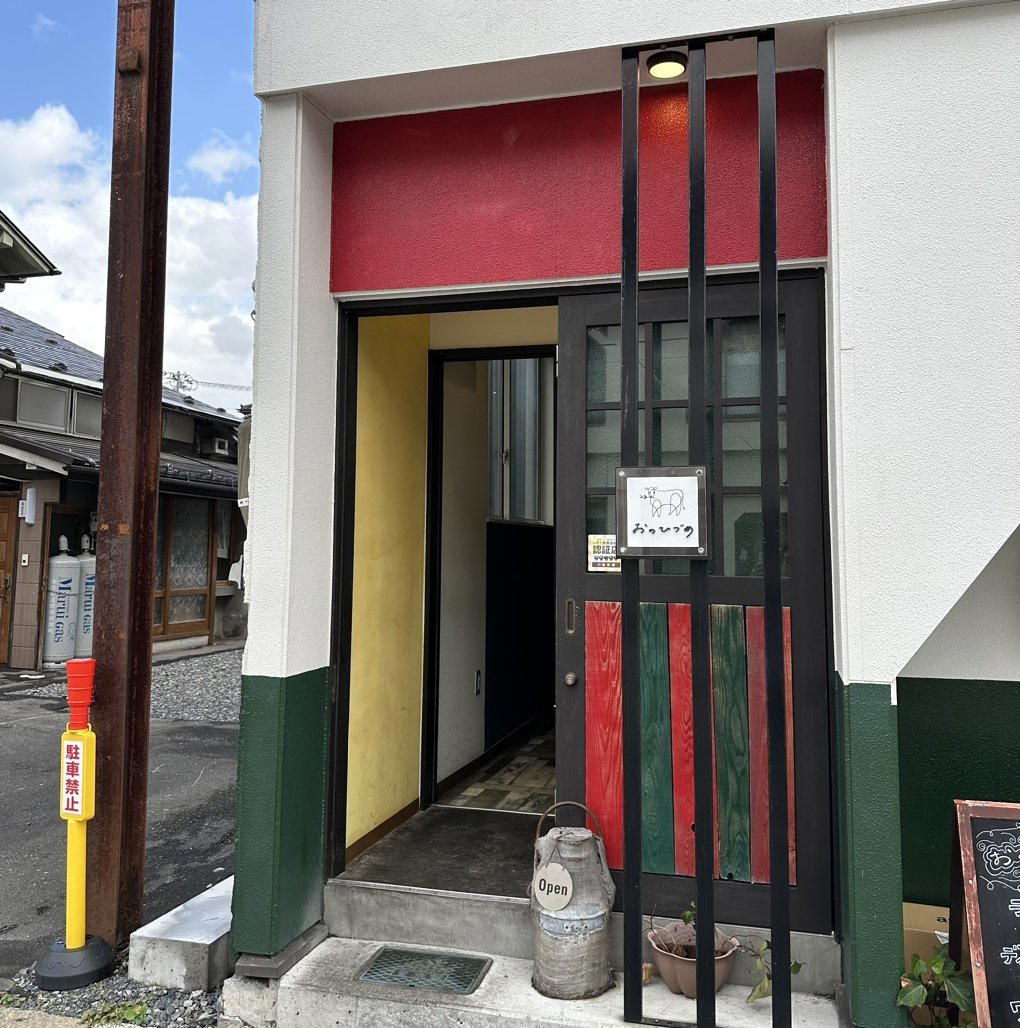
Far from the Circuits, Close to the Source
Tono sits inland in Iwate Prefecture, surrounded by the kind of mountain farmland that feeds the rest of the Tohoku region without receiving much credit for doing so. The town is better known to Japanese travellers for its kappa folklore and thatched farmhouses than for its restaurants, which is part of what makes a serious dining address here an editorial point worth examining. In Japan's culinary geography, the prestige axis runs through Tokyo, Kyoto, and Osaka, with occasional detours to Fukuoka or Sapporo. Tono is not on that axis. Restaurants like Harutaka in Tokyo or Gion Sasaki in Kyoto operate within dense peer sets where recognition compounds on itself. おのひづめ does not have that infrastructure around it, and that absence shapes everything about how it operates.
The address at 2-1 Shinkokucho puts the restaurant in a residential-commercial pocket of Tono City, not in a dining district. Approaching it, the surrounding streetscape is quiet in the way that provincial Japanese towns are quiet: deliberate, unhurried, with a scale that refuses urban compression. What the location provides instead of foot traffic and peer proximity is direct access to the sourcing networks that define Tohoku cooking at its most grounded.
The Sourcing Logic of Tohoku
The Tohoku region produces some of Japan's most respected agricultural output: Iwate beef, mountain vegetables gathered from the Kitakami highlands, freshwater fish from rivers that drain into the Pacific, and wild mushrooms that foragers in the area have been harvesting for generations. The regional larder is substantial, but it has historically fed cities rather than defined a high-profile local dining scene. That pattern is shifting in small ways, and restaurants operating in provincial Tohoku towns are part of that shift, building menus around provenance that urban restaurants often claim but cannot match at the same proximity.
In the broader context of Japanese regional dining, this matters. Kitchens in Tokyo or Osaka that centre their identity on local sourcing are making a relative claim: the ingredients are local relative to the prefecture, or the season, or the relationship with a particular producer. A restaurant in Tono making similar claims is operating with a shorter supply chain by default. The mountain vegetables arrive from elevations visible from the town. The beef is raised in the same prefecture. That compression of geography between source and plate is not a marketing position; it is a structural reality of operating in a place like this. Comparable dynamics appear in other regional Japanese contexts, from the river fish traditions around Takashima to the agricultural sourcing that underpins cooking in rural Nara, where akordu has built a cross-cultural menu around local produce.
Provincial Dining and the Question of Context
Japan's Michelin infrastructure, the 50 Best circuit, and the major food publication networks concentrate their attention on the major metros. HAJIME in Osaka and Goh in Fukuoka sit within those recognition frameworks. Tono does not generate the same critical density, which means restaurants here are not evaluated against a local competitive set in the way that Tokyo omakase counters are measured against each other. The absence of that comparative pressure can work in two directions: it removes the incentive to perform for critics, but it also removes the scaffolding that helps restaurants build an audience beyond their immediate geography.
For the traveller willing to route through Tono specifically for a meal, the calculation shifts. The Shin-Hanamaki Shinkansen stop connects Iwate Prefecture to the main rail network, with local rail and road access continuing into Tono. The journey takes commitment, which is itself a signal about the kind of diner the restaurant draws. This is not a casual detour from a Tokyo itinerary in the way that a day trip to Hakone might be. It requires building Tono into the plan as a destination in its own right, which aligns with how the town's accommodation and cultural offerings are structured.
For regional context and broader Iwate dining options, see our full Tono restaurants guide. Travellers building a wider Tohoku or Japan itinerary around serious regional cooking might also consider the kaiseki traditions of Nishikawa Machi or the Hokkaido sourcing context at restaurants in Sapporo.
What Regional Cooking in Tono Tells You
The argument for seeking out restaurants in places like Tono is not nostalgia, and it is not the pursuit of authenticity as a romantic category. It is more specific than that. Japanese cuisine at its most technically demanding, whether the fish-forward precision of counters like Harutaka or the composed intensity of HAJIME, exists in a different relationship to its ingredients than a kitchen operating within the producing region itself. Both modes have value. They are not competing; they are doing different things with Japanese culinary tradition.
A restaurant in Tono is, by its geography, embedded in the production side of that equation. The foraged sansai greens, the river fish, the mountain mushrooms, the Iwate livestock: these are not shipped in as premium ingredients. They are the local food supply, and cooking with them in a considered way is a different kind of statement than sourcing them from afar. This is the same argument that makes regional French cooking worth understanding on its own terms rather than purely as a provincial echo of Parisian technique, or that makes destinations like bodai in the Kumano region interesting precisely because of their remove from the metropolitan palate.
Other Japan-based restaurants operating in this regional-sourcing mode include 那智勝浦 and Nanao, where the proximity to specific coastal or mountain ecosystems defines the menu logic. The comparison is instructive: what changes when you eat in the place rather than in a city that imports from it.
Planning a Visit
Travellers planning a visit should contact the restaurant directly or check current local listings closer to travel dates. Given Tono's distance from major transit hubs, building in at least one overnight stay in the area is the practical approach: the town's farm-stay accommodations and folk village are worth the time, and the meal fits naturally into a longer engagement with the region rather than a day-trip structure. For travellers who have experienced the precision of metropolitan Japanese dining at venues like Gion Sasaki or the innovation of Atomix in New York, the contrast that a grounded regional kitchen offers is not a step down; it is a different frame entirely.
Frequently asked questions
Is おのひづめ a family-friendly restaurant?
おのひづめ is located at 2-1 Shinkokucho in Tono, a small inland city in Iwate Prefecture where dining culture tends toward the unhurried and community-rooted rather than the metropolitan and formal.
What is the atmosphere like at おのひづめ?
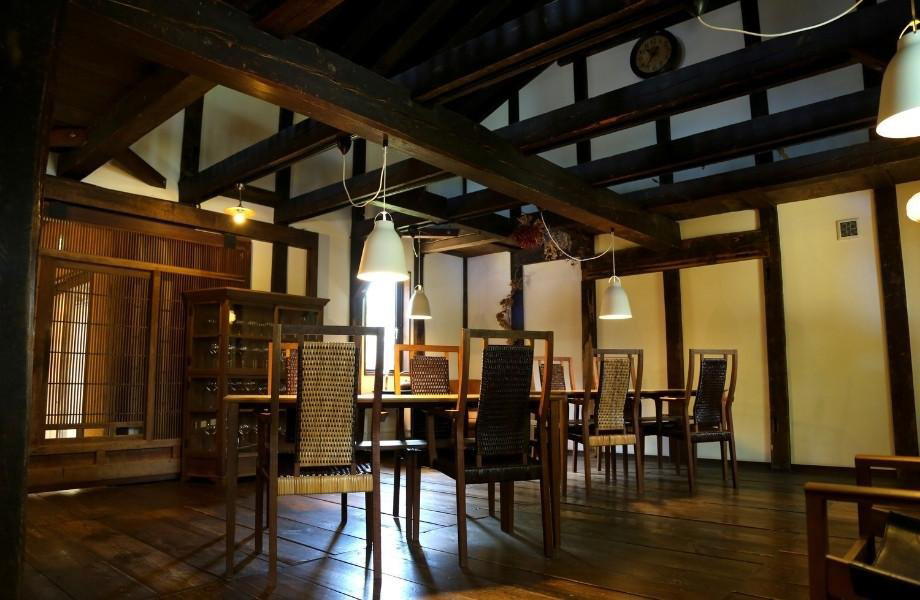
Tono is a city defined by mountain farmland rather than urban density, and restaurants here tend to reflect that, grounded, unpretentious, and oriented toward the local agricultural calendar. おのひづめ sits in the Shinkokucho district of Tono, which shapes expectations toward a quieter, more deliberate dining pace than you would find in Sendai or Tokyo.
Why travel to Tono specifically to eat at a place like おのひづめ?
Tono sits inland in Iwate Prefecture, away from the Michelin circuits and the major food media networks that concentrate on Tokyo, Osaka, and Kyoto, which means restaurants here operate outside the noise of awards-driven menus and outside the tourist pricing those circuits generate. The Tohoku region produces agricultural output, including Iwate beef and Kitakami highland mountain vegetables, that supplies much of Japan's north, and eating in Tono puts you at the source rather than downstream of it.
What do regulars order at おのひづめ?
Tono and the wider Iwate Prefecture are known for ingredients including Iwate beef and mountain vegetables gathered from the Kitakami highlands, produce that frames the cooking in restaurants across the region.
Quick Comparison
Comparable venues nearby, for context on price, style, and recognition.
| Venue | Cuisine | Price | Awards | Notes |
|---|---|---|---|---|
| おのひづめThis venue (the venue you are viewing) | Creative Italian with Local Tono Ingredients | Not listed | Tabelog 100 #17 | Not listed |
| Tonoya-Yo | Seasonal Japanese fermentation-focused auberge | $200–300 | Not listed | .zaimokucho |
| 400℃ PIZZA TOKYO (KAGURAZAKA) | Modern Tokyo Pizza Counter | Not listed | Not listed | Kagurazaka |
| SAVOY Tomato & Cheese (SAVOY とまととちーず) | Wood-fired Neapolitan-style pizza | $50–100 | Tabelog 100 #30 | Azabujuban |
| Trattoria diana | Italian Trattoria | Not listed | Not listed | Yufuin-cho |
| Partenope (パルテノペ) | Authentic Neapolitan Pizza | Not listed | Tabelog 100 #62 | Ebisu |
Recognition history
Dated appearances from independent guides and award organizations, with the underlying list record or original source where available.
Tabelog 100 #17 · No. 17
Tabelog · Tabelog 100 - Italian - EAST - 2025
Details
- Cozy
- Rustic
- Date Night
- Special Occasion
- Open Kitchen
- Sake Program
- Local Sourcing
- Omakase
- A La Carte
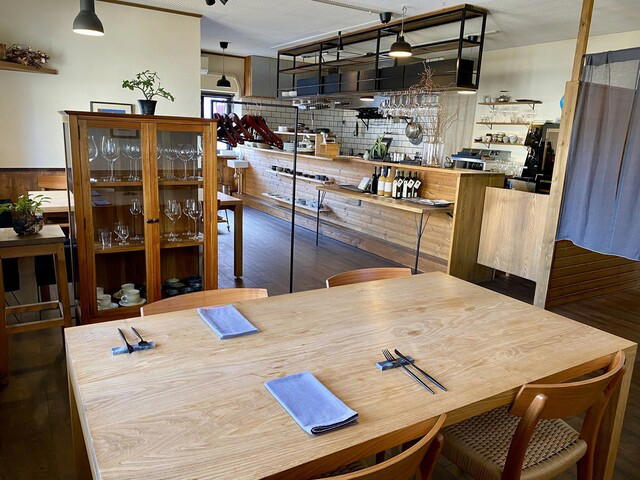
落ち着いた空間 (calm and relaxed atmosphere).