Ölme Prästgård Gästgiveri

White Guide Sweden Restaurants - Fine Level
Our verdict
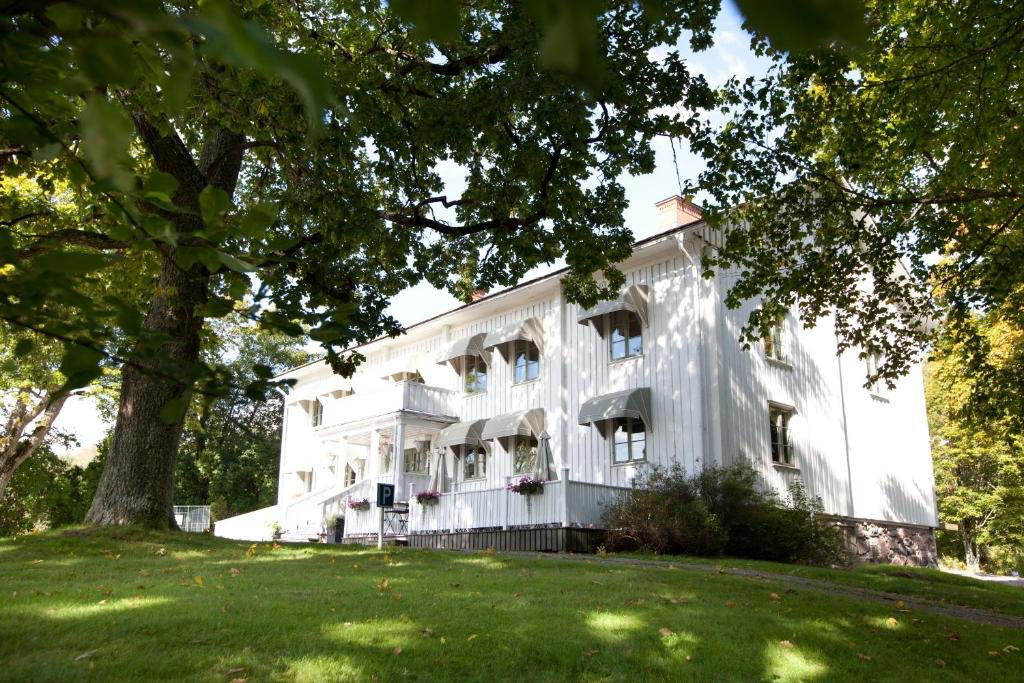
Set within a historic Swedish country parsonage in Värmland, Ölme Prästgård Gästgiveri occupies the older tradition of Swedish gästgiveri — inn-keeping with roots in the land. The surrounding countryside shapes what reaches the table, and the setting positions it within a small but serious tier of rural Swedish hospitality that prizes provenance over spectacle. For travellers moving through the Kristinehamn region, it offers a grounded alternative to urban fine dining.

Pearl is the En Primeur Club membership app — saves, bookings, and concierge access live there. Same editors, same standards.
- Address
- Ölme Prästgård 1, 681 94 Kristinehamn, Sweden
- Phone
- +4655033333
- Website
- olmeprastgard.se
- Directions
- Get directions
The Gästgiveri Tradition and What It Means in Värmland
Sweden's gästgiveri tradition predates modern hospitality categories by several centuries. These licensed inns, originally mandated by the crown to provide lodging and food to travellers along major routes, were built into the rural fabric of the country in ways that urban restaurants never were. In Värmland, that fabric is particularly dense: the province is lake-threaded, forest-heavy, and agriculturally self-sufficient in ways that allowed a distinct regional food culture to persist. Ölme Prästgård Gästgiveri operates from a former parsonage in the Ölme district outside Kristinehamn, and that physical context matters as much as any menu description. Parsonages in Sweden were historically among the better-provisioned rural properties, with kitchen gardens, livestock, and strong ties to the surrounding farming community. A building with that lineage carries expectations about where its food comes from.
The broader conversation in Swedish fine dining has been dominated by New Nordic frameworks since the mid-2000s, with Michelin-recognised urban operations like Vollmers in Malmö and VYN in Simrishamn setting a technical and foraging-led standard that rural properties are implicitly measured against. What distinguishes rural gästgiveri from that urban tier is not ambition but orientation: the sourcing logic runs outward from the land rather than inward from a chef's concept.
Arriving at Ölme: Setting Before Service
The drive from Kristinehamn into the Ölme countryside takes you through the kind of Swedish agricultural terrain that looks different in each season but maintains a consistent character — open fields giving way to birch and pine, with occasional glimpses of the lakes that define Värmland's topography. A former prästgård, or priest's house, occupies the kind of site that was chosen for its centrality to a parish rather than for scenic effect, which means the property tends to sit within a working landscape rather than above it. That quality — of being part of the land rather than positioned to admire it, runs through the gästgiveri format at its most coherent.
Swedish rural hospitality at this level operates on different rhythms than city dining. Booking in advance is standard practice, and visits organised around an overnight stay allow for the kind of unhurried meal that the format is designed to support. Travellers coming from Stockholm can reach Kristinehamn by train on the main Västra stambanan line with connections, making Ölme a viable detour on a longer journey through central Sweden rather than a dedicated trip from the capital.
Sourcing as the Structural Logic
The ingredient-sourcing argument for rural Swedish hospitality rests on proximity. In Värmland, the hunting season produces elk, deer, and game birds that enter the kitchen through channels unavailable to urban restaurants: direct relationships with local hunters, small-scale processors, and seasonal rhythms that a Stockholm operation importing from the same region would never access at the same speed or specificity. The same applies to freshwater fish from Värmland's lakes, foraged material from forests within short distances, and dairy from farms whose scale allows for the kind of direct supply that larger hospitality groups have to reconstruct through elaborate sourcing programmes.
This is the tradition that Swedish country restaurants operating in the gästgiveri mode inhabit, whether or not they frame it explicitly as a New Nordic proposition. Properties like ÄNG in Tvååker and Knystaforsen in Rydöbruk have built serious reputations on exactly this logic: not the importation of fine dining to the countryside, but the articulation of what the countryside actually produces. The Ölme site, with its parsonage history and Värmland location, sits within that broader current in Swedish food culture.
For context on what ingredient-led sourcing can look like at the top of the Swedish market, Frantzén in Stockholm has built an internationally recognised programme around provenance, but at a price point and scale that rural operations neither match nor need to. The reference point for Ölme is closer to the mid-tier of serious Swedish regional cooking, where the sourcing logic is just as rigorous but the presentation is less ceremonial.
Kristinehamn's Position in the Swedish Regional Dining Picture
Kristinehamn is not a city that appears prominently in Swedish food media, which reflects the general urban concentration of critical attention rather than any absence of serious eating in the region. Värmland as a province has produced a number of properties worth tracking: the area around Lake Vänern supports a food culture oriented toward freshwater ingredients, game, and preserved goods that has more in common with Norwegian border-region cooking than with the contemporary Stockholm scene. For travellers who have worked through the urban Swedish dining tier, destinations like 28+ in Gothenburg, Signum in Mölnlycke, or Veto in Örebro, regional properties with genuine local sourcing logic represent a different kind of value proposition.
The wider Swedish regional restaurant picture also includes properties like PM & Vänner in Växjö, Enoteket in Norrköping, Lilla Bjers in Visby, Adrian Restaurang in Borås, Brasserie Park in Jonköping, Camp Ripan in Kiruna, and John's Place in Varberg, each operating within a distinct regional food logic. What positions Ölme differently is the historic property format and the specific Värmland sourcing network that a parsonage site implies. For the full picture of where it sits among Kristinehamn's options, see our full Kristinehamn restaurants guide.
Planning a Visit
Ölme Prästgård Gästgiveri functions most naturally as an overnight destination or a deliberate lunch stop rather than a casual drop-in. The gästgiveri format assumes a degree of advance planning: contact the property directly to confirm availability and current offerings, as rural properties at this scale typically operate with tighter seasonal schedules than urban restaurants. Värmland's seasons produce meaningfully different tables, spring brings early foraged greens and river fish, summer opens up the full range of garden produce, autumn is the prime game season, and winter menus tend toward preserved and cured preparations that reflect the province's traditional preservation culture.
Frequently asked questions
Does Ölme Prästgård Gästgiveri work for a family meal?
The rural gästgiveri format at Ölme Prästgård, located at Ölme Prästgård 1 outside Kristinehamn, suits unhurried family visits more naturally than quick urban restaurant stops. The setting outside the city makes it a deliberate trip rather than a spontaneous one, which tends to work better for groups with a plan.
Is Ölme Prästgård Gästgiveri better for a quiet night or a lively one?
The Ölme district outside Kristinehamn is agricultural and sparsely settled, which positions this gästgiveri firmly toward the quiet end of the spectrum. Sweden's gästgiveri tradition was built around travellers needing rest between towns, not around evening entertainment, and the format at a rural prästgård property follows that pattern. Anyone seeking a lively night with late service and street-level energy should look toward central Kristinehamn or larger Värmland towns instead.
Is Ölme Prästgård Gästgiveri worth staying overnight, or is a day visit enough?
The property sits outside Kristinehamn in a stretch of Värmland countryside that rewards slower travel rather than a timed excursion. Sweden's gästgiveri format was structurally designed for overnight stays — the licensed inn category historically required properties to offer both lodging and food to travellers along established routes. A day visit is possible, but the location at Ölme Prästgård 1 makes the overnight format the more logical choice for anyone coming from outside the immediate region.
What's the must-try dish at Ölme Prästgård Gästgiveri?
What the Värmland region does reliably produce is seasonal game, freshwater fish, and foraged ingredients that rural kitchens in this part of Sweden have long used as their base. For current menu specifics, contacting the property at its Ölme Prästgård 1 address is the only accurate route.
Quick Comparison
Comparable venues nearby, for context on price, style, and recognition.
| Venue | Cuisine | Price | Awards | Notes |
|---|---|---|---|---|
| Ölme Prästgård GästgiveriThis venue — the venue you are viewing | Nordic Swedish | Not listed | White Guide Sweden Restaurants - Fine Level | Not listed |
| Den lilla krogen | Modern Swedish with Local Organic Ingredients | Not listed | Star Wine List · White Guide Sweden Restaurants - Fine Level | center |
| Restaurang Natur | Modern Nordic Fine Dining | $50–100 | Star Wine List · White Guide Sweden Restaurants - Fine Level | Centrum |
| Esperanto | New Nordic with Japanese Fusion | Not listed | Not listed | Östermalm |
| Gastro Gaspari | Nordic Gastro | Not listed | White Guide Sweden Restaurants - Fine Level | Flyingeby |
| SKYBAR at The Plaza | Cocktail Bar | $30–50 | Not listed | Västerås City Center |
Recognition history
Dated appearances from independent guides and award organizations, with the underlying list record or original source where available.
White Guide Sweden Restaurants - Fine Level
White Guide
Continue exploring
More in Kristinehamn
Details
- Rustic
- Cozy
- Scenic
- Historic
- Intimate
- Special Occasion
- Family
- Historic Building
- Garden
- Terrace
- Extensive Wine List
- Local Sourcing
- Garden
- A La Carte
- Vegetarian Friendly
- Vegan Options
- Gluten Free Options
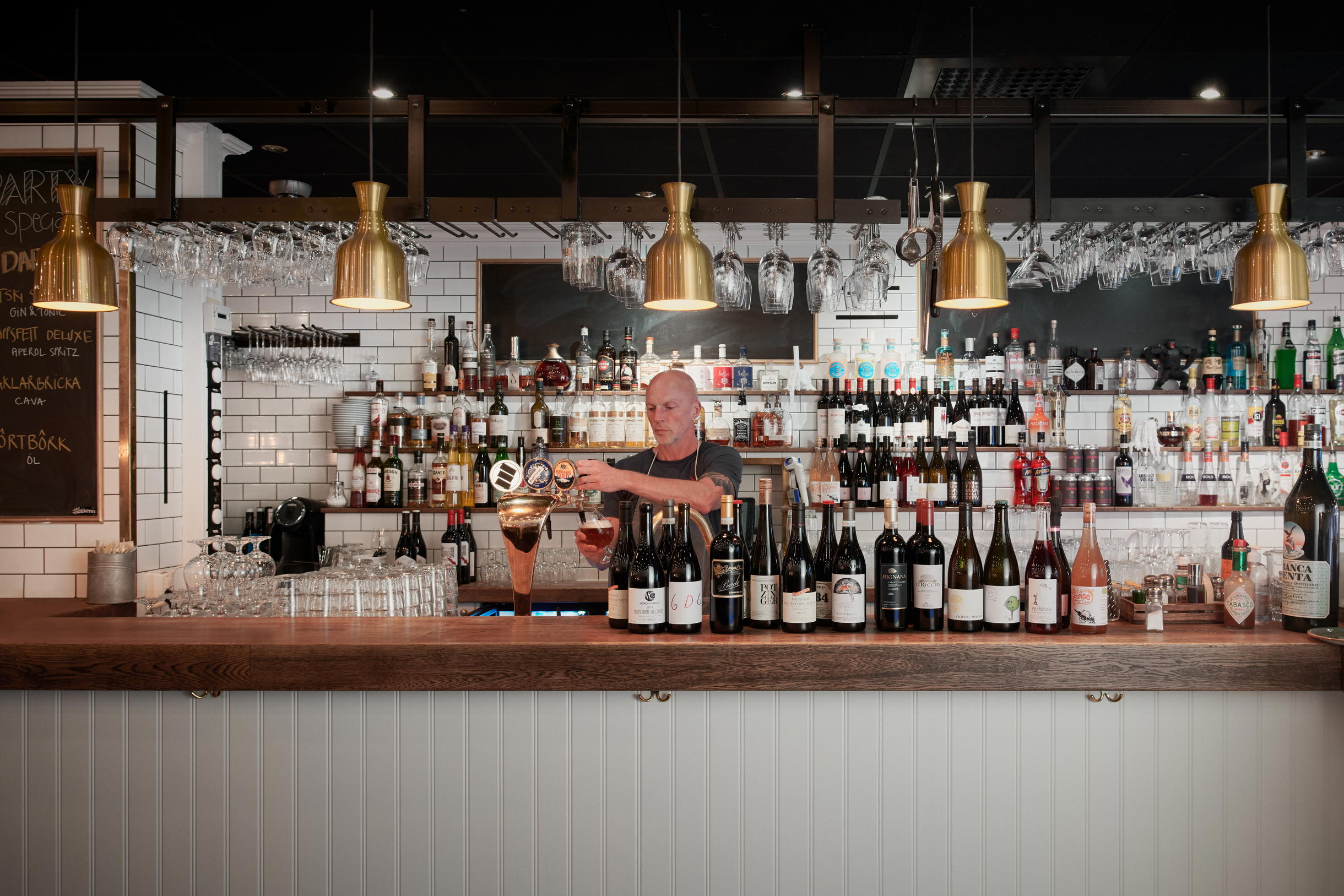
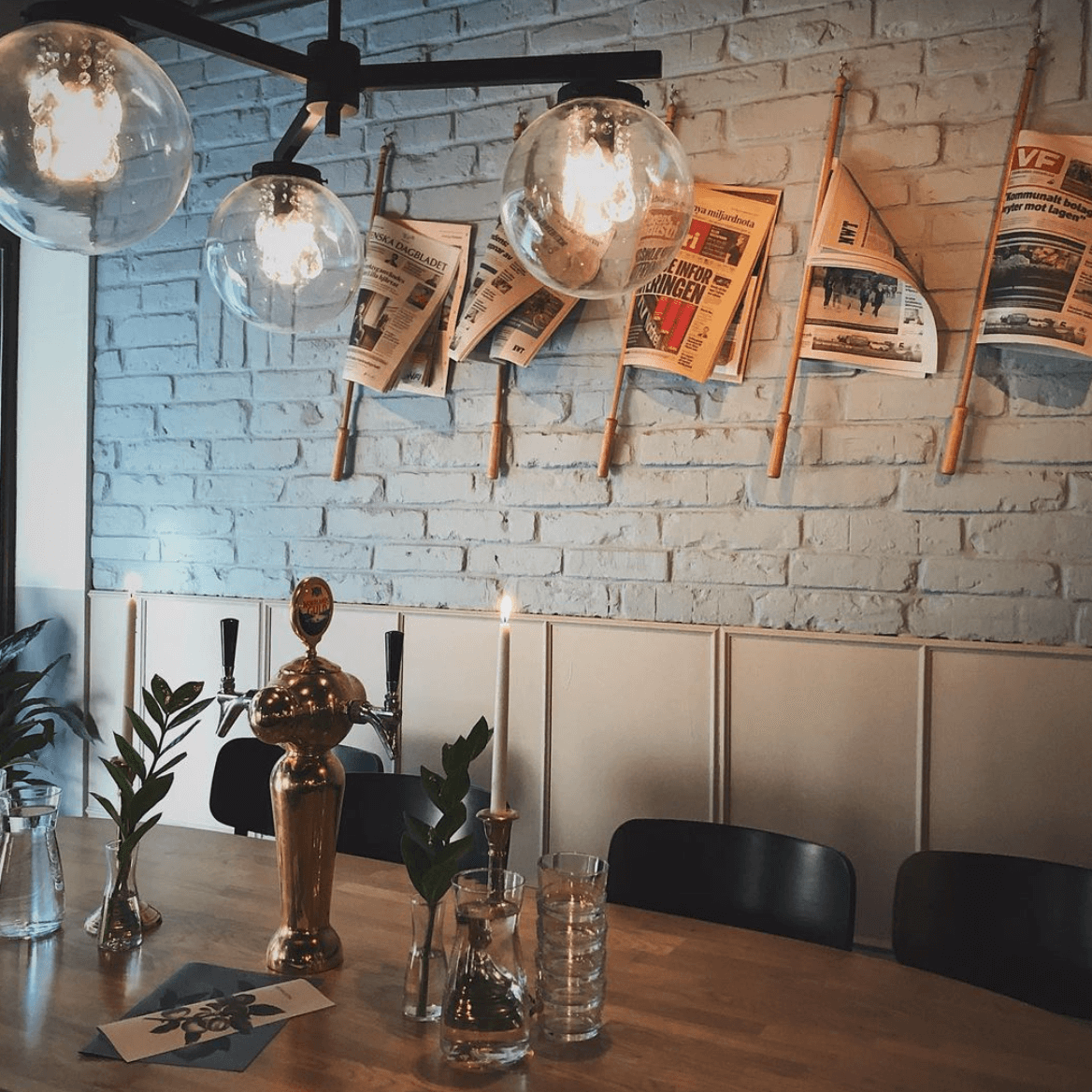
Peaceful historic setting among oaks and maples with garden views, cozy traditional rooms, and a relaxed countryside atmosphere.