イタリアンオット

Tabelog 100 #8
Our verdict
An Italian restaurant on the second floor of a building in Hiyoshicho, Tokorozawa, イタリアンオット sits at the quieter end of Saitama's dining scene, where suburban Italian kitchens tend to operate with a focus on sourced ingredients and neighbourhood regulars rather than destination crowds. The venue draws from a wider Japanese tradition of Italian cooking that prizes seasonal produce and imported pantry staples in equal measure.

Pearl is the En Primeur Club membership app, where members save venues, book tables and use the concierge.
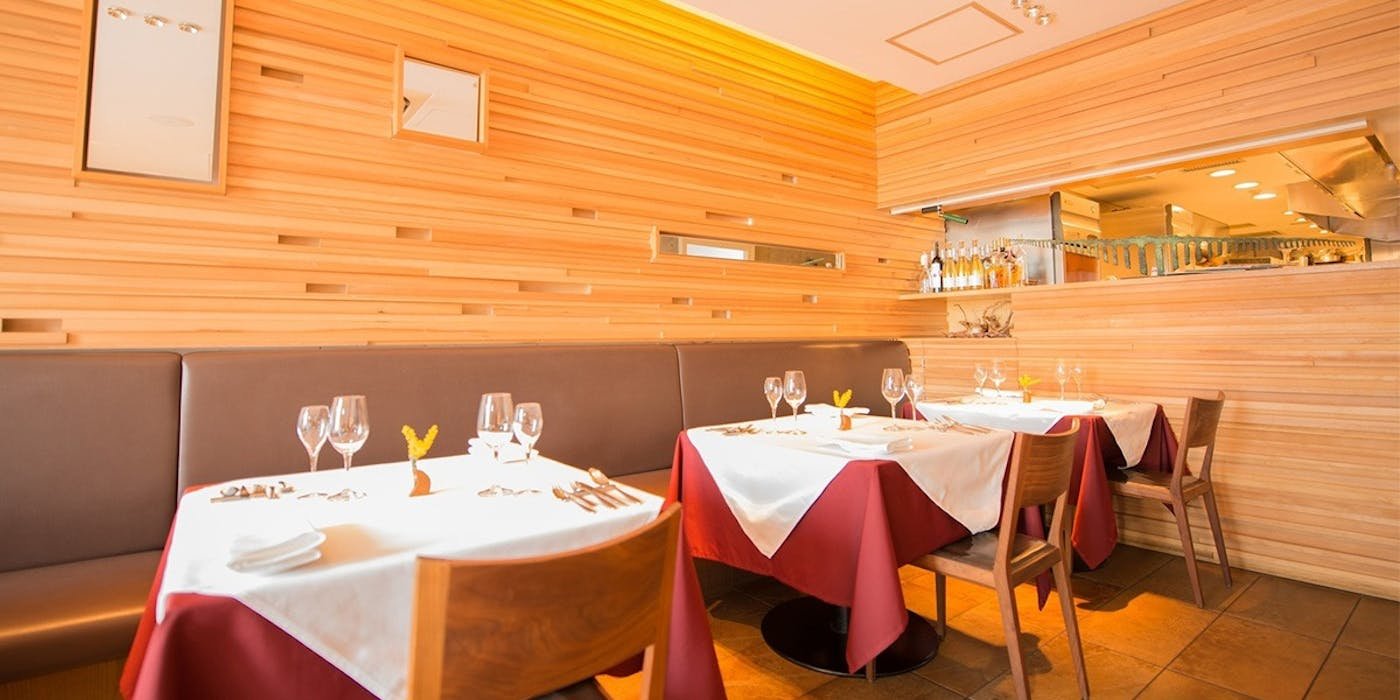
Italian Cooking in the Saitama Suburbs: What Tokorozawa Offers
Suburban Italian dining in Japan occupies a distinct register. Away from the Michelin-indexed pressure of Tokyo's Minami-Aoyama or Nishi-Azabu corridors, restaurants in cities like Tokorozawa tend to build their identities around consistency, neighbourhood relationships, and the kind of sourcing discipline that metropolitan venues sometimes trade away for spectacle. イタリアンオット, located on the second floor of Yama Building in Hiyoshicho, sits inside that quieter, more deliberate corner of Saitama's dining scene. It is a short walk from the commercial activity around Tokorozawa Station, yet operates at a remove from the foot-traffic logic that shapes so many restaurant decisions. For context on where this fits in the broader local picture, our full Tokorozawa restaurants guide maps the city's dining options across categories and price points.
Ingredient Logic in Japanese Italian Kitchens
The editorial angle that most illuminates a restaurant like イタリアンオット is not its interior or its wine list in isolation, but the question of where the food comes from and what that implies about the cooking. Japanese Italian restaurants have spent three decades developing a sourcing vocabulary that is genuinely hybrid: domestic producers supply seasonal vegetables, mushrooms, and occasionally protein, while imported Italian pantry items, cured meats, olive oils, aged cheeses, and dried pastas establish the flavour grammar of the cuisine. The leading versions of this model, represented at the Michelin level by places like HAJIME in Osaka, treat Japanese ingredients not as novelty but as the natural raw material for Italian technique applied in a different climate and soil context.
What this means in practice is that a suburban Italian restaurant in Saitama has access to Saitama's own agricultural output, and the Kanto plain surrounding the prefecture is one of Japan's more productive zones for leaf vegetables, root crops, and specialty cultivars. Whether a given kitchen commits to that local sourcing or defaults to wholesale supply chains is the question that separates restaurants in this category. Venues that commit to the former tend to run shorter menus that shift with the calendar rather than anchor to year-round dishes, a pattern that also characterises akordu in Nara, where European technique meets Kinki-region produce with a similar seasonal logic.
The Physical Setting and What It Signals
A second-floor restaurant in a neighbourhood building in Tokorozawa is a specific kind of location. It does not signal destination dining in the way that a converted machiya in Kyoto or a high-floor Tokyo dining room does. What it signals instead is intentionality directed elsewhere: at the table experience, the food, and the relationship with a returning clientele. In Japan's secondary cities and residential wards, this format is common among restaurants that have decided the overhead logic of ground-floor visibility is less important than the operational simplicity of a space that does not depend on walk-in traffic. CP RESTAURANT is another Tokorozawa option worth considering alongside イタリアンオット when planning a visit to this part of Saitama.
The Hiyoshicho address places the restaurant in a residential and small-commercial zone rather than a major retail or entertainment district. Approaching on foot from Tokorozawa Station, which sits on both the Seibu Ikebukuro and Seibu Shinjuku lines, the neighbourhood has the unhurried quality of areas where dining is embedded in daily life rather than curated for visiting outsiders. That texture is not a limitation. For certain kinds of meals, and Italian cooking in its more considered suburban Japanese form is one of them, it is an advantage.
Where This Fits in Japan's Wider Italian Scene
Japan's Italian restaurant sector is one of the most developed outside Italy itself. The country has produced internationally recognised pasta technique, domestically influential wine importers, and a generation of chefs who trained in Italy and returned to cook in a Japanese context. At the upper end of the scale, venues like Goh in Fukuoka and Gion Sasaki in Kyoto represent the meeting point of Italian influence and Japanese precision at a price and formality level well above the suburban neighbourhood format. Further afield, Le Bernardin in New York City and Atomix in New York City illustrate how far the conversation about ingredient sourcing and tasting-format discipline has travelled in global fine dining more broadly.
イタリアンオット does not operate at that register, and the point of this comparison is not to imply it should. Other regional venues across Japan, from Bistro Ange in Toyohashi to Blue Ocean Steak in Nakagami District, illustrate how this mid-tier format adapts to local supply and local appetite in different parts of the country.
Planning a Visit
The address, Japan, 〒359-1123 Saitama, Tokorozawa, Hiyoshicho, 10-18 Yama Building 2F, is the confirmed location, and the Seibu line connections through Tokorozawa Station make it accessible from central Tokyo in under an hour. For a restaurant in this format and neighbourhood, visiting earlier in the evening on a weekday is generally the lower-friction approach, though this cannot be confirmed without current hours. Prospective diners are advised to make contact through local discovery platforms or Google Maps listings before visiting to confirm current operating status.
Frequently asked questions
Is イタリアンオット child-friendly?
The restaurant occupies a second-floor space in a neighbourhood building in Tokorozawa's Hiyoshicho district, which typically signals a relaxed local dining room rather than a formal setting. That physical context suggests it is unlikely to be prohibitively formal for families, though confirmed seating arrangements and facilities are not published. check the venue's official channels before visiting with young children.
What should I expect atmosphere-wise at イタリアンオット?
A second-floor location inside a neighbourhood building in Tokorozawa puts this squarely in the register of local Italian trattoria rather than destination dining. Expect a room that prioritises the food and the regulars over spectacle or design statements. The Hiyoshicho address places it away from any commercial strip, which usually produces a quieter, more intimate room.
How does Italian dining in Tokorozawa differ from going to a Tokyo Italian restaurant?
Tokorozawa sits in Saitama Prefecture, outside the Michelin-indexed Tokyo corridors where cover charges and tasting menus drive pricing upward. A neighbourhood Italian like イタリアンオット, positioned on the second floor of a local building in Hiyoshicho, operates in a different register entirely: lower overhead typically translates into more approachable pricing and menus calibrated to repeat local custom rather than first-time destination visitors. Japan's Italian restaurant sector is one of the most developed outside Italy, so the cooking standard at suburban addresses can run higher than the setting implies.
What do regulars order at イタリアンオット?
In Japanese Italian kitchens of this neighbourhood type, pasta courses and seasonal ingredient-led plates tend to anchor the regular offering, but confirming the current menu directly with the restaurant is the only reliable route.
Where exactly is イタリアンオット?
イタリアンオット is located at Japan, 〒359-1123 Saitama, Tokorozawa, Hiyoshicho, 10−18 山ビル 2F, Tokorozawa.
Should I book イタリアンオット in advance?
For a second-floor neighbourhood Italian in Tokorozawa, walk-in availability may exist on weekday lunches, but weekend dinner slots at small local rooms fill through word-of-mouth regulars. Arriving without a reservation on a Friday or Saturday evening carries real risk.
What's the signature at イタリアンオット?
Japanese Italian kitchens of this neighbourhood profile frequently anchor the menu around handmade pasta and market-sourced produce, but any specific dish claim for イタリアンオット would require direct confirmation from the venue.
In Context: Similar Options
Comparable venues nearby, for context on price, style, and recognition.
| Venue | Cuisine | Price | Awards | Notes |
|---|---|---|---|---|
| イタリアンオットThis venue (the venue you are viewing) | Seasonal Italian Course | $50–100 | Tabelog 100 #8 | Not listed |
| 自家製手もみ麺 鈴ノ木 | Handmade ramen with house-made temomi noodles | $10–20 | Tabelog 100 #8 | 狭山ヶ丘 |
| negombo33 | Indian Curry | $10–20 | Tabelog 100 #61 | Hoshinomiya |
| 中国割烹旅館 掬水亭 | Chinese Kappo Ryokan Dining | $50–100 | Not listed | 山口 |
| Musashino Dentou no Aji Ryotaro | Japanese Udon | Not listed | Tabelog 100 #88 | Tokorozawa |
| Unagiya Shubo Gasou Echigoya | Traditional Unagi & Kaiseki | $50–100 | Tabelog 100 #29 | Kotesashi |
Recognition history
Dated appearances from independent guides and award organizations, with the underlying list record or original source where available.
Tabelog 100 #8 · No. 8
Tabelog · Tabelog 100 - Italian - EAST - 2025
Continue exploring
More in Tokorozawa
Restaurants in Tokorozawa
All restaurants in Tokorozawa →


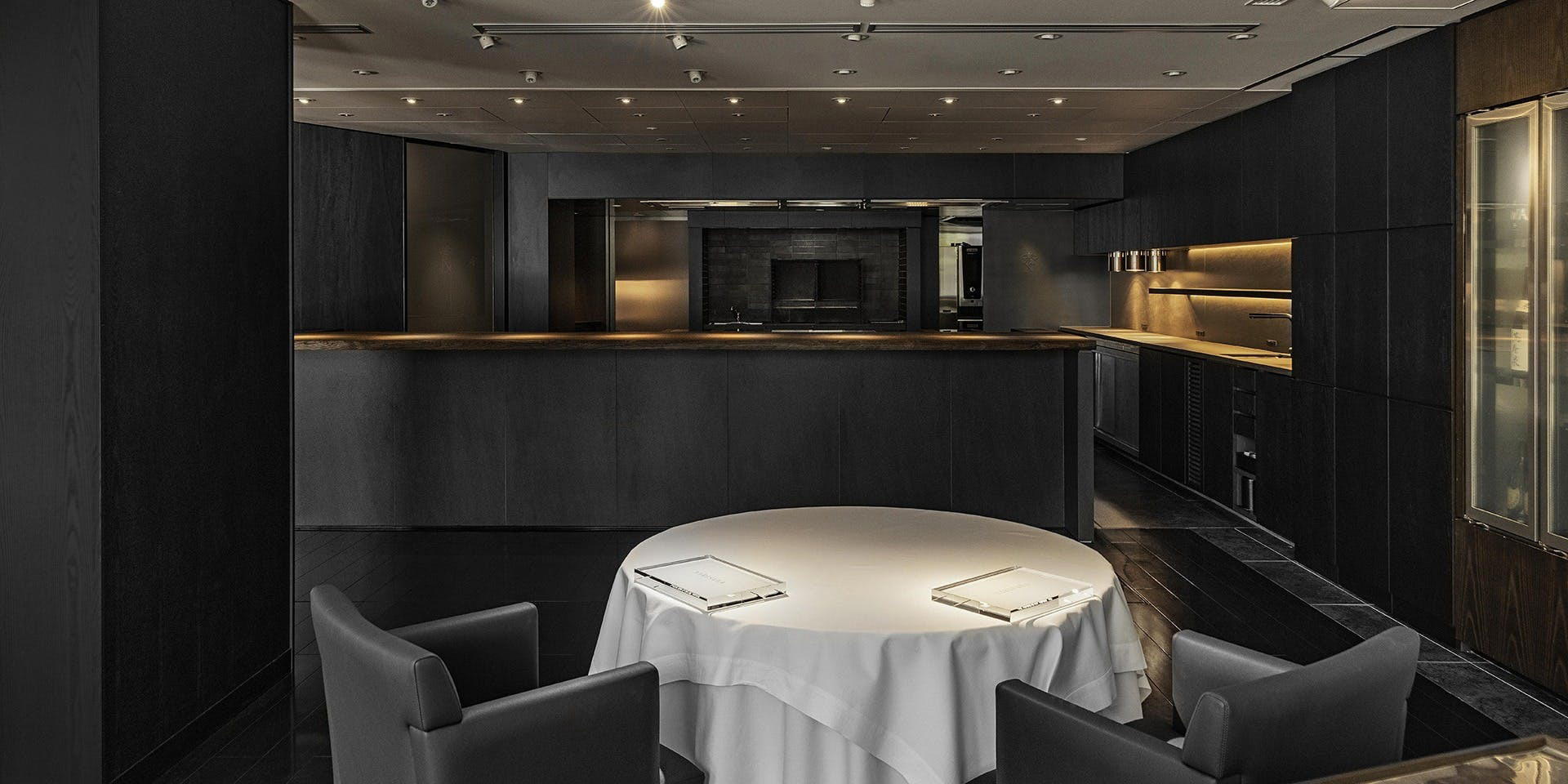

Bars in Tokorozawa
Browse all →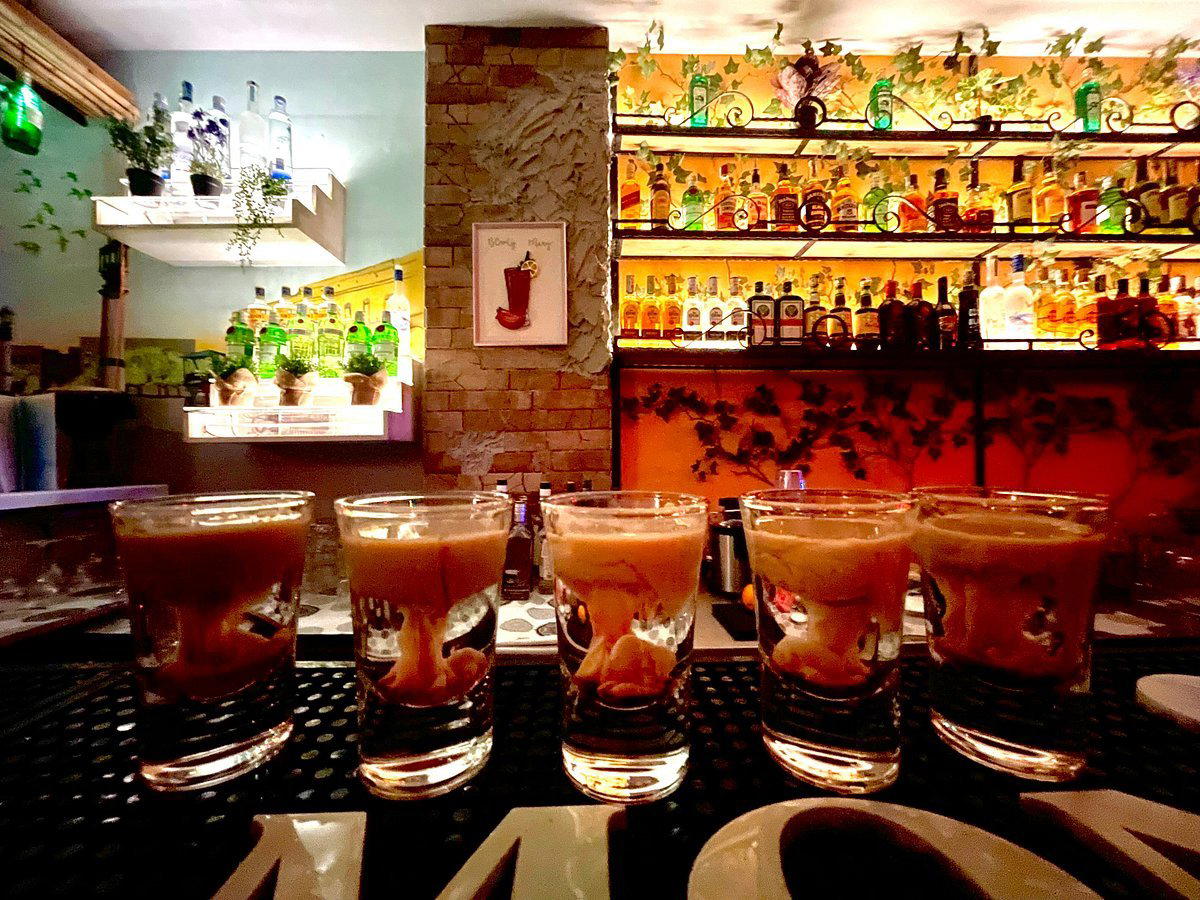
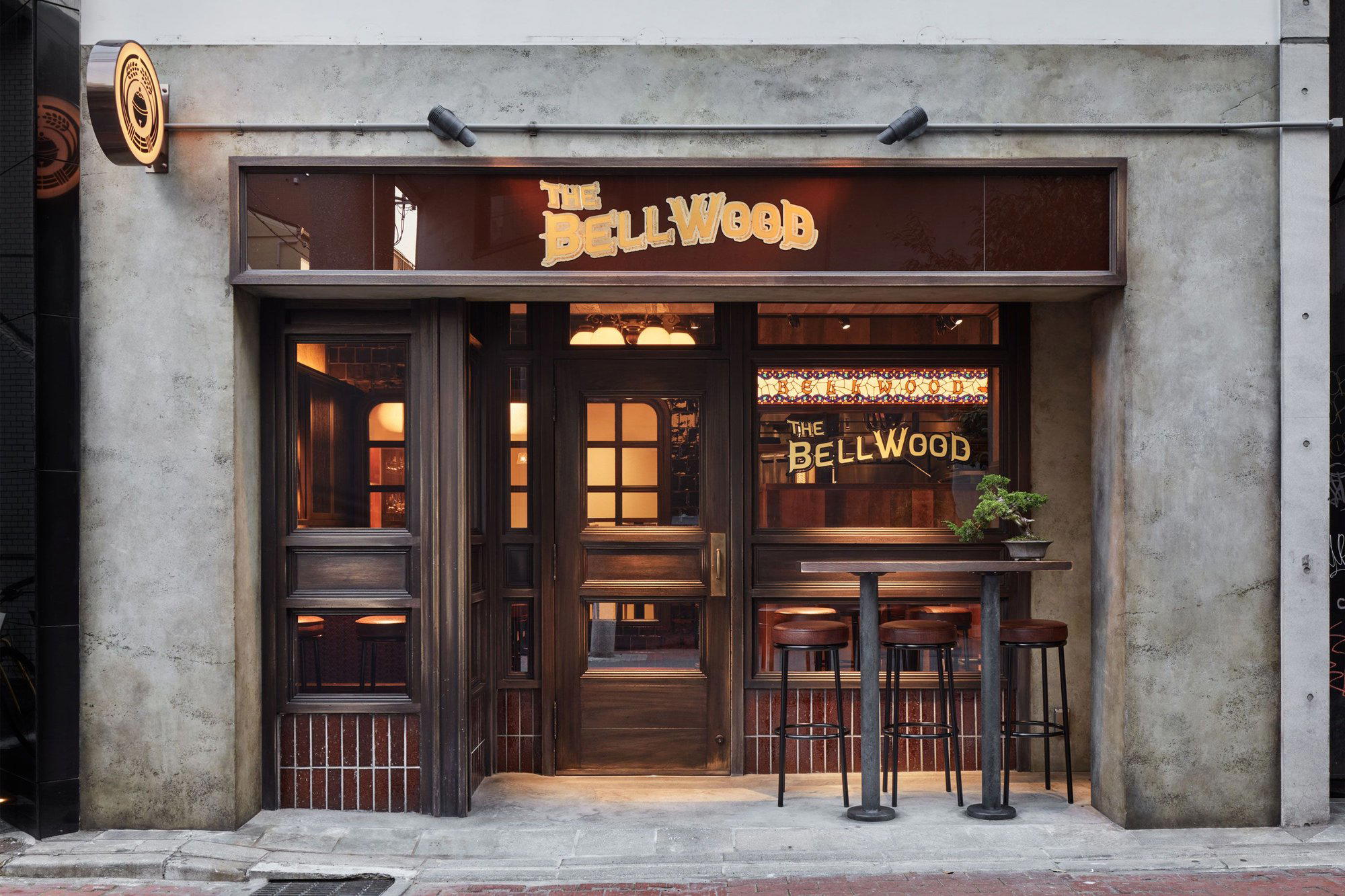


Hotels in Tokorozawa
Browse all →


Wineries in Tokorozawa
Browse all →
Details
- Cozy
- Elegant
- Intimate
- Date Night
- Special Occasion
- Private Dining
- A La Carte
Current opening hours
- Monday
- Closed
- Tuesday
- 6–11 PM
- Wednesday
- 6–11 PM
- Thursday
- 6–11 PM
- Friday
- 6–11 PM
- Saturday
- 11:30 AM–3 PM, 6–11 PM
- Sunday
- 11:30 AM–3 PM, 6–11 PM
Hours can change for holidays and private events. Hours as of .
Calm and relaxed brown-toned interior creating an intimate and sophisticated atmosphere.