
なる屋 sits in Nakagyo Ward, a district that quietly concentrates some of Kyoto's most considered small-format dining. With an address in Kikuyacho and no public-facing booking channel, the restaurant operates within the city's older tradition of rooms that function on introduction and reputation rather than visibility. For travellers already tracking Kyoto's mid-tier and specialist dining circuits, it belongs on the research list.
Pearl is the En Primeur Club membership app — saves, bookings, and concierge access live there. Same editors, same standards.
- Address
- 534-1 Kikuyacho, Nakagyo Ward, Kyoto, 604-8127, Japan
- Phone
- +81752521199
- Website
- naruya-kyoto.com
- Directions
- Get directions
 Saves & bookings on Pearl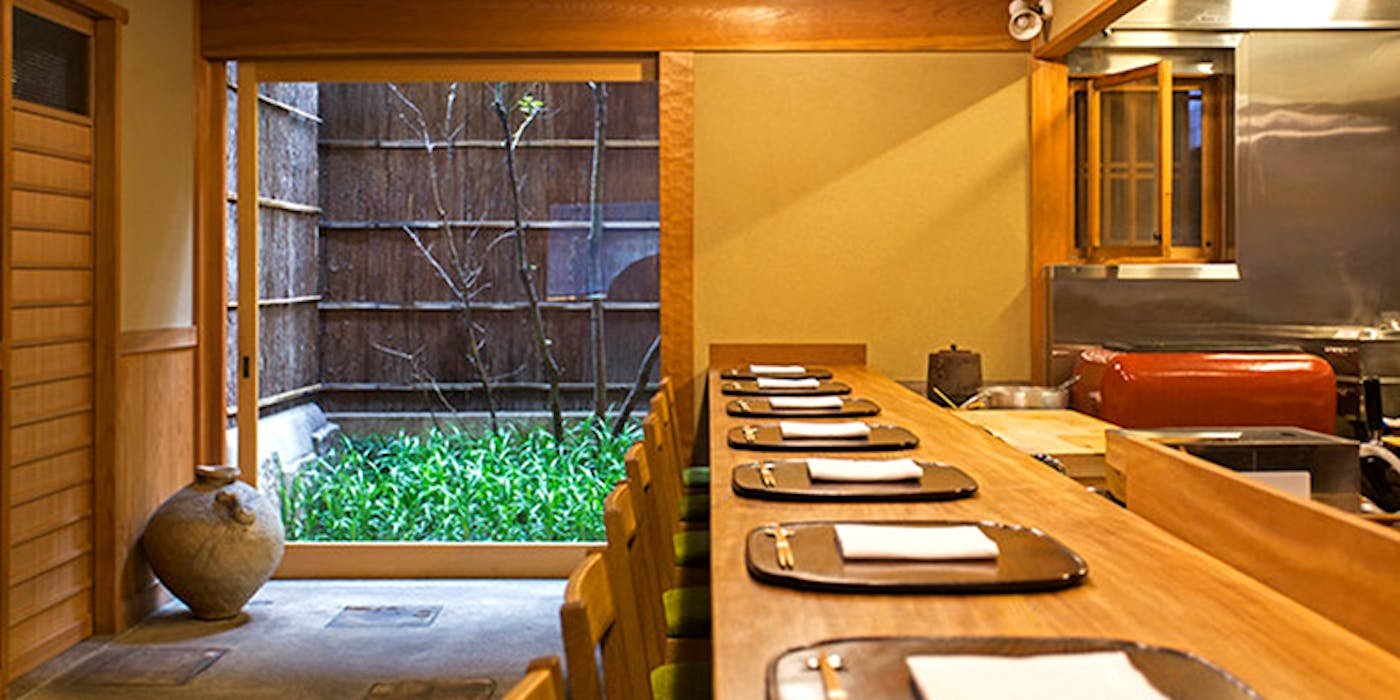
Nakagyo Ward and the Quiet Register of Kyoto Dining
Kyoto's dining geography is not evenly distributed. The city's most-discussed rooms cluster in Gion and around the Kamo River, while Nakagyo Ward, the administrative and commercial centre between Sanjo and Shijo, attracts less international attention despite holding a dense concentration of small, serious restaurants. This is partly structural: Nakagyo's streets mix residential blocks with machiya townhouses converted into restaurants that rarely maintain English-language web presences, and partly cultural, in that many of the kitchens there operate on a frequency of referral rather than public reservation. なる屋, at 534-1 Kikuyacho, sits inside that pattern.
The broader Kyoto dining scene has split, over the past decade, into a tier of heavily credentialled kaiseki institutions and a second, less legible tier of smaller rooms that attract a committed local and regional following without the same international infrastructure. Gion Sasaki, Kikunoi Honten, and Hyotei represent the former group, with Michelin recognition and international booking infrastructure to match. Mizai and Isshisoden Nakamura occupy adjacent territory. なる屋 operates differently: its profile is low by design, which is itself a signal about who the restaurant is for and how it functions.
Daytime and Evening in a Room Without Noise
The lunch-versus-dinner divide in Kyoto's smaller restaurants is meaningful in a way that differs from most cities. At the leading kaiseki level, lunch and dinner tend to mirror each other in format and intensity, with lunch occasionally offering a compressed version of the evening menu at a somewhat lower price point. In smaller specialist rooms across Nakagyo Ward, the split is more behavioural than culinary: lunch attracts working professionals, local residents, and a segment of travellers who treat midday as the practical window for serious eating, while dinner tends toward longer tables, more deliberate pacing, and guests who have arranged their evening around the meal rather than fitting it into a day of movement.
This matters when thinking about なる屋. A restaurant at a Nakagyo address is not orienting itself toward the tourist circuit that fills kaiseki rooms in the evenings. The lunch service, in this context, is likely the more accessible entry point for a visitor who has made advance arrangements through other channels. The evening service, by contrast, likely rewards guests already familiar with the room's rhythm. Both hypotheses are consistent with how similarly positioned Kyoto restaurants in this neighbourhood tend to operate.
For comparable dining experiences across the Kansai region, HAJIME in Osaka illustrates how the regional fine dining tier has developed a different public profile and booking structure.
The Referral Circuit and What It Signals
Japan's referral-based dining system has been written about extensively, but its practical implications are often underexplained for international travellers. A restaurant operating without a listed phone number or website is not necessarily exclusive in the velvet-rope sense; it is frequently a room that has reached capacity through word-of-mouth alone and has not required those channels. The distinction matters. It means the guest profile skews toward people embedded in networks that already know the room exists, and it shapes the experience accordingly. The dining room of a referral-dependent restaurant in Kyoto is calibrated for guests who are not arriving with expectations shaped by an online menu or review photographs.
This is a tradition with deep roots in Japanese hospitality more broadly, and it appears across the country's fine dining tier in varying forms. Harutaka in Tokyo, akordu in Nara, and Goh in Fukuoka all operate within circuits where reputation precedes reservation, though each has different degrees of public visibility. Regional specialists like 一本木 皆川酒造 in Nanao, 夕佳亭山乃 in Sapporo, and 湖鱗庵 in Takashima demonstrate how widely this model distributes across Japan's regional dining geography. なる屋 fits this pattern at the Kyoto level.
Placing なる屋 in the Nakagyo comparable set
Precise peer comparisons require care. What can be said is that the Nakagyo Ward address and the low-visibility operating model position なる屋 in a specialist occasion-dining segment that Kyoto sustains in relatively high density for a city of its size. Other Japan specialist rooms with comparable operating logic include 庄羽屋 in Nishikawa Machi and Birdland in Sakai, both of which operate in regional circuits with limited international-facing infrastructure.
For a sense of how the city's dining character compares to rooms in other culinary traditions, Bistro Ange in Toyohashi offers an interesting counterpoint in Western cooking's regional Japanese expression. The global end of the comparison set would include rooms like Le Bernardin in New York City and Atomix in New York City, which illustrate how differently institutions structure access and visibility when operating at the summit of their respective markets. なる屋's approach sits at the opposite pole of that visibility spectrum.
Know Before You Go
- Address: 534-1 Kikuyacho, Nakagyo Ward, Kyoto, 604-8127, Japan
- Booking: No public-facing reservation channel listed; approach via hotel concierge or local introduction
- Phone: not listed
- Website: not listed
- Nearest transport: Nakagyo Ward is accessible from Karasuma-Oike Station (Karasuma and Tozai lines) and Kyoto-Shijo Station
Recognition, Side-by-Side
Comparable venues nearby, for context on price, style, and recognition.
| Venue | Cuisine | Price | Notes |
|---|---|---|---|
| なる屋This venue — the venue you are viewing | Michelin-Starred Seasonal Kappo | $$$$ | Not listed |
| Gion Tempura Tensou | Kyoto Seasonal Tempura | $$$$ | Higashiyama |
| 鮨 楽味 | Traditional Kyoto Kaiseki | $$$$ | Higashiyama |
| Yoshizen | Kappo Kaiseki | $$$$ | Higashiyama |
| さえ㐂 | Traditional Edomae Sushi Omakase | $$$$ | Nakagyo Ward |
| 萬寿寺はくらん | Japanese with Nagasaki Gotō influences | $$$$ | 下京区 |
Recognition history
Dated appearances from independent guides and award organizations, with the underlying list record or original source where available.
Opinionated About Dining Top Restaurants in Japan Recommended
Opinionated About Dining
Continue exploring
More in Kyoto
Restaurants in Kyoto
Browse all →
Bars in Kyoto
Browse all →
Hotels in Kyoto
Browse all →
Wineries in Kyoto
Browse all →
At a Glance
- Intimate
- Elegant
- Classic
- Quiet
- Special Occasion
- Celebration
- Date Night
- Chefs Counter
- Historic Building
- Sake Program
- Local Sourcing
Current opening hours
- Monday
- Closed
- Tuesday
- 6–10 PM
- Wednesday
- 6–10 PM
- Thursday
- 6–10 PM
- Friday
- 6–10 PM
- Saturday
- 6–10 PM
- Sunday
- 6–10 PM
Hours can change for holidays and private events. Last verified .
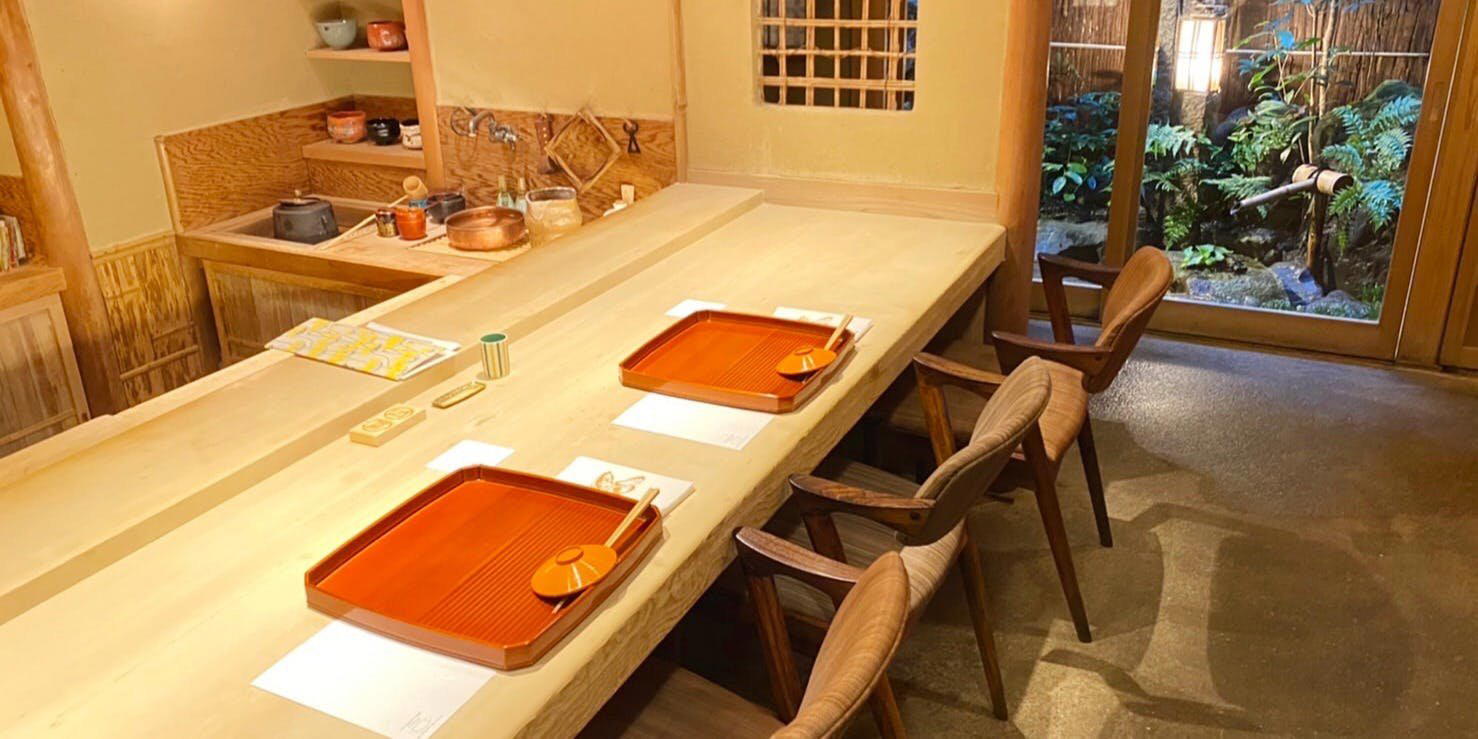
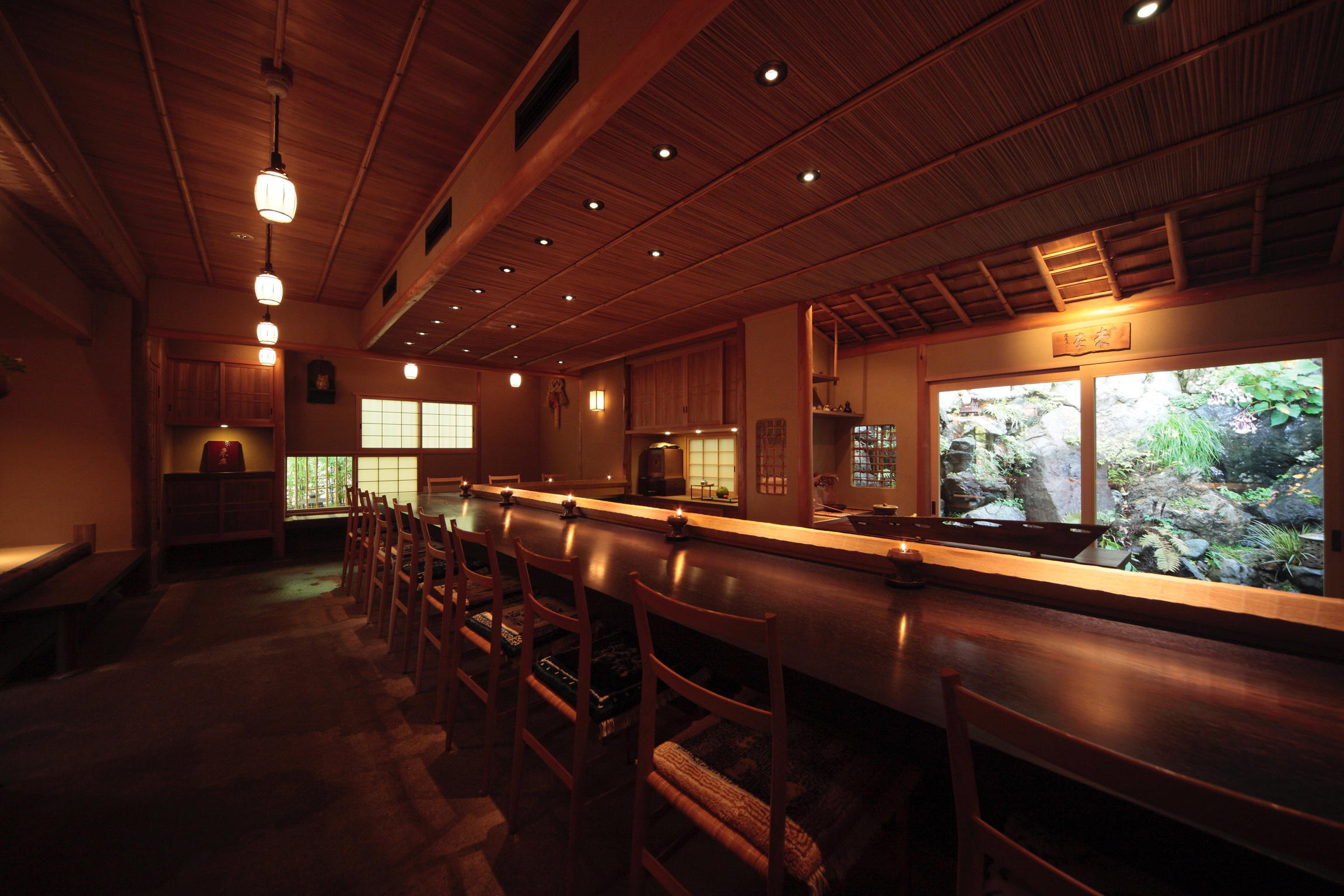
Intimate counter seating in a relaxing, hideout-like space with refined, understated elegance reflecting traditional Kyoto aesthetics.