Tabelog 100 #28
Our verdict
なかがわ occupies a basement dining room in Fukuoka's Watanabedori district, placing it within a neighbourhood that has quietly accumulated some of the city's most serious kitchen work. The address alone signals intent: basement counters and sub-street dining rooms in Fukuoka tend to operate at the precise, reservation-only end of the spectrum. Plan well ahead and arrive with context.

Pearl is the En Primeur Club membership app, where members save venues, book tables and use the concierge.
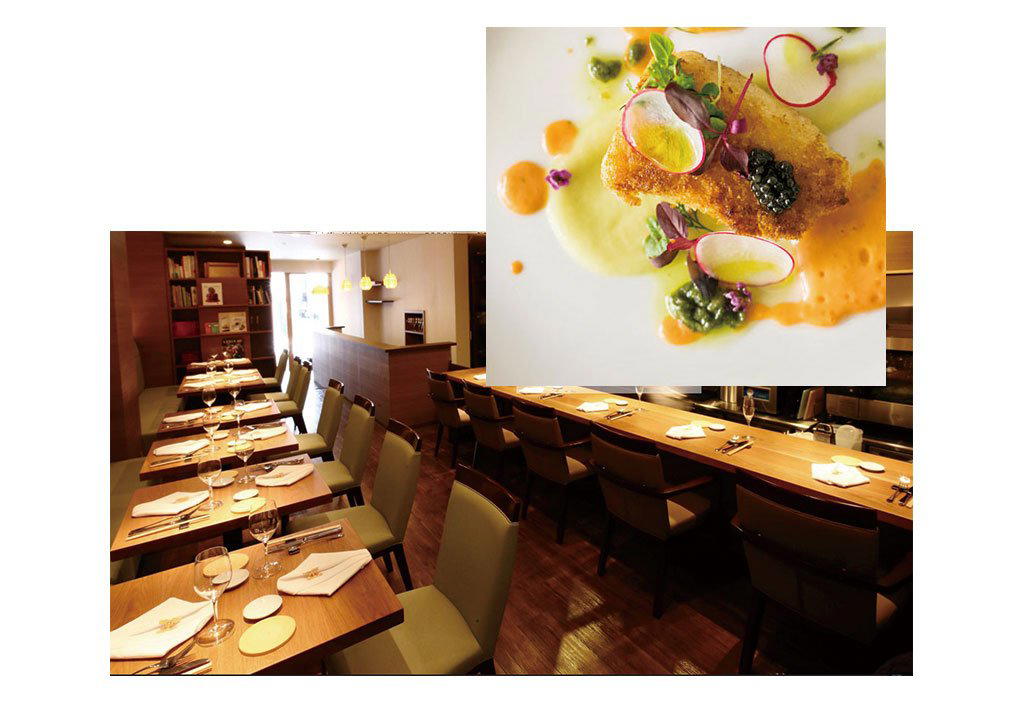
The menu
What to order
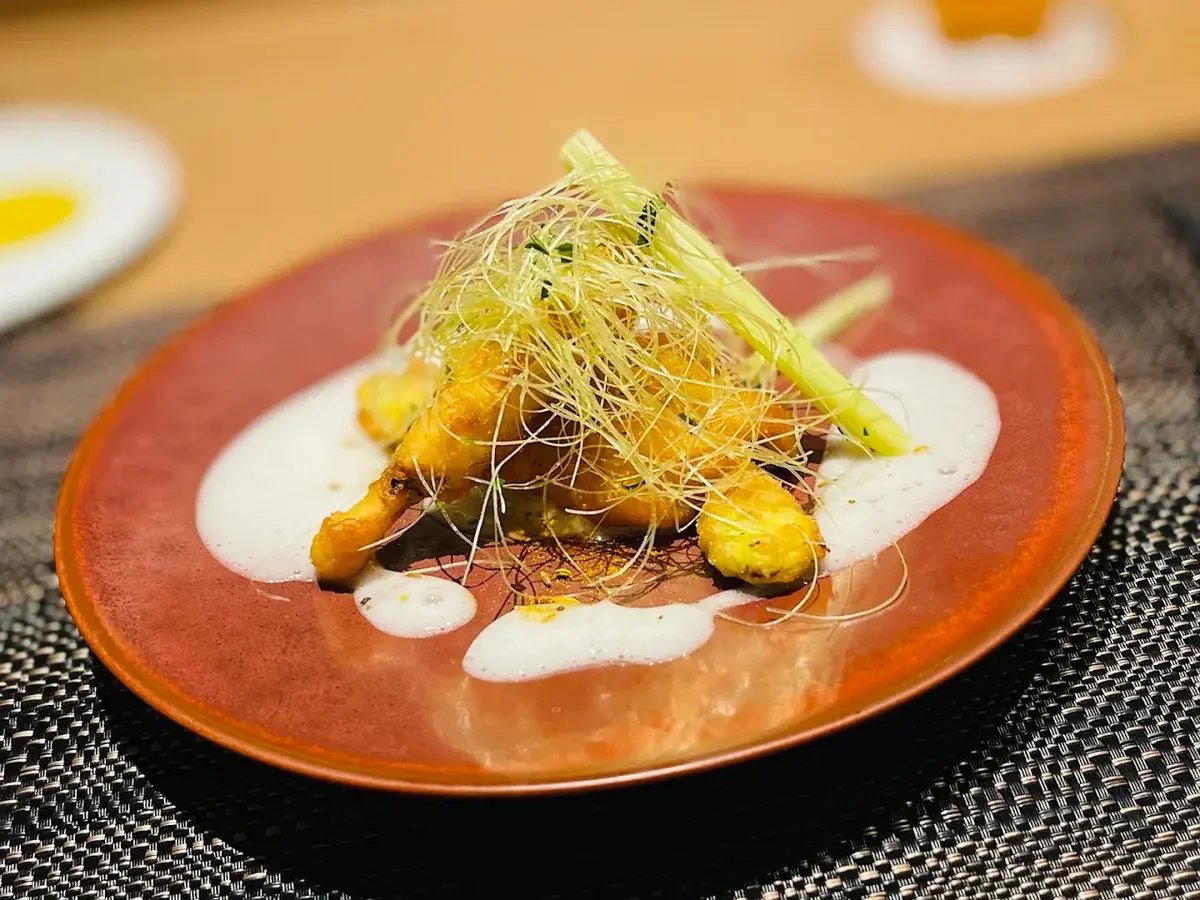
- Toyonoka Queen Beef
- Tawarama potato vichyssoise
Watanabedori's Basement Register
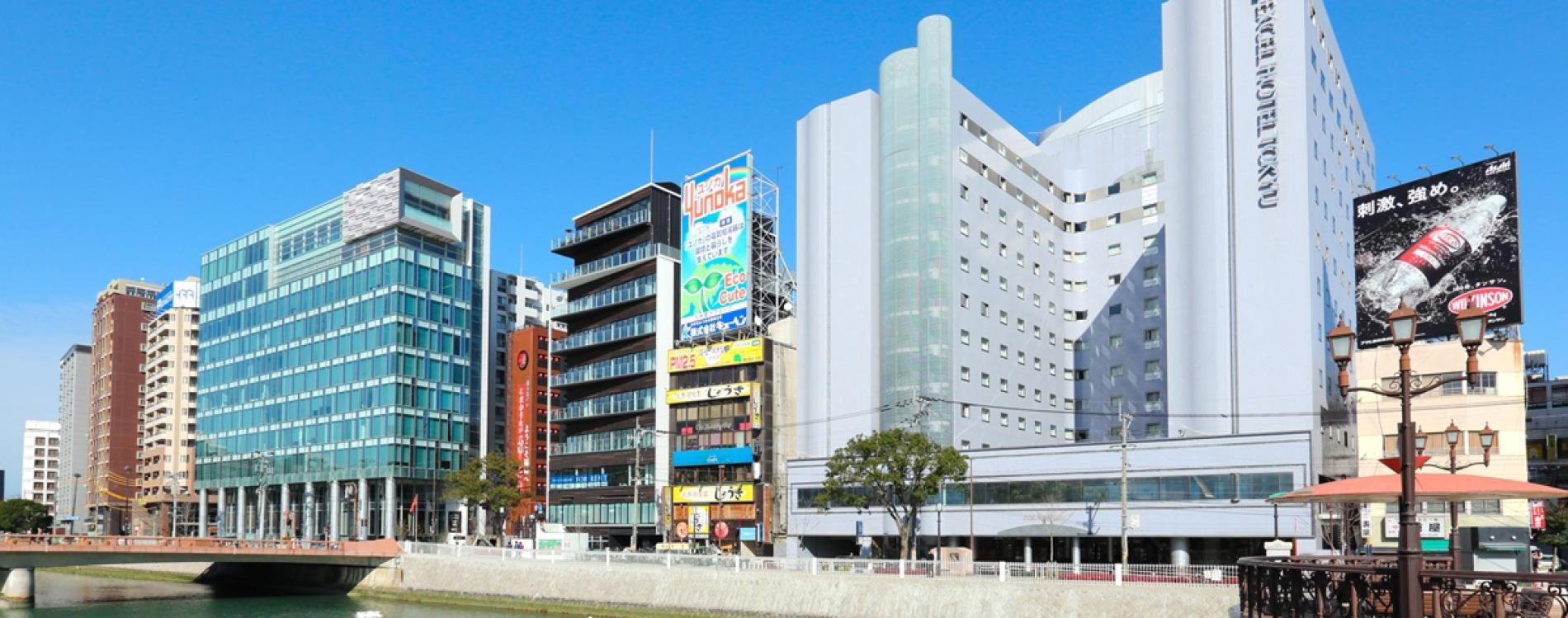
Fukuoka's dining reputation runs loudest on ramen and mentaiko, but the city's more considered register operates in a different register entirely: basement rooms, eight-to-twelve seat counters, and booking windows that open weeks before the calendar page turns. Watanabedori, the boulevard that anchors Chuo Ward's commercial mid-section, has accumulated a cluster of these precise, reservation-driven spaces, and なかがわ, on the B1F level of a building at 2-chome, sits squarely in that cohort. Arriving via elevator or stairwell into a sub-street dining room is, across much of urban Japan, a deliberate architectural signal: the room is curated, the noise is controlled, and the experience has been designed from the ground up rather than adapted from a street-level café. That physical framing matters before a single dish appears.
The Watanabedori address places なかがわ within walking distance of several kitchens that operate in adjacent tiers. Chikamatsu (Sushi) anchors the neighbourhood's sushi end, while Goh (French), Fukuoka's French-technique reference point, demonstrates how the city's fine-dining ambitions extend well beyond washoku. Asago and Bekk add further texture to what is, by any measure, a concentrated patch of intentional dining.
The Booking Question
The editorial angle most relevant to なかがわ is not what arrives at the table but what happens before you sit down. Basement counter restaurants in Fukuoka, and across Japan's secondary cities more broadly, have adopted reservation architectures that assume a particular kind of traveller: one who plans a dining calendar before booking flights, not after. The pattern is consistent enough to treat as a working rule. Rooms in this format, in this neighbourhood, at this address tier, typically require reservations made weeks to months in advance, frequently through a Japanese-language phone system or a domestic reservation platform such as Tableall or Omakase. Walk-in availability at this type of venue is not a realistic planning assumption.
For international visitors, the practical friction is real. Many of Fukuoka's serious counter restaurants do not maintain English-language booking infrastructure. The city's hotel concierge desks, particularly those at international-brand properties in Hakata and Tenjin, function as the most reliable intermediary, though they require lead time of their own. Arriving in Fukuoka with dining dates unconfirmed and expecting to secure a seat at a venue like なかがわ on the day is a planning error that the format itself forecloses. The comparison benchmark here is not Fukuoka alone: Harutaka in Tokyo and Gion Sasaki in Kyoto operate under similar advance-booking disciplines, and those norms now apply consistently across Japan's most considered dining rooms.
Fukuoka as a Dining City
Context helps calibrate expectations. Fukuoka is Japan's sixth-largest city by population and, measured by restaurant density relative to residents, one of its most food-saturated. The city's Michelin coverage, which has tracked Fukuoka since the guide's regional expansion, confirms a base of technically serious kitchens operating at price points structurally lower than Tokyo equivalents. That pricing differential has made Fukuoka increasingly attractive to travellers routing through Kyushu rather than defaulting to the Osaka-Kyoto-Tokyo corridor. HAJIME in Osaka and akordu in Nara represent the western Japan fine-dining tier that travellers on longer itineraries might use as framing comparisons when assessing Fukuoka's offer. Within Kyushu itself, the city sits well above its regional peers for the density and seriousness of its counter-dining rooms. For a fuller picture of where なかがわ sits within the city's broader portfolio, our full Fukuoka restaurants guide maps the competitive field across cuisine types and price tiers.
Seasonality shapes Fukuoka's dining calendar in ways worth noting. The city's proximity to Hakata Bay and its short supply chains to northern Kyushu's farming interior mean that autumn and winter typically bring the most compelling ingredients to counter-format menus in this neighbourhood.
Placing なかがわ in a Broader Japanese Frame
Across Japan, the basement counter has become a specific category of dining room with its own set of social codes. Noise levels are low, group sizes are small, and the implicit contract between kitchen and guest assumes focused attention rather than casual grazing. Venues operating in this format in cities like Nanao (一本木 石川割烹), Sapporo (夕凪山乃), and Takashima (湖畔荘) share structural DNA with Fukuoka's counter rooms: small capacity, high attention per seat, and booking processes that reward the organised. 庄羽屋 in Nishikawa Machi and Birdland in Sakai further illustrate how Japan's regional cities have developed serious dining rooms that operate largely outside the international press radar. Beef Taigen offers a contrasting Fukuoka reference point in the wagyu-focused register.
For travellers whose reference frame extends to New York, where venues like Le Bernardin and Atomix have made advance booking and format discipline standard expectations, the logistics of なかがわ will feel familiar in principle if different in execution. The shared logic is the same: rooms with controlled capacity and high kitchen ambition do not accommodate unplanned visits, and the booking process is part of the experience rather than an obstacle to it.
For additional context on Fukuoka's Western-influenced dining rooms and casual registers, Bistro Ange in Toyohashi offers a useful regional comparison in the French bistro tier, while 湖畔荘 in Takashima illustrates how lake-region Japan handles the kaiseki-adjacent format at a different geography.
Planning Your Visit
なかがわ's address, B1F, Watanabedori 2-chome-1-82, Chuo Ward, Fukuoka 810-0004, is accessible from both Tenjin Station on the Fukuoka City Subway and Yakuin Station on the Nishitetsu Tenjin Omuta Line, each within a few minutes on foot. The basement entry means the venue is not visible from street level; first-time visitors should confirm the building name and floor before arrival. Attempting to book without Japanese-language support, without advance planning, or without a confirmed reservation is unlikely to result in a seat.
Frequently asked questions
What's なかがわ's location?
なかがわ is located at Japan, 〒810-0004 Fukuoka, Chuo Ward, Watanabedori, 2 Chome−1−82 電気ビル本館 北館 B1F, Fukuoka.
How do I find and book なかがわ in Fukuoka's Watanabedori district?
なかがわ is located at B1F, Watanabedori 2-chome-1-82, Chuo Ward, Fukuoka 810-0004, accessible from both Tenjin Station on the Fukuoka City Subway and Yakuin Station. Reaching the venue through a hotel concierge or a Japanese-language reservation service is the most reliable approach for overseas visitors.
What do regulars order at なかがわ?
Regulars are not choosing dishes so much as trusting a sequence. Confirming the current format directly with the restaurant before visiting is the most reliable approach.
Can I walk in to なかがわ?
Walk-ins are unlikely to succeed at a basement counter restaurant in Fukuoka's Watanabedori district. This category of dining room operates with fixed seating and predetermined cover counts, which means availability is allocated before service begins. Contacting the venue in advance is the only practical route to securing a seat.
What's なかがわ best at?
What the address and format do confirm is that なかがわ sits within Fukuoka's more deliberate, counter-led dining register, a category defined by precision and low noise rather than the city's more prominent ramen and mentaiko circuit.
Is なかがわ good for vegetarians?
Vegetarian accommodation at this style of venue in Fukuoka varies considerably by chef and season. Checking dietary requirements directly with the restaurant before booking is strongly advised.
Is なかがわ good value for money?
Pricing for なかがわ is not publicly listed, consistent with many reservation-led counter restaurants in Fukuoka's Chuo Ward that communicate costs only at the point of booking. In the broader context of Fukuoka dining, the city's restaurant density relative to population keeps competitive pressure on pricing, and basement counter formats here tend to sit below equivalent Tokyo venues for comparable course lengths. Confirming the current cover price before reserving is the practical step.
City Peers
Comparable venues nearby, for context on price, style, and recognition.
| Venue | Cuisine | Price | Awards | Notes |
|---|---|---|---|---|
| なかがわThis venue (the venue you are viewing) | Italian-Inspired Seasonal Kyushu Cuisine | $100–150 | Tabelog 100 #28 | Not listed |
| Kiyoki | Japanese small plates and steak | $50–100 | Tabelog 100 #84 | Chūō |
| Yakitori Taka | Yakitori | Not listed | Tabelog 100 #60 | Chūō |
| Ningyocho Imahan JR hakata shiti ten | Traditional Japanese sukiyaki & shabu-shabu | $50–100 | Tabelog 100 #70 | Hakata |
| F ridge | Intimate Italian Wine Bar | $50–100 | Tabelog 100 #71 | Chūō |
| Kuwaman | Traditional Japanese Izakaya & Sake Bar | $50–100 | Tabelog 100 #14 | Chūō |
Recognition history
Dated appearances from independent guides and award organizations, with the underlying list record or original source where available.
Tabelog 100 #28 · No. 28
Tabelog · Tabelog 100 - Italian - WEST - 2025