
Tabelog 100 #30
Our verdict
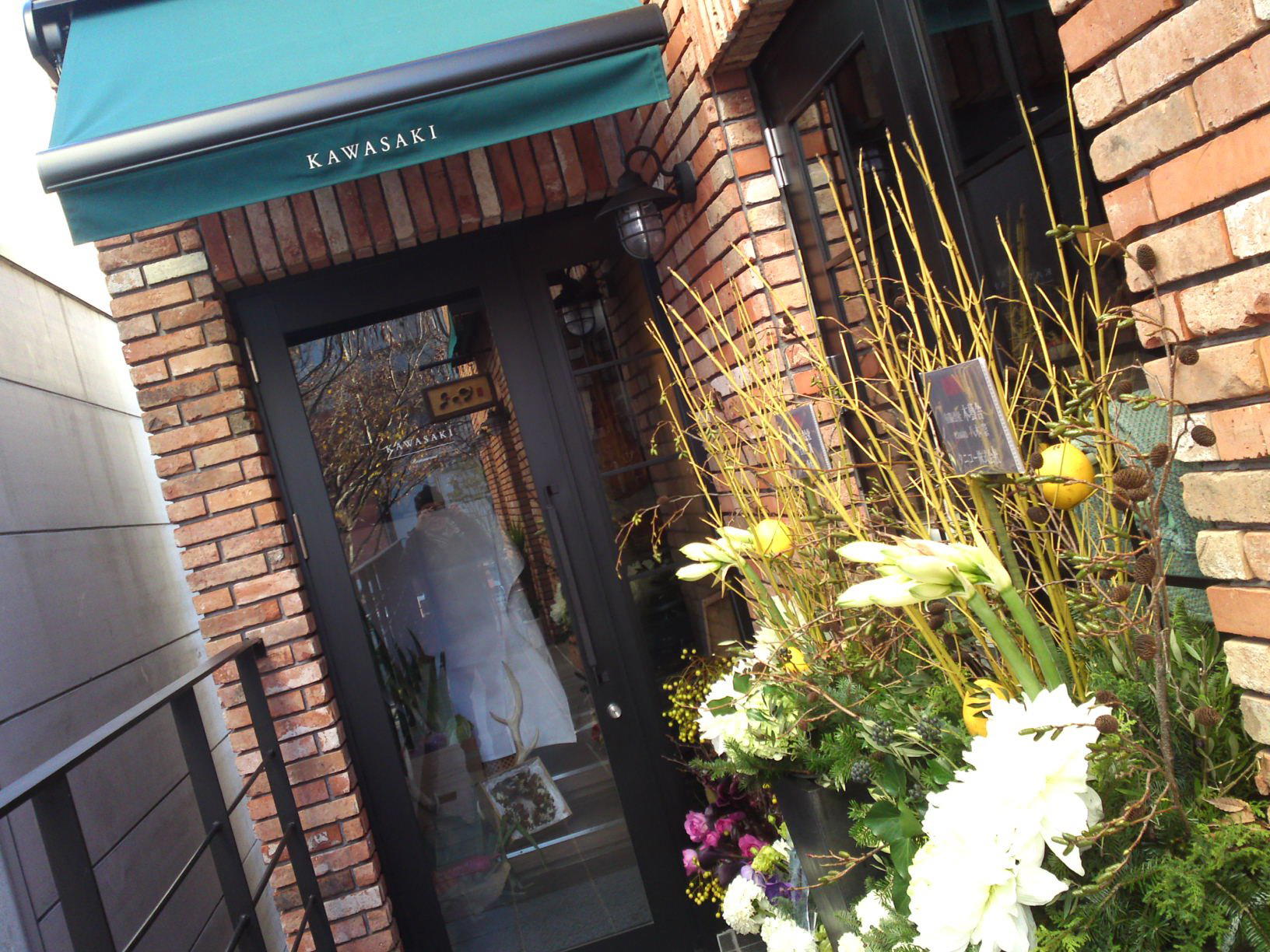
カワサキ occupies a second-floor address in Shizuoka's Aoi Ward, positioning itself within a city that takes its dining traditions seriously. The venue sits in a local scene shaped by unagi, kaiseki, and tempura lineages that have defined Shizuoka's table for generations. Precise venue details remain limited in public records, making it a reference point worth investigating directly.

Pearl is the En Primeur Club membership app, where members save venues, book tables and use the concierge.
The menu
What to order
- Game meat ramen with gibier consommé
- Wild boar
- Venison
- Pheasant
- Organic seasonal vegetables
A Second Floor in Aoi Ward, and What That Address Says About Shizuoka's Dining Logic
In Shizuoka, the restaurants that carry genuine local weight rarely announce themselves at street level. The city's dining culture operates on the assumption that the diner already knows where to go. A second-floor address on Tokiwacho in Aoi Ward places カワサキ squarely within this pattern: a ward that functions as the administrative and civic heart of the city, where modest exteriors have long housed serious kitchens. The approach up a staircase is a format that repeats across the upper tier of Shizuoka dining, and it signals a certain kind of relationship with its clientele, one built on regulars rather than foot traffic.
Shizuoka's position between Tokyo and Nagoya has always given it a particular dining character. It is close enough to both cities to attract attention from serious food travelers, but self-contained enough to have developed its own culinary vernacular. The prefecture's proximity to Suruga Bay means seafood, particularly eel from the lower reaches of the Oi River basin, has shaped local expectations of what a meal should involve. That same geographic logic has sustained a kaiseki culture that pulls from mountain produce, tea-country ingredients, and coastal fish in combinations that feel entirely regional rather than derivative of Kyoto convention.
The Shizuoka Dining Tier カワサキ Occupies
To place カワサキ in context, it helps to understand how Shizuoka's restaurant scene stratifies. At one end sit the deeply traditional formats: the unagi specialists, some operating from the same family premises for multiple generations, and the kaiseki rooms tied to the ryokan tradition, such as Asaba (Kaiseki), which draws from a long lineage of formal Japanese hospitality. At the other end, newer entrants like LAT.34°N by Ao (French, Innovative, Auberge) are reframing the city's produce through European technique, finding a different audience entirely.
Between those poles sits a middle tier of neighbourhood specialists: places that have built their standing through consistency, locality, and a clientele that returns not for novelty but for reliability. Ichi Unagi represents the eel lineage within that tier; Rin and FUJI each occupy distinct positions shaped by format and frequency of return. The Tokiwacho address of カワサキ places it within walking distance of several of these reference points, which means it competes, consciously or not, with a neighbourhood that already has defined dining options across multiple categories.
For travelers who have spent time with the broader Japanese dining canon, Shizuoka's scene reads as more compressed and harder to read than, say, the publicly documented tier structures of Tokyo omakase or Kyoto kaiseki. Venues like Harutaka in Tokyo or Gion Sasaki in Kyoto carry reputations that precede them in multiple languages. Shizuoka's better rooms tend to operate with less international documentation, which makes local knowledge, or careful pre-trip research, the more reliable approach.
What Aoi Ward's Dining Character Tells a Visitor
Aoi Ward holds Shizuoka Station and the commercial spine of the city, but it is the streets immediately north and east of the central zone, including Tokiwacho, that have historically housed the kind of neighbourhood restaurants that locals treat as their own. These are not spaces designed around the tourist encounter. The format assumptions, the pacing of a meal, the degree of Japanese language required to move through the experience, all tend toward a local-first dynamic.
This places カワサキ in a category that appears across Japan's regional cities: the serious local room that functions well for visitors who arrive with some preparation but offers little scaffolding for those who do not. The parallel holds in other regional dining scenes. Venues such as Goh in Fukuoka or akordu in Nara have found ways to be accessible to international visitors while retaining their regional identity.
The broader pattern across Japan's second-tier dining cities suggests that the most interesting rooms are often the ones where information is thinnest. HAJIME in Osaka carries Michelin documentation that makes it legible from abroad. Venues in Shizuoka's mid-tier, by contrast, often require the kind of local introduction or repeat-visit intelligence that does not aggregate easily into travel platforms. This is not a flaw in the local dining culture; it reflects a different relationship between restaurateur and diner.
Planning a Visit: What Can and Cannot Be Confirmed
The physical address, 1 Chome-8-5 Tokiwacho, Aoi Ward, Shizuoka, second floor, is the reliable anchor for any visit planning. Given the second-floor format and the local-first character of the neighbourhood, contacting the venue directly or arriving with a Japanese-speaking companion would be the more effective approach than assuming walk-in availability.
Shizuoka is accessible by shinkansen from Tokyo in approximately one hour and from Nagoya in around 45 minutes, which makes it a realistic day-trip or overnight destination from either city. The Aoi Ward dining corridor is compact enough to combine several meals in a short visit, and the city's tea culture, centred on the Shizuoka and Kakegawa growing regions, provides context for any meal that incorporates local produce or finishes with regional green tea.
Travelers building a broader Japan itinerary around serious regional dining might also consider venues documented across the EP Club network, including 一本杉川原製菓 in Nanao, 夕月楼山乃 in Sapporo, 湖畔荘 in Takashima, 庄内屋 in Nishikawa Machi, and Birdland in Sakai. For international comparisons, the French seafood discipline at Le Bernardin in New York City and the Korean tasting-menu format at Atomix in New York City offer useful reference points for thinking about how regional culinary identity translates into formal dining. The full picture of what Shizuoka's dining scene offers is available in our full Shizuoka restaurants guide.
Frequently asked questions
Where do I go for カワサキ?
カワサキ is located at Japan, 〒420-0034 Shizuoka, Aoi Ward, Tokiwacho, 1 Chome−8-5 2F, Shizuoka.
Is カワサキ suitable for visitors unfamiliar with Shizuoka's dining scene?
The second-floor address in Aoi Ward's Tokiwacho district places カワサキ squarely in Shizuoka's locally oriented tier, where menus and service are rarely translated and advance Japanese-language contact is often assumed. Visitors without Japanese would benefit from hotel concierge assistance before going. The address, 1 Chome-8-5, Tokiwacho, Aoi Ward, is precise enough to locate with a mapping app.
What dish is カワサキ famous for?
What is clear is that the venue holds a second-floor address in Aoi Ward, Tokiwacho, a placement Shizuoka typically reserves for kitchens with a defined, repeat-visitor offer rather than broad tourist appeal. Cuisine type will be updated as records are confirmed.
Can I walk in to カワサキ?
Walk-in availability is not confirmed for カワサキ. The second-floor location on Tokiwacho in Aoi Ward, Shizuoka follows a format common to smaller local venues where seating is limited and advance contact is advisable. No phone number or booking channel is publicly listed at this time, so visiting in person to check availability may be the most direct option.
What has カワサキ built its reputation on?
カワサキ's standing in Shizuoka appears rooted in its position within Aoi Ward's off-main-street dining tier, venues at second-floor Tokiwacho addresses in this city typically serve a neighbourhood clientele that returns by habit rather than discovery.
Budget and Context
Comparable venues nearby, for context on price, style, and recognition.
| Venue | Cuisine | Price | Awards | Notes |
|---|---|---|---|---|
| カワサキThis venue (the venue you are viewing) | French Gastronomy with Game & Seasonal Vegetables | $100–150 | Tabelog 100 #30 | Not listed |
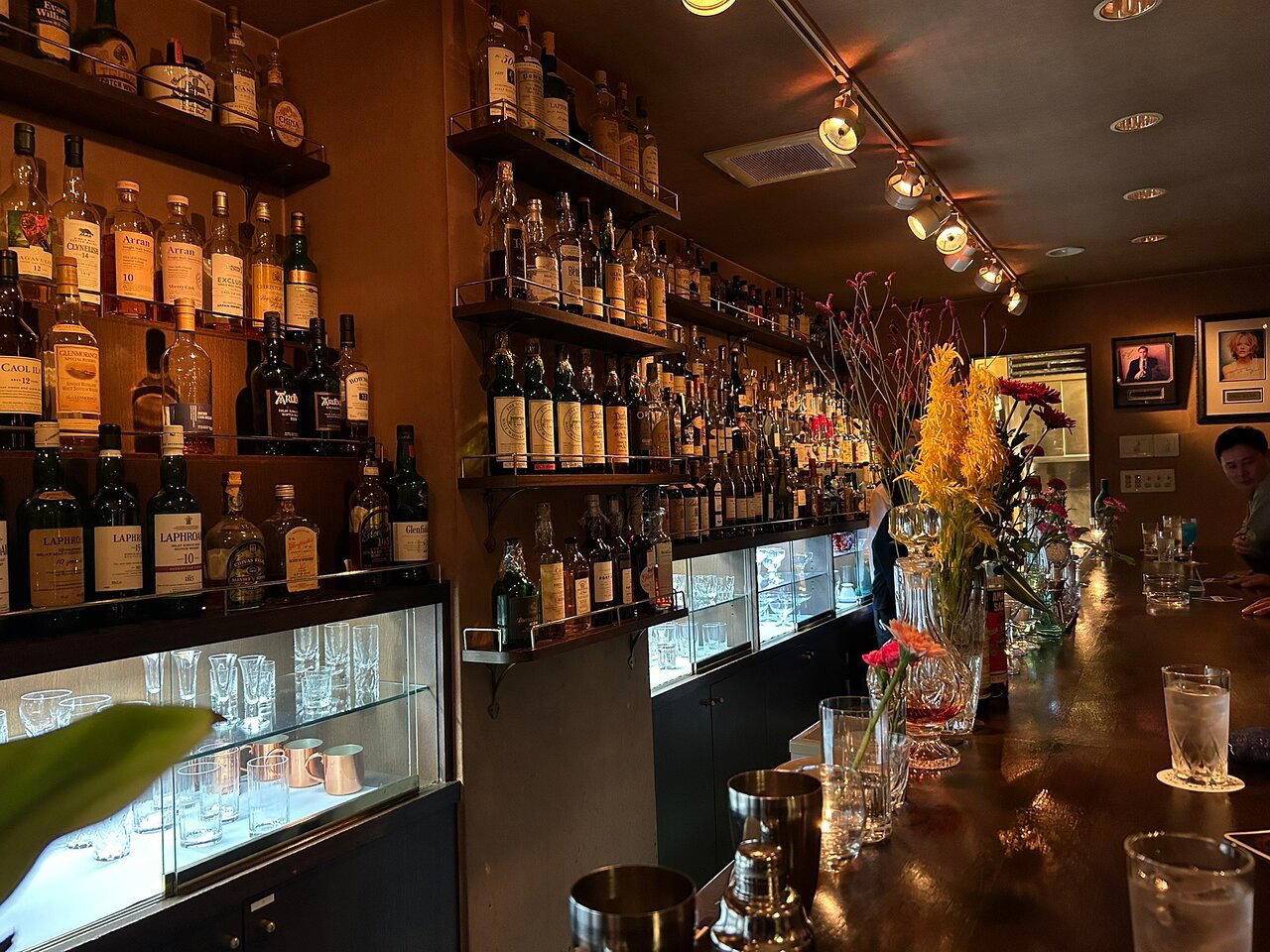
| Blue Label | Cocktail & Whisky Bar | $50–100 | Tabelog 100 #28 | Aoi-ku, Cocktail & Whisky Bar |
| OUBAITOURI | Natural Chinese & Sichuan using homemade fermented seasonings | $30–50 | Tabelog 100 #3 | Aoi Ward, Natural Chinese & Sichuan using homemade fermented seasonings |
| Shizuoka Sichuan Hanten | Authentic Sichuan Chinese | $50–100 | Tabelog 100 #65 | Aoi Ward, Authentic Sichuan Chinese |
| Taihei | Traditional Japanese Izakaya & Seafood | $50–100 | Tabelog 100 #50 | Aoi Ward (Ryougaemachi), Traditional Japanese Izakaya & Seafood |
| ハラグチ ル・レストラン | Modern French Fine Dining | $150–200 | Not listed | Aoi Ward (Shichikenmachi area), Modern French Fine Dining |
Recognition history
Dated appearances from independent guides and award organizations, with the underlying list record or original source where available.
Tabelog 100 #30 · No. 30
Tabelog · Tabelog 100 - French - EAST - 2025
Continue exploring
More in Shizuoka
Restaurants in Shizuoka
All restaurants in Shizuoka →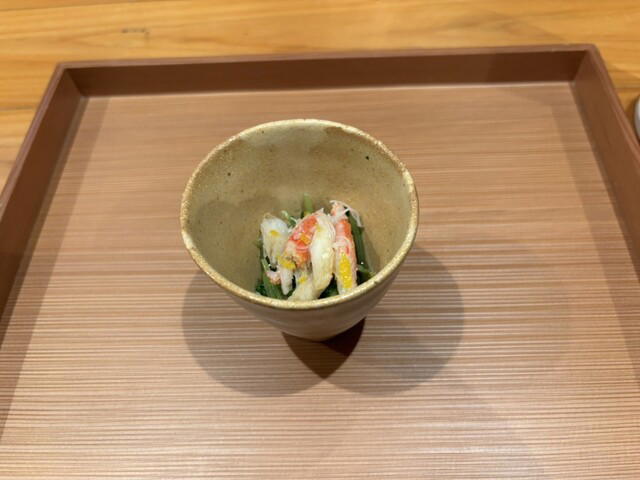
Hotels in Shizuoka
All hotels in Shizuoka →
Wineries in Shizuoka
All wineries in Shizuoka →
Details
- Elegant
- Intimate
- Rustic
- Sophisticated
- Date Night
- Special Occasion
- Business Dinner
- Open Kitchen
- Standalone
- Sake Program
- Farm To Table
- Organic
- Local Sourcing
- Prix Fixe
- Set Menu
- Wine
- Sake
- Organic Focus
- Allergy Accommodating
Current opening hours
- Monday
- 12–2 PM, 6–11 PM
- Tuesday
- 12–2 PM, 6–11 PM
- Wednesday
- 12–2 PM, 6–11 PM
- Thursday
- 12–2 PM, 6–11 PM
- Friday
- 12–2 PM, 6–11 PM
- Saturday
- 12–2 PM, 6–11 PM
- Sunday
- Closed
Hours can change for holidays and private events. Hours as of .
Intimate, refined French dining in a historic red-brick building with warm, professional service and a focus on seasonal ingredients and natural flavors.