
じびえ井田 occupies a quiet address in Takabatakecho, one of Nara's most historically layered neighbourhoods, and serves wild game (jibiei) in a format that draws a loyal local following rather than passing tourist traffic. The kitchen works with ingredients that define a distinct regional cooking tradition, one that few restaurants in the Kansai corridor take seriously at this level.
Pearl is the En Primeur Club membership app — saves, bookings, and concierge access live there. Same editors, same standards.
- Address
- 1118 Takabatakecho, Nara, 630-8301, Japan
- Phone
- +81742232226
- Website
- hotelsetre.com
- Directions
- Get directions
 Saves & bookings on Pearl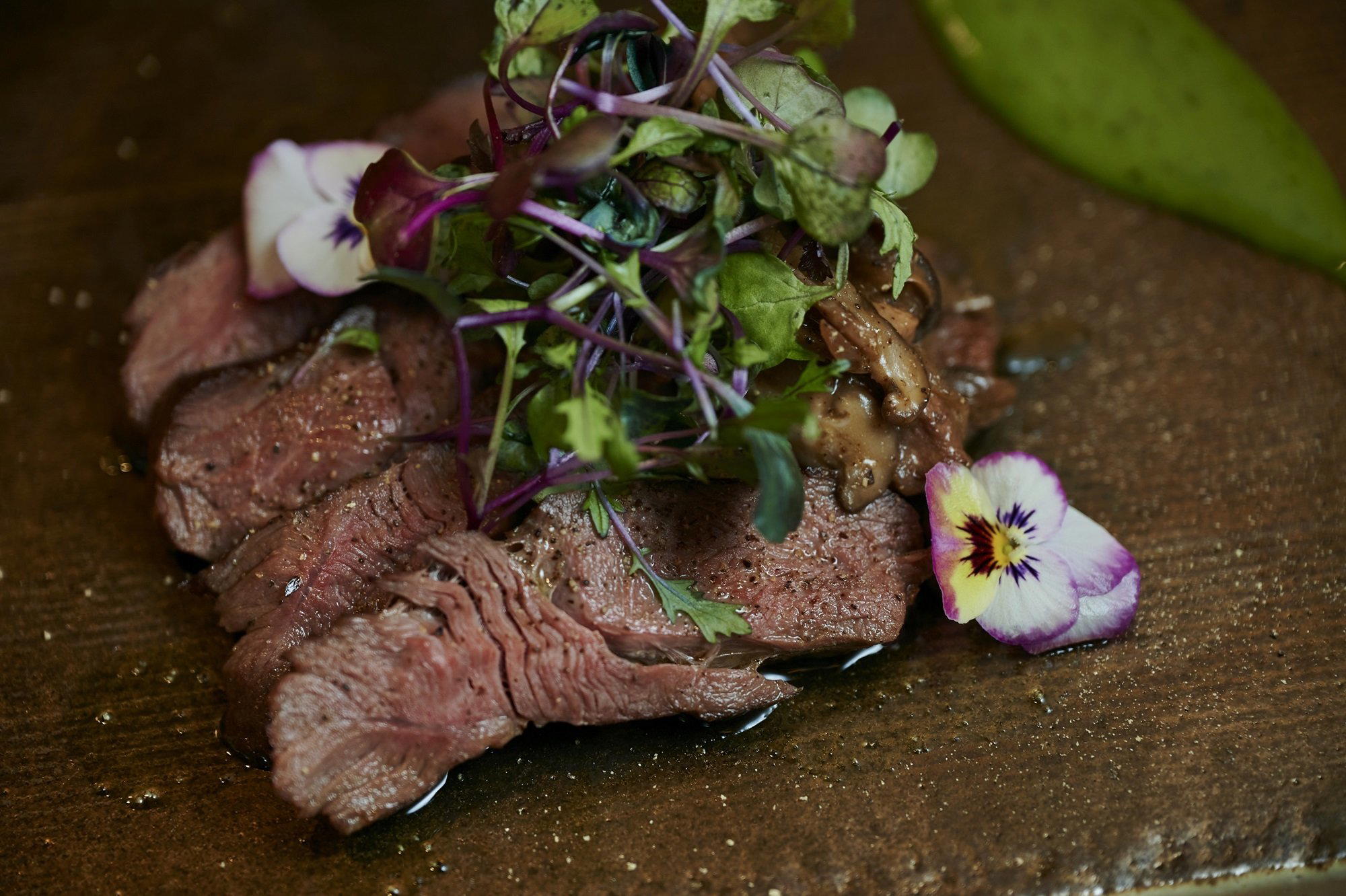
Where Wild Game Meets Nara's Quieter Dining Register
Takabatakecho sits below the Kasugayama hillside, east of the deer park crowds, in the part of Nara that residents actually live in. The streets here are narrow, the buildings low, and the dining establishments tend toward the kind of specificity that comes from cooking for the same people week after week rather than cycling through tour groups. じびえ井田 belongs to this register. The name announces its agenda plainly: jibiei (じびえ) is the Japanese term for wild game hunted and sourced domestically, a category that carries real culinary and regulatory weight in Japan, and ida (井田) is the house behind it. It is a specialist Japanese wild game restaurant in Nara, priced at about $170 per person.
The Logic of Jibiei Cooking in Nara Prefecture
Jibiei cuisine occupies an interesting position in contemporary Japanese cooking. Japan's hunting culture is old, but the formal restaurant presentation of wild game has developed more slowly than in European traditions. Nara Prefecture, with its forested mountains, significant deer population, and active hunter networks, is one of the more logical homes for a serious jibiei kitchen. The same deer that wander freely through the park are, in the mountains beyond, managed through regulated hunting, venison, boar, and smaller game appear on regional tables in a way that connects the land to the plate without the romantic distance that urban jibiei spots sometimes maintain.
Restaurants in Japan that center wild game seriously occupy a niche that sits somewhere between specialist kaiseki and hunters' table cooking. They are not numerous, and the ones with returning regulars tend to be those where the sourcing relationship is understood as the core of the proposition, not a marketing layer on top of it. Nara's dining scene, which includes precision-driven kaiseki operations like Oryori Hanagaki and the Spanish-inflected innovation at akordu, has room for a kitchen that works in a different register entirely.
What Keeps the Regulars Returning
The editorial angle on a place like じびえ井田 is not found in its awards ledger or its social media presence, it is found in the pattern of who eats there repeatedly and why. In Japan's smaller cities, the restaurants that accumulate a core local clientele tend to be those where the menu is partly explicit and partly understood. Regulars at a jibiei kitchen often know which species are in season before they arrive, because the seasons here are not merely aesthetic, they are regulatory and ecological. Deer season, boar season, duck season each bring different cuts, different preparation logics, and different flavor profiles to the table.
For returning guests, part of the value is precisely this: the kitchen's relationship with seasonal availability means that the experience shifts meaningfully across visits, not through chef ego or trend-chasing, but through the actual calendar of what is in the mountain. This is a more austere form of seasonality than the cherry-blossom-to-persimmon rhythm of mainstream kaiseki, and it produces a more grounded kind of loyalty. The conversation between kitchen and regular guest at a place like this is about what came in, how it was handled, and what the season is doing, not about what was on the tasting menu last time.
Compared to Nara's broader dining circuit, which includes the Japanese-focused programs at Tsukumo, NARA NIKON, and Ajinokaze Nishimura, じびえ井田 occupies a category of its own. It is not competing with kaiseki on refinement metrics or with modern Japanese restaurants on technique display. It is competing on specificity: this ingredient, this source, this season, this preparation.
The Broader Jibiei Dining Tradition in Japan
Across Japan, jibiei has moved from a niche curiosity to a recognized culinary category, partly driven by national policy on pest management hunting and partly by chef interest in Japanese terroir outside the standard fish-and-rice frame. Restaurants in Hokkaido, Gifu, and parts of Kyushu have built serious reputations around venison and boar, and some of the country's most discussed multi-course kitchens, including heavy hitters far from Nara like Goh in Fukuoka and HAJIME in Osaka, incorporate wild game as part of a wider ingredient philosophy, even if it is not their primary focus.
The difference between a restaurant that uses jibiei as one element and one that structures its entire identity around it is significant. Specialist jibiei kitchens carry the weight of the sourcing chain differently: they tend to work directly with hunters or small regional suppliers, they adapt their format to availability rather than imposing a fixed menu structure on variable ingredients, and they attract guests who understand that this flexibility is the point. Other specialist game kitchens across Japan, such as those linked to regional hunting cooperatives in Nara's mountain belt, operate on this same logic, and some, like 湖畔荘 in Takashima or the game-forward kitchen at 羽根屋 in Nishikawa Machi, demonstrate how rooted game cooking can anchor a destination dining experience in a small city context.
Planning a Visit
じびえ井田 is located at 1118 Takabatakecho, Nara, a residential address in the eastern quarter of the city, walkable from the Kasuga Taisha shrine precinct and roughly twenty minutes on foot from Kintetsu Nara Station. The area rewards slow movement: it is denser with traditional machiya townhouses and small workshops than with tourist infrastructure, and arriving by foot rather than taxi gives a useful sense of the neighbourhood's pace.
Reservations are essential. For visitors planning around a broader Japan itinerary, Nara sits within easy reach of Kyoto (35 minutes by limited express) and Osaka (under an hour), making it a viable day-trip or overnight stop. Travelers for whom Kyoto-based fine dining is the primary anchor, whether at Gion Sasaki or equivalent, can extend their itinerary into Nara without significant logistics friction.
It is a specialist kitchen in a quiet residential neighbourhood, doing something narrowly defined and doing it for people who come back. It is a specialist kitchen in a quiet residential neighbourhood, doing something narrowly defined and doing it for people who come back. That specificity is the case for visiting.
What It’s Closest To
Comparable venues nearby, for context on price, style, and recognition.
| Venue | Cuisine | Price | Notes |
|---|---|---|---|
| じびえ井田This venue — the venue you are viewing | Modern Japanese Gibier Fine Dining | $$$$ | Not listed |
| Kakomura | Traditional Kaiseki | $$$$ | Nara |
| Teppan Grill ICHO | Teppanyaki Grill | $$$$ | Nara |
| 滴翠 | Health-Focused Japanese Kaiseki | $$$ | Takabatake, Nara |
| Momoshiki | Japanese Sukiyaki & Beef Mabushi | $$$ | Nara |
| Tsuru Yoshi | Traditional Kaiseki | $$$ | Nara |
Recognition history
Dated appearances from independent guides and award organizations, with the underlying list record or original source where available.
Michelin Plate
Michelin
Michelin Plate
Michelin
Continue exploring
More in Nara
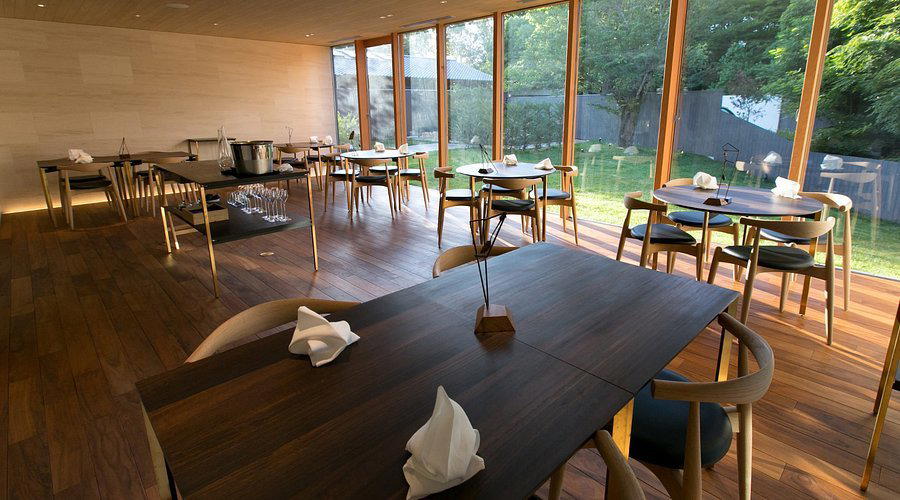




Bars in Nara
Browse all →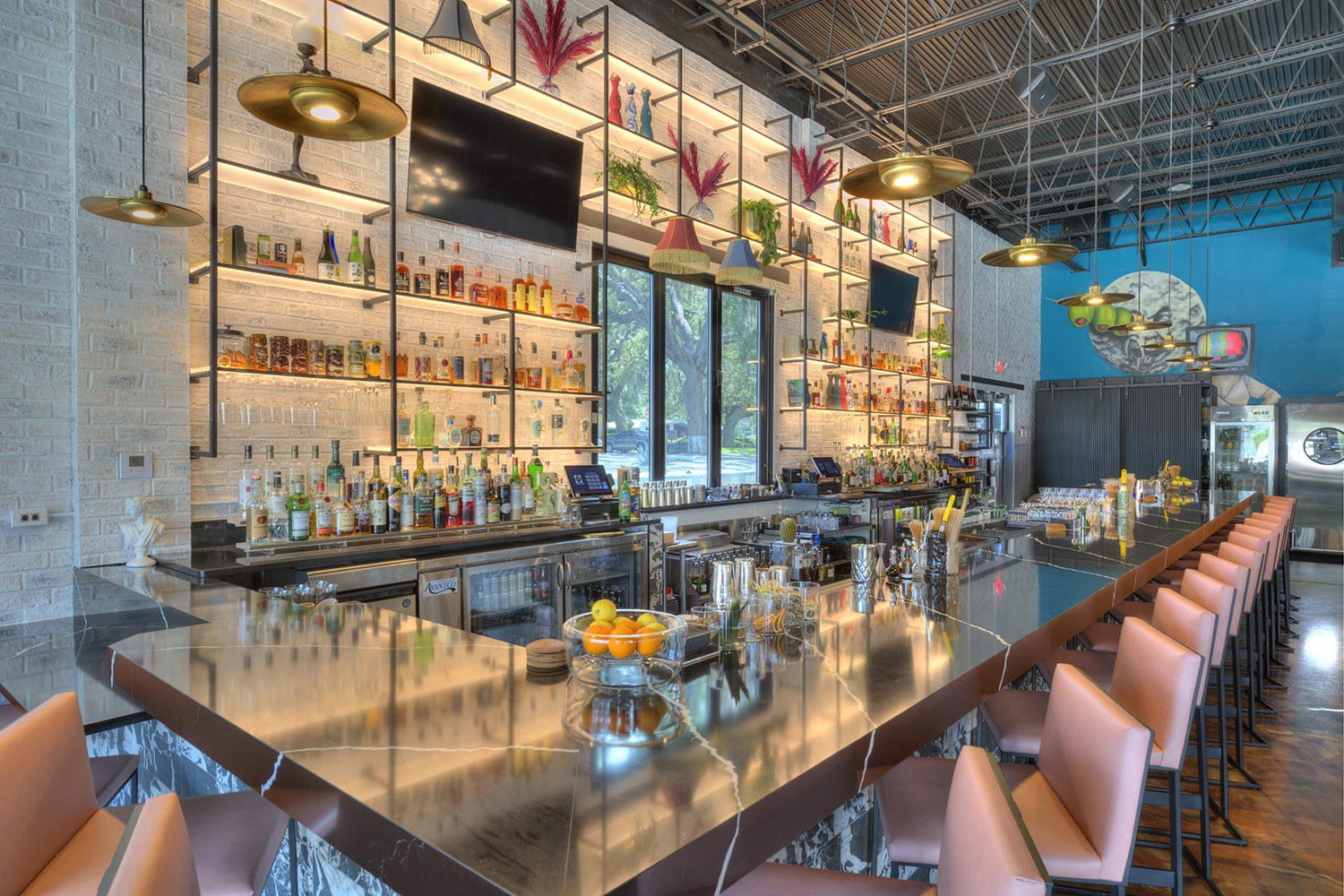

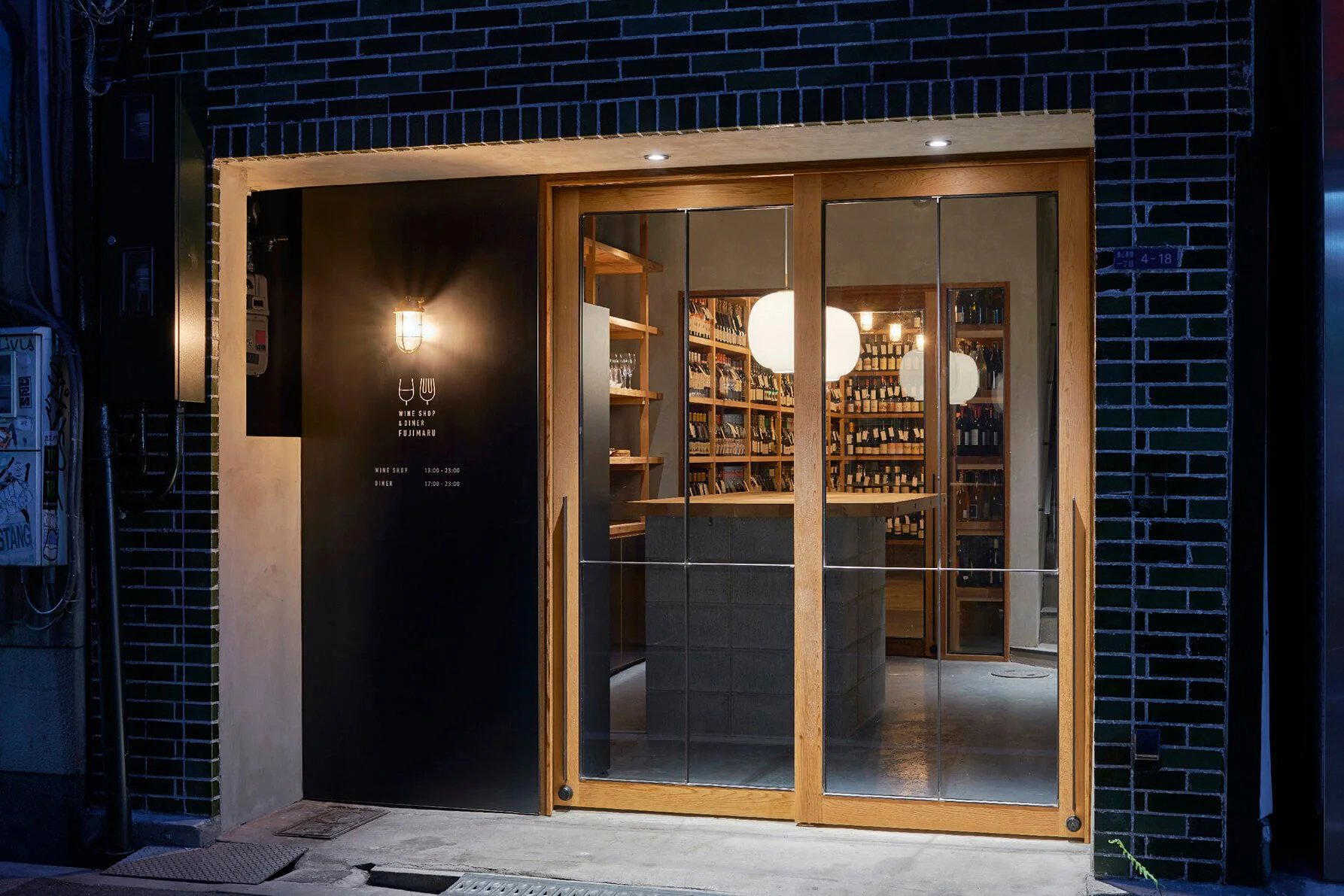

Hotels in Nara
Browse all →




Wineries in Nara
Browse all →
At a Glance
- Intimate
- Elegant
- Special Occasion
- Chefs Counter
- Open Kitchen
- Sake Program
- Natural Wine
- Local Sourcing
Intimate counter seating with chef's engaging talks, focusing on the artistry of game preparation in a hidden, exclusive space within the hotel.