
Michelin Plate
Our verdict
In a third-floor Nishihara space that merges tearoom and Western salon, çayca pairs a live matcha ceremony with French-trained dessert plating. A tea practitioner and a patissière jointly run each sitting, assembling layered composed desserts — fruit, citrus, vinegar, contrasting textures — directly in front of guests. The format sits at a niche intersection of Japanese tea culture and French confectionery discipline that has almost no direct peers in Tokyo.

Pearl is the En Primeur Club membership app — saves, bookings, and concierge access live there. Same editors, same standards.
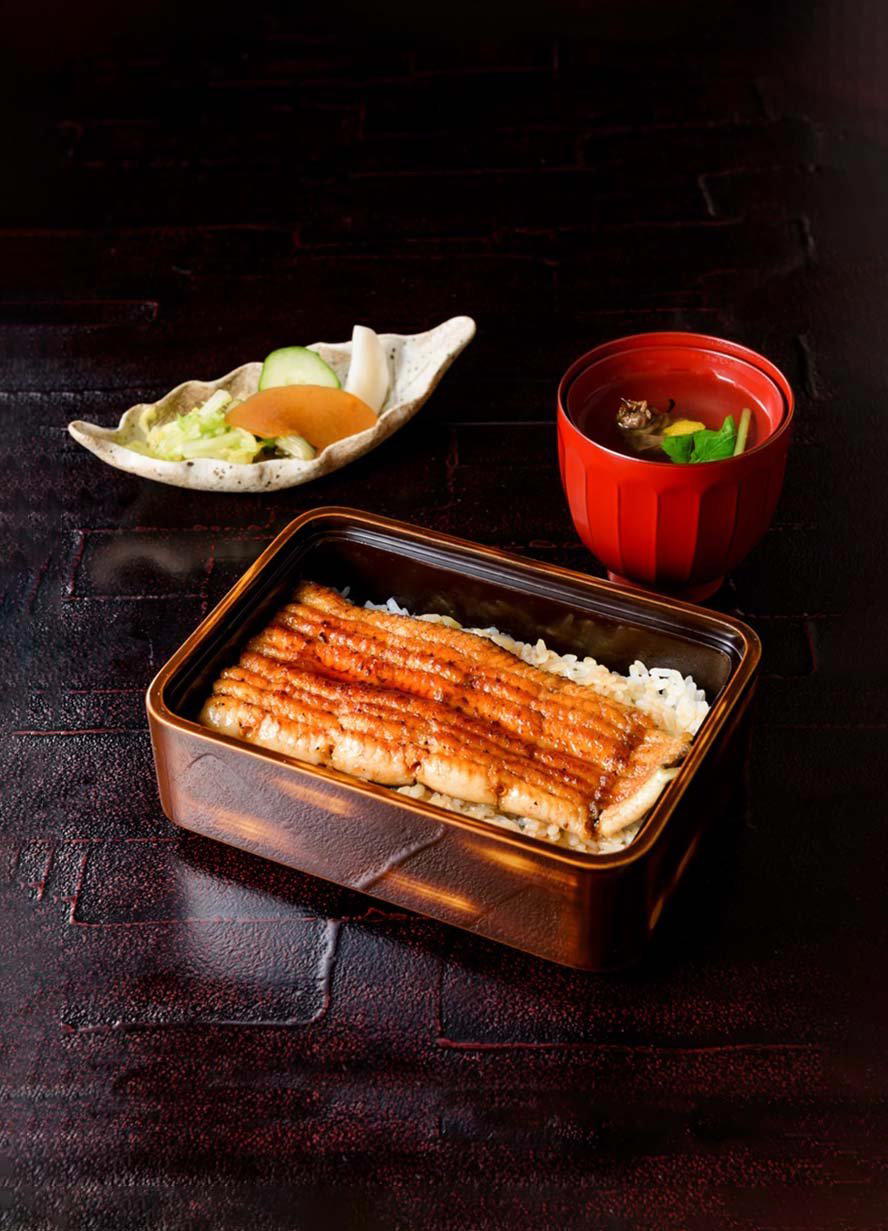
The menu
What to order
- Matcha tea ceremony opening
- Assiette dessert with poached seasonal fruit and citrus vinaigrette
- Almond sable with entremet and fruit gelée
- Tableside dessert à l'assiette finale
- Madeleines with seasonal tea
Where Tea Ceremony Meets French Patisserie
Tokyo's premium dessert scene has been quietly fracturing into distinct sub-categories over the past decade. Alongside the Michelin-starred kaiseki houses — RyuGin (Kaiseki, Japanese), for instance, where seasonal wagashi punctuate elaborate multi-course menus — a smaller, more focused tier has emerged: dessert-only venues that treat the plate as their primary creative medium. çayca, on the third floor of a Nishihara residential building in Shibuya, occupies a further sub-niche within that tier. It does not simply serve dessert. It structures an entire sitting around the philosophical and aesthetic relationship between Japanese tea ceremony and French patisserie.
That pairing is less arbitrary than it sounds. Both traditions share a discipline around material restraint and seasonal awareness. The French dessert à l'assiette format, composed plated desserts assembled to order, where balance between sweetness, acidity, and texture matters as much as the individual ingredients, has a formal rigor that maps naturally onto the meditative choreography of a tea ceremony. At çayca, a tea practitioner and a patissière work in tandem, and the sitting begins not with a dish but with a cup of matcha, observed as it is prepared. The meal proper follows: layered constructions of fruit, citrus, vinegar, and contrasting textures, built in front of the guest one element at a time.
The Interior as Argument
The physical space at çayca makes an editorial statement before a single plate arrives. The third-floor room in Nishihara fuses the visual grammar of a traditional Japanese tearoom, low sight lines, deliberate quiet, the kind of stillness associated with wabi-sabi, with the softer geometry of a Western-style house. The result is neither hybrid nor compromise. It reads as a considered design position, the kind of environment where the setting is doing interpretive work rather than providing backdrop.
Tokyo has produced a number of venues in recent years where interior architecture signals the seriousness of the concept. VERT and BAMBAKUN each operate within spaces shaped to their programming. çayca sits in that company in the sense that the room is inseparable from what happens inside it. You cannot extract the patisserie from the tearoom context and have the same experience.
French Confectionery Discipline in a Japanese Frame
The creative tradition çayca draws on is French in its architecture. Dessert à l'assiette in the French pastry canon requires that each component on a plate earn its place: a fruit element for primary flavour, a citrus or acidic note for lift, a textural contrast for structural interest, and often a vinegar or fermented component to prevent the whole from reading as simply sweet. The desserts are assembled one by one, in sequence, in front of the guest, a process that borrows the patience and intentionality of tea preparation and applies it to sugar work, fruit preparation, and plating.
That orientation toward balance and acidity over raw sweetness places çayca in an interesting position relative to Tokyo's broader French-influenced dining tier. L'Effervescence (French), which holds three Michelin stars, represents the full tasting-menu expression of French technique applied through a Japanese sensibility. çayca operates with far more focus: the format is singular, the sitting is dedicated entirely to what comes after the meal, and the tea ceremony is not an amenity but a structural element.
Sustainability as Restraint: A Different Kind of Ethical Frame
The sustainability argument in Tokyo's premium dining segment is usually framed around sourcing: direct relationships with farms, seasonal limitation, zero-waste kitchens. Those concerns are present at the kaiseki level, venues like Harutaka (Sushi) build entire menus around what the season makes available and what the fisherman brings that day. çayca approaches the same underlying principle from a different direction.
A format built around a single, paired discipline, tea and plated dessert, is structurally resistant to excess. There is no multi-protein tasting menu requiring extensive logistics. The ingredients are, by the nature of the dessert à l'assiette tradition, produce-forward: fruit at its seasonal peak, herbs, dairy, and the fermented or acidic components that the format relies on for complexity. Vinegar as a flavour element in dessert is itself a form of ingredient transformation, a way of extending the useful life of something acidic into a new application. Tea, similarly, is a category defined by attention to origin, cultivation method, and processing. In the context of a sitting that starts with a live tea ceremony, the sourcing of the matcha is not incidental.
This is not a venue promoting itself on environmental credentials. It is, rather, a format whose internal logic tends toward low-impact practice: small operation, produce-centred ingredients, a menu architecture that does not require rare or high-carbon protein sources. For comparison, the full-spectrum kaiseki houses, Gion Sasaki in Kyoto is a useful regional parallel, work within an equally seasonal framework but across a far wider ingredient footprint.
Where çayca Sits in Tokyo's Creative Dining Tier
Tokyo rewards format specificity. The city's dining culture has always been comfortable with venues that do one thing at an extreme level of refinement, the twelve-seat sushi counter that serves nothing else, the ramen shop open for two hours at lunch, the wagashi house that has made the same three confections for four generations. çayca fits that pattern. It is not attempting to be a full-service restaurant. It is a dessert experience with a tea-ceremony framework, and it prices and operates accordingly at the ¥¥¥ tier.
At that price tier, the creative Japanese dining comparison set is interesting. Den, a two-Michelin-star venue in the innovative Japanese category, operates at ¥¥¥ and has built a loyal following on the strength of a singular, playful sensibility rather than high-input luxury ingredients. çayca operates at a similar price register but with a completely different format logic: high craft, low volume, experiential structure. The venues are not direct peers, but they share a positioning that prioritises the format itself as the product.
For Tokyo visitors already working through the three-Michelin-star tier, Harutaka (Sushi), L'Effervescence (French), RyuGin (Kaiseki, Japanese), çayca represents a deliberate step sideways rather than a step down. It belongs to a different conversation. Internationally, the closest analogues in terms of format seriousness at a dessert-only level might be found in venues like Atomix in New York City, where the sequencing and ceremony of a sitting carry as much weight as any individual dish, or Le Bernardin in New York City in the sense that total commitment to a narrow format can produce depth that broader menus rarely reach. For Japan context, akordu in Nara and Goh in Fukuoka illustrate how regional creative-dining venues build distinct identities around a single guiding discipline.
çayca's Nishihara address, a residential pocket in Shibuya a distance from the high-traffic sushi and kaiseki corridors of Ginza or Roppongi, is itself part of the format. This is not a venue positioning itself for international food-tourism foot traffic. It is a sitting for guests who have already decided they want the experience.
Planning Your Visit
Know Before You Go
- Address: 3F, 3 Chome-22-15 Nishihara, Shibuya, Tokyo 〒151-0066
- Price tier: ¥¥¥ (Creative / Dessert)
- Format: Tea ceremony followed by plated dessert tasting; patissière and tea practitioner co-present
- Reservations: Advance booking strongly advised given the small-capacity, experience-led format
- Nearest area: Nishihara, Shibuya, residential, low foot traffic; plan travel in advance
- Further reading: Our full Tokyo restaurants guide | Our full Tokyo experiences guide | Our full Tokyo hotels guide | Our full Tokyo bars guide
Frequently asked questions
What is çayca known for?
What do regulars order at çayca?
Do I need a reservation for çayca?
How does the tea ceremony fit into the dessert tasting at çayca?
Awards and Standing
Comparable venues nearby, for context on price, style, and recognition.
| Venue | Cuisine | Price | Awards | Notes |
|---|---|---|---|---|
| çaycaThis venue — the venue you are viewing | Japanese Tea Ceremony & French Patisserie Tasting | $100–150 | Michelin Plate | Not listed |
| FUSOU | Modern French | Not listed | Michelin Plate · Tabelog Bronze #498 | Chūō |
| Daikanyama Ogawaken | Classic Yoshoku & French-Influenced Western Cuisine | $150–200 | Not listed | Shibuya |
| Restaurant La FinS | Modern French Fine Dining | $150–200 | Tabelog Bronze #361 | Minato |
| Chez Matsuo | Classic French Fine Dining | Not listed | Not listed | Shibuya |
| La Maison Confortable | Avant-Garde French Fine Dining | Not listed | Michelin Plate | Minato |
Recognition history
Dated appearances from independent guides and award organizations, with the underlying list record or original source where available.
Michelin Plate
Michelin
Continue exploring
More in Tokyo
Restaurants in Tokyo
All restaurants in Tokyo →



Bars in Tokyo
All bars in Tokyo →




Details
- Intimate
- Elegant
- Quiet
- Sophisticated
- Special Occasion
- Date Night
- Chefs Counter
- Open Kitchen
- Private Dining
- Design Destination
- Sake Program
- Local Sourcing
- Tasting Menu
- Counter Dining
- Matcha
- Seasonal Tea
- Herbal Tea
- Allergy Accommodating
Current opening hours
- Monday
- Closed
- Tuesday
- Closed
- Wednesday
- Closed
- Thursday
- 12–5:30 PM
- Friday
- 12–5:30 PM
- Saturday
- 10 AM–6 PM
- Sunday
- 10 AM–6 PM
Hours can change for holidays and private events. Last verified .
Measured, warm lighting in a hybrid tearoom and Western-style house with intimate counter seating focused on the preparation counter; a tokonoma alcove displays seasonal scrolls and flower arrangements; service pacing mirrors the tempo of a traditional tea gathering.