
Tabelog 100 #35
Our verdict
クレド occupies a residential address in Yamagata's Iida district, placing it within a city that has developed a quiet but consequential dining culture anchored in local Shonai and Yamagata produce. The restaurant draws visitors who treat the meal itself as the destination, arriving with time to spare and leaving with the kind of satisfaction that comes from unhurried, considered cooking in an unfussy setting.

Pearl is the En Primeur Club membership app — saves, bookings, and concierge access live there. Same editors, same standards.
- Address
- 5 Chome-21-11 Iida, Yamagata, 990-2332, Japan
- Phone
- +81236099280
- Hours
- Mon ClosedTue–Sat 12–3 PM, 6–10 PMSun Closed
- Website
- tabelog.com
- Directions
- Get directions
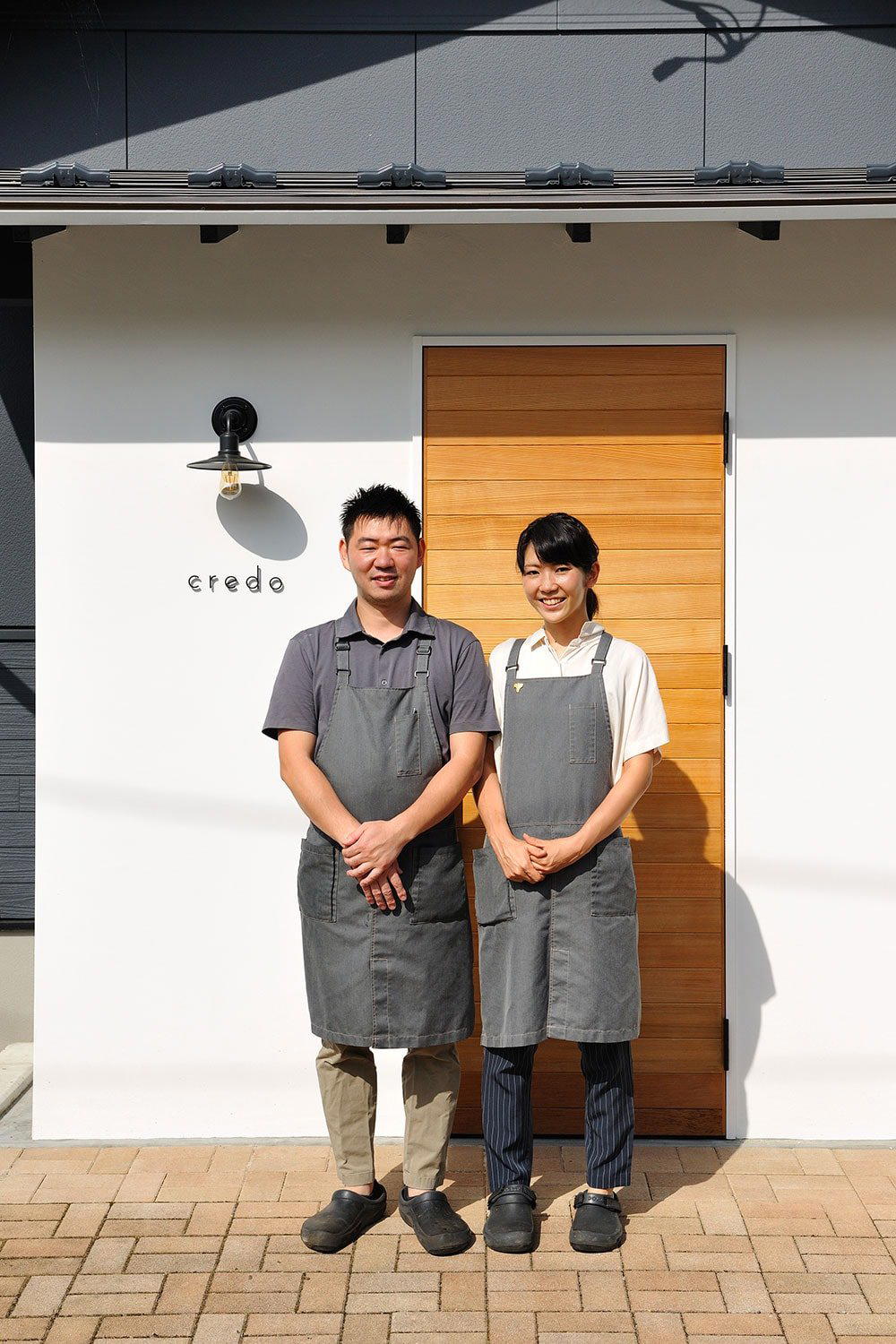
Yamagata's Dining Ritual: Where the Meal Sets the Pace
Yamagata Prefecture has spent the better part of two decades building a dining culture that rewards patience. Unlike cities where restaurants compete on spectacle or celebrity, Yamagata's better tables compete on seasonal fidelity and the quality of what the prefecture's farms, rivers, and mountains produce. The Shonai Plain to the west delivers rice and vegetables of unusual consistency. The mountains supply mountain vegetables, game, and freshwater fish that rarely travel far before reaching the kitchen. This geography shapes the rhythm of a meal here before a single dish arrives.
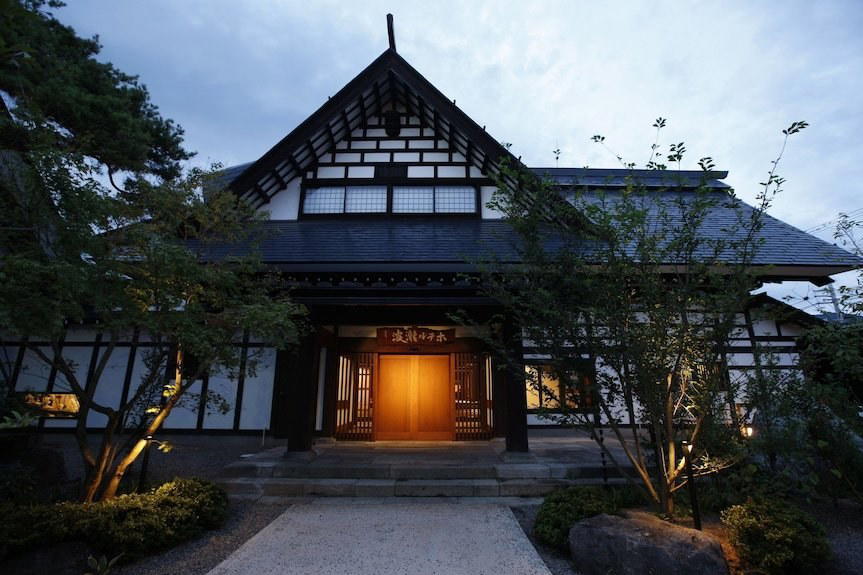
クレド sits in the Iida district of Yamagata city, on a residential street that gives no particular indication of what waits inside. That's not an affectation; it reflects a broader pattern in Japanese provincial dining, where the separation between neighbourhood life and restaurant formality is deliberately narrow. You arrive at an address, not a destination designed to announce itself. The approach itself signals the kind of meal ahead: attentive, without theatre.
The Architecture of a Japanese Provincial Meal
In cities like Osaka or Kyoto, the ritual of sitting down to a serious meal carries the full weight of accumulated tradition. At Gion Sasaki in Kyoto, for instance, the kaiseki sequence is understood by both kitchen and guest as a language with defined grammar. In Yamagata, that grammar exists but is spoken with a regional accent — less constrained by the strict progression of a capital-city kaiseki, more responsive to what the market produced that morning and what the season demands that week.
The dining ritual at restaurants of クレド's type in provincial Japan typically unfolds at a pace that urban diners sometimes mistake for slowness. It is not slowness. It is spacing: room between courses for conversation, for the palate to reset, for the diner to register what they have just eaten before the kitchen sends the next thought. In that regard, Yamagata's dining culture shares more with the unhurried posture of akordu in Nara than with the tightly sequenced counters of Tokyo — places where the cadence of the meal is something the diner surrenders to rather than negotiates.
That pacing matters practically. Reservations at this level of restaurant in Yamagata are not walk-in affairs. Advance booking is standard, and given the city's status as a regional capital rather than a major tourist circuit, the booking window can be more accessible than comparable restaurants in Kyoto or Tokyo. Still, arriving without a reservation and expecting a table is optimistic.
Yamagata in the Context of Japan's Regional Dining Circuit
Japan's serious dining is no longer exclusively a Tokyo or Kyoto story. Fukuoka has Goh. Osaka has HAJIME. Tokyo anchors the circuit with counters like Harutaka. But the genuinely interesting development of the last decade has been in secondary and tertiary cities, Nara, Nanao, Takashima, and Yamagata among them, where chefs have chosen to work close to source rather than close to prestige.
Yamagata's dining scene reflects this. For the visitor, that creates a coherent dining itinerary rather than a single-destination trip. Chuka Soba Dokoro Konpiraso anchors the more casual end of that spectrum, where Yamagata's ramen tradition, with its distinct soy-forward broth, illustrates that serious attention to ingredient quality operates across price points in this city.
Beyond Yamagata city, the broader Tohoku region has produced dining experiences that reward the kind of deliberate, unhurried travel the city exemplifies. Nishikawa Machi to the west and venues in Nanao and Takashima form part of a wider regional circuit that serious travellers are increasingly building itineraries around.
How to Approach クレド
The address, 5 Chome-21-11 Iida, Yamagata, places the restaurant in a residential pocket of the city. Iida is not a restaurant district in the way that a visitor to, say, Ginza might understand the term. It is a neighbourhood. That geography shapes the experience: the walk in, the quiet of the surrounding streets, the sense that the restaurant exists within the city's fabric rather than apart from it.
Yamagata city is reached from Tokyo via the Yamagata Shinkansen, a journey of roughly two and a half hours from Tokyo Station. For visitors building a broader Tohoku itinerary, Yamagata sits within reasonable reach of Sendai (around an hour by local rail) and connects to the Zao hot spring area, which adds context for a stay of more than one night. The meal at a restaurant like クレド functions leading as the anchor of an evening, not a prelude to it, the pacing and the register of Japanese provincial cooking at this level are designed for a diner who has arrived in the city rather than passed through it.
On the question of dietary accommodation: Japanese restaurants in Yamagata's mid-to-upper tier typically manage dietary requests more comfortably when notified at the time of booking rather than on arrival. The kitchen's ability to adjust depends heavily on the menu format and the degree of advance notice. This is consistent across the regional dining style, accommodation is possible, but it requires communication before the meal, not during it.
Visitors planning a fuller Yamagata dining itinerary should consult the EP Club Yamagata restaurants guide for context across the city's dining scene. For those building Japan itineraries that extend further, Takashima and Sapporo represent the kind of regional dining depth that makes this country's provincial circuits as rewarding as its capital. Internationally, the parallel would be the kind of produce-anchored precision one associates with Le Bernardin in New York City or the technique-led ambition of Atomix, different in register but similarly committed to making the meal itself the reason for the journey.
Frequently asked questions
Where is クレド located?
クレド is located at 5 Chome-21-11 Iida, Yamagata, 990-2332, Japan, Yamagata.
Is クレド suitable for visitors who don't speak Japanese, given its location in a residential Yamagata neighbourhood?
Restaurants in this type of setting across Japan's regional cities typically draw a local-first clientele, and language support cannot be assumed. Non-Japanese speakers would be well served arranging assistance through their hotel or a local contact before booking.
What do people recommend at クレド?
クレド sits in Yamagata's Iida district, a residential area where restaurants of this type tend to run tight, produce-led menus tied to the prefecture's seasonal output. Going without a fixed agenda is the practical approach.
Should I book クレド in advance?
Arriving without a booking at this type of venue is a risk. Contacting the restaurant directly before your visit is the only reliable approach.
What is クレド known for?
クレド is positioned within Yamagata's broader dining culture, which has spent two decades building a reputation for patience-rewarding, produce-focused meals rooted in the prefecture's agricultural and culinary traditions. The Iida address places it away from any commercial dining strip, which in Yamagata's context signals a restaurant built on repeat local custom rather than foot traffic.
Can クレド adjust for dietary needs?
Japanese provincial restaurants of this character often require advance notice for any adjustments, and that communication is best handled at the time of reservation. Reaching out before your visit is the only way to get a definitive answer.
What It’s Closest To
Comparable venues nearby, for context on price, style, and recognition.
| Venue | Cuisine | Price | Awards | Notes |
|---|---|---|---|---|
| クレドThis venue — the venue you are viewing | Modern French | $50–100 | Tabelog 100 #35 | Not listed |
| Izakaya Denshichi | Traditional Japanese Izakaya | $30–50 | Tabelog 100 #22 | near Yamagata Station (east exit) |
| Kanazawa Ya Gyuniku Ten | Traditional Yamagata beef sukiyaki & shabu-shabu | $50–100 | Tabelog 100 #52 | Nanokamachi |
| JAY | Dining | Not listed | Tabelog 100 #21 | Yamagata |
| レストラン パ・マル | Authentic French with Yamagata Ingredients | $100–150 | Tabelog 100 #29 | 七日町 |
| Yamada Ya | Japanese traditional sweets | $1–10 | Tabelog 100 #33 | Honcho |
Recognition history
Dated appearances from independent guides and award organizations, with the underlying list record or original source where available.
Tabelog 100 #35 · No. 35
Tabelog · Tabelog 100 - French - EAST - 2025
Continue exploring
More in Yamagata
Restaurants in Yamagata
Browse all →
Hotels in Yamagata
Browse all →
Wineries in Yamagata
Browse all →
Details
- Intimate
- Elegant
- Modern
- Cozy
- Date Night
- Special Occasion
- Standalone
- Sake Program
- Local Sourcing
- Set Menu
Current opening hours
- Monday
- Closed
- Tuesday
- 12–3 PM, 6–10 PM
- Wednesday
- 12–3 PM, 6–10 PM
- Thursday
- 12–3 PM, 6–10 PM
- Friday
- 12–3 PM, 6–10 PM
- Saturday
- 12–3 PM, 6–10 PM
- Sunday
- Closed
Hours can change for holidays and private events. Last verified .
穏やかで落ち着いた雰囲気 with warm, open space and geometric windows allowing natural light.