
Tabelog 100 #67
Our verdict
イワナガ食堂 occupies a ground-floor unit in the Fukuda Building on Tachibanadorihigashi in central Miyazaki, placing it within the dense dining corridor that defines the city's everyday eating culture. In a prefectural capital where shokudo-style restaurants serve as the practical backbone of neighbourhood life, this address sits at the intersection of local habit and accessible dining. What it offers reads clearly through the context of Miyazaki's food scene: direct, unfussy, and rooted in place.

Pearl is the En Primeur Club membership app — saves, bookings, and concierge access live there. Same editors, same standards.
- Address
- Japan, 〒880-0805 Miyazaki, Tachibanadorihigashi, 3 Chome−3−7 福田ビル 1F
- Phone
- +818027908679
- Hours
- Mon ClosedTue–Sun 6–9 PM
- Directions
- Get directions
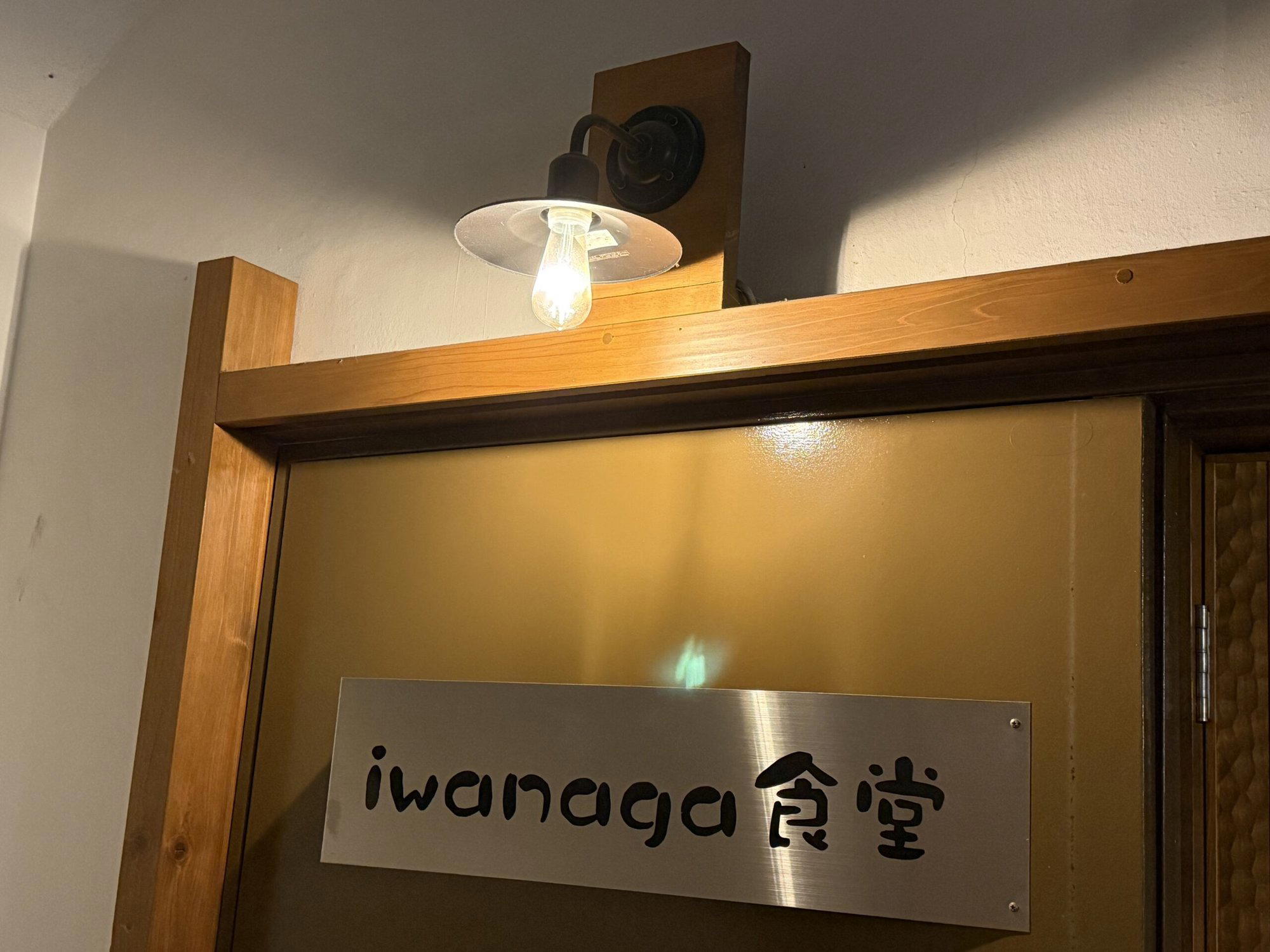
The menu
What to order
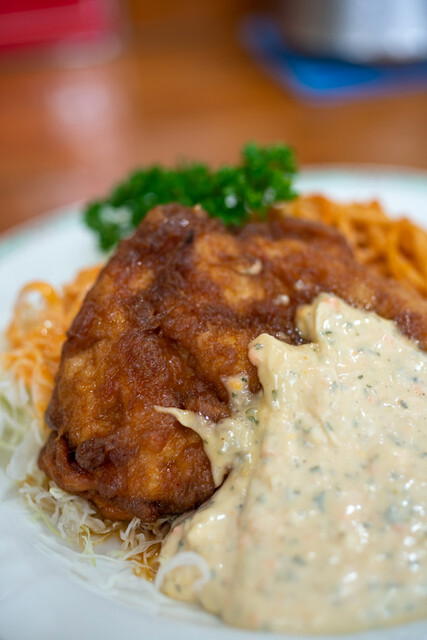
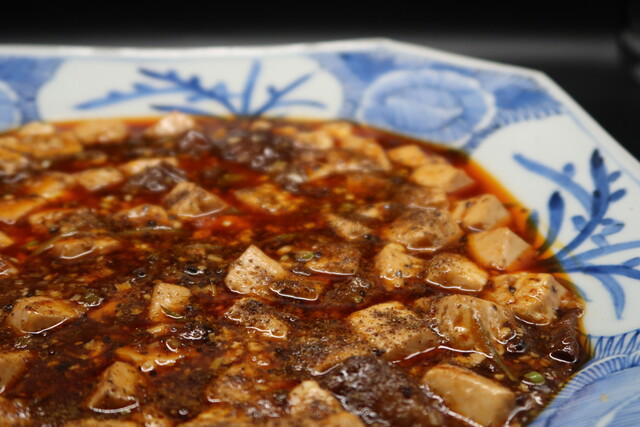
- Beef Cheek Stew
- Beef Cutlet Sandwich
- Jumbo Mushroom Fry
A Ground-Floor Address in Miyazaki's Central Dining Belt
The Fukuda Building on Tachibanadorihigashi is the kind of structure that appears in every Japanese prefectural city: a mid-rise commercial block with retail and food businesses occupying the lower floors, residents or offices above, and a street-level rhythm set by the people who use it daily rather than those passing through. イワナガ食堂 (Iwanaga Shokudo) sits in that first-floor position, which in Japanese urban geography is rarely incidental. Ground-floor shokudo placements tend to attract a specific clientele: workers from nearby offices, residents who know the building, and the occasional visitor who reads the hand-written or laminated menu boards before deciding to step inside.
Tachibanadorihigashi is one of Miyazaki city's central thoroughfares, running through the 3-chome district that sits within walking distance of Miyazaki Station's eastern approaches. The area carries the functional density of a working city centre rather than a tourist corridor, which shapes the kind of restaurants that succeed here. Flashy concept dining struggles in this environment; places with consistent daily output, affordable pricing, and a sense of permanence do not. A shokudo operating out of this address is drawing on a very specific tradition of Japanese casual dining — one that sits entirely outside the Michelin-starred register and closer to the practical, honest core of how most Japanese people eat most of the time.
The Shokudo Tradition and Where It Sits in Japan's Dining Culture
The word shokudo translates loosely as "dining hall" or "eating place," and the format has deep roots in Japanese urban life. Unlike the izakaya, which leans toward evening drinking with food as accompaniment, or the kaiseki restaurant, where the meal is a structured sequence of seasonal courses, the shokudo is defined by directness. The format typically centres on teishoku sets — a main dish accompanied by rice, miso soup, and pickles, served at a pace that suits a lunch rush or an early dinner. There is no ceremony to the transaction. You eat, you pay, you leave, and if the food is good enough you come back the following week.
In the broader context of Japan's regional dining culture, shokudo occupy a tier that sits well below the recognition circuits of Michelin, the omakase counters of Tokyo, or the refined kaiseki traditions of Kyoto's established houses. That distance is not a deficiency, it is a categorical distinction. A kaiseki meal at a place like Nara's akordu or the precision cooking at HAJIME in Osaka occupies an entirely different social and economic register. The shokudo answers a different question: what is good, reliable, and repeatable on any ordinary Tuesday?
Miyazaki has its own distinct culinary identity within Kyushu. The prefecture is associated with chicken nanban, a dish of fried chicken dressed in vinegar sauce and tartar, which originated in nearby Nobeoka and spread across the prefecture, as well as regional gyoza variations and fresh seafood drawn from the Pacific coast. At restaurants like Isshinzushi Koyo, the emphasis falls on local fish handled with direct technique. The shokudo format, when it operates well in this environment, integrates these regional ingredients into its daily rotation without the framing or price premium that a destination restaurant would apply.
What the Address Tells You About the Experience
In Japan, a restaurant's physical position within a building and on its street is one of the more reliable early indicators of its intended audience. A basement location in a high-traffic office district signals salary-worker lunch business. A second-floor spot above a bar suggests evening trade and a different kind of lingering. A first-floor unit in a residential-commercial building on a central but not especially touristic street suggests a regulars-first operation: the kind of place where the staff recognise returning faces and where the menu changes seasonally or weekly rather than annually.
The sensory experience of arriving at a place like this is distinct from the approach to a more formal restaurant. There is no door policy, no booking desk to pass through, no carefully designed threshold designed to signal a shift in register. The threshold between the street and the room tends to be immediate and functional: the noise of the street gives way to the sounds of a working kitchen, the hiss of a pan, the low murmur of other customers, and the visual field narrows to a small dining room with tables arranged for practical throughput. Miyazaki's humidity and warmth, particularly through the summer months, means that ground-floor restaurants in the city often have an open or semi-open facade during the warmer half of the year, drawing the street slightly into the room.
For visitors building a broader picture of Miyazaki's dining options, the city supports a range of formats across different price points. Chinese Sen operates in the JPY 10,000–14,999 range with a Chinese kitchen, while Il Sorriso brings a European approach to the local dining scene. Hitotsu and Fujiyama Pudding Miyazaki represent different niches within the city's accessible dining tier. The shokudo format at イワナガ食堂 sits at a different point on that spectrum, closer to the daily-use end of the market than the occasion-dining end. A fuller picture of the city's options is available through our Miyazaki restaurants guide.
Comparisons further afield illustrate how regional shokudo differ from the high-recognition tier across Japan. Goh in Fukuoka represents Kyushu's more formally celebrated dining, while smaller regional operations like this Nanao restaurant and this Nishikawa Machi address show how local eating culture persists in prefectural Japan well outside the main recognition circuits. Even internationally, the contrast holds: the technical ambition of Le Bernardin in New York or the Korean-inflected precision of Atomix belongs to an entirely different category of restaurant, defined by its relationship to formal culinary tradition and critical infrastructure. The shokudo is defined by the absence of all that scaffolding, and that absence is precisely its value.
Planning Your Visit
イワナガ食堂 is located at 3 Chome-3-7 Tachibanadorihigashi, Miyazaki, in the ground floor of the Fukuda Building. The address is walkable from central Miyazaki and sits within the city's main urban grid. As with most neighbourhood shokudo across Japan, the lunch service tends to draw the heavier trade, and arriving early in a service window generally means a shorter wait for a table. Visiting during Miyazaki's autumn and winter months, when the city's famous agricultural produce including local sweet potatoes and regional vegetables is at its seasonal peak, gives the leading chance of finding daily specials that reflect the prefecture's produce calendar.
Frequently asked questions
Where is イワナガ食堂 located?
イワナガ食堂 is located at Japan, 〒880-0805 Miyazaki, Tachibanadorihigashi, 3 Chome−3−7 福田ビル 1F, Miyazaki.
Is イワナガ食堂 a good option for visitors trying Miyazaki's regional cuisine for the first time?
The shokudo format at a central Miyazaki address like Tachibanadorihigashi is one of the more practical entry points into prefectural home cooking, precisely because the format is built around straightforward set meals rather than à la carte decisions. Miyazaki's regional identity in food terms centres on chicken nanban, ground beef dishes, and locally grown vegetables — ingredients that appear regularly in shokudo menus across the city. The Fukuda Building location puts the restaurant within walking distance of central Miyazaki, making it a functional stop without requiring dedicated transport.
What do regulars order at イワナガ食堂?
The shokudo format in Miyazaki's central dining belt typically anchors around set-meal teishoku — rice, miso soup, and a protein main — alongside regional staples such as chicken nanban, a dish Miyazaki prefecture claims as its own. Until menu specifics are confirmed, those formats represent the most likely core of the offering.
Should I book イワナガ食堂 in advance?
Shokudo operations in central Miyazaki generally run on a walk-in basis, particularly at lunch, when office and retail workers from the Tachibanadorihigashi district form the primary crowd. Arriving before peak service — typically noon to 12:30 — is the practical way to avoid a wait.
What has イワナガ食堂 built its reputation on?
The Fukuda Building address on Tachibanadorihigashi places イワナガ食堂 squarely in Miyazaki's working commercial centre, the kind of location where repeat custom from nearby offices and shops drives a restaurant's standing far more reliably than tourism. In Japan, a shokudo that holds a ground-floor position on a busy prefectural-city street for any sustained period does so through consistency of value rather than novelty. That structural context suggests a reputation built on reliable daily meals at accessible price points.
Can イワナガ食堂 handle vegetarian requests?
Vegetarian accommodation at traditional Japanese shokudo is variable and should not be assumed. Dashi stocks made from katsuobushi (bonito flakes) appear in a wide range of dishes that look vegetarian on the surface, including miso soup, simmered vegetables, and rice seasonings. Visitors with strict dietary requirements should confirm specifics directly with the restaurant before visiting the Tachibanadorihigashi address.
Does イワナガ食堂 justify its prices?
Across the shokudo tier in Miyazaki and comparable Japanese prefectural cities, set lunches typically run between ¥700 and ¥1,200 — a price bracket where value is measured by portion size, speed of service, and how reliably the food matches what the neighbourhood expects. A ground-floor address in a commercial district like Tachibanadorihigashi implies the kitchen is priced to compete for daily return visits, not occasion dining.
Peers in This Market
Comparable venues nearby, for context on price, style, and recognition.
| Venue | Cuisine | Price | Awards | Notes |
|---|---|---|---|---|
| イワナガ食堂This venue — the venue you are viewing | Yoshoku (Japanese-Style Western Cuisine) | $100–150 | Tabelog 100 #67 | Not listed |
| 宮崎牛鉄板焼ステーキ ミヤチク | Miyazaki Beef Teppanyaki | $100–150 | Not listed | 新別府町 |
| Tenichi | Seasonal Miyazaki Izakaya | $50–100 | Tabelog 100 #89 | Nishitachibanadori |
| Hitotsu | Kyushu Seasonal Sushi Omakase | $100–150 | Tabelog Bronze #121 | near Miyazaki Station |
| 幸魚 | Kaisen Kaiseki (Seafood Kaiseki) | $100–150 | Not listed | central Miyazaki |
| Torimasa | Yakitori & Miyazaki Chicken Izakaya | $30–50 | Tabelog 100 #59 | .null |
Recognition history
Dated appearances from independent guides and award organizations, with the underlying list record or original source where available.
Tabelog 100 #67 · No. 67
Tabelog · Tabelog 100 - Yoshoku - WEST - 2025
Full recognition history (2 entries)
Tabelog Bronze
Tabelog
Continue exploring
More in Miyazaki
Details
- Intimate
- Elegant
- Classic
- Special Occasion
- Date Night
- Business Dinner
- Chefs Counter
- Open Kitchen
- Local Sourcing
- Counter Dining
- Omakase
- Soft Drinks
Current opening hours
- Monday
- Closed
- Tuesday
- 6–9 PM
- Wednesday
- 6–9 PM
- Thursday
- 6–9 PM
- Friday
- 6–9 PM
- Saturday
- 6–9 PM
- Sunday
- 6–9 PM
Hours can change for holidays and private events. Last verified .
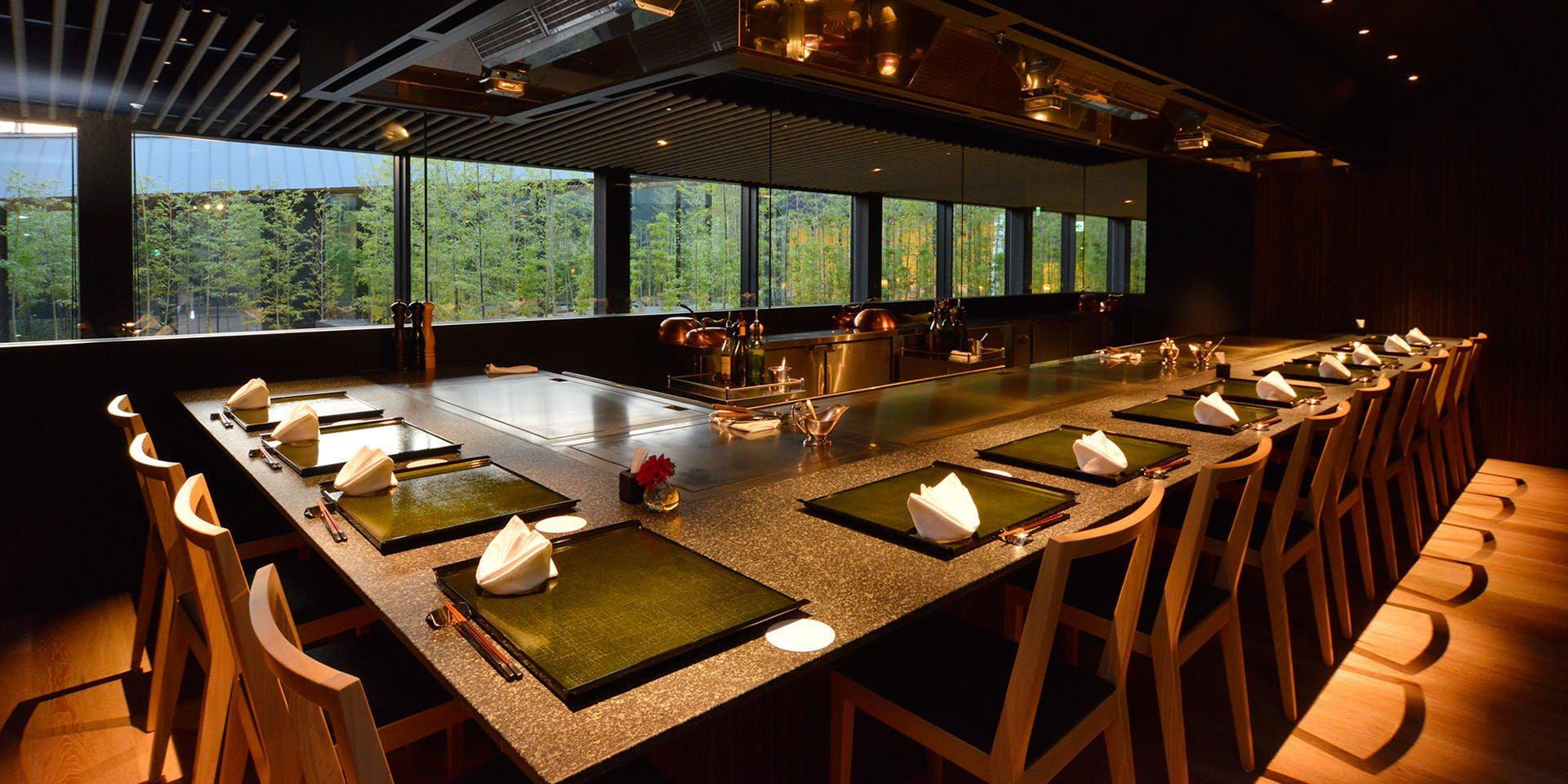
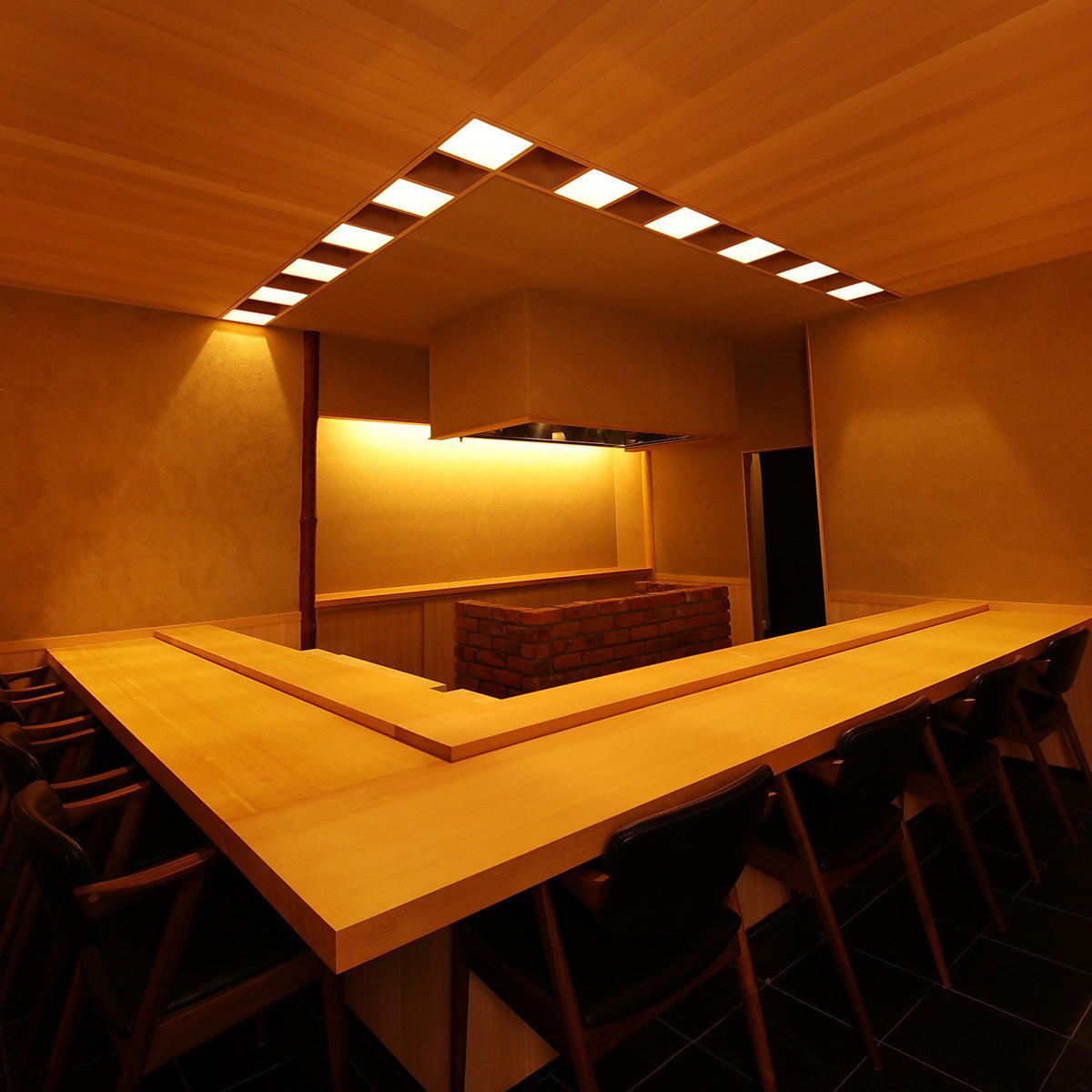
Intimate counter-focused setting with 11 seats in a small, refined space located in a multi-tenant building; warm and focused on the culinary experience rather than spectacle.