
Our verdict
à nu Shohei Shimano places French cooking inside Ginza’s exacting dining culture, where classical technique is judged by restraint rather than ceremony. Chef Shohei Shimono’s restaurant appears on Opinionated About Dining’s 2026 Japan Recommended list, a useful signal for diners tracking Tokyo’s smaller, technique-led French rooms beyond hotel dining and grand tasting-menu theater.

Pearl is the En Primeur Club membership app, where members save venues, book tables and use the concierge.
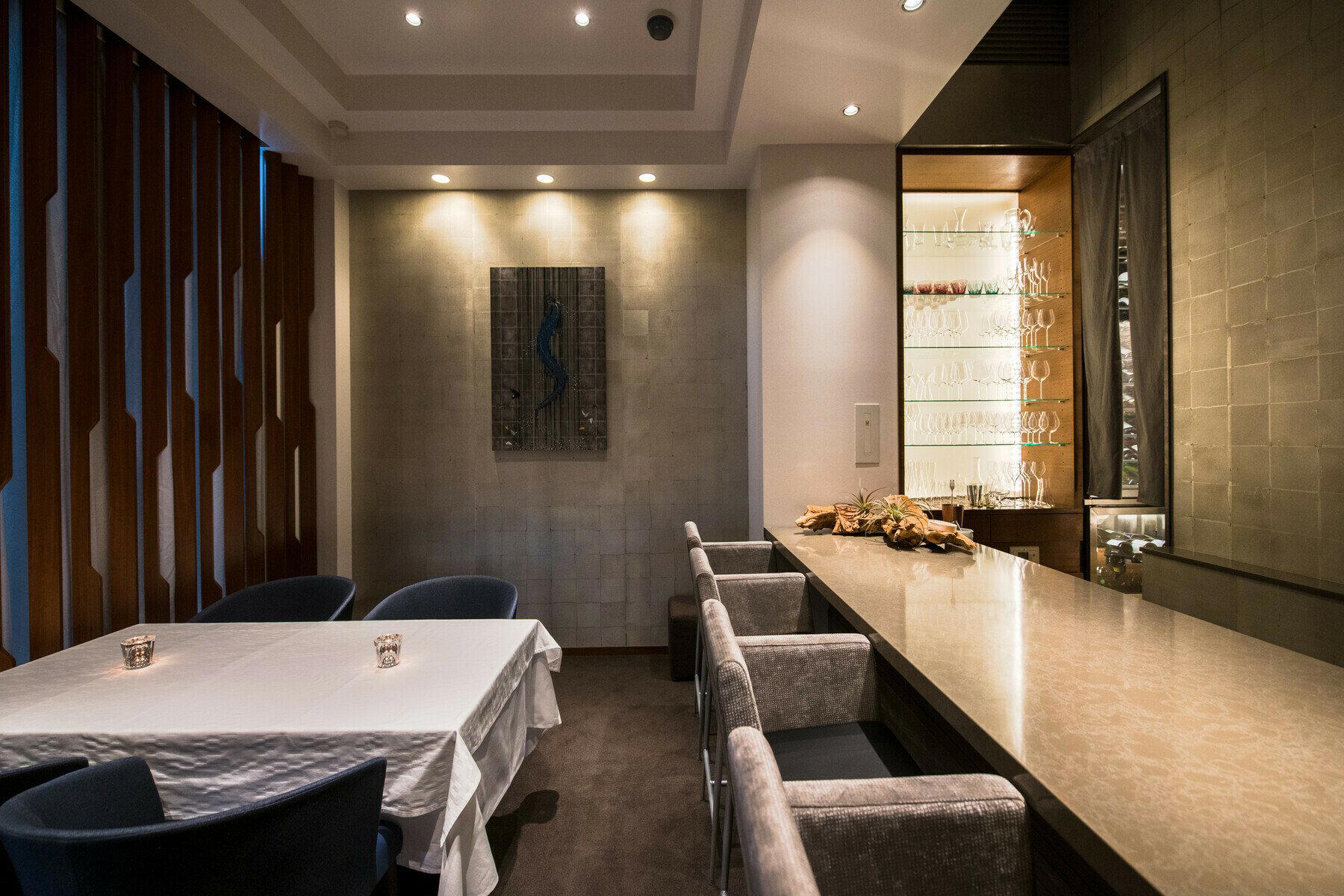
Tokyo changes its register after dark: office towers empty, daytime polish gives way to quieter side streets, and the serious dining rooms begin to feel less like destinations than appointments. In that setting, French cooking in Tokyo has a particular pressure on it. The city does not reward imitation for long. Classical sauces, pastry discipline, stock work and service rhythm have to meet Japanese expectations for seasonality, proportion and exact finish. à nu Shohei Shimano belongs to that narrower conversation, where French technique is not presented as imported grandeur but as a working grammar for a Tokyo meal.
The restaurant’s presence on Opinionated About Dining’s 2026 Japan Recommended list gives it a public marker within a crowded field. That matters in Tokyo, where French restaurants split across several registers: hotel dining with international formality, counter-led rooms that borrow the intimacy of sushi and kappo, and small independent addresses where the chef’s technical vocabulary does the heavy lifting. The OAD recognition places à nu Shohei Shimano in the trackable tier of contemporary Japanese-French dining, not as a mass-market Tokyo address, but as a room for diners who follow the category closely.
French technique filtered through Tokyo discipline
Tokyo has spent decades absorbing French cuisine without treating it as fixed heritage. The city’s stronger French kitchens tend to keep the architecture of the cuisine, then reduce the noise around it: fewer ornamental gestures, tighter pacing, more attention to temperature and season. That is the relevant frame for à nu Shohei Shimano. The cuisine is listed as French, but the competitive standard is Tokyo’s broader culture of precision, where a sauce, garnish or course transition is assessed with the same seriousness as rice texture at a sushi counter.
Chef Shohei Shimono’s association with the restaurant functions as a credential, but the more useful reading is category-based. In Tokyo, chef-led French restaurants often live between two expectations. International diners arrive looking for recognisable French structure; local regulars tend to notice whether that structure has been sharpened for Japan rather than merely reproduced. The restaurants that hold attention are the ones that understand that tension. Classical technique supplies depth, while modern Tokyo dining demands brevity, clarity and a certain refusal to over-explain itself.
Tokyo intensifies that test. The city carries a long memory of expense-account dining, luxury retail and polished service, yet its serious restaurant culture is less theatrical than outsiders expect. The room has to justify itself quickly. A French restaurant here is not competing only with other French restaurants; it is competing with sushi counters, tempura rooms, kappo counters and wine-led dining rooms that operate at high levels of specialization. That makes restraint a commercial language as much as an aesthetic one.
Why the OAD signal matters in Tokyo French dining
Opinionated About Dining’s Japan Recommended designation is not a Michelin star, and it should not be read as one. Its value lies elsewhere: OAD tends to attract diners who care about chef-driven restaurants, technical ambition and meals that sit outside broad tourism shorthand. For a Tokyo French restaurant, that kind of listing helps separate a serious independent address from the many polished rooms that disappear into the city’s luxury background.
The ranking field is less important here than the presence on the 2026 Japan Recommended list. Tokyo has a dense supply of French kitchens, and many are competent. Fewer register as part of the current conversation around new French cooking in Japan, where the question is not whether the chef can execute classical technique, but whether the meal has a reason to happen in Tokyo rather than Paris, Lyon or a hotel dining room anywhere else. à nu Shohei Shimano is better understood through that question than through checklist dining.
That distinction also helps set expectations. This is not the version of French cuisine built around heavy nostalgia, silver-domed grandeur or grand-room spectacle. The stronger contemporary Tokyo model is smaller in tone: technique remains serious, but the meal’s authority comes from editing. Diners who enjoy this register usually care less about theatrical luxury and more about how a kitchen handles progression, balance and the pressure of a concise format.
How to place it within a Tokyo itinerary
For travelers building a Tokyo restaurant schedule, Tokyo remains a high-yield city because it compresses different dining traditions into a single, demanding restaurant culture. The smart move is to avoid treating French dinner here as a break from Japanese dining. In Tokyo, French technique has become one of the city’s own languages, shaped by local produce cycles, service codes and the expectation that fine dining should be technically legible without turning explanatory.
à nu Shohei Shimano fits an itinerary for diners who want that cross-current: a French restaurant whose relevance depends on Tokyo’s standards rather than European nostalgia. It pairs naturally with a broader study of the city’s dining culture, from French-leaning rooms to seafood specialists, counter formats and neighborhood restaurants. For more context across the city, see Our full Tokyo restaurants guide, with adjacent planning resources in Our full Tokyo hotels guide, Our full Tokyo bars guide, Our full Tokyo wineries guide and Our full Tokyo experiences guide.
Readers tracking Tokyo’s French and European-inflected dining may also want to compare the broader category through other Tokyo dining rooms rather than treating any single address as a complete map of the scene. Wider planning can stretch across unnamed dining rooms in Japan and beyond, but à nu Shohei Shimano is best read first in its own city context: a Tokyo French restaurant with a 2026 Opinionated About Dining Recommended listing and a place in the conversation around technique, restraint and contemporary service.
Frequently asked questions
What's à nu Shohei Shimano's location?
Tokyo.
What type of food is à nu Shohei Shimano known for?
à nu Shohei Shimano serves French cuisine.
Who's behind the kitchen at à nu Shohei Shimano?
The chef associated with à nu Shohei Shimano is Shohei Shimono.
Do they take walk-ins at à nu Shohei Shimano?
Published ground-truth details for à nu Shohei Shimano identify it as a Tokyo French restaurant associated with chef Shohei Shimono and listed as Recommended by Opinionated About Dining in 2026. Check the restaurant directly for current booking and walk-in policies.
What's the standout thing about à nu Shohei Shimano?
Its defining feature is the combination of French cuisine, Tokyo location, and a 2026 Opinionated About Dining Recommended listing. That puts à nu Shohei Shimano in the conversation among Tokyo addresses where technique and restraint carry more weight than theatrics.
Comparable venues nearby, for context on price, style, and recognition.
| Venue | Cuisine | Price | Awards | Notes |
|---|---|---|---|---|
| à nu Shohei ShimanoThis venue (the venue you are viewing) | French Fine Dining | Not listed | Not listed | Not listed |
| ラ ピヨッシュ | French Bistro with Natural Wines | $50–100 | Star Wine List | Chūō |
| Iizaka | French with Seasonal Japanese Ingredients | Not listed | Not listed | Shinjuku |
| デュ バリー | Casual French Bistro with Reims Regional Specialties | $50–100 | Not listed | Setagaya |
| ル・コキヤージュ | French Bistro | $50–100 | Not listed | Shinjuku |
| ライラ | Modern French | $100–150 | Michelin Plate | Minato |
Recognition history
Dated appearances from independent guides and award organizations, with the underlying list record or original source where available.
Opinionated About Dining Top Restaurants in Japan Recommended
Opinionated About Dining
Continue exploring
More in Tokyo
More from Chef Shohei Shimono
Browse all →
Restaurants in Tokyo
All restaurants in Tokyo →
Bars in Tokyo
All bars in Tokyo →
Details
- Sophisticated
- Elegant
- Intimate
- Classic
- Date Night
- Business Dinner
- Special Occasion
- Standalone
- A La Carte
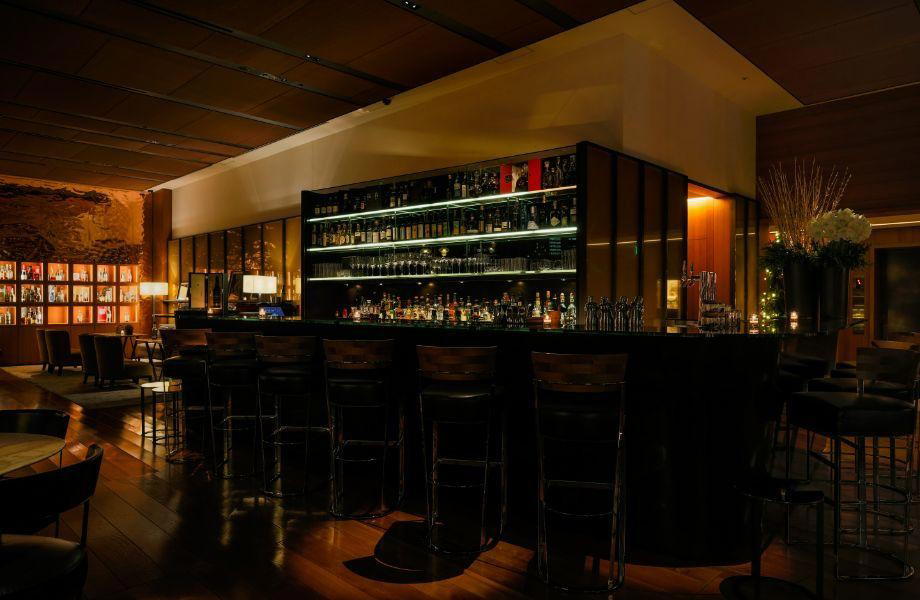
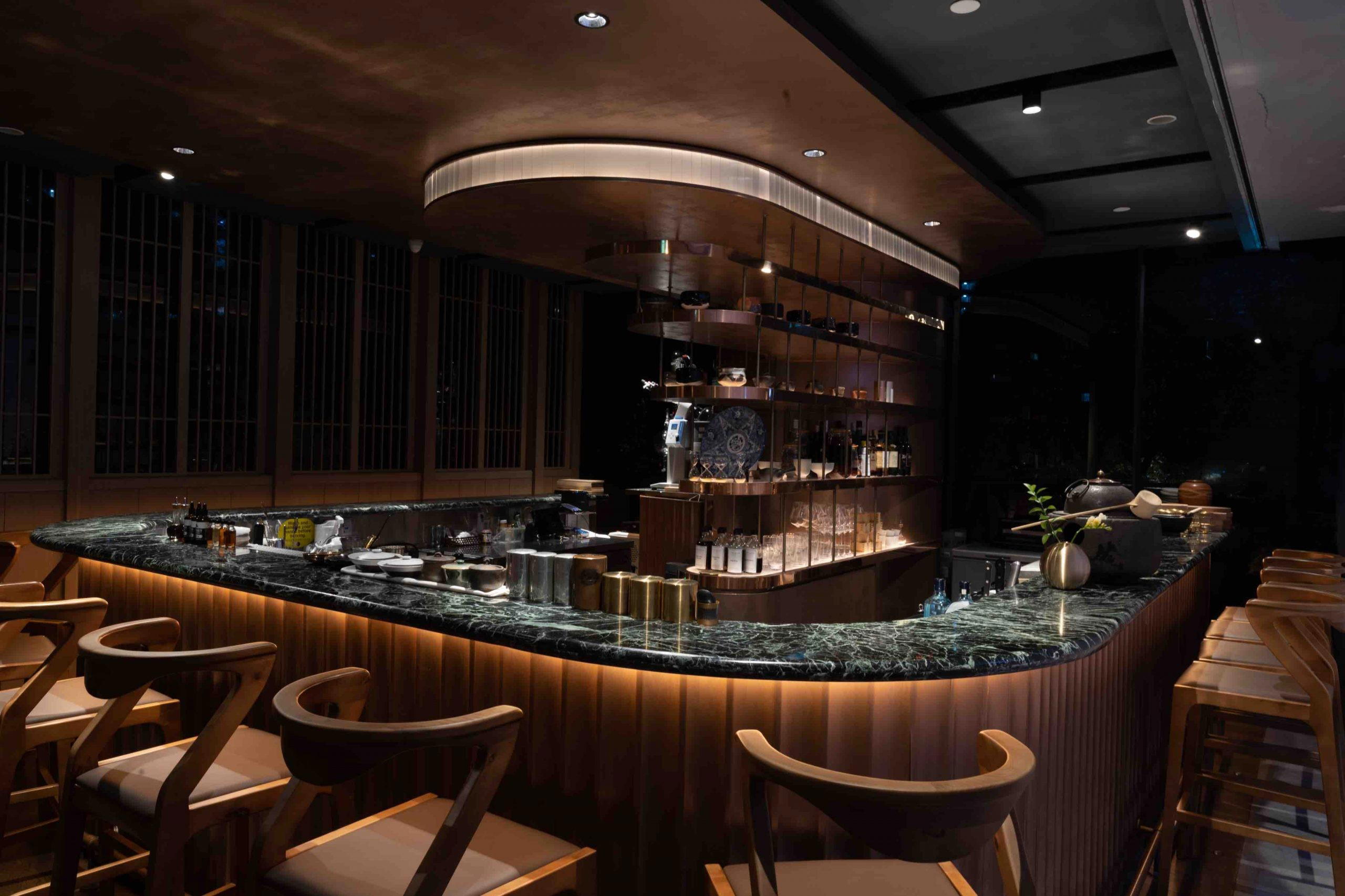
Refined and intimate, with a classic French-dining atmosphere.