

Tabelog 100 #22 · We're Smart World 3 Radishes
Our verdict
アグリスケープ sits in Nishi Ward on Sapporo's western edge, positioning itself within Hokkaido's farm-to-table dining tradition at a remove from the city centre. The address, 177 Kobetsusawa, places it outside the dense restaurant corridors of Susukino and Odori, signalling a deliberate occasion-dining format that asks guests to make the journey. Detailed booking and menu information should be confirmed directly with the venue.

Pearl is the En Primeur Club membership app, where members save venues, book tables and use the concierge.
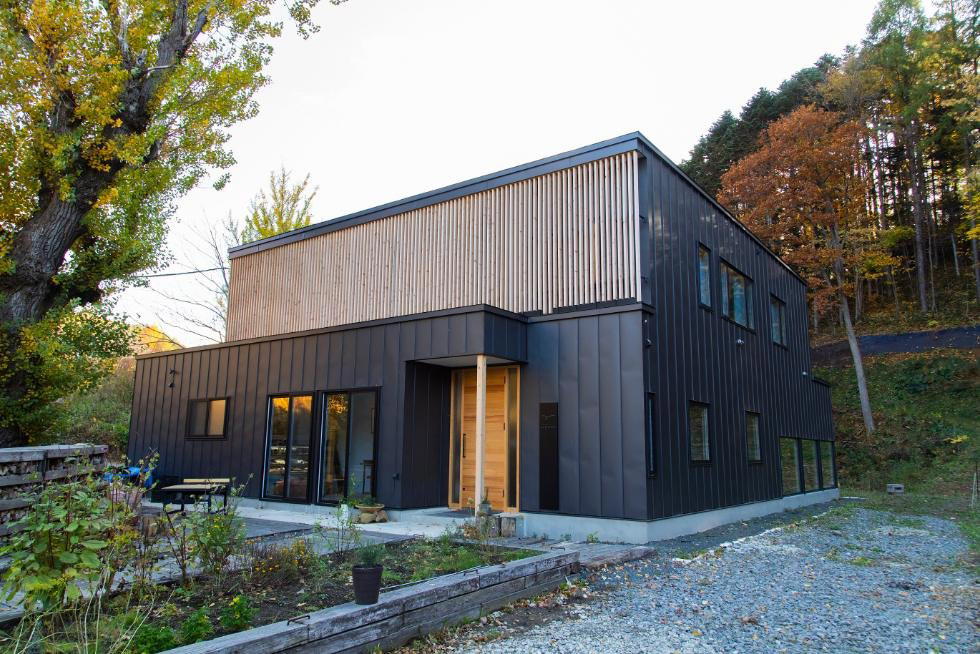
A Destination in Its Own Right
Sapporo's dining geography has a clear centre of gravity: the Susukino corridor and the blocks radiating north toward Odori anchor the bulk of the city's reviewed restaurants, from the sushi counters of Arima to the kaiseki precision of Hanakoji Sawada. Restaurants that choose to operate outside this corridor, in residential wards, on city edges, or in semi-rural approaches, do so with intent. アグリスケープ, addressed at 177 Kobetsusawa in Nishi Ward, belongs to that category: a venue whose physical position is itself an editorial statement about what kind of meal it intends to provide.
The name carries agricultural weight. "Agri", from the Latin root shared across European farming vocabulary, combined with "scape" (landscape, setting, framing) suggests an orientation toward land, produce, and the relationship between a kitchen and its agricultural surroundings. In Hokkaido, that relationship is among the most direct in Japan. The island accounts for a disproportionate share of Japan's dairy, grain, potato, and livestock production. Kitchens that lean into Hokkaido provenance are not invoking a marketing position so much as acknowledging geography.
What Occasion Dining Looks Like Outside the City Centre
Japan's occasion-dining tradition has long understood that distance is part of the ritual. The inn meals of the ryokan circuit, the mountain kaiseki houses outside Kyoto, the farm-adjacent restaurants of Nagano, all ask guests to travel, and that travel becomes part of the experience's framing. A meal that requires planning, navigation, and commitment arrives weighted differently than one booked on a Tuesday evening walk past a restaurant with empty tables.
Nishi Ward sits at Sapporo's western margin, where the city's grid begins to loosen and residential density gives way to wider plots and quieter streets. Arriving at 177 Kobetsusawa involves a deliberate decision, either a taxi or rideshare from central Sapporo, or a considered approach on foot from the nearest transit point. That friction is a feature, not a flaw, in the occasion-dining format. It calibrates expectations before the meal begins.
Across Japan's regional dining circuit, this model appears consistently. Gion Sasaki in Kyoto operates within a neighbourhood that itself demands navigation. akordu in Nara sits in a city that most diners reach specifically to eat there. Goh in Fukuoka has built its following in a city where the dining culture rewards those willing to seek out the less-obvious address. アグリスケープ fits within this pattern, the address is the first signal of format.
Hokkaido as Ingredient Source
The editorial case for Sapporo's dining scene rests heavily on Hokkaido's produce credentials. The island's dairy is used in kitchens from HAJIME in Osaka to Le Bernardin in New York City; its scallops, sea urchin, and snow crab circulate through Japan's premium seafood networks before many reach a Sapporo plate. Restaurants that can position themselves as direct expressions of Hokkaido agriculture, sourcing shorter supply chains, working with producers rather than distributors, occupy a distinctive tier within the city's dining ecology.
The comparison set within Sapporo itself is instructive. Venues like Higebozu and Hidetaka operate with distinct format identities. aki nagao represents the precision end of the city's contemporary dining register. Each occupies a different position in the city's broader offering. A venue that draws its identity from agricultural surroundings, as the name suggests アグリスケープ does, operates in a different register from the downtown counter or the city-centre kaiseki room, one closer in spirit to producers and the seasonal calendar than to the competitive peer-watching of the Susukino strip.
Japan's farm-connected restaurants have drawn increasing critical attention over the past decade, with recognition bodies showing sustained interest in kitchens that can demonstrate genuine supply chain relationships rather than seasonal rhetoric. For milestone meals and celebratory occasions, the setting, including the provenance story, matters as much as the plate.
Planning a Visit
Because アグリスケープ sits outside the central restaurant cluster, timing and logistics require more advance consideration than a city-centre booking. Sapporo's most-reviewed occasion-dining restaurants across categories, from the counter seats at sushi venues to kaiseki rooms, tend to book weeks ahead during peak seasons: the snow festival period in February, the summer festival calendar in late July and early August, and the autumn colour and harvest months of October and November. A restaurant oriented toward agricultural produce will likely have its own seasonal cadence, with some periods richer in available ingredients than others.
Visitors combining a Sapporo dining visit with wider Hokkaido travel, common among international guests, should factor in that Nishi Ward is accessible from central Sapporo by taxi in under twenty minutes from most central hotels, and that the address places it roughly between the city core and the Hokkaido Shrine area, making it a reasonable endpoint for a westward afternoon. Those approaching from further afield, including guests arriving via New Chitose Airport (approximately 40 minutes from central Sapporo by the Rapid Airport train), should allow sufficient time for the journey rather than treating it as a quick detour. Comparable occasion-format restaurants elsewhere in Japan's regional cities, such as Bistro Ange in Toyohashi or venues in Nanao, similarly reward guests who build the visit into an itinerary rather than treating it as a fallback option.
For current hours, reservation method, and menu format, direct contact with アグリスケープ is advised. Those building a broader Sapporo dining itinerary should consult our full Sapporo restaurants guide for the complete picture across cuisine categories and price tiers, including comparisons with venues like Harutaka in Tokyo for guests calibrating expectations across Japan's regional dining hierarchy. Regional resources covering neighbouring dining cultures, from Takashima to Nishikawa Machi and Sakai, round out the context for guests exploring Japan's farm-adjacent dining circuit more broadly. Atomix in New York City offers a useful international reference point for the kind of produce-forward, occasion-framed format that venues like アグリスケープ represent within a Japanese regional context.
Frequently asked questions
What part of town is アグリスケープ in?
アグリスケープ is located at 177 Kobetsusawa, Nishi Ward, Sapporo, Hokkaido 063-0011, Japan, Sapporo.
Is アグリスケープ suitable for visitors without a car in Sapporo?
The venue's address at 177 Kobetsusawa in Nishi Ward places it west of Sapporo's subway network's primary coverage zone, which means taxi or rideshare is the most practical option for visitors without private transport. Sapporo taxis are metered and widely available from central areas including Odori and Susukino. Factor return journey logistics into your evening, particularly if visiting outside peak hours when availability may thin.
What should I eat at アグリスケープ?
The venue sits in Nishi Ward at the western edge of Sapporo, in a part of Hokkaido where dairy, root vegetables, and seafood from nearby waters define what local kitchens work with. Hokkaido's agricultural credentials are among the strongest in Japan, and restaurants in this location typically structure menus around what the island's farms and coastlines are producing at that moment. Specific current dishes are best confirmed directly with the venue before visiting.
How far ahead should I plan for アグリスケープ?
アグリスケープ is located at 177 Kobetsusawa, Nishi Ward, outside Sapporo's central dining corridor, which means journey time should be factored into planning alongside any reservation lead time. Destination restaurants positioned away from city centres in Japan often operate on fixed sittings or limited covers, making advance contact essential.
What do critics highlight about アグリスケープ?
Published critical documentation specific to アグリスケープ is not broadly indexed in English-language editorial sources. What the address does confirm is a deliberate positioning in Nishi Ward, Sapporo, away from the Susukino cluster where most reviewed venues concentrate. That separation is, in Japan's occasion-dining tradition, often itself an editorial statement about the kind of meal being offered.
Cost Snapshot
Comparable venues nearby, for context on price, style, and recognition.
| Venue | Cuisine | Price | Awards | Notes |
|---|---|---|---|---|
| アグリスケープThis venue (the venue you are viewing) | Farm-to-Table Creative Cuisine | $100–150 | Tabelog 100 #22 · We're Smart World 3 Radishes | Not listed |
| Dosan Youniku Kappou Lamb Pirika | Japanese Lamb Kappou | $50–100 | Tabelog 100 #97 | Chūō, Japanese Lamb Kappou |
| Teppanyaki Urushi | Hokkaido Wagyu & Seafood Teppanyaki | $50–100 | Tabelog 100 #72 | Chūō, Hokkaido Wagyu & Seafood Teppanyaki |
| å¤ä»å±±ä¹ | Creative Japanese Omakase | $50–100 | Not listed | Chūō, Traditional Japanese Kaiseki |
| Sanko Sha | Traditional sukiyaki, shabu-shabu and steak | $50–100 | Tabelog 100 #44 | Chūō, Traditional sukiyaki, shabu-shabu and steak |
| Susukino Yakiniku Kiraku | Japanese Yakiniku BBQ | $50–100 | Tabelog 100 #42 | Chūō, Japanese Yakiniku BBQ |
Recognition history
Dated appearances from independent guides and award organizations, with the underlying list record or original source where available.
Tabelog 100 #22 · No. 22
Tabelog · Tabelog 100 - Innovative / Creative cuisine - 2025
We're Smart World 3 Radishes
We're Smart World
Continue exploring
More in Sapporo
Restaurants in Sapporo
All restaurants in Sapporo →
Bars in Sapporo
All bars in Sapporo →
Hotels in Sapporo
All hotels in Sapporo →



Wineries in Sapporo
Browse all →
Details
- Rustic
- Scenic
- Cozy
- Modern
- Special Occasion
- Date Night
- Open Kitchen
- Garden
- Sake Program
- Farm To Table
- Local Sourcing
- Organic
- Garden
- Mountain
- Prix Fixe
- Tasting Menu
- Vegetarian Friendly
Current opening hours
- Monday
- 12–3:30 PM, 5:45–9:30 PM
- Tuesday
- 12–3:30 PM, 5:45–9:30 PM
- Wednesday
- 12–3:30 PM, 5:45–9:30 PM
- Thursday
- 12–3:30 PM, 5:45–9:30 PM
- Friday
- 12–3:30 PM, 5:45–9:30 PM
- Saturday
- 12–3:30 PM, 5:45–9:30 PM
- Sunday
- 12–3:30 PM, 5:45–9:30 PM
Hours can change for holidays and private events. Hours as of .
Enveloped in aromas of fresh vegetables, herbs, fruits, meats, and smoked woods with views of rural farm landscapes.