

Warsaw's contemporary bistro where maple-glazed oyster mushrooms meet labneh and dill on a concise menu that draws from Mediterranean and Levantine traditions while nodding to Polish elements. The minimalist interior and colourful, texture-driven plates reflect the globetrotting ethos of modern Warsaw dining—fresh contrasts on every plate.
Pearl is the En Primeur Club membership app — saves, bookings, and concierge access live there. Same editors, same standards.
- Address
- ul. Piękna 49, Warsaw, Mazovia, 00-672, POL
- Phone
- +48 698 656 656
- Website
- laskawosctytusa.pl
- Directions
- Get directions
 Saves & bookings on Pearl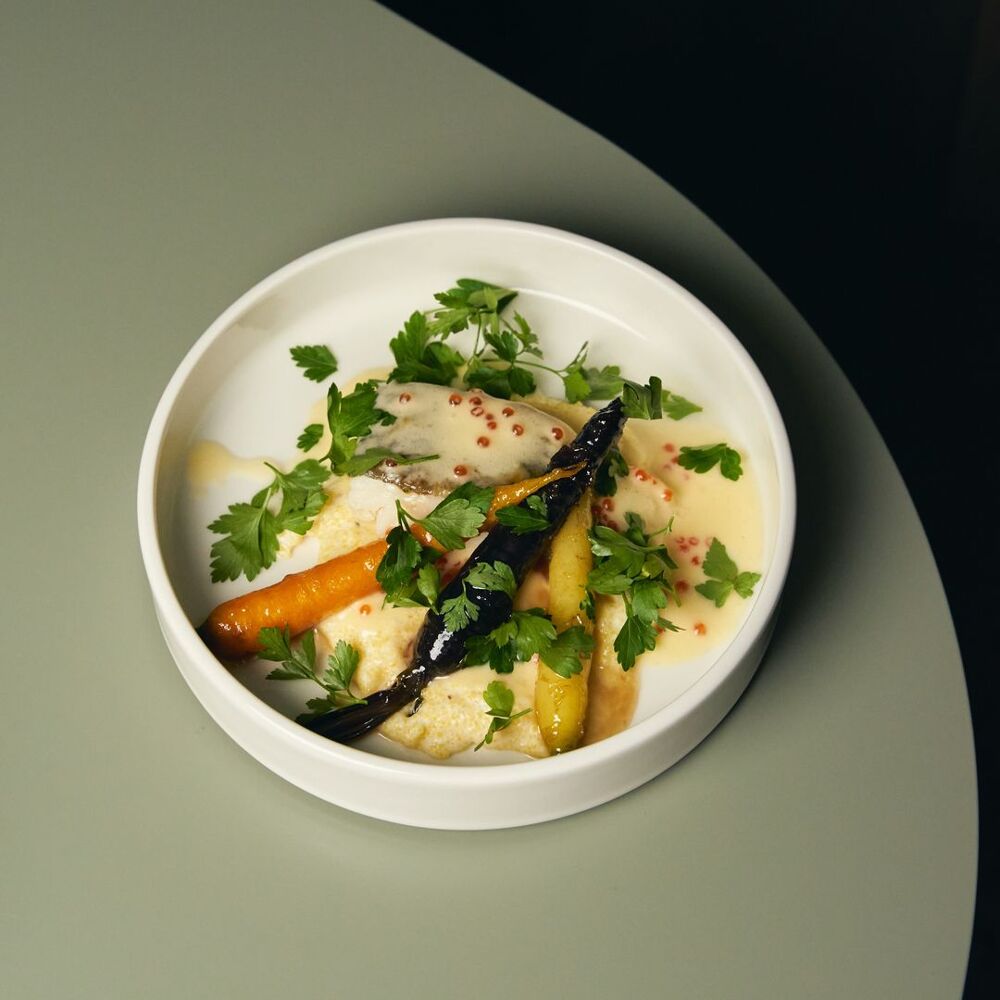
Warsaw's dining culture has moved decisively toward a hybrid identity: rooted in Polish ingredients but unafraid to pull from anywhere else in the world. That sensibility, a practical cosmopolitanism rather than nostalgic preservation, defines much of the city's bistro boom, and Łaskawość Tytusa on ul. Piękna is one of the sharper examples. The space is pared back: clean lines, no clutter, and a palette that keeps the focus on the plate. You walk in and see tables set close but not oppressively so, service that runs efficiently but without the hauteur that can plague Warsaw's more ambitious dining rooms. It is the kind of room built to let the menu speak, and the menu in turn is concise by design, half a dozen starters, a handful of mains, no superfluous preamble.
The menu at Łaskawość Tytusa reads as a survey of influences rather than a thesis statement. Mediterranean produce, Levantine technique, and occasional Polish elements share the same page. This is not fusion in the 1990s sense; it is the culinary logic of a city where chefs read menus from AHAAN and Baken and Bar Rascal as peer texts rather than exotic outliers. One signature plate exemplifies the kitchen's method: pan-fried oyster mushrooms arrive glazed with maple syrup and chilli, laid over labneh spiced with dill and scattered with hazelnut. The dish is built on contrasts, sweet versus acidic, soft versus crunchy, but the construction is disciplined rather than show-off. Each element has a reason to be there. The mushrooms carry a caramelised sweetness that the chilli tempers; the labneh provides a cooling, tangy base; the hazelnut adds textural punctuation. It is the kind of dish that could only exist in a kitchen confident enough to borrow widely without feeling obliged to signal its sources.
Global Ingredients in a Polish Context
Ingredient sourcing at Łaskawość Tytusa operates within a pragmatic framework. Some products, oyster mushrooms, root vegetables, dairy, come from Polish suppliers, but the kitchen also reaches for ingredients that make sense for the flavour profile rather than the geography. Labneh, tahini, and olive oil are not native to Mazovia, but they are standard inventory for any kitchen working in the modern bistro idiom. What matters here is not provenance as a story but provenance as function: ingredients that perform reliably, support contrast, and align with the kitchen's technical approach. The menu does not advertise farm names or regional pedigrees, and that omission is itself a statement. This is not the kind of dining room that stages its supply chain. Instead, it assumes you care about the result on the plate, and the result is fresh, colourful, and built around textural variety rather than heavy sauce or aggressive reduction.
The same logic extends to the broader menu. Expect vegetables treated with restraint, grilled, roasted, or served raw with acidic dressings, and proteins that act as texture rather than centrepiece. The style is closer to alewino's vegetable-forward approach than the nose-to-tail intensity of a traditional Polish tavern. There is no lack of Polish reference, dill, sour cream, and root vegetables appear in various guises, but they are deployed as flavour accents rather than identity markers. The concise format means the kitchen can turn over dishes frequently, and in practice that translates to a menu that shifts seasonally without announcing each change as an event. This is bistro rhythm: consistent enough to build loyalty, flexible enough to avoid repetition.
Contemporary Bistro Format in the Piękna District
Łaskawość Tytusa sits on ul. Piękna, a street that has quietly filled with independent dining rooms over the past five years. The neighbourhood draws a residential crowd during the week and a younger dining audience on weekends, and the restaurant's format serves both. Tables turn once on weekday evenings, twice on Friday and Saturday. The room does not take advance bookings months out, but walk-ins during peak service can mean a wait. The address is walkable from the city centre, roughly fifteen minutes on foot from Plac Konstytucji, and accessible by tram, with stops on Marszałkowska within five minutes. The location is not a destination in itself, but it sits in the middle of a cluster of dining options that include Bar Rascal for natural wine and tapas, Nolita for modern Polish cooking, and Krem further south. This concentration means visitors planning a Warsaw dining itinerary can build an evening around the neighbourhood rather than crossing the city multiple times.
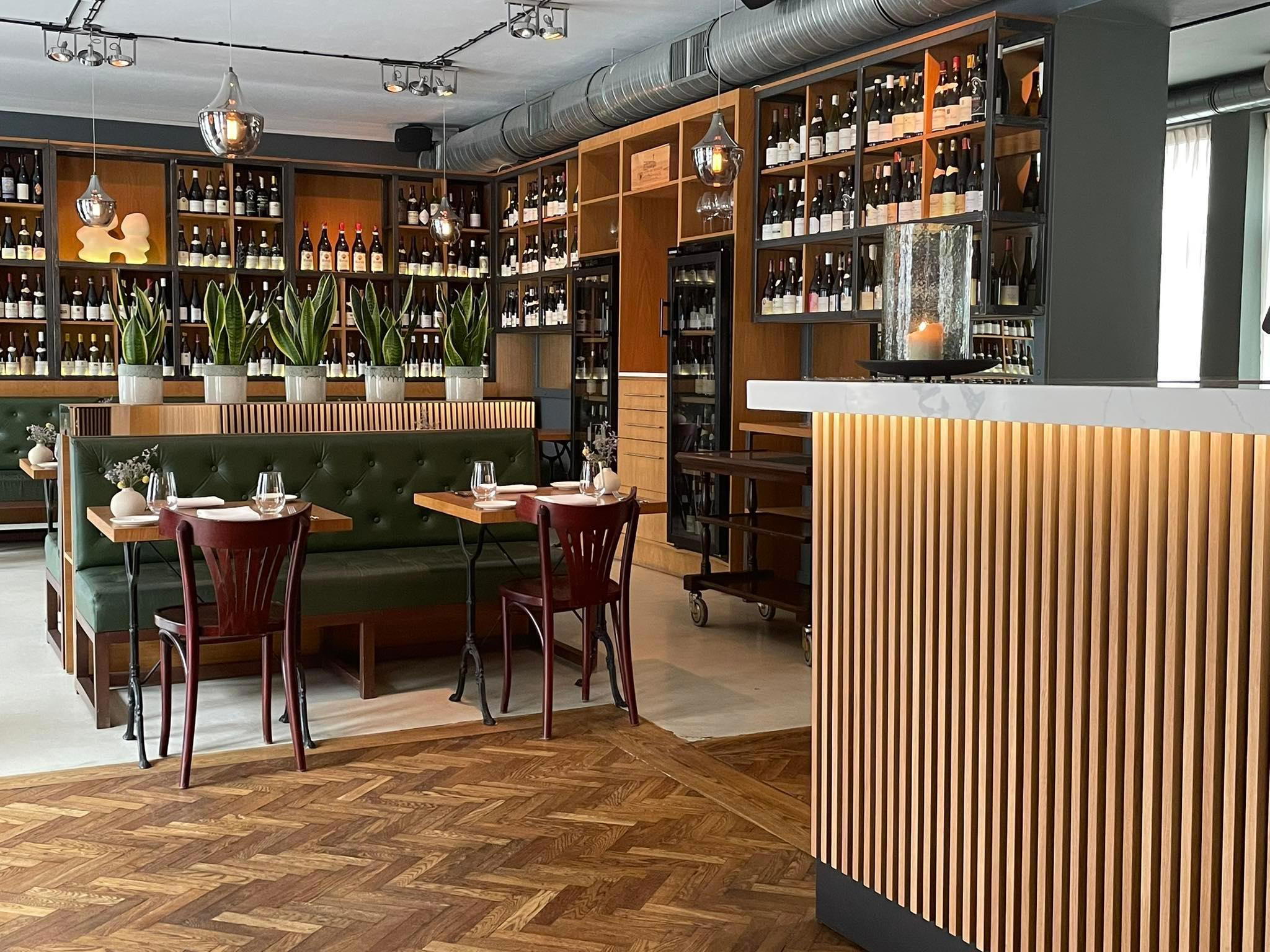
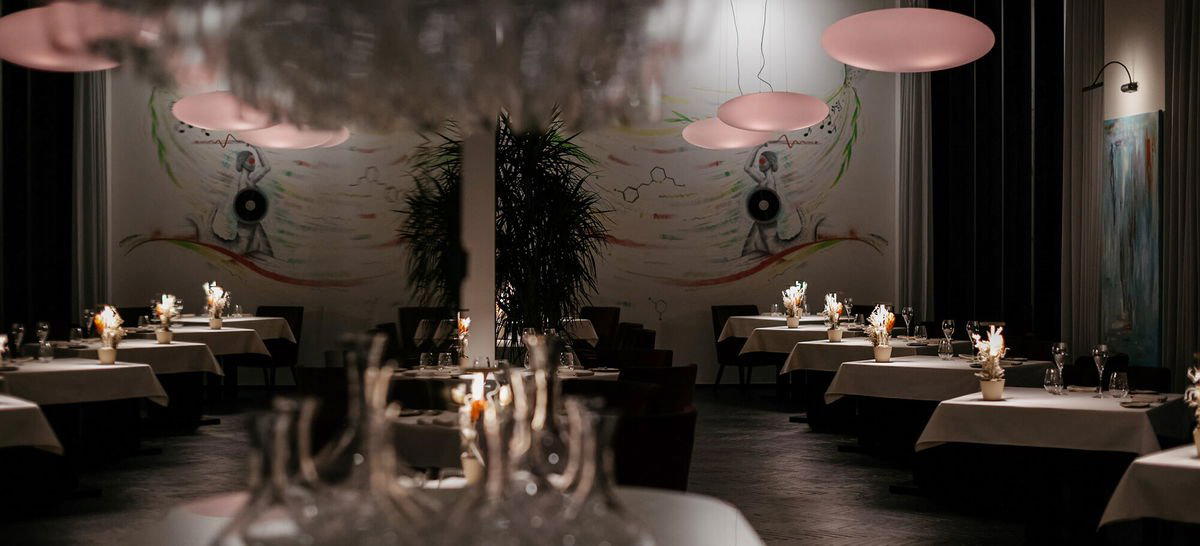
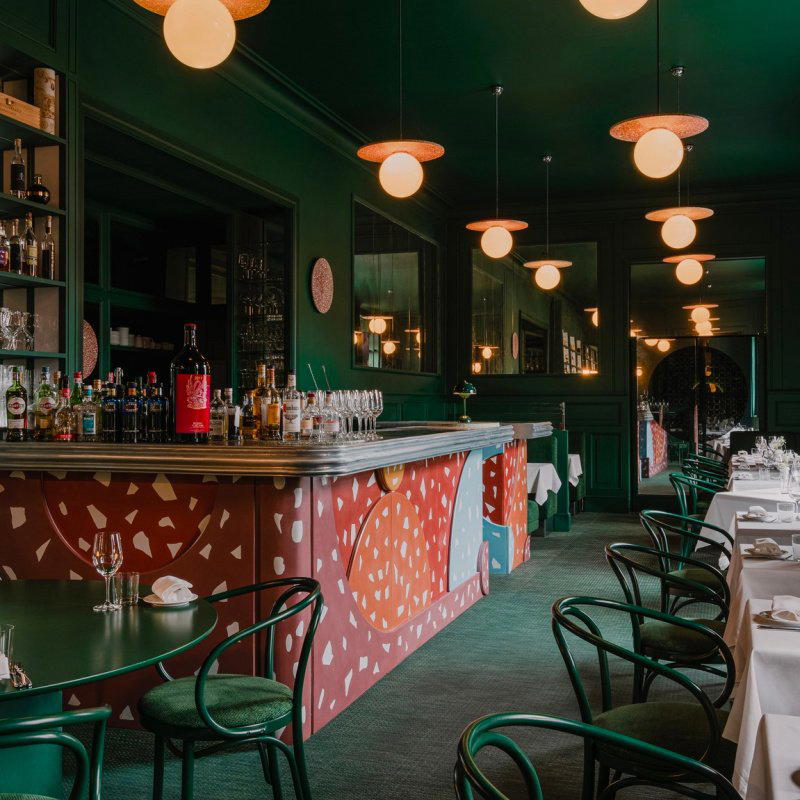
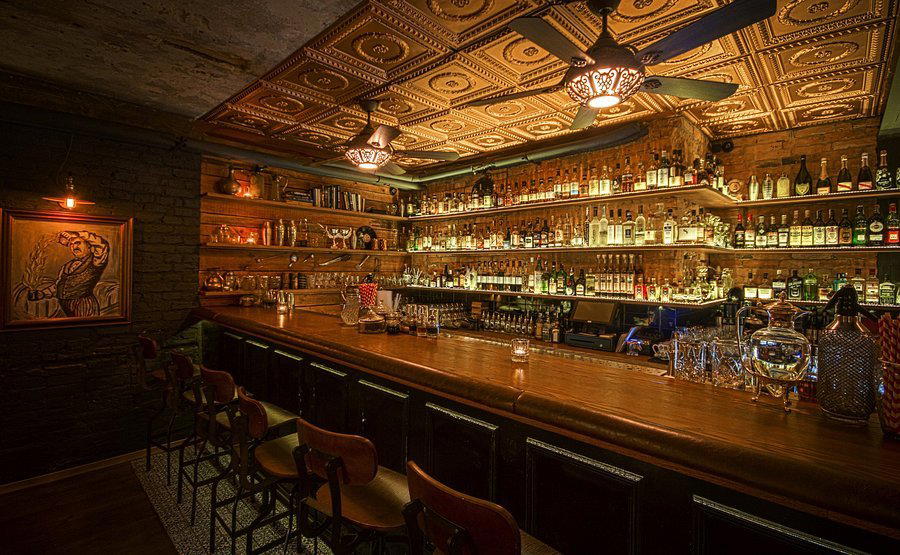
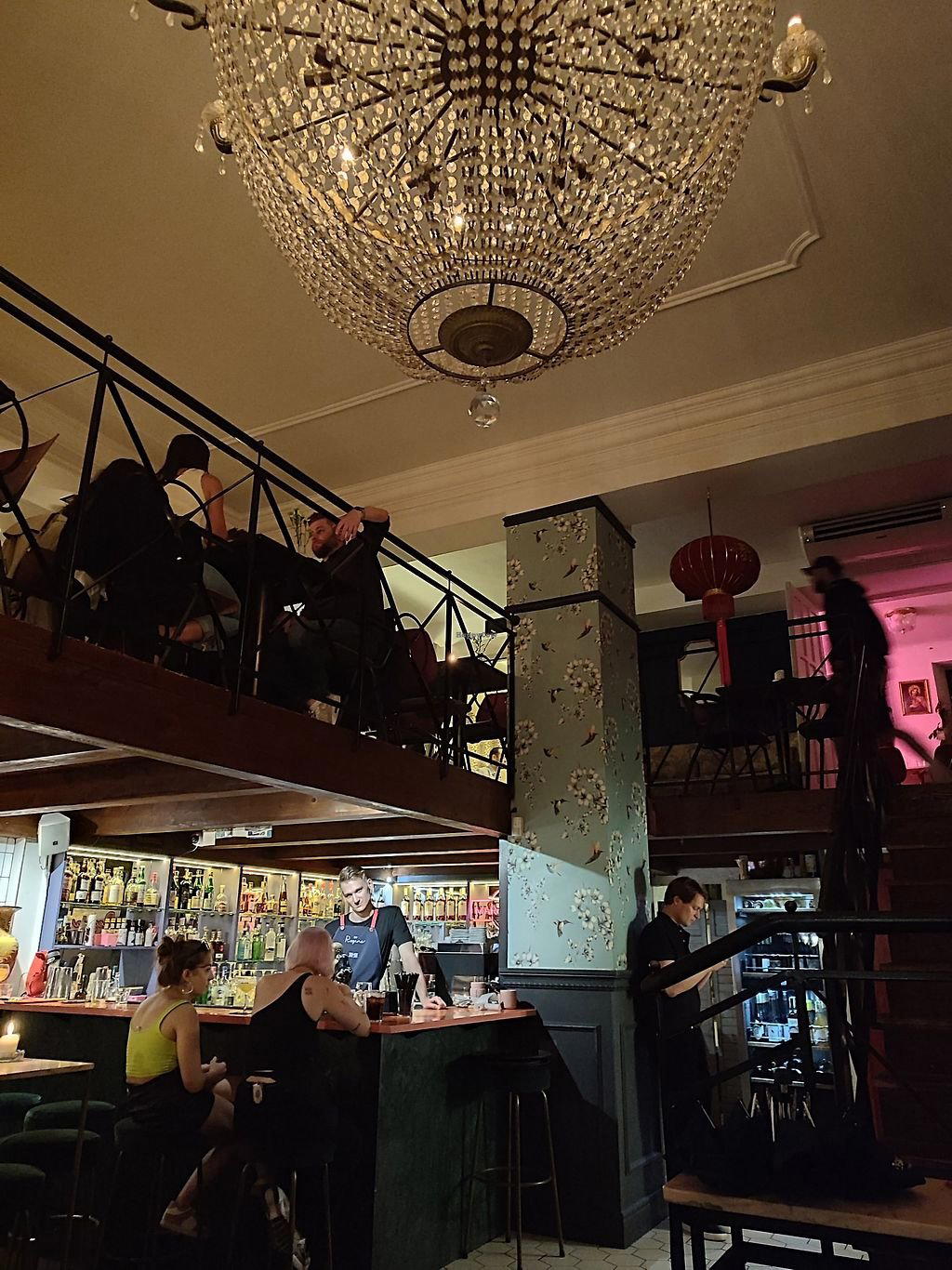
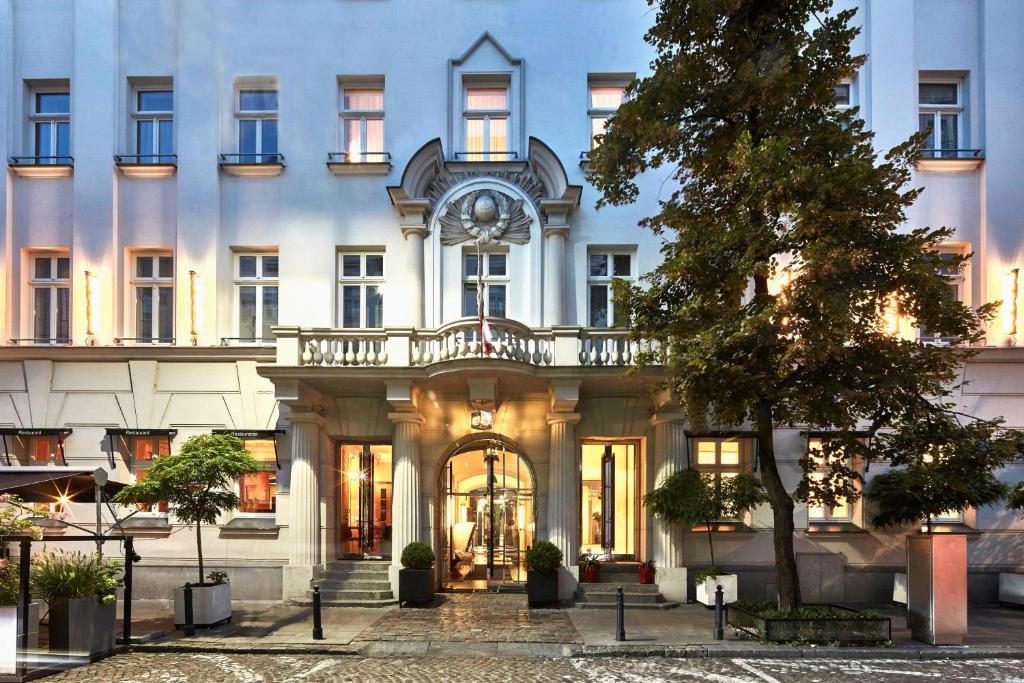
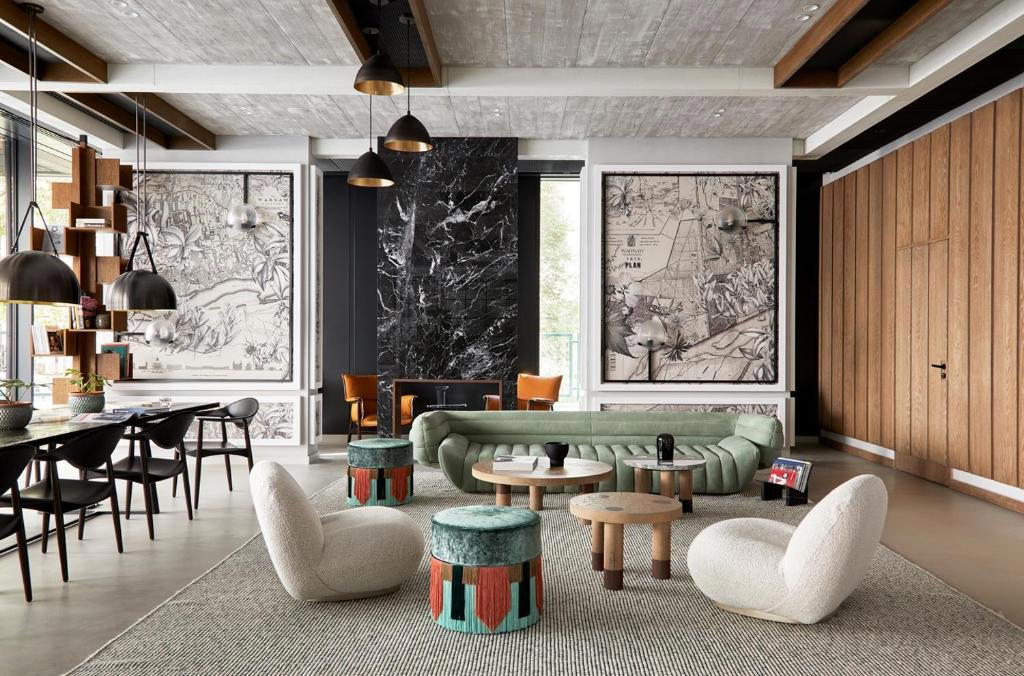
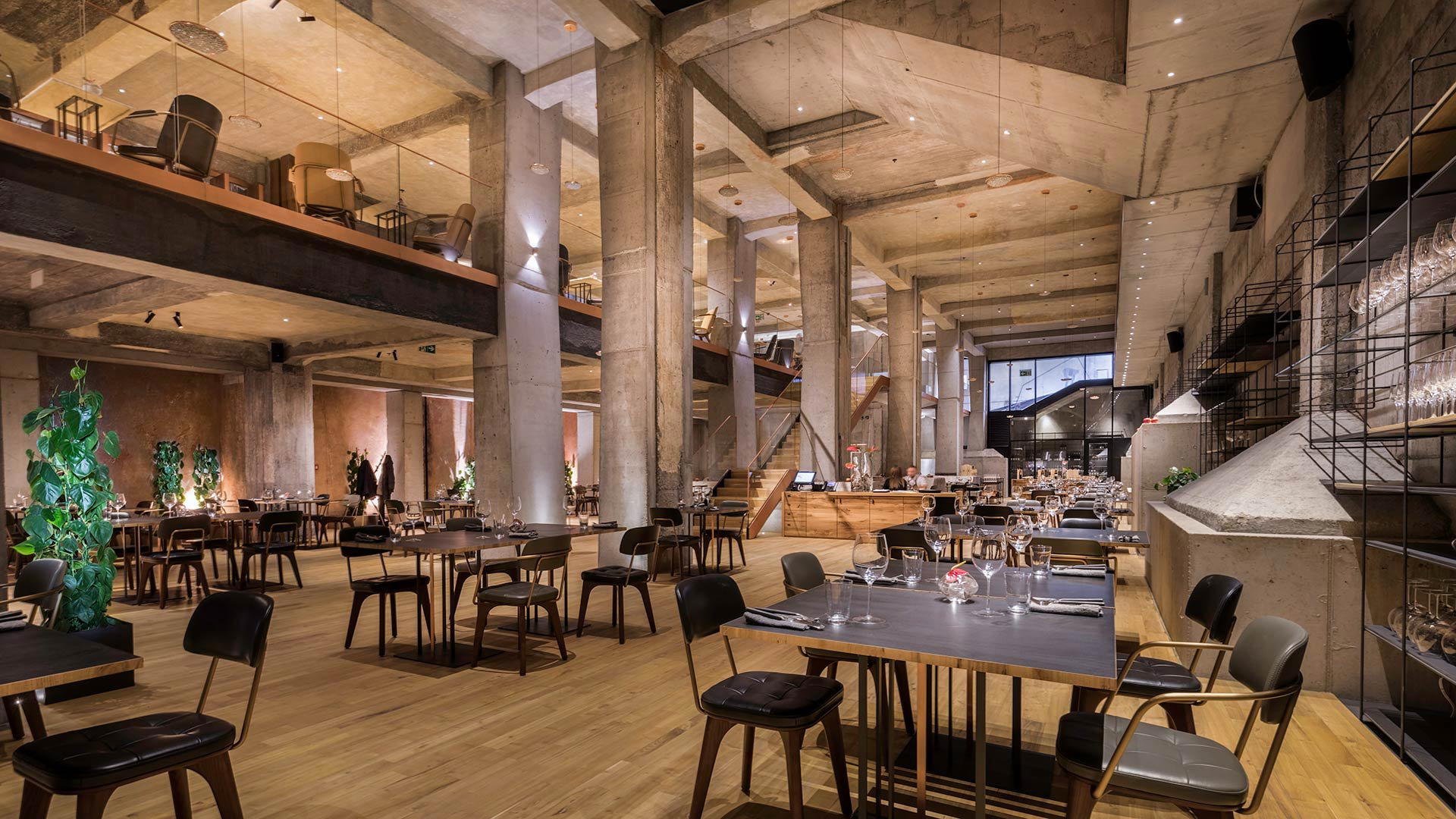
The minimalist interior, described in industry notes as sleek and functional, matches the menu's ethos. No heavy drapes, no mood lighting, no exposed brick trying to conjure pre-war Warsaw. The aesthetic is closer to a Copenhagen café than a traditional Polish eatery, and that alignment is intentional. The contemporary bistro category in Warsaw has been defined as much by what it rejects, folklorism, nostalgia, baroque plating, as by what it embraces. The restaurant fits that definition. It is a room designed to let diners focus on the food, talk without shouting, and leave without feeling they have just performed dinner theatre.
The concise menu structure and globetrotting influences place this venue in a cohort with alewino, Bar Rascal, and The Eatery, spaces that operate in the middle tier of Warsaw's dining scene, above budget taverns but below tasting-menu temples. The maple-glazed mushroom dish and the labneh base signal a kitchen that values technique and flavour layering, but the format is fundamentally accessible. This is bistro cooking in the modern sense: informed, confident, and free of the obligation to educate or impress. You come, you eat colourful plates built on contrast, and you leave satisfied without needing a glossary.
For visitors mapping Warsaw's dining landscape, the restaurant offers a reliable entry point into the city's contemporary bistro identity. It shares a culinary philosophy with venues like alewino and Baken, but the flavour palette leans more toward the Levant and Mediterranean than toward Polish tradition. That hybrid approach is now common enough in Warsaw to constitute a local style, and the restaurant executes it with discipline and clarity. The room is spare, the menu is concise, and the plates are colourful. It is the epitome of the contemporary bistro, practical, informed, and unapologetically global.
For more Warsaw dining options that operate in the same contemporary idiom, see our full Warsaw restaurants guide, which includes alewino for modern Polish, Bar Rascal for natural wine and tapas, and Baken for a similar ingredient-driven approach. Broader Warsaw coverage, hotels, bars, experiences, can be found at our full Warsaw hotels guide, our full Warsaw bars guide, and our full Warsaw experiences guide.
Side-by-Side Snapshot
Comparable venues by cuisine and price in the same metro.
| Venue | Cuisine | Price | Awards |
|---|---|---|---|
| Łaskawość Tytusa | In both its sleek, minimalistic design and its globetrotting culinary influences, this feels like the epitome of the contemporary bistro. Although there are some traditional Polish elements on the concise menu, expect flavours from the Mediterranean and Levant too. The fresh, colourful dishes are full of contrasting flavours and textures – such as the pan-fried oyster mushrooms with maple syrup and chilli on a bed of labneh with dill and hazelnut. | This venue | Not listed |
| Nolita | Modern Cuisine | €€€€ | Modern Cuisine, €€€€ |
| Bar Rascal | Natural Wine & Tapas | Natural Wine & Tapas | Not listed |
Recognition history
Dated appearances from independent guides and award organizations, with the underlying list record or original source where available.
Michelin Plate
Michelin
Star Wine List
Star Wine List

At a Glance
- Cozy
- Lively
- Trendy
- Romantic
- Date Night
- Casual Hangout
- After Work
- Group Dining
- Late Night
- Standalone
- Design Destination
- Natural Wine
- Extensive Wine List
- Beer Program
- Local Sourcing
- Organic
- Natural Wine
- Street Scene
Current opening hours
- Monday
- 5–11 PM
- Tuesday
- 5–11 PM
- Wednesday
- 5–11 PM
- Thursday
- 5–11 PM
- Friday
- 5 PM–12 AM
- Saturday
- 3 PM–12 AM
- Sunday
- Closed
Hours can change for holidays and private events. Last verified .
Atmosphere of a cozy, date-friendly bistro and wine bar with lively, social energy; modern yet relaxed city-center setting across from Hala Koszyki, oriented around wine and shared plates rather than formal dining.