
Tabelog 100 #6
Our verdict
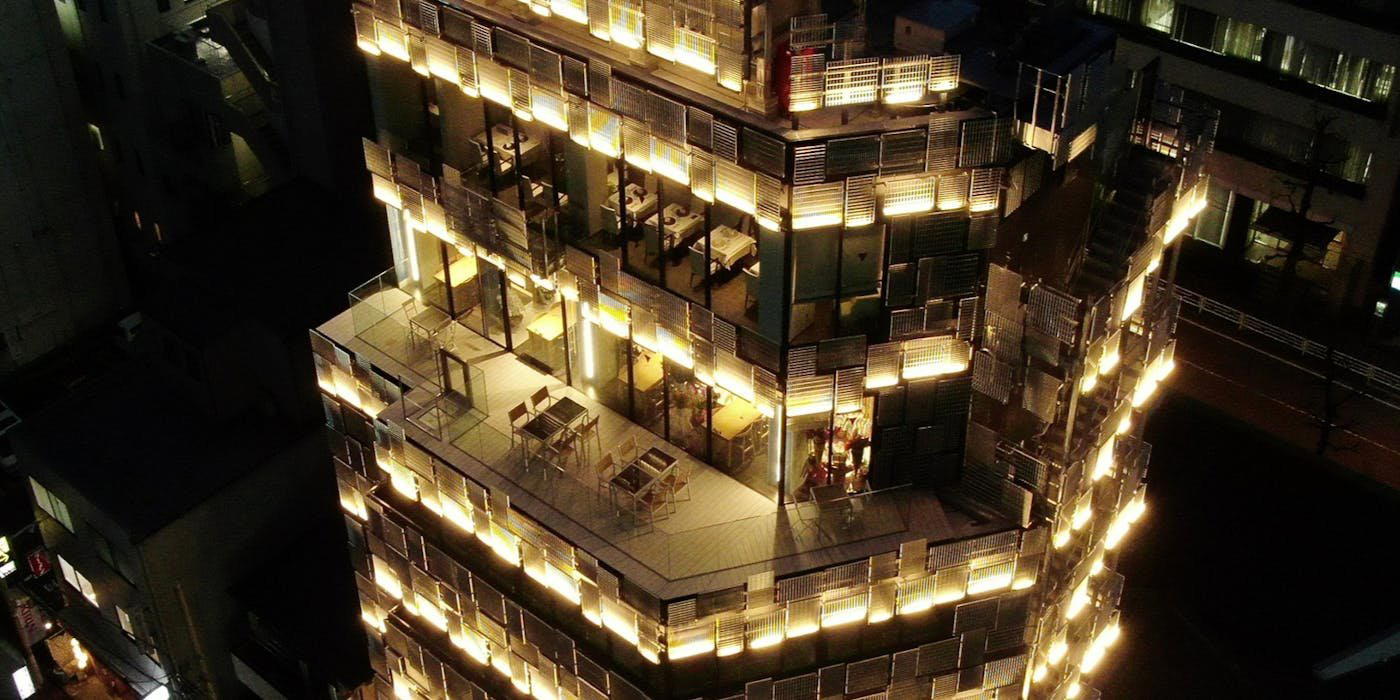
クローチフィッソ occupies the seventh floor of the DELLIS Yokohama building in Kanagawa Ward, positioning itself within a tier of Yokohama dining that prizes room-level collaboration over any single star performance. The address, Tsuruyacho, 1-7-1, places it a short walk from Yokohama Station, inside a neighbourhood where Italian and European formats have quietly taken root alongside the city's longer-standing Chinese and Japanese dining traditions.

Pearl is the En Primeur Club membership app, where members save venues, book tables and use the concierge.
The menu
What to order
- Sicilian pasta
- Fresh fish preparations
- Traditional Sicilian dishes
A Seventh Floor in Kanagawa Ward
Yokohama's dining identity has always been shaped by adjacency, to Tokyo, forty minutes north by rail, and to the port that made it Japan's first major gateway for European and Chinese culinary influence. In Kanagawa Ward, that layered inheritance plays out in a restaurant tier that sits between the tourist-heavy Chinatown circuit and the refined kaiseki counters closer to Minato Mirai. It is in this intermediate space, specific to a city that has never quite settled into a single gastronomic identity, that クローチフィッソ operates from the seventh floor of the DELLIS Yokohama building in Tsuruyacho.
The address matters. Tsuruyacho is not a neighbourhood that draws visitors by reputation alone. A short walk from Yokohama Station's west exit, it occupies the functional rather than the picturesque side of the city, which, in practical terms, means the room earns its attendance through food and service rather than scenery or novelty. Restaurants that survive in this kind of location tend to do so through repeat local custom and word-of-mouth credibility, both of which place pressure on the entire operation to perform consistently rather than spectacularly on a single visit.
The Shape of the Room and Its Implications
Italian restaurant names built from compound words, croci and fisso, cross and fixed, carry a certain weight of intention in Japan, where the naming of European-format venues tends to be deliberate and sometimes programmatic. The format implied by such a name, and by a seventh-floor dining room in a mid-scale commercial building, typically signals a focused, sit-down European operation rather than a casual trattoria or a high-volume city-centre canteen. In Yokohama specifically, the Italian dining category has fragmented into several distinct tiers over the past decade: informal pasta bars aimed at lunch crowds, mid-range neighbourhood trattorias, and more considered dinner-format rooms that invest in wine programs and structured service.
クローチフィッソ, by location and elevation, both literal and categorical, appears to belong to that third tier. Seventh-floor rooms in Japanese commercial buildings rarely carry foot traffic; they require guests to seek them out, which means the room's proposition must be communicated before arrival rather than discovered at the door. Across Japan, this structural dynamic consistently produces restaurants that invest heavily in a coordinated team approach: the chef and kitchen setting a fixed or semi-fixed menu while the front-of-house carries the burden of translating that ambition to guests who have made a deliberate booking decision.
Team Architecture in the European Format
The editorial angle that runs through Yokohama's better European-format rooms is one of collaboration. Unlike the solo-chef model that dominates Japanese fine dining at its most singular, the one-man counter, the itamae as sole protagonist, Italian and French formats in Japan's secondary cities have evolved toward a model where the interaction between kitchen, floor, and wine service defines the experience as much as any individual dish. This is visible in comparison venues across the country: at HAJIME in Osaka, the room functions as a tightly choreographed ensemble; at Gion Sasaki in Kyoto, front-of-house fluency carries much of the evening's texture; at akordu in Nara, the sommelier's role is as structurally central as the kitchen's.
A seventh-floor Italian room in Kanagawa Ward sits in this broader tendency. When the kitchen is not visible from the street and the name carries no celebrity credential, the service team becomes the primary interpreter of the restaurant's intentions. How wine is poured, how a menu is explained, how the pace of courses is managed, these are the measures by which a room of this type earns or loses its standing with returning guests.
Yokohama's European dining tier offers useful comparative context here. Nakajo and Enishi represent the city's more considered Japanese-format counters, where the chef-guest relationship is direct and unmediated. Italian rooms like クローチフィッソ occupy a different structural position: the kitchen is usually separated from the dining room, which places the floor team in a mediating role that requires its own discipline and fluency. Across the city's dining tiers, from the yakitori precision of 1000 at the JPY 15,000–19,999 bracket to the Cantonese institution of Manchinro Tenshinpo in Chinatown, the team dynamic varies, but in European formats it carries particular weight.
Yokohama as Context for Italian Dining
Japan's relationship with Italian cuisine is longer and more technically serious than outsiders typically expect. Italian has been one of the country's most-visited European formats since the 1980s, and the depth of training visible in rooms from Tokyo through to regional cities reflects decades of chef exchange with Italian kitchens. What distinguishes the better Italian rooms in cities like Yokohama from their Tokyo counterparts is not a deficit of skill but a different relationship with their guest base: more local, more relationship-driven, less dependent on visiting critics or algorithm-led discovery. This produces dining rooms that tend toward consistency over showmanship, which, in the long run, is a more demanding standard to maintain.
Internationally, the comparison tier for focused Italian rooms in a collaborative service model would include something like Le Bernardin in New York City at the apex of the coordinated-team model, or Atomix in New York City for the way front-of-house narrative has been built into the dining structure at a systemic level. クローチフィッソ operates at a different scale and in a different market, but the underlying question, how well does the room function as an ensemble rather than as a kitchen with staff attached, is the same one that separates durable European-format restaurants from transient ones across all markets.
Planning a Visit
クローチフィッソ is located at 1 Chome-7-1 Tsuruyacho, Kanagawa Ward, Yokohama, on the seventh floor of the DELLIS Yokohama building. Yokohama Station's west exit is the most direct approach on foot, placing the restaurant within convenient reach of both the JR and Tokyu lines that connect Yokohama to central Tokyo. Given the room's format and location profile, a deliberate destination rather than a walk-in proposition, advance reservation is the appropriate approach, particularly for weekend evenings. For a fuller sense of what Yokohama's dining circuit offers across categories and price points, the EP Club Yokohama restaurants guide covers the city's key rooms in editorial depth. Comparable Japanese-format experiences in other cities worth considering alongside any Yokohama visit include Harutaka in Tokyo, Goh in Fukuoka, and Nodaiwa within Yokohama itself for a contrasting register. Further afield, rooms like 一本木 肴川製 in Nanao, 夕仙山乃 in Sapporo, 湖畔荘 in Takashima, 庭羽屋 in Nishikawa Machi, and Birdland in Sakai map a broader picture of Japan's regional dining depth.
Frequently asked questions
Is クローチフィッソ suitable for children?
The seventh-floor location inside a commercial building in Kanagawa Ward points toward a considered dinner-destination format, not a casual family drop-in. That framing suits adults better than young children. Families planning a visit should check the venue's official channels to confirm any specific policies.
What kind of setting is クローチフィッソ?
The room sits on the seventh floor of the DELLIS Yokohama building in Tsuruyacho, Kanagawa Ward. That physical positioning, above street level in a purpose-built commercial block, signals a destination dining address rather than a passing trade spot. Yokohama Station's west exit is the practical arrival point for most visitors.
How does クローチフィッソ's location in DELLIS Yokohama affect the dining experience?
Occupying the seventh floor of the DELLIS Yokohama building in Kanagawa Ward places the restaurant above the commercial noise of the Tsuruyacho street level, which typically translates into a quieter, more separated atmosphere than ground-floor rooms in the same district. The building address puts it within reach of Yokohama Station, making it accessible without being embedded in the station's immediate retail cluster. That separation is a deliberate positioning choice common among Yokohama's European-format dinner rooms.
What's the must-try dish at クローチフィッソ?
In Italian-format dinner rooms operating at this tier in Yokohama and greater Kanagawa, kitchens typically anchor around pasta technique and protein-focused secondi courses.
What part of town is クローチフィッソ in?
クローチフィッソ is located at Japan, 〒221-0835 Kanagawa, Yokohama, Kanagawa Ward, Tsuruyacho, 1 Chome−7-1 7F DELLIS 横浜ビル, Yokohama.
Is クローチフィッソ reservation-only?
A seventh-floor room in Tsuruyacho operating as a destination dinner address in Yokohama would typically require advance reservations, particularly on weekends when the station district draws significant dining traffic.
Price Lens
Comparable venues nearby, for context on price, style, and recognition.
| Venue | Cuisine | Price | Awards | Notes |
|---|---|---|---|---|
| クローチフィッソThis venue (the venue you are viewing) | Authentic Sicilian Italian | $50–100 | Tabelog 100 #6 | Not listed |
| hectopascal | Modern Neapolitan Pizza & Italian in a House-Restaurant Hideout | $50–100 | Tabelog 100 #38 | Asahi, Modern Neapolitan Pizza & Italian in a House-Restaurant Hideout |
| Napule Yokohama takashimaya ten | Traditional Neapolitan Pizza & Southern Italian Trattoria | $30–50 | Tabelog 100 #86 | Nishi, Traditional Neapolitan Pizza & Southern Italian Trattoria |
| Chen Kenichi Mapo Tofu Restaurant (陳建一麻婆豆腐店) | Sichuan Mapo Tofu Specialist | Not listed | Not listed | Minatomirai, Sichuan Mapo Tofu Specialist |
| Sushi Tsugu | Edomae Sushi Omakase | $50–100 | Tabelog 100 #37 | Naka, Edomae Sushi Omakase |
| LA FIGLIA DEL PRESIDENTE | Authentic Neapolitan Pizzeria | $20–30 | Tabelog 100 #31 | Naka, Authentic Neapolitan Pizzeria |
Recognition history
Dated appearances from independent guides and award organizations, with the underlying list record or original source where available.
Tabelog 100 #6 · No. 6
Tabelog · Tabelog 100 - Italian - EAST - 2025
Continue exploring
More in Yokohama
Restaurants in Yokohama
All restaurants in Yokohama →



Bars in Yokohama
Browse all →


Details
- Elegant
- Romantic
- Scenic
- Sophisticated
- Date Night
- Special Occasion
- Celebration
- Business Dinner
- Panoramic View
- Private Dining
- Open Kitchen
- Extensive Wine List
- Sommelier Led
- Local Sourcing
- Skyline
- Tasting Menu
- Prix Fixe
- A La Carte
- Italian Wine
- 200+ Italian Wine Selection
- Vegetarian Friendly
Current opening hours
- Monday
- 11:30 AM–3 PM, 6–10:30 PM
- Tuesday
- Closed
- Wednesday
- Closed
- Thursday
- 11:30 AM–3 PM, 6–10:30 PM
- Friday
- 11:30 AM–3 PM, 6–10:30 PM
- Saturday
- 12–3 PM, 6–10:30 PM
- Sunday
- 12–3 PM, 6–10:30 PM
Hours can change for holidays and private events. Hours as of .
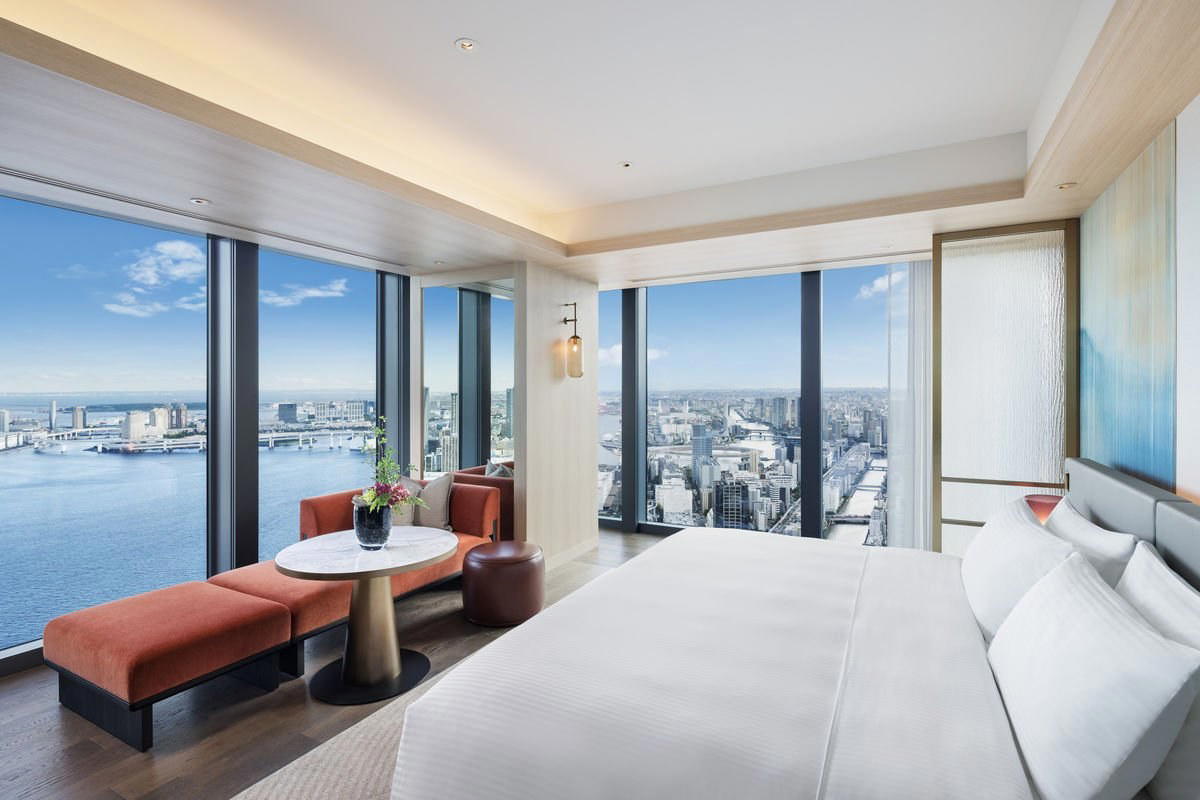
Sophisticated and refined with expansive glass windows overlooking Yokohama's cityscape, creating an elegant dining atmosphere with a calm, upscale mood.