
Tabelog 100 #52
Our verdict
アンナータ occupies a second-floor address in Kochi's Minamiharimayacho district, placing it within the quiet upper tier of the city's dining scene. Visitors to Kochi seeking something beyond the izakaya circuit will find it worth investigating.

Pearl is the En Primeur Club membership app — saves, bookings, and concierge access live there. Same editors, same standards.
- Address
- Japan, 〒780-0833 Kochi, Minamiharimayacho, 1 Chome−17−23 MPビル 2F
- Phone
- +81888217222
- Hours
- Mon–Tue 6–8 PMWed ClosedThu–Sun 6–8 PM
- Website
- tabelog.com
- Directions
- Get directions
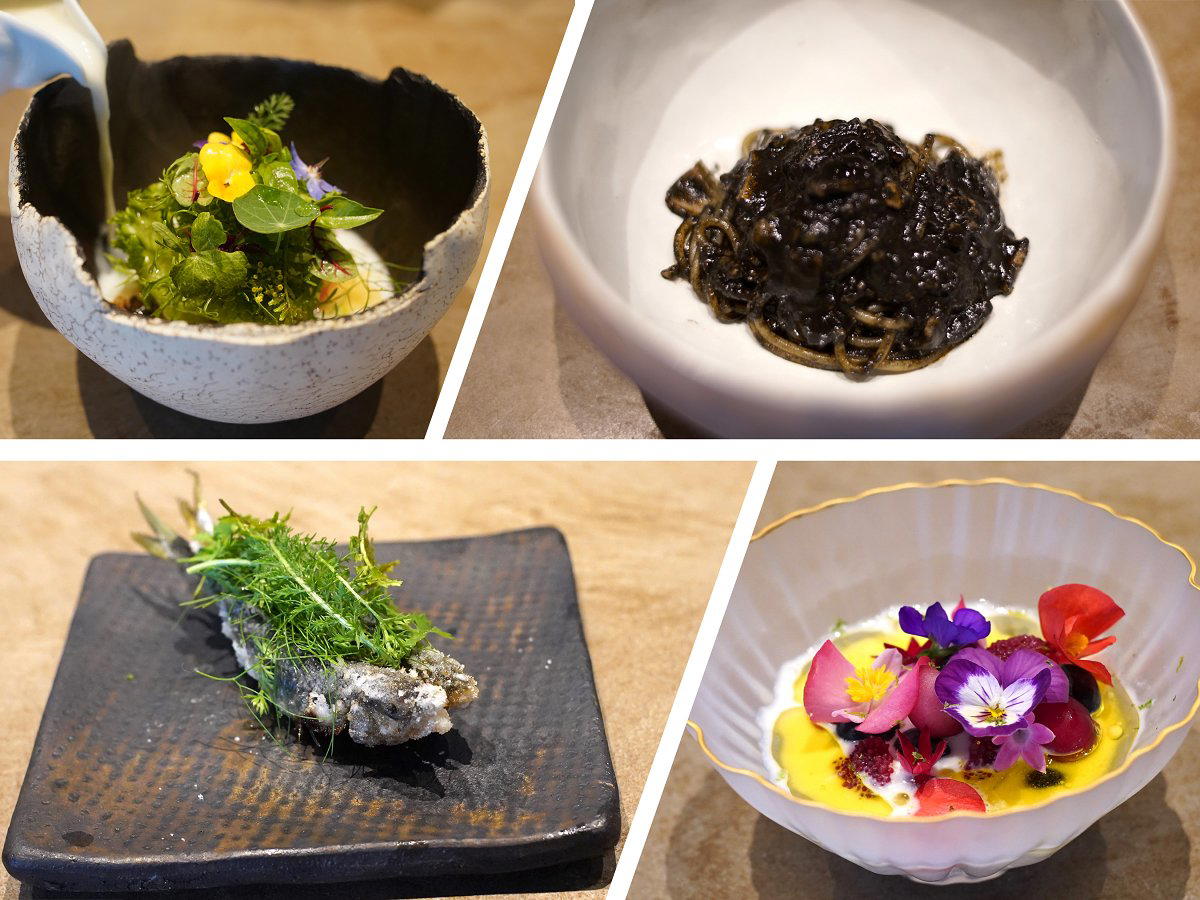
A Second Floor in Kochi, and What That Address Signals
Kochi is not a city that announces its leading restaurants loudly. The prefectural capital of Shikoku's southern coast has a dining culture shaped by geography and stubbornness in equal measure: cut off from the high-speed rail networks that knit together Osaka, Tokyo, and Kyoto, the city developed its own food logic, one built around the Pacific catch, the exceptional local citrus, and a distinct drinking-and-eating tradition that finds its fullest expression in places like Hirome Market. But Kochi also has a quieter register, a tier of dining rooms that sit above the street-level noise and demand more from the visitor in terms of attention and intention.
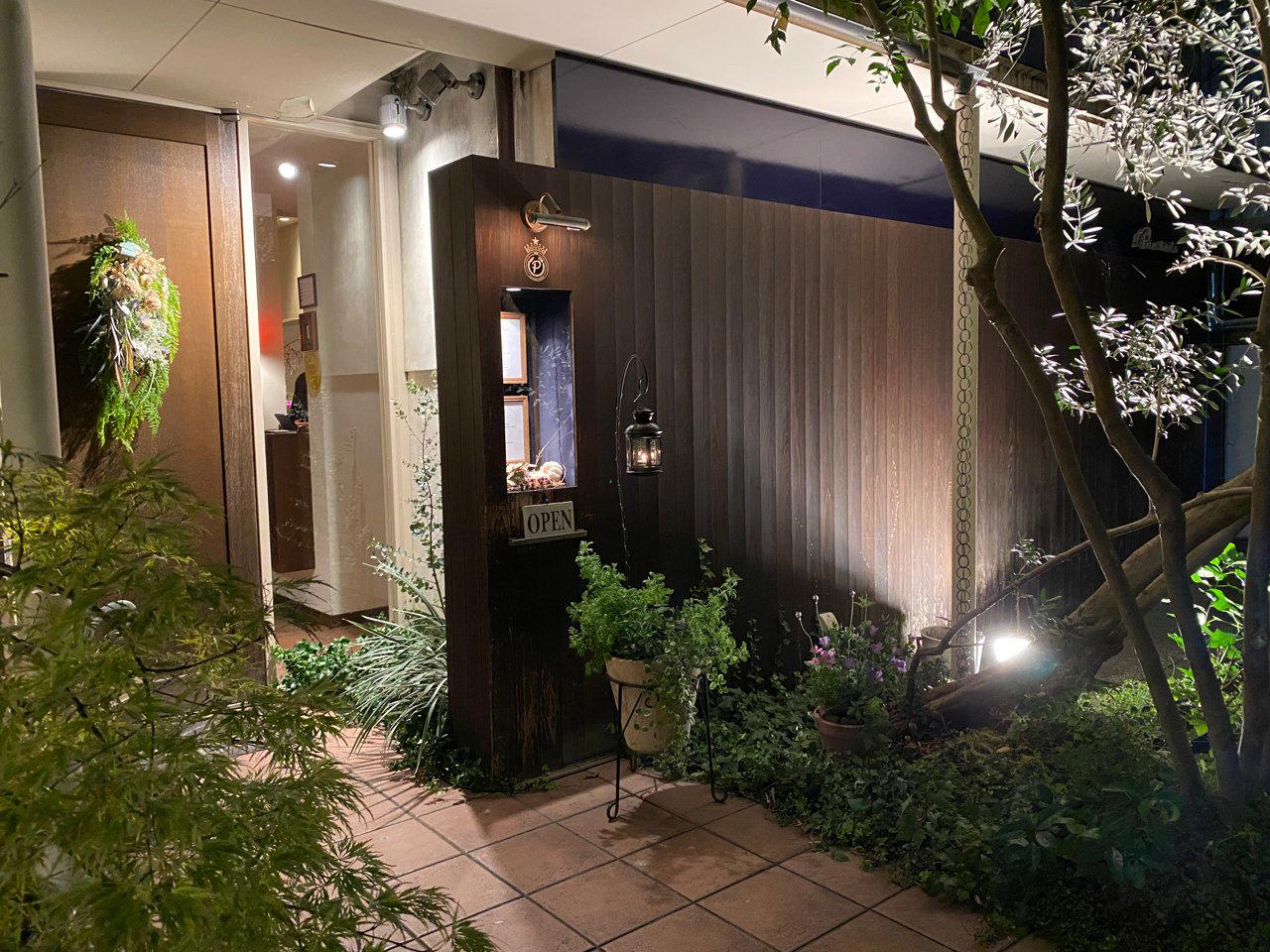
アンナータ operates in that quieter register. The address, a second-floor room in a building on Minamiharimayacho, is typical of a certain kind of Japanese restaurant that has no interest in foot traffic. You arrive because someone told you to, or because you found it through careful research. The physical approach matters here: the staircase, the door, the moment before you enter. In Japan's more considered dining rooms, that threshold is part of the experience, a pause that signals the shift in register from street to table.
The Sensory Geography of a Room You Reach by Stairs
Second-floor restaurants in Japanese cities carry a particular atmosphere that ground-level rooms rarely replicate. The street noise dims. The sightlines change. There is a sense of having made a small effort to be there, and that effort shapes how you receive everything that follows. This is not accidental. Japanese restaurant design, even at the most restrained end of the spectrum, treats the approach and arrival as part of the hospitality architecture.
In Kochi specifically, the Minamiharimayacho area sits close to the city's covered shopping arcade and its attendant evening energy, which means a second-floor room here offers a particular contrast: the city's sociable izakaya warmth below, and something more composed above. For context on the broader range of Kochi dining, from casual to considered, our full Kochi restaurants guide maps the city's options across formats and price points.
What can be said is that the format, a named restaurant in a discreet upper-floor address in a mid-sized Japanese city, places it in a category where the atmosphere is typically curated rather than ambient, where the choices about light, surface, and sound are deliberate. Compare this with the more sociable, ground-level energy at Kochi Izariya or the European-inflected setting of Brasserie 三月, and the tonal difference becomes legible.
Kochi's Dining Scene and Where アンナータ Sits Within It
Kochi's culinary identity is grounded in specific ingredients that don't travel well: katsuo no tataki, the lightly seared bonito finished with salt and garlic that is the city's signature dish, is leading understood as a local expression of the Pacific's proximity. The city's night markets and food stalls operate on a scale and directness that reflects Shikoku's relative distance from Japan's metropolitan dining machine. This is a place where the ingredients speak first.
Against that backdrop, a restaurant operating under a name like アンナータ, which carries Italian linguistic associations, suggests a departure from the strictly local register. Italian-influenced or European-adjacent restaurants in regional Japanese cities often occupy a particular niche: they serve a local clientele that wants something other than kaiseki or izakaya formats, and they do so with whatever local produce makes sense as a bridge between the two traditions. Whether that is the case here cannot be confirmed from available data. What can be noted is that the name itself signals an orientation that differs from the city's dominant culinary identity, in a way that makes the restaurant interesting to visitors who already know Kochi's main dining vernacular.
For comparison across formats in the city, Canvas Restaurant & Pizzeria and MIKI ドゥーブル represent other points on Kochi's non-traditional dining map.
Regional Context: What Serious Dining Looks Like Outside Japan's Main Cities
The conversation about Japan's leading restaurants has historically centred on Tokyo, Kyoto, and Osaka. Venues like HAJIME in Osaka, Harutaka in Tokyo, and Gion Sasaki in Kyoto set the terms of reference for what award-level dining means in Japan. But the more interesting editorial question in recent years has been what serious dining looks like when it moves to regional cities, to places like Fukuoka, where Goh operates, or Nara, where akordu has established a distinct identity, or further afield to places like Nanao, Takashima, and Nishikawa Machi, where restaurants like 一本木 佐川製, 滋賀滋味, and 庄羽屋 are doing work that rarely reaches the metropolitan press.
Kochi fits that pattern. Its distance from the Shinkansen network means that visitors who arrive are typically deliberate about it. That self-selection shapes the dining culture: restaurants here are not optimised for the tourist circuit in the way that Kyoto's central venues inevitably are. For those familiar with the precision and ambition of venues like Le Bernardin in New York City or Atomix in New York City, the comparison point in a regional Japanese city is less about format equivalence and more about the quality of intention behind the room.
Restaurants in cities like Sapporo, where 古代山乃 operates, or Sakai, where Birdland has built a following, demonstrate that the geography of serious Japanese dining has expanded considerably. アンナータ should be understood in that expanding context: a second-floor room in a mid-sized Pacific city, operating with the discretion that suggests the restaurant is not trying to attract anyone in particular, only the right people.
Planning a Visit
The practical information available for アンナータ is limited. The address, a second-floor space at 1 Chome-17-23 Minamiharimayacho, MP Building 2F, Kochi, places it in the commercial district south of the Harimaya-bashi intersection. Phone, website, hours, and booking method are not in the public record at the time of writing. Given the format and location, visiting in person during evening hours to confirm opening times and reservation policy is the most reliable approach. Kochi is most easily reached from Osaka or Tokyo via the JR express services to Kochi Station, with the Minamiharimayacho area accessible on foot or by the city's tram network. For a wider view of where アンナータ sits among Kochi's dining options, our full Kochi restaurants guide provides the necessary context.
Frequently asked questions
Is アンナータ a family-friendly restaurant?
The address, a second-floor space in MP Building at 1 Chome-17-23 Minamiharimayacho, suggests an intimate setup more suited to couples or small groups than large family parties. Second-floor rooms in Japanese dining buildings typically seat fewer covers and carry a quieter register.
What's the overall feel of アンナータ?
The MP Building second-floor location in central Kochi places アンナータ in the category of low-profile neighbourhood restaurants that Kochi's dining culture tends to favour over showy ground-floor premises. Street noise drops off once you climb the stairs, and the sightlines shift to the interior rather than the pavement. The city itself sets the tone: Kochi dining skews ingredient-focused and locally grounded rather than performance-oriented.
Is アンナータ in central Kochi, and how does its location compare to other serious dining options in Shikoku?
アンナータ is located in Minamiharimayacho, a central district of Kochi city, in the MP Building on the second floor. Kochi sits on Shikoku's southern Pacific coast, geographically isolated from the restaurant density of Osaka or Kyoto, which means venues at this address carry more local significance than their unannounced facades suggest. Serious dining in Shikoku is spread thinly across four prefectures, so a room in central Kochi with this kind of deliberate positioning is a meaningful data point for anyone travelling the island specifically to eat.
What part of town is アンナータ in?
アンナータ is located at Japan, 〒780-0833 Kochi, Minamiharimayacho, 1 Chome−17−23 MPビル 2F, Kochi.
Is アンナータ reservation-only?
Second-floor restaurants at this address type in Japanese cities often operate on reservations given limited covers, but this cannot be stated with certainty here. The safest approach is to attempt contact in advance of any visit to Kochi.
What makes アンナータ worth seeking out?
Kochi is one of Japan's least exported dining cities despite an ingredient supply, particularly in katsuo and Pacific seafood, that rivals far better-known prefectures. A second-floor address at 1 Chome-17-23 Minamiharimayacho puts アンナータ inside the city's quieter, more considered dining tier, the kind of room you arrive at by intent rather than by accident. That positioning alone separates it from the tourist-facing options concentrated closer to Kochi's central market.
Peers in This Market
Comparable venues nearby, for context on price, style, and recognition.
| Venue | Cuisine | Price | Awards | Notes |
|---|---|---|---|---|
| アンナータThis venue — the venue you are viewing | Modern Italian with Local Kochi Ingredients | $100–150 | Tabelog 100 #52 | Not listed |
| ピーニャ・アルテッツァ | Italian Trattoria | $50–100 | Not listed | Minamino Kawazoe |
| オステリア ビベール | Italian Osteria | $20–30 | Not listed | Obiyamachi |
| Brasserie 一柳 | Seasonal Kaiseki | $100–150 | Not listed | Katsurahama |
| Tanaka-sengyoten Ryoshigoya | Traditional Japanese Seafood | Not listed | Not listed | Taisho-machi market |
| Yairo Tei | Kochi seafood izakaya specializing in seared bonito | Not listed | Not listed | Obiyamachi / Hirome Market |
Recognition history
Dated appearances from independent guides and award organizations, with the underlying list record or original source where available.
Tabelog 100 #52 · No. 52
Tabelog · Tabelog 100 - Italian - WEST - 2025
Details
- Quiet
- Intimate
- Elegant
- Modern
- Sophisticated
- Date Night
- Special Occasion
- Chefs Counter
- Private Dining
- Standalone
- Sake Program
- Local Sourcing
- Tasting Menu
- Set Menu
- Wine
- Allergy Accommodating
Current opening hours
- Monday
- 6–8 PM
- Tuesday
- 6–8 PM
- Wednesday
- Closed
- Thursday
- 6–8 PM
- Friday
- 6–8 PM
- Saturday
- 6–8 PM
- Sunday
- 6–8 PM
Hours can change for holidays and private events. Last verified .
Quiet and minimalist with no BGM, modern interior featuring counter and private rooms, fostering an intimate and focused dining experience.