État d'esprit

Our verdict
État d'esprit treats French technique as a frame for Miyakojima’s island pantry rather than as imported ceremony. The draw is modern Okinawan cooking rooted in local foods and flavors, useful for travelers who want the region read through produce, seafood, and restraint rather than resort-dining gloss.

Pearl is the En Primeur Club membership app, where members save venues, book tables and use the concierge.
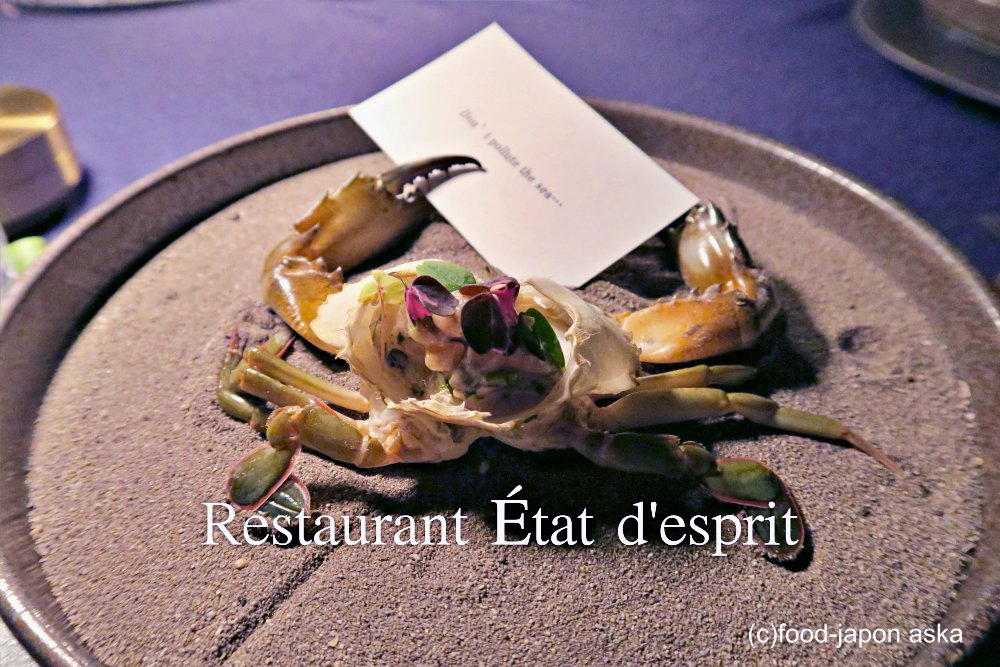
The menu
What to order
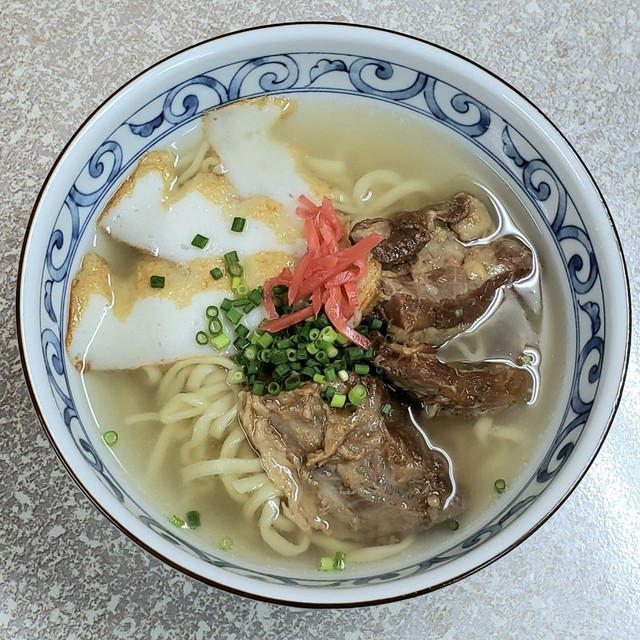
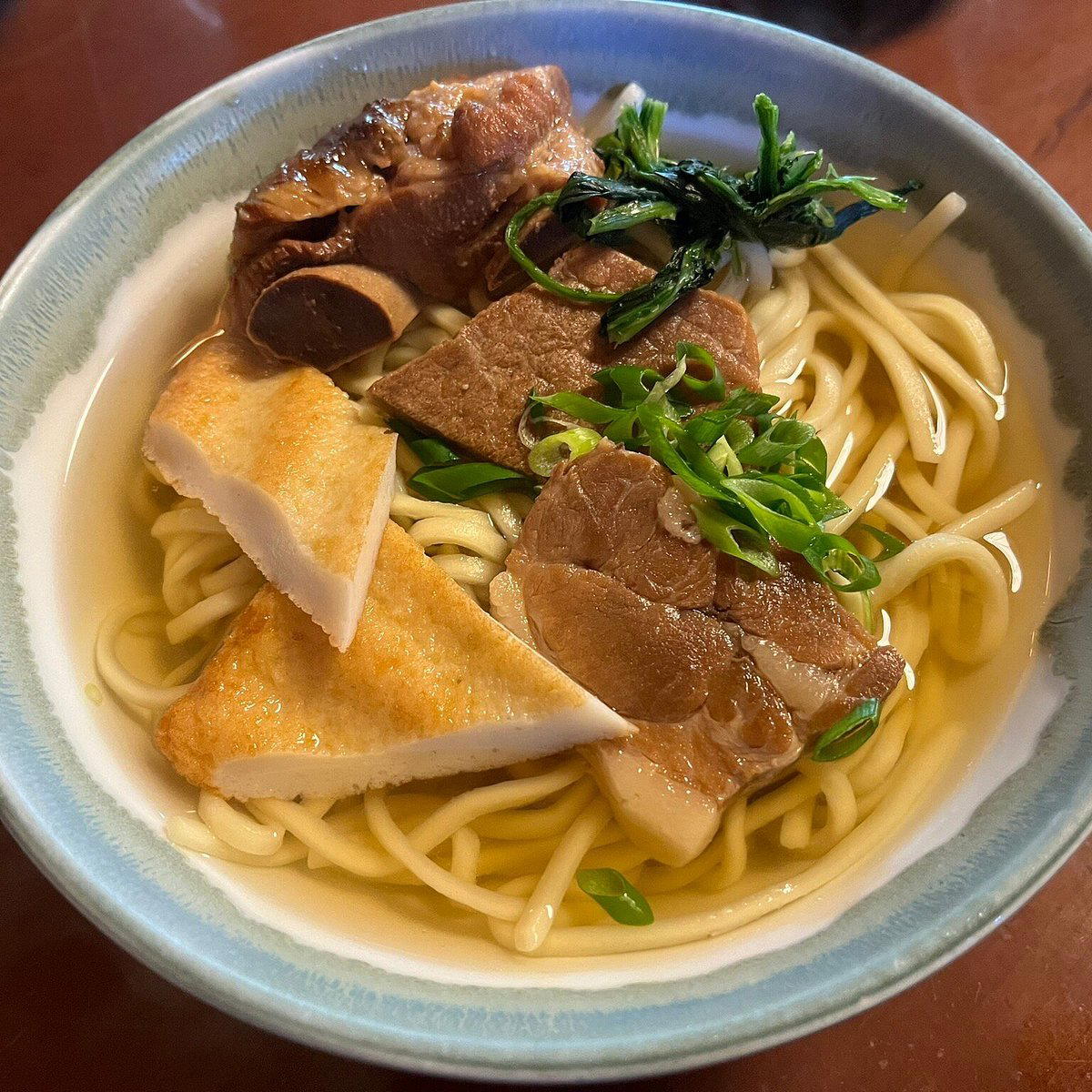
- Okinawan-style noodles in peacock bone broth
- Miyako black sugar and black bean dessert
- Seasonal local seafood tasting courses
Approaching dinner on Miyakojima resets expectations before a menu appears. The island setting gives any meal a strong sense of distance, climate, and travel context, so provenance feels less like a decorative talking point than a condition of cooking. État d'esprit is a restaurant whose official recognition places it in the French food category, and the stronger question is how that framework can make sense on Miyakojima. In a destination often read through beaches and resort travel, the sharper issue is how a kitchen makes the island legible on the plate without turning local flavor into shorthand.
Miyakojima’s dining culture has two broad pulls. One is casual island cooking, shaped by everyday local habits and informal meals. The other is more polished destination dining, where imported luxury cues can blur place. État d'esprit sits within that broader conversation. Its recognition in the Japan Times Destination Restaurants selection gives it a clearer position than many island dining rooms, while still leaving the meal to be understood through the experience itself rather than through a fixed script.
French grammar, Okinawan raw material
French food in Japan has long been strongest when it stops trying to reproduce France. Major dining cities built serious French dining around precision, seasonality, and service codes; Miyakojima poses a different question because its climate and island setting differ so strongly from mainland Japan. On Miyakojima, local context is not just a chefly virtue but a practical condition. The environment gives restaurants a vocabulary that a standard metropolitan tasting-menu template would risk flattening.
That makes the restaurant’s French-food category more than a simple label. It can signal cooking where the point is not heavy classicism or dining-room theatre, but disciplined arrangement shaped by the place around it. The better version of this genre avoids two traps: rusticity performed for tourists, and technical cooking that could happen in any city with premium suppliers. État d'esprit matters because Miyakojima needs rooms that speak fluently about the island without reducing it to postcard imagery.
For a wider food route, the island rewards contrast. Other Miyakojima dining rooms read the island through more direct local registers, while casual drinking-and-eating spots belong to the everyday rhythm of island nights. More composed destination tables show how varied the island’s restaurant map has become, from local comfort to polished travel dining. Together, they make État d'esprit feel less isolated: part of a broader shift in which Miyakojima is no longer treated only as a beach appendage to a larger itinerary.
Why terroir matters more here than spectacle
Terroir can be overused, but Miyakojima gives it practical meaning. The island’s setting, climate, and surrounding food culture shape what kitchens can sensibly cook. Provenance is not only naming a supplier; it is how a restaurant handles balance, freshness, intensity, and restraint in a place where context matters. A French framework offers control: structure can carry depth, sauces can frame acidity, and course progression can keep local elements from arriving as a checklist.
This is where contemporary island dining differs from a regional sampler. Okinawa has its own food history, and Miyakojima adds its own travel logic within that wider frame. A contemporary restaurant on the island must decide which parts of local context to quote and which to leave alone. The convincing approach is selective, using local identity as a building block for a coherent meal rather than a series of souvenirs from the market.
The island setting sharpens that choice. In larger Japanese dining cities, French restaurants often compete through metropolitan signals: formal service, polished rooms, cellar culture, or reservation pressure. On Miyakojima, the stronger measure is alignment with place. A polished French meal that ignores its surroundings would feel portable; a regional meal without technique can feel under-edited. État d'esprit occupies the productive middle: French in category, island-facing in context.
Travelers should treat dinner as part of a larger island plan, not a detached reservation. Our full Miyakojima restaurants guide gives the broader table map; our full Miyakojima hotels guide helps decide which side of the island works as a base. For after-dinner planning, use our full Miyakojima bars guide, while our full Miyakojima experiences guide and our full Miyakojima wineries guide round out the non-restaurant side of the trip.
How to place it in a Japan itinerary
État d'esprit is strongest for travelers who understand that Japanese French cooking is not one category. A meal in one region reads differently from one in another because place changes the terms of the pantry and the mood of the room. Rather than treating French food in Japan as a single style, it is more useful to notice how each region changes the terms of the meal. Miyakojima makes that point clearly: distance, climate, and island context all alter what a French-food address can mean.
For travelers moving through the country, Miyakojima can sit beside less formal Japanese meals without contradiction. Casual counters, seafood rooms, grill-focused restaurants, cafés, and regional specialists across Japan show another truth: the country’s food intelligence is distributed across formats, not reserved for tasting menus. État d'esprit belongs to the more composed side of that spectrum, but its value depends on the same basic principle as humbler places: the meal should make sense where it is.
The practical judgment is simple. Choose État d'esprit when dinner should explain Miyakojima through a composed, French-influenced lens. Choose a casual local room when the night calls for direct island cooking, drinks, and speed. The restaurant’s Japan Times Destination Restaurants recognition in 2021, where it was ranked No. 10 in the French food category for Okinawa Prefecture, is the clearest documented reason it draws attention; the reason to go is to see how that recognition translates into an island meal.
Frequently asked questions
Is État d'esprit good for families?
État d'esprit is a French food restaurant in Miyakojima, so it suits families that are comfortable with a more composed dining pace. Its location is Miyakojima.
What kind of setting is État d'esprit?
The setting is best understood as a French food restaurant in Miyakojima, rather than a classic mainland city brasserie format. The island context is central to how travelers should frame the meal.
Is État d'esprit Michelin-listed?
The provided recognition is not a Michelin listing. État d'esprit was included in the Japan Times Destination Restaurants selection for 2021, ranked No. 10 in the French food category for Okinawa Prefecture.
What cuisine category does État d'esprit fall under?
État d'esprit serves FRENCH FOOD cuisine.
What part of town is État d'esprit in?
État d'esprit is located in Miyakojima.
Do I need a reservation for État d'esprit?
A reservation is a sensible approach for État d'esprit, especially since it is a French food address in Miyakojima rather than a casual all-day café. Planning ahead helps structure an island meal.
What has État d'esprit built its reputation on?
État d'esprit draws documented attention from its Japan Times Destination Restaurants recognition in 2021, where it was ranked No. 10 in the French food category for Okinawa Prefecture. That French food framework in Miyakojima is the clearest grounded reason to consider it.
Reputation & Price
Comparable venues nearby, for context on price, style, and recognition.
| Venue | Cuisine | Price | Awards | Notes |
|---|---|---|---|---|
| État d'espritThis venue (the venue you are viewing) | Innovative Modern Okinawan Fine Dining | $100–150 | Not listed | Not listed |
| Minato Shokudo | Miyako soba & Okinawan diner | $10–20 | Tabelog 100 #35 | Hirara Nikawatori, Miyako soba & Okinawan diner |
| Maruyoshi Shokudo (丸吉食堂) | Traditional Miyako Soba | $10–20 | Not listed | 城辺 (Shirobe), Traditional Miyako Soba |
| Rikko Gelato | Not listed | $1–10 | Tabelog 100 #72 | Hirara Shimozato, Artisanal Gelato & Sorbet |
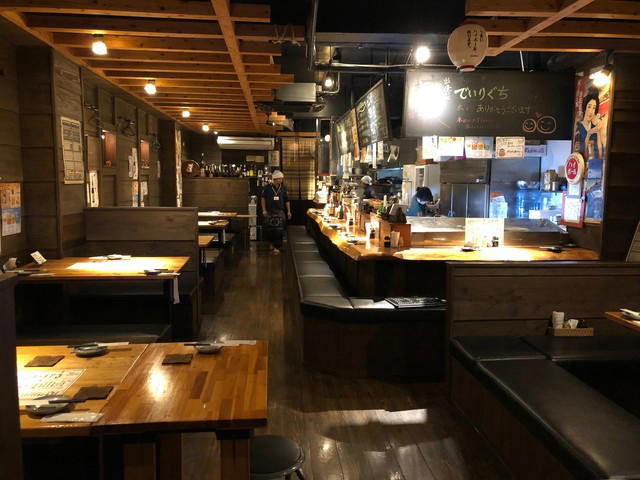
| 郷家 | Okinawan Izakaya with Awamori | $20–30 | Not listed | 平良西里, Okinawan Izakaya with Awamori |
| MARALUNGA | Teppanyaki and creative Japanese kaiseki with Okinawan ingredients | $150–200 | Tabelog 100 #12 | /, Teppanyaki and creative Japanese kaiseki with Okinawan ingredients |
Recognition history
Dated appearances from independent guides and award organizations, with the underlying list record or original source where available.
The Japan Times Destination Restaurants Destination Restaurants Selection #10
The Japan Times Destination Restaurants
Continue exploring
More in Miyakojima
Restaurants in Miyakojima
All restaurants in Miyakojima →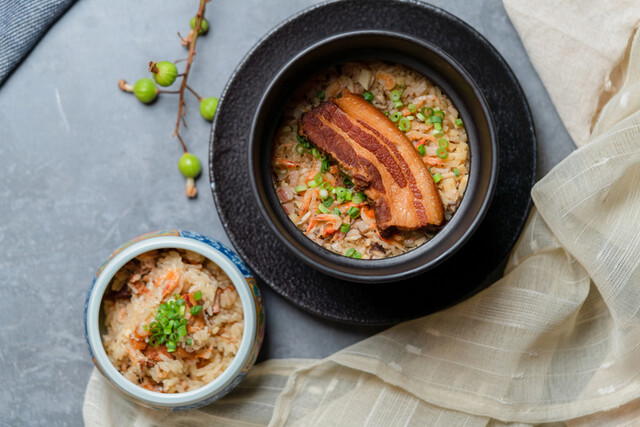
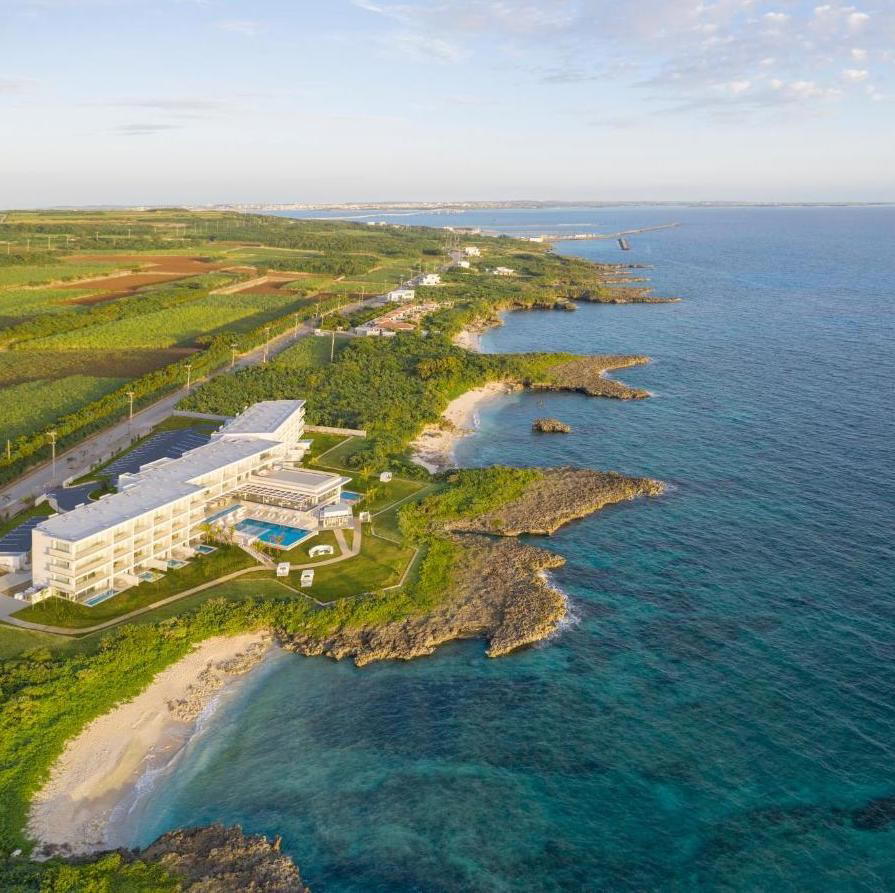
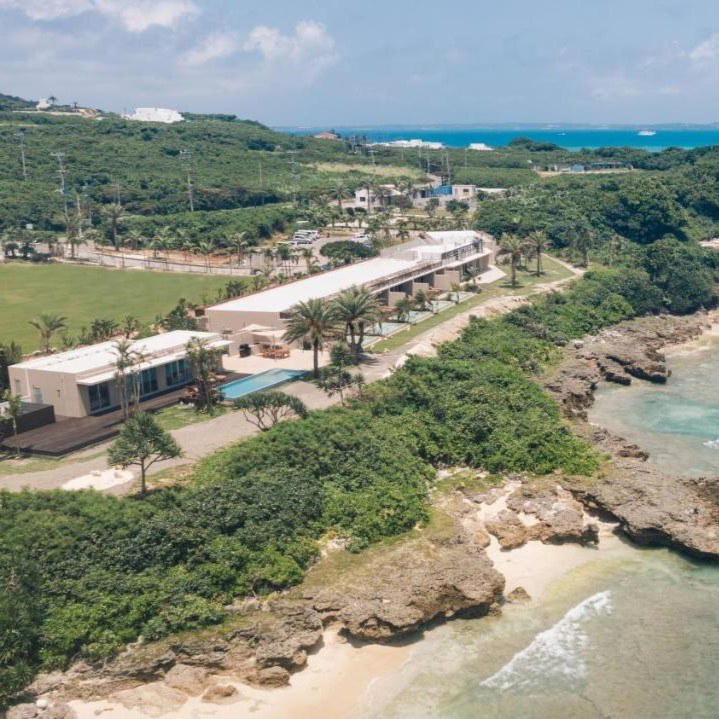

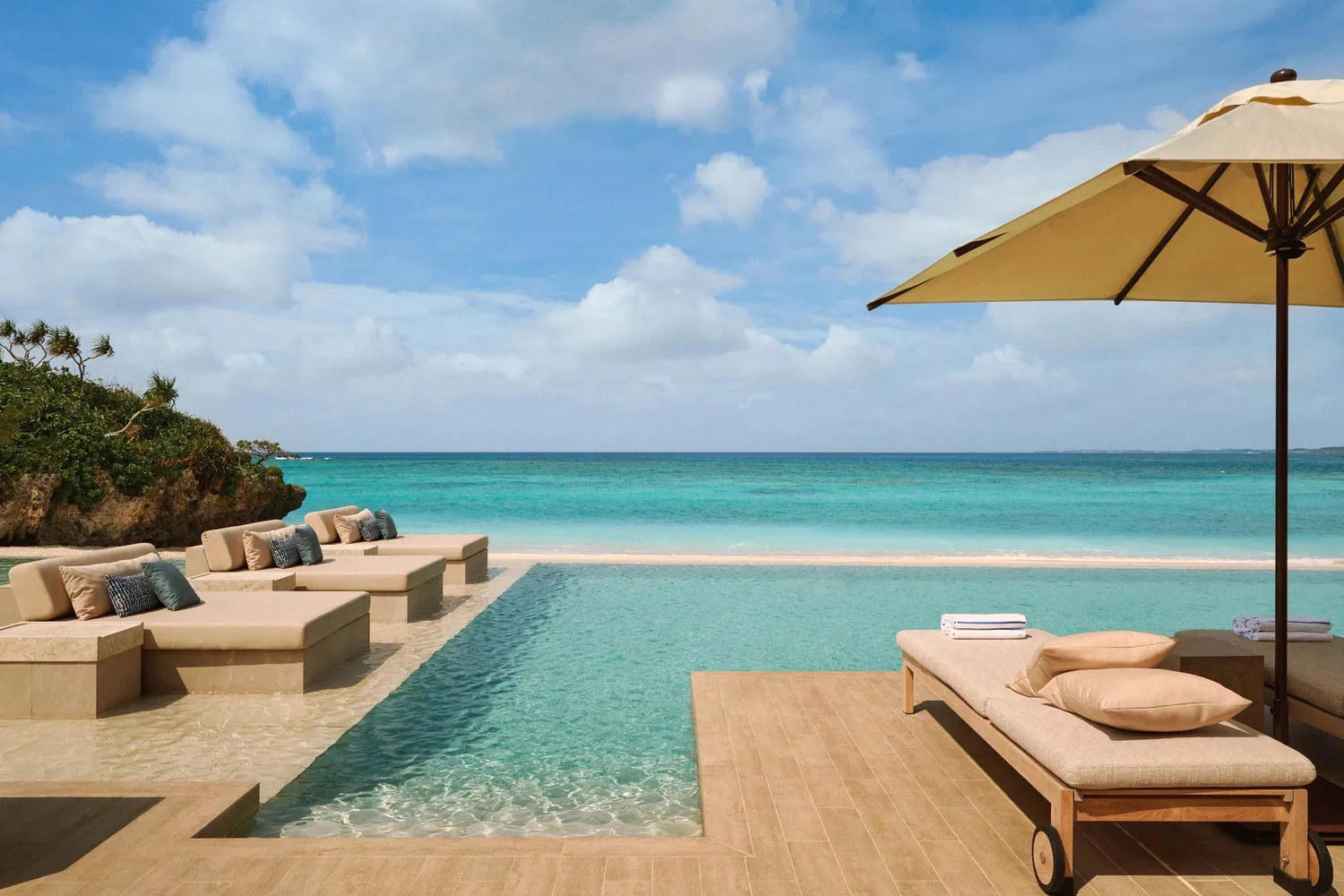
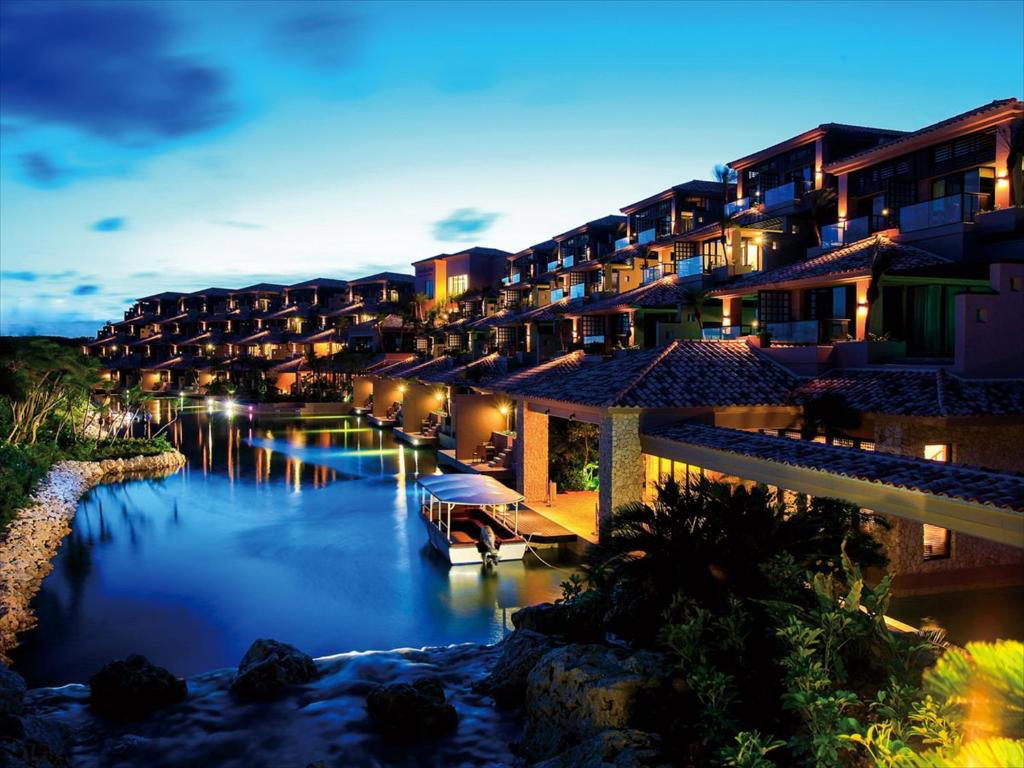
État d'esprit
The wine
- Extensive wine list
- Sake program
- Craft cocktails
Details
- Elegant
- Quiet
- Intimate
- Scenic
- Modern
- Date Night
- Special Occasion
- Celebration
- Business Dinner
- Waterfront
- Design Destination
- Hotel Restaurant
- Private Dining
- Extensive Wine List
- Sake Program
- Craft Cocktails
- Local Sourcing
- Sustainable Seafood
- Farm To Table
- Waterfront
- Tasting Menu
- Set Menu
- Wine
- Sake
- Craft Cocktails
- Pescatarian Friendly
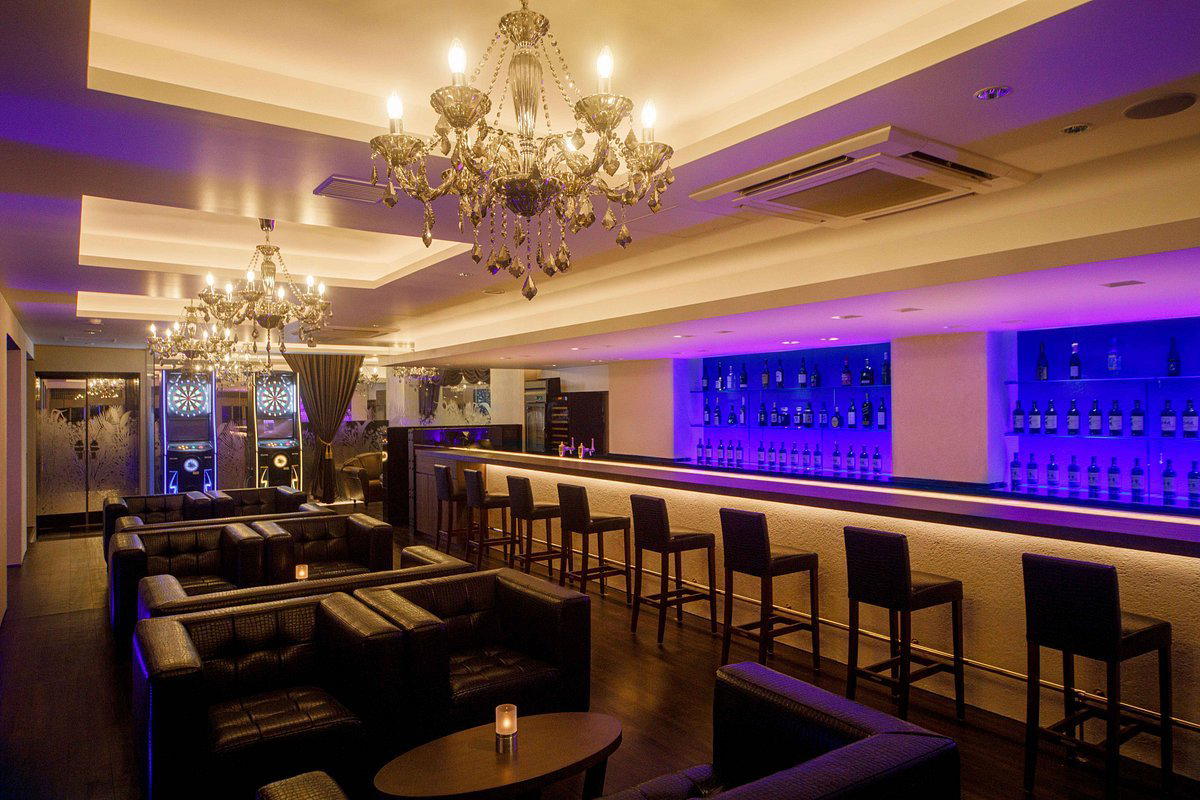
Sleek and discreetly lit with a calm, almost hushed atmosphere; guests begin the evening in a private lounge before moving to a small dining room where attentive, formal service and minimalist design keep the focus on the tasting menu and the surrounding sea and nature.