
Tabelog 100 #27
Our verdict
On the second floor of a building in Onarimachi, イザ occupies a quiet remove from Kamakura's busier dining corridors. The premise is focused: grilled meat and Japanese sake, two traditions that have long found common ground in informal izakaya culture. It is the kind of address that rewards those who arrive knowing what they are looking for.

Pearl is the En Primeur Club membership app, where members save venues, book tables and use the concierge.
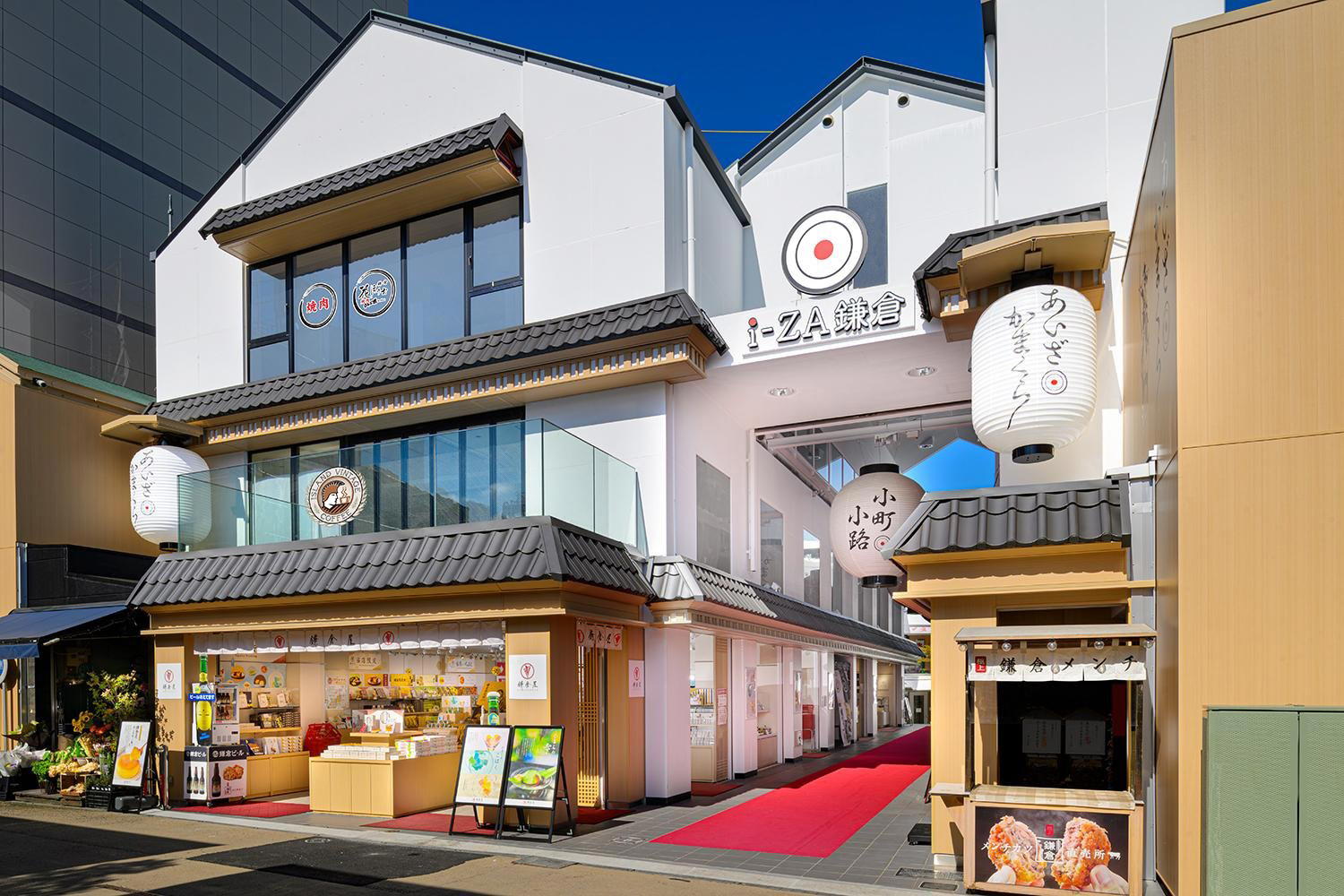
A Second-Floor Remove in Onarimachi
Kamakura's dining scene has always run in two directions at once. There are the polished destination restaurants drawing visitors from Tokyo, places like ETE Kamakura and Restaurant Michel Nakajima, where the room and the résumé are part of the offer. And then there are the floors above street level, the unmarked stairwells, the modest signage, where a different kind of seriousness operates. イザ, on the second floor at 11-13 Onarimachi, belongs to the latter register. You climb to reach it. The building below is described as a meat and sake establishment, and the name on the stairwell confirms you are in the right place before any host has said a word.
This kind of vertical address is common in Japan's older commercial districts, where ground-floor rents push specialist operators upward and the climb itself becomes a mild form of curation. Those who arrive tend to arrive deliberately. The ambient logic is informal without being casual: the setting signals that the food and drink will be taken seriously, but the room will not perform for you.
The Case for Grilled Meat and Nihonshu Together
The pairing of grilled beef with Japanese sake is not a novelty concept. It has roots in the yakitori and yakiniku traditions, where smoke, fat, and the dry minerality of a well-chosen nihonshu create a counterpoint that wine rarely manages as cleanly. What distinguishes the specialist operators in this category is not the premise itself but the depth of execution: the sourcing of the meat, the range of the sake list, and whether the kitchen treats grilling as craft rather than throughput.
Kamakura has a small but credible meat-focused dining tier. Roastbeef Kamakurayama operates in this space with a Western-leaning format, while Ichirin Hanare approaches protein from a Chinese framework. イザ positions itself differently, with a Japanese sake focus that places it closer to the izakaya tradition than to the European grill-room model. The result is a venue that reads as local in the most specific sense: designed for the rhythms and tastes of residents, not for the itinerary of a day-tripper.
For comparison, the meat-and-sake pairing format has found serious practitioners elsewhere in Japan. Goh in Fukuoka and Gion Sasaki in Kyoto both demonstrate how traditional Japanese ingredients and techniques can anchor a contemporary dining format without losing the cultural logic that makes them coherent. イザ operates at a less formal register than either, but the underlying commitment to the Japan-domestic tradition is recognizable.
Atmosphere as the Primary Communication
Second-floor izakaya-style venues in Japan rely on atmosphere to do most of the work that a ground-floor restaurant does with its facade. Once you are in the room, the sensory information arrives quickly: the sound of the grill, the smell of charcoal and rendered fat, the sight of sake bottles arranged by region or type. These are not decorative choices. They are the menu in material form, signaling what the kitchen values before you have looked at a single printed item.
Evenings are when this format makes most sense. The combination of grilled meat and cold sake is a specifically nocturnal pleasure in Japanese dining culture, calibrated for the unwinding hours rather than the daytime appetite.
The format also places it in an interesting relation to the more polished European operators nearby. IL NODO offers a different register of evening dining in Kamakura, as does the French-inflected programming at comparable addresses. イザ's Japanese sake axis is a deliberate counterpoint to that European-influenced tier, and for visitors who have already covered the more formal ground, it offers a shift in both tone and tradition.
Kamakura's Broader Dining Position
Kamakura sits roughly an hour from Tokyo by train, close enough for a day trip but substantial enough to support a resident dining culture independent of the tourist cycle. The city's restaurant scene is denser and more varied than its size would suggest, partly because of its historical and cultural draw, and partly because the proximity to Tokyo means chefs and operators can source at a high level without relocating to the capital. For a full picture of the options, the EP Club Kamakura restaurants guide maps the range across cuisines and formats.
Within Japan more broadly, the informal meat-and-sake format has found serious practitioners from Sapporo to Nara. akordu in Nara and HAJIME in Osaka represent the more technically ambitious end of the Japanese dining spectrum, while addresses like 一本木 県川制 in Nanao, 夕仙山乃 in Sapporo, 湖畔荘 in Takashima, 羽根屋 in Nishikawa Machi, and Birdland in Sakai demonstrate how regional specificity shapes the meat-and-sake tradition across prefectures. イザ belongs to this broader national conversation, though it speaks in Kamakura's particular accent. For international reference points in an entirely different register, Le Bernardin in New York City and Atomix in New York City illustrate how far the spectrum runs when you move from informal Japanese grill culture to the most technically demanding fine dining formats. Harutaka in Tokyo provides the closest high-end Japanese reference point, though its omakase format is a different discipline entirely.
Planning Your Visit
イザ is located at 11-13 Onarimachi, Kamakura, on the second floor of a building identified as a meat and Japanese sake establishment. Onarimachi is walkable from Kamakura Station, placing the restaurant within reach of the main transit hub without being on the primary tourist corridor. Evenings are the natural timing for this format, and Kamakura's weekends draw considerable visitor traffic from Tokyo, which may affect availability at smaller second-floor operators across the city.
Frequently asked questions
What's the address for イザ?
イザ is located at Japan, 〒248-0012 Kanagawa, Kamakura, Onarimachi, 11−13 2F 肉と日本酒の二階です, Kamakura.
Is イザ a good option for a Kamakura day trip from Tokyo focused on local sake and grilled meat?
Kamakura is approximately one hour from Tokyo by train, and イザ sits on the second floor at 11-13 Onarimachi, within walking distance of the main station approaches. The venue's specific premise, grilled meat paired with Japanese sake, makes it a focused stop rather than an all-purpose dinner option. Visitors coming specifically for that combination, rather than Kamakura's wider set of destination restaurants, are the natural fit.
What's the must-try dish at イザ?
The venue is built around grilled meat and Japanese sake, positioning the grill as the kitchen's core focus. In that format, the quality of the meat and how it pairs with nihonshu is the whole point, ordering around those two elements is how the menu is meant to be read. Onarimachi, where イザ operates, supports a local rather than tourist-facing dining culture, which typically means the kitchen sources and executes within a focused range rather than a broad menu.
Should I book イザ in advance?
Second-floor venues in Kamakura run limited covers by design, and Onarimachi sees consistent weekend traffic from Tokyo, roughly an hour away by train. Booking ahead for Friday and Saturday evenings is the sensible approach. Weekday visits may offer more flexibility, but confirmation in advance is advisable given the format.
Comparable Options
Comparable venues nearby, for context on price, style, and recognition.
| Venue | Cuisine | Price | Awards | Notes |
|---|---|---|---|---|
| イザThis venue (the venue you are viewing) | Modern Italian with Local Japanese Seafood | $100–150 | Tabelog 100 #27 | Not listed |
| 鎌倉 北じま | Kamakura Seasonal Japanese Omakase | $200–300 | Not listed | Kamakura |
| リストランテ イルノード | Italian with Local Kamakura Seafood | $100–150 | Tabelog 100 #40 | Kamakura |
| House of Flavors | High-end Western-style cake shop & cafe | $50–100 | Tabelog 100 #75 | Kamakura |
| Restaurant Michel Nakajima | Modern French Fine Dining | $150–200 | Not listed | Kamakura |
| -Grilled beef Sukiyaki- KAMAKURA TANUKIAN 鎌倉 たぬき庵 | Grilled Wagyu Sukiyaki | Not listed | Not listed | Kamakura |
Recognition history
Dated appearances from independent guides and award organizations, with the underlying list record or original source where available.
Tabelog 100 #27 · No. 27
Tabelog · Tabelog 100 - Italian - EAST - 2025
Continue exploring
More in Kamakura
Restaurants in Kamakura
All restaurants in Kamakura →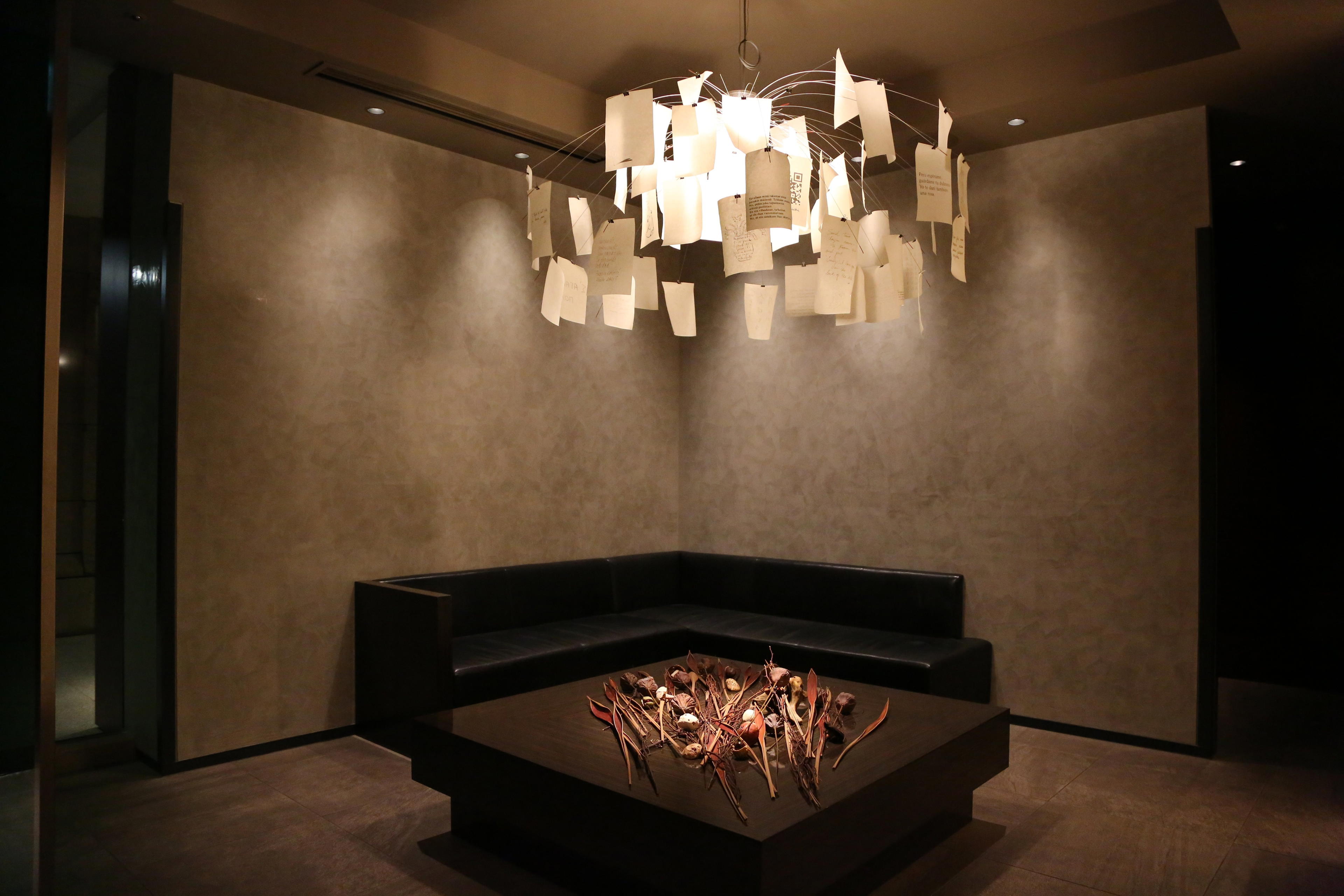


Bars in Kamakura
Browse all →


Details
- Elegant
- Intimate
- Sophisticated
- Modern
- Date Night
- Special Occasion
- Sake Program
- Local Sourcing
- Tasting Menu
Current opening hours
- Monday
- Closed
- Tuesday
- Closed
- Wednesday
- 12–12:30 PM, 6–7 PM
- Thursday
- 12–12:30 PM, 6–7 PM
- Friday
- 12–12:30 PM, 6–7 PM
- Saturday
- 12–12:30 PM, 6–7 PM
- Sunday
- 12–12:30 PM
Hours can change for holidays and private events. Hours as of .
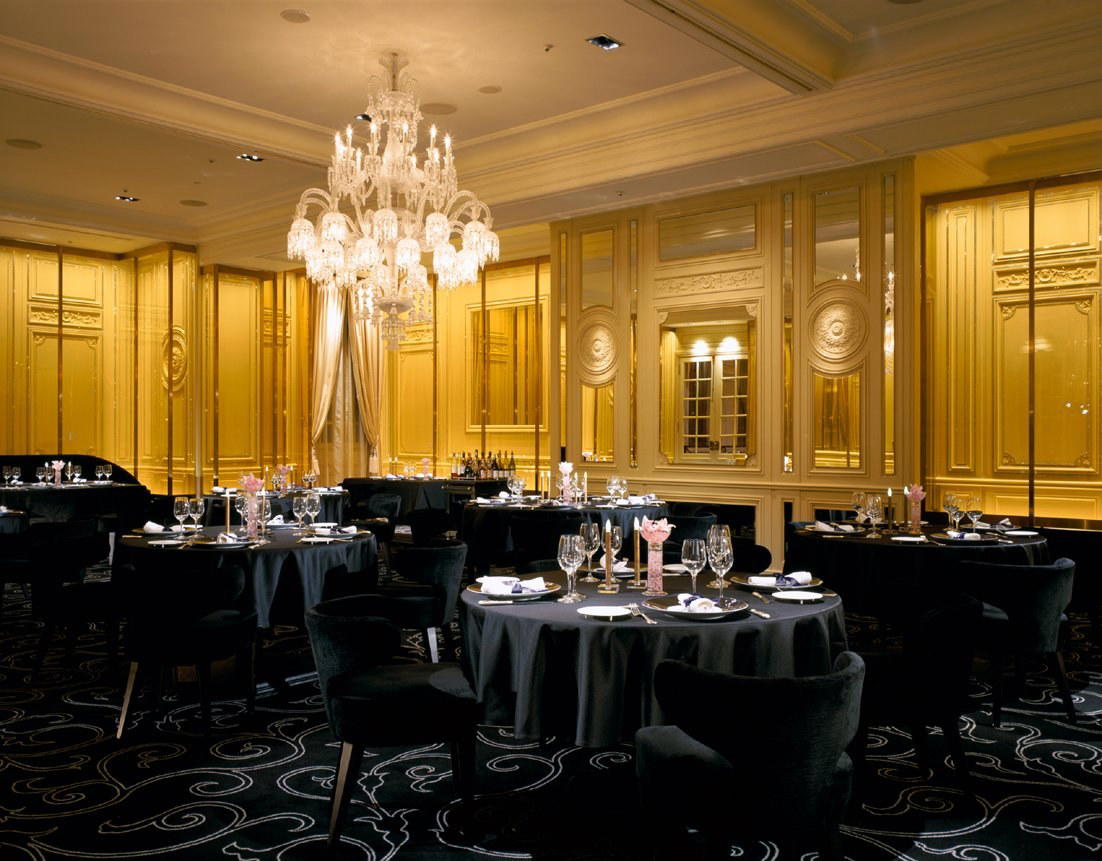
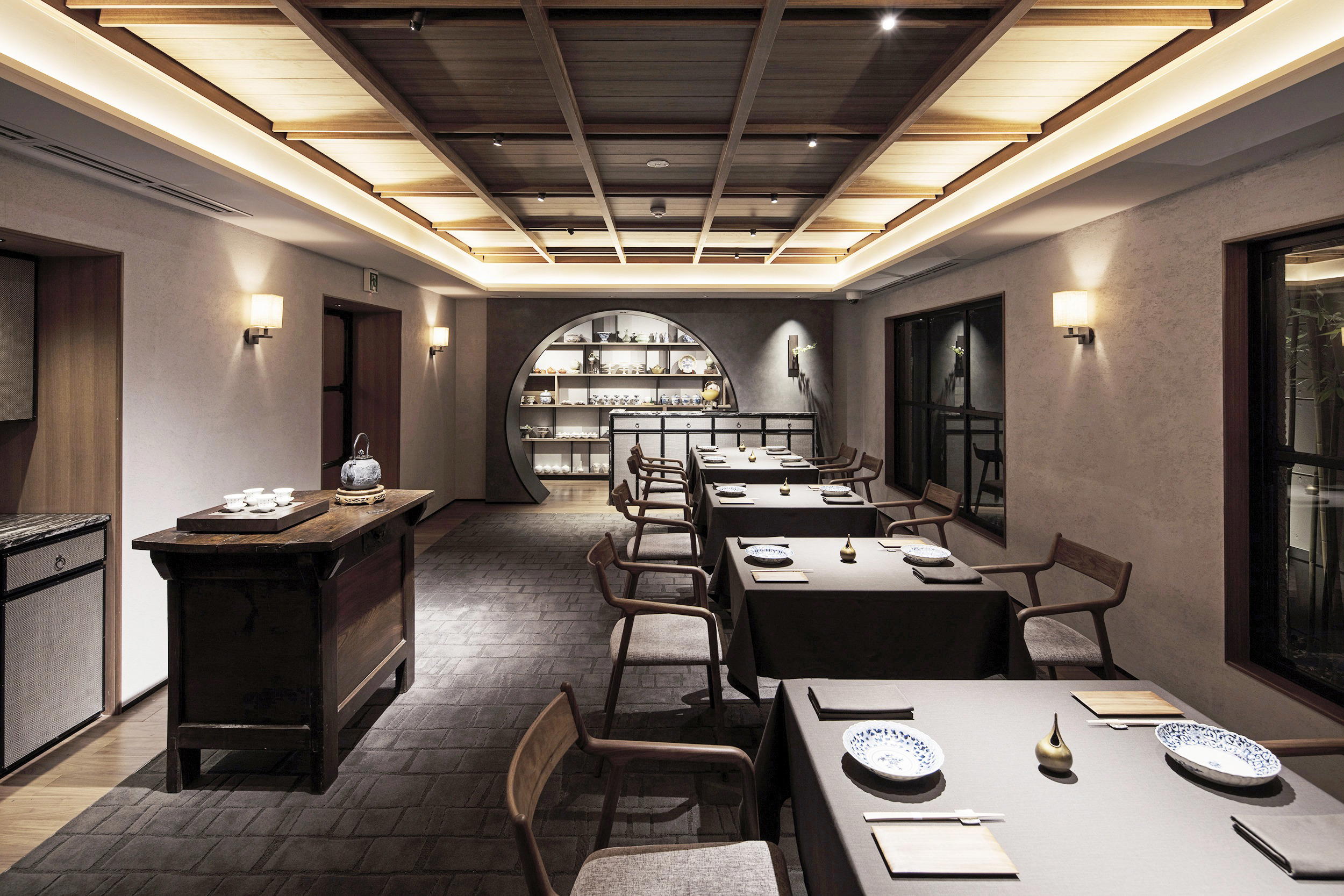
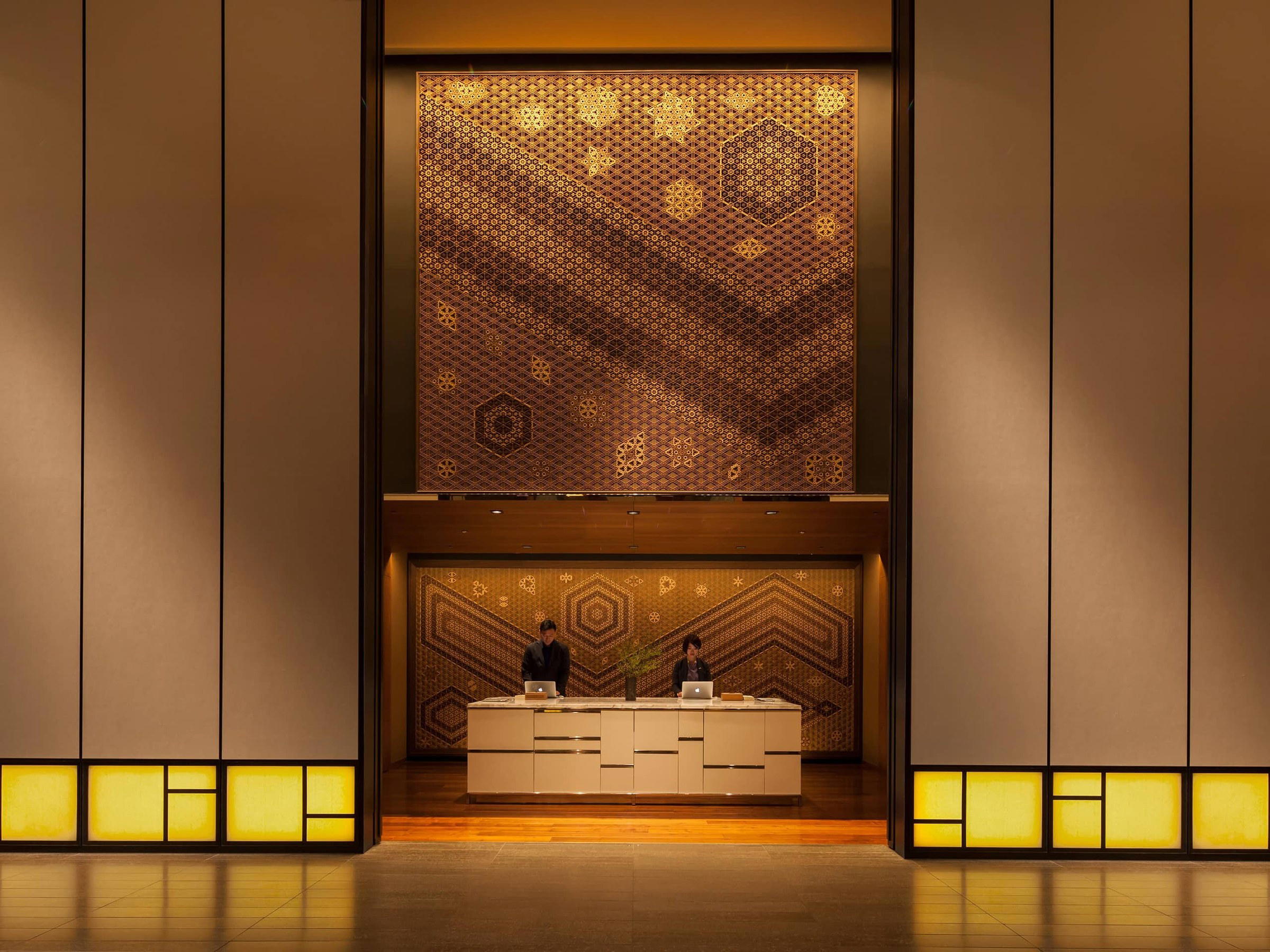
Clean, refined space with counter and table seating, providing a sophisticated and welcoming atmosphere.