Tabelog 100 #67
Our verdict
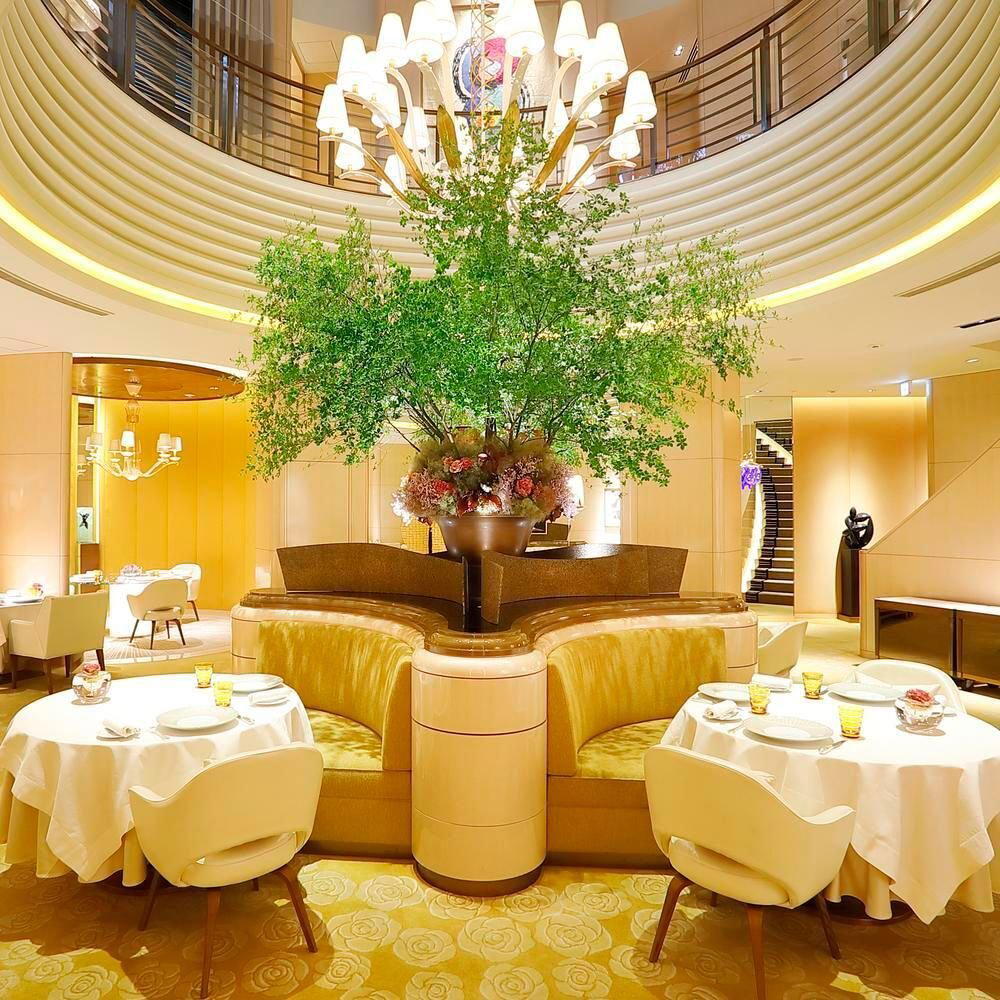
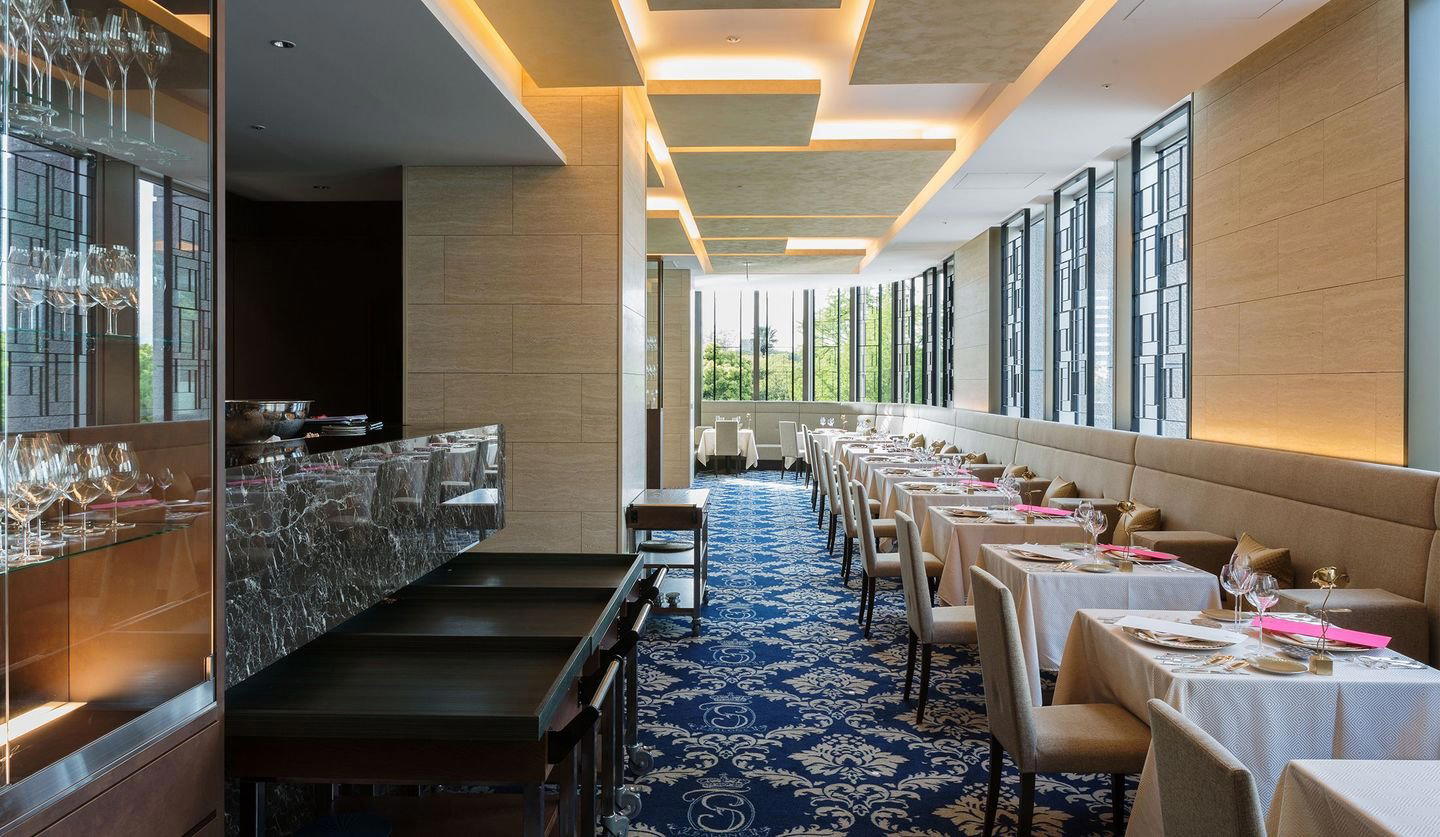
サローネ トウキョウ serves Contemporary Italian Ristorante at Tokyo Midtown Hibiya, with a formal, sommelier-led wine program, extended pacing, and Tabelog 100 #67: 3.8pts in 2025.

Pearl is the En Primeur Club membership app, where members save venues, book tables and use the concierge.
The menu
What to order
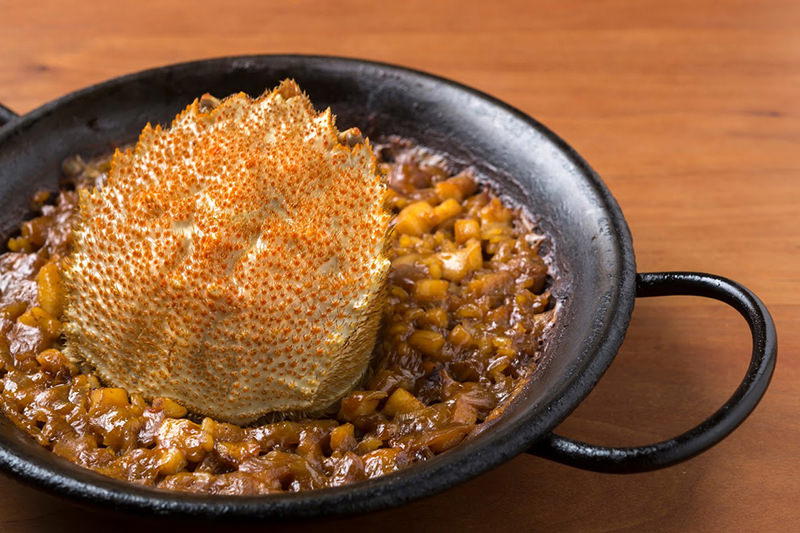
- Boiled Octopus 2018
- Tomato Sauce Pasta
- Highland Black Beef
Italian Cooking in the Hibiya District: Where European Discipline Meets Japanese Sourcing
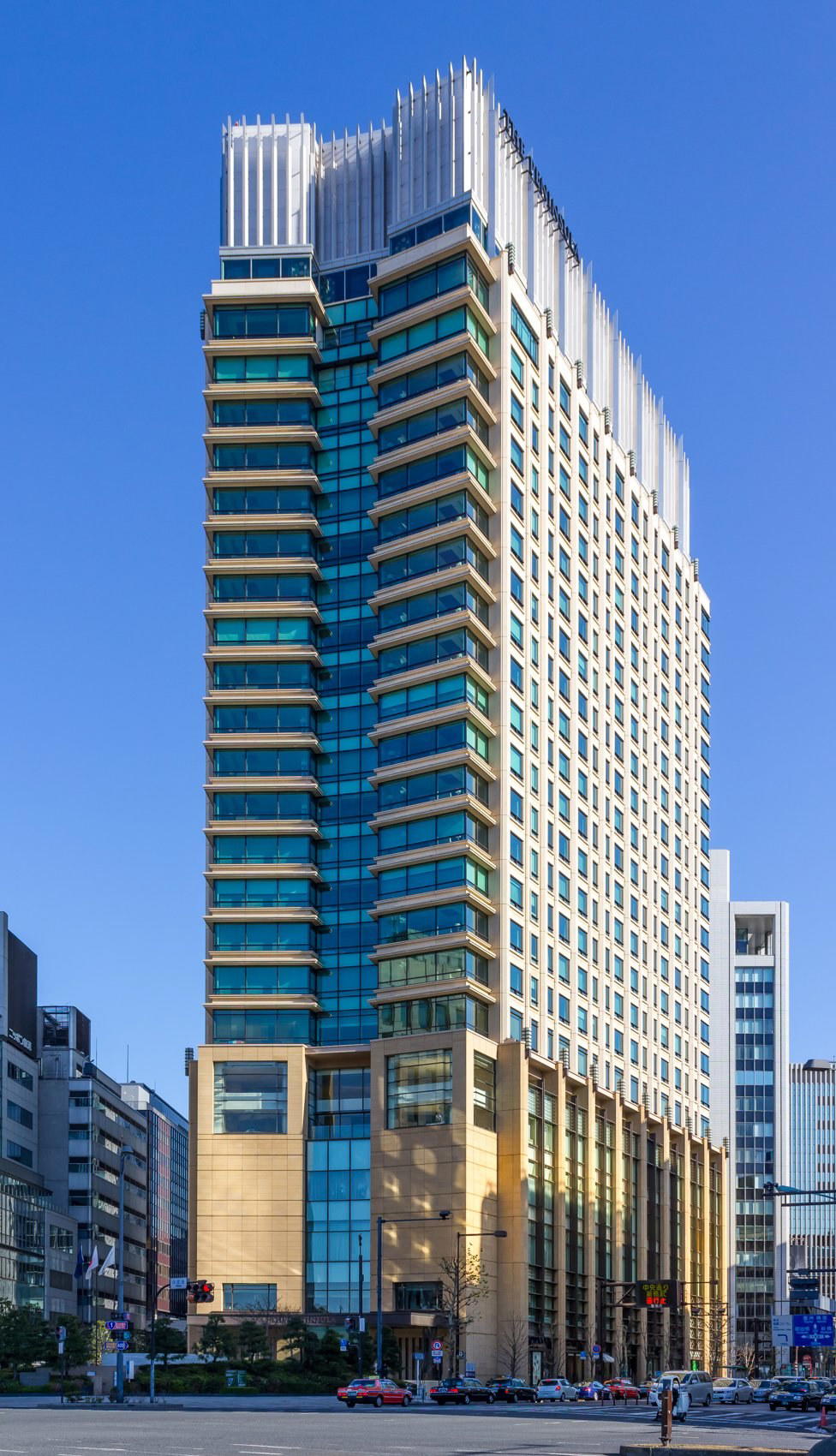
When Tokyo Midtown Hibiya opened in March 2018, it introduced a new commercial and cultural axis to Chiyoda City, positioning Yurakucho as a destination for serious dining rather than merely a transit corridor between Ginza and Marunouchi. Among the restaurants that opened in that complex, サローネ トウキョウ (Salone Tokyo) joined an Italian fine-dining tier that Tokyo has developed with particular seriousness over the past two decades. The city now sustains a cluster of Italian restaurants operating at a level comparable to their European counterparts, and Salone Tokyo occupies a position within that cluster defined by its location inside one of Tokyo's most architecturally considered mixed-use developments.
Italian cuisine in Tokyo has followed a trajectory distinct from most other global cities. Where many markets treat Italian as accessible mid-market fare, Tokyo's leading Italian kitchens have consistently pushed toward the rigour expected of French or kaiseki establishments. The culinary crossover is not simply technical borrowing; it reflects a genuine alignment between Italian ingredient-led cooking and the Japanese instinct for produce seasonality. That overlap shapes the editorial identity of high-end Italian in this city in ways that matter to visiting diners.
The Hibiya Setting and What It Signals
Tokyo Midtown Hibiya, at 1-1-2 Yurakucho in Chiyoda City, houses Salone Tokyo on its third floor. The Midtown brand carries a specific positioning in Tokyo's premium dining geography: its three complexes (Roppongi, Akasaka, Hibiya) have consistently attracted restaurants with established reputations rather than debuts. The Hibiya iteration, with its adjacency to the Imperial Palace grounds and the Hibiya Park green space, draws a clientele that overlaps with Tokyo's business and diplomatic circuits. That neighbourhood context matters because it shapes the formality register and the booking patterns of the room.
The Hibiya district has a longer history as a destination for European-style dining and performance culture than areas like Shibuya or Shinjuku. Its proximity to the historic Hibiya Public Hall and the long-running Hibiya Chanter cinema complex gave it an early association with European cultural forms, which Italian fine dining fits comfortably within. For visitors, Yurakucho Station provides the most direct access, with Hibiya Station offering an alternative via the Hibiya, Chiyoda, and Mita lines. The concentration of lunch and dinner trade in this district peaks on weekdays, when the surrounding business population dominates, making weekend visits slightly more available, though advance planning remains advisable for any serious dining address in this building.
Sustainability as a Structural Commitment in Japanese Italian Cooking
The most consequential shift in Japanese fine dining over the past decade has not been stylistic but ethical: a move toward sourcing frameworks that treat ingredient origin as a primary editorial decision rather than a secondary marketing claim. In Italian cooking, this shift intersects with the cucina povera tradition, which has always privileged seasonal abundance over importation. Tokyo's leading Italian kitchens have been unusually well-placed to advance this practice because Japan's domestic agriculture and fishing industries already operate with traceability standards that European kitchens have spent years trying to replicate.
What this means in practice, across the Italian fine-dining category in Tokyo, is a greater emphasis on domestic Japanese produce prepared through Italian technique. Seasonal vegetables from single-prefecture farms, coastal seafood sourced from day-boat fishermen, and cuts of Japanese-raised livestock prepared with the whole-animal discipline associated with Italian regional cooking all appear with greater frequency in this tier. Waste reduction, once a back-of-house concern, has moved into menu architecture: fermentation programs, nose-to-tail approaches, and preservation techniques drawn from both Italian and Japanese traditions now constitute competitive differentiators at this level. For diners at Salone Tokyo's address in Chiyoda, this broader movement in the category is the relevant context for understanding what serious Italian cooking in Tokyo currently represents.
This approach places Tokyo's ethical-sourcing Italian kitchens in a peer conversation with restaurants like L'Effervescence, whose French-rooted program has been noted for its commitment to domestic Japanese produce, and Crony, which operates in the innovative French register with a similar emphasis on sourcing discipline. The comparison is instructive: sustainability-oriented fine dining in Tokyo does not confine itself to any single cuisine tradition, and Italian kitchens participate fully in that conversation. Internationally, the comparison reaches restaurants like Le Bernardin in New York City, where sourcing ethics and technique discipline have defined the restaurant's standing for decades.
Peer Context: Italian and European Fine Dining in Tokyo
Tokyo's European fine-dining tier operates across French, Italian, and hybrid registers with enough depth that the competitive positioning of any single address matters. These are not direct competitors in cuisine terms, but they define the expectation level that informs how serious diners in this city calibrate their choices. Across Japan, the conversation extends to HAJIME in Osaka and Gion Sasaki in Kyoto, both of which demonstrate that Western culinary ambition and Japanese ingredient philosophy can be reconciled at the highest levels. Closer to the Italian tradition, akordu in Nara offers a useful regional comparison: a European-trained kitchen working with hyper-local Japanese produce in a format that has earned significant critical attention.
Beyond the immediate fine-dining tier, the broader Japanese restaurant geography covered in our full Tokyo restaurants guide maps the city's options across cuisine types and price points. Addresses like Harutaka in the sushi category and Goh in Fukuoka for innovative Japanese cooking illustrate how wide the field runs once you move beyond the Chiyoda and Minato ward concentration. For those travelling beyond Tokyo, regional options including 一本木 石川製 in Nanao, 夕付山乃 in Sapporo, 湖畔荘庵 in Takashima, 庭羽屋 in Nishikawa Machi, Birdland in Sakai, and Bistro Ange in Toyohashi extend the map considerably. The international comparison continues with Atomix in New York City, where Korean fine dining has built a sourcing and tasting-menu program that draws direct comparisons to Tokyo's ethical-sourcing tier.
Know Before You Go
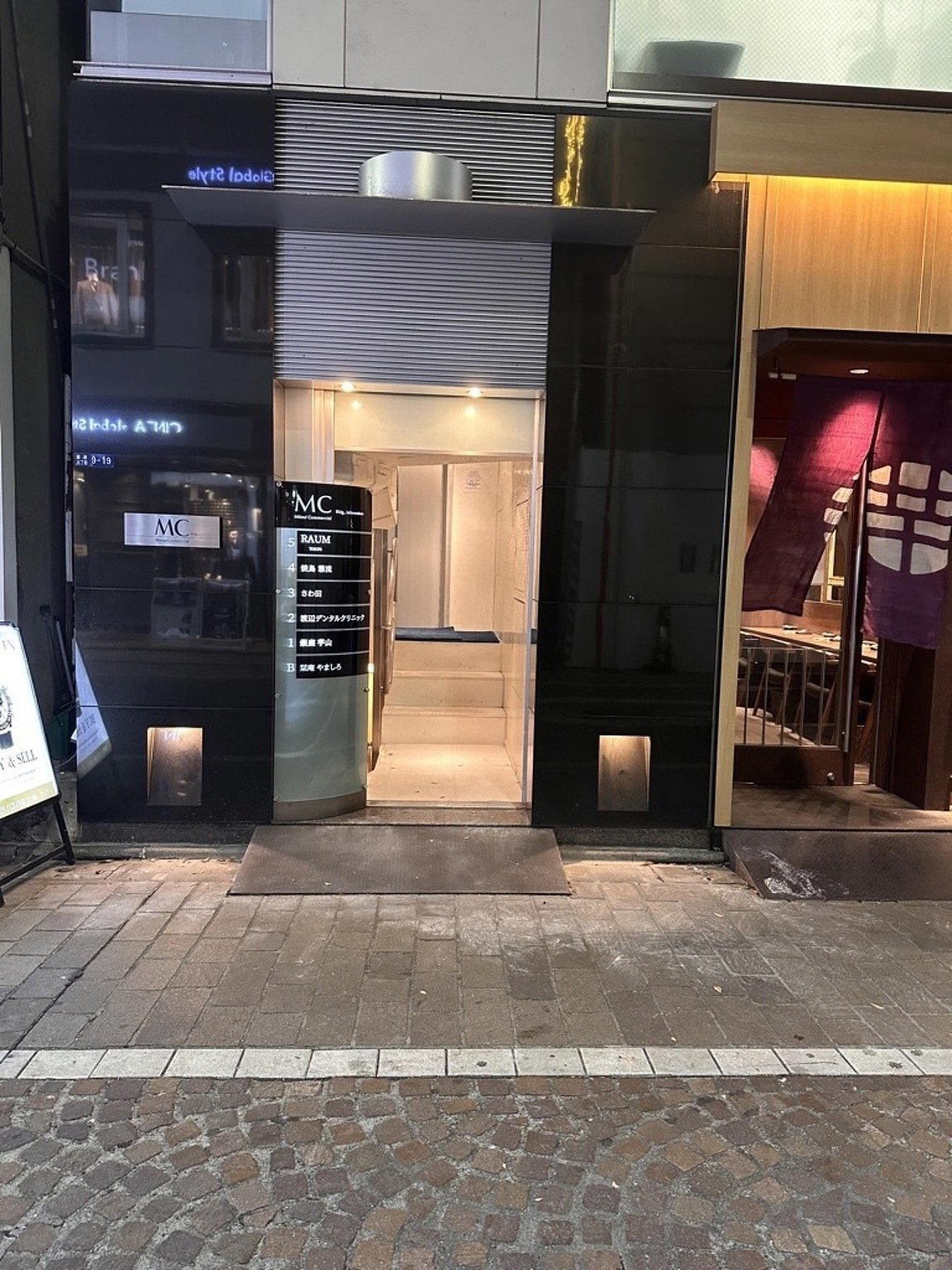
Address: 3F, Tokyo Midtown Hibiya, 1-1-2 Yurakucho, Chiyoda City, Tokyo 100-0006
Access: Yurakucho Station (JR Keihin-Tohoku/Yamanote lines, 2-minute walk); Hibiya Station (Tokyo Metro Hibiya/Chiyoda/Toei Mita lines, direct underground access)
Floor: 3F, Unit 316 within Tokyo Midtown Hibiya
Booking: Advance reservation strongly advisable given the address and format; contact via the venue directly or through Tokyo Midtown Hibiya's restaurant reservation channels
Leading timing: Weekday evenings draw a business-oriented crowd; weekend lunch offers a slightly more relaxed booking window
Dress code: Smart dress is appropriate given the building's formality register; business casual at minimum is the observable norm for the Hibiya dining circuit
Frequently asked questions
What's サローネ トウキョウ's location?
サローネ トウキョウ is located at Japan, 〒100-0006 Tokyo, Chiyoda City, Yurakucho, 1 Chome−1−2 東京ミッドタウン日比谷 3F 316, Tokyo.
Is Salone Tokyo a good choice for Italian fine dining near Ginza and Hibiya?
Salone Tokyo occupies the third floor of Tokyo Midtown Hibiya in Chiyoda City, placing it within a short walk of Ginza and directly above Hibiya Park, which makes it one of the more accessible European fine-dining options in that corridor. The restaurant operates within Tokyo's Italian fine-dining tier, where European culinary frameworks are applied to Japanese regional sourcing, a combination that draws both business and leisure diners familiar with the Midtown brand's positioning. For travellers already oriented around Ginza or the Imperial Palace area, the location removes the need to cross into Minato or Shinjuku for comparable Italian.
What's the signature dish at サローネ トウキョウ?
Specific menu details for Salone Tokyo are not published in a fixed format, which is consistent with Italian fine-dining restaurants in Tokyo that rotate dishes around seasonal Japanese produce. The kitchen's structural identity, based at Tokyo Midtown Hibiya in Chiyoda City, centres on applying European technique to domestically sourced ingredients, so the menu changes with the season rather than anchoring around a single marquee dish. For the current tasting composition, contacting the restaurant directly or checking reservation platforms is the most reliable approach.
Do they take walk-ins at サローネ トウキョウ?
Salone Tokyo sits on the third floor of Tokyo Midtown Hibiya at 1-1-2 Yurakucho, a development that drew significant dining demand when it opened in March 2018. At that address and tier, walk-in availability is limited and advance reservations are strongly advisable, particularly on weekends and evenings. Checking directly with the restaurant or using a reservation platform is the practical route for securing a table.
Cuisine and Credentials
Comparable venues nearby, for context on price, style, and recognition.
| Venue | Cuisine | Price | Awards | Notes |
|---|---|---|---|---|
| サローネ トウキョウThis venue (the venue you are viewing) | Contemporary Italian Ristorante | $150–200 | Tabelog 100 #67 | Not listed |
| Etruschi | Innovative Italian | $100–150 | Gambero Rosso 2 Forchette | Minato |
| infinito HIRO | Seasonal Italian Fine Dining | $200–300 | Tabelog 100 #48 | Minato |
| アルヴァ | Modern Italian with Japanese Influences | $150–200 | Michelin Plate | Chiyoda |
| L'appartamento di NAOKI | Wood-fired Italian tasting counter | $150–200 | Tabelog 100 #17 | Chūō |
| Aman | Modern Italian with Japanese Influences | $150–200 | Michelin Plate | Chiyoda |
Recognition history
Dated appearances from independent guides and award organizations, with the underlying list record or original source where available.
Tabelog 100 #67 · No. 67
Tabelog · Tabelog 100 - Italian - TOKYO - 2025