
Tabelog 100 #47
Our verdict
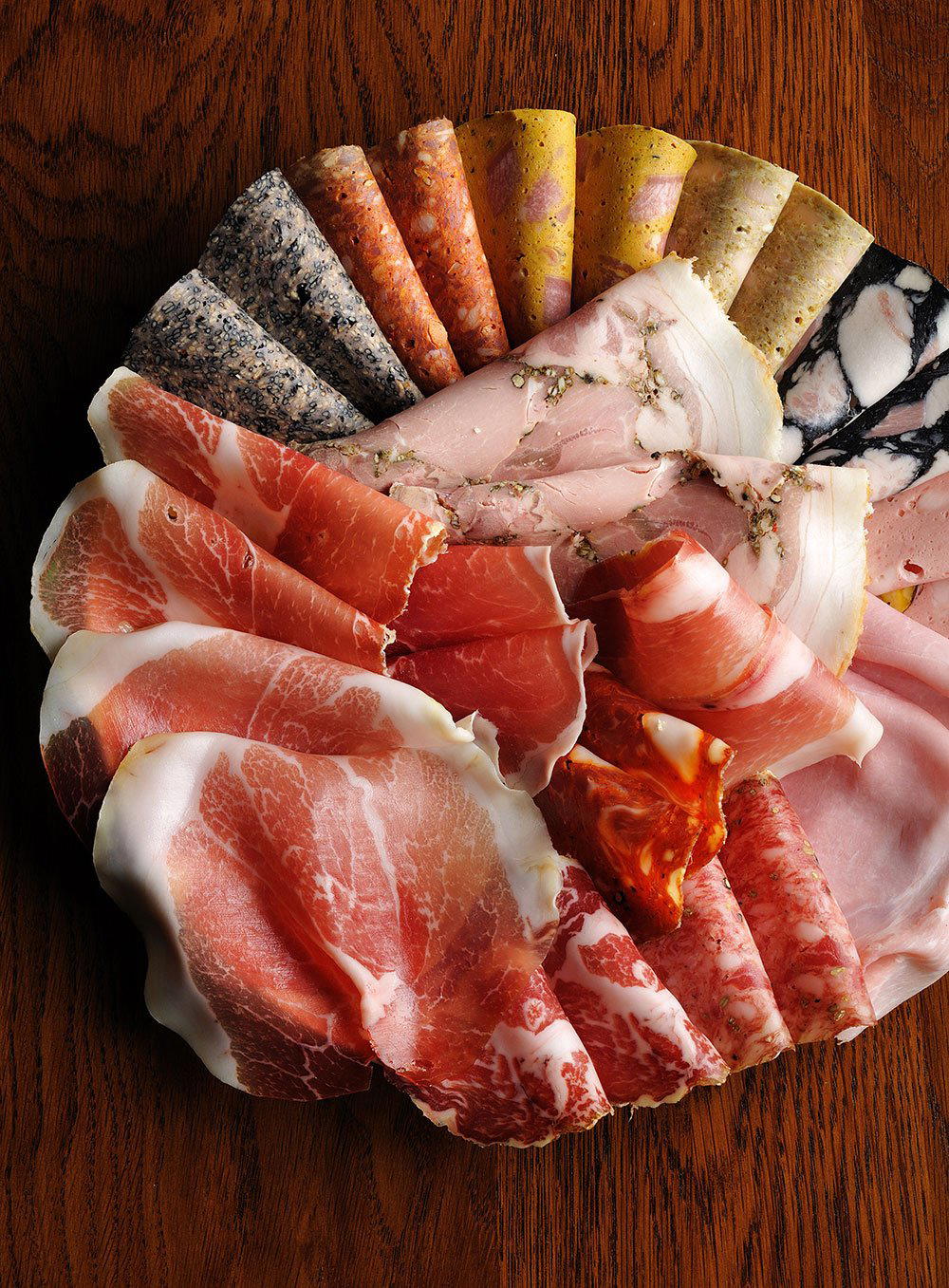
イル・コテキーノ sits in Yamagata's Akoyacho district, bringing Italian cooking to a city better known for its mountain vegetables and cold-weather ramen culture. The name references cotechino, the cured pork sausage central to northern Italian tradition, signalling where the kitchen's reference points lie. For Yamagata, that specificity of European culinary heritage is itself a statement worth paying attention to.

Pearl is the En Primeur Club membership app — saves, bookings, and concierge access live there. Same editors, same standards.
- Address
- 2 Chome-1-28 Akoyacho, Yamagata, 990-0025, Japan
- Phone
- +81236640765
- Hours
- Mon–Tue 6–7:30 PMWed–Thu ClosedFri–Sun 6–7:30 PM
- Website
- ilcotechino.com
- Directions
- Get directions
Italian Cooking in a Mountain Prefecture: Why Yamagata Makes Sense
Yamagata Prefecture sits in a pocket of Japan where the food culture is unusually ingredient-driven. The Mogami River valley produces some of the country's most prized cherries, edamame, and foraged mountain vegetables, and the prefecture's cold winters have long shaped a cooking tradition oriented around preservation, depth, and restraint. That context matters when considering why European kitchens, and Italian ones in particular, have found a foothold here. The agrarian rhythms of northern Italy and rural Yamagata are not as far apart as geography implies: both traditions prize seasonal produce, cured meats, and techniques that extract maximum character from limited ingredients.
Across Japan, Italian restaurants have moved well beyond red-sauce approximations. In cities from Osaka to Fukuoka, serious Italian operations now compete in the same award tiers as kaiseki and French fine dining. HAJIME in Osaka and Goh in Fukuoka illustrate how European frameworks have been absorbed and reinterpreted at the highest level in regional Japanese cities. Yamagata, smaller and further from the main Shinkansen corridors, operates in a quieter register, but the appetite for serious European cooking exists here too, particularly among local professionals and visitors arriving via the Yamagata Shinkansen from Tokyo.
The Name as a Signal
イル・コテキーノ takes its name from cotechino, the slow-cooked pork sausage from Emilia-Romagna and the Veneto that appears at the centre of northern Italian winter tables, most famously alongside lentils on New Year's Eve. Naming a restaurant after an ingredient rather than a founder or a romantic abstraction is a choice that implies a kitchen with specific reference points. It suggests an interest in the cured, the slow-cooked, and the cold-weather end of the Italian spectrum rather than the lighter, tomato-forward cooking of the south. In a prefecture where winter temperatures regularly drop well below zero and where the food culture has always leaned toward richness and preservation, that alignment is coherent.
This kind of specificity is worth noting in the context of Yamagata's European dining scene. The city's small cluster of Western-style restaurants operates in a tier where precision of concept matters more than volume. Comparable establishments such as クレド and レストラン パ・マル occupy the French-leaning end of the European spectrum in Yamagata, while 摘草料理 かたつむり represents the prefecture's deep tradition of foraged mountain vegetable cooking. イル・コテキーノ occupies a distinct lane within that local set.
Akoyacho and the Venue's Urban Position
The address, 2 Chome-1-28 Akoyacho, places the restaurant in a central district of Yamagata City, within walking distance of the main commercial areas around Yamagata Station. Akoyacho is a mixed residential and commercial neighbourhood without the concentrated restaurant density of Tokyo's dining districts, which means that a restaurant here builds its clientele through word of mouth and repeat custom rather than foot traffic. That dynamic tends to produce kitchens with a clear sense of their own identity, because they cannot rely on location alone to sustain business.
Yamagata City is accessible from Tokyo in roughly two and a half hours via the Yamagata Shinkansen from Tokyo Station, a journey that has steadily expanded the city's reach as a weekend dining destination for travellers willing to move beyond the Tohoku circuit's more obvious stops. The Zao Onsen ski area to the south and the Yamadera temple complex to the east bring a seasonal visitor base that overlaps with the kind of traveller who looks for serious local restaurants rather than hotel dining rooms. For that audience, a focused Italian operation in the city centre is a practical and appealing option.
Italian Tradition and What It Asks of a Kitchen in Japan
Running a credible Italian restaurant in regional Japan presents a specific set of challenges. The imported ingredient supply chain that Tokyo's Italian kitchens take for granted becomes more complicated outside the major cities. Cheese, cured meats, particular cuts of pork, and certain wine labels require either direct import relationships or sourcing through Tokyo-based distributors. Kitchens that manage this well typically compensate by building stronger connections with local producers, substituting regional Japanese ingredients where they can hold their own alongside European preparations. Yamagata's agricultural strength makes that negotiation more viable here than in many other regional Japanese cities.
The broader pattern across Japan's regional Italian scene is instructive. Places such as akordu in Nara have demonstrated that European fine dining, when it engages seriously with local produce and builds a coherent concept, can achieve recognition well beyond its city's scale. In Yamagata, the conditions for that kind of kitchen exist: strong local agriculture, a sophisticated local food culture shaped by both mountain tradition and rice-growing heritage, and a visitor base increasingly drawn from beyond the prefecture.
Reading the Yamagata Dining Context
The city's dining scene is more layered than its national profile suggests. Chuka Soba Dokoro Konpiraso anchors the city's reputation in ramen, a category where Yamagata holds distinct regional identity. But the European side of Yamagata's dining runs in parallel, not in competition, with that tradition. Travellers who arrive expecting only cold-weather noodles and mountain vegetables will find a more varied table than anticipated. For anyone building a serious eating itinerary in the Tohoku region, Yamagata rewards the same planning discipline that applies to Kyoto or Kanazawa, just at a different scale and price point.
For broader regional comparison, the EP Club also covers European-influenced dining in other regional Japanese cities: Bistro Ange in Toyohashi and Birdland in Sakai represent the kind of focused, city-specific European operations that exist outside the major metros. Internationally, the structural contrast between a small-city European restaurant and a major-market institution is sharpest when set against places such as Le Bernardin in New York City or Atomix in New York City, where scale and media visibility shape dining culture in fundamentally different ways.
See the full Yamagata restaurants guide for a broader picture of where the city's dining is moving, including regional Japanese options alongside Western-style kitchens.
Planning a Visit
The Akoyacho address is in a walkable central location. Given the scale of Yamagata's European dining market, these operations tend toward moderate seat counts and limited service windows, so confirming availability before arriving is advisable regardless of booking method. Visiting Yamagata in autumn, when the prefecture's agricultural harvest is at its fullest, aligns with the northern Italian culinary calendar that a kitchen named for cotechino is likely to follow.
Frequently asked questions
What's the address for イル・コテキーノ?
イル・コテキーノ is located at 2 Chome-1-28 Akoyacho, Yamagata, 990-0025, Japan, Yamagata.
Does イル・コテキーノ use locally sourced Yamagata ingredients in its Italian cooking?
Yamagata Prefecture has a food culture built around high-quality regional produce, including Mogami River valley vegetables, Yonezawa beef, and Yamagata Dashi, which makes it a practical base for a kitchen that wants to work with northern Italian technique alongside local Japanese ingredients. The restaurant's address in central Yamagata City at Akoyacho places it within reach of the prefecture's supply networks.
What's the best thing to order at イル・コテキーノ?
The restaurant's name references cotechino, the slow-cooked pork sausage central to Emilia-Romagna and Veneto tradition, which signals where the kitchen's focus lies. That northern Italian framing suggests cured and braised meat preparations are the anchor of the menu.
What's the best way to book イル・コテキーノ?
The restaurant is located at 2 Chome-1-28 Akoyacho, Yamagata City, so calling ahead in person or via a hotel concierge familiar with the Akoyacho district is a practical fallback for international visitors.
What's the standout thing about イル・コテキーノ?
The decision to anchor an Italian restaurant in Yamagata City rather than Tokyo or Osaka is itself a statement. Yamagata Prefecture produces some of Japan's most ingredient-focused food culture, from Mogami River valley produce to regionally prized proteins, which gives a kitchen committed to northern Italian technique a credible local larder to draw from. That intersection of Emilia-Romagna tradition and Tohoku sourcing is what separates this address from the broader field of Italian restaurants in Japan.
Is イル・コテキーノ good for vegetarians?
The cotechino reference in the restaurant's name positions meat, specifically cured and slow-cooked pork, at the centre of its identity, which is consistent with northern Italian cooking from Emilia-Romagna. Contacting the restaurant directly before booking is advisable if a plant-based diet is a factor.
A Pricing-First Comparison
Comparable venues nearby, for context on price, style, and recognition.
| Venue | Cuisine | Price | Awards | Notes |
|---|---|---|---|---|
| イル・コテキーノThis venue — the venue you are viewing | Italian Charcuterie Specialist | $50–100 | Tabelog 100 #47 | Not listed |
| クレド | Modern French | $50–100 | Tabelog 100 #35 | Iida, Modern French |
| Tsukumo | Tempura and soba | $30–50 | Tabelog 100 #82 | Narisawanishi, Tempura and soba |
| Yakiniku Meisho Yamagyu Yamagata ten | Yamagata Beef Yakiniku | $30–50 | Tabelog 100 #22 | Hatagomachi, Yamagata Beef Yakiniku |
| Soneta Yakitoriya | Traditional Yakitori | $20–30 | Tabelog 100 #71 | Kasumicho, Traditional Yakitori |
| Kanazawa Ya Gyuniku Ten | Traditional Yamagata beef sukiyaki & shabu-shabu | $50–100 | Tabelog 100 #52 | Nanokamachi, Traditional Yamagata beef sukiyaki & shabu-shabu |
Recognition history
Dated appearances from independent guides and award organizations, with the underlying list record or original source where available.
Tabelog 100 #47 · No. 47
Tabelog · Tabelog 100 - Italian - EAST - 2025
Continue exploring
More in Yamagata
Restaurants in Yamagata
Browse all →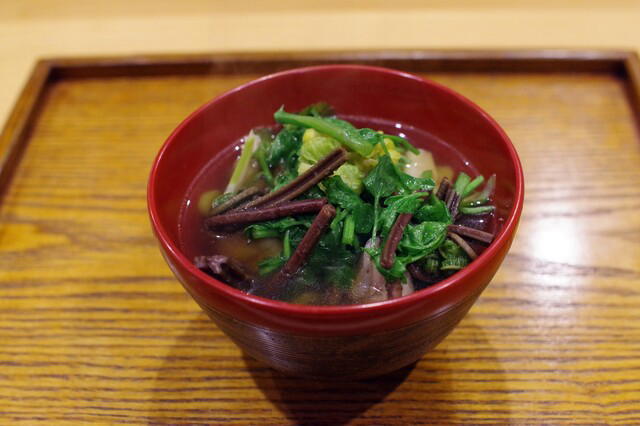

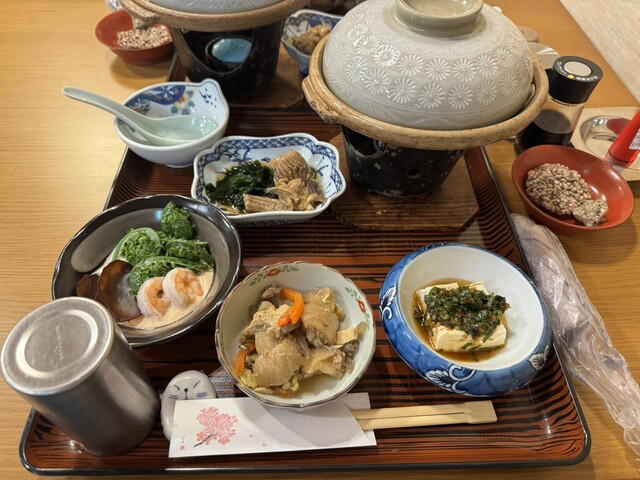
Hotels in Yamagata
Browse all →
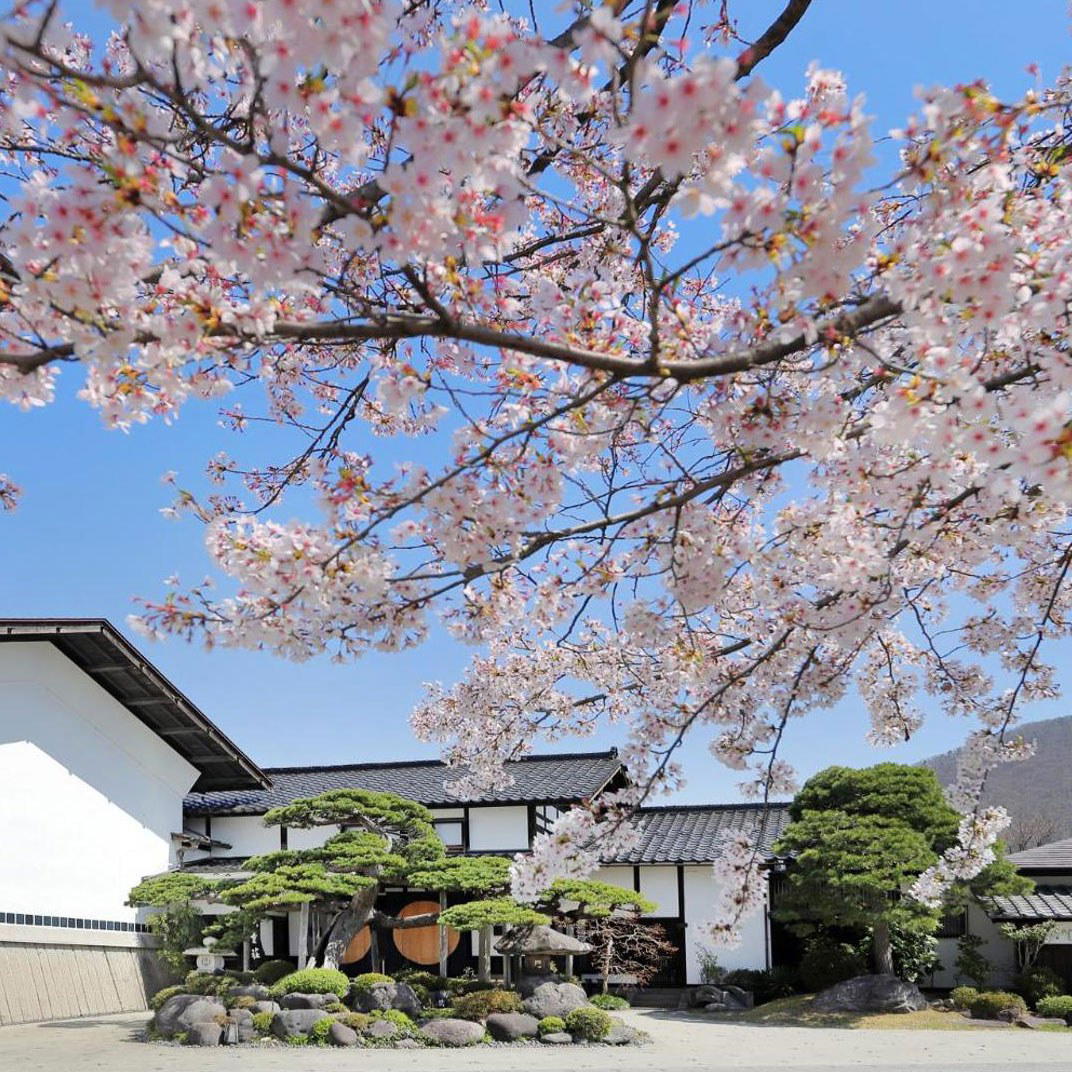
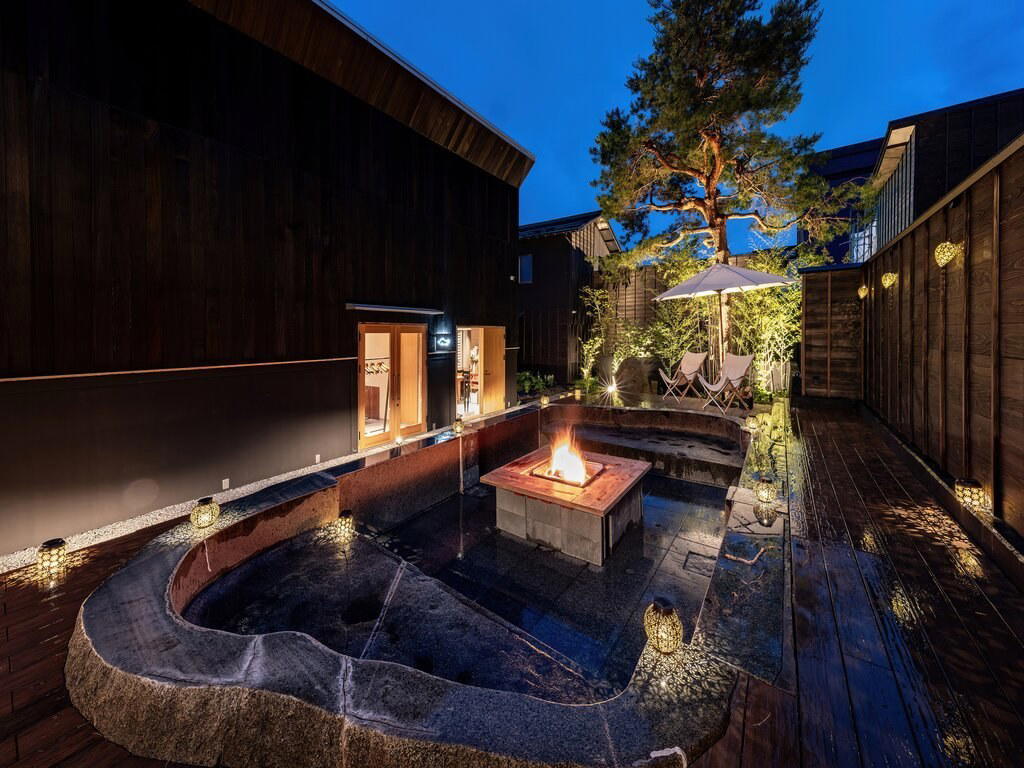
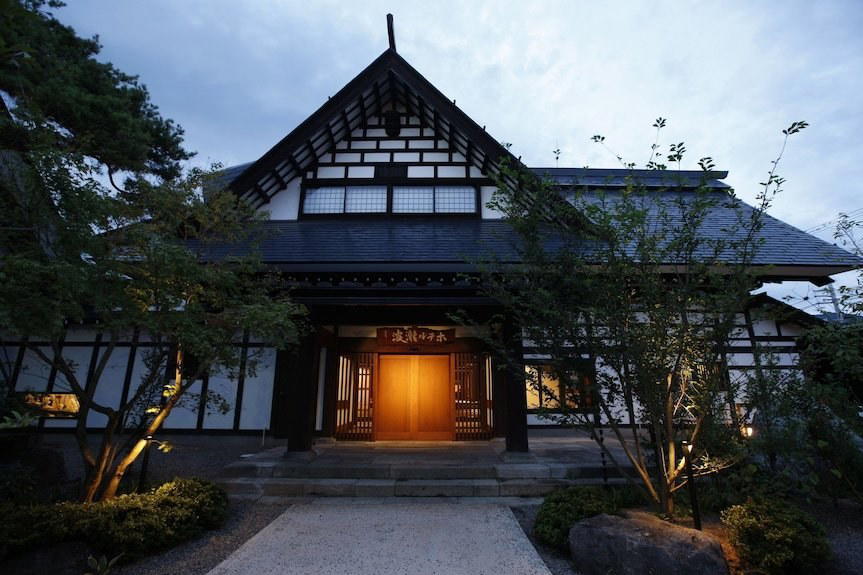
Wineries in Yamagata
Browse all →
Details
- Cozy
- Elegant
- Intimate
- Date Night
- Special Occasion
- Open Kitchen
- Sake Program
- Set Menu
Current opening hours
- Monday
- 6–7:30 PM
- Tuesday
- 6–7:30 PM
- Wednesday
- Closed
- Thursday
- Closed
- Friday
- 6–7:30 PM
- Saturday
- 6–7:30 PM
- Sunday
- 6–7:30 PM
Hours can change for holidays and private events. Last verified .
Chic and serene atmosphere with a focus on the impressive wall of hanging hams and salami, creating a thematic Italian charcuterie experience.