The Booking Problem in Tokyo's Quieter Neighbourhoods
Tokyo's reservation culture operates on assumptions that often catch international visitors off guard. At the upper end of the market, counters like Harutaka or tasting-format rooms like L'Effervescence, bookings open weeks or months in advance and fill through dedicated systems or concierge pipelines. Mid-tier restaurants in Kagurazaka operate differently: many are small rooms, some are reservation-only with phone or direct-contact booking, and several have no meaningful online presence.
The editorial point is broader than any single venue: Kagurazaka's most interesting small rooms are disproportionately underbooked by international visitors precisely because they lack the English-language infrastructure of Ginza or Marunouchi. That gap is a planning consideration, not a quality signal. Restaurants in this neighbourhood are peer-set with kaiseki rooms like RyuGin in terms of the seriousness of the dining culture, even when their external visibility is lower.
Format and Scene: What Kagurazaka Restaurants Signal
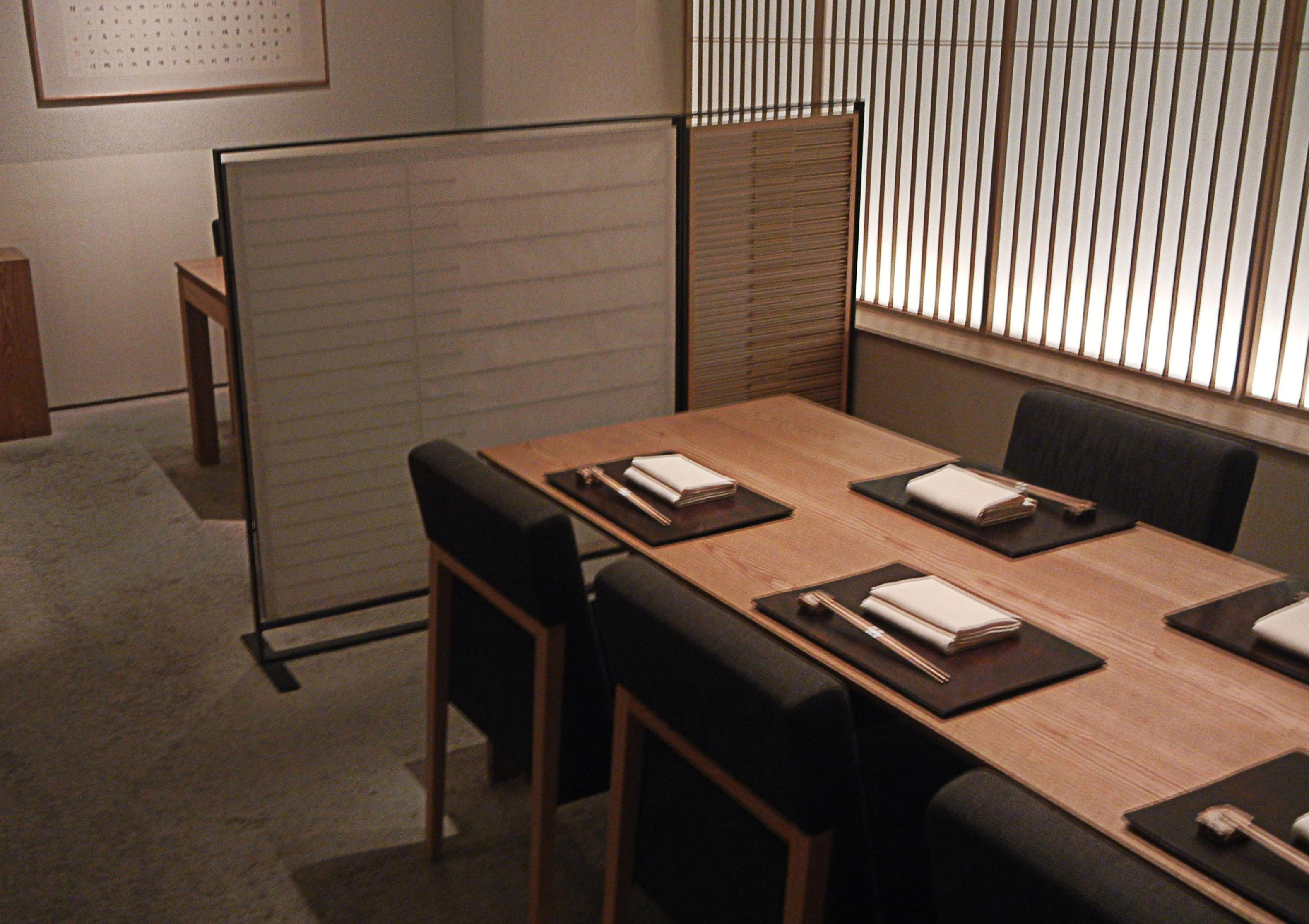
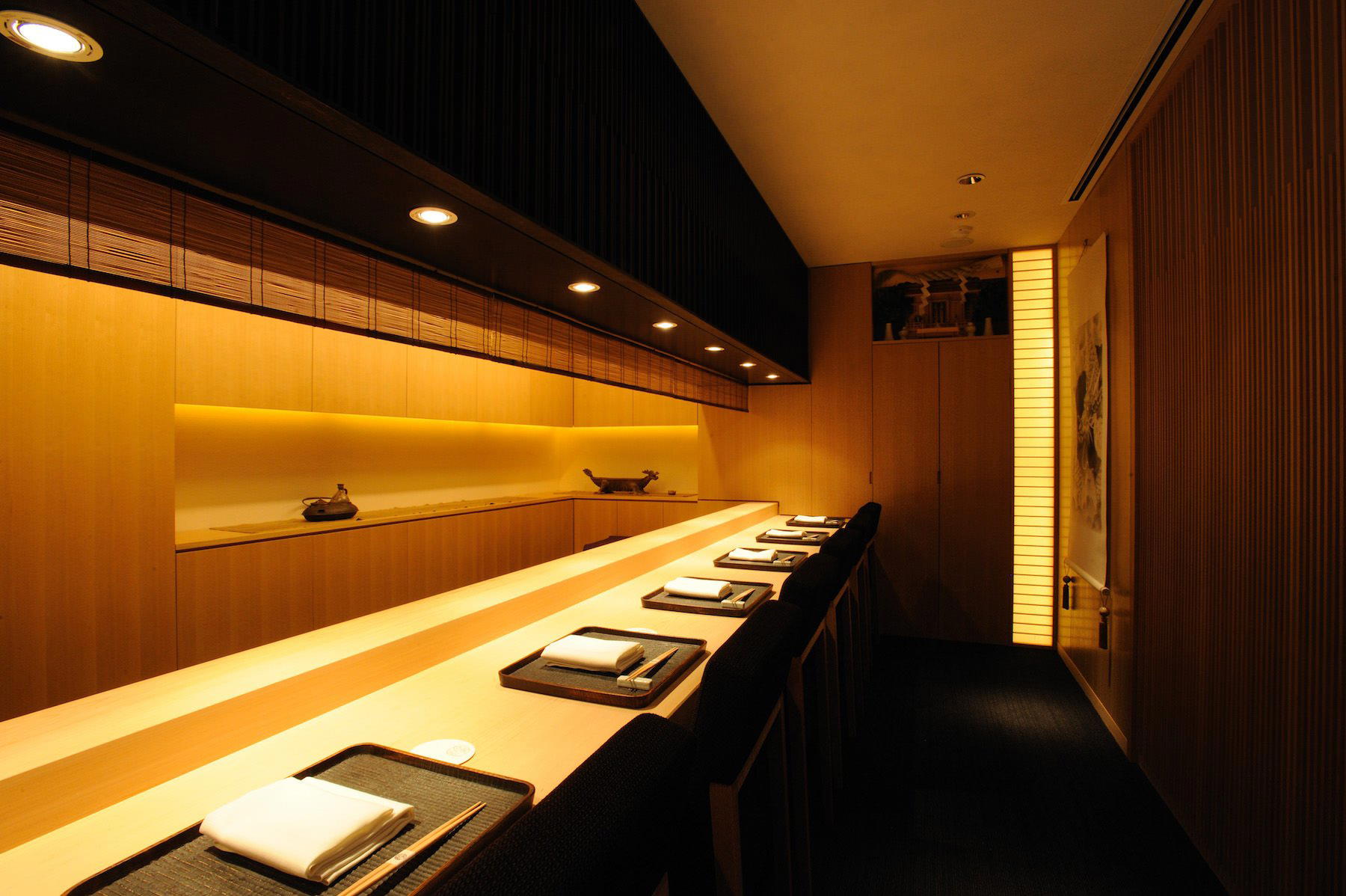
Without confirmed cuisine type, seat count, or menu format for エスタシオン, the neighbourhood context provides the most reliable frame for a first-time visitor. Kagurazaka's dining rooms tend toward intimate scale: ten to thirty covers is common, and the room design typically prioritises quiet and privacy over open kitchens or communal energy. The neighbourhood is not where you go for the counter theatre of a high-volume omakase or the open-plan energy of a bistro like Crony. It is where Tokyo residents go when the occasion requires a room that will hold the conversation without competing with it.
Across Japan's premium dining geography, this kind of neighbourhood plays a specific role. HAJIME in Osaka and Gion Sasaki in Kyoto occupy similar positions in their respective cities: addresses where serious dining happens without the apparatus of international recognition driving foot traffic. akordu in Nara and Goh in Fukuoka extend that pattern into smaller cities. The common thread is a dining culture that operates on local reputation and repeat clientele rather than awards-driven tourism.
For comparison, venues further from major urban centres, 一本木 名川制 in Nanao, 羽根屋 in Nishikawa Machi, or 湖畔荘庵 in Takashima, carry similar booking logic: small rooms, local networks, and limited digital presence. Understanding that pattern helps calibrate expectations before arriving in Kagurazaka expecting Ginza-style booking infrastructure.
Placing エスタシオン in the Tokyo Premium Tier
Tokyo's premium dining market has effectively bifurcated. One cohort operates with high visibility: Michelin stars, international press coverage, and booking systems designed to handle foreign-language inquiries. Sézanne is a useful marker for this tier, as is the broader Ginza omakase circuit. The other cohort, where Kagurazaka is well-represented, runs on domestic reputation, word of mouth, and the assumption that guests arrive knowing what they are booking.
This does not mean less serious cooking. It means a different relationship between kitchen and public record. Bistro Ange in Toyohashi and Birdland in Sakai operate in the same quiet-reputation register outside major metros. For reference at the international level, the contrast with venues like Le Bernardin in New York City or Atomix, both of which have extensive English-language booking infrastructure, illustrates how differently the same level of kitchen ambition can present itself depending on market and culture.
The current gap in confirmed data for エスタシオン means the practical advice for any visitor is consistent: treat this as a venue requiring advance groundwork rather than spontaneous arrival. Confirm hours, pricing, and reservation method before building an itinerary around it. For the broader Kagurazaka neighbourhood, our full Tokyo restaurants guide maps the dining tiers across the city with more granular neighbourhood context.
Also worth tracking in the region: 夕仙山乃 in Sapporo operates in a similar low-profile, high-quality register in Hokkaido, which gives a sense of how this dining culture replicates across Japan's regional cities.
Know Before You Go