Tabelog 100 #66
Our verdict
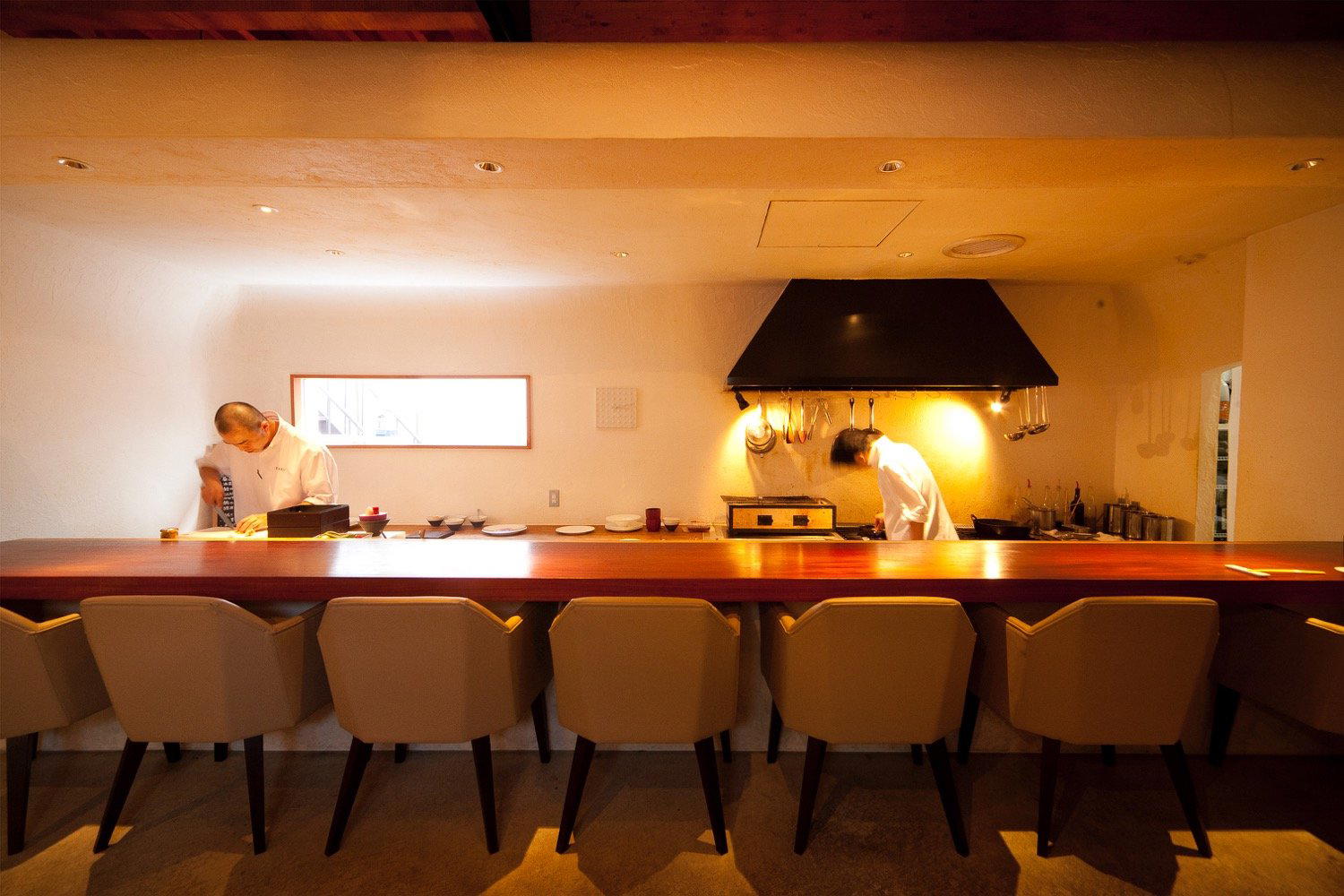
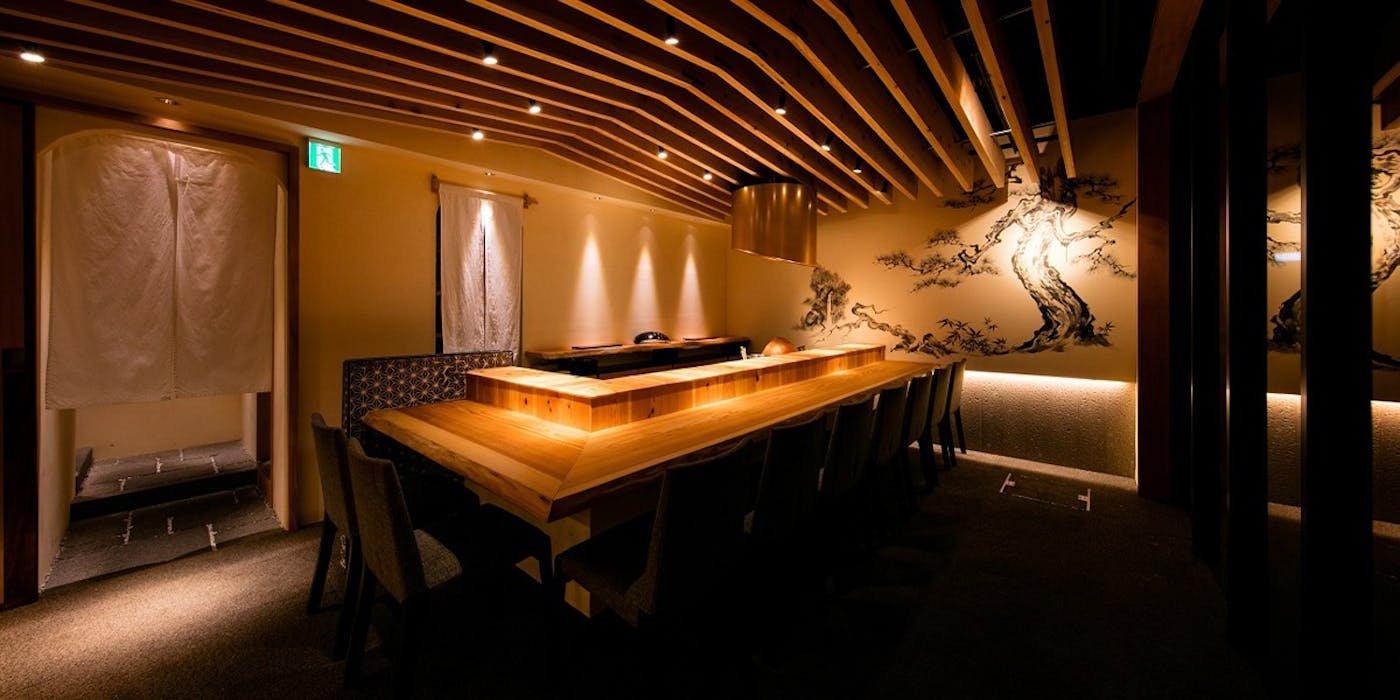
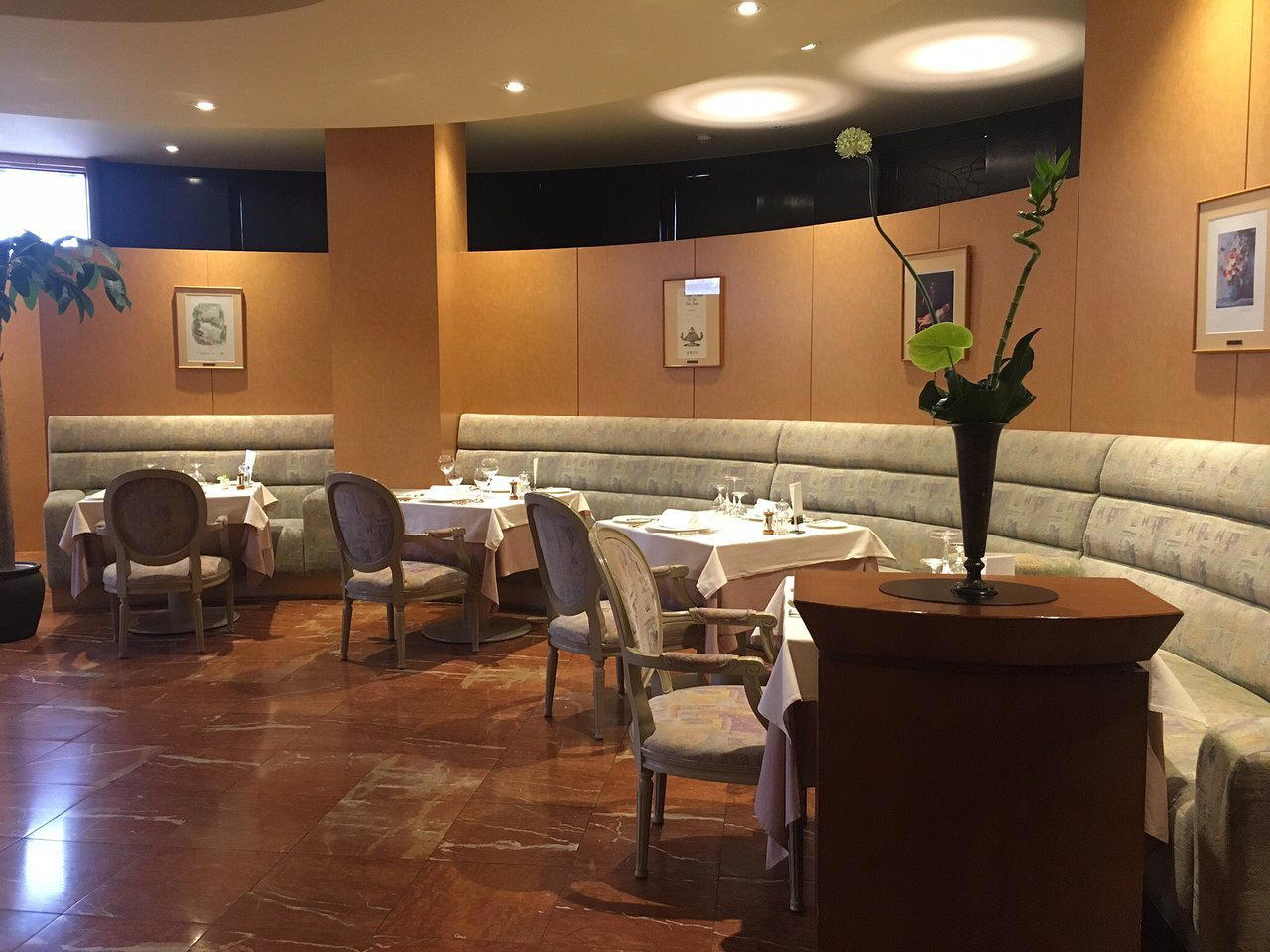
コートドール sits in Sapporo's Miyagaoka neighbourhood, representing the city's quiet but serious commitment to French culinary tradition transplanted into Hokkaido's ingredient-rich context. In a city where ramen and kaiseki command the most attention, this address occupies a different register entirely, one where classical European technique meets the produce cycles of Japan's northernmost island.

Pearl is the En Primeur Club membership app, where members save venues, book tables and use the concierge.
French Cooking at the Northern Edge of Japan
Sapporo occupies an unusual position in Japan's fine dining geography. The city is leading known internationally for its ramen, its beer, and the agricultural abundance of Hokkaido, dairy, seafood, lamb, root vegetables, but it also supports a quieter tradition of serious European-influenced restaurants that draw on that same larder. The gap between a Parisian brasserie and a Hokkaido kitchen is not always as wide as it sounds: both traditions are built on technique applied to exceptional primary ingredients, and in Sapporo, the French restaurant scene has spent decades finding that overlap. コートドール, on Miyagaoka in Chuo Ward, sits inside that tradition.
The address itself signals something. Miyagaoka is a residential hill district in central Sapporo, quieter than the bar-dense corridors of Susukino or the shopping density around Odori. Restaurants that choose this kind of location, away from foot traffic, dependent on reputation rather than passing trade, tend to be built around a specific audience that already knows where it's going. That dynamic is common to serious French houses across Japan, where the dining room is rarely found by accident and the clientele arrives with intent.
The French Restaurant in the Japanese City
To understand what a place like コートドール represents in context, it helps to map the broader pattern. France-trained cooking has been present in Japan's major cities since the mid-twentieth century, initially in hotel dining rooms and later in independent houses where chefs returning from stages in Lyon, Paris, or Burgundy applied classical technique to Japanese produce. That second generation of French restaurants, smaller, chef-led, ingredient-focused, became a recognisable category across Tokyo, Osaka, Kyoto, and eventually regional cities including Sapporo.
The Hokkaido context adds a specific dimension. The island's produce is widely cited by chefs across Japan as among the country's most versatile: summers bring corn, asparagus, and tomatoes of unusual sweetness; winters shift the emphasis to root vegetables, dairy from the island's extensive cattle farms, and seafood from cold Pacific and Sea of Japan waters. A French kitchen working with this supply is not making do with local substitutes, it is accessing ingredients that French technique handles particularly well. The butter-enriched sauces, the cream-based reductions, the roasted meat foundations of classical French cuisine all find natural counterparts in what Hokkaido produces at scale.
This is the context that gives Sapporo's serious French houses their coherence as a category. Alongside more widely discussed addresses like Hanakoji Sawada (Kaiseki) and Arima (Sushi), which represent the city's Japanese fine dining traditions, the European-influenced end of the Sapporo market occupies its own cohort, less prominent in international coverage but functioning at a level that rewards attention.
Where コートドール Sits in Sapporo's Fine Dining Picture
Sapporo's fine dining scene is broader than most visitors from outside Hokkaido realise. The city supports kaiseki, sushi omakase, yakitori at serious levels (see Higebozu), and a range of smaller specialist addresses including aki nagao and Hidetaka. Within that range, the French and French-influenced tier operates differently from Tokyo or Osaka equivalents: the competitive set is smaller, the audience more local, and the pressure to perform within international recognition systems less acute. That relative quietness can work in a diner's favour, these are rooms that function on repeat custom and word of mouth rather than reservation wait-lists driven by international press.
Comparison with French-influenced houses in other Japanese cities is instructive. HAJIME in Osaka operates at the three-Michelin-star level, drawing international visitors specifically to experience its format. akordu in Nara applies European technique within a heritage city context aimed partly at tourists. Goh in Fukuoka has built its reputation on a particular kind of ingredient transparency. Sapporo's French houses, including コートドール, tend to operate closer to the local-institution model: technically serious, supply-chain driven by Hokkaido produce, and built for an audience that returns rather than one making a one-time pilgrimage.
The Cultural Logic of French Technique in Hokkaido
The sustained presence of classical French cooking in a northern Japanese city is not incidental. It reflects a transmission of technique that Japan absorbed with particular thoroughness from the 1960s onward, producing a generation of French-trained Japanese chefs who returned home and adapted what they learned to domestic conditions. The most serious of those adaptations were not fusion exercises, they were applications of European methodology to Japanese supply chains, producing restaurants that are recognisably French in structure but distinctly Japanese in ingredient sourcing and, often, in the precision and consistency of execution.
This pattern has parallels across the global French restaurant tradition. Le Bernardin in New York City represents a different kind of transplant, French technique in an American city built on scale and institution-building. Japan's version is generally quieter and more locally embedded. The French house in a city like Sapporo is not trying to replicate a Parisian original; it is making something coherent from the combination of training, supply, and audience it actually has.
For the diner approaching コートドール from outside the city, the relevant question is not whether it competes with the starred houses of Tokyo or Kyoto. It is whether it represents a serious and coherent engagement with French culinary tradition in a context, Hokkaido's seasonal produce, Sapporo's dining culture, that makes that tradition particularly productive. The address and its neighbourhood suggest a restaurant that has operated on the logic of quality-for-a-specific-audience rather than scale or profile, which in the French dining category is usually a reliable orientation.
Planning Your Visit
コートドール is located at 1 Chome-2-38 Miyagaoka, Chuo Ward, Sapporo, a residential area that requires deliberate navigation rather than stumbling upon. Visitors flying into New Chitose Airport reach central Sapporo by train in under 40 minutes, and Chuo Ward is accessible from the city's subway network. Given the location and the nature of the restaurant category, advance reservation is strongly advised; French houses of this type in Japanese cities typically operate on set menus with fixed service times, meaning walk-in access is unlikely to be available. For a broader picture of what the city offers across cuisine types, the our full Sapporo restaurants guide covers the range from kaiseki to ramen to European-influenced addresses in detail.
Readers building a wider Japan itinerary around serious French or European-influenced dining should also consider Harutaka in Tokyo, Gion Sasaki in Kyoto, and regional addresses such as Bistro Ange in Toyohashi and Birdland in Sakai for a cross-section of how European technique operates across different Japanese cities and produce contexts. Further afield, 一本杉川島製 in Nanao, 湖畔荘 in Takashima, and 庄羽屋 in Nishikawa Machi represent the regional Japan dining circuit that serious itinerary-builders increasingly factor into Hokkaido and Tohoku trips. Atomix in New York City offers a useful comparison point for how Asian fine dining traditions translate into Western markets, a dynamic that runs in both directions.
Frequently asked questions
Where is コートドール located?
コートドール is located at 1 Chome-2-38 Miyagaoka, Chuo Ward, Sapporo, Hokkaido 064-0959, Japan, Sapporo.
Why is a French restaurant located in a residential area of Sapporo rather than the central dining district?
コートドール sits at 1 Chome-2-38 Miyagaoka, a residential pocket of Chuo Ward rather than Susukino or Odori's denser restaurant clusters. This positioning follows a pattern common among serious French establishments in Japanese cities, where chefs and owners often choose neighbourhood settings to control the dining environment and build a local regular clientele over years. In Sapporo, where Hokkaido's agricultural and seafood supply chains are a genuine competitive advantage, proximity to the city's quieter residential fabric can matter more than foot traffic.
What's the signature dish at コートドール?
Given its grounding in classical French technique within Hokkaido's ingredient-rich context, the kitchen likely draws on the prefecture's dairy, seafood, and lamb, but confirming the current menu requires contacting the restaurant directly or checking on arrival at 1 Chome-2-38 Miyagaoka, Chuo Ward, Sapporo.
Do I need a reservation for コートドール?
For a French restaurant in Sapporo's Miyagaoka district operating at this level of the dining tier, walk-ins are rarely reliable. Reservations should be secured in advance, particularly on weekends and during Hokkaido's peak tourist seasons. No online booking link or phone number is currently listed publicly, so reaching out through local concierge services is the practical route.
What's the signature at コートドール?
コートドール's defining characteristic is its commitment to classical French cooking in a city far better known internationally for ramen and beer. The Miyagaoka address places it in a quiet residential corner of Chuo Ward, which means guests arrive with intention rather than passing curiosity, a dynamic that shapes the room's tone.
Comparable Spots, Quickly
Comparable venues nearby, for context on price, style, and recognition.
| Venue | Cuisine | Price | Awards | Notes |
|---|---|---|---|---|
| コートドールThis venue (the venue you are viewing) | Modern French | $100–150 | Tabelog 100 #66 | Not listed |
| La Sante | Seasonal French using Hokkaido ingredients | $100–150 | Tabelog 100 #45 | Chūō |
| Moliere | French with Hokkaido Influences | $150–200 | Relais Chateaux Award | Chūō |
| オーベルジュ・ド・リル・サッポロ | Fine French and Alsatian Cuisine | Not listed | Tabelog 100 #63 | Chūō |
| Restaurant ASPERGE | Farm-to-table French with Hokkaido produce | $30–50 | Tabelog 100 #13 | Biei |
| Sushi Natsume Honten | Traditional Sushi Omakase | $100–150 | Tabelog 100 #14 | Chūō |
Recognition history
Dated appearances from independent guides and award organizations, with the underlying list record or original source where available.
Tabelog 100 #66 · No. 66
Tabelog · Tabelog 100 - French - EAST - 2025