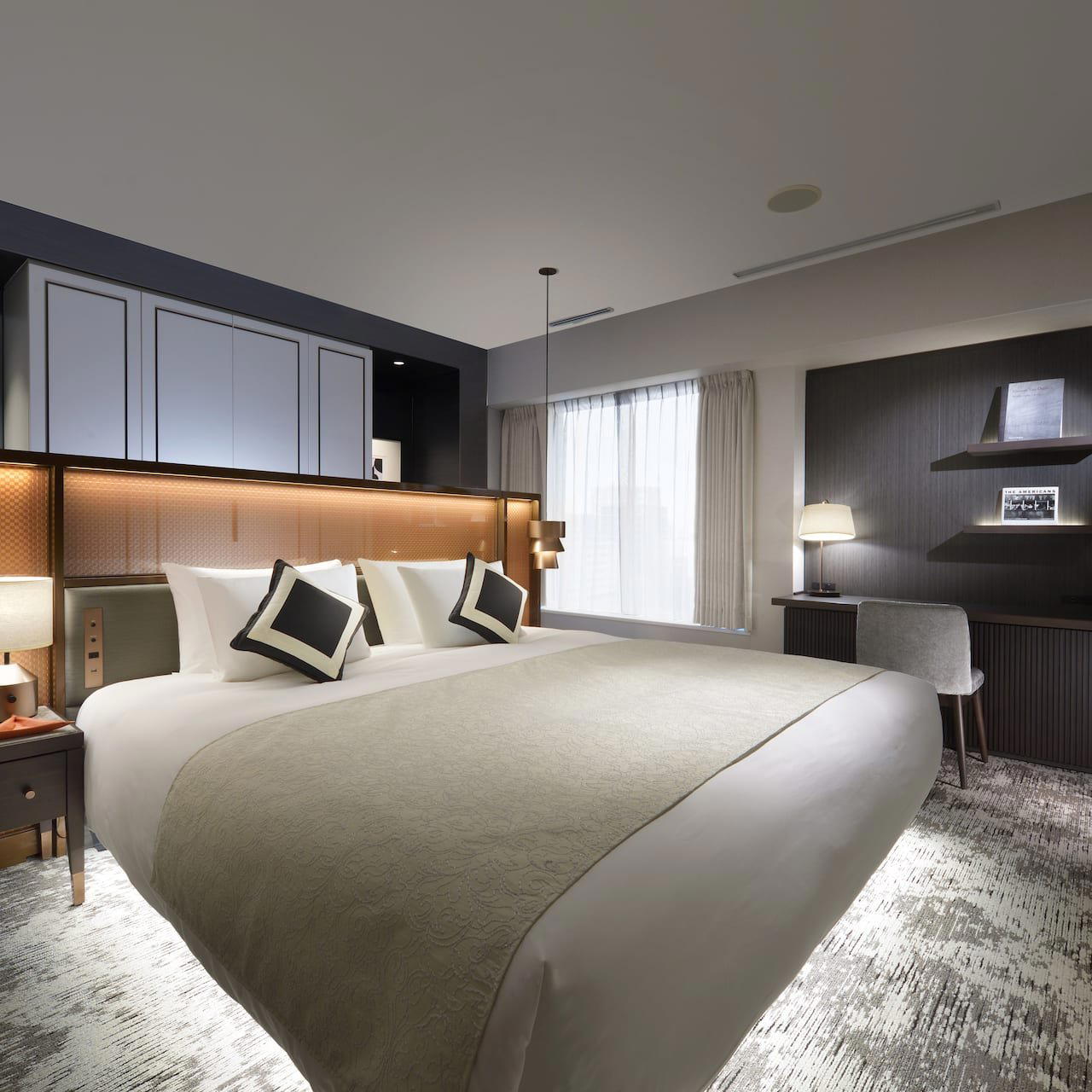
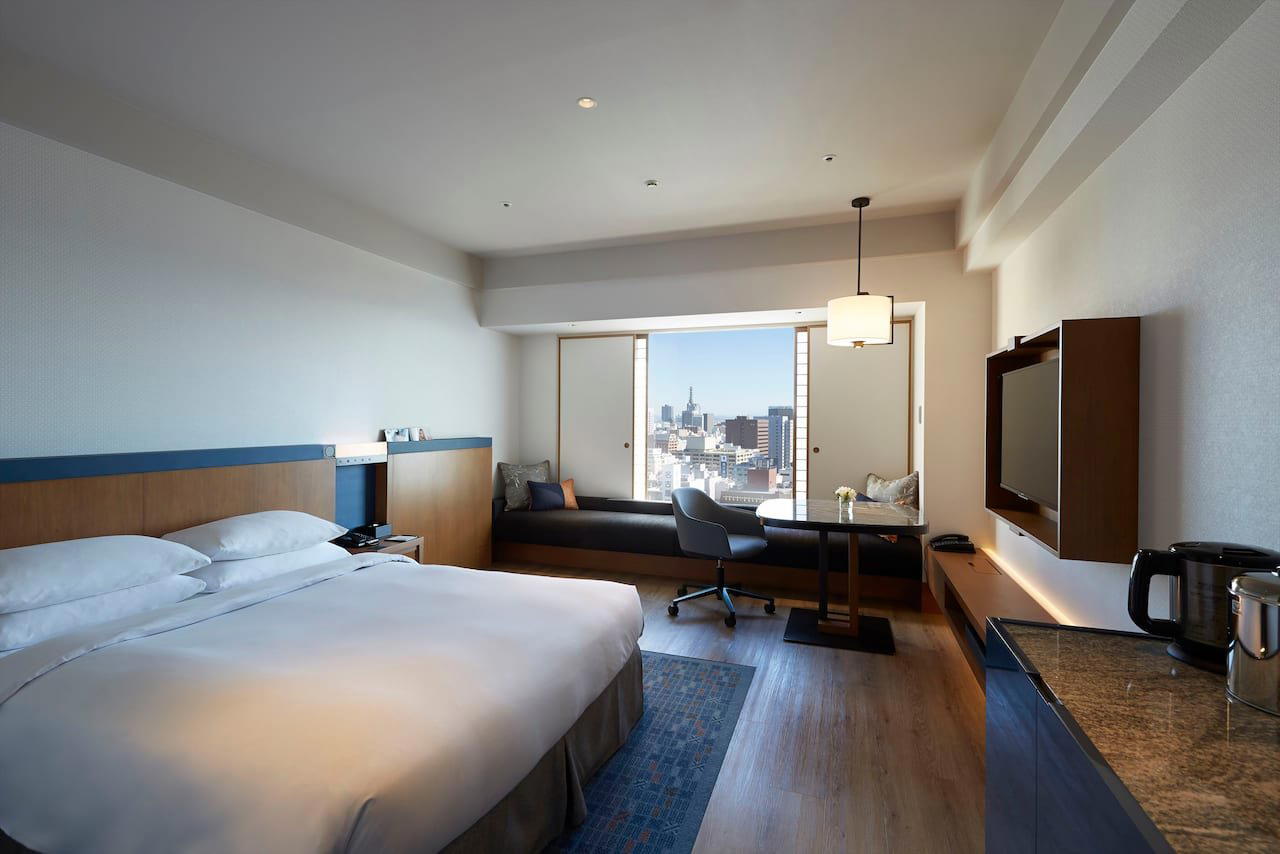
Tabelog 100 #83
Our verdict
アリーニュ occupies a precise address in Nagoya's Shinsakae district, where the city's appetite for technique-driven cooking meets a strong regional produce tradition. The restaurant positions itself within a tier of Nagoya dining that prizes imported culinary methods applied to local ingredients, a format increasingly common among the city's serious Western-influenced tables. Reserve well in advance; this is not a walk-in destination.

Pearl is the En Primeur Club membership app, where members save venues, book tables and use the concierge.
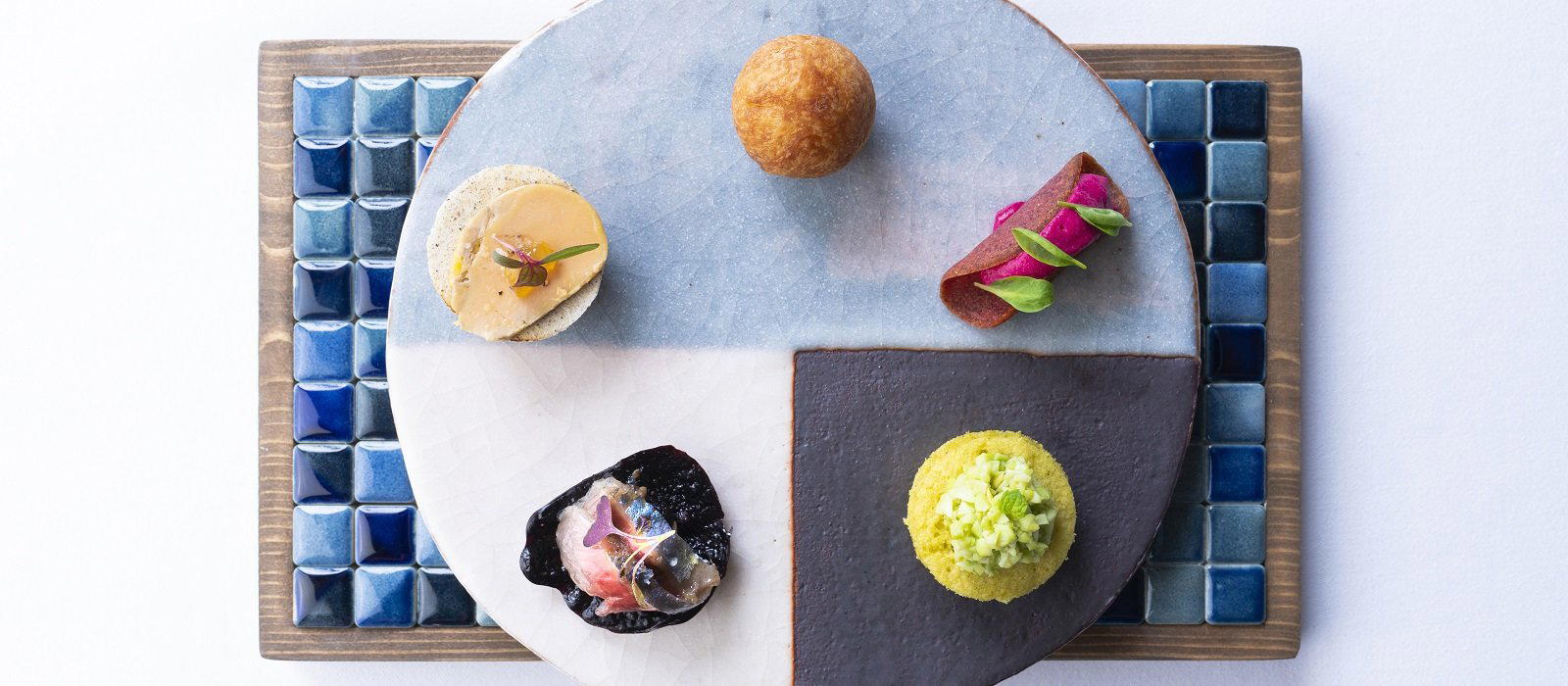
The menu
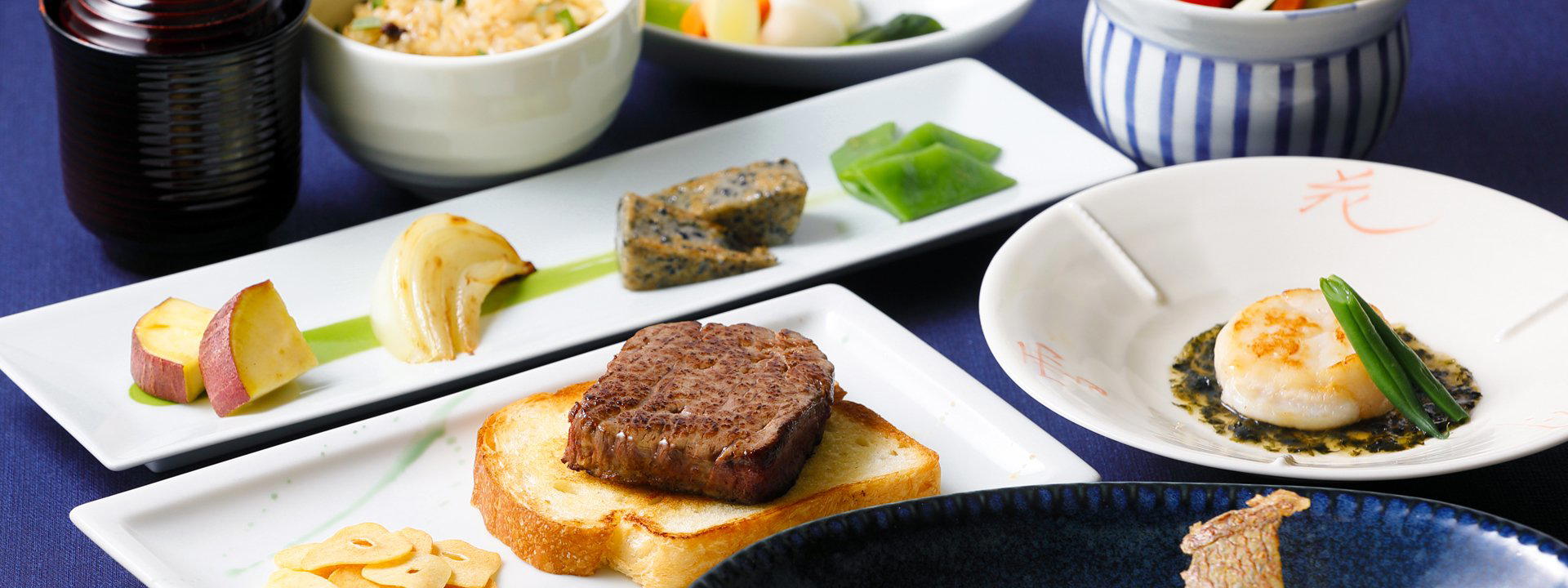
What to order
- Artistic Desserts
- Farm Vegetable Preparations
Shinsakae and the Tier It Sits In
Nagoya's Naka Ward has developed a recognisable concentration of restaurants that operate outside the city's better-known comfort foods, the hitsumabushi at Atsuta Horaiken (あつた蓬莱軒 本店), the regional noodle variations, the chicken dishes tied to Nagoya Cochin. What has emerged in Shinsakae specifically is a smaller cluster of Western-influenced tables that treat Aichi Prefecture's agricultural output as raw material for imported techniques rather than for local tradition. アリーニュ sits within that cluster, at 2 Chome-3-12 Shinsakae, a precise address in a district that has quietly become one of Nagoya's more considered dining corridors.
The pattern here mirrors what has happened in Nara with akordu and in Fukuoka with Goh: provincial Japanese cities producing restaurants that draw on European structure while remaining grounded in what the surrounding region actually grows and catches. It is a format that rewards attention to seasonality and supply chain over theatrical plating or imported prestige ingredients.
The Local-Global Axis That Defines the Kitchen
Aichi Prefecture is an underappreciated agricultural region. Mikawa Bay produces shellfish of consistent quality. The Chita Peninsula grows vegetables in a climate that sits between the warmer Pacific coast and the more temperate inland zones. Nagoya Cochin, the prefecture's branded chicken breed, has a marbling structure that responds differently to French-derived cooking methods than commodity poultry does. Restaurants in the アリーニュ tier use this material not as a nationalist statement but as a practical advantage: proximity to source, lower logistics cost, and access to producers who supply at a different quality threshold than what reaches the wholesale markets serving large hotel kitchens.
This is the same tension that defines serious independent restaurants across Japan's second-tier cities. In Kyoto, Gion Sasaki demonstrates how kaiseki discipline can absorb influence without dissolving its regional identity. In Osaka, HAJIME applies precision technique to an aesthetic that is distinctly Japanese despite its French structural references. Nagoya's version of this negotiation is less documented in international press, which partly explains why restaurants like アリーニュ operate below the radar of the broader dining conversation despite serving food that sits at a comparable technical register.
Closer to the Italian tradition, Nagoya has a cohort of restaurants, including Bacio, cucina Wada, and Cucina Italiana Gallura, applying European frameworks to local ingredients in ways that have built genuine local followings without relying on international award recognition. Chez Kobe represents a slightly older model of French-Japanese crossover that earlier generations of Nagoya diners used as their reference point. アリーニュ belongs to a newer iteration of this tradition.
How the Format Works
Restaurants in this category in Nagoya typically operate on a reservation-first basis, with seatings structured around a set menu or a menu with limited variation. The format removes the transactional element of à la carte ordering and allows the kitchen to commit to a specific supply chain decision on a given day, if the Mikawa shellfish is at a particular quality level, the entire table receives it rather than the kitchen holding it for the one or two guests who might have ordered it à la carte. This is the same logic that drives tasting menu formats at Harutaka in Tokyo and at the more technique-focused end of the New York dining tier, including Atomix.
The consequence for the guest is a more committed booking process. Walk-in availability at restaurants operating in this format is limited and largely seasonal. Midweek lunch seatings tend to be slightly more accessible than weekend dinner, a pattern consistent across comparable tables in Nagoya's Naka Ward. Early reservation is the operative strategy here, particularly for Friday and Saturday evenings when competition from corporate entertaining and anniversary bookings compresses availability further.
Placing アリーニュ Against Its Regional Peers
The broader Japan regional dining circuit has produced several restaurants in the last decade that demonstrate how technique-driven kitchens outside Tokyo and Kyoto can operate at a level that warrants serious attention. 一本木 有川製 in Nanao, 古代今山乃 in Sapporo, and 湖畔荘 in Takashima each represent a different version of the same underlying logic: regional ingredients, serious technical grounding, and an audience that has developed the appetite for this format. 広羽屋 in Nishikawa Machi and Birdland in Sakai add further texture to this picture of Japanese regional dining operating at a level that international coverage has been slow to catch up with.
For reference points outside Japan entirely, the model of applying high technique to locally sourced ingredients in a mid-size city context has clear parallels at Le Bernardin in New York City, where the discipline of a single-minded approach to sourcing and technique has defined the restaurant's identity across decades rather than menu novelty. The analogy is not one of scale but of philosophy: clarity of focus tends to produce more durable kitchens than versatility for its own sake.
Planning Your Visit
アリーニュ is located at 2 Chome-3-12 Shinsakae in Naka Ward, Nagoya, a district walkable from Sakae station and accessible from Nagoya Station by subway on the Higashiyama Line. The Shinsakae address places it in a neighbourhood that transitions between daytime retail and evening dining, meaning the surrounding streets are active at dinner but not particularly crowded at lunch. Advance reservation is strongly recommended; the format and the address both point toward a kitchen that fills its covers through bookings rather than passing trade. For a broader orientation to what Nagoya's dining circuit offers, the full Nagoya restaurants guide maps the city's tables across formats, price tiers, and neighbourhoods.
Frequently asked questions
Where is アリーニュ located?
アリーニュ is located at 2 Chome-3-12 Shinsakae, Naka Ward, Nagoya, Aichi 460-0007, Japan, Nagoya.
How does アリーニュ in Nagoya compare to Tokyo's technique-driven restaurants at a similar tier?
The regional dining circuit in Japan has produced a distinct wave of kitchens outside Tokyo that match the technical ambition of capital-city counterparts while drawing on hyper-local supply chains unavailable to Tokyo restaurants. アリーニュ sits within that Nagoya cohort, positioned in Shinsakae's concentrated fine-dining corridor in Naka Ward, with access to Aichi Prefecture's Mikawa Bay shellfish and Chita Peninsula produce that Tokyo kitchens typically cannot source with the same immediacy. The trade-off versus Tokyo is scale of peer competition; Nagoya's field is narrower, which means restaurants at this level carry proportionally more weight within the city's dining conversation.
What do regulars order at アリーニュ?
アリーニュ operates within the set-menu format common to technique-focused restaurants at this tier in Nagoya's Naka Ward, which means ordering is not a la carte, the kitchen determines the progression. Regulars in this format typically align their visits around seasonal shifts in the menu, since the Aichi region's agricultural calendar, including Mikawa Bay shellfish and Chita Peninsula vegetables, drives what appears on the plate. Returning guests often book around those seasonal transitions rather than specific dishes.
Do they take walk-ins at アリーニュ?
Restaurants operating at this level in Shinsakae, Nagoya's Naka Ward, run on a reservation-first basis with structured seatings built around a set menu. Walk-in availability at アリーニュ is not something to plan around. The address, 2 Chome-3-12 Shinsakae, places it within reach of Sakae station, but arriving without a booking carries significant risk of being turned away, particularly on evenings when multiple seatings are committed in advance.
A Credentials Check
Comparable venues nearby, for context on price, style, and recognition.
| Venue | Cuisine | Price | Awards | Notes |
|---|---|---|---|---|
| アリーニュThis venue (the venue you are viewing) | Contemporary French with Seasonal Ingredients | $100–150 | Tabelog 100 #83 | Not listed |
| LA MODESTIE | French Wine Restaurant | $100–150 | Tabelog 100 #64 | Higashi |
| シケミチレストラン マツウラ | French with Local Nagoya Ingredients | $50–100 | Tabelog 100 #50 | Nishi |
| ビストロ ラヴィ | French Bistro | $50–100 | Not listed | Chikusa |
| Rose Room Nagoya | Teppanyaki & French Fine Dining | $150–200 | Tabelog 100 #77 | Naka |
| L'atelier Izumi | French Teppanyaki & Wine Bar | $100–150 | Tabelog 100 #39 | Higashi |
Recognition history
Dated appearances from independent guides and award organizations, with the underlying list record or original source where available.
Tabelog 100 #83 · No. 83
Tabelog · Tabelog 100 - French - EAST - 2025