Tabelog 100 #81
Our verdict
ゴーシェ operates within Sapporo's Chuo Ward dining scene, where Hokkaido's agricultural and marine abundance sets the terms for what a serious kitchen can put on a plate. The restaurant sits in a city where proximity to source, dairy farms, seafood ports, vegetable fields, shapes menus more directly than in Japan's southern capitals. Expect cooking anchored to that northern geography, placed in a neighbourhood dense with high-calibre options.

Pearl is the En Primeur Club membership app, where members save venues, book tables and use the concierge.
Where Hokkaido's Larder Becomes the Menu
Sapporo's position as a serious dining city rests on a structural advantage most Japanese urban kitchens lack: the source is close. The dairy farms of Tokachi, the fishing ports of Otaru and Wakkanai, the vegetable fields of the Sorachi valley, all sit within reach of a Chuo Ward kitchen in a way that Tokyo's supply chains simply cannot replicate. When ingredient provenance shapes a restaurant's identity, geography becomes culinary argument, and Hokkaido makes that argument more forcefully than almost any other prefecture in Japan.
ゴーシェ occupies an address in Chuo Ward's Minami 3 Jo strip, a part of central Sapporo where the dining density is high and the competitive set is serious. Within walking distance sit kaiseki counters, sushi rooms, and French-influenced tables that collectively define what premium dining looks like in Japan's northernmost major city. That context matters: a restaurant in this neighbourhood is priced and positioned against neighbours like Hanakoji Sawada (Kaiseki) and Arima (Sushi), not against the city's ramen counters or casual izakayas.
The Ingredient Logic of a Northern Kitchen
Hokkaido's culinary identity is built on the specificity of its produce. The island accounts for a disproportionate share of Japan's dairy output, and its cold Pacific waters yield sea urchin, scallops, crab, and salmon in qualities that command premiums in Tokyo auction markets. For a kitchen operating in Sapporo, the calculus inverts: what costs a premium elsewhere arrives closer, fresher, and with fewer handling points between harvest and plate.
This supply reality shapes how ambitious Sapporo restaurants tend to construct their menus. Rather than importing technique and applying it to generic ingredients, the stronger kitchens in this city let the seasonal availability of Hokkaido produce set the menu's structure. What arrives dictates what gets cooked. It is an approach seen across Japan's most ingredient-driven restaurants, from the vegetable-forward kaiseki at Gion Sasaki in Kyoto to the seafood precision of Harutaka in Tokyo, but Hokkaido's particular agricultural and marine abundance gives it a different texture in Sapporo.
The seasonal rhythm here is sharper than in Japan's warmer prefectures. Winter brings hairy crab and buttery uni from the Okhotsk Sea coast; spring shifts the focus to mountain vegetables, fiddleheads, bamboo shoots, wild garlic, foraged from the interior. Summer's short growing season concentrates the flavours in Hokkaido's corn and asparagus in ways that have made them reference-point ingredients for chefs across Japan. A kitchen that tracks those cycles closely will produce menus that look and taste quite different in February than they do in August, which is part of why timing a visit to Sapporo requires more thought than it might to a city with a more uniform supply year.
Sapporo's Competitive Dining Tier
The concentration of serious restaurants in Chuo Ward creates a peer-group dynamic that pushes kitchens toward specificity. Broad, undifferentiated cooking does not hold its position long in a neighbourhood where diners can walk to Hidetaka, Higebozu, or aki nagao and find cooking with a clear point of view. The restaurants that sustain recognition in this city tend to be those with a defined relationship to a particular ingredient category, culinary tradition, or sourcing network.
That dynamic has produced a Sapporo dining scene that punches harder than the city's population or tourist traffic might suggest. Japan's most recognised restaurant programme, the Michelin Guide, has maintained a Hokkaido edition that consistently identifies Sapporo kitchens operating at a level comparable to their counterparts in Osaka and Fukuoka. The latter city's own scene, anchored by places like Goh in Fukuoka, offers a useful parallel: a regional capital that consistently outperforms expectations because its chefs treat local supply as a competitive asset rather than a limitation.
Internationally, the template of a kitchen defined by its sourcing relationships rather than its technique for its own sake is well established. Le Bernardin in New York City built its identity on seafood sourcing precision; HAJIME in Osaka and Atomix in New York City demonstrate that sourcing philosophy and technical ambition are not in tension. The same logic applies in Sapporo, where the raw material quality is high enough that the kitchen's primary job is often to clarify rather than transform.
Beyond the City: Ingredient Trails Across Japan's Northern Dining Network
Sapporo's dining scene does not exist in isolation from the broader Hokkaido food network, and some of the most interesting sourcing stories in Japan involve ingredients that travel from Hokkaido farms and ports to kitchens far from the island. That two-way flow, Sapporo restaurants drawing on Hokkaido's interior, while Hokkaido producers supply high tables in Kyoto, Tokyo, and beyond, places the city within a national ingredient conversation rather than apart from it.
For visitors building a longer Japan itinerary around dining, Sapporo functions as both a destination and a reference point. Understanding what Hokkaido produce tastes like at source, cooked by kitchens with direct supplier relationships, recalibrates expectations for how those same ingredients are handled at restaurants elsewhere. Comparable sourcing-first approaches appear at places like akordu in Nara and Bistro Ange in Toyohashi, though the specific ingredient geography shifts considerably. Japan's regional dining map, from 一本杉 川島 in Nanao to 鶴羽屋 in Nishikawa Machi and 湖畔荘 in Takashima, rewards travellers who treat regional sourcing as an editorial lens rather than a footnote. Birdland in Sakai offers yet another angle on how Japanese kitchens outside the major metros build identity through ingredient specificity.
Planning a Visit
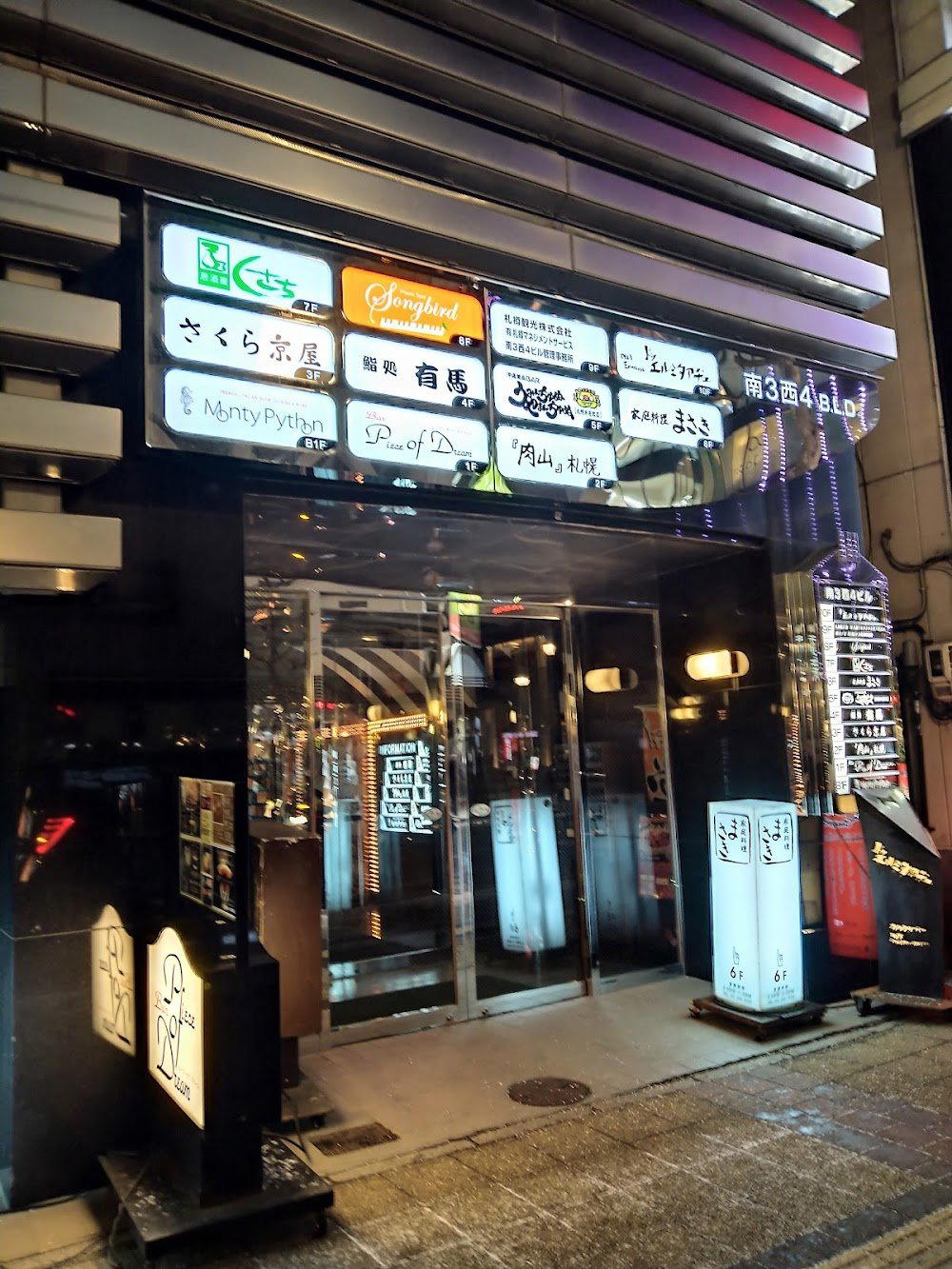
ゴーシェ sits at 8 Chome-7 Minami 3 Jonishi in Chuo Ward, centrally positioned within Sapporo's main dining district and accessible from the Susukino and Odori subway stations. Given the concentration of high-demand restaurants in this neighbourhood, reservations at premium Chuo Ward tables generally require advance planning, and Sapporo's visitor numbers peak during the Snow Festival in February and the summer festival season in July and August. Visiting outside those windows, late spring or autumn, typically means shorter booking lead times and a seasonal menu that reflects Hokkaido's shoulder-season produce, which can be as compelling as the peak-winter seafood months. For a broader orientation to what the city's dining tier looks like, our full Sapporo restaurants guide maps the full range of options across cuisine categories and price points.
Frequently asked questions
What's ゴーシェ's location?
ゴーシェ is located at 8 Chome-7 Minami 3 Jonishi, Chuo Ward, Sapporo, Hokkaido 060-0063, Japan, Sapporo.
Is ゴーシェ a good choice for visitors specifically seeking Hokkaido ingredient-focused cooking in Sapporo?
ゴーシェ sits in Chuo Ward, the district where Sapporo's most ingredient-attentive restaurants are concentrated, and its kitchen operates within a food network that has direct access to Hokkaido's dairy farms, seafood, and seasonal produce. For visitors whose interest is in how northern Japan's larder translates into a restaurant context, that geographic proximity is a structural advantage few urban kitchens outside the island can match. Confirming the current menu direction with the restaurant ahead of your visit will clarify whether the seasonal focus aligns with your timing.
What do people recommend at ゴーシェ?
Dishes tied to the island's sourcing calendar tend to reflect the kitchen's core logic. Checking directly with the restaurant before visiting is advisable for current offerings.
Should I book ゴーシェ in advance?
Chuo Ward's concentration of serious restaurants means the better-regarded tables in Sapporo fill quickly, particularly during peak Hokkaido travel periods in summer and autumn. ゴーシェ is located at 8 Chome-7 Minami 3 Jonishi, centrally positioned and accessible from the Susukino area, making it a logical anchor for a dining itinerary. Securing a reservation before arrival rather than on the day is the practical approach.
What is ゴーシェ known for?
ゴーシェ is associated with cooking that draws on Hokkaido's ingredient infrastructure, an island that accounts for a disproportionate share of Japan's dairy and agricultural output. Its Chuo Ward address places it inside Sapporo's most competitive dining district, where kitchens are pushed toward sourcing specificity rather than broad menus. The restaurant's French-inflected name signals a European culinary reference point applied to northern Japanese produce.
Peers in This Market
Comparable venues nearby, for context on price, style, and recognition.
| Venue | Cuisine | Price | Awards | Notes |
|---|---|---|---|---|
| ゴーシェThis venue (the venue you are viewing) | French Wild Game Bistro | $50–100 | Tabelog 100 #81 | Not listed |
| コートドール | Modern French | $100–150 | Tabelog 100 #66 | Chūō |
| L’Espérance | Vegan French Fusion | $30–50 | We're Smart World 4 Radishes | Chūō |
| La Sante | Seasonal French using Hokkaido ingredients | $100–150 | Tabelog 100 #45 | Chūō |
| ミクニ サッポロ | Seasonal French Fine Dining | $100–150 | Not listed | Kita |
| Shinohei | Reservation-only Wagyu Shabu-shabu | $50–100 | Tabelog 100 #63 | Chūō |
Recognition history
Dated appearances from independent guides and award organizations, with the underlying list record or original source where available.
Tabelog 100 #81 · No. 81
Tabelog · Tabelog 100 - French - EAST - 2025