ç §å± serves luxury Japanese à la carte in Osaka Shi, with a chef’s counter, a sake program, and a quiet, leisurely pace that suits dinner plans.
Pearl is the En Primeur Club membership app — saves, bookings, and concierge access live there. Same editors, same standards.
- Address
- Japan, 〒542-0064 Osaka, Chuo Ward, Ueshio, 2 Chome−1−24 グレース上汐 101
- Phone
- +818056387455
- Website
- teruya-osaka.jp
- Directions
- Get directions
 Saves & bookings on Pearl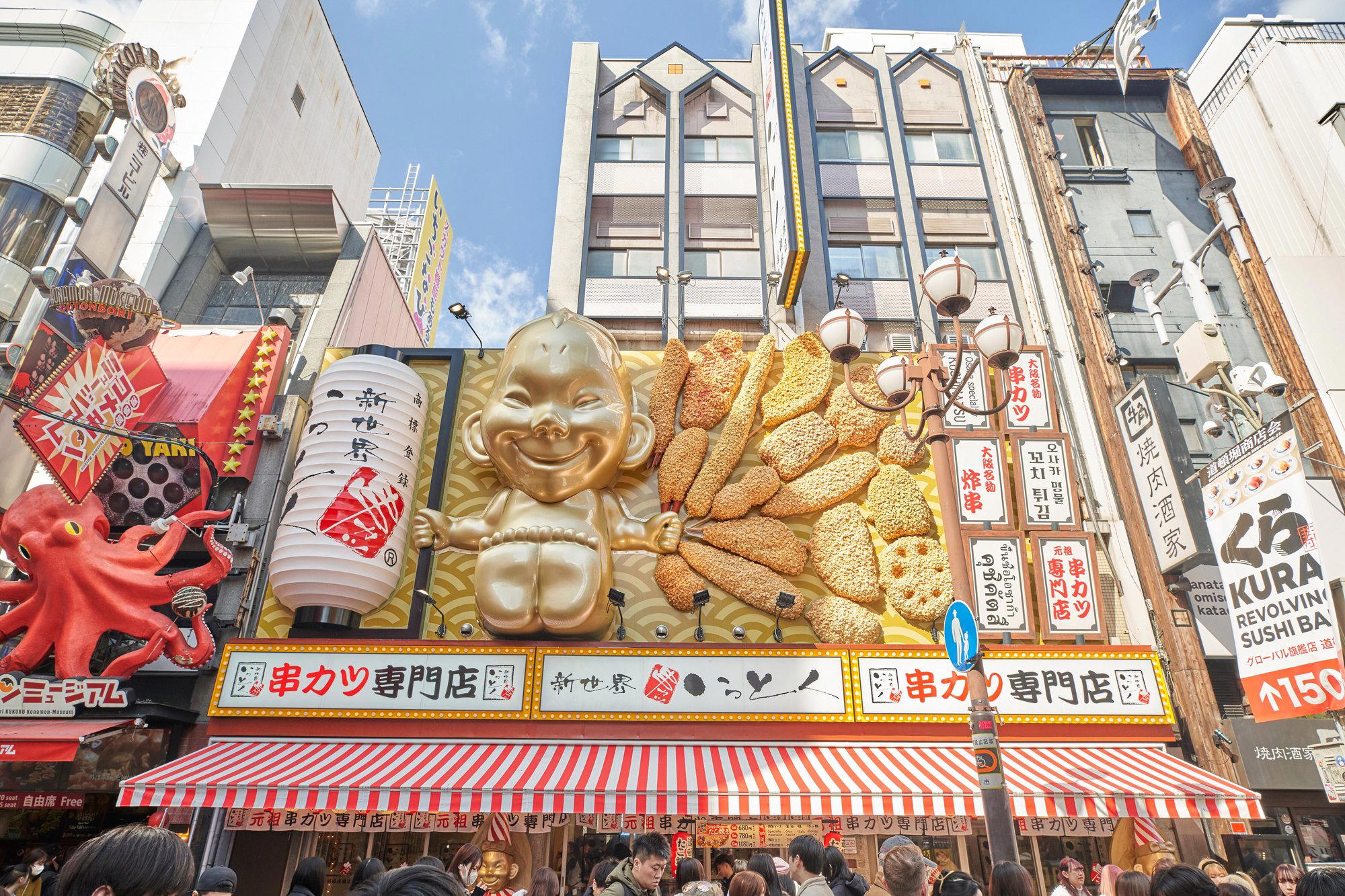
The Ritual Before the First Course
In Osaka's Chuo Ward, the streets around Ueshio carry a particular quietness that the more theatrical restaurant districts of Namba and Shinsaibashi do not. This is a neighbourhood where dining operates at a different register: less spectacle, more precision. The kappo and kaiseki traditions that define serious eating in the Kansai region take root here with less fanfare than in Kyoto, but with no less discipline. A meal in this part of Osaka is often structured around the expectation that the guest already understands the format, the pace, the silences, the sequence.
ç §å± is a Luxury Japanese À La Carte restaurant in Osaka, priced at about US$100 per person. Shokusho sits within that context, at 2-1-24 Ueshio in the Grace Ikebukuro building. The address places it a short distance from the dining concentration of Minami without being absorbed by it, close enough to draw from the same pool of serious diners, far enough to operate without the foot-traffic noise of Dotonbori or the tourist adjacency that shapes how some Chuo Ward restaurants calibrate their service.
What a Meal Here Is Actually About
The dining ritual, in the kappo mode that dominates this tier of Osaka eating, is structured around the counter as the fundamental unit of hospitality. The cook's movements are part of the meal's architecture. Courses arrive according to an internal logic the kitchen controls, and the guest's role is to receive them in the spirit they are offered. This is not passive dining, the attentive diner reads temperature, texture, and timing as part of the experience, but it is a discipline that rewards patience over assertiveness.
Osaka's kappo tradition differs from Kyoto's kaiseki formalism in one important way: it is more willing to let the ingredient speak without the elaborate ceremonial framing that defines kaiseki's ritualized presentation. The Osaka version is less theatrical, more direct. Dishes arrive because they are ready, not because the sequence demands a pause for effect. For the diner familiar with the format, this economy of movement reads as confidence. For the uninitiated, it can feel like velocity. The two are not the same thing.
In that broader context, a restaurant positioned in Ueshio's quieter pocket of Chuo Ward is making a statement about which tradition it aligns with. This is not the Osaka of takoyaki counters and open-fire kushikatsu bars, though those formats have their own serious practitioners, including Ajihei Sonezaki and the classical kappo discipline of Ajikitcho Bunbuan. It is, instead, a restaurant that takes its cues from Kansai tradition while operating on its own terms.
Where Shokusho Sits in the Osaka Dining Tier
Osaka's serious restaurant tier has expanded and stratified considerably in the last decade. The city now carries multiple Michelin-starred properties across several cuisines, and the competition within the kappo and kaiseki categories is substantial. Venues like HAJIME represent the city's most internationally visible end of fine dining, while a dense middle tier of focused, counter-led restaurants serves the city's own demanding local audience. Aka to Shiro and Calendrier represent how Osaka's contemporary dining has pushed into French and hybrid formats. Shokusho's positioning in Ueshio places it within the Japanese-tradition end of that spectrum.
For comparative context, the Kansai region's serious dining extends well beyond Osaka's city limits. Gion Sasaki in Kyoto and akordu in Nara each define how different cities in the region have built distinct dining identities. Osaka's version of that seriousness tends to be less ceremony-forward and more ingredient-forward, a distinction that matters when choosing where to invest an evening.
The Pacing Question
One of the practical realities of counter dining in this format is that the meal cannot be rushed or abbreviated without damaging its internal logic. This is not a venue for a quick dinner before a show, nor is it suited to the kind of partial engagement a larger dining room might accommodate. The format demands that the guest arrive on time, remain attentive, and leave when the meal concludes, not when outside commitments require it. Booking well in advance is standard practice at this tier of Osaka dining.
This applies equally to some of Japan's most exacting counter formats elsewhere: Harutaka in Tokyo operates under a similar discipline, as does Goh in Fukuoka. The counter format, wherever it appears, asks for a particular kind of presence from the diner. That is not a constraint, it is the point.
Practical Orientation
Shokusho is located at 2-1-24 Ueshio, Chuo Ward, Osaka, in the Grace Ikebukuro building. The neighbourhood is accessible from central Osaka without difficulty, though the specific address sits off the main pedestrian corridors. Visitors arriving by subway will find Chuo Ward well-served by multiple lines. As with most serious counter restaurants in this city, booking ahead rather than attempting a walk-in is the appropriate approach, particularly for visitors coordinating around a fixed travel itinerary. For a broader map of where Shokusho sits within Osaka's dining options, see our full Osaka Shi restaurants guide.
Those planning a wider Kansai itinerary that extends to the Kinki region might also consider Abon in Ashiya, a short distance from Osaka, or extend further to Az within the city itself. For those whose Japan itinerary takes them further afield, affetto akita in Akita, Aji Arai in Oita, Ajidocoro in Yubari District, and Akakichi in Imabari each represent the regional depth of serious Japanese dining outside the major urban centres. Internationally, the counter-format dining discipline finds its analogue in venues like Le Bernardin in New York City and the chef-driven communal format of Lazy Bear in San Francisco, different traditions, the same underlying understanding that the meal's architecture belongs to the kitchen.
Price Lens
Comparable venues nearby, for context on price, style, and recognition.
| Venue | Cuisine | Price |
|---|---|---|
| ç §å±This venue — the venue you are viewing | Chūō, Luxury Japanese À La Carte | $$$$ |
| 寿し芳 | Kita, Modern Edomae Sushi Omakase | $$$$ |
| Noguchi | Kita, Modern Japanese Omakase | $$$$ |
| Kawaharasaki | Kita, Kamigata Tempura | $$$$ |
| お料理 宮本 | Kita, Kaiseki | $$$$ |
| Kizuna | Chūō, Edomae Sushi Tasting | $$$$ |
Continue exploring
More in Osaka
Restaurants in Osaka
Browse all →




Bars in Osaka
Browse all →


Hotels in Osaka
Browse all →




Wineries in Osaka
Browse all →
At a Glance
- Elegant
- Intimate
- Sophisticated
- Date Night
- Business Dinner
- Special Occasion
- Chefs Counter
- Sake Program
Intimate counter seating in a modern Japanese setting evoking kappo style with focus on individual culinary experiences.