Black Pearl 1 Diamond
Our verdict
Tokyo’s serious dining culture rewards rooms where kitchen rhythm, drinks service, and front-of-house pacing work as one system. おにく 花柳 belongs in that conversation through its Black Pearl Restaurant Guide 2026 one-diamond recognition, a signal that the experience is being judged beyond décor or reputation alone.

Pearl is the En Primeur Club membership app, where members save venues, book tables and use the concierge.
The menu
What to order
- Wagyu sushi
- Wagyu katsusando (filet cutlet sandwich)
- Chateaubriand steak
- Wagyu stew
- Wagyu shabu-shabu
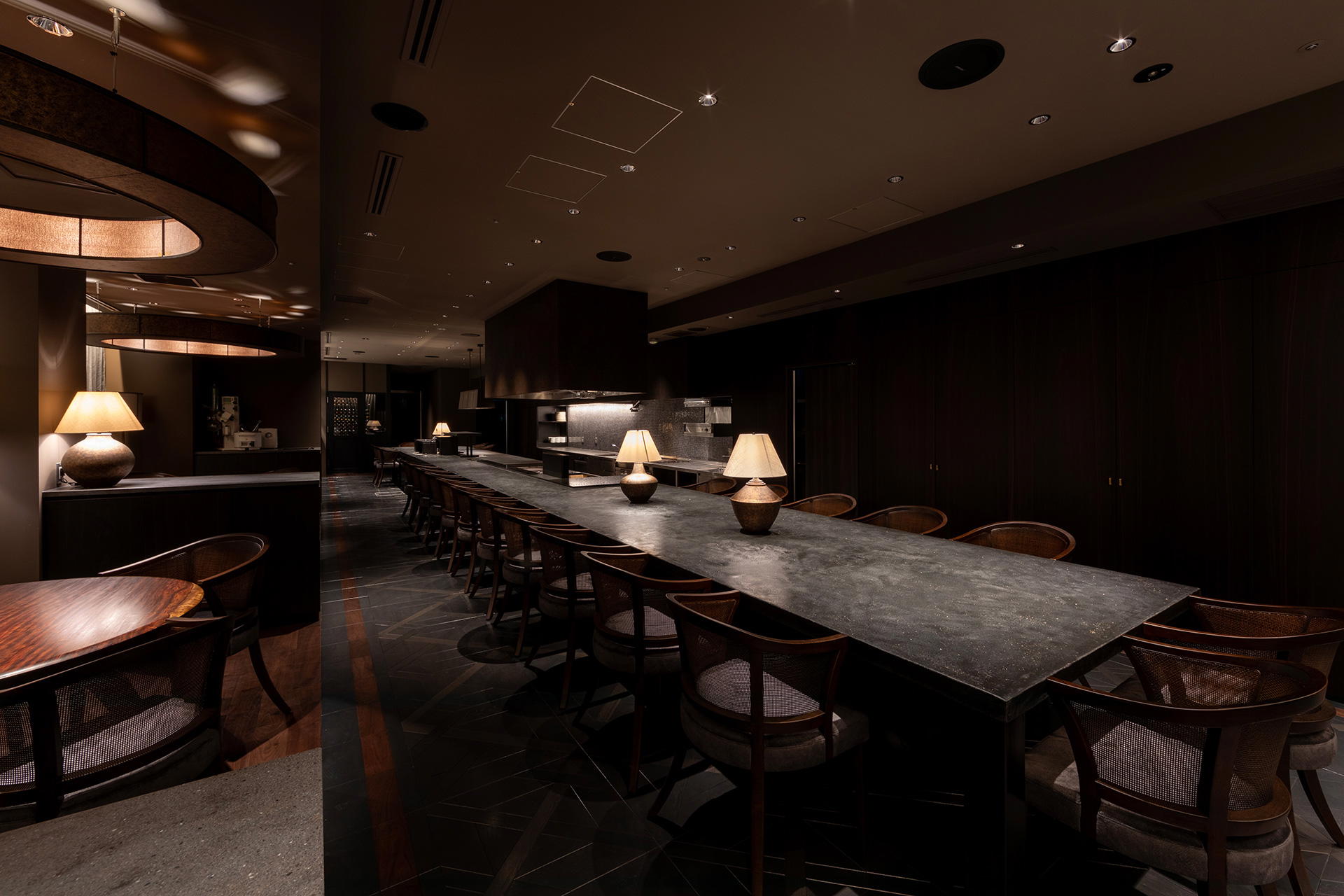
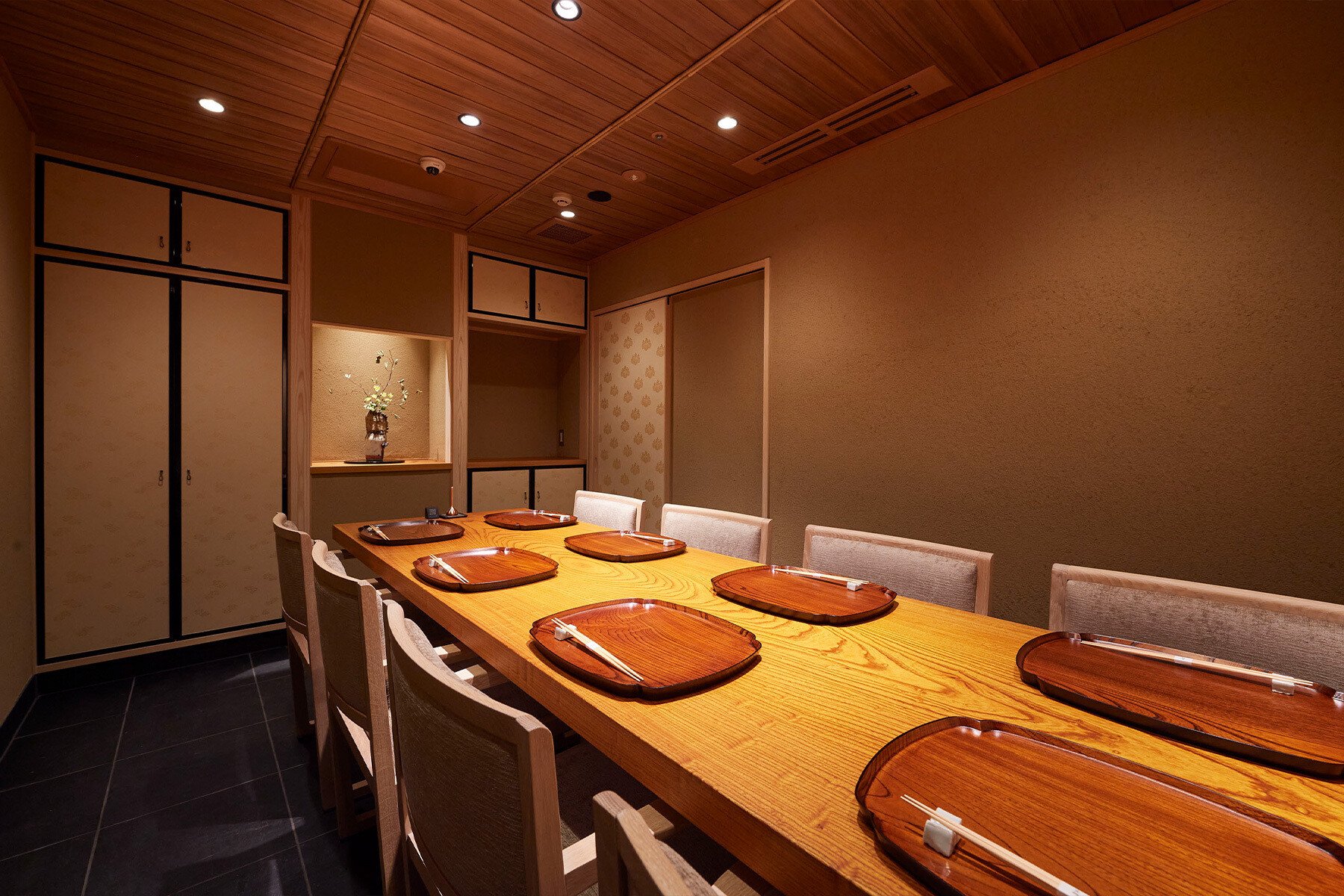
Tokyo dining rooms often reveal their level before a dish arrives: the hush at the threshold, the calibrated greeting, the quiet transfer of attention from reception to table. In the city’s higher register, service is not decoration; it is part of the architecture. おにく 花柳 sits within that disciplined Tokyo tradition, where the meal depends on timing between kitchen, drinks, and front-of-house rather than on spectacle.
The name gives the restaurant a clear identity, but Tokyo’s serious restaurant culture rarely treats any single ingredient or format as a blunt luxury marker. The stronger pattern is control: heat, cut, seasoning, pacing, and the ability to make richness feel measured. That is where the room matters. A kitchen can carry the technical burden, but the experience only lands when the floor reads tempo, courses arrive without drag, and the drinks program supports the meal without turning dinner into a separate performance.
Tokyo's focused dining depends on restraint, not volume
Tokyo restaurant culture is often flattened abroad into a few familiar labels and brand signals. In the city, the sharper distinction is format. Some restaurants trade on abundance; others use a more controlled sequence, closer to a composed tasting rhythm than to theatre. The latter asks more of the team. Heat management, portion size, and pacing decide whether a meal feels precise or heavy.
That team dynamic is the useful lens here. In a city crowded with specialized counters, grill rooms, tasting counters, tempura bars, and other tightly run dining rooms, the advantage belongs to restaurants that make service feel synchronized. A sommelier or drinks lead is not merely pairing bottles; the role is to manage texture, salt, weight, and rest across the meal. Front-of-house then has to protect the rhythm, letting the kitchen’s decisions read clearly instead of crowding the table with explanation.
Black Pearl 2026 one-diamond recognition gives おにく 花柳 a public trust signal in a city where international visitors face a dense and uneven field. It does not replace the reader’s own preferences, but it places the restaurant inside a vetted tier of Tokyo dining rather than the broader pool of fashionable openings and algorithm-driven recommendations.
The stronger comparison is with Tokyo's service culture
With no useful same-metro comparison set to lean on, the more honest comparison is category-wide. Tokyo’s serious restaurants tend to separate themselves through small operational decisions: how a room absorbs late arrivals, how the first drink is handled, how staff pace more substantial courses, and how much explanation is given before it becomes interruption. In this register, hospitality is not a soft extra. It is the mechanism that keeps a technically ambitious meal coherent.
For readers building a Tokyo itinerary, this matters because the city offers many different forms of precision. Counters, tasting menus, casual specialists, cafés, and contemporary dining each reward a different appetite. A dinner at おにく 花柳 fits better as a focused evening than as a casual add-on between sightseeing blocks. For broader planning, Our full Tokyo restaurants guide gives the wider dining map, while Our full Tokyo hotels guide, Our full Tokyo bars guide, Our full Tokyo wineries guide, and Our full Tokyo experiences guide help place dinner inside the rest of the trip.
The range of Tokyo dining is part of the point. A traveler could move among casual counters, grill-focused rooms, cafés, curry specialists, and contemporary dining without repeating the same kind of precision twice. Seen against that spread, おにく 花柳 reads as the kind of reservation to use for a more composed night rather than a grazing day.
How to place it in a Japan dining itinerary
The restaurant is better understood as part of Tokyo’s broader obsession with specialization. Across the city, narrow formats often carry more conviction than broad menus: some rooms build the evening around a single technique, others around a tightly edited sequence, a drinks rhythm, or a particular expression of hospitality. Tokyo has its own dense version of that culture, where the difference between a merely polished meal and a memorable one often lies in timing, confidence, and restraint.
Practical reading is simple: choose this for a dinner where coordination matters. Tokyo rewards diners who do not treat every serious booking as interchangeable. A one-diamond Black Pearl listing suggests a restaurant with enough external recognition to merit attention, but the more persuasive reason is structural. Focused dining can become excessive when handled without discipline. The appeal here is the promise of a room built around sequence, restraint, and service alignment.
Frequently asked questions
What awards or recognition does おにく 花柳 have?
おにく 花柳 has received recognition including: Black Pearl 2026 one-diamond restaurants.
Should I book おにく 花柳 in advance?
Yes, advance booking is sensible for おにく 花柳 in Tokyo. Its Black Pearl 2026 one-diamond status suggests a restaurant that draws more demand than a walk-in-only room.
What's おにく 花柳 best at?
It is most compelling as a focused Tokyo restaurant with public recognition. The Black Pearl 2026 one-diamond listing points to a kitchen and service team worth considering for a composed dinner.
Is おにく 花柳 allergy-friendly?
That depends on the specific allergy and how the kitchen in Tokyo handles it. Sauces, seasonings, and shared equipment can all matter, so the restriction needs to be stated clearly when arranging the meal.
Reputation & Price
Comparable venues nearby, for context on price, style, and recognition.
| Venue | Cuisine | Price | Awards | Notes |
|---|---|---|---|---|
| おにく 花柳This venue (the venue you are viewing) | Michelin-starred Wagyu kaiseki / meat kappo | $200–300 | Black Pearl 1 Diamond | Not listed |
| 茜坂大沼 赤坂店 | Traditional Seasonal Kaiseki | $200–300 | Michelin Plate · Tabelog Bronze #339 | Minato, Classic Tempura Specialty |
| Ginza Komon | Seasonal Japanese Kaiseki with Sake Focus | $300–500 | Tabelog 100 #70 | Chūō, Seasonal Japanese Kaiseki with Sake Focus |
| USHIGORO S. GINZA | Luxury Yakiniku (Japanese BBQ) | $300–500 | Tabelog 100 #40 | Chūō, Luxury Yakiniku (Japanese BBQ) |
| Shunbou | Seasonal Japanese Kaiseki and Kappo | $200–300 | Not listed | Minato, Seasonal Japanese Kaiseki and Kappo |
| 重よし | Traditional Japanese Kappo | $200–300 | Not listed | Shibuya, Traditional Japanese Kappo |
Recognition history
Dated appearances from independent guides and award organizations, with the underlying list record or original source where available.
Black Pearl 1 Diamond
Black Pearl