
Tabelog 100 #59
Our verdict
すし崇 serves Edomae Sushi as an omakase bar in a historic building in Nagano, with quiet pacing and a sake program that suits a composed lunch or dinner.

Pearl is the En Primeur Club membership app, where members save venues, book tables and use the concierge.
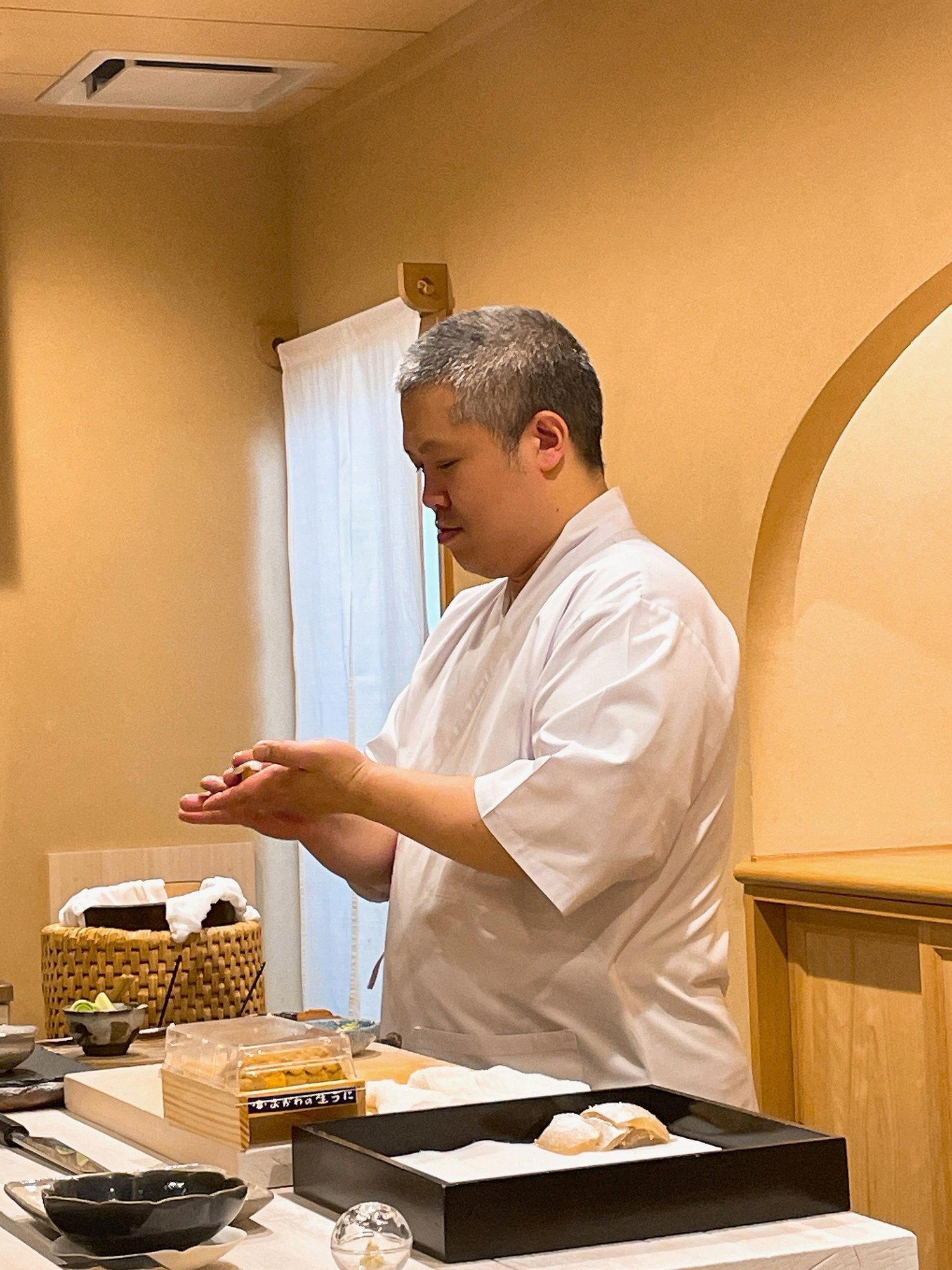
Sushi in a City That Moves at Its Own Pace
Nagano prefecture sits far enough from Tokyo's restaurant media cycle that its dining scene develops on different terms. The city itself, at roughly 380,000 people and framed by the Hida and Echigo mountain ranges, is not a place that chases recognition. Its better restaurants tend to earn quiet, committed followings rather than the kind of fame that drives weekend pilgrimages from the capital. すし崇, located in the Agatamachi district at address 477-15, operates inside that logic. The neighbourhood, a mix of older commercial streets and residential lanes south of Nagano Station, is not the city's most conspicuous dining corridor, which partly explains why the room belongs more to regulars than to visitors.
That regulars-first character shapes everything about how a counter like this functions. In Japanese sushi culture, the relationship between a chef and a returning guest carries more operational weight than any published menu. What gets served, how it is paced, which seasonal fish appears without discussion, how the nigiri is pressed for a particular diner's preference: these are all outcomes of accumulated visits, not first-night discovery. Counters that operate this way in mid-sized Japanese cities tend to resist the documentation that drives traffic in Tokyo or Osaka, and that resistance is itself a form of editorial statement.
What the Regulars Already Know
The pattern across committed sushi houses in regional Japan is consistent: the room exists for people who return. New guests are received with hospitality, but the full scope of what the kitchen can do tends to reveal itself over multiple visits. This is not exclusivity as performance. It is the practical result of a format where trust between kitchen and table determines what is possible. A guest who has been coming for years may receive fish sourced specifically for the season, aged at the chef's discretion, pressed and seasoned to the memory of their last meal. A first-time visitor receives the same craft but at a different depth.
Nagano's position as a landlocked prefecture is worth addressing directly, because it shapes the sourcing logic of every serious sushi counter here. The assumption that coastal proximity equals better sushi has been complicated by decades of refrigeration and direct market access. Chefs in Nagano working at a serious level draw from Toyama Bay to the west, from Tsukiji and Toyosu in Tokyo, and from seasonal relationships with specific fishing operations. The Toyama coast, less than two hours by road from Nagano city, delivers whiteshrimp, yellowtail, and snow crab through the winter months that compete with anything available in coastal prefectures. For context on how Japanese sushi counters at a similar tier handle sourcing across different regions, the approach at Harutaka in Tokyo is instructive.
Agatamachi and Its Dining Context
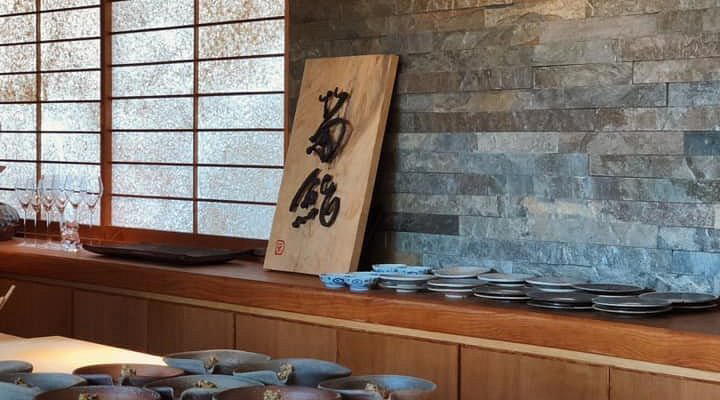
The Agatamachi address places すし崇 in a part of Nagano that holds a mixed inventory of dining options, from casual izakaya to the kind of focused specialist counter that draws a dedicated clientele. The broader Nagano dining scene spans a wider range of formats than many visitors expect. Italian has a presence through places like Fogliolina della Porta Fortuna, French-influenced resort dining through Bleston Court Yukawatan, and broader Asian formats through Chinese Sai Muen, which operates across a Sichuan and dim sum register at the JPY 3,000-4,999 price tier. The local sushi segment includes Kikuzushi as a point of comparison. Aoitou and ca'enne round out the specialist end of the city's dining options. The full range is documented in our full Nagano restaurants guide.
Within this landscape, a dedicated sushi counter occupies a specific niche: it demands more from the guest in terms of format awareness and booking effort, but it returns a more focused and often more personal experience than almost any other dining format available in the city. The counter seat, by design, removes the distance between kitchen and table. There is no expediter, no pass, no window between the chef's hand and the guest's plate.
Regional Sushi Beyond the Major Cities
The concentration of serious sushi coverage in Tokyo, Kyoto, and Osaka reflects media geography more than actual distribution of quality. Regional counters in prefectures like Nagano, Nagano's neighboring Toyama, and further afield in Hokkaido operate at levels that rarely surface in English-language food publishing. For comparison, the counter model at Gion Sasaki in Kyoto and the technical rigor visible at HAJIME in Osaka represent the tier of attention that regional Japanese restaurants of comparable commitment rarely receive. Japanese prefectural counters like 一本杉 川嶋 in Nanao and 夕升屋 in Sapporo are further examples of serious regional operators that function largely outside the main media current.
That dynamic benefits guests who arrive without the expectations formed by Michelin-concentrated coverage. A counter that has been building its regular clientele for years, in a city that rewards consistency over spectacle, is likely operating at a maturity that purely award-driven venues sometimes sacrifice for visibility. For those already familiar with Japan's dining depth, Goh in Fukuoka, akordu in Nara, and operators in less-covered prefectures like 湖畔荘 in Takashima and 庄羽屋 in Nishikawa Machi reinforce the same point. For an international frame of reference, the focused format discipline at Le Bernardin in New York City and the tasting precision at Atomix in New York City reflect the global standard against which serious specialist counters measure themselves, regardless of geography. And closer to the format of sushi service, Birdland in Sakai shows how regional Japanese specialists build reputation through craft rather than promotional position.
Planning a Visit
すし崇 is located at Agatamachi-477-15, Nagano, 380-0838. The Agatamachi area is accessible on foot from central Nagano, and the address is most efficiently reached from Nagano Station by taxi or local transport. Because the venue operates as a counter-format specialist with a primarily local following, booking in advance is the practical approach, particularly for visitors who are not known to the house. Dress expectations at this tier of Japanese counter dining typically run toward smart casual at minimum, with formal or business-casual attire consistent with the seriousness of the format.
Frequently asked questions
Where is すし崇 located?
すし崇 is located at Agatamachi-477-15, Nagano, 380-0838, Japan, Nagano.
Is すし崇 worth visiting if you're already travelling to Nagano for another reason?
Nagano city sits at roughly 370 metres above sea level and draws visitors primarily for the surrounding alpine access and its historic temple district, not its restaurant scene. すし崇's Agatamachi address is within the city centre, making it a viable addition to an existing Nagano itinerary without significant detour. Regional sushi counters of this format rarely overlap with tourist-facing dining, so the visit requires advance planning rather than a walk-in.
What's the signature dish at すし崇?
No dish-level menu information is on public record for すし崇. Counter sushi houses at this level in regional Japan typically operate on an omakase basis, meaning the selection follows seasonal availability and the chef's judgment on the day rather than a fixed repertoire. Arriving without expectations about specific pieces is the right approach.
What's the best way to book すし崇?
The most practical route for first-time visitors is through a Nagano-based hotel concierge or a specialist Japan dining reservation service. Walking to Agatamachi-477-15 to make a direct inquiry in person is also a conventional approach in regional Japanese dining culture.
What's the standout thing about すし崇?
すし崇 operates in Nagano's Agatamachi district, which places it well outside the Tokyo-Osaka media corridor where most serious sushi coverage concentrates. That positioning means the counter functions on its own logic, shaped by local regulars rather than by reservation platforms or visiting critics. For a guest willing to do the legwork of getting there, that operating dynamic is the point.
Cuisine Context
Comparable venues nearby, for context on price, style, and recognition.
| Venue | Cuisine | Price | Awards | Notes |
|---|---|---|---|---|
| すし崇This venue (the venue you are viewing) | Edomae Sushi | $150–200 | Tabelog 100 #59 | Not listed |
| Suki Tei Honten | Traditional Sukiyaki & Shabu-Shabu with Shinshu Beef | $50–100 | Tabelog 100 #14 | near Nagano Prefectural Office |
| 蕎麦処 そばの実 | Togakushi Soba | $20–30 | Tabelog 100 #53 | Togakushi |
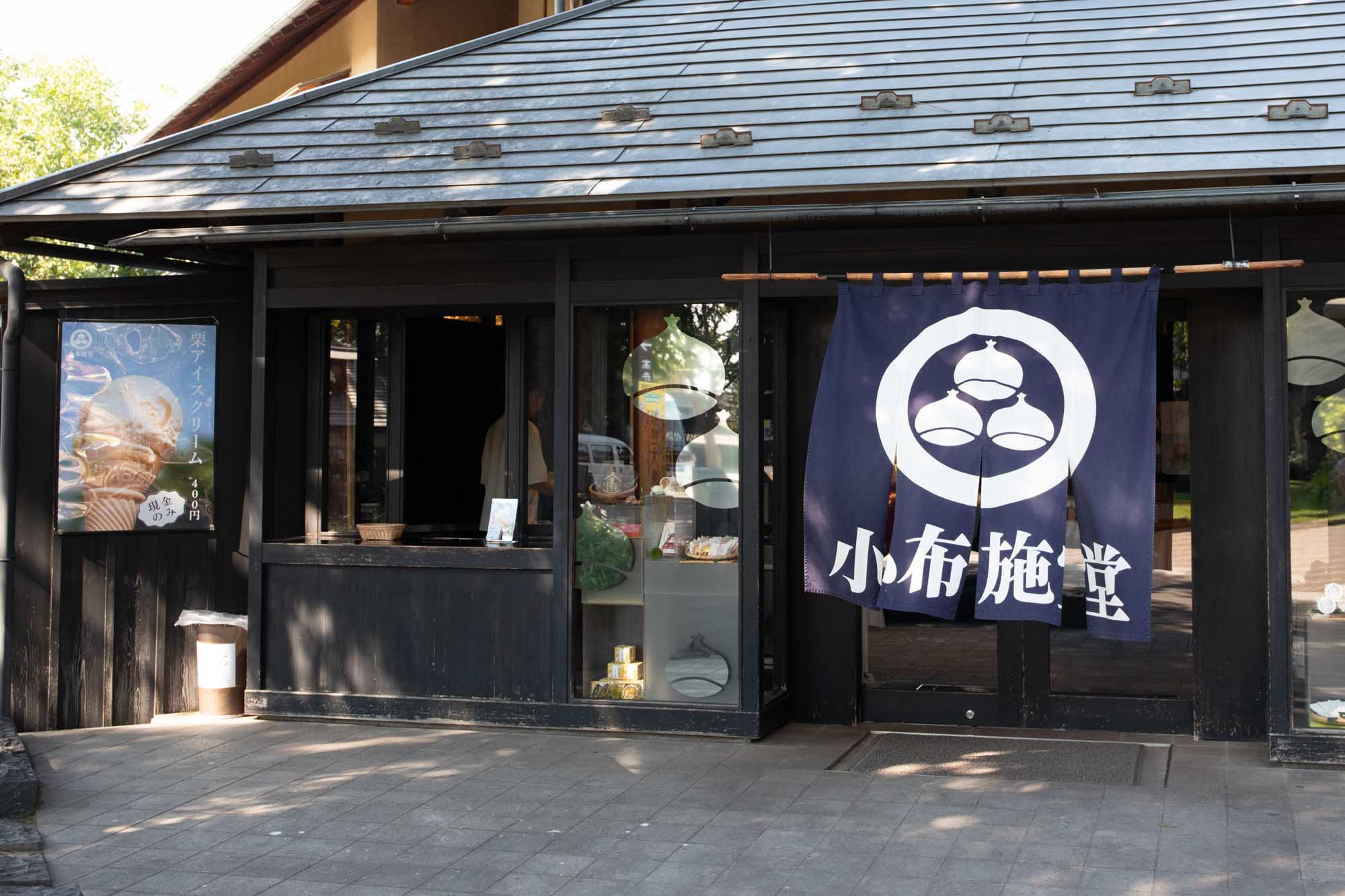
| Obusedo | Traditional Japanese Chestnut Cuisine | $20–30 | Not listed | Obuse-machi |
| Unagi Honda | Traditional Japanese Unagi (Eel) Kabayaki | $30–50 | Tabelog 100 #60 | Iiyama |
| 松栄寿司東口店 | 本格握り寿司 | $30–50 | Not listed | 栗田 |
Recognition history
Dated appearances from independent guides and award organizations, with the underlying list record or original source where available.
Tabelog 100 #59 · No. 59
Tabelog · Tabelog 100 - Sushi - EAST - 2025
Continue exploring
More in Nagano
Restaurants in Nagano
All restaurants in Nagano →

Details
- Elegant
- Intimate
- Classic
- Sophisticated
- Special Occasion
- Date Night
- Chefs Counter
- Historic Building
- Sake Program
- Local Sourcing
- Omakase
- Counter Dining
- Sake
Current opening hours
- Monday
- 6–10 PM
- Tuesday
- 6–10 PM
- Wednesday
- 6–10 PM
- Thursday
- 6–10 PM
- Friday
- 6–10 PM
- Saturday
- 6–10 PM
- Sunday
- Closed
Hours can change for holidays and private events. Hours as of .
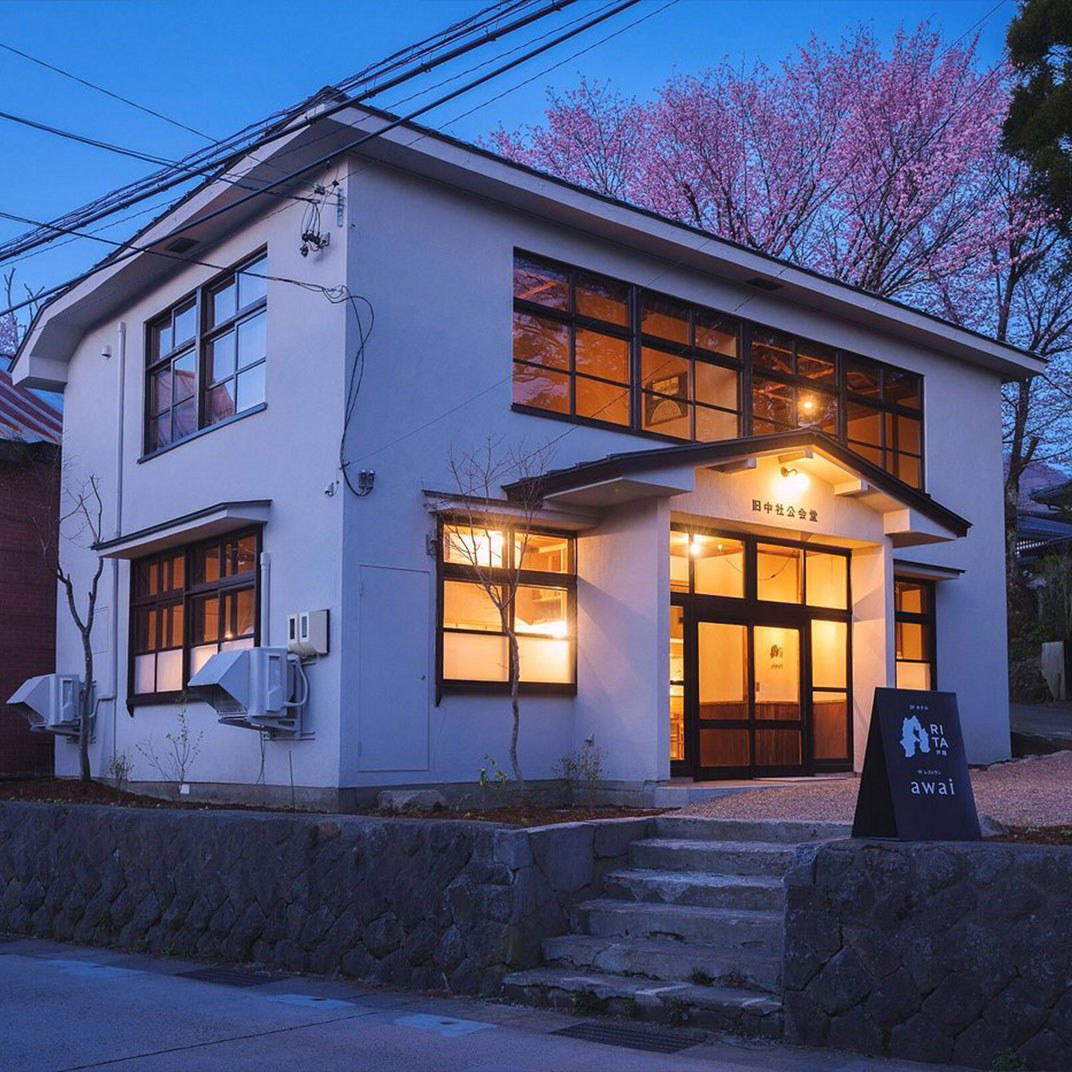
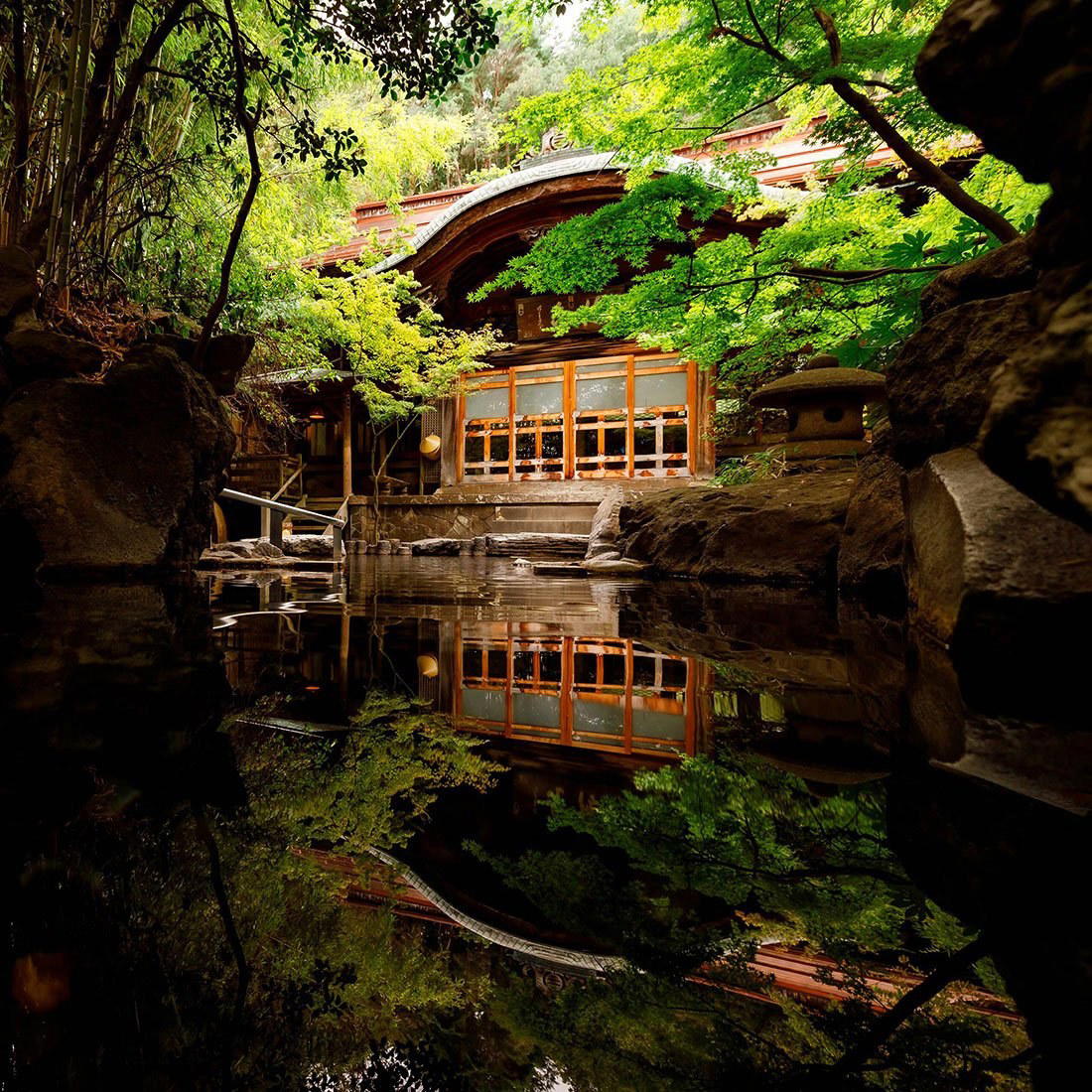
Relaxing Japanese atmosphere in a traditional house restaurant with refined, minimalist aesthetic near Zenkoji Temple.