
Tabelog 100 #85
Our verdict
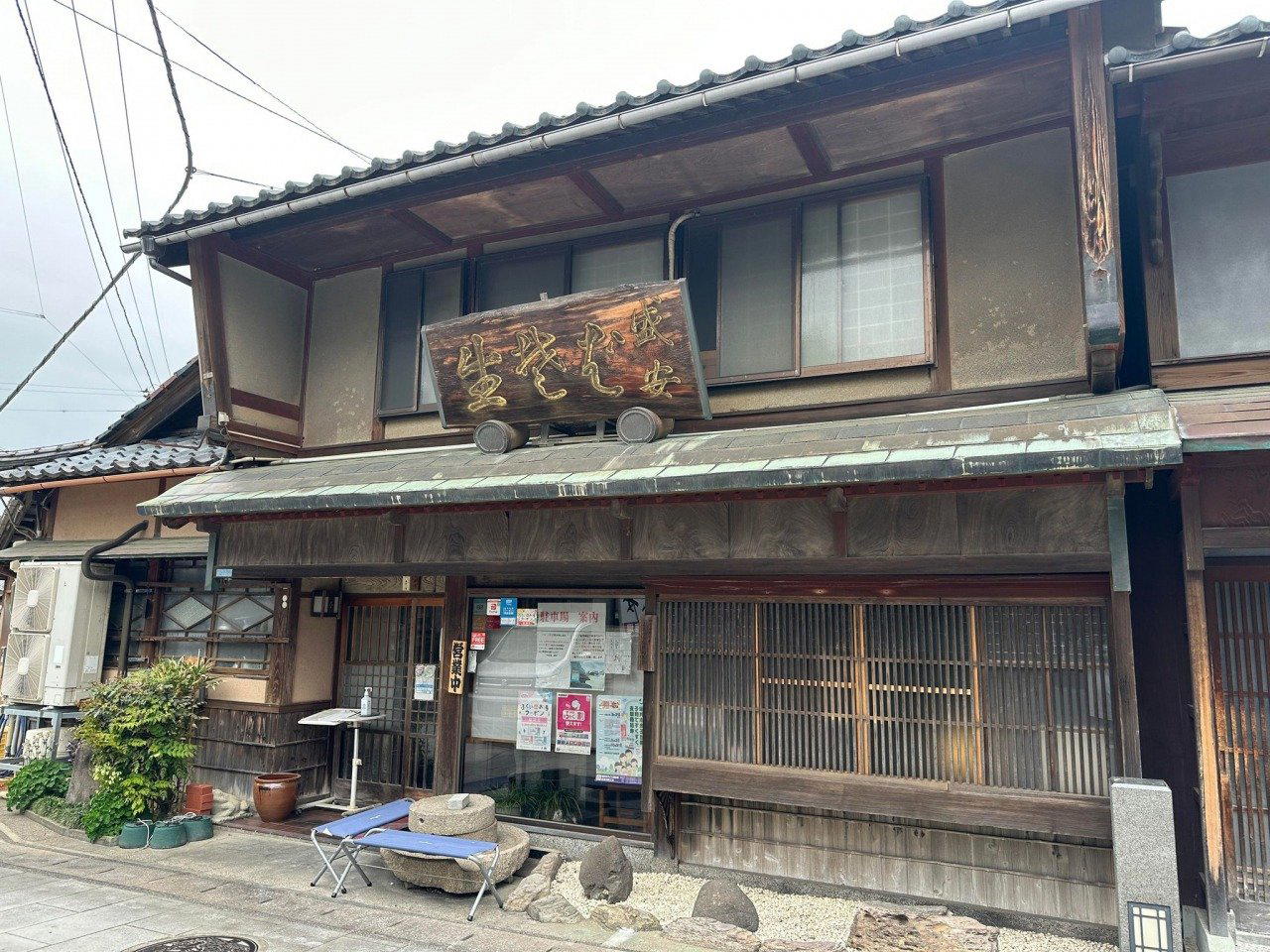
そば処盛安 occupies a quiet address in Sakai, Fukui, where the local soba tradition runs deeper than most visitors expect. Set in Mikunicho Kitahonmachi, the restaurant represents the kind of neighbourhood soba shop that sustains provincial Japanese dining culture without seeking outside attention. For travellers connecting Fukui's culinary circuit, it offers a grounded alternative to the region's more celebrated tables.

Pearl is the En Primeur Club membership app, where members save venues, book tables and use the concierge.
The menu
What to order
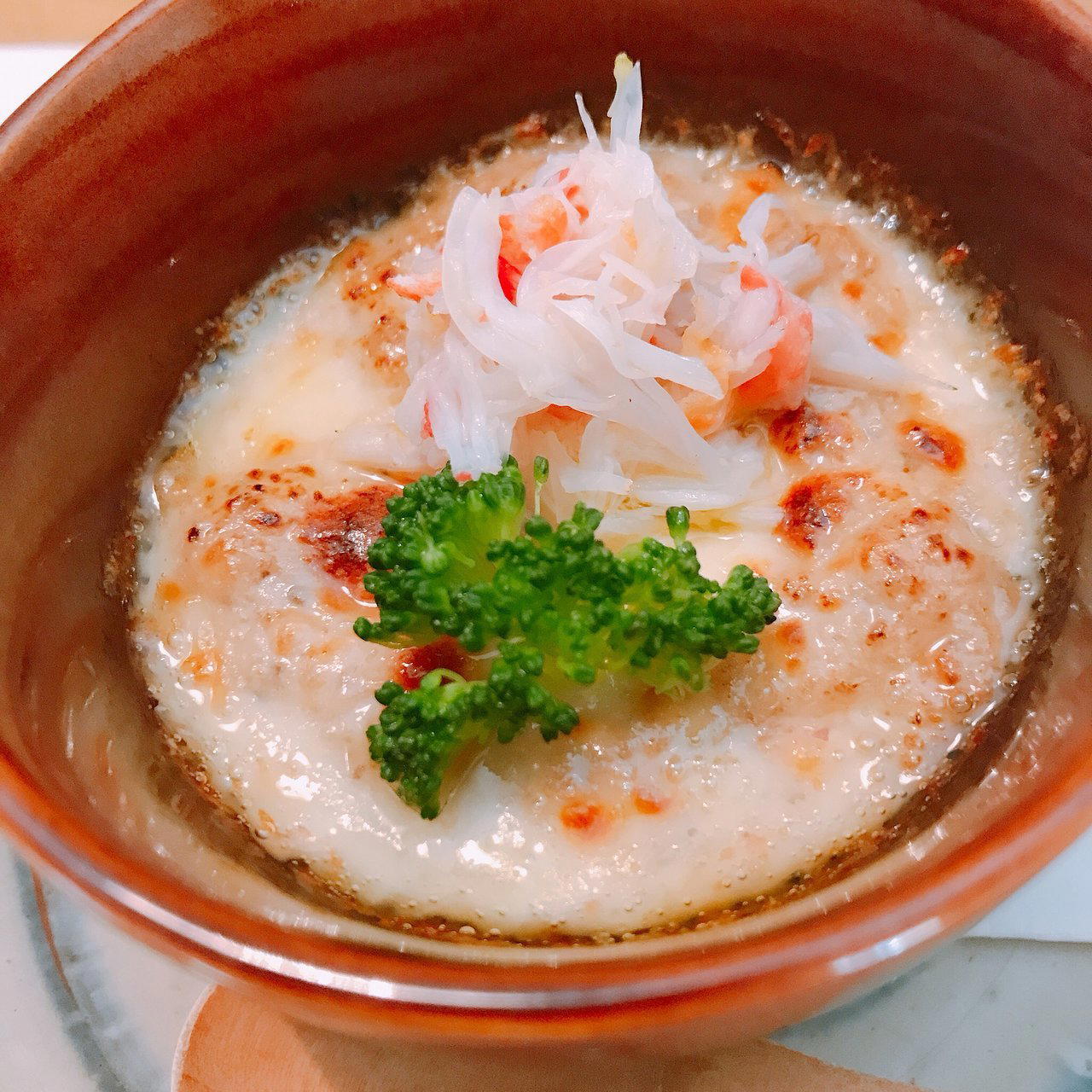
- Oroshi soba
- Kake soba
- Sauce katsudon
Soba in Provincial Fukui: A Different Kind of Dining Pressure
Japan's most-discussed soba shops tend to cluster in Tokyo's older shitamachi districts or in rural prefectures with self-consciously artisan reputations. Fukui Prefecture sits outside that familiar circuit, but it has its own soba culture, one shaped by cold winters, buckwheat-friendly highlands, and a tradition of understated preparation that has little interest in performing for outside audiences. Sakai, the small city in Fukui's northern coastal strip where そば処盛安 is located, is the kind of place where a soba shop earns its standing through years of local repetition rather than through press coverage or award recognition. That dynamic shapes what you can expect here.
The address, 3 Chome-2-30 Mikunicho Kitahonmachi, places the restaurant in a residential-commercial mix characteristic of smaller Japanese cities where dining and everyday life run in close proximity. There are no design-hotel neighbours, no curated street food corridors. The physical setting communicates something before you've ordered: this is a restaurant serving the people who live nearby, and if travellers find their way in, they are guests of that primary relationship, not the reverse. That orientation is increasingly rare in the places most travel editorial covers, and it makes the experience worth understanding on its own terms.
Fukui's Soba Tradition and Where Sakai Sits in It
Fukui has a legitimate claim to one of Japan's more serious buckwheat cultures. The prefecture's Echizen soba lineage is documented and regionally distinct, with a preparation style that often favours coarser-milled flour and a noodle with more textural presence than the refined, pale versions associated with Tokyo's high-end soba-omakase format. Oroshi soba, served with grated daikon, is perhaps the most associated dish in the regional canon, appearing across Fukui Prefecture in everything from highway rest stops to carefully managed lunch-service restaurants.
Within Sakai specifically, the dining scene is anchored by a small number of established local restaurants. Kawaki, which focuses on seafood, represents the city's proximity to the Sea of Japan coast. Birdland, Domani, Oga, and Ootoku complete the short list of places that appear in broader dining discussions about the city. そば処盛安 is a different register from all of them: a category specialist focused on a single culinary form, operating in the neighbourhood-restaurant mode that defines much of provincial Japan's actual daily food culture.
What the Regional Context Implies About the Experience
When a soba shop operates in this kind of provincial neighbourhood setting, certain things tend to follow. Menus are typically compact, built around a few preparations of the noodle itself, with simple accompaniments. Lunch hours often close earlier than urban diners expect, sometimes by early afternoon once the noodles prepared that morning are gone.
What the regional setting does confirm is a culinary tradition oriented around craft and regularity rather than event dining. The distinction matters for how you approach the visit. Soba at this level is not a tasting-menu occasion. It is a short, focused meal, often taken alone or in small groups, completed in under an hour. The reward is in the noodle's texture, the quality of the broth or dipping sauce, and the accumulated sense that the preparation has been repeated enough times to have settled into something reliable. For travellers building a more extended itinerary through Fukui's dining culture, that quality of reliability has genuine value.
Placing Sakai in the Wider Kansai-Hokuriku Dining Circuit
Travellers who make it to Sakai are often doing so as part of a broader route through the Kansai and Hokuriku regions. The comparative frame for dining in this corridor is instructive. At the other end of the ambition scale, HAJIME in Osaka and Gion Sasaki in Kyoto represent the formal, high-recognition end of what Kansai dining can produce. Further along the circuit, akordu in Nara demonstrates what European-trained technique looks like when planted in a historic Japanese city. Harutaka in Tokyo occupies the omakase sushi tier that defines the capital's most discussed dining. These are useful reference points, but they're a different category of experience from what そば処盛安 represents.
Further north and east, the provincial specialist tradition is visible across multiple cuisines. 一本杉 川島屋 in Nanao, 古代山乃 in Sapporo, and 鳥羽屋 in Nishikawa Machi each represent places that operate with strong local identity and limited external profile. 湖隣茶屋 in Takashima adds a lake-adjacent dining setting to that comparison. Goh in Fukuoka represents what happens when a regional chef builds a nationally visible profile from a non-Tokyo base. The gap between that visibility and what a local Sakai soba shop operates toward is real and worth acknowledging.
Internationally, the contrast is even starker. Le Bernardin in New York City and Atomix in New York City occupy formal fine-dining positions with documented award histories. Bistro Ange in Toyohashi represents the French-in-provincial-Japan model. None of these comparisons are meant to diminish Sakai's soba culture; they frame what kind of experience そば処盛安 is oriented toward and why it asks something different from the traveller.
Planning a Visit: What to Know Before You Go
Sakai sits in northern Fukui Prefecture, accessible via the Hokuriku region's rail network. Arriving during standard Japanese lunch service hours, typically between 11:30 and 13:30, gives the leading chance of an open kitchen, though travellers should verify locally and plan for the possibility that service ends when the day's noodles run out. Consulting our full Sakai restaurants guide for current city-level dining context is the practical starting point for anyone building a Fukui itinerary.
Frequently asked questions
Where do I go for そば処盛安?
そば処盛安 is located at 3 Chome-2-30 Mikunicho Kitahonmachi, Sakai, Fukui 913-0046, Japan, Sakai.
Is そば処盛安 worth a detour when travelling the Hokuriku rail corridor through Fukui?
Sakai sits in northern Fukui Prefecture on the Hokuriku rail network, placing そば処盛安 at a logical stop between the main Fukui city area and the Ishikawa Prefecture border. The Echizen soba tradition is region-specific enough that eating it in a working neighbourhood soba-ya in Sakai, rather than a tourist-oriented version in a larger city, gives a more direct read on the prefecture's actual food culture. Travellers routing through on the way to Kanazawa or looping back from the coast have the clearest logistical case for a stop.
What should I eat at そば処盛安?
Fukui's Echizen soba tradition centres on handmade buckwheat noodles served either cold with dipping broth or hot in a clear soup. At a neighbourhood soba-ya in Sakai, the menu typically stays compact and soba-forward, meaning the noodles themselves carry the meal rather than supporting dishes. Ordering the straight soba, whatever the house calls its standard cold preparation, gives the clearest read on the kitchen's craft.
What's the defining dish or idea at そば処盛安?
The shop sits inside the Echizen soba lineage, one of Fukui Prefecture's most documented regional food traditions, built on locally grown buckwheat and restrained preparation. The defining idea across this tradition is that the noodle is the point, broth, toppings, and side dishes are kept subordinate. A soba-ya operating in Sakai's Mikunicho district is working within that framework rather than departing from it.
A Tight Comparison
Comparable venues nearby, for context on price, style, and recognition.
| Venue | Cuisine | Price | Awards | Notes |
|---|---|---|---|---|
| そば処盛安This venue (the venue you are viewing) | Traditional Handmade Soba | $10–20 | Tabelog 100 #85 | Not listed |
| Osamuchan | Yakiniku Omakase | $100–150 | Tabelog Bronze #343 | Otori Kita-cho, Nishi-ku, Yakiniku Omakase |
| 朱雀 | Japanese Restaurant | Not listed | Not listed | Sakai, Japanese Restaurant |
| Domani | Italian Trattoria | $10–20 | Not listed | Harue, Italian Trattoria |
| 越前 蟹の坊 | Echizen Crab & Japanese Seafood | $30–50 | Not listed | Mikuni, Echizen Crab & Japanese Seafood |
| CARNA | Gelato & sweets shop | $1–10 | Tabelog 100 #39 | Mikunicho Minamihommachi, Gelato & sweets shop |
Recognition history
Dated appearances from independent guides and award organizations, with the underlying list record or original source where available.
Tabelog 100 #85 · No. 85
Tabelog · Tabelog 100 - Soba - WEST - 2025
Continue exploring
More in Sakai
Restaurants in Sakai
All restaurants in Sakai →
Details
- Classic
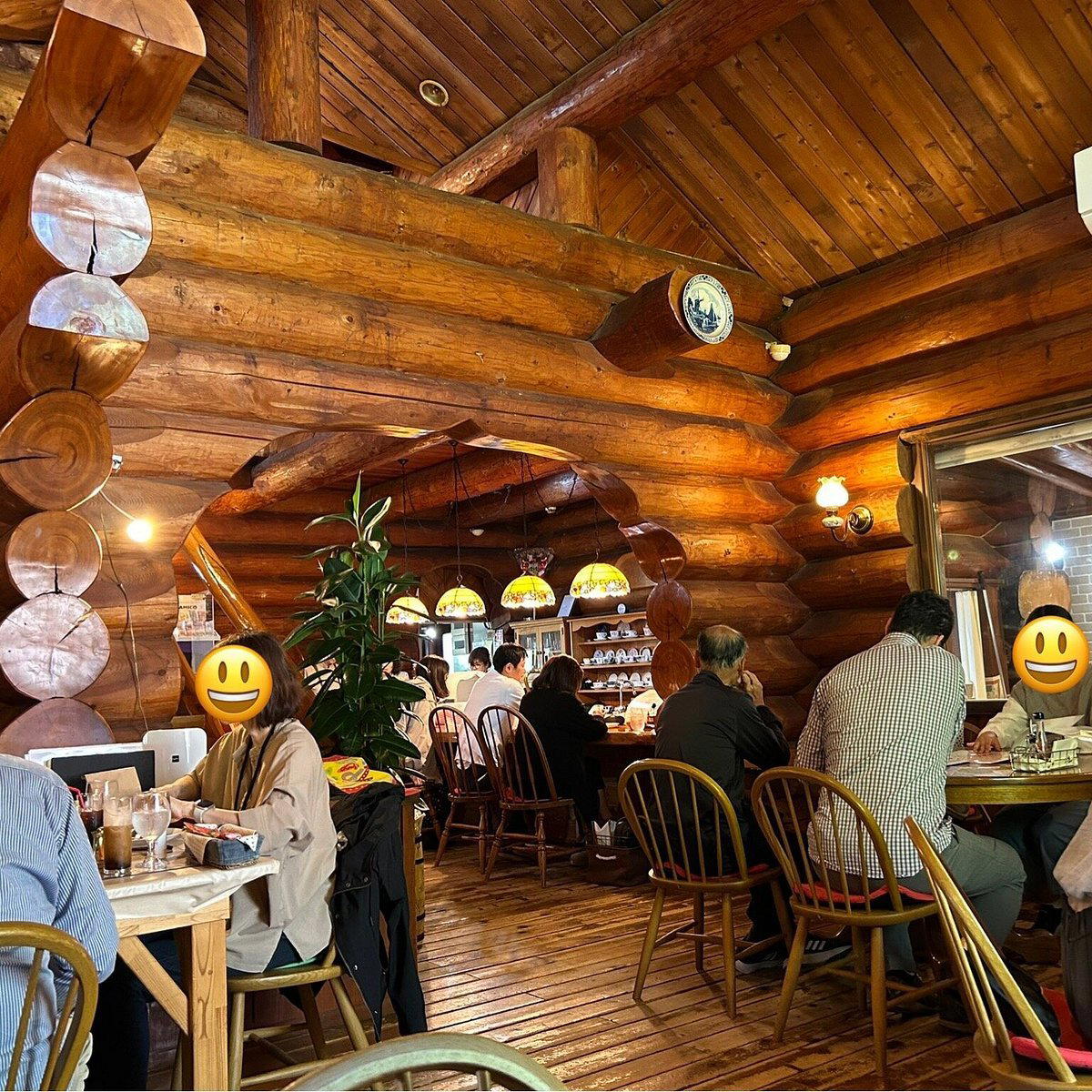
- Rustic
- Cozy
- Casual Hangout
- Solo
- Family
- Sake Program
- A La Carte
Current opening hours
- Monday
- 11 AM–1:45 PM
- Tuesday
- 11 AM–1:45 PM
- Wednesday
- Closed
- Thursday
- 11 AM–1:45 PM
- Friday
- 11 AM–1:45 PM
- Saturday
- 11 AM–1:45 PM, 5–7 PM
- Sunday
- 11 AM–1:45 PM, 5–7 PM
Hours can change for holidays and private events. Hours as of .
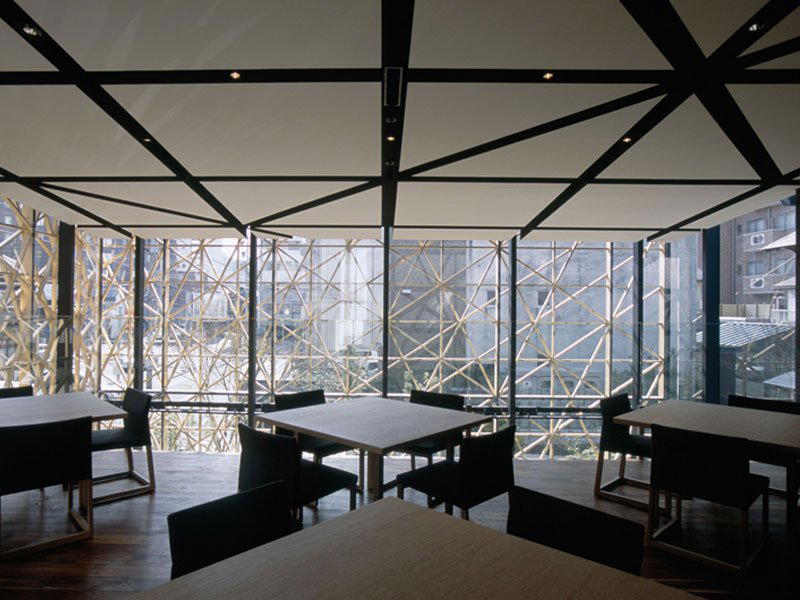
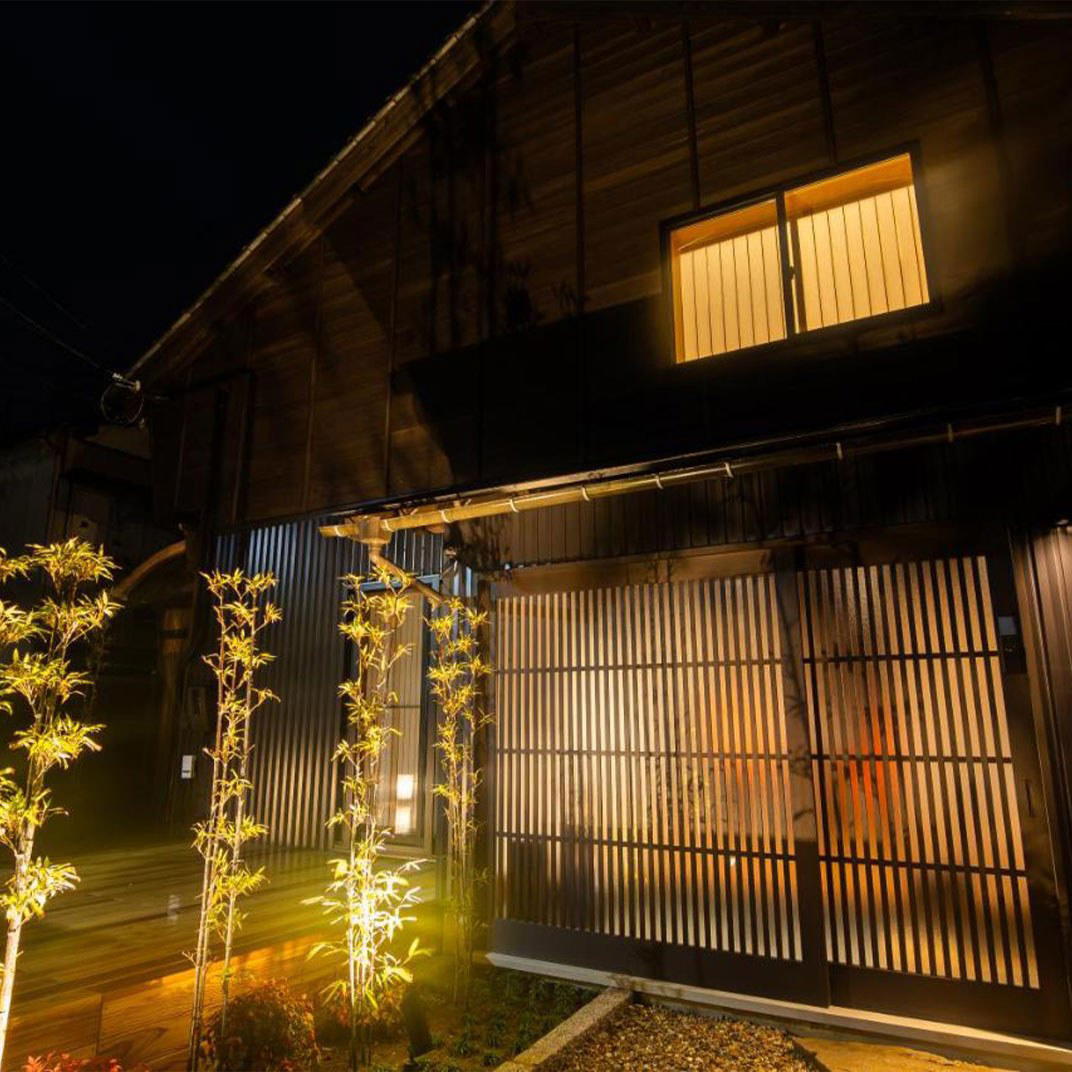
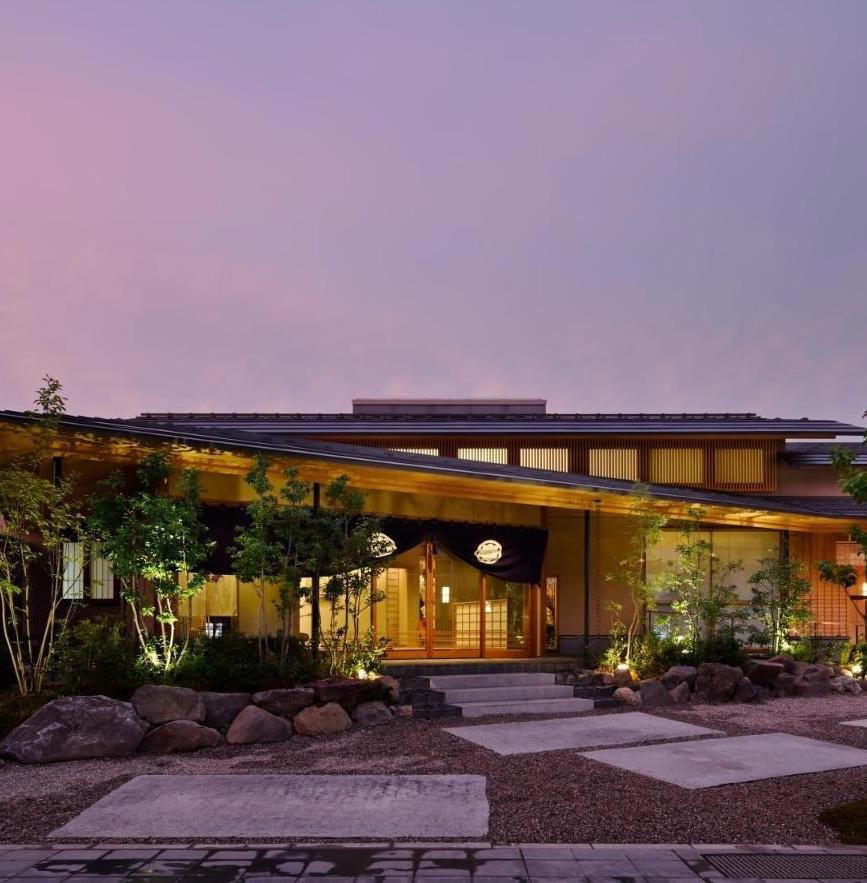
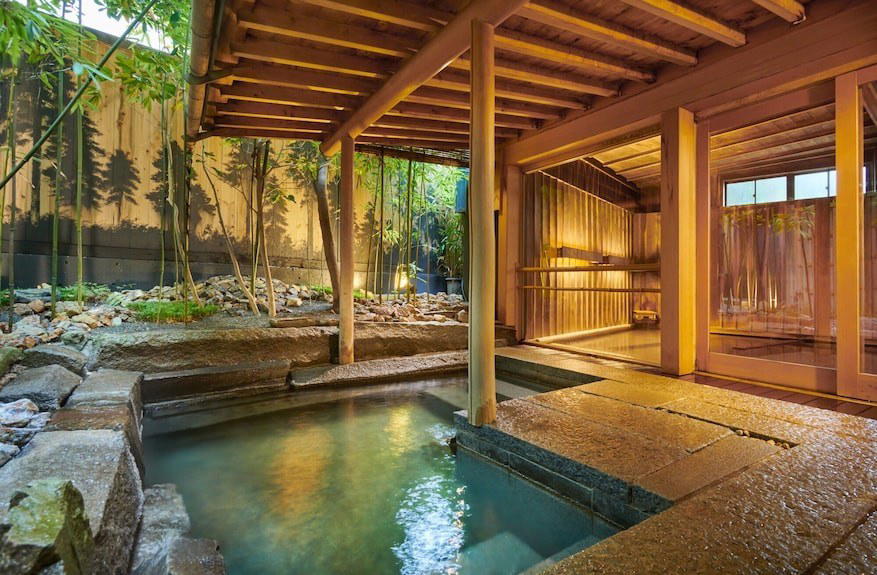
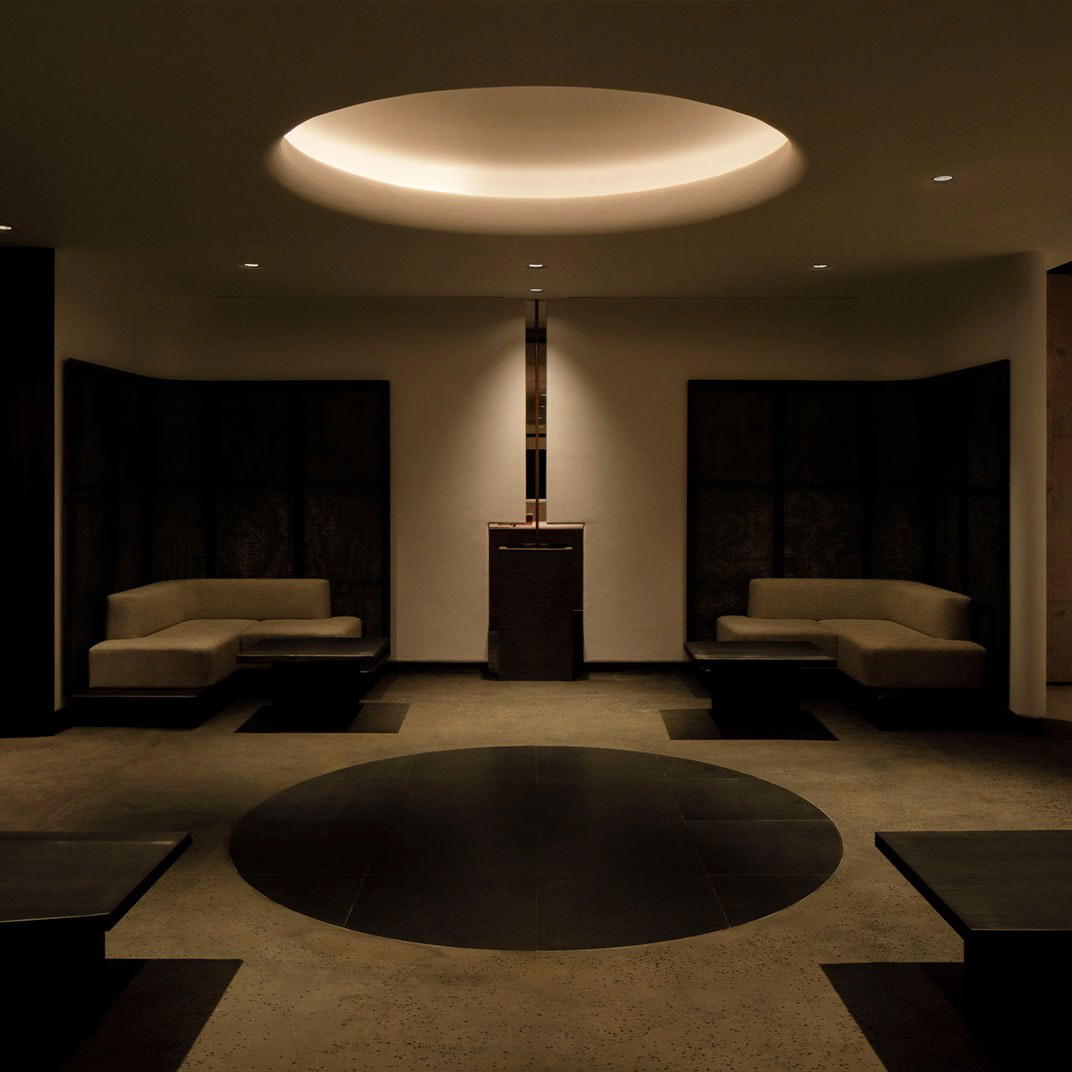
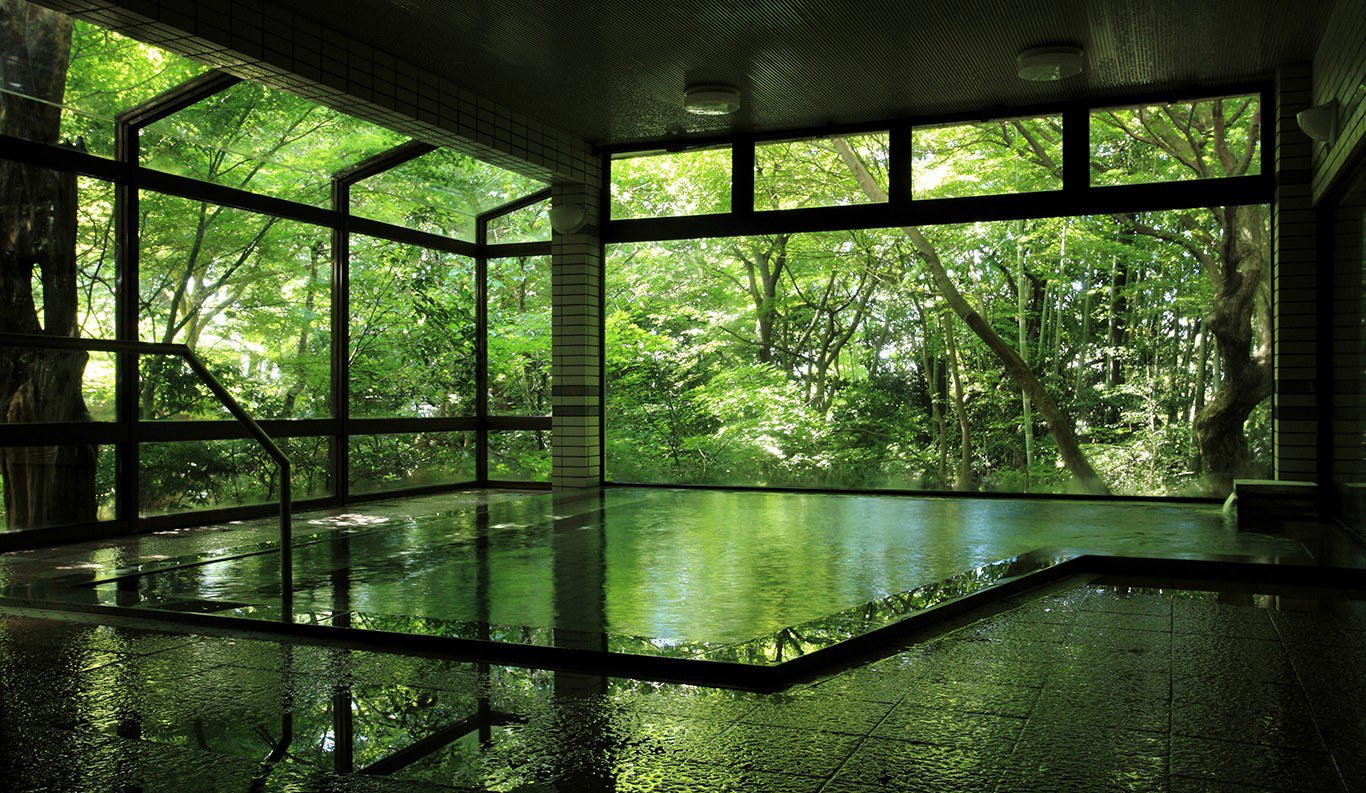
Historic atmosphere with quiet, traditional ambiance evoking a sense of history and tranquility.