
Tabelog 100 #79
Our verdict
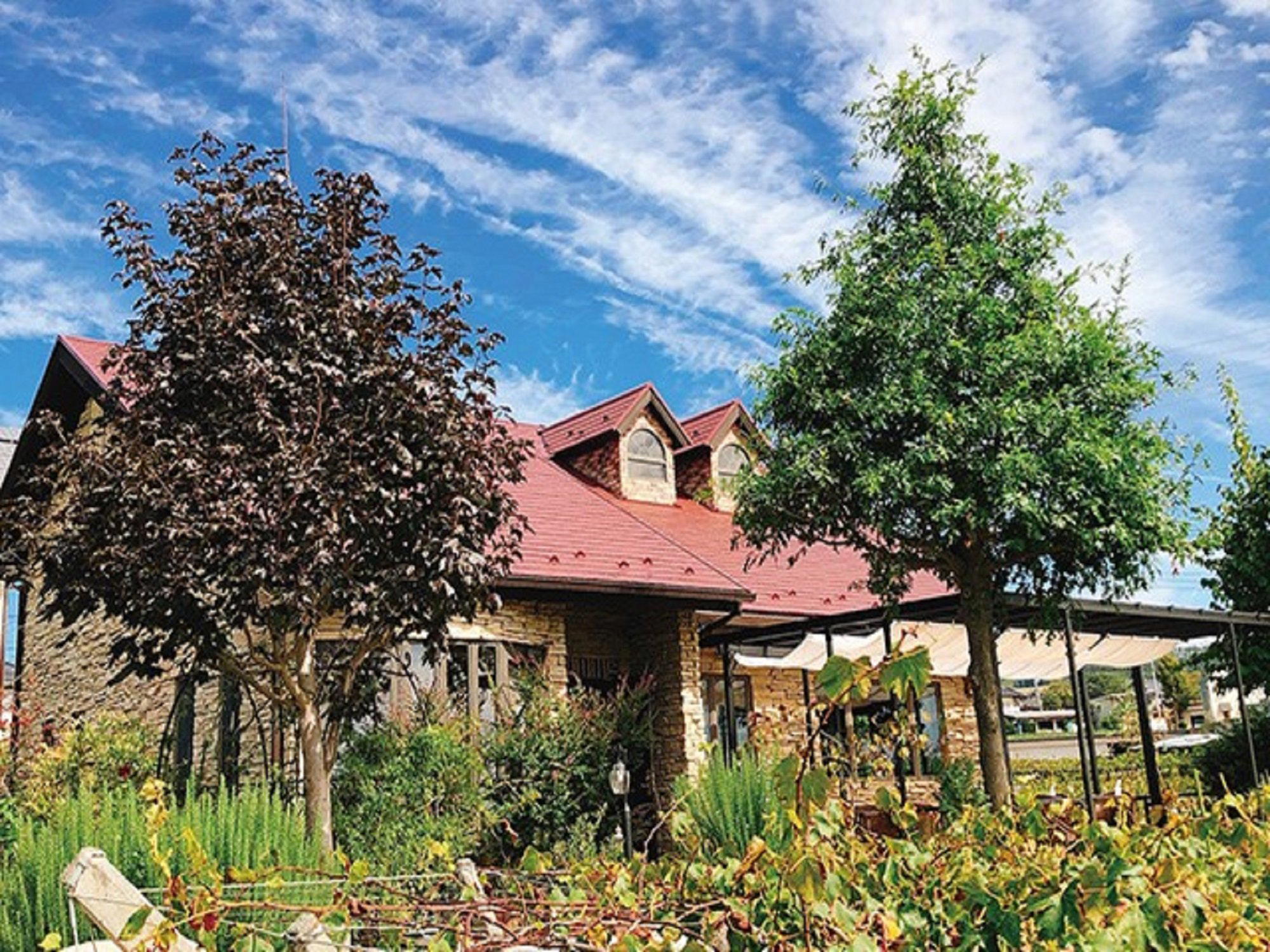
キュイエット sits in Nirasaki's agricultural heartland in Yamanashi Prefecture, a region whose orchards and market gardens supply some of Japan's most closely tracked produce. The restaurant's address in Hosakamachi places it within the fruit-growing belt that defines the area's culinary identity. For travellers moving between the Japanese Alps and greater Tokyo, it represents a deliberate detour into ingredient-led dining in rural Yamanashi.

Pearl is the En Primeur Club membership app, where members save venues, book tables and use the concierge.
Yamanashi's Ingredient Belt and the Case for Rural Fine Dining
Japan's restaurant conversation concentrates heavily on Tokyo, Osaka, and Kyoto, but a quieter set of destination restaurants has been building credibility in the agricultural prefectures that supply those cities. Yamanashi is one of the clearest examples. The prefecture produces a significant share of Japan's peaches, grapes, and plums, and its proximity to both the Southern Alps and major logistics routes has made it a logical base for chefs who want direct relationships with the growers behind those harvests. キュイエット, located in Nirasaki's Hosakamachi district at the address 三ツ沢1129, occupies this broader pattern: a restaurant positioned in the productive interior rather than the consuming metropolis.
The logic of sourcing-first dining in Yamanashi is not incidental. When a kitchen sits within the growing region rather than at the end of a distribution chain, the gap between field and plate narrows considerably. Peaches picked at a local farm in Nirasaki can reach a kitchen in Hosakamachi the same morning. That operational reality shapes the rhythm of a menu far more than any stated philosophy. Visitors to rural Yamanashi dining rooms often notice seasonal transitions expressed more sharply than in urban counterparts, precisely because the supply chain has fewer links. For context on how Japan's rural fine dining fits into the broader national picture, our full Nirasaki restaurants guide maps the wider scene.
Placing Nirasaki on Japan's Dining Map
Japan's premium restaurant tier is dominated by urban addresses. Harutaka in Tokyo and Gion Sasaki in Kyoto operate within cities where the density of critics, competition, and clientele sustains a constant pressure toward refinement. HAJIME in Osaka has built an internationally recognised identity within a major urban food culture. These are venues shaped by their cities as much as by their kitchens.
Nirasaki operates under different conditions. The city of roughly 30,000 sits between Kofu and the Yatsugatake highlands, and its restaurant scene is sparse by the standards of Japan's major urban centres. That scarcity changes the reader's calculation: a destination restaurant in Nirasaki is not one choice among dozens. It is, for most visitors, the primary reason to arrive. This creates a different kind of dining experience, one oriented around the journey and the place rather than the competitive positioning that defines urban fine dining. akordu in Nara operates under comparable logic, attracting visitors to a secondary city by offering something the capitals cannot replicate. Goh in Fukuoka similarly benefits from a regional identity distinct from Tokyo's concentration of attention.
What the Yamanashi Growing Season Implies for the Menu
Yamanashi's agricultural calendar runs from early spring stone fruits through summer grapes and into autumn mushrooms from the mountain slopes surrounding the prefecture. A kitchen in Nirasaki that sources locally will track these shifts closely. Spring in Yamanashi means the first peach blossoms followed by tender mountain vegetables; late summer brings the grape varieties, including the native Koshu, that have made the prefecture a reference point for Japanese wine production. Autumn adds the mushroom harvest from the forested ridgelines of the Southern Alps.
For the diner, this means the menu at a restaurant like キュイエット functions as a calendar as much as a list of dishes. Arriving in different seasons will produce meaningfully different experiences, which is characteristic of Japanese restaurants that take their regional sourcing seriously. Compared to urban venues where ingredients arrive from multiple regions simultaneously, a Yamanashi-based kitchen with local sourcing commitments will tend toward a more compressed, seasonal reading of the available produce. Restaurants operating on similar principles in other parts of rural Japan include 湖畔荘 in Takashima and 庭羽屋 in Nishikawa Machi, both of which draw their identity from the agricultural or natural character of their immediate surroundings.
The Rural Arrival: Setting and Atmosphere
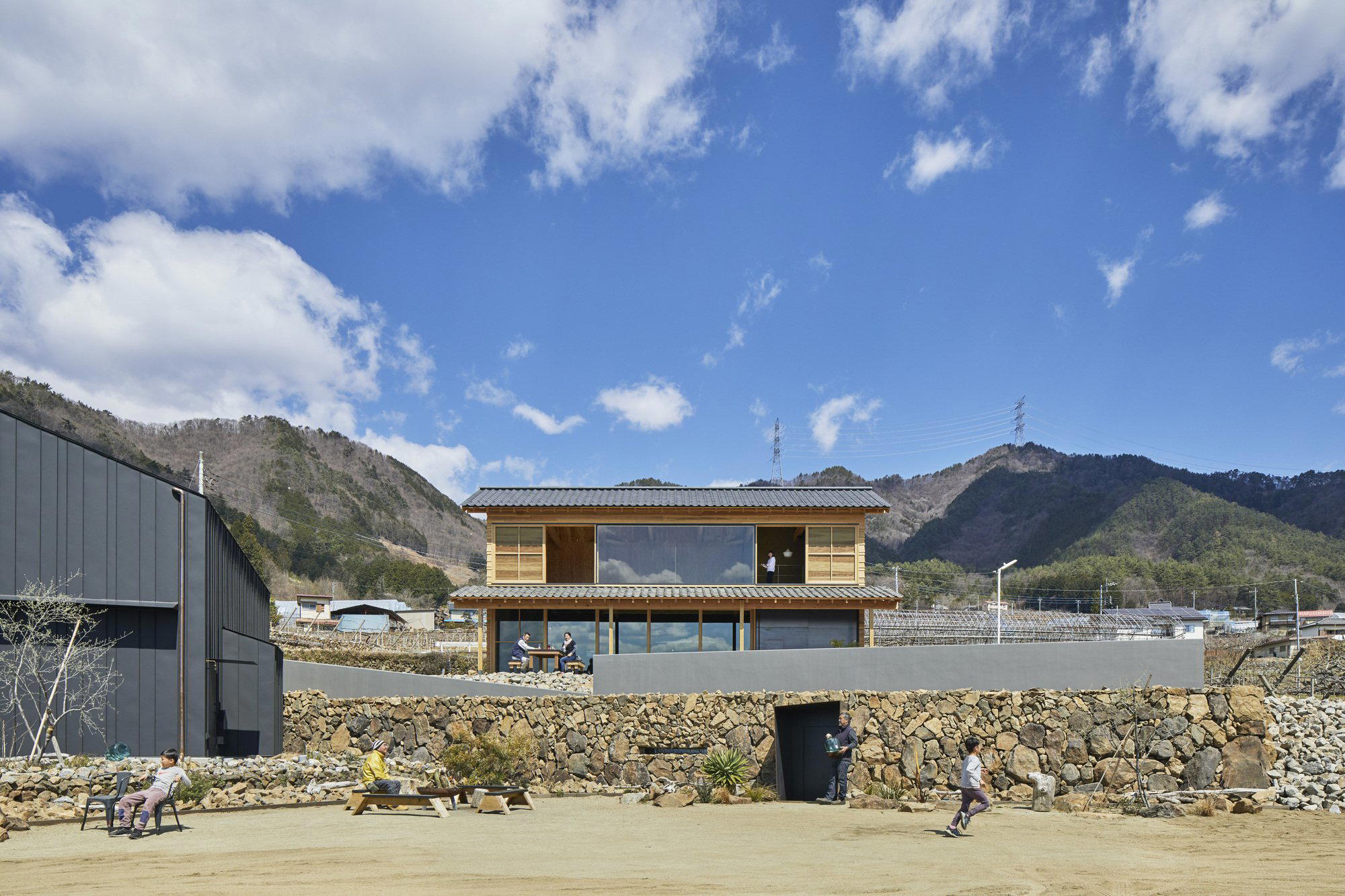
The address in Hosakamachi sits in the quieter residential and agricultural fringe of Nirasaki rather than any commercial district. Approaching the area, the scale shifts from the highway infrastructure of the Chuo Expressway corridor to narrower local roads lined with orchards and small holdings. This is the physical grammar of rural Yamanashi: functional agricultural land that happens to produce some of Japan's most closely followed fruit. A restaurant operating in this environment carries that context through the door with every guest.
Atmosphere in rural Japanese dining often arrives through restraint rather than spectacle. Without the ambient noise and visual density of an urban dining room, details of material, light, and service rhythm become more legible. This is a pattern visible across Japan's more isolated destination restaurants, from the mountain inns of Nagano to the coastal rooms of Ishikawa Prefecture. 一本木 海川魚 in Nanao, situated in Ishikawa's quieter fishing culture, and 夕仙山乃 in Sapporo both demonstrate how geography becomes atmosphere at restaurants positioned outside urban centres.
Planning a Visit: Practical Considerations
Nirasaki is accessible by rail on the JR Chuo Main Line, with services from Shinjuku reaching Nirasaki Station in approximately 90 minutes. The Hosakamachi address is outside walking distance from the station, so visitors should plan for a taxi or rental car. Travelling from Kofu, the prefectural capital, takes roughly 15 minutes by local train. Visitors arriving by road from Tokyo via the Chuo Expressway should allow approximately 90 to 100 minutes depending on traffic at the Hachioji interchange.
Because detailed booking information for キュイエット is not publicly available through standard channels, contacting the restaurant directly before travel is advisable. Rural destination restaurants across Japan, including comparable venues such as Bistro Ange in Toyohashi and bodai in 那智勝浦町, often operate on limited seatings without the online booking infrastructure of urban counterparts. Arriving without a confirmed reservation at a small rural restaurant in Japan carries real risk of disappointment. Timing a visit around Yamanashi's fruit seasons, particularly the peach season from late June through August, adds the dimension of encountering the prefecture's most celebrated produce at its peak.
For broader context on Japan's ingredient-led dining rooms, the comparison set extends internationally. Le Bernardin in New York City and Atomix in New York City represent how sourcing discipline operates at the top of the urban fine dining market. Denko Sekka in Hiroshima, Blue Ocean Steak in Nakagami District, Birdland in Sakai, and Cafe Naoshima Konichiwa in Naoshima each illustrate how regional identity shapes restaurant experience across Japan's prefectures.
Frequently asked questions
Is キュイエット child-friendly?
キュイエット sits in the agricultural fringe of Hosakamachi in Nirasaki, away from any commercial district, which suggests a quiet, deliberate dining environment rather than a casual family setting. Destination restaurants in this rural Yamanashi context tend to draw guests focused on the seasonal menu experience. Families with young children should check the venue's official channels to confirm suitability before making the journey from Nirasaki Station.
What should I expect atmosphere-wise at キュイエット?
The address in Hosakamachi places キュイエット in a residential and agricultural zone on the quieter edge of Nirasaki, and the setting shapes the experience before guests reach the table. Rural destination restaurants of this type in Yamanashi tend toward calm, unhurried environments where the drive or walk from the station is itself part of the transition into the meal. Expect a considered, low-distraction room rather than an urban-energy dining room.
How far is キュイエット from Nirasaki Station, and how do you get there?
キュイエット is located at 三ツ沢1129 in Hosakamachi, on the agricultural fringe of Nirasaki city in Yamanashi Prefecture. Nirasaki Station on the JR Chuo Main Line is the arrival point, with services from Shinjuku running approximately 90 minutes. The Hosakamachi address sits beyond the station's walkable range, so arranging a taxi from the station or confirming transport with the venue in advance is a practical necessity for the journey.
What should I order at キュイエット?
A seasonal set menu or chef's course format is common at destination-style restaurants in this part of Japan.
Where is キュイエット in Nirasaki?
キュイエット is located at Japan, 〒407-0174 Yamanashi, Nirasaki, Hosakamachi, 三ツ沢1129, Nirasaki.
Should I book キュイエット in advance?
Given the location in Hosakamachi, a residential-agricultural area of Nirasaki accessible by JR Chuo Main Line from Shinjuku in around 90 minutes, キュイエット draws guests making a deliberate trip rather than a walk-in decision. That travel investment alone means arriving without a confirmed reservation carries real risk. Booking ahead is advisable, and confirming transport arrangements at the same time is practical given the distance from Nirasaki Station to the Hosakamachi address.
What do critics highlight about キュイエット?
What the venue's positioning in Nirasaki does suggest is a deliberate separation from Tokyo's restaurant density, aligning it with a small group of Yamanashi destination addresses that have been building credibility on ingredient access rather than urban proximity. That framing, rural sourcing over metropolitan profile, is the argument critics have begun making for this region.
Quick Comparison
Comparable venues nearby, for context on price, style, and recognition.
| Venue | Cuisine | Price | Awards | Notes |
|---|---|---|---|---|
| キュイエットThis venue (the venue you are viewing) | French with Local Yamanashi Ingredients | $100–150 | Tabelog 100 #79 | Not listed |
| Au Gamin de Tokio | French Bistro | $50–100 | Not listed | Ebisu |
| Asperges (アスペルジュ) | Biei Vegetable French | Not listed | Not listed | 美瑛町 |
| Restaurant Artisan | Neo-classic French Bistro & Wine Bar | $50–100 | Tabelog 100 #53 | Naka |
| ロクターヴ ハヤト コバヤシ | Modern French Gastronomy | $150–200 | Tabelog 100 #19 | Shibuya |
| モルソー | Casual French Bistro | $50–100 | Not listed | Shinagawa |
Recognition history
Dated appearances from independent guides and award organizations, with the underlying list record or original source where available.
Tabelog 100 #79 · No. 79
Tabelog · Tabelog 100 - French - EAST - 2025
Continue exploring
More in Nirasaki
Restaurants in Nirasaki
All restaurants in Nirasaki →
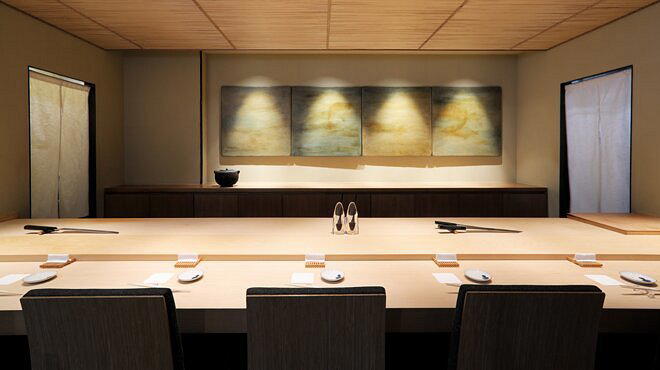
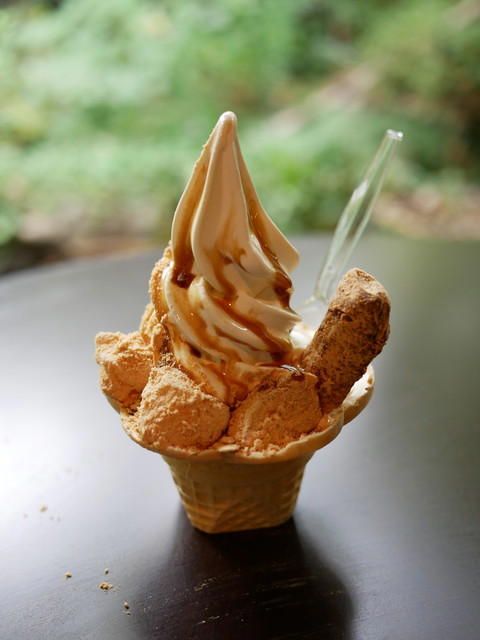
Hotels in Nirasaki
Browse all →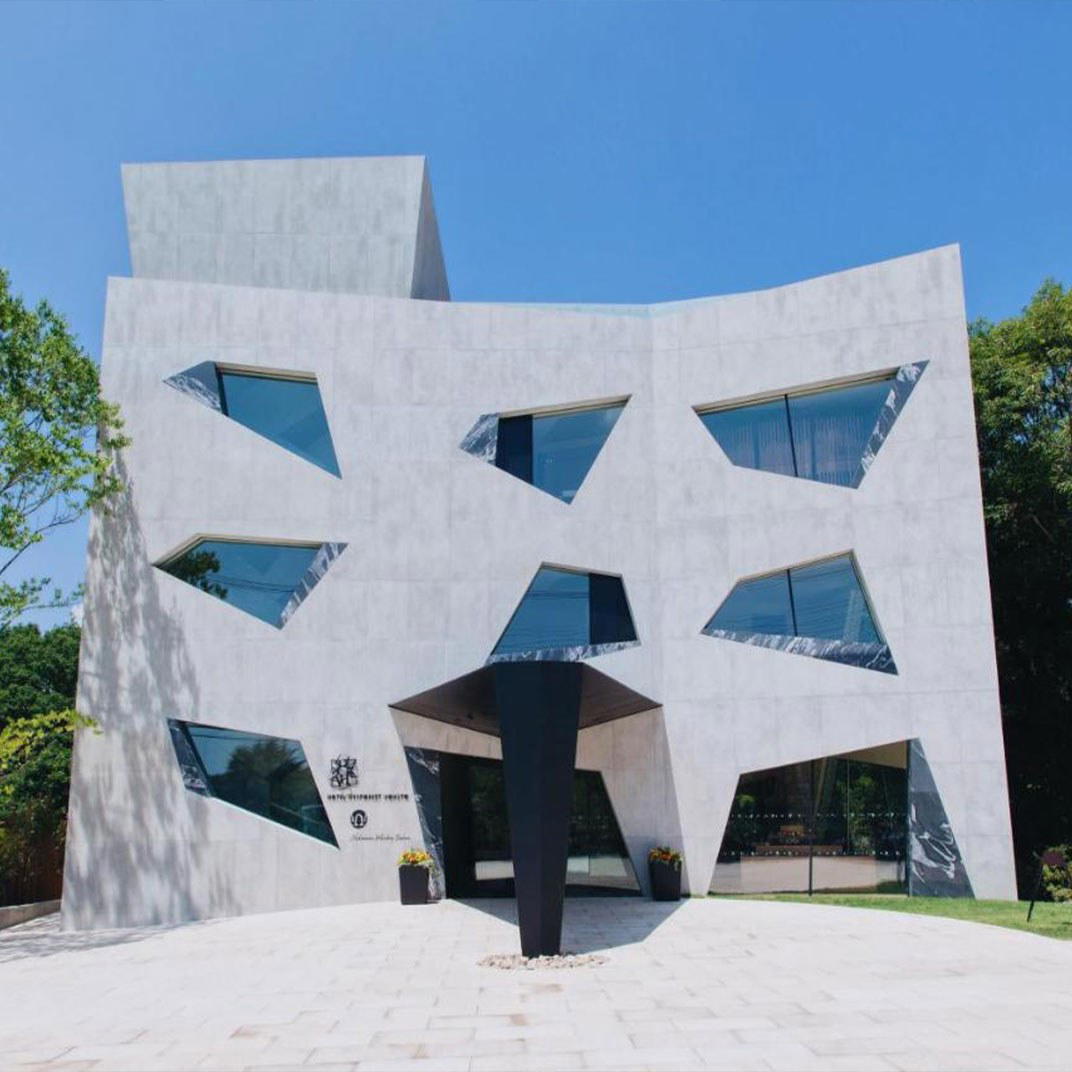
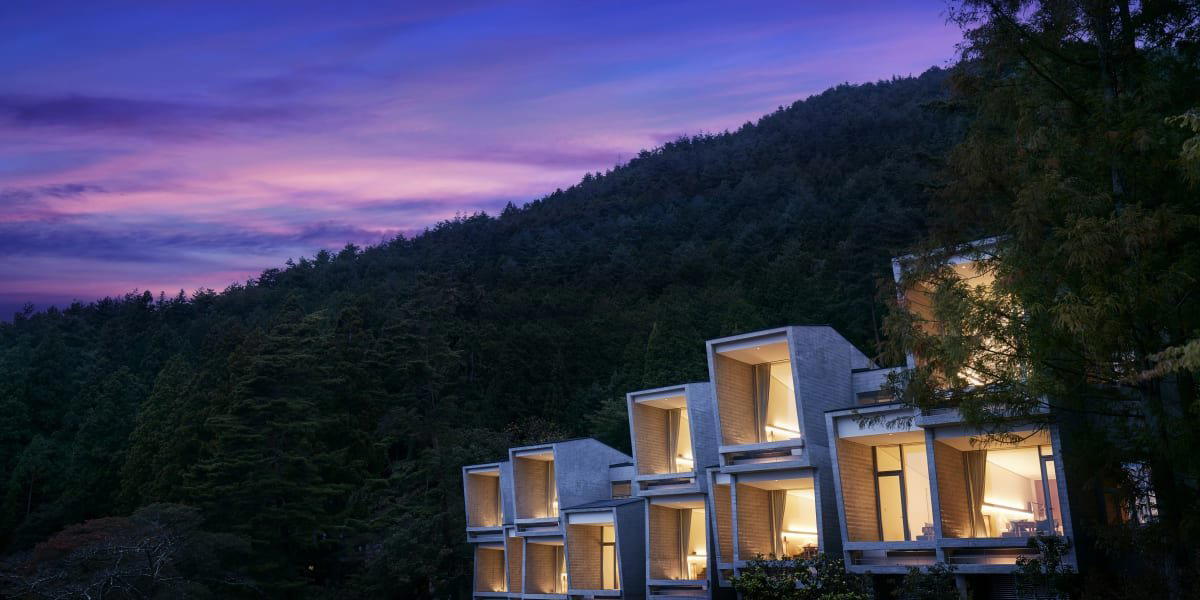
Wineries in Nirasaki
Browse all →

Details
- Scenic
- Cozy
- Elegant
- Rustic
- Special Occasion
- Terrace
- Sake Program
- Local Sourcing
- Mountain
Current opening hours
- Monday
- 11:30 AM–2 PM, 6–8:30 PM
- Tuesday
- Closed
- Wednesday
- 11:30 AM–2 PM, 6–8:30 PM
- Thursday
- 11:30 AM–2 PM, 6–8:30 PM
- Friday
- 11:30 AM–2 PM, 6–8:30 PM
- Saturday
- 11:30 AM–2 PM, 6–8:30 PM
- Sunday
- 11:30 AM–2 PM, 6–8:30 PM
Hours can change for holidays and private events. Hours as of .
Picturesque rural French countryside atmosphere surrounded by vineyards and mountains.