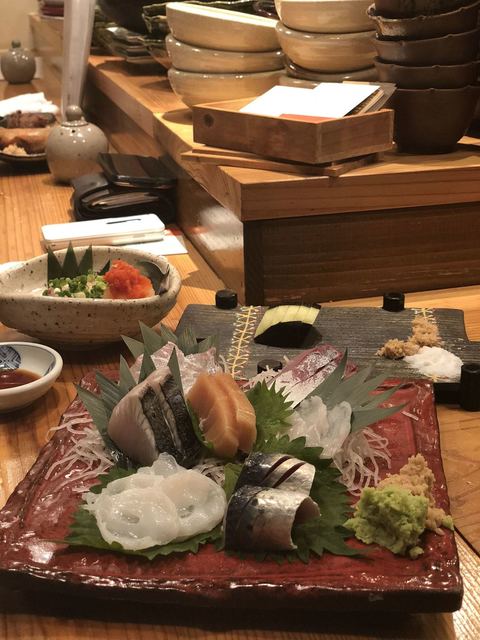
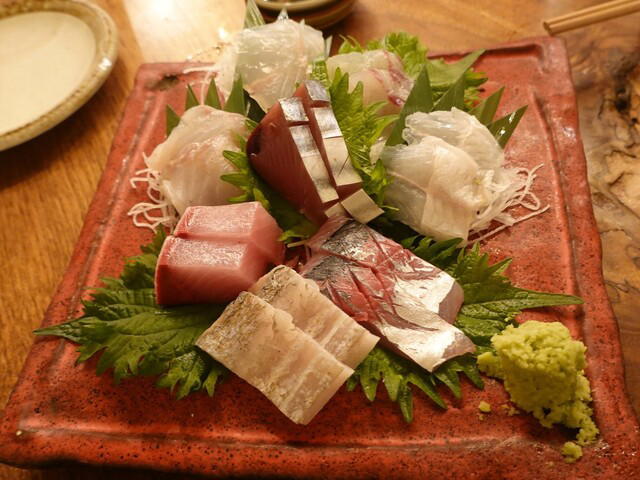
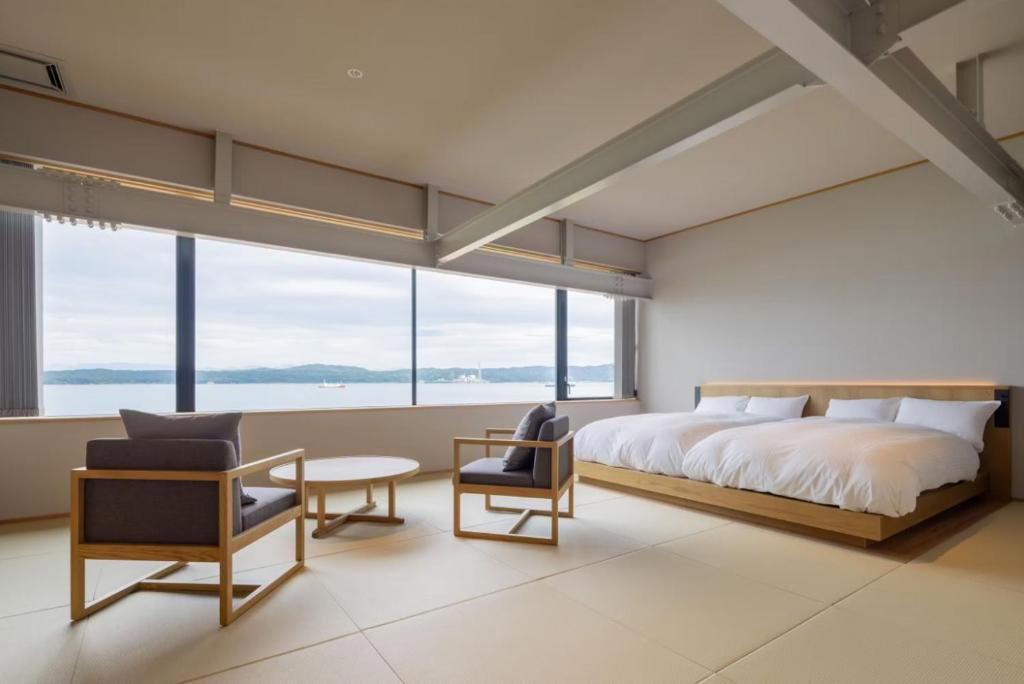
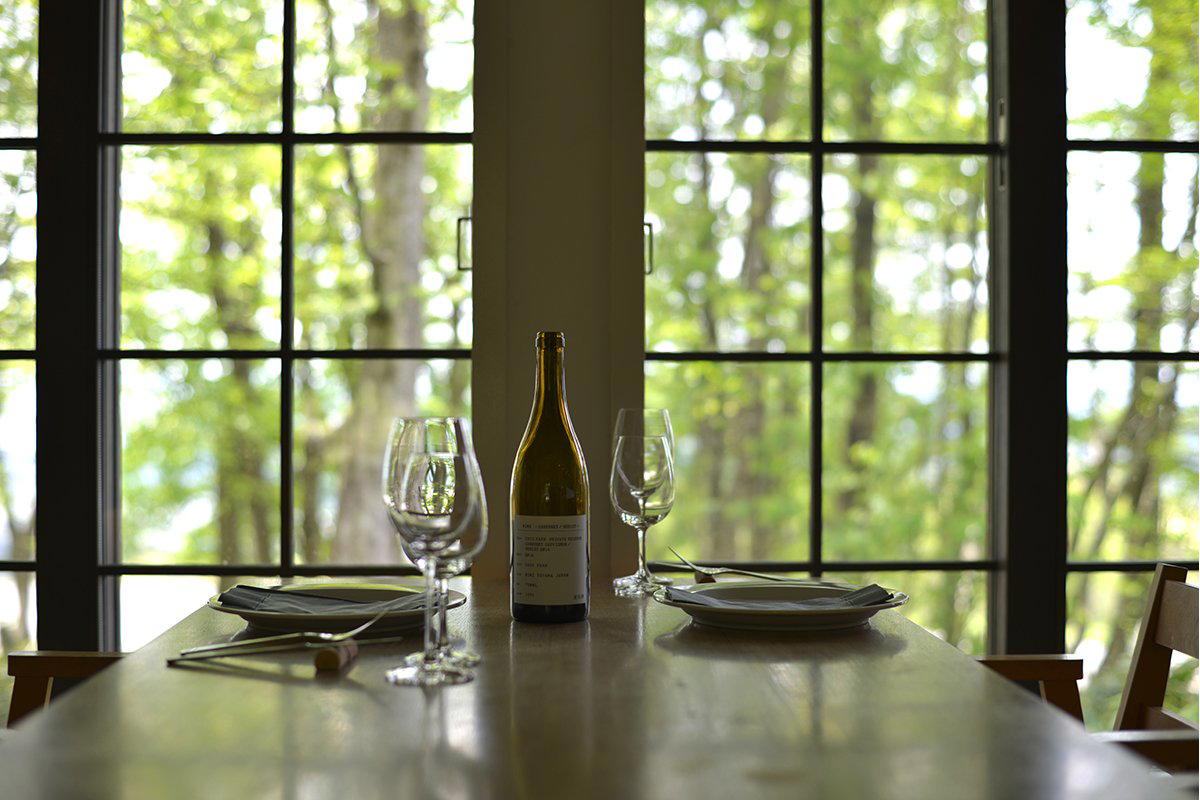
Zenyuutei occupies a quiet address in Toyama's Shiroganecho district, where the meal follows a considered, unhurried pace rooted in regional Japanese dining tradition. The kitchen draws on Toyama's notable seafood and mountain produce, placing it within the city's small tier of formal dining rooms. Visitors seeking an alternative to Toyama's izakaya circuit will find a more structured, ritual-led format here.
Pearl is the En Primeur Club membership app — saves, bookings, and concierge access live there. Same editors, same standards.
- Address
- Japan, 〒930-0048 Toyama, Shiroganecho, 7−7
- Phone
- +81 76-461-3589
- Website
- fukuya.in
- Directions
- Get directions
 Saves & bookings on Pearl
The Pace of Eating in Toyama's Formal Dining Rooms
Japanese provincial cities have long maintained a category of dining room that sits between the informality of the izakaya and the ceremony of high kaiseki: places where the meal moves at a deliberate pace, where courses arrive in a logic the kitchen controls rather than the guest, and where the room itself signals that rushing would be a misreading of the invitation. In Toyama, a city whose food reputation rests on the depth of its seafood culture, Shiroganecho hosts several addresses of this character. Zenyuutei, at 7-7 Shiroganecho, occupies this middle register, where the ritual of the meal is the organizing principle rather than a backdrop to it.
Toyama Bay is among the more productive fishing grounds in Japan, feeding a local dining culture that is specific enough to reward visitors who approach it methodically. The bay's depth creates the conditions for firefly squid, white shrimp, and yellowtail, all of which define the seasonal rhythm of Toyama's better restaurants. A formal dining room in this city does not need to import its credentials; the raw material makes the argument if the kitchen is attentive to it.
Reading the Room Before the First Course
The physical environment of a Japanese dining room built around ritual tends to communicate its intentions before a single dish is presented. At an address like Zenyuutei in Shiroganecho, the approach and interior register calm and deliberateness rather than energy and volume. This is not neutrality; it is a design decision that asks the diner to adjust their own tempo. The rooms that succeed in this format are ones where the setting does not compete with the food for attention, and where the progression of the meal produces its own internal rhythm.
In Toyama's dining culture, which has been shaped by both the rigor of Japanese seasonal cooking and the specific bounty of its bay and mountain hinterland, this kind of room functions as a frame rather than a spectacle. The comparison is worth drawing to kaiseki houses in Kyoto, such as Gion Sasaki, where architectural restraint and meal pacing operate together. Toyama operates at a different register, without Kyoto's density of formal dining culture, which makes its equivalent rooms easier to access and, for some visitors, easier to read on their own terms.
The Structure of the Meal as the Point
Across Japan's regional cities, particularly meaningful meals are often structured ones: not necessarily kaiseki in the strict sense, but meals where the sequence, the temperature of dishes, the ratio of raw to cooked, and the movement between light and rich courses reflects accumulated thinking rather than improvisation. This is the tradition Zenyuutei works within. The dining ritual in rooms of this type asks the guest to surrender pacing decisions to the kitchen, which is a fundamentally different contract than ordering from a menu at will.
That contract produces specific behaviors worth knowing before you sit down. Courses are not rushed, and requests to accelerate are generally read as a signal of discomfort with the format rather than a reasonable logistical request. The meal is the experience, not a prelude to something else. Compared to the more interactive yakitori counter experience at a place like Birdland in Sakai, or the technically complex multicourse format at HAJIME in Osaka, Zenyuutei sits in a quieter, more conversational middle ground where the meal's authority comes from restraint rather than spectacle.
Toyama's Dining Scene: Where Zenyuutei Sits
Toyama's restaurant ecology is narrower than Japan's three major cities but more coherent than its size might suggest. The city supports a range of formal dining rooms alongside strong mid-tier options. Among the addresses worth triangulating against Zenyuutei: Ebitei Bekkan works the city's seafood tradition from a different angle, while Hagiwara and Daimon occupy adjacent positions in the city's mid-to-upper register. For visitors arriving from elsewhere in the Hokuriku region, the contrast with Nanao's dining tradition is instructive: both cities lean on the Sea of Japan's produce, but Toyama's urban concentration gives it a wider formal dining tier.
On the Italian side, Himawari Shokudo 2 occupies the JPY 20,000 to JPY 29,999 bracket with a European format, which gives a useful price reference for the city's upper dining tier. Boteyan rounds out the local picture for visitors building a multi-meal itinerary in the city.
Nationally, the discipline of ritual-paced Japanese dining has its clearest expressions at counters like Harutaka in Tokyo and in the seasonal kaiseki tradition represented by akordu in Nara and Goh in Fukuoka. Zenyuutei belongs to the same broader discipline of meals where sequence and setting carry as much meaning as the food itself.
Planning a Visit
Zenyuutei is located at 7-7 Shiroganecho, Toyama 930-0048. Reservations are recommended. Visitors planning a Toyama itinerary are advised to confirm current reservation requirements in advance.
Cuisine-First Comparison
Comparable venues nearby, for context on price, style, and recognition.
| Venue | Cuisine | Price | Notes |
|---|---|---|---|
| å¨ä¹ å±This venue — the venue you are viewing | japanese | Not listed | Not listed |
| Kuchi Iwa | Soba and sake multi-course Japanese | $$$ | Higashi-Iwase |
| Sushi Namba | Traditional Sushi Omakase | $$$ | Kumonmyo |
| Thai Nanraku | Authentic Thai restaurant with set-course menus | $$ | Sakuragicho |
| Hagiwara | Toyama Omakase | $$$ | Ote Mall |
| Ebitei Bekkan | Kaiseki | $$$$ | Yasunoya-cho |
Recognition history
Dated appearances from independent guides and award organizations, with the underlying list record or original source where available.
Tabelog 100 #88 · No. 88
Tabelog · Tabelog 100 - Japanese cuisine - WEST - 2025
Continue exploring